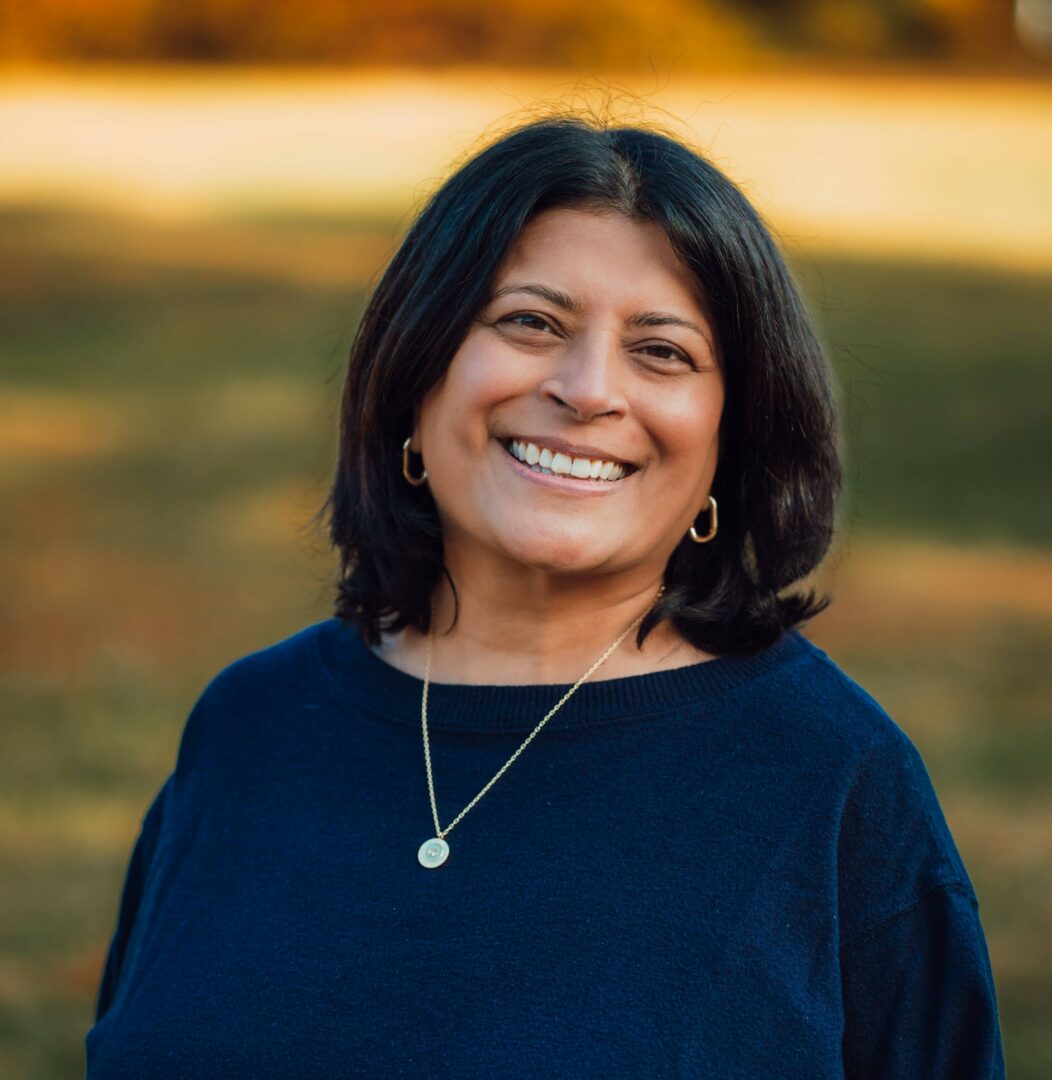
We’re excited to introduce you to the always interesting and insightful Jennifer Arnspiger. We hope you’ll enjoy our conversation with Jennifer below.
Jennifer , we’re so excited for our community to get to know you and learn from your journey and the wisdom you’ve acquired over time. Let’s kick things off with a discussion on self-confidence and self-esteem. How did you develop yours?
Honestly, I developed it after a series of deeply traumatic events through writing, more specifically, by giving my body voice on my page. No filter, no “I shouldn’t say that,” “I shouldn’t feel this way,” “I can’t talk about that thing that happened,” “I’m not allowed to express this feeling.” I found confidence and self-esteem through giving myself absolute permission to express the emotions, memories and intuitive knowing my body held on the privacy of my page. I found them on an even deeper level through sharing that writing in a self-published memoir. It was scary, the writing and sharing, but more than scary, it was a reclamation. It allowed me to reclaim my body, story and relationship with myself, which is the journey I now support deep-feeling, sensitive women through in my work as a Somatic Writing Coach.

Thanks, so before we move on maybe you can share a bit more about yourself?
I help deep-feeling, sensitive women find peace in their bodies through giving their bodies voice. Through my somatic writing process, I help them release emotions trapped in their bodies, heal their internal narrative(s) and anchor into a self-love that will stay. Sensitive women are absorbing energy constantly, more susceptible to physical and emotional pain and least likely to feel seen or validated in our pain because of our sensitivity and depth. The thing I find fascinating and heartbreaking is that many who fall into this category also have deeply creative hearts. They, like me, love to write. And I think that’s because writing – whether journaling or writing our more formal stories – is a safe way to get the emotional release and validation we deeply crave. A craving there’s nothing wrong with, by the way. The challenge is that creativity lives in our bodies. How can we reclaim our writer selves if our bodies feel innately unsafe? How can we find peace in our bodies through writing?
This is where I meet clients.
I have a writing circle called Body Writers, an intimate and safe space for sensitive women to connect with their bodies and practice giving their bodies voice by journaling to evocative song lyrics. (It’s healing and wonderful).
I also support sensitive women privately as a Somatic Writing Coach.
I have some delicious writing workshops and small group offerings coming this year that center my Body Writing™ process.
To explore my offerings and keep in touch, my website is the best place to begin (https://jenniferarnspiger.com).

If you had to pick three qualities that are most important to develop, which three would you say matter most?
I have always had a bit of a kamikaze streak in me that knows that running toward hard feelings and stories I hold in my body and writing them down will help. That the more honest I let myself be on my page, the more healing my writing will give me. In 2024, I earned certification as an Integrative Somatic Trauma Therapy Coach through The Embody Lab, which helped affirm what my body already knew: that unprocessed emotions and experiences live as dysregulating charge in our bodies. They live in our fascia, posture, organs, our behavior and nervous system. We can release this charge with a technical focus or more poetic one; I choose poetic. We can absolutely process emotions and releases their charge from our bodies through writing. This is what I support sensitive women and storytellers to do.
My best advice for those early in their writing to heal journey is to accept that there will be moments when the process doesn’t *feel good. We hurt when a thing happens. We hurt when we hold that thing in silence (sometimes for decades). We’re have to be willing to experience that hurt one more time as it comes up an out of us – as it rises from wherever we find it in our body and move it down our arm, through our hand, out our pen and onto our page.
Try not to be scared of this. It’s temporary. Also, forgive yourself for not feeling brave enough to do this alone. It’s brave work, entering your body and giving it voice to heal. So many clients come to me already beating themselves up for not being able or willing to do this on their own, which makes so much sense. It’s why my heart is so invested in supporting sensitive women through my process. Because it is brave work. It’s also deeply rewarding.

Who is your ideal client or what sort of characteristics would make someone an ideal client for you?
My ideal client is a deep-feeling, sensitive women who feels drawn to writing to heal. Who craves a new, therapeutic and creative way to release emotions trapped in her body so she can live with less pain, less anxiety and a more loving relationship with herself.
Maybe you’re a life-long journaler who writes and writes and cries but is just not getting the healing you crave. Maybe you long to write your story through your body but don’t know where to begin. And if you’re like every single client I work with, you don’t want to have to do this alone. You want to heal your pain without staying in your pain. You want trauma-informed support and deep somatic healing. You want a writing journey that feels productive and beautiful.
If this sounds like you, none of that is too much to ask. You’re a beautiful match for the work I do and I hope you’ll get in touch.
Contact Info:
- Website: https://jenniferarnspiger.com
- Instagram: https://www.instagram.com/highlysensitivehealing
- Facebook: https://www.facebook.com/highlysensitivehealing
Image Credits
Floral image: Janine Joles
so if you or someone you know deserves recognition please let us know here.