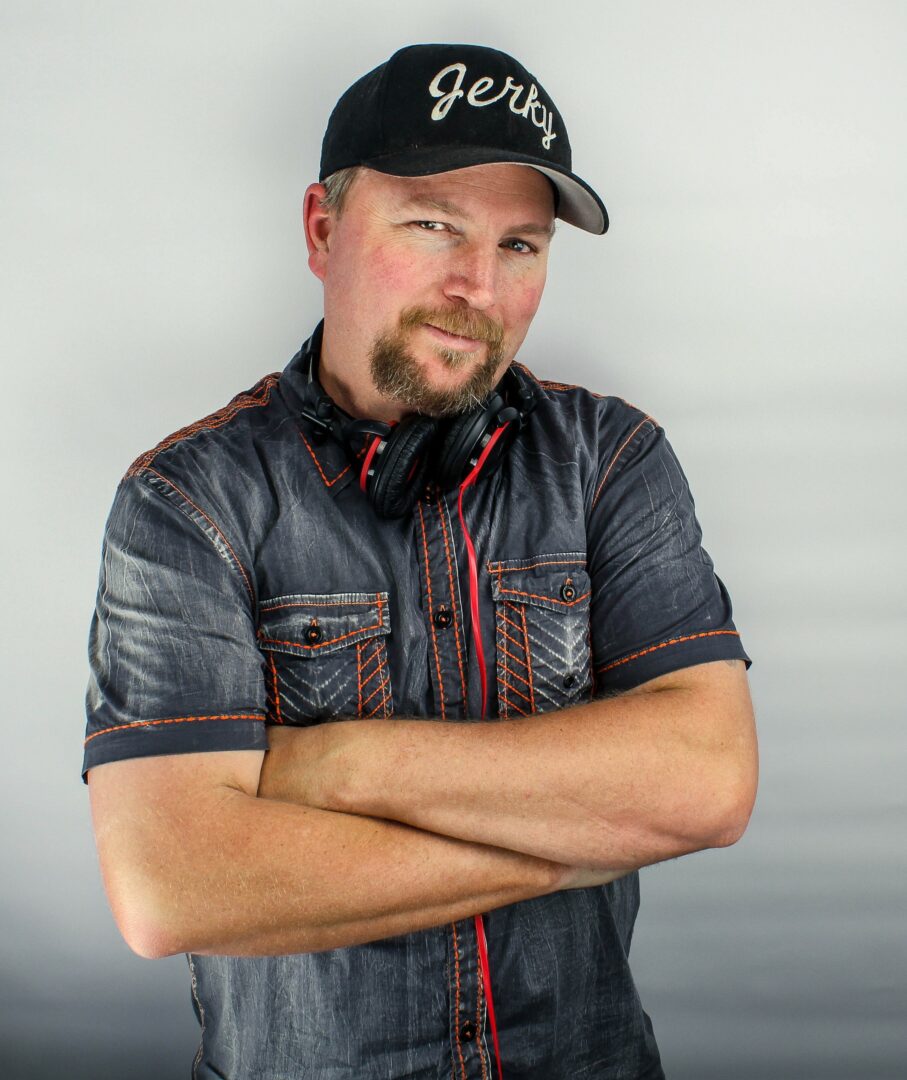
We caught up with the brilliant and insightful Jeremy Mcguigan a few weeks ago and have shared our conversation below.
Hi Jeremy, so excited to talk about all sorts of important topics with you today. The first one we want to jump into is about being the only one in the room – for some that’s being the only person of color or the only non-native English speaker or the only non-MBA, etc Can you talk to us about how you have managed to be successful even when you were the only one in the room that looked like you?
I believe my initial lack of experience actually worked to my advantage. When I decided to become a professional DJ, I had only a bit of experience from several years prior at a popular country line dance club in Reno. I was familiar with the basics of mixing music, but I had no idea how this would translate to a wedding setting—and it didn’t.
When I booked my first wedding, I was unfamiliar with the flow and feel of such events. This was my opportunity to learn and adapt. Without anyone else in the room to emulate, I had to figure it out on my own. I asked myself what I would expect from a DJ if I were the bride or groom, and used that perspective to develop my wedding show alongside my wife, Melissa.
I later discovered that many features we included, like emceeing and a light show, were either not offered by other DJs or were available only as costly upgrades. We provided these as part of our standard service because we could.
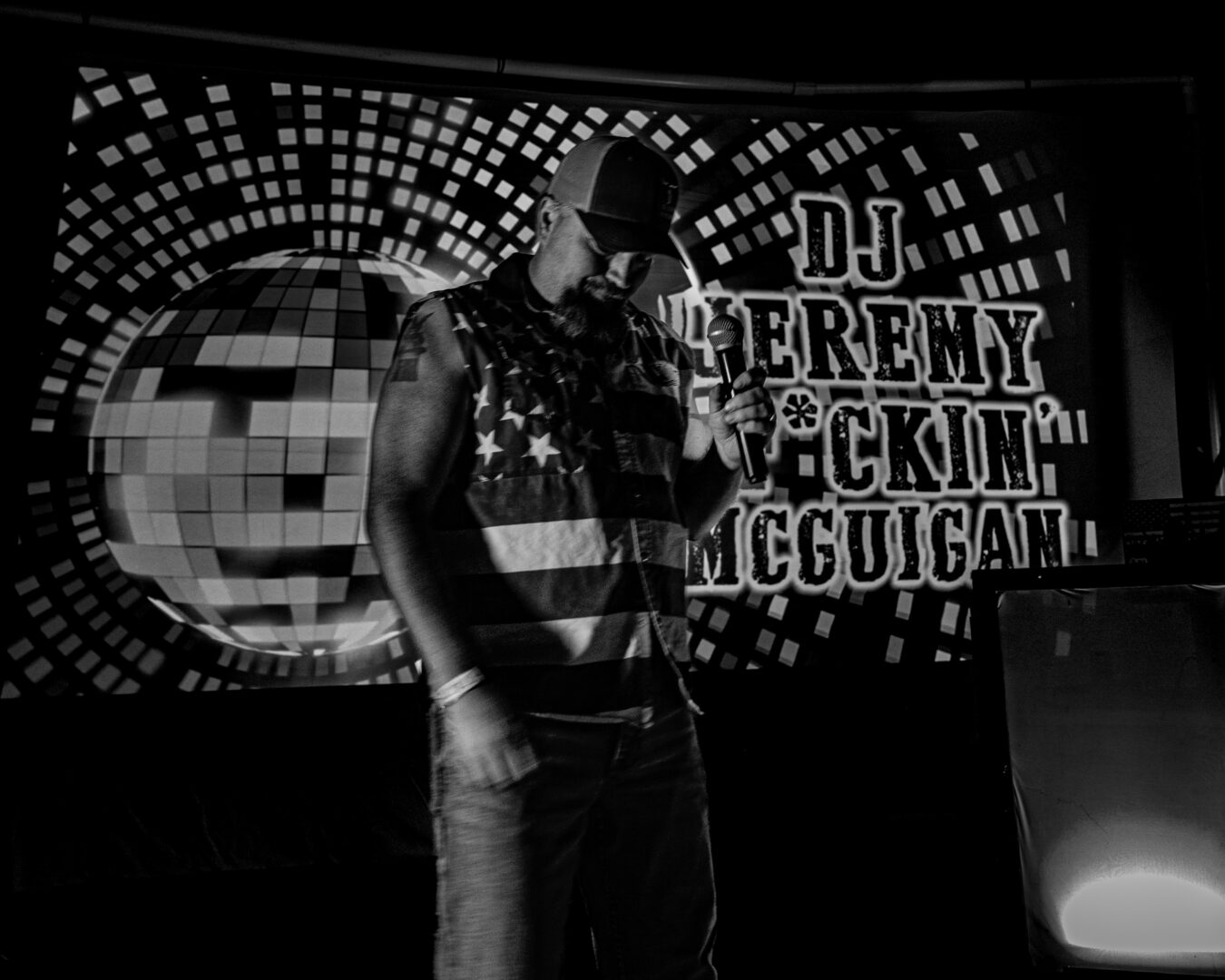
I apply the same philosophy to our high-profile shows as well. It’s quite uncommon for a DJ to spend very little time behind the booth and instead be actively dancing and singing along with the crowd. I’ve come to love this approach—being a part of the party, not just playing music for it.
Appreciate the insights and wisdom. Before we dig deeper and ask you about the skills that matter and more, maybe you can tell our readers about yourself?
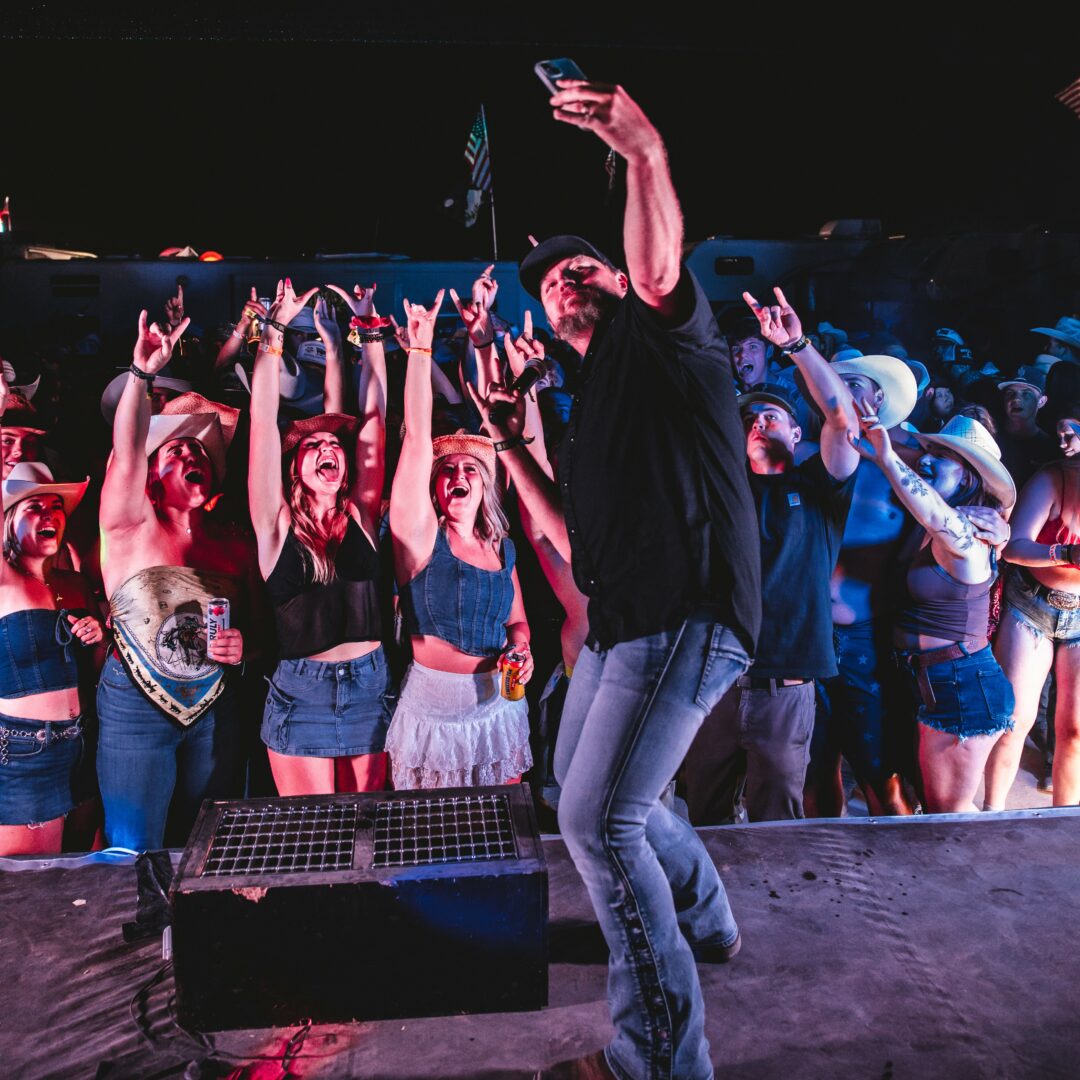
Before I turned 21, I was a regular at our local country nightclub, where I learned to line dance. My mother and I attended 3 to 4 nights a week, immersing ourselves in dance. Shortly after my 21st birthday, the venue approached me, needing a DJ for weekends. They offered to train me, but my extensive line dance knowledge gave me a significant edge. I ended up working there for about a year and a half. It’s incredible how that small opportunity launched my entire career. From a young age, I aspired to be an entertainer, and making people smile—whether at weddings or in the nightclub—has always warmed my heart. Recently, I’ve had the honor of DJing major events like the Coors tent after-party at the Reno Rodeo and the lively Night In The Country Camp. Living my life on stage every night is truly a dream come true.

Looking back, what do you think were the three qualities, skills, or areas of knowledge that were most impactful in your journey? What advice do you have for folks who are early in their journey in terms of how they can best develop or improve on these?
The most crucial skill in my line of work is personality. On stage, you need to stand out and captivate the audience. I learned early on that it’s important to embrace vulnerability and not fear putting yourself out there. Nervousness is normal—it shows you care—but don’t let it hold you back.
The second key skill is people skills, particularly in customer service. I’m always considering the customer experience and how to enhance it. When planning my shows, I think about what would improve the experience if I were an audience member.
Lastly, patience is essential. Success doesn’t come overnight, and the entertainment industry often involves facing rejection. It may sound cliché, but persistence and faith in your work are vital. If your efforts bring joy to yourself and others, the right opportunities will eventually come your way.
What would you advise – going all in on your strengths or investing on areas where you aren’t as strong to be more well-rounded?
I believe that focusing on our strengths is a great foundation for success, but to truly grow—whether as a business or, in my case, as an entertainer—it’s important to embrace our weaknesses as well. I’ve always excelled at customer service and never shied away from being on stage. However, there are always moments of doubt, where you’re unsure if an idea will work or not. That uncertainty can be intimidating.
But by trying new things while leaning on your strengths, you can grow, learn, and improve in all areas. It was this mindset that helped me perform for large audiences, like the 1,200 people per night at Night in the Country or all 11 nights of the Coors tent at the Reno Rodeo. By leveraging my strengths, I was able to improve my weaknesses and overcome those challenges.
Contact Info:
- Website: https://www.LastResortDJ.com
- Instagram: https://www.instagram.com/djjeremymcguigan/
- Facebook: https://www.facebook.com/DJJerky
- Linkedin: https://www.linkedin.com/in/jeremy-mcguigan-56964640/
- Other: http://www.JeremyMcGuigan.com
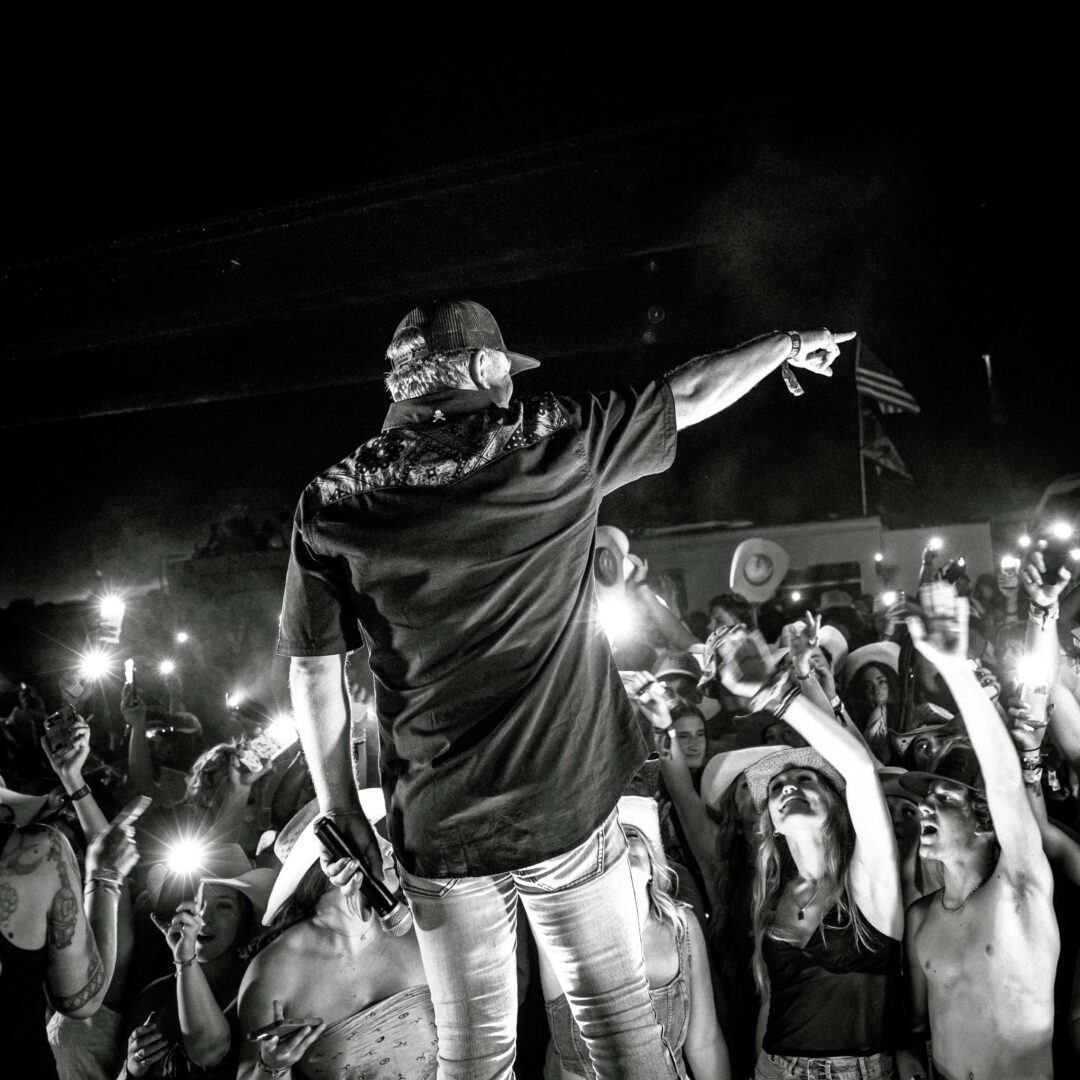
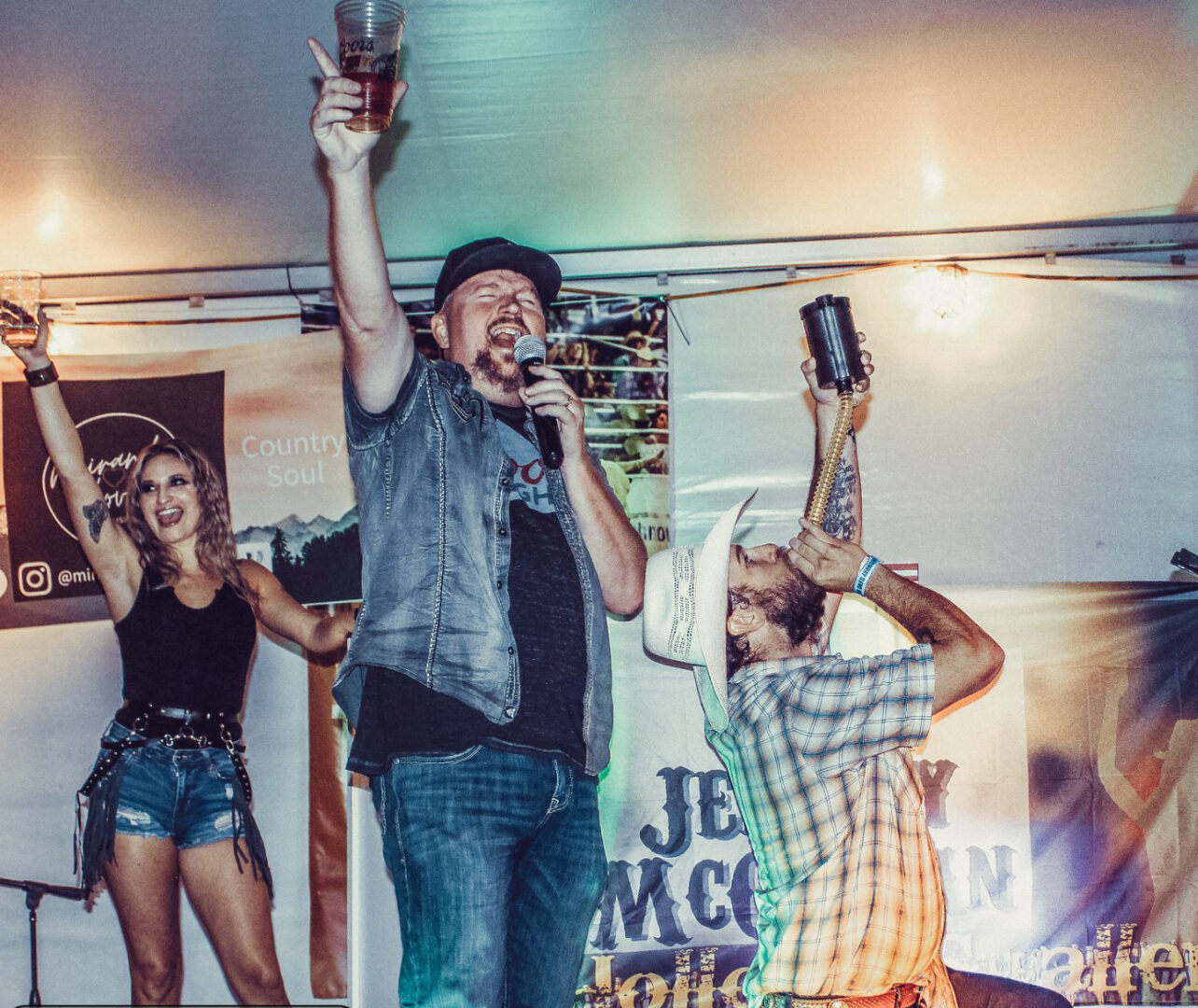
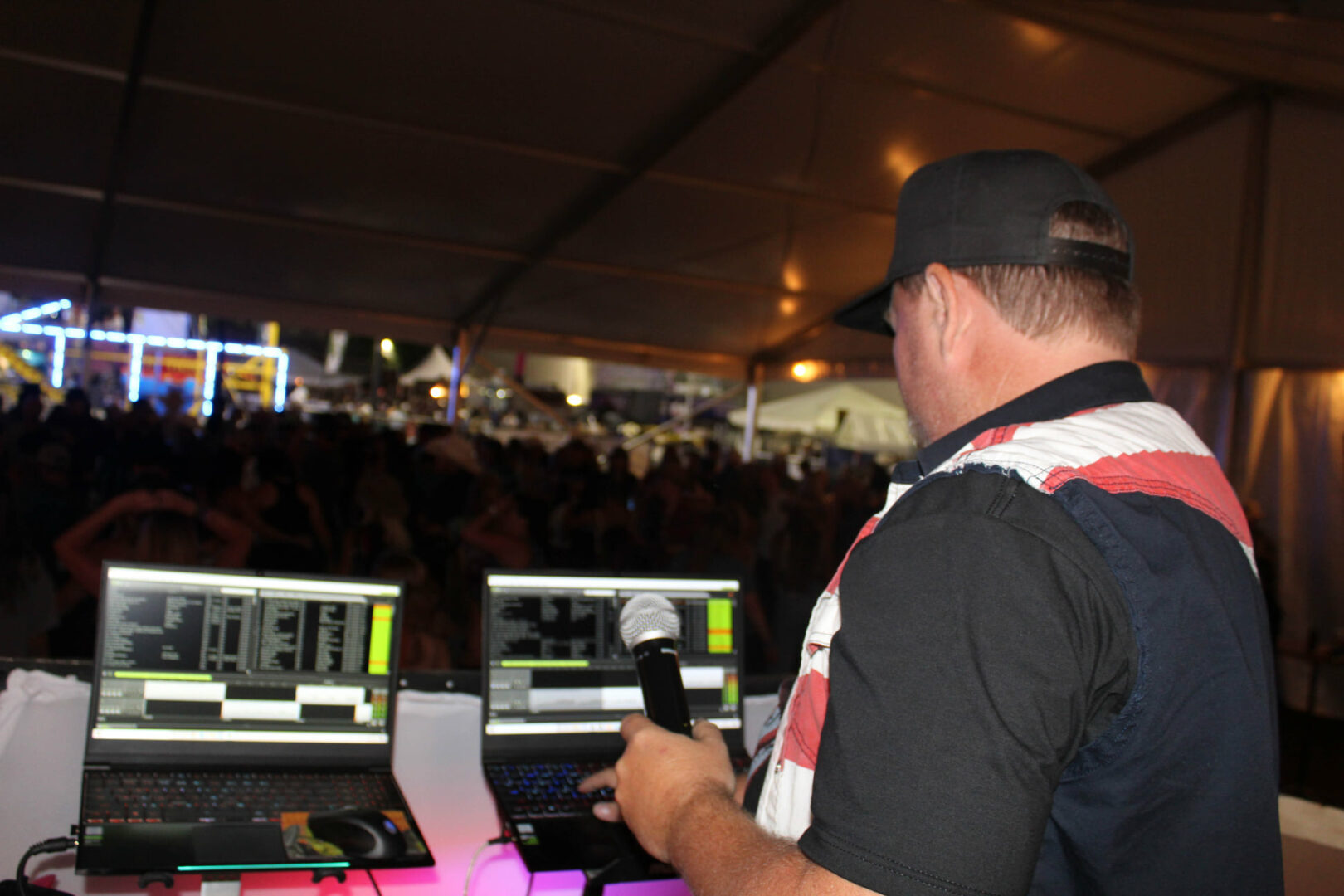
Image Credits
Melissa McGuigan, Jeremy McGuigan, The Abasto Co.
so if you or someone you know deserves recognition please let us know here.