We recently connected with Jerry Grimes and have shared our conversation below.
Hi Jerry, so excited to talk about all sorts of important topics with you today. The first one we want to jump into is about being the only one in the room – for some that’s being the only person of color or the only non-native English speaker or the only non-MBA, etc Can you talk to us about how you have managed to be successful even when you were the only one in the room that looked like you?
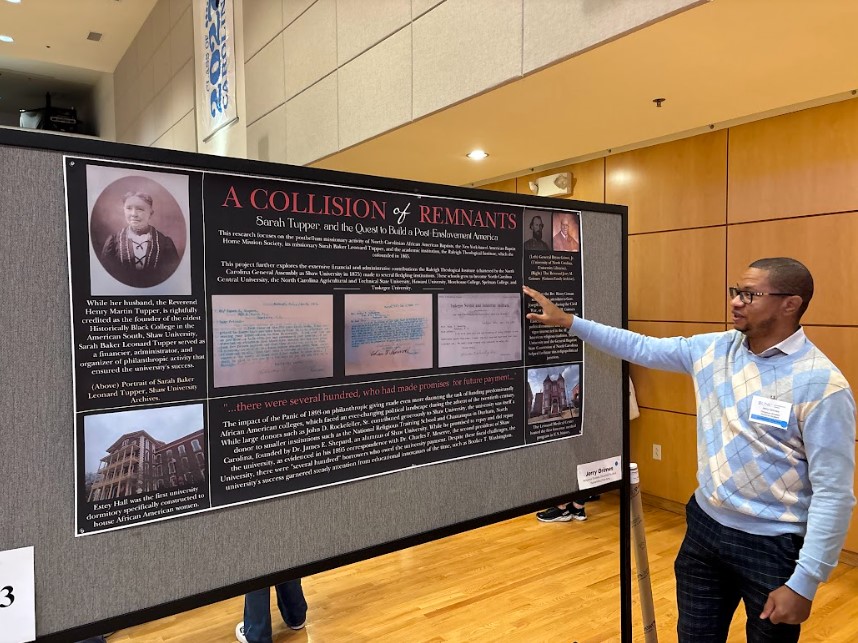
When I find myself being the only African American, or one of a few, in a room or space, which I often do, I reflect on my research and scholarly interests. I mainly study how emancipated people found and created spaces for themselves in the postbellum United States in the earliest months after the American Civil War.
Any challenges I encounter are comparatively nominal compared to those my ancestors faced. I also take into account that there are people who look nothing like me, who would do everything possible to help me succeed. This has always been the case. The older and seemingly wiser I get, the clearer it becomes that there are good people and people who are otherwise.
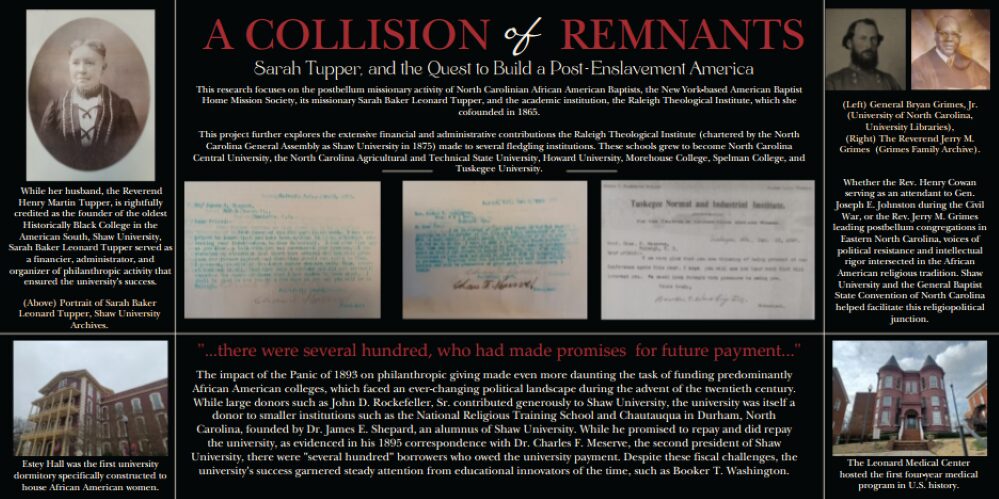
Furthermore, I have found that what determines someone’s goodness is a matter of who each person is on an individual basis. The central theme of my graduate research at the University of North Carolina at Chapel Hill focuses on the work of a woman named Sarah Baker Leonard Tupper. She was a white, thirty-year-old, ultra-wealthy wife of a Baptist minister, the Reverend Henry Martin Tupper. Sarah and Henry moved to Raleigh, North Carolina, on October 1, 1865, with the intent of building a school for formerly enslaved people.
While Henry is credited solely as the founder of the school that today is known as Shaw University in Raleigh, my archival and genealogical research reveals that Sarah was equally instrumental in the university’s founding, which included significant financing, co-teaching, and the university’s administration, which freed Henry to conduct the daily operation of the university. While the university is named for Elijah Shaw, a
Massachusetts benefactor, who provided a significant gift to the school in 1870, the university could just as easily be known as “Leonard-Tupper University.”
All of this has more impact when considering that Sarah and Henry were among the first intended victims of nightriding vigilantes, who forcefully tried to remove Sarah and Henry from North Carolina throughout the 1860s and 1870s.
Shaw University was so successful that, at one time, it boasted the Leonard Medical School, the first four-year medical program in American education, and many of its graduates were the direct descendants of enslaved women and men.
Much of this happened because a young, affluent white couple in their early thirties cared much more about the humanness of a people than the idea that their appearance made them less than human.
So, when I’m in a room and I am the only person who looks like me, I trust and believe that there are always a few “Sarahs” and “Henrys” there as well.
Appreciate the insights and wisdom. Before we dig deeper and ask you about the skills that matter and more, maybe you can tell our readers about yourself?
At the moment, I am in the final stages of the single most important journey in my life outside of being a dad and leading a congregation: studying at the University of North Carolina at Chapel Hill. As a native North Carolinian, I, like so many kids, dream, hope, and endeavor to attend the University of North Carolina.
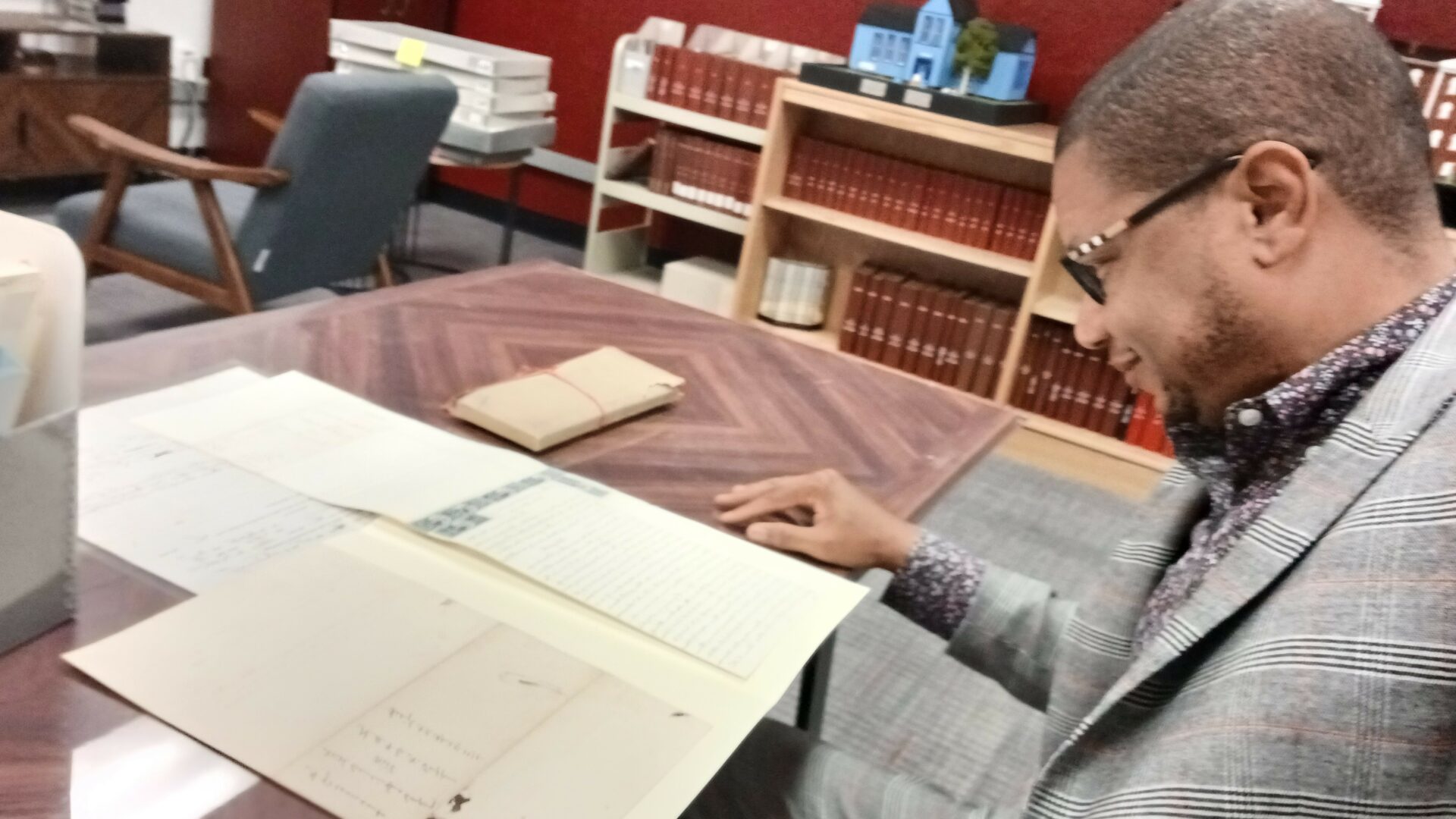
As a result of my research and studies at the university, I am most excited about the archival discoveries I have made since 2022 in the Shaw University Archives. I have been researching Sarah Baker Leonard Tupper’s missionary activities since 2009, when I lived in Richmond, Virginia. The excellent staff at the William Morton Smith Library proved instrumental in the beginning of this journey.
However, it was going to Carolina that made the difference.
After living in Chicago during the pandemic, I met my advisor and mentor, Yaakov S. Ariel, who surrounded me with great people in the Department of Religious Studies at the University of North Carolina. My committee members and friends, Brandon L. Bayne, Youssef J. Carter, Jerma A. Jackson, Randall Styers, and James H. Harris, encouraged me and gave me the academic and intellectual freedom to write, explore, edit, and discuss my approach to discussing life in the nineteenth century.
Likewise, the staff at the Louis Round Wilson Library facilitated what became a life-changing research experience for me, which led to an equally life-changing experience over the past few years working
with Brenda McCollum, Samantha Horne, Velma Williams, Marie Stark-Farrow, Olivia Bowman, Margaret Rasberry, Taylor Stephens, and Carolyn Welker at the James E. Cheek Learning Resources Center at Shaw University. I am forever indebted to Shaw for its legacy over the past century and a half and the school’s graciousness in allowing me access to priceless artifacts.
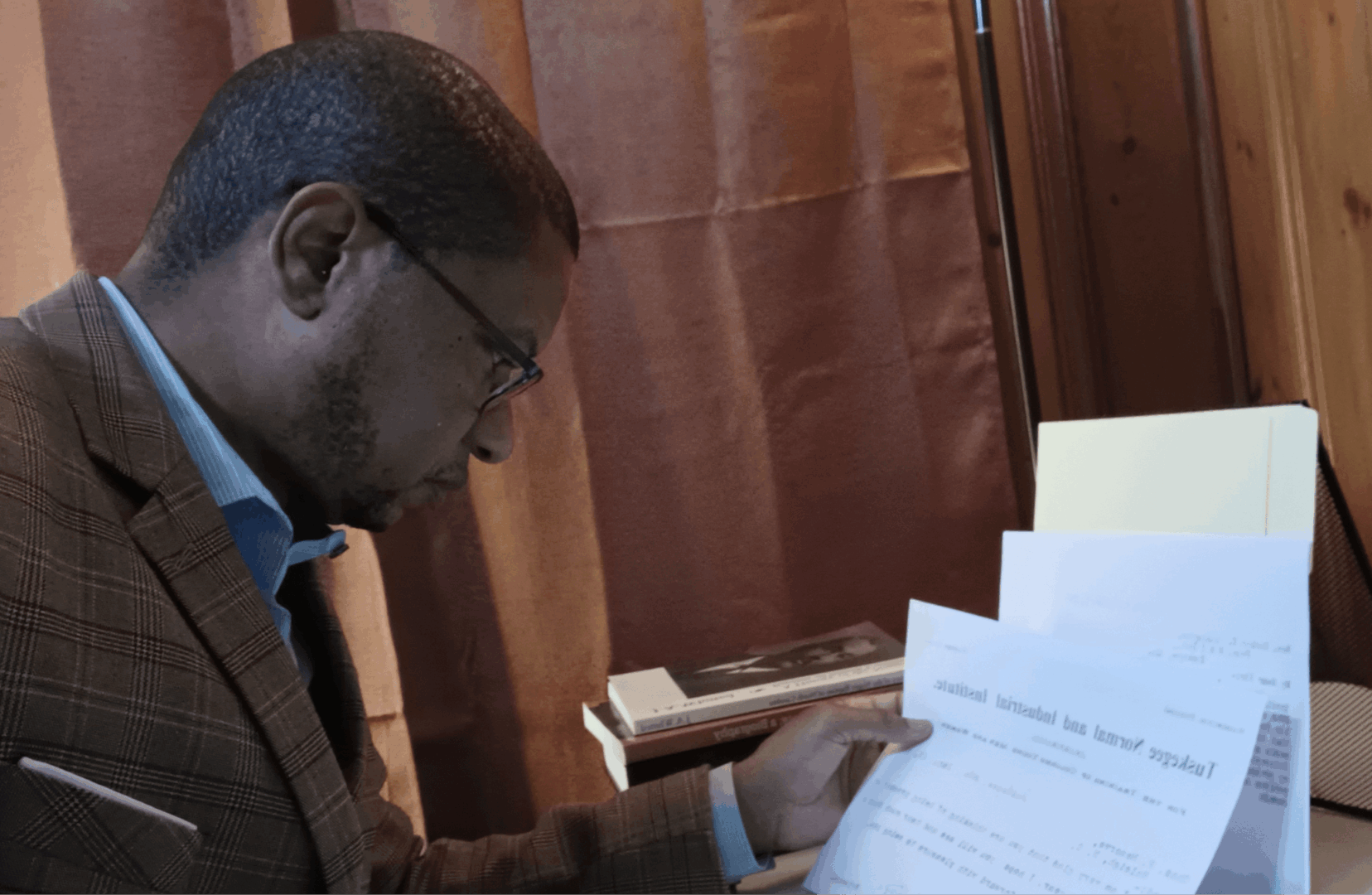
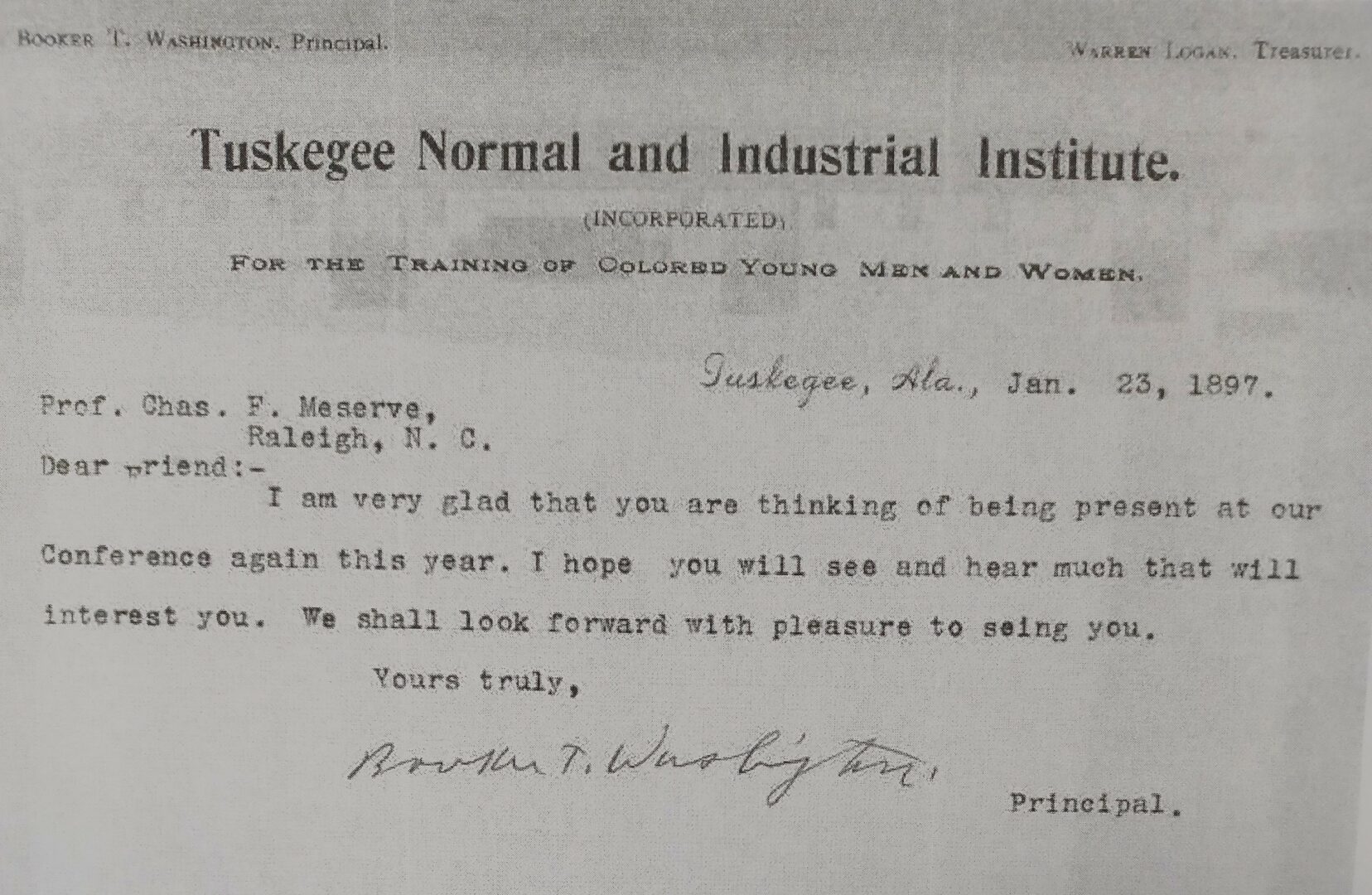
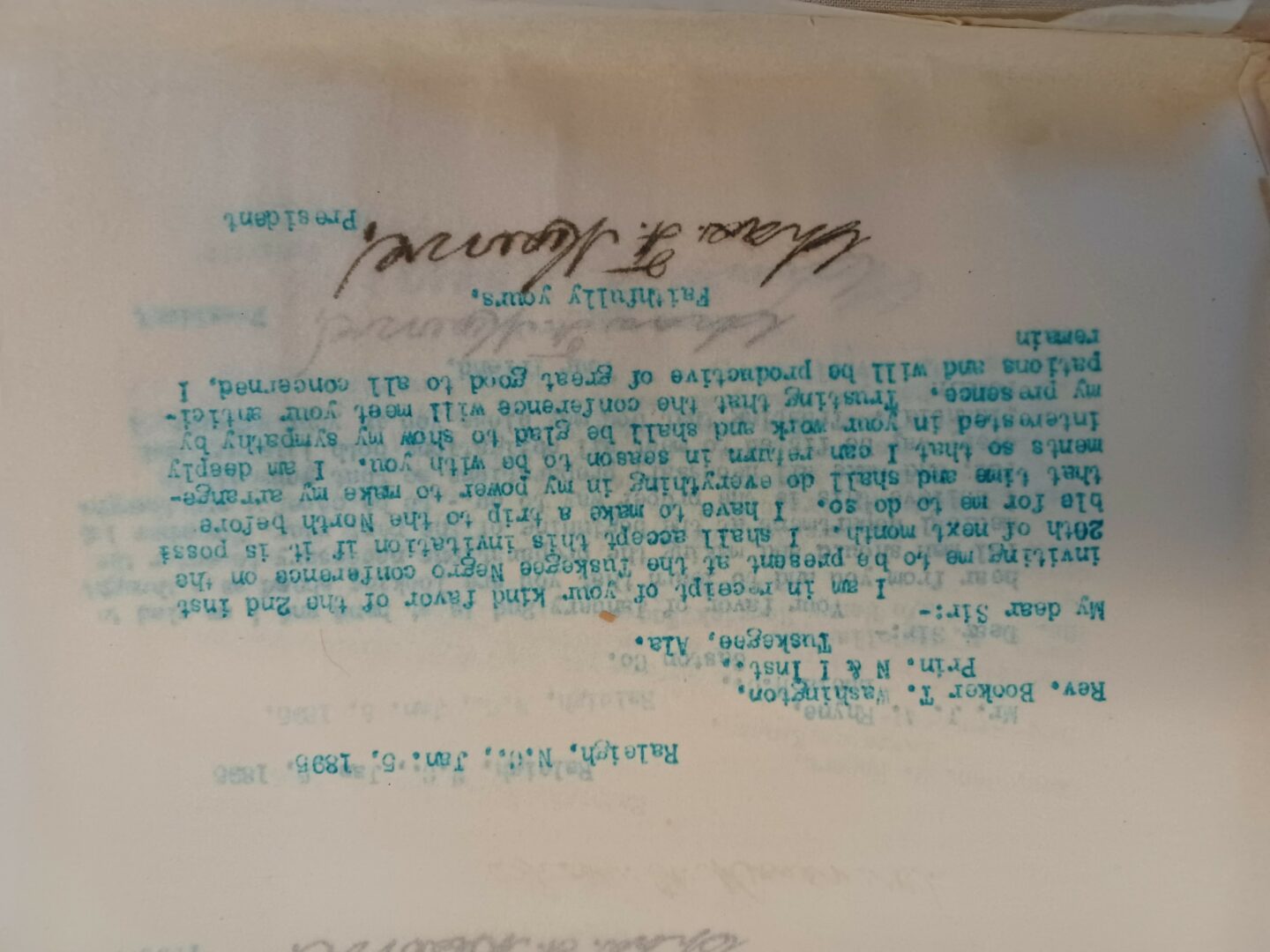
The depth of my research at the Shaw University Archives led to the discovery of correspondence never before seen between renowned educator Booker T. Washington, the founder of the Tuskegee Institute in Alabama, and Charles F. Meserve, the second president of Shaw University, with Henry Martin Tupper as the first.
Washington and Meserve’s correspondence, which my research shows lasted at least two years, from 1895 to 1897, involved invitations to meet on their respective campuses and to share logistical information and progress reports at an annual conference hosted by the Tuskegee Institute.
There is also correspondence reflecting the extent to which Sarah Baker Leonard Tupper and her daughter, Elizabeth Caroline Tupper Ballard, remained active in helping to lead the university after Henry died in 1893.
An unexpected and remarkable finding was the correspondence between James E. Shepard, the founder of the National Religious Training Institute, which is now North Carolina Central University, and Charles F. Meserve. One letter reveals that Shaw University provided hundreds of loans to other fledgling institutions, which later became sprawling universities. Still, many of the lenders defaulted on those loans, worsening Shaw University’s precarious financial position as it entered the twentieth century.
This discovery, among others, will expand our knowledge of the period between the American Civil War and the twentieth-century Civil Rights movement. There is a near-straight line between ideological resistance to second-class status in the 1860s in Raleigh and throughout the South, and the freedom struggles of the 1960s.
My current manuscript not only explores the linear relationship between the Civil Rights movements of the 1860s and the 1960s but also situates that connection within American culture’s efforts to understand itself today.
I am very, very excited about this work and humbled by the institutional support I have received in pursuing it. My great friend and brother, Lenny McAllister, has also been pivotal in bringing my work to people’s attention through the Pittsburgh CBS affiliate KDKA. Sarah Baker Leonard Tupper spent the final years of her life in the Commonwealth of Pennsylvania with her daughter, Elizabeth, and her son-in-law, Dewitt Ballard of Wisconsin.
My work would be impossible without the support I have received from colleagues, friends, and family.
If you had to pick three qualities that are most important to develop, which three would you say matter most?
I have found, and this comes from the legendary filmmaker Robert Rodriguez, that technological astuteness is paramount to success. Robert once said and wrote that, “creative people are often not technical, and technical people tend to be less creative.” That is a paraphrase, but that is a fair assessment, nevertheless. Whether it’s learning a new application, attending seminars on the latest technology, or stepping outside one’s vocational comfort zone to see how technology is changing our world, I have found that technological proficiency is crucial in any endeavor—one of my earliest instructors, Jerome C. Ross, a scholar of ancient culture, would discuss how the ability to utilize technology enables a disadvantaged people to flourish. History reveals this to be the case. I work in the Research Triangle Park region of North Carolina, which has transformed an agricultural economy into a tech hub over the past few decades.
So, my first piece of advice to anyone, me included, is to become as technical as possible as fast as possible.
Secondly, and equally as important as technical prowess, is having the right friends and support group. Pursuing excellence is lonely. John Adams said as much. Between academic, parental, and pastoral duties, I have very, very little time to decompress. However, what makes those brief moments of rest possible is having a supportive network of people in my life who understand what I am balancing. Also, the right amount of technical skill helps to consolidate tasks and work more efficiently.
So, my second piece of advice is to build a stable network of support.
Finally, I recommend learning, somehow, someway, to be comfortable with pain. Whatever and however that pain may occur. Pain has been here as long as “here” was somewhere we could be, and it’s not going anywhere. The brilliant actor Salma Hayek once spoke of welcoming adversity when it knocks on the door and providing it a seat at the table. That is easier said than done, and I have found that, no matter what, being one of the hardest things to do in life, because we naturally would prefer to avoid pain. Sometimes, it can be avoided, but usually, pain, setbacks, and discouragement are gatekeepers to success. When disappointment, hurt, and adversity ambush us, I have found it’s always better to fight through them than to retreat.
So, my third and final piece of advice is to brace for pain, to let the good stuff take care of itself, and to be thankful for everything.
How would you spend the next decade if you somehow knew that it was your last?
I would use the final decade of my life to publish my work on the life of Sarah Baker Leonard Tupper and the legacy of Shaw University, then devote as much time as possible to my family and friends.
Simultaneously, I would release a flurry of graphic novels and music I have been creating and stowing away for decades, including fully realizing the Cave AudioVisual Enterprise (CAVE) as a production company and artistic social club with my lifelong friends Luther W. Truesdell, Aaron Philip Clark, and Marc Thompson.
I would travel as much as possible just to set foot in the places I have read about and dreamt of seeing.
Contact Info:
- Website: https://www.JerryGrimes.com
- Other: https://religion.unc.edu/congrats-to-jerry-grimes-religious-studies-phd-student/
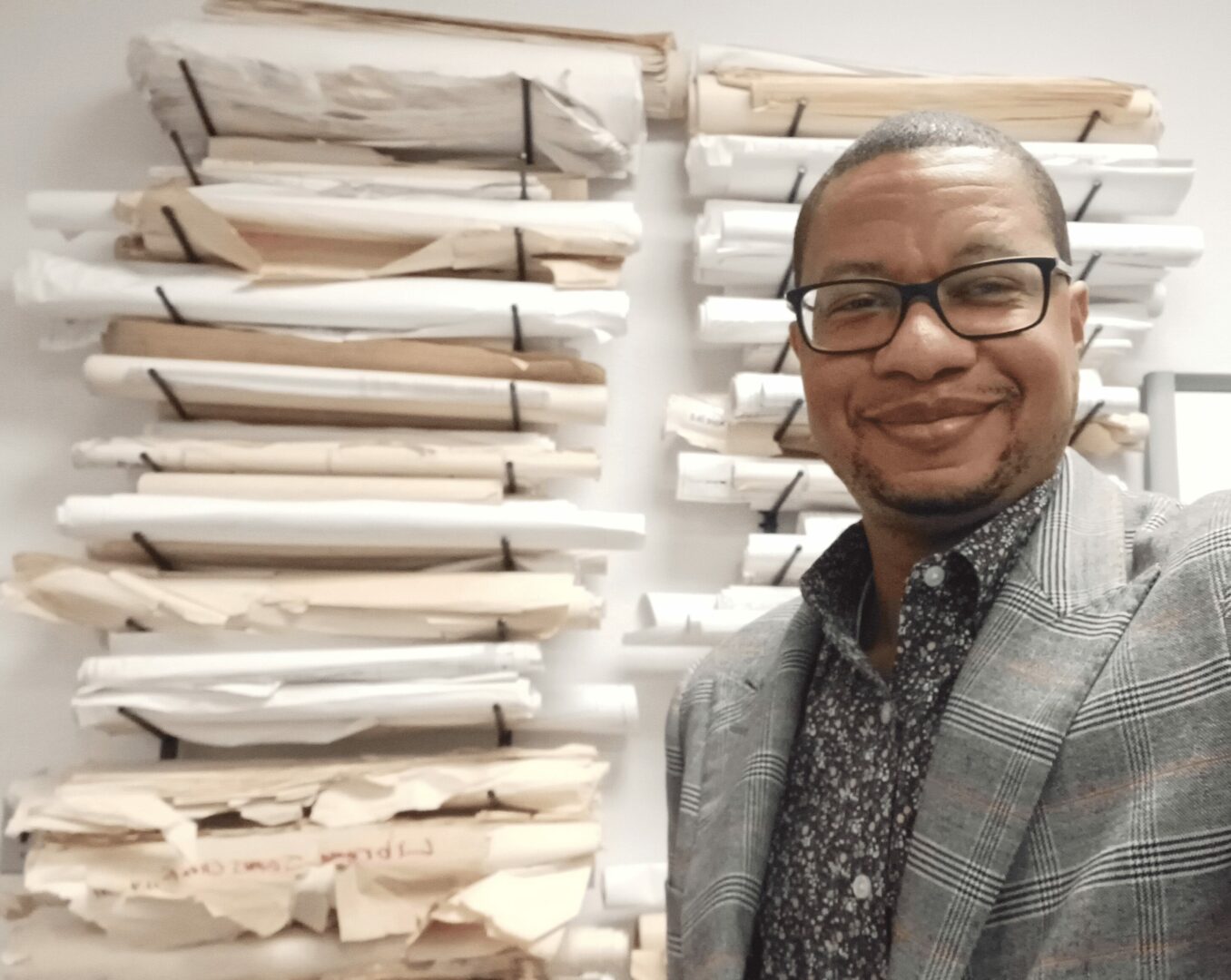
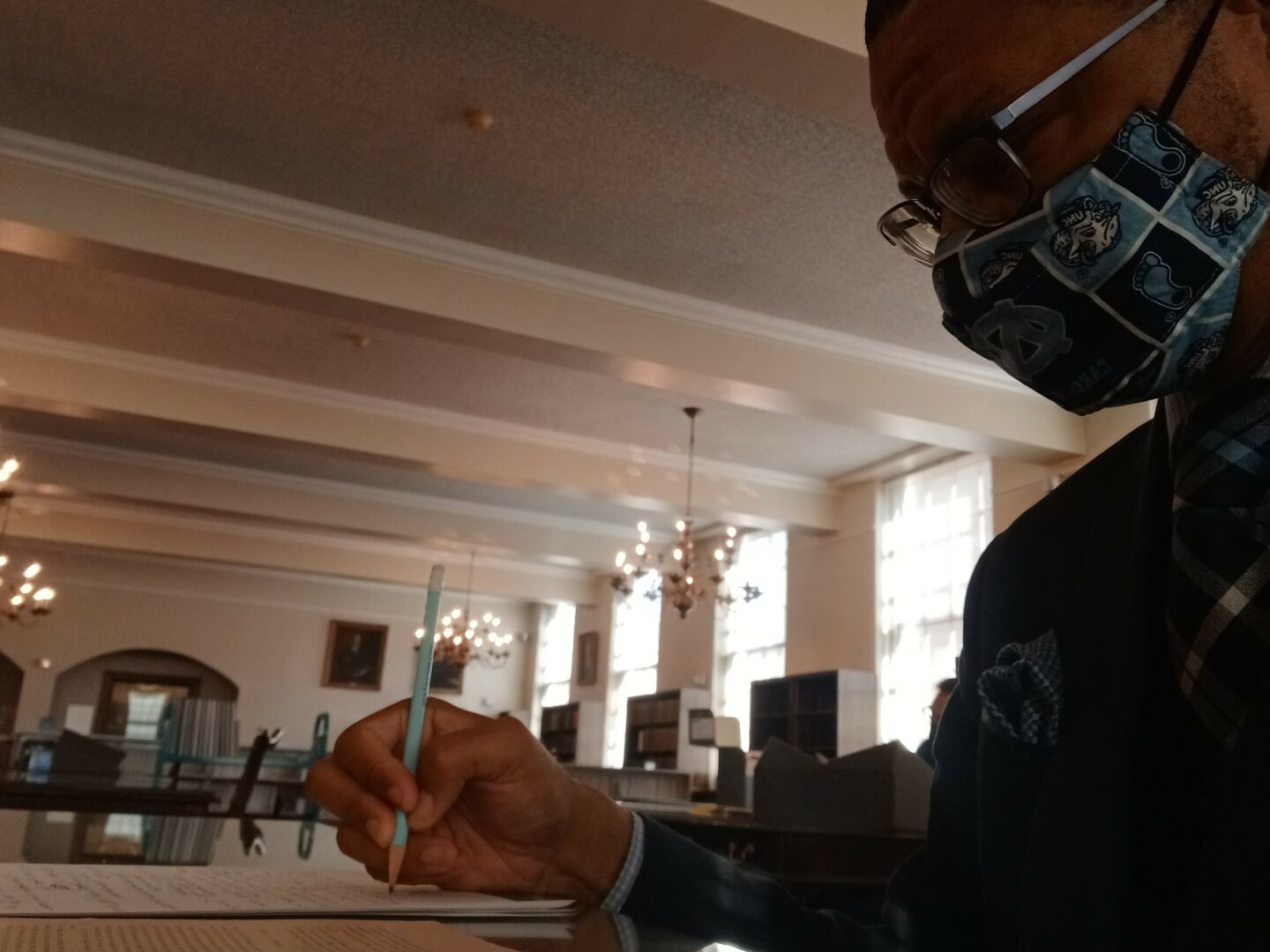
Image Credits
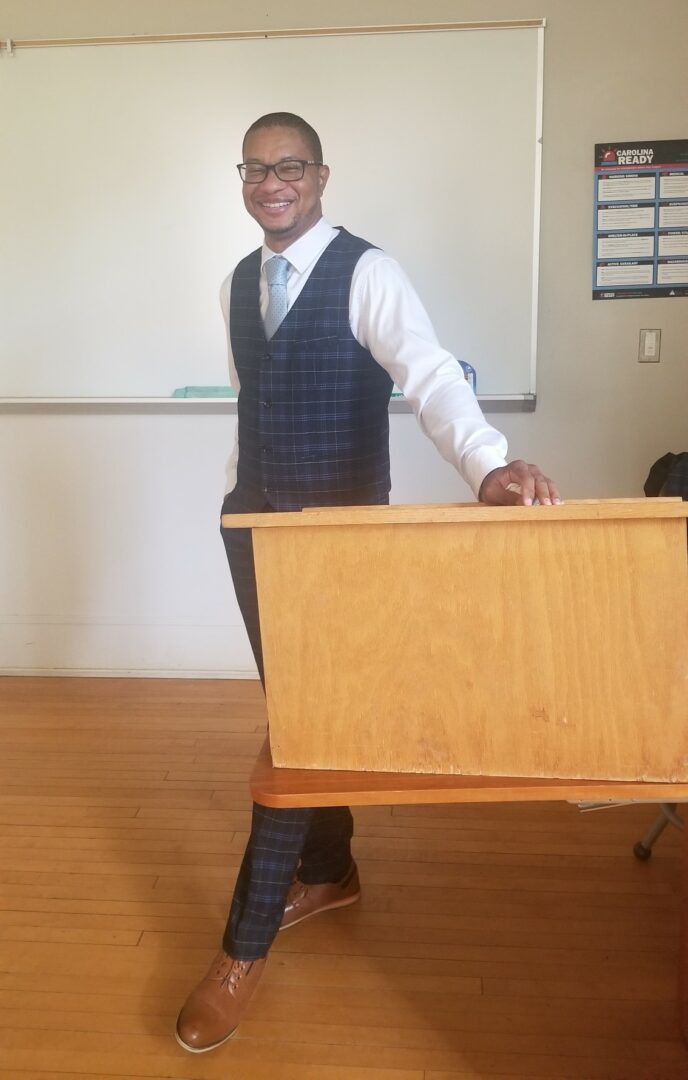
Photo 1: Hank Tarleton
Photo 2: “A Collision of Remnants” poster designed by Jerry M. Grimes, containing photographs taken by Jerry M. Grimes, and correspondence between Booker T. Washington, James E. Shepard, and Charles F. Meserve from the Shaw University Archives, James E. Cheek Learning Resources Center, Raleigh, North Carolina.
Photo 4: A letter from Booker T. Washington to Charles F. Meserve, January 25, 1897, Shaw University Archives, James E. Cheek Learning Resources Center, Box SU181, Office of the President of Dr. Charles F. Meserve, Shaw University, Raleigh, North Carolina. Document scanned by Jerry M. Grimes, 2022. Jerry Michael Grimes II, “A Collision of Remnants: Sarah Baker Leonard Tupper and the Quest to Build a Post-Enslavement America ” (PhD diss., University of North Carolina at Chapel Hill, 2025), 145.
Photo 5: A letter to “Rev. Booker T. Washington” from Charles F. Meserve, January 5, 1895, Shaw University Archives, James E. Cheek Learning Resources Center, Box SU181, Office of the President of Dr. Charles F. Meserve, Shaw University, Raleigh, North Carolina. Document scanned by Jerry M. Grimes, 2022. Jerry Michael Grimes II, “A Collision of Remnants: Sarah Baker Leonard Tupper and the Quest to Build a Post-Enslavement America ” (PhD diss., University of North Carolina at Chapel Hill, 2025), 145.
Photo 6: Taken at The Shaw University Archives, James E. Cheek Learning Resources Center, Raleigh, North Carolina.
Photo 7: Taken at The Shaw University Archives, James E. Cheek Learning Resources Center, Raleigh, North Carolina.
Photo 8: Taken at the Louis Wilson Round Library, Special Collections, University of North Carolina at Chapel Hill.
so if you or someone you know deserves recognition please let us know here.