We recently connected with Jess Bowers and have shared our conversation below.
Hi Jess, so happy to have you with us today and there is so much we want to ask you about. So many of us go through similar pain points throughout our journeys and so hearing about how others developed certain skills or qualities that we are struggling with can be helpful. Along those lines, we’d love to hear from you about how you developed your ability to take risk?
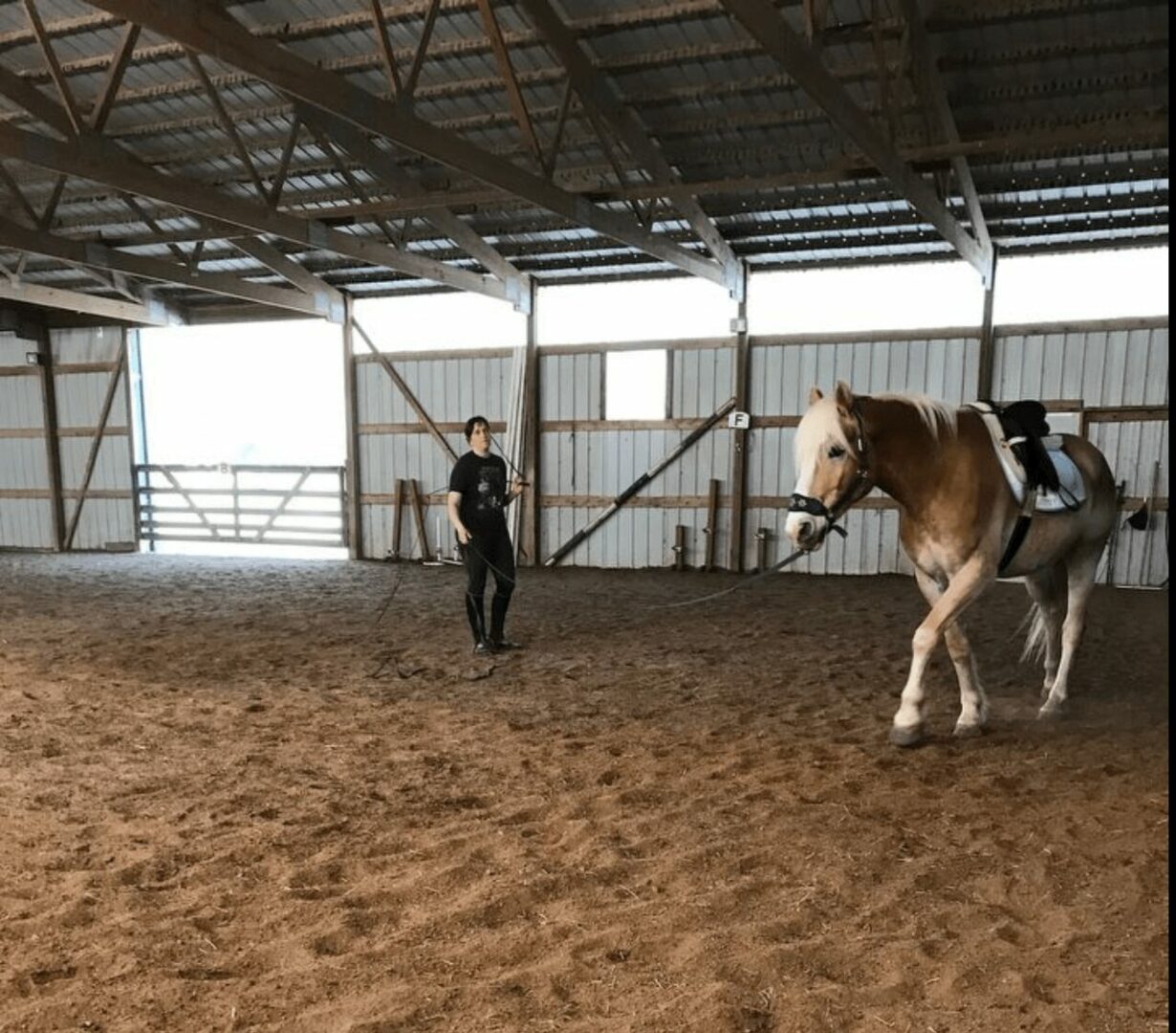
I grew up riding horses.
That’s it! That’s all!
Seriously, though. There’s a common saying in the eventing world: “Throw your heart over the fence, and the horse will follow.” Translated, this means that if you’re galloping up to, say, a fence decorated to look like Shamu from SeaWorld, you can’t lose your nerve, no matter how freaky it looks. Because the second you hesitate, the horse underneath you feels held breath and tensed muscles, assumes the small predator on its back has sensed some danger it cannot, and loses all its momentum, stopping short just before takeoff.
If you’re lucky and have a strong seat, you stay on through the refusal and re-present the fence. If your seat isn’t secure, or you’re unlucky, or both, you get dumped unceremoniously over the horse’s shoulder.
But if you throw your heart over the fence first–if you approach the obstacle with absolute, insane certainty that you and your horse will fly over it effortlessly, no matter how much that crazy-looking thing scares either of you–the odds of clearing it increase exponentially.
I often think about “throwing my heart over the fence” when considering my fiction and taking risks on the page. I think sometimes creative people make unnecessary internal rules for themselves and then adhere to these rules as if they’re gospel. I don’t mean potentially useful constraints like “this story can only be 500 words.” I’m talking about the inner critic who says “I don’t write science fiction,” or “I’m not an essayist,” or “This idea is too weird to work.” The voice that says “I can’t.”
When I hear that voice, I try to remind myself to throw my heart over the fence, and the story will follow.
Thanks, so before we move on maybe you can share a bit more about yourself?
I’m a fiction writer and academic fascinated by the intersections between humans and other animals, forgotten history, and representational technologies like photography, TV, and film. My work often makes people ask, “Is this fiction or nonfiction?” because I love to retell and repackage bits and pieces of American popular culture into narratives–I take that as a compliment!
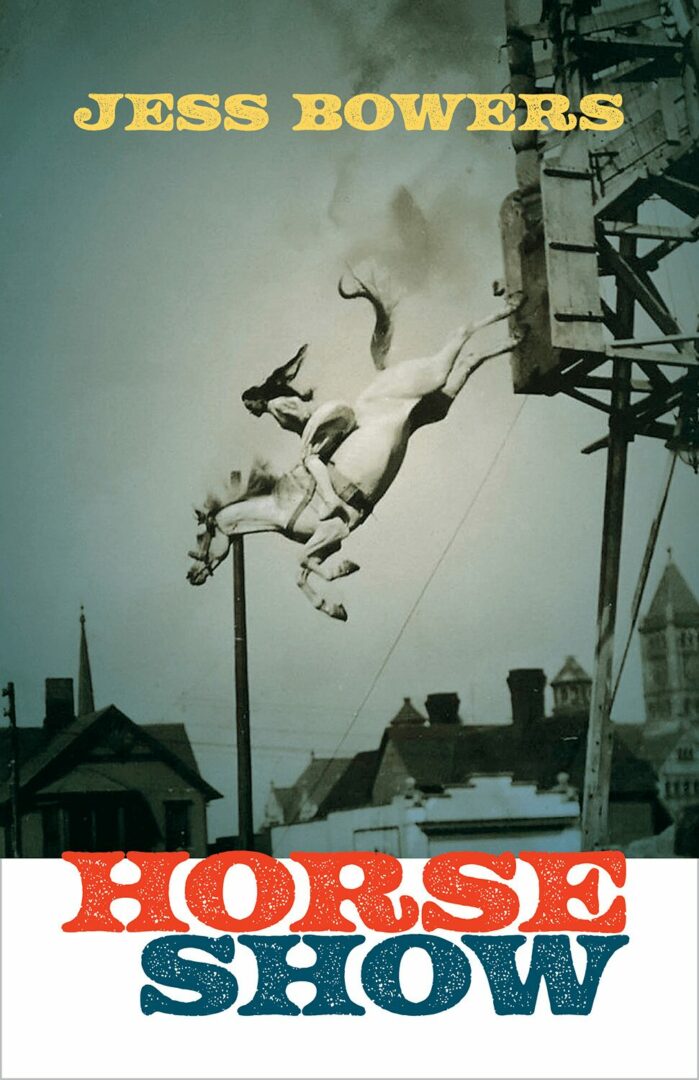
My debut short story collection, Horse Show, was released this April by Santa Fe Writers Project. It’s a book of thirteen short fictions that follow only two rules: each story has a horse in it (or a mule, or a mechanical representation of a horse), and each story also features a show, similarly broadly defined. Fellow fictioneer Amber Sparks calls it “meticulous, lovely, strange, and both utterly engrossing and also completely not what I’d expected when I opened up a book of horse stories.”
If you had to pick three qualities that are most important to develop, which three would you say matter most?
Persistence is crucial for fiction writers. The persistence to sit there for hours, making stuff up to amuse yourself, but also the persistence to keep going, keep believing what you’re creating has merit, in the face of overwhelming odds. If the work is good, the audience will (eventually) appear. So persist in making the work really, really good.
Don’t be afraid to “cross the streams.” It took me, a lifelong fiction writer, equestrian, and animal enthusiast, decades to realize that other people would find my writing about animals compelling. What obsessions, preoccupations, and passions do you keep separate from your creative work, and why are you doing that, anyway?
Befriend people who intimidate you professionally! If you’re at a reading or a party or a conference or whatever, and you have the chance to meet someone whose work you admire so much it scares you, swallow your pride and strike up a conversation. I’ve made some of my best friends after discovering that we were mutually intimidated by each other at first. Worst case scenario, you’ve told someone that their art connected with you, and that’s never a faux pas.
All the wisdom you’ve shared today is sincerely appreciated. Before we go, can you tell us about the main challenge you are currently facing?
When I have vast acres of time to sit down at the computer and draft, I have a bad tendency to suddenly become extremely interested in housecleaning, teaching my cat to come when I whistle, and other stuff the taskmaster part of my brain deems “useless.” There’s a line by James Tate I memorized as a kid that still resonates with me: “If I am some sort of nut who spends life elaborately avoiding what I like best, let it be clear.” Writing is what I like best, but I will find any excuse not to try.
I keep trying to remind myself that puttering around in my garden, reading books I’m excited about, and even just staring into space doing nothing are all valid parts of the creative process, all “writing” in their own way, even if I’m not putting words on the page. It’s a daily struggle to forgive myself and trust that the flood will come exactly when it should.
Contact Info:
- Website: https://www.jessbowers.org
- Instagram: bowersjess
- Twitter: prettyminotaur
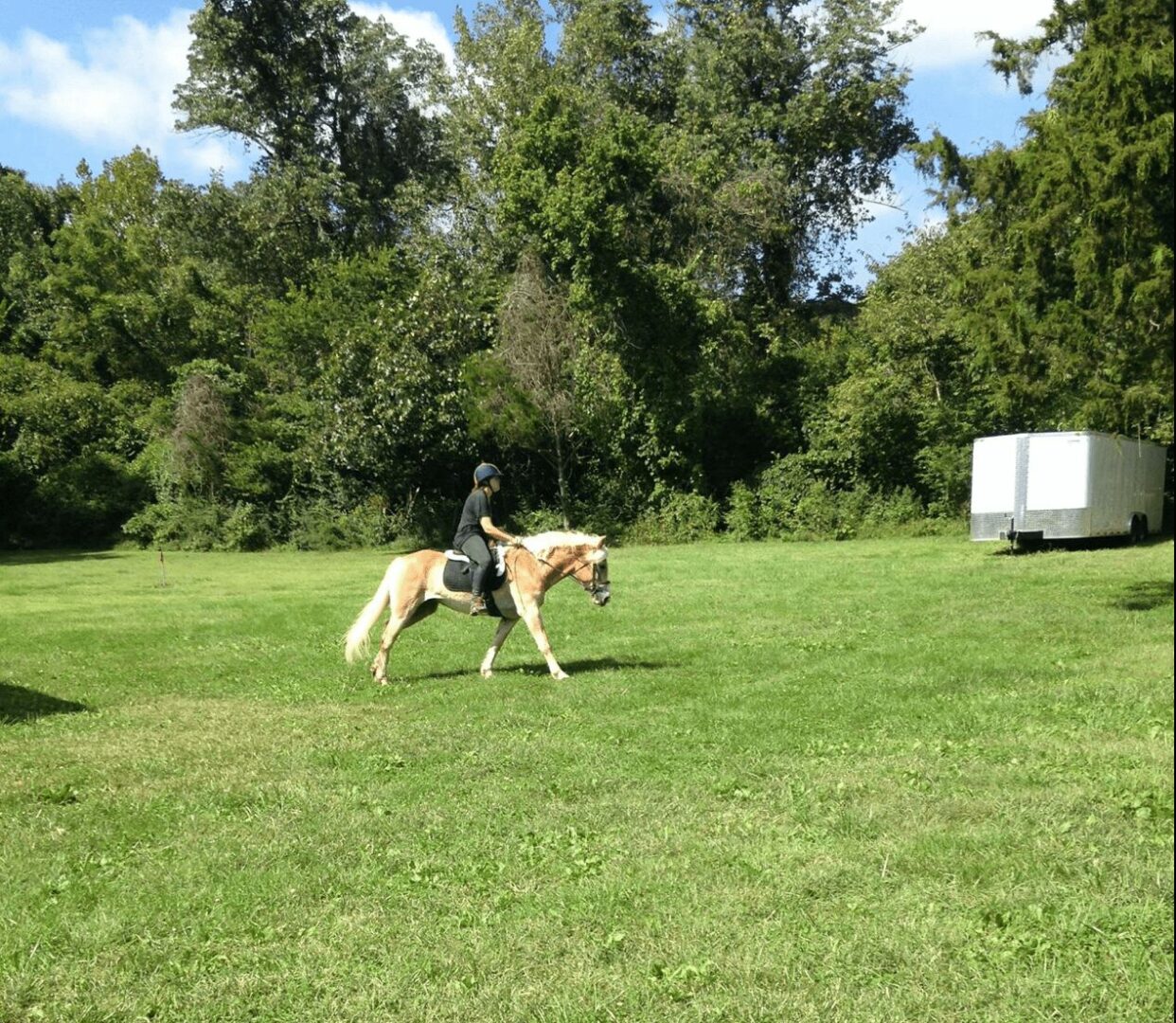
Image Credits
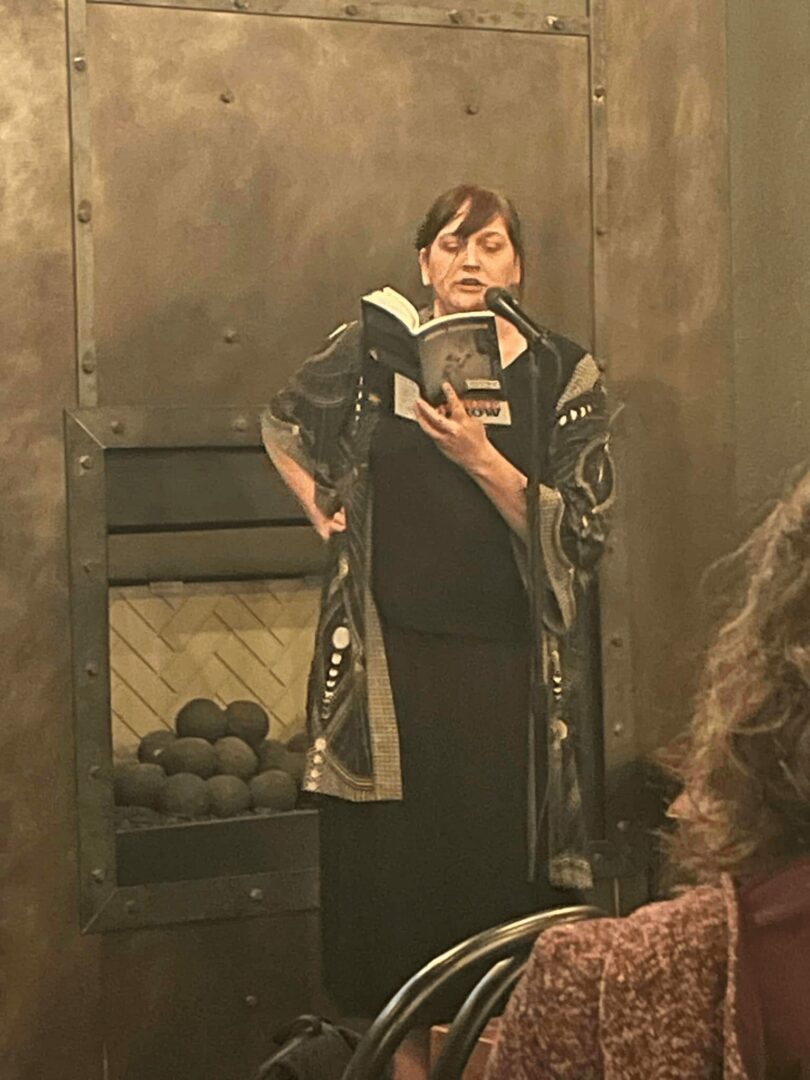
Photo of me reading: Karen Grindler
Photo of me riding: Julie Bowers
Photo of me lunging a horse: Jennifer Murphy
so if you or someone you know deserves recognition please let us know here.