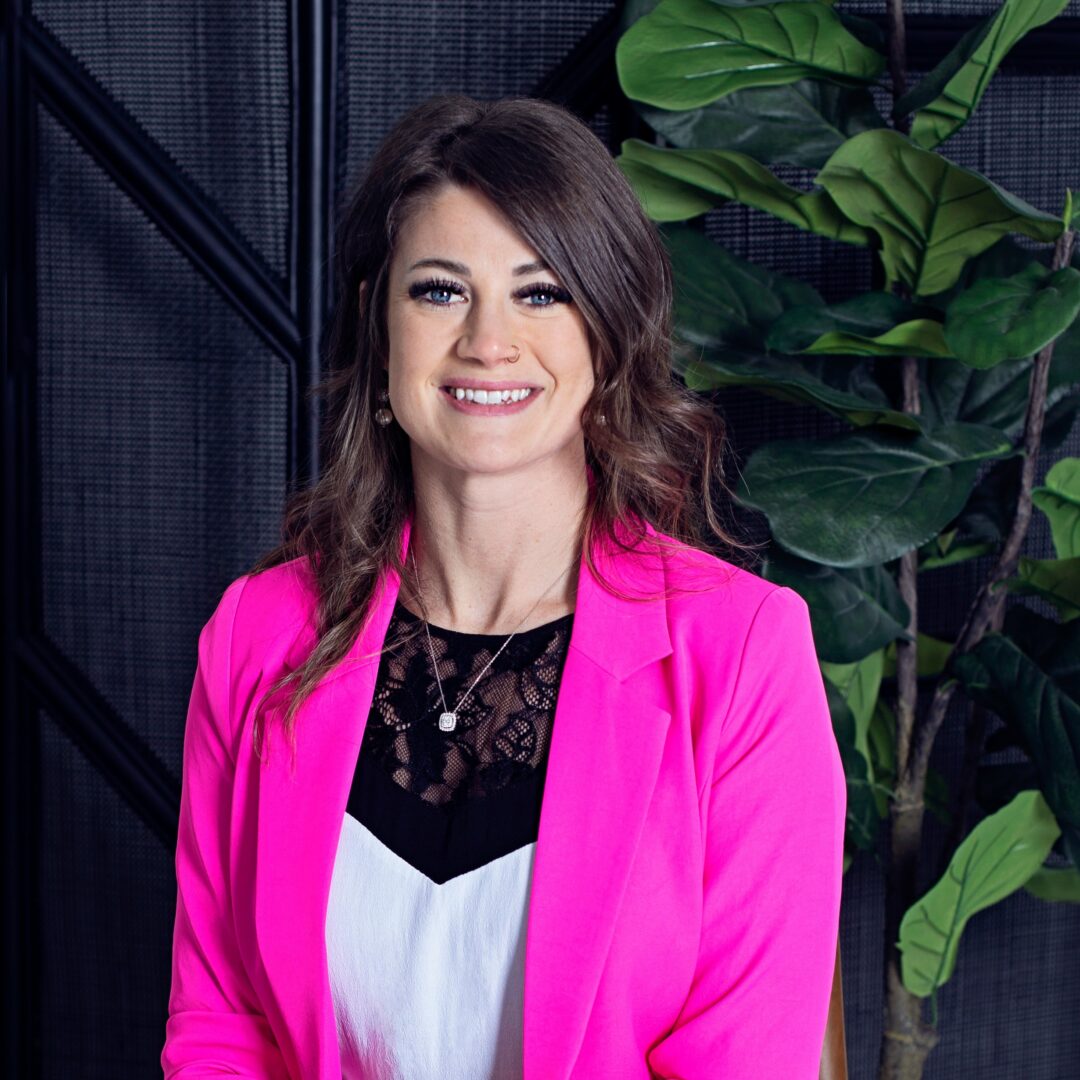
We’re excited to introduce you to the always interesting and insightful Jessica McCartin. We hope you’ll enjoy our conversation with Jessica below.
Jessica, thrilled to have you on the platform as I think our readers can really benefit from your insights and experiences. In particular, we’d love to hear about how you think about burnout, avoiding or overcoming burnout, etc.
I successfully overcame burnout in my healthcare career by transforming the way I deliver patient care. I found myself in a role where the focus was on patient volume and revenue, rather than on improving chronic conditions, promoting wellness, or providing comprehensive preventive care. This approach left me feeling disconnected from the quality care that patients truly deserve.
In response, I made the decision to transition away from traditional, insurance-based medicine and embraced the model of direct primary care. This practice allows me to provide care driven by my commitment to delivering the highest quality service, ensuring patients feel heard, valued, and supported. In direct primary care, patients choose to see me, enabling us to build rapport and trust, which fosters improved health outcomes and meaningful progress in their wellness journey.
This shift has brought renewed purpose to my work, allowing me to truly make a difference in the lives of those I serve. I am immensely proud of the courage it took to step into this new model of care, and the personal and professional rewards have been deeply fulfilling.
Let’s take a small detour – maybe you can share a bit about yourself before we dive back into some of the other questions we had for you?
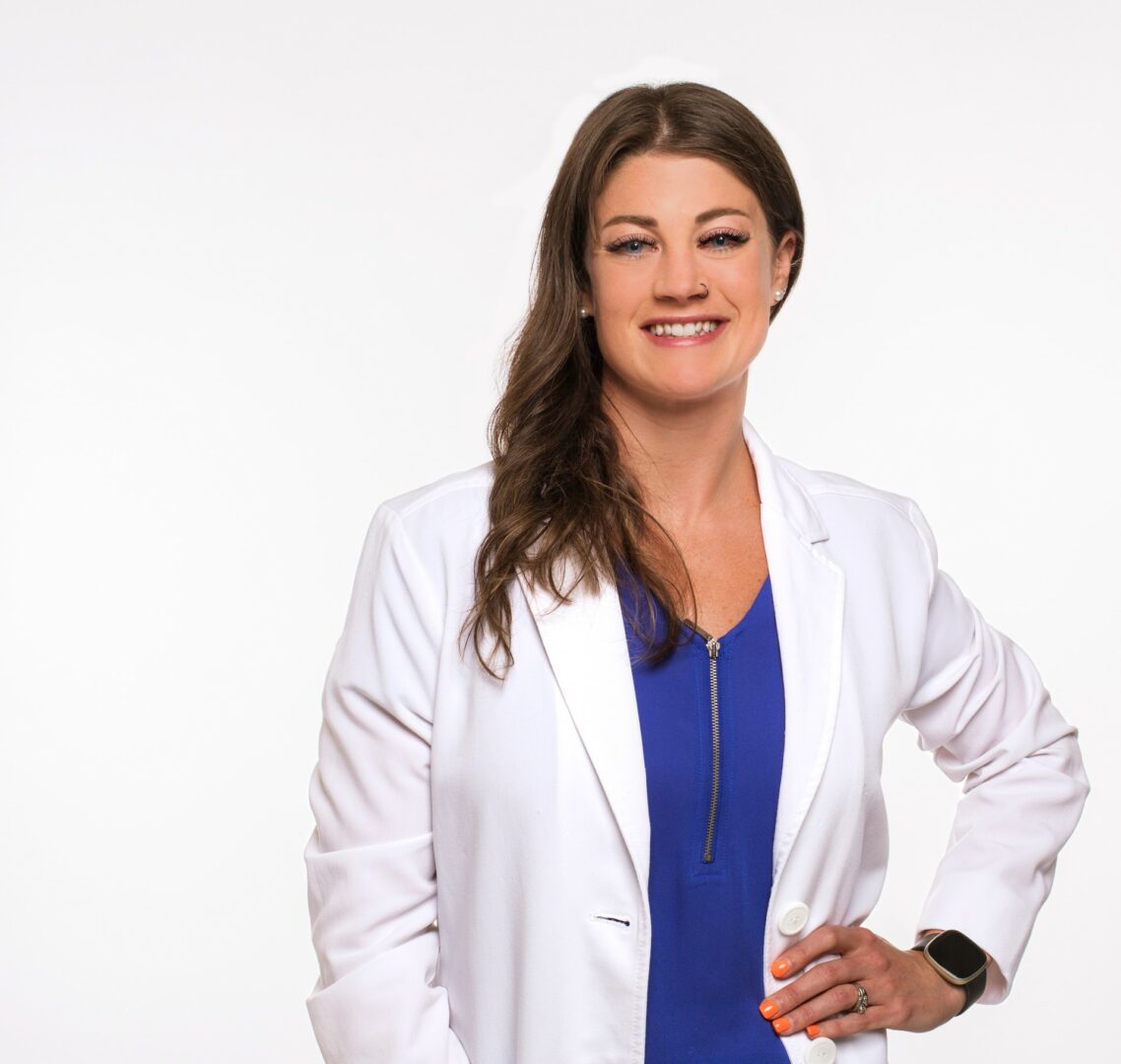
I am a healthcare provider in the field of direct primary care, which allows me to deliver personalized, patient-centered care in a way that is truly meaningful. In this practice model, I focus on building strong, trusting relationships with my patients, providing them with the time and attention they deserve. This enables me to understand their unique health needs and offer tailored solutions, whether it’s managing chronic conditions, offering preventive care, or simply helping them feel better about their overall wellness.
What excites me most about this work is the opportunity to make a real difference in people’s lives. The direct primary care model allows me to prioritize quality over quantity, so I can focus on the long-term health of my patients rather than the constraints of time or insurance restrictions. It’s incredibly rewarding to watch my patients experience tangible improvements in their health and wellness, knowing that the care I provide has a direct, positive impact on their lives.
What I find truly special about this approach is the connection I form with each patient. It’s not just about treating symptoms; it’s about partnering with people to help them feel heard, understood, and empowered in their health journey. This model adds a deep sense of purpose and meaning to my work, and it’s a privilege to provide care that genuinely makes a difference.
In the beginning of the year, I will be adding macro nutrient coaching, personalized workout plans, and aesthetics to my practice.
Looking back, what do you think were the three qualities, skills, or areas of knowledge that were most impactful in your journey? What advice do you have for folks who are early in their journey in terms of how they can best develop or improve on these?
1. Resilience: Overcoming burnout and transitioning away from traditional healthcare models required a strong sense of resilience. There were times of uncertainty, but perseverance and the ability to push through difficult moments made all the difference. Resilience is essential, especially when navigating challenges or stepping into new, uncharted territory. This was a difficult one at times, but rather than looking at wins and losses, I see it as you are either winning or learning.
– Advise: To build resilience, focus on developing a mindset that views setbacks as learning opportunities. Surround yourself with a supportive network, whether it’s mentors, colleagues, or friends, who can offer guidance and encouragement during tough times. Make self-care a priority so you can maintain the energy and mental clarity needed to stay focused on your goals.
2. Empathy: In healthcare, being able to truly understand and connect with patients is crucial. Empathy allows me to see things from their perspective, listen to their concerns, and build trust. This creates a foundation where meaningful, patient-centered care can flourish. This includes actively listening to every person you encounter.
-Advice: To strengthen empathy, practice active listening and try to genuinely understand the emotions and concerns of those around you. Spend time reflecting on your own experiences to deepen your sense of compassion. Volunteering or engaging in community work can also help cultivate empathy by exposing you to diverse life situations.
3. Adaptability: Transitioning to direct primary care meant embracing a new way of practicing medicine, one that required flexibility and openness to change. The ability to adapt to new systems, patient needs, and unexpected challenges is essential in a constantly evolving healthcare landscape.
Advice- To improve adaptability, seek out opportunities to step out of your comfort zone. This could involve learning new skills, exploring different healthcare models, or volunteering in various settings. Be open to feedback and stay curious—this will help you respond positively to change and new experiences. Joining the local chamber of commerce and surrounding myself with a supportive network and amazing mentors has helped me be successful.
Is there a particular challenge you are currently facing?
The number one challenge I am currently facing is educating people about the benefits of Direct Primary Care (DPC) and overcoming misconceptions surrounding it. Many patients are unfamiliar with the DPC model, and there is a general lack of awareness about how it works and the value it offers compared to traditional insurance-based healthcare.
To address this challenge, I am focusing on clear and consistent communication. This includes engaging with patients and the broader community through various channels, such as hosting informational sessions, creating educational materials, and using social media to explain how DPC works and how it can benefit their health and well-being. I am also taking time during patient visits to discuss the model in detail, addressing any concerns or questions they may have, and highlighting the personalized, relationship-based care that is central to DPC.
Additionally, I am partnering with other healthcare providers, local businesses, and organizations that share a similar commitment to improving patient care, so we can collectively promote the DPC model and demonstrate its effectiveness. By showing real-life examples of patients who have experienced positive outcomes in a DPC setting, I hope to build trust and foster a deeper understanding of why this approach is such a valuable alternative to traditional healthcare.
It’s a gradual process, but I am committed to raising awareness and helping people see that DPC is not only a viable option but a truly transformative approach to healthcare.
Contact Info:
- Website: https://eliteprimarycareandwellnessclinic.com/
- Instagram: https://www.instagram.com/jessica_elitenp/
- Facebook: https://www.facebook.com/eliteprimarycareandwellness
- Linkedin: https://www.linkedin.com/in/jessica-mccartin-fnp-c-473947b8/
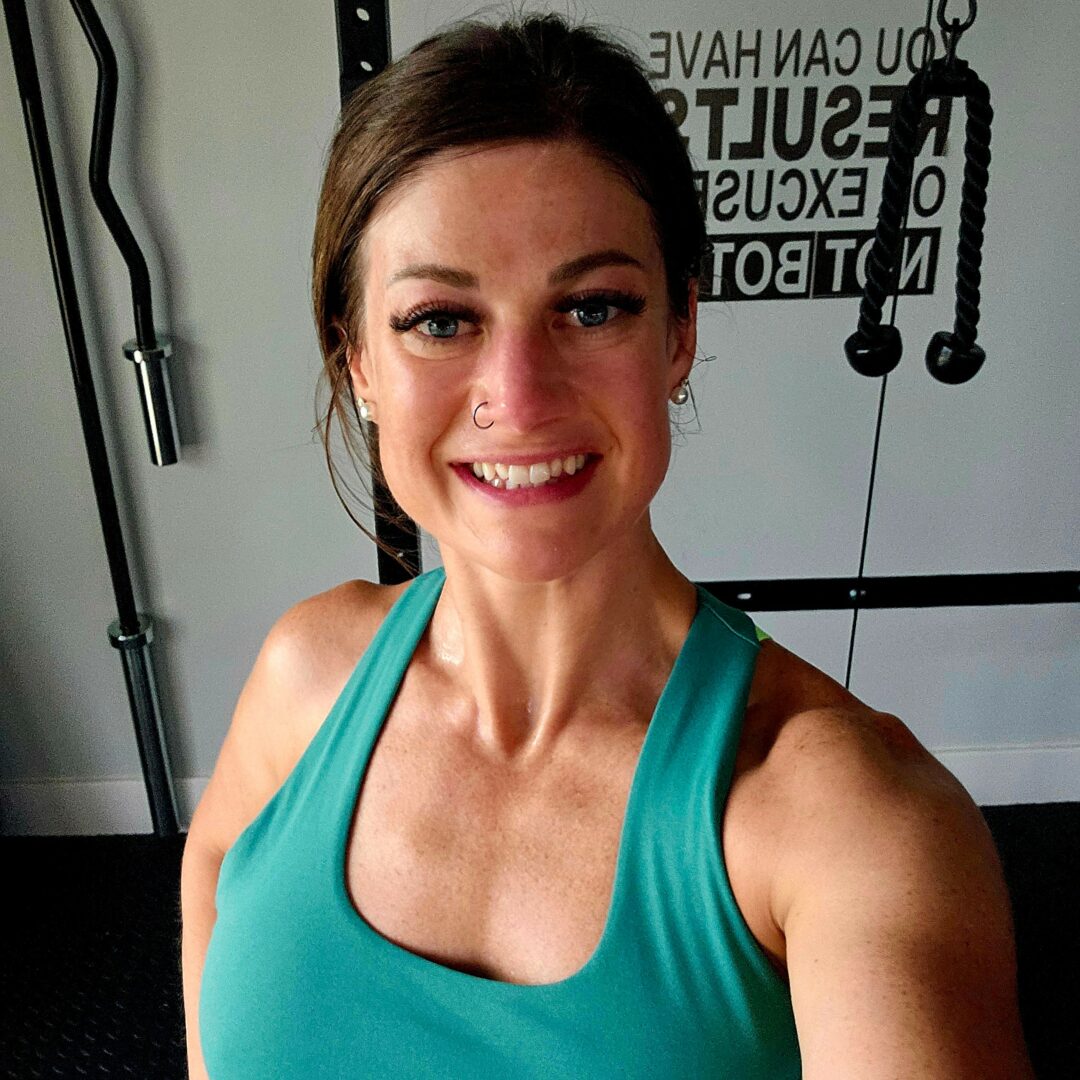
Image Credits
Angie Guy
so if you or someone you know deserves recognition please let us know here.