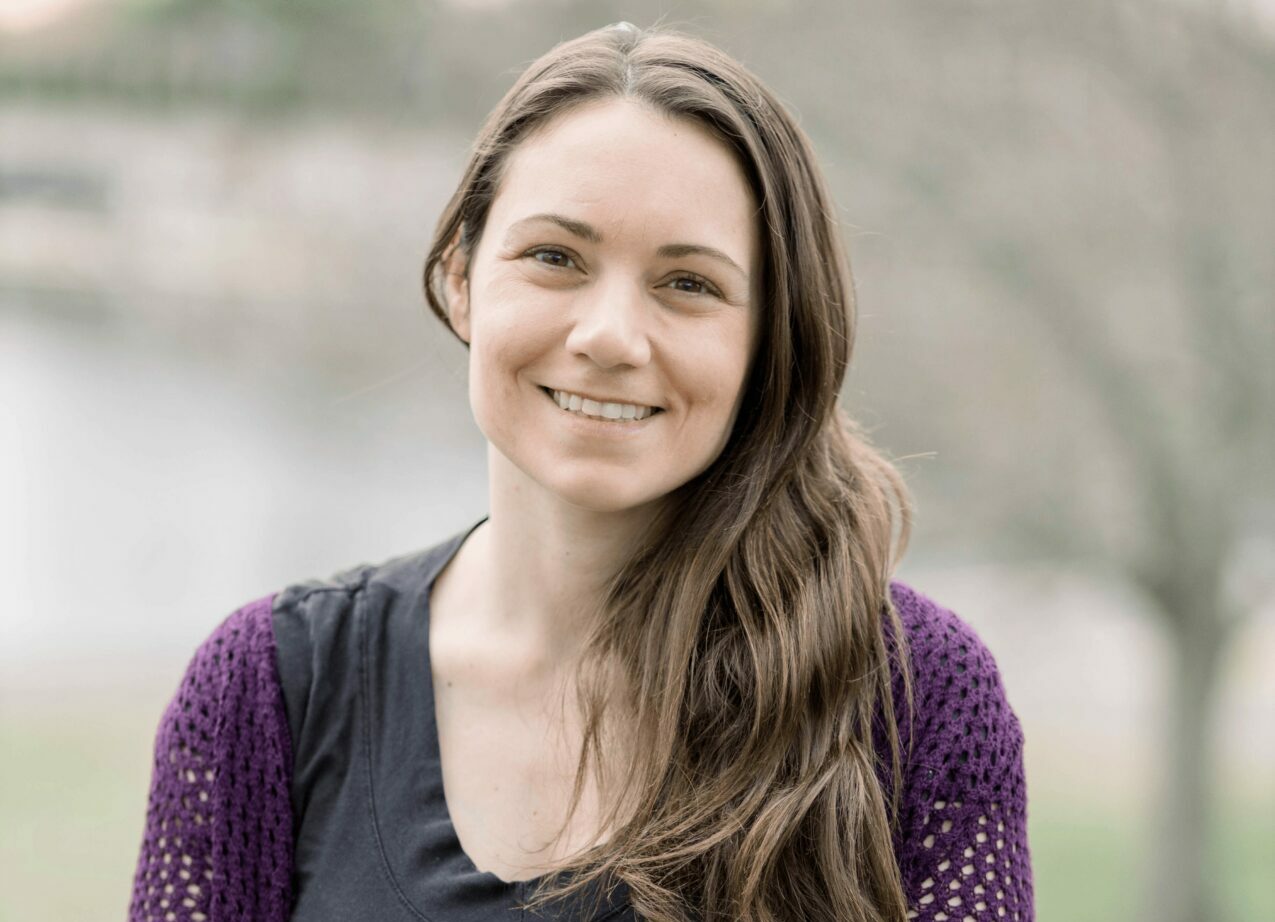
We’re excited to introduce you to the always interesting and insightful Jessica Ruth Freedman. We hope you’ll enjoy our conversation with Jessica Ruth below.
Jessica Ruth, thanks so much for taking the time to share your insights and lessons with us today. We’re particularly interested in hearing about how you became such a resilient person. Where do you get your resilience from?
As a visual artist with disabilities, my resilience comes from learning to build a creative life that honors the realities of my disabled body. My energy, vision, and mobility shift day to day, and instead of treating that as something to overcome, I’ve learned to let it guide how I work. I move in what is called ‘crip time’ — a slower, adaptive rhythm that asks me to listen closely to my body and respond with care. That rhythm has become one of my greatest teachers. It’s shown me that creativity doesn’t disappear when life becomes unpredictable; it simply asks for different conditions, different pacing, and a different kind of attention.
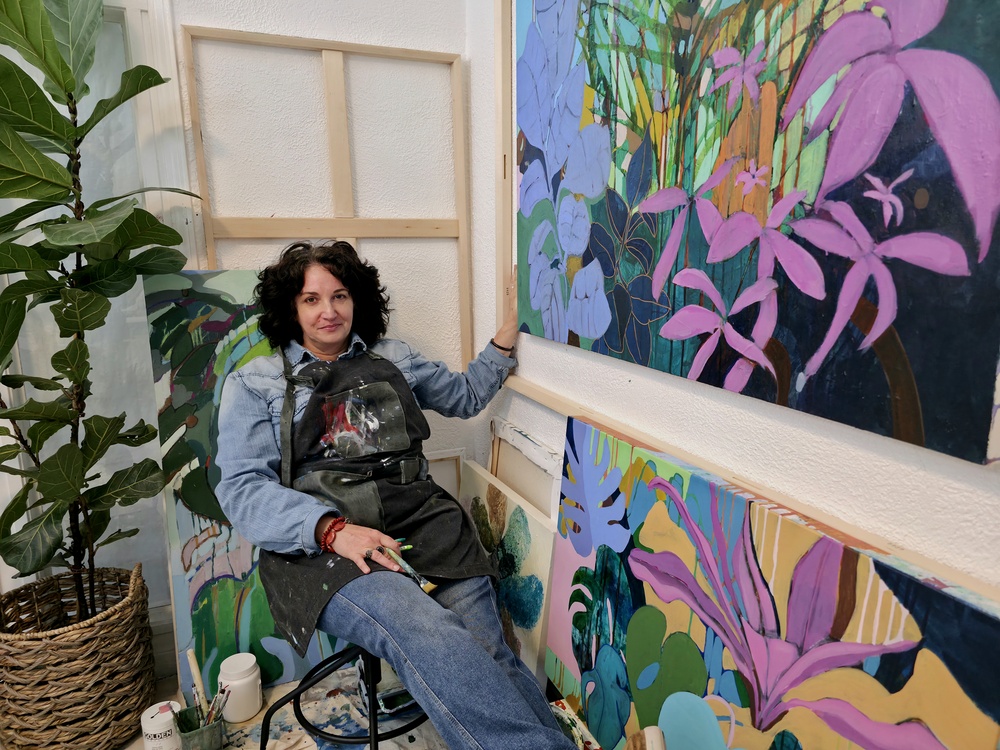
Much of my inspiration for my artwork comes from the intimate world around me: my garden, my houseplants, the textures and colors inside my home. These are the places I can reach on days when mobility is limited, and they’ve taught me to notice the small things – light changing on a leaf, the way color behaves in low vision, the quiet patience of growth. Working within that closeness has helped me understand that limitation can also be a form of focus, a way of seeing that is no less expansive.
Community is another source of strength. Disabled artists, cultural workers, and care practitioners model forms of interdependence that feel both radical and deeply human. They remind me that disability isn’t a deficit but can be a creative force that is a powerful way of sensing, adapting, and imagining that expands what art and the world can be.
My resilience isn’t about pushing through. It’s about adapting with intention, trusting slowness, and building a practice and a life rooted in care, honesty, and the belief that disabled ways of moving through the world hold immense creative power.
Thanks, so before we move on maybe you can share a bit more about yourself?
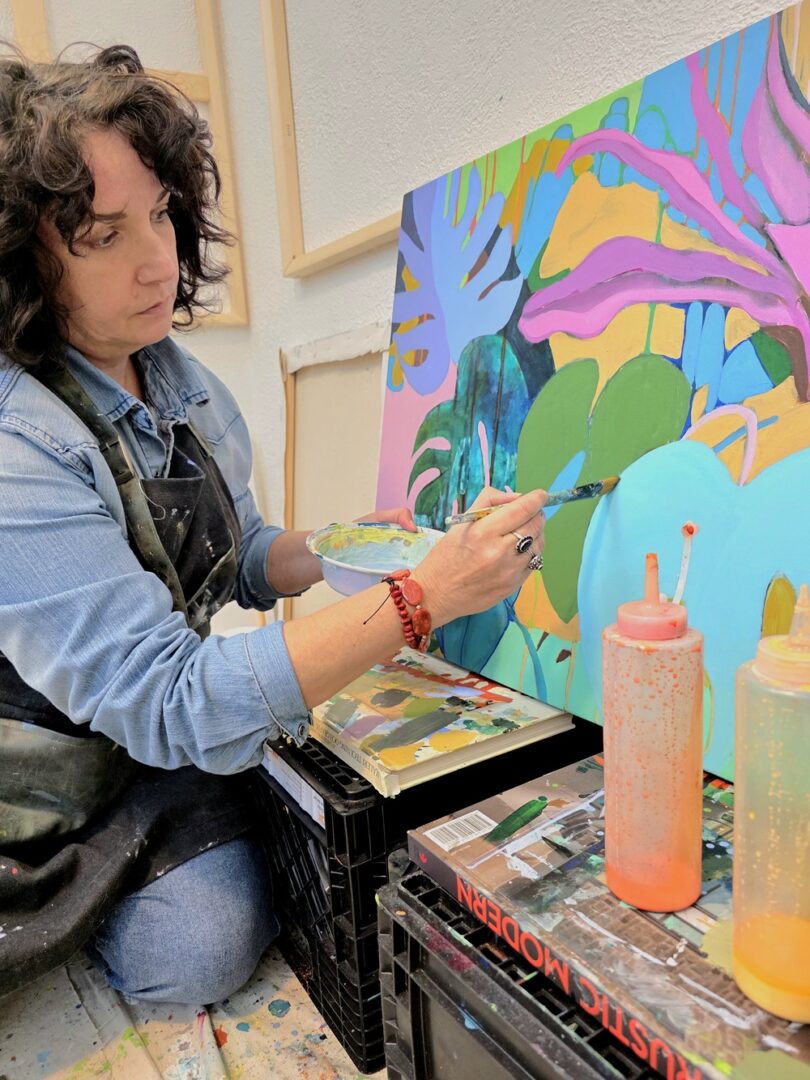
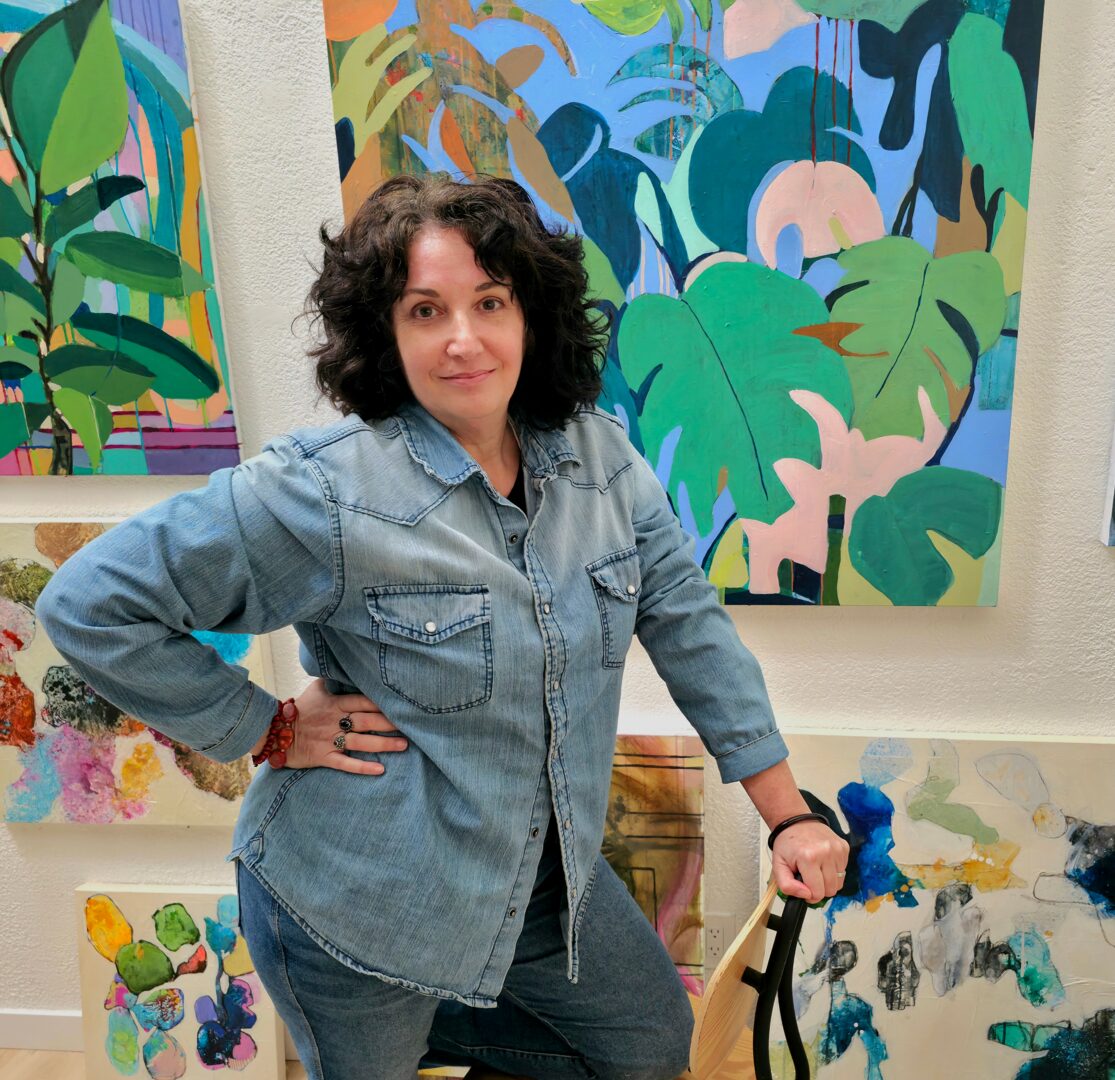
I’m a visual artist working primarily in painting and my work is rooted in disability culture, care‑based methods, and the intimate landscapes of my everyday life. I’ve been an artist for over a decade, and in that time my paintings have found homes in museums, private collections, galleries, and most recently, corporate collections — a milestone that still feels surreal. Seeing my work move into those spaces has affirmed that art shaped by disability, slowness, and embodied experience has a place in the wider cultural conversation.
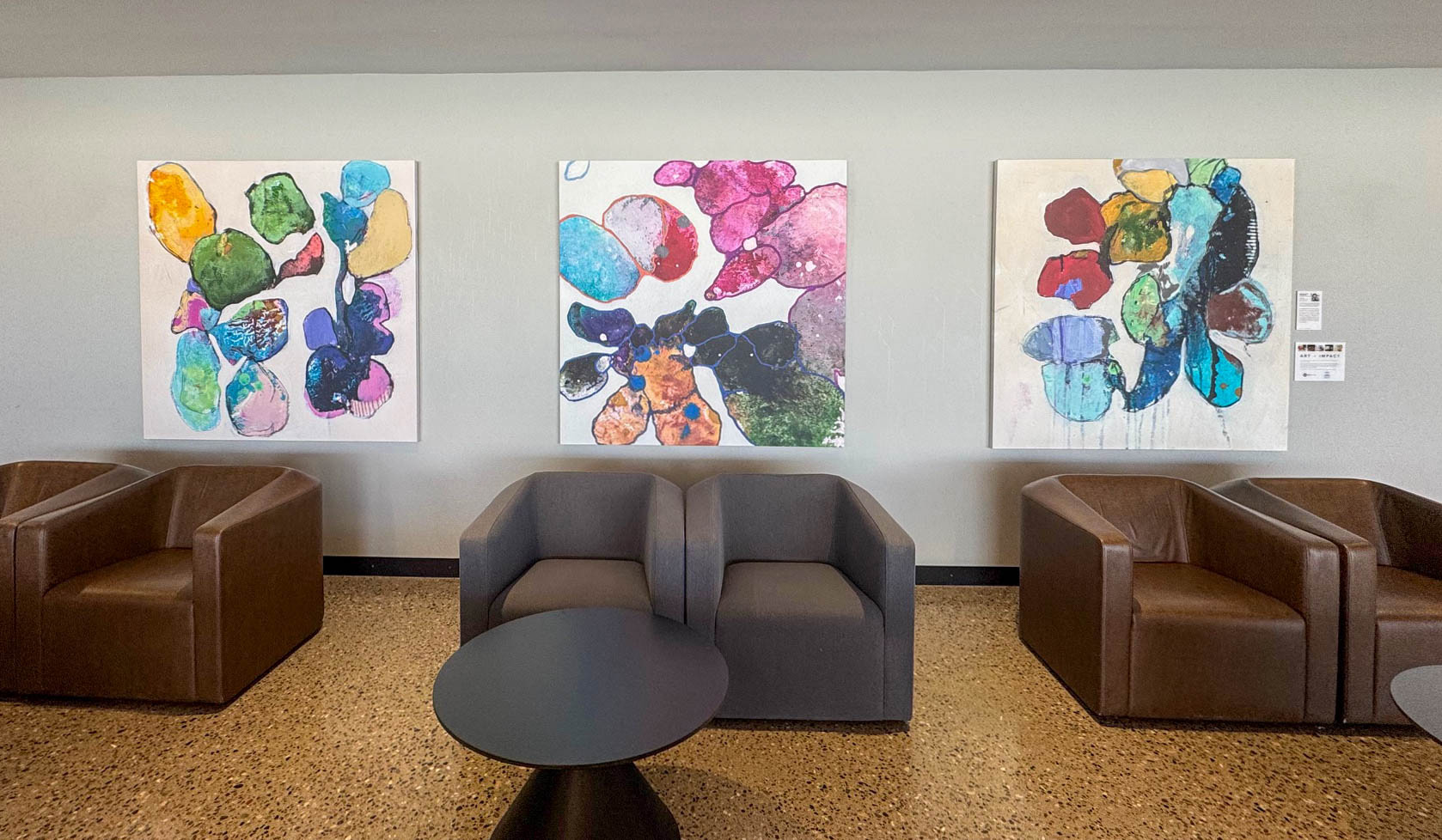
A major part of my professional focus right now is my partnership with ArtLifting, a social impact organization that represents artists impacted by disability or housing insecurity. Their model is built on dignity, visibility, and economic opportunity, and being part of their roster has expanded the reach of my work in ways I couldn’t have imagined. Through ArtLifting, my paintings have entered corporate and institutional collections where they spark conversations about access, care, and the value of diverse creative practices. It’s meaningful to know that my work is not only being seen but is helping shift how people understand disability and creativity in the workplace but also in the world at large.
My practice is shaped by the realities of my body — fluctuating vision, limited mobility, and the pacing of crip time. I paint in ways that respond to fatigue, sensory changes, and the need for adaptable processes. That might mean working on the floor, using altered palettes when my vision shifts, or building compositions from the close‑range world of my garden and home. These constraints aren’t limitations; they’re part of the language of the work. They create a visual vocabulary that’s textured, intimate, and deeply tied to my lived experience.
What excites me most is the possibility of expanding disability‑informed approaches to artmaking to public spaces. I’m currently developing new bodies of work that explore multisensory techniques, visual diaries, and care‑based creative systems that can hopefully open a conversation about difference, access, and the many ways disabled artists shape culture.
There is so much advice out there about all the different skills and qualities folks need to develop in order to succeed in today’s highly competitive environment and often it can feel overwhelming. So, if we had to break it down to just the three that matter most, which three skills or qualities would you focus on?
Looking back, three qualities have shaped my journey as an artist more than anything else: adaptability, curiosity, and a commitment to care‑based practice.
Adaptability is essential. As a disabled artist, my energy, vision, and mobility shift constantly, and my work has had to shift with them. Instead of forcing myself into conventional productivity models, I’ve learned to build a practice that moves at the pace of my body. That flexibility has allowed me to sustain my work for over a decade and to grow in ways I couldn’t have predicted. For people early in their journey, I’d say: pay attention to what your life is actually asking of you. Build systems that support you, not systems you have to survive.
Curiosity has been another driving force. My practice is shaped by asking questions: What happens if I follow my fatigue instead of resisting it? How does color behave when my vision shifts? What new forms emerge when I let my limitations guide the work instead of restricting it? Curiosity turns uncertainty into possibility. For emerging artists and creatives, nurturing curiosity — especially about your own process, rhythms, and instincts — can open creative pathways you didn’t know were available.
Finally, a commitment to care‑based practice has guided everything I do. Care shows up in how I pace myself, how I collaborate, how I honor my limits, and how I think about accessibility as a creative tool rather than an afterthought. Care is not softness; it’s structure. It’s what allows a practice to be sustainable. My advice: build care into your process early. It will carry you further than hustle ever will.
These three qualities — adaptability, curiosity, and care — have shaped my art, my partnerships, and my ability to keep creating through uncertainty. They’re not just skills; they’re ways of being that make long‑term creative work possible.
What’s been one of your main areas of growth this year?
The biggest area of growth for me in the last 12 months has been fully embracing the way my disability shapes my life, my art, and my understanding of the world. I was diagnosed over a decade ago, and the changes came quickly. My mobility shifted, my vision fluctuated, and fatigue became a constant companion. In the early years, I struggled not only with the physical realities but with the emotional ones. I compared myself to artists who were still working in traditional ways, hitting milestones I thought I should be reaching. It was easy to slip into self‑pity or feel like I was falling behind.
This past year, something shifted. I finally extended myself the care and compassion I had been offering to everyone else. Instead of seeing my disability as something that limited my practice, I began to understand it as a source of insight, a different way of sensing, pacing, and creating. My fluctuating vision, my need for slower rhythms, my close‑range world all became part of my artistic language rather than something I had to work around.
That shift opened up an entirely new area of growth: a deep, sustained interest in disability culture. I’ve become fascinated by how accessibility, interdependence, and care practices aren’t just supports for disabled people, but also can be frameworks that can help the world evolve. They offer alternative ways of thinking about time, productivity, community, and creativity. They challenge the idea that faster is better, or that value comes from output rather than presence.
Over the last year, I’ve stopped trying to fit myself into an artistic model that was never built with disabled bodies in mind. Instead, I’ve been building a practice that honors my reality and uses it as a creative engine. That shift has been liberating. It’s allowed me to grow not just as an artist, but as a person who understands that disability is not a detour — it’s a direction.
Contact Info:
- Website: https://www.jessicaruthfreedman.com/
- Instagram: https://www.instagram.com/jessica_ruth_freedman
- Other: https://www.artlifting.com/collections/jessica-ruth-freedman
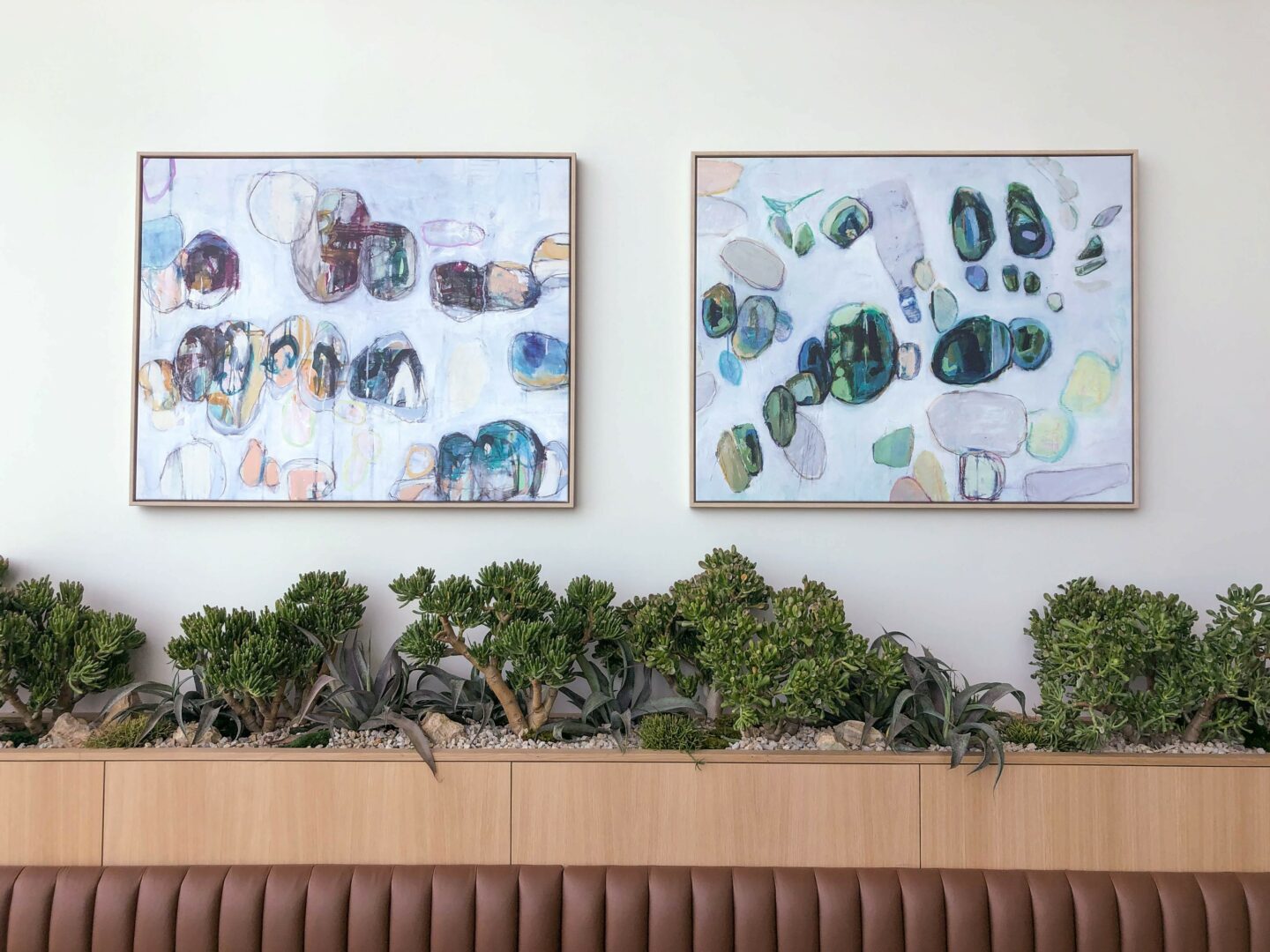
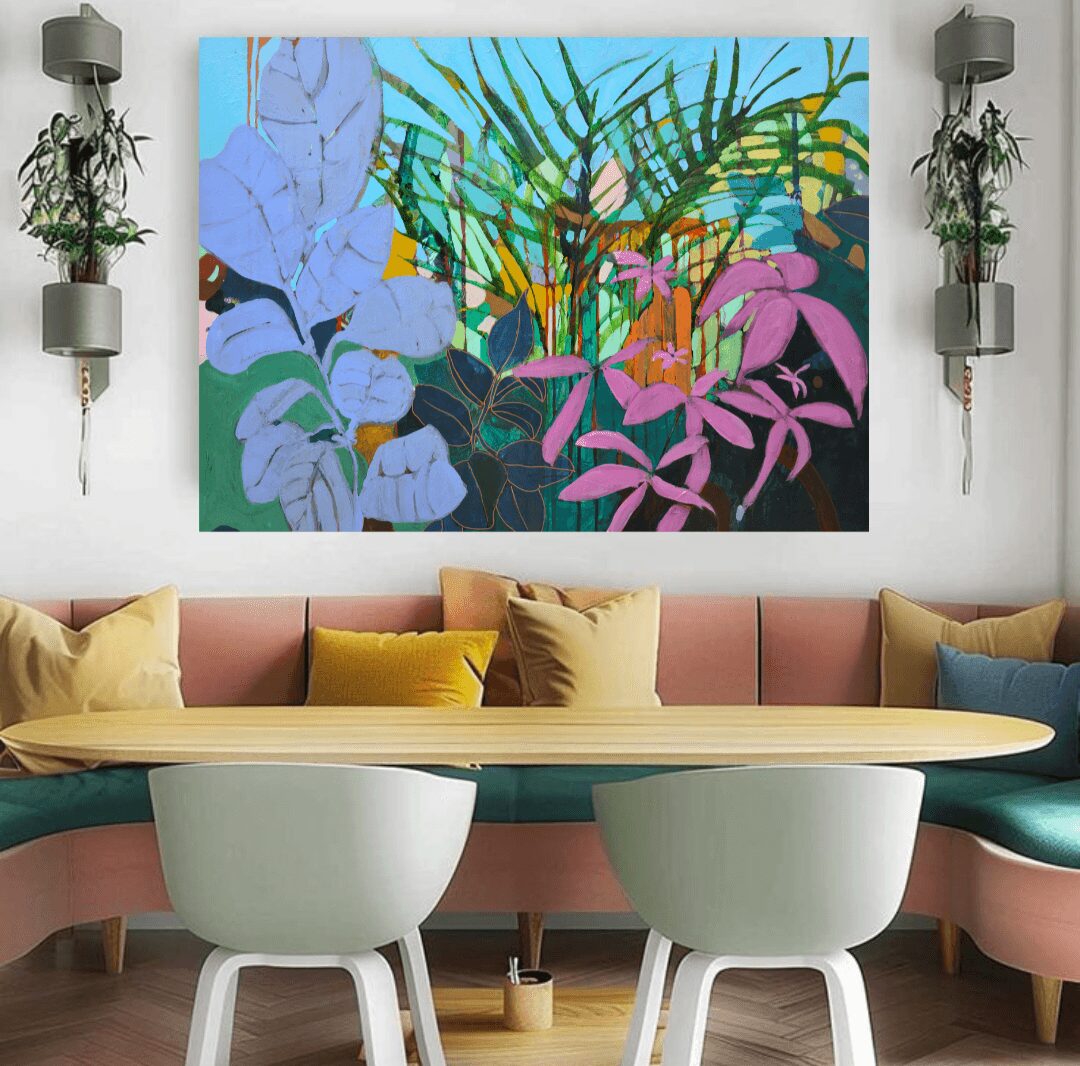
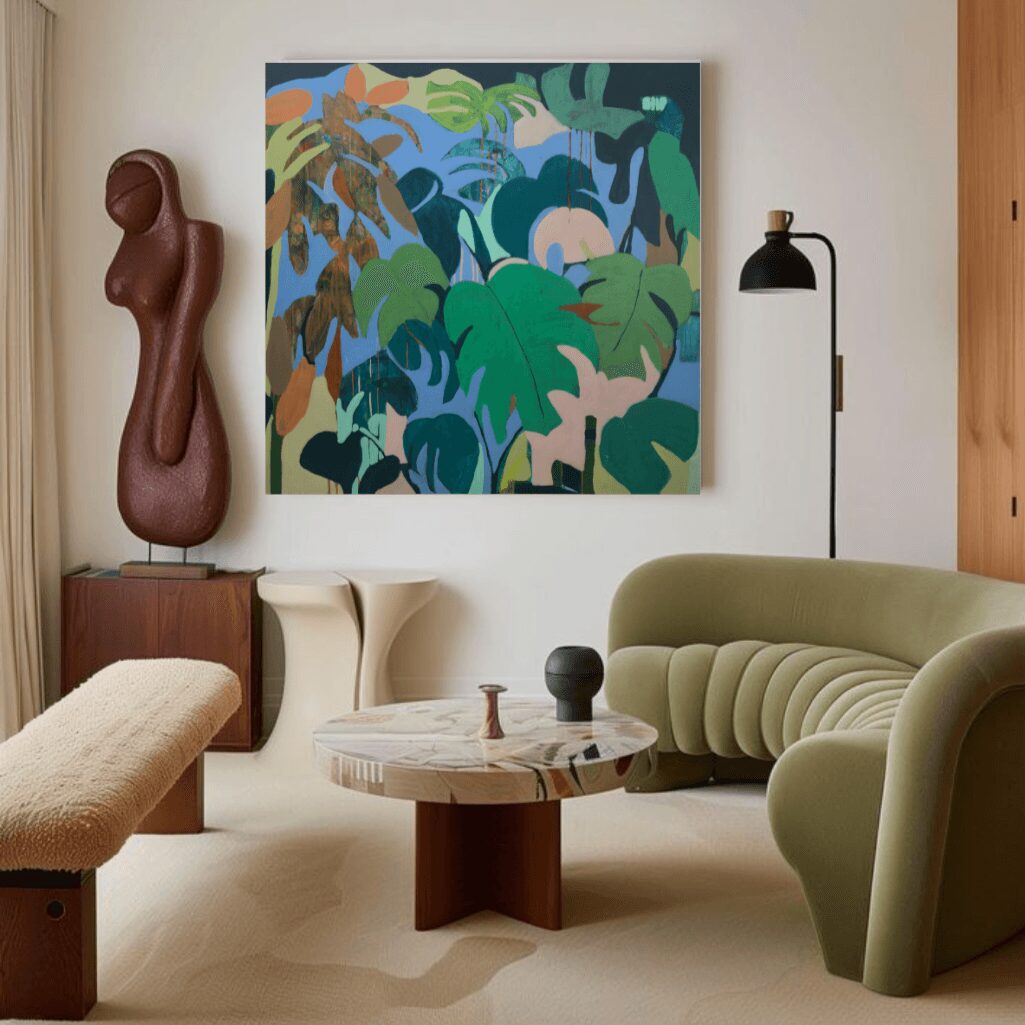
Image Credits
Image credits:
Photos of Jessica Ruth Freedman by Neil Hodge (2025)
Photo of Jessica’s work in the Eagle County Airport, and at a Global Medical tech company are copyright of ArtLifting (2025).
Digital mockups created by the artist.
so if you or someone you know deserves recognition please let us know here.