We were lucky to catch up with Jie Jian recently and have shared our conversation below.
Jie, we’re thrilled to have you on our platform and we think there is so much folks can learn from you and your story. Something that matters deeply to us is living a life and leading a career filled with purpose and so let’s start by chatting about how you found your purpose.
For me, finding purpose wasn’t a single moment of realization but a gradual process of discovery. Growing up, I was always drawn to the way language looked as much as how it functioned. I remember obsessing over the way my grandmother’s calligraphy moved across the page, how the ink bled into paper fibers, and how each character held both form and meaning. I didn’t have the words for it then, but I was fascinated by the way text existed visually.
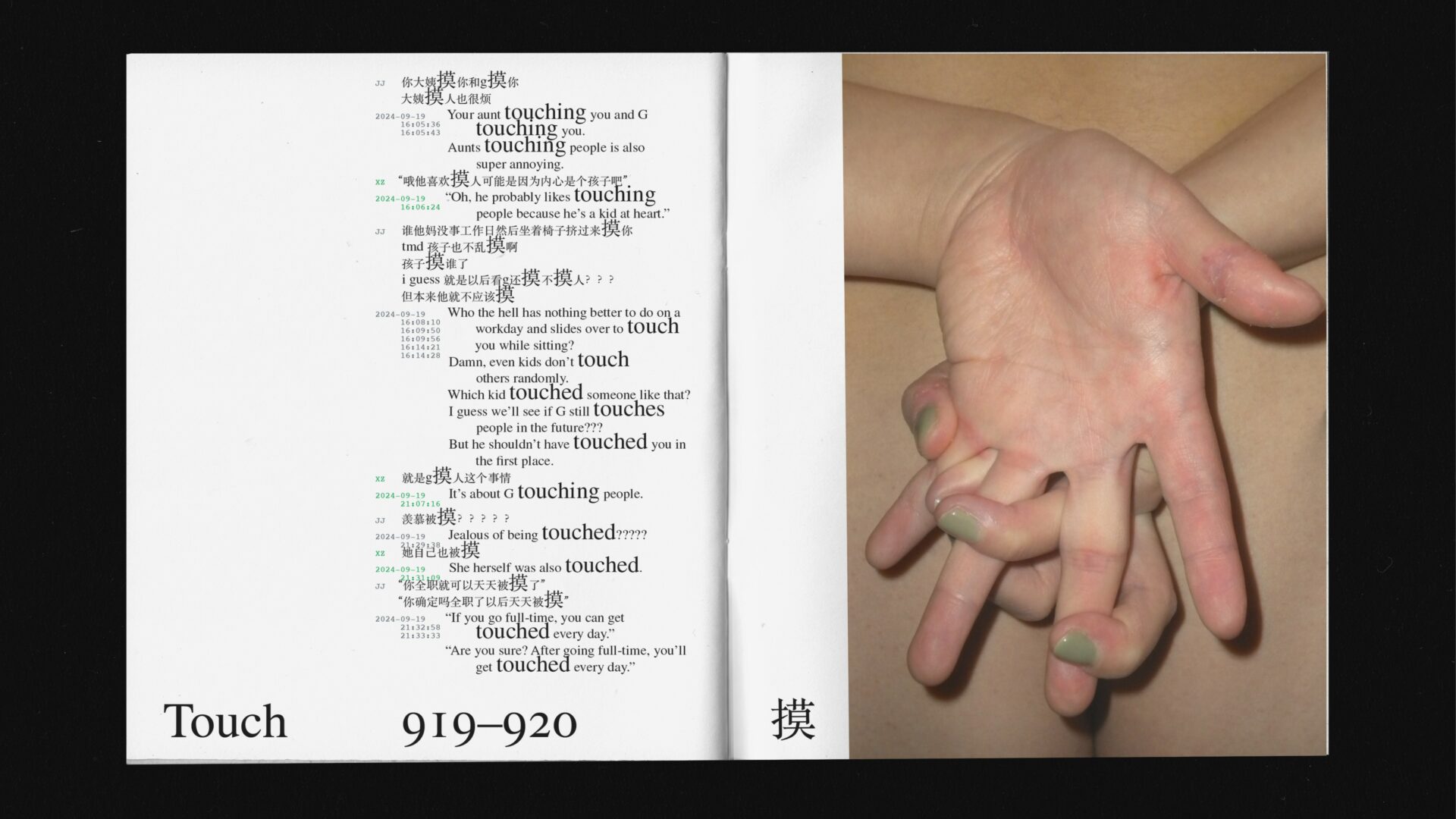
As I learned new languages, I became more aware of how letters and symbols shape perception. I started seeing words not just as tools for communication but as structures with their own weight, rhythm, and presence. This curiosity led me to graphic design and later to typography, where I realized my work wasn’t just about arranging letters—it was about exploring the space between language and image, meaning and form.
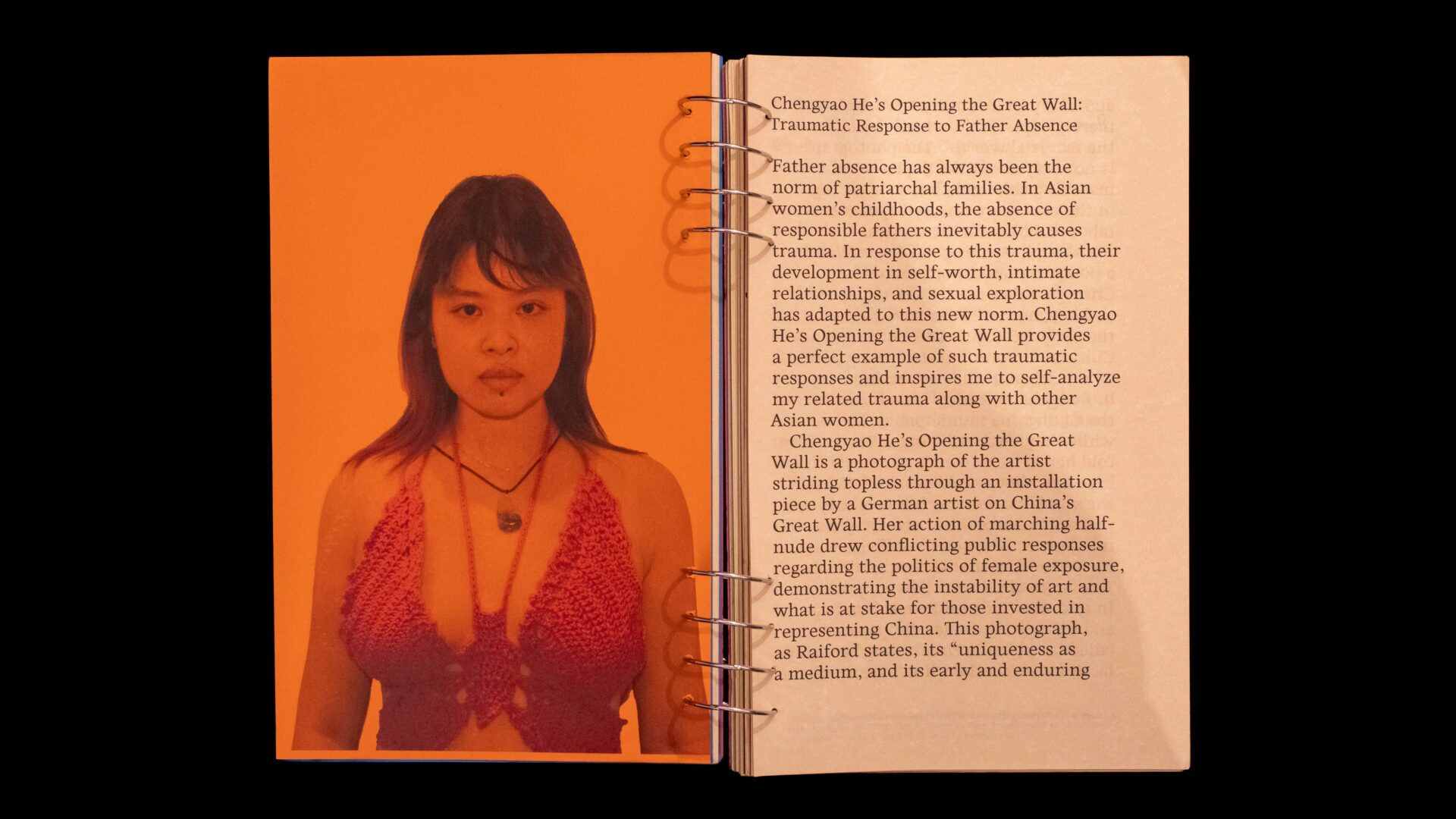
My purpose became clearer when I started working with materials beyond the screen—paper, yarn, fabric—allowing me to interact with text in a more physical way. Whether designing books, weaving letters into textiles, or deconstructing type to reveal hidden meanings, I found fulfillment in experimenting with how language can be experienced beyond reading. I’m drawn to projects that challenge conventional notions of typography and invite audiences to engage with text differently.
Ultimately, my purpose lies in pushing the boundaries of how we see and interact with language. I want to create work that makes people pause, reconsider, and engage with words in new ways—whether through design, art, or storytelling. I see language as something fluid, evolving, and deeply personal, and my work is my way of shaping that conversation.
Thanks, so before we move on maybe you can share a bit more about yourself?
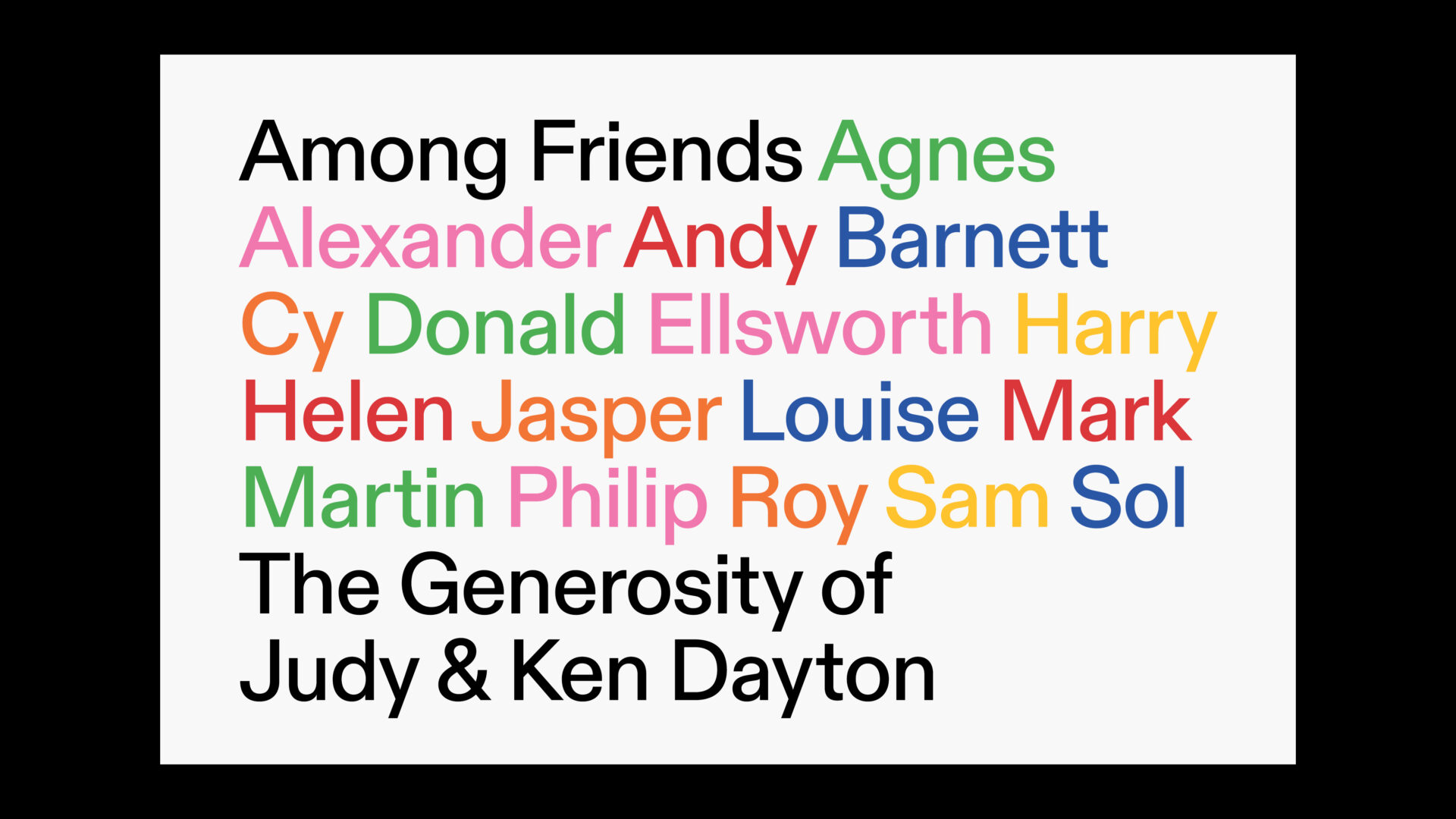
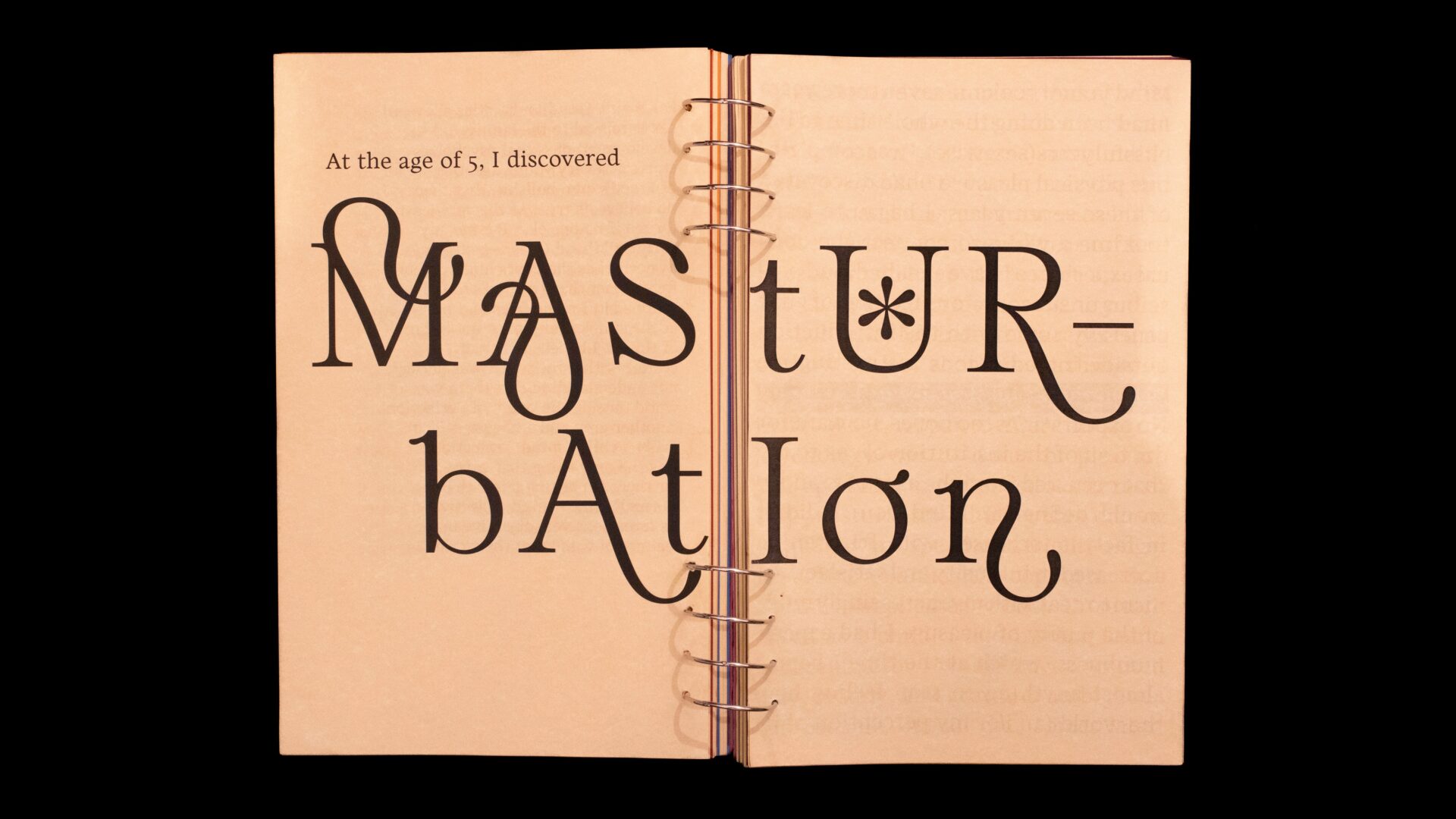
I’m Jie Jian, an award-winning graphic designer and type designer focused on exploring the intersection of language, typography, and materiality. My work goes beyond conventional type design—I approach language as something that can be seen, felt, and experienced in new ways. Whether through books, textiles, or digital experiments, I aim to challenge how we engage with written language and create work that sparks curiosity about the shapes of words.
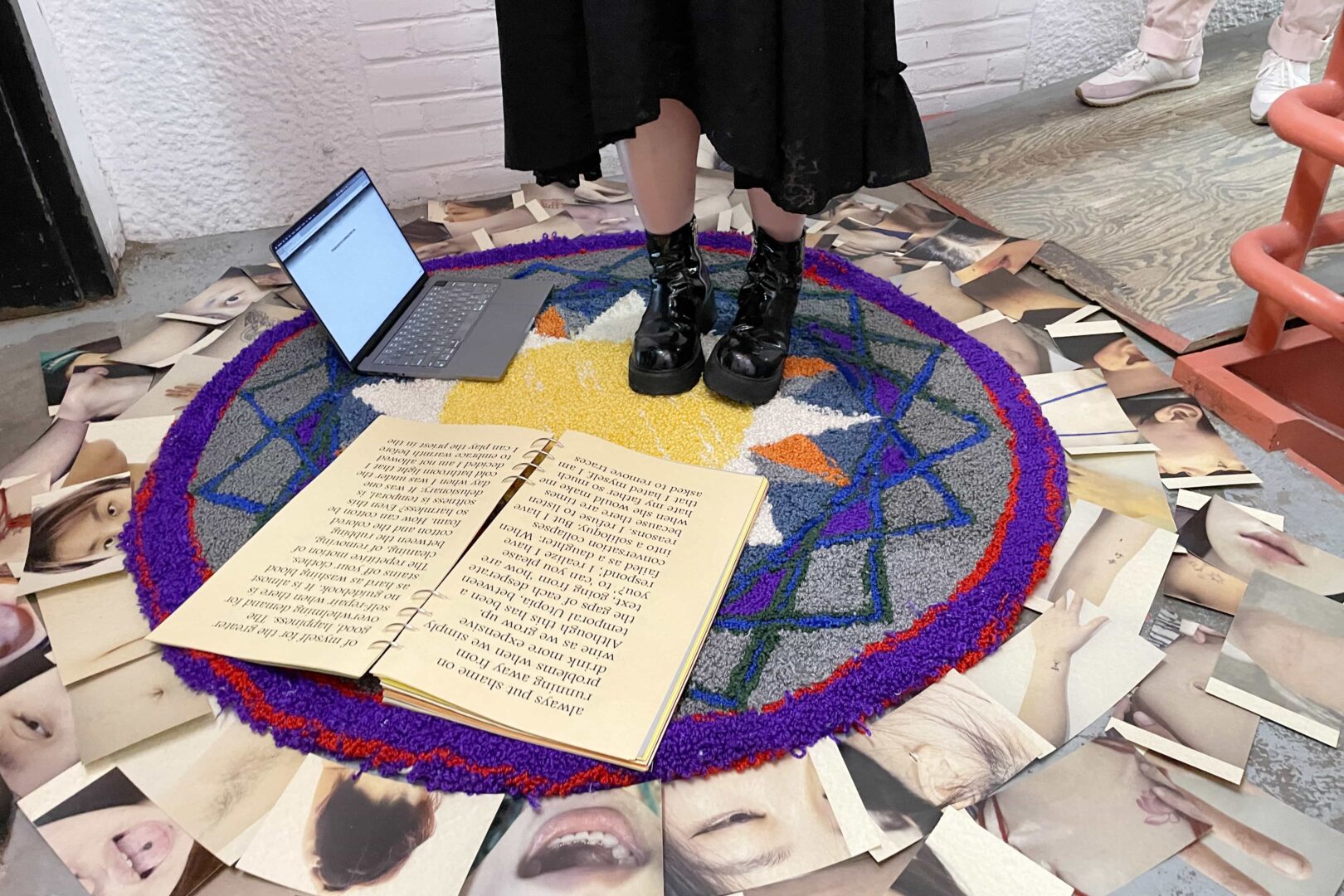
What excites me most about my practice is the idea that text is not just something we read, but something we can touch and interact with. I love working with tactile materials—paper, fabric, even unconventional surfaces like resin or thread—to expand typography beyond the screen. My projects often explore the absence and presence of text, questioning what happens when words are deconstructed, rearranged, or even erased. I’m particularly fascinated by the physicality of typography, how letters hold weight, texture, and movement, making language feel more personal and immersive.
Right now, I’m working on several new projects that push these ideas further. One of them is an interactive typographic installation that merges analog craftsmanship with digital motion—where letters shift and adapt based on the viewer’s presence. I’m also developing a typographic atlas, a project that explores how different cultures structure and visualize language, weaving together design, linguistics, and storytelling.
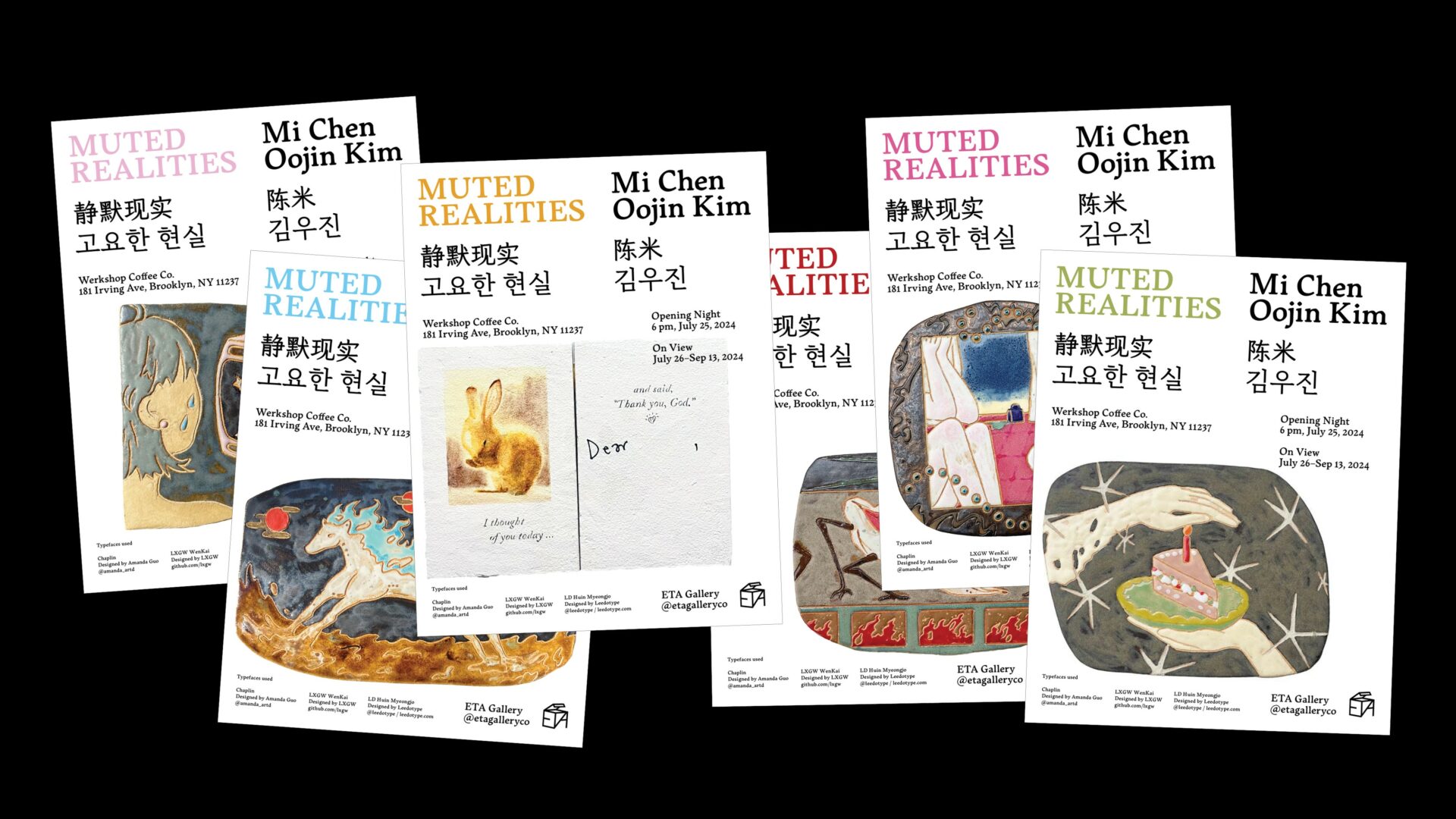
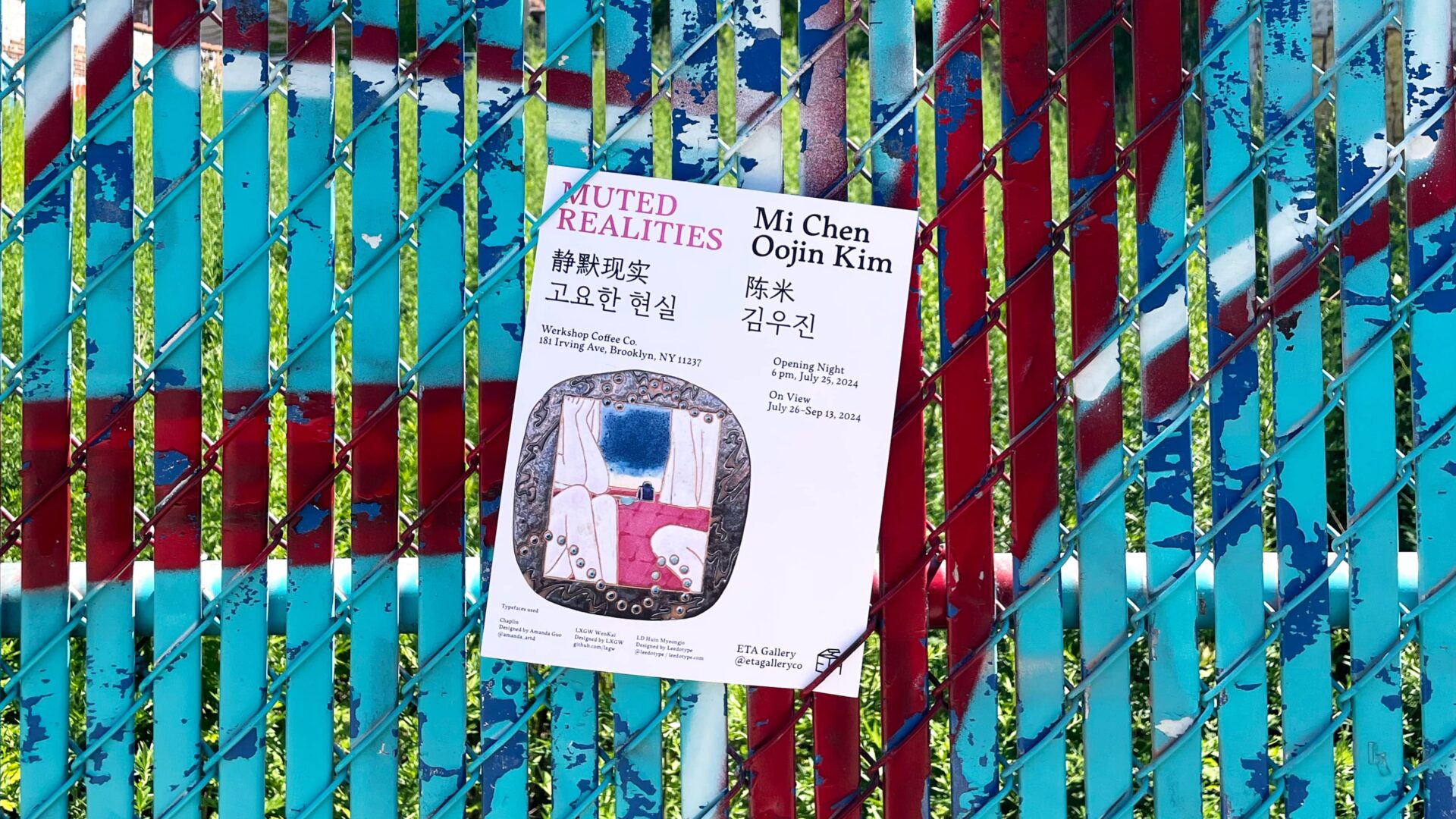
Beyond my personal practice, I’m involved with ETA Gallery, a contemporary pop-up gallery in Brooklyn. Through this space, I collaborate with other designers and artists to create exhibitions that highlight experimental and underrepresented voices in the field. It’s a way to not only showcase work but also create a community that shares a passion for design and storytelling.
At its core, my work is about redefining how we engage with text. I want people to pause, reconsider language in a new way, and see typography not just as a tool for communication but as an art form in itself. Whether through design, publications, or installations, I hope to continue creating work that invites people into the visual and material world of words.
There is so much advice out there about all the different skills and qualities folks need to develop in order to succeed in today’s highly competitive environment and often it can feel overwhelming. So, if we had to break it down to just the three that matter most, which three skills or qualities would you focus on?
I’d say curiosity, adaptability, and materiality have been the most impactful in my journey.
Curiosity led me to typography—I’ve always been drawn to the shapes of language and how words exist beyond their meaning. I constantly question how text can be broken apart, rearranged, or experienced differently. Pay attention to things others overlook—the way words move through space, how people interact with language. The more you notice, the more unexpected ideas will come.
Being adaptable has also shaped my practice. I used to think I had to specialize, but moving between print, digital, fiber arts, and installation has expanded my work in ways I never expected. Explore beyond your main discipline. Even if something feels unrelated, you never know when it might open up new possibilities.
Lately, I’ve been thinking a lot about materiality—how design feels, not just how it looks. Working with yarn, fabric, and textured surfaces makes typography more tangible, more personal. If you’re just starting out, don’t limit yourself to the screen. Print your work, experiment with materials, and engage with design in physical space.
At the core of it all, I think the best thing you can do is stay curious, embrace change, and explore beyond the expected. The more you push your boundaries, the more your work will grow in ways you never imagined.
Any advice for folks feeling overwhelmed?
When I feel overwhelmed, I turn to crochet. There’s something incredibly calming about the repetitive motion of looping yarn, watching a pattern slowly take shape. It forces me to slow down, focus on each stitch, and let my mind settle. Unlike design, where I’m constantly making decisions, crochet is more about the process than the outcome—it gives me space to breathe without the pressure of perfection.
I think having a hands-on, meditative practice is so important, especially for people in creative fields. Whether it’s crochet, knitting, weaving, or even just doodling, doing something tactile helps shift my focus away from the overwhelm and back into the present moment.
Contact Info:
- Website: https://jjjiejian.me/
- Instagram: @jiejianjj
so if you or someone you know deserves recognition please let us know here.