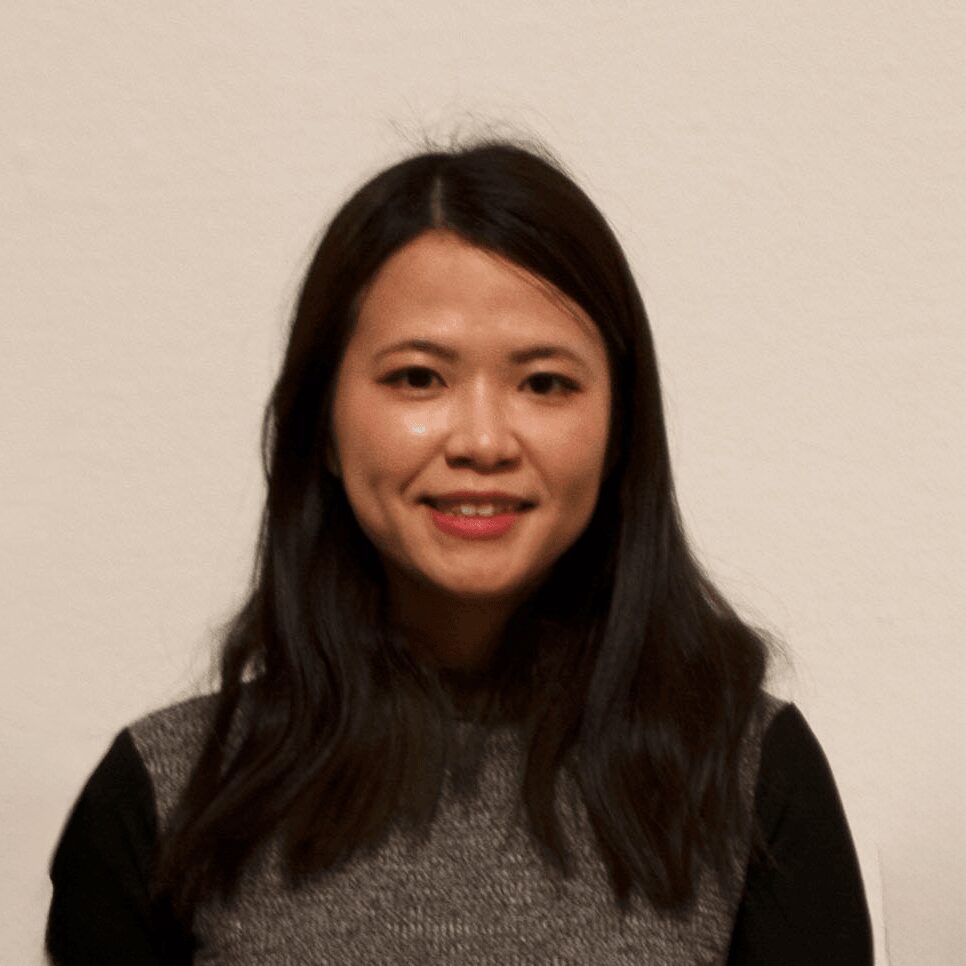
We caught up with the brilliant and insightful Jie Yan a few weeks ago and have shared our conversation below.
Jie, so happy to have you with us today. You are such a creative person, but have you ever head any sort of creativity block along the way? If so, can you talk to us about how you overcame or beat it?
As an industrial designer with over six years of experience, I have developed several strategies to overcome creativity blocks. Changing my environment, such as working in a different room or going to a park, often stimulates fresh ideas. Practices like mindfulness and relaxation, such as meditation or yoga, help clear my mind and reduce stress, making it easier to access creativity. Breaking down large tasks into smaller, manageable ones also makes the work less overwhelming and allows me to focus on one step at a time.
Seeking inspiration from various sources is another crucial technique. I look for ideas in design magazines, nature, art, or everyday objects. Observing how others solve problems can spark new concepts. Collaboration and feedback from colleagues or friends provide new perspectives and insights, helping me see my work from different angles and find new directions. Physical activity, like going for a run or taking a walk, also boosts my mood and enhances my clarity of thought.
Maintaining a routine and allowing for imperfection are key strategies. A consistent routine conditions my mind to be productive and creative during specific times of the day. I remind myself that not every idea needs to be perfect; allowing for mistakes and learning from them often leads to more innovative solutions. Taking time away from a project can provide a fresh perspective, and keeping a journal or sketchbook to jot down rough ideas helps keep the creative juices flowing without the pressure of perfection. These strategies help me overcome creativity blocks and maintain a steady flow of innovative ideas.
Great, so let’s take a few minutes and cover your story. What should folks know about you and what you do?
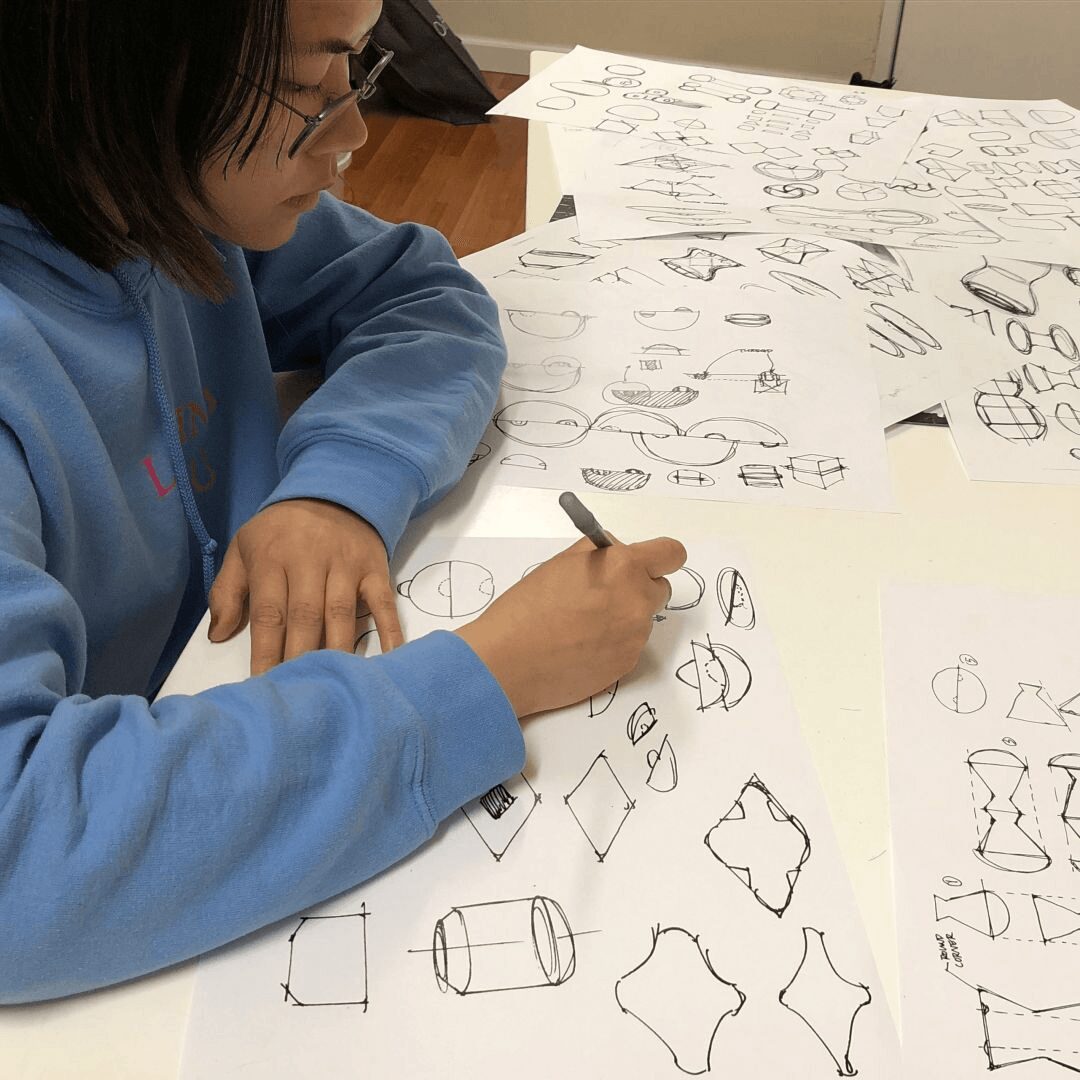
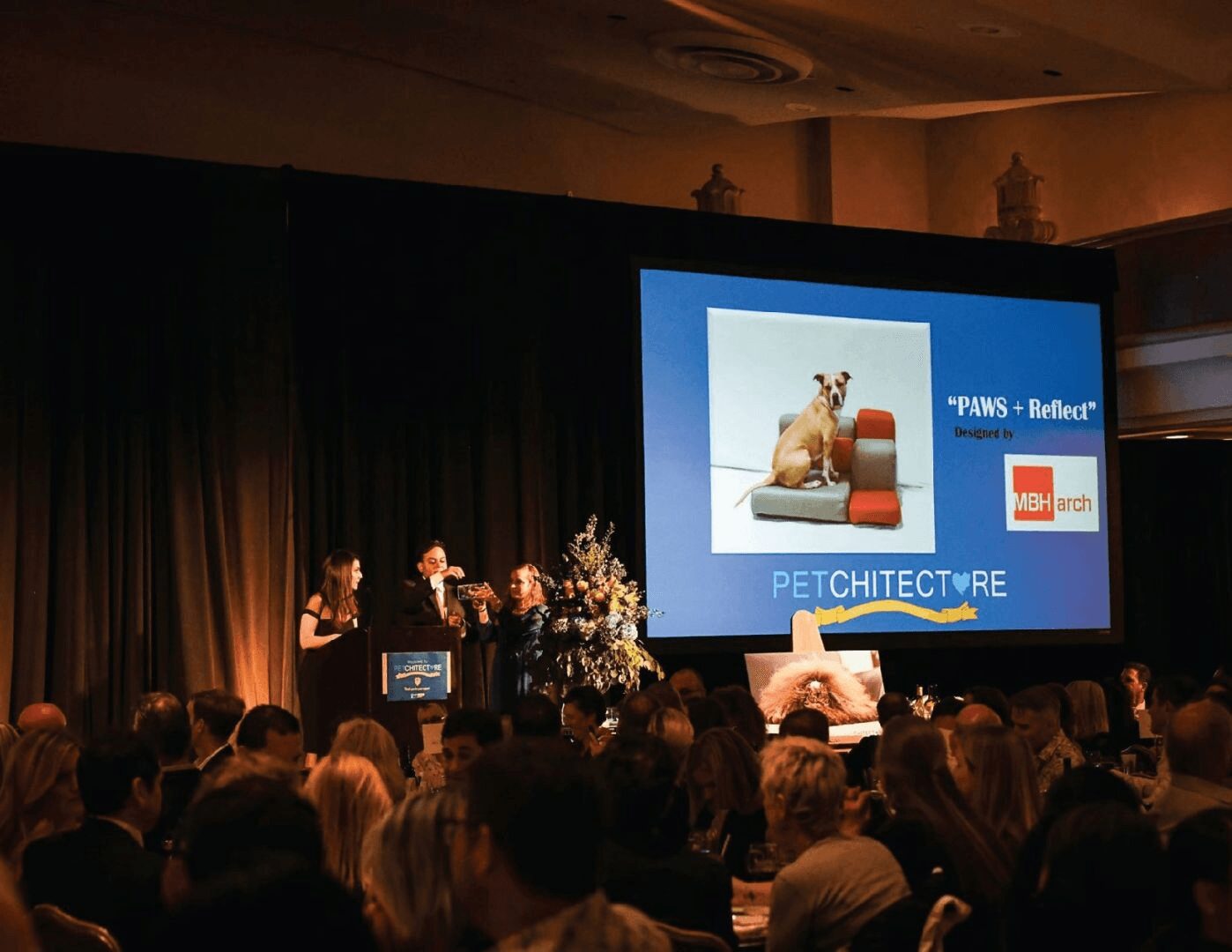
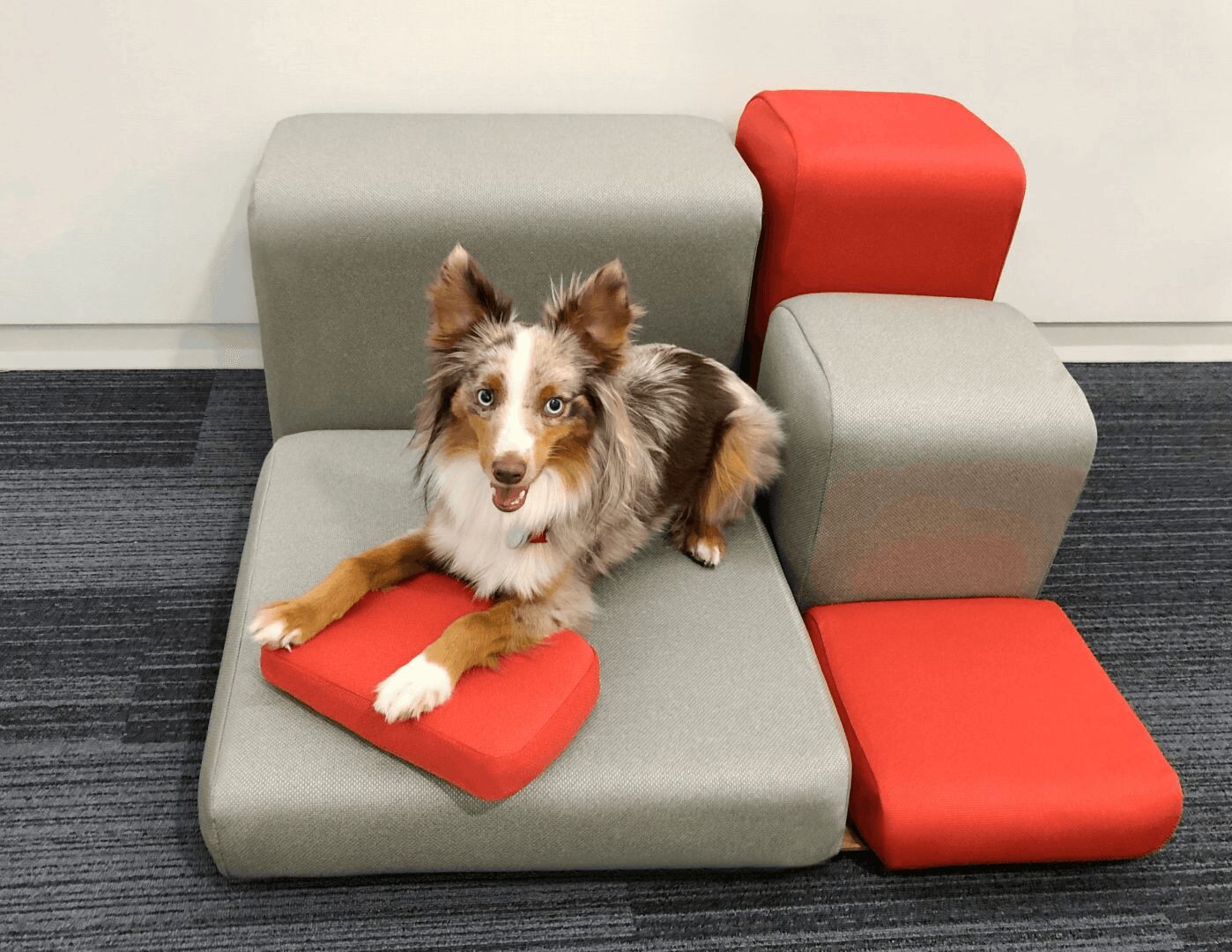
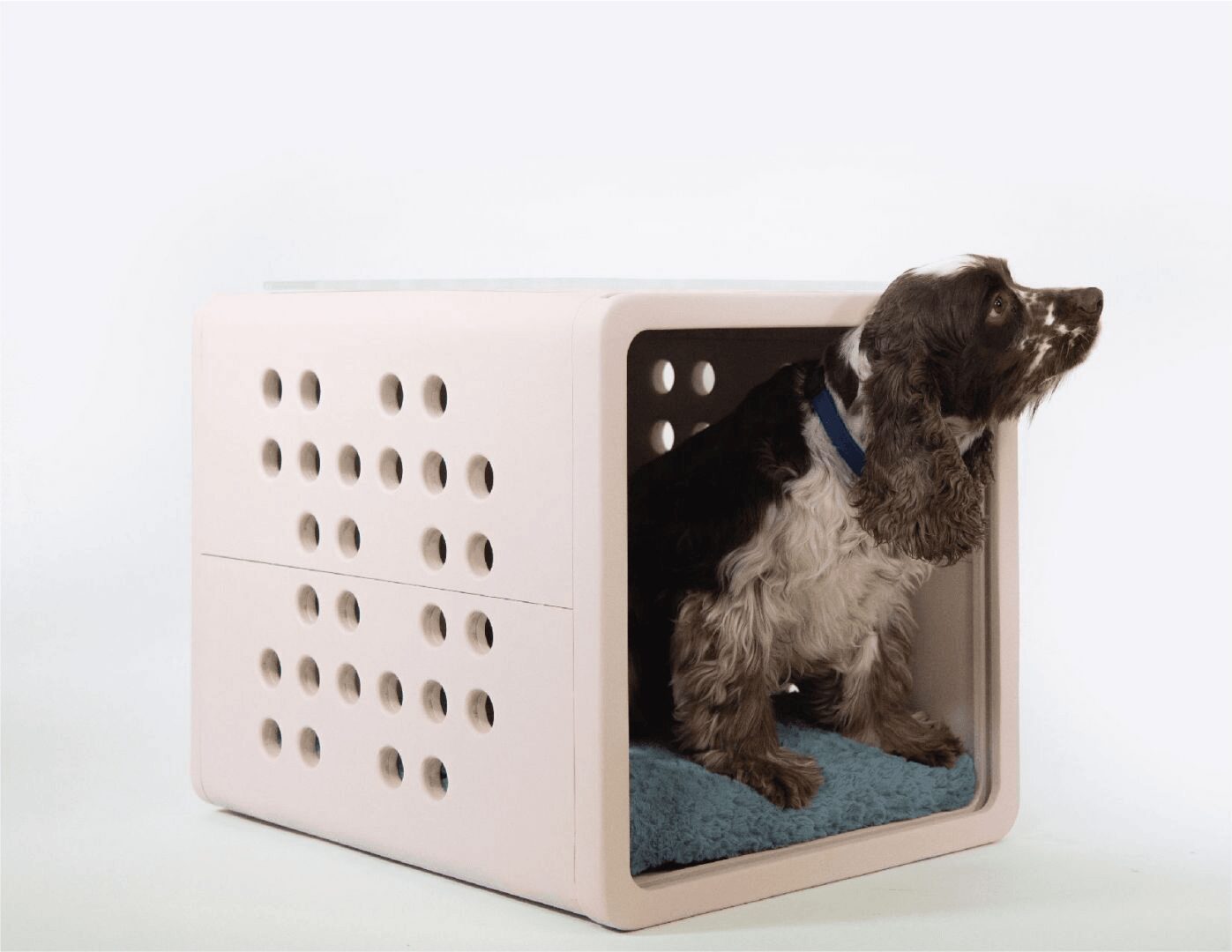
One of the most exciting parts of my career has been working on fixture projects for a renowned technology company. This experience has been incredibly rewarding and has set a high standard for my professional endeavors. Additionally, I have taken on side projects in the pet supply and plant accessory industries. Designing products for pets and plants allows me to explore my passion for design in diverse and meaningful ways.
My journey to this point hasn’t been easy. I’ve faced various challenges, including visa issues, language barriers, and difficulties in building relationships with managers. Overcoming these obstacles required perseverance and a proactive approach. One of the most valuable lessons I’ve learned is that there’s always a solution to any problem. If the first approach doesn’t work, it’s important to keep trying and push forward. Asking questions and seeking help when needed is essential—you will eventually find the support you need.
I am passionate about design, particularly in creating furniture for both humans and pets. This passion drives me to innovate and constantly improve, ensuring that my designs are functional and enrich the lives of those who use them. My journey reflects a commitment to overcoming challenges and a dedication to excellence in all my projects, whether for high-tech clients or beloved pets.
There is so much advice out there about all the different skills and qualities folks need to develop in order to succeed in today’s highly competitive environment and often it can feel overwhelming. So, if we had to break it down to just the three that matter most, which three skills or qualities would you focus on?
Three qualities that have been most impactful in my journey are perseverance, adaptability, and effective communication. Perseverance helped me overcome numerous obstacles, such as visa issues and language barriers, by encouraging me to keep pushing forward despite challenges. Adaptability allowed me to navigate different projects and industries, from high-tech fixtures to pet supplies, by being open to new ideas and approaches. Effective communication was crucial in building relationships with managers and collaborators, ensuring that my ideas were understood and valued. For those early in their journey, I advise focusing on building resilience, staying flexible and open to learning, and honing communication skills. These qualities will help you navigate challenges, seize opportunities, and build strong professional relationships

Looking back over the past 12 months or so, what do you think has been your biggest area of improvement or growth?
In the past 12 months, my biggest area of growth has been enhancing my ability to integrate user-centered design principles into my projects. I’ve focused on gaining a deeper understanding of the needs and preferences of end-users, which has significantly improved the functionality and appeal of my designs. This growth has been driven by actively seeking user feedback, conducting thorough research, and embracing iterative design processes. As a result, my projects have become more innovative and impactful, better addressing the needs of both clients and users.
Contact Info:
- Website: https://jieyandesign.net
- Linkedin: https://www.linkedin.com/in/jie-yan4/
so if you or someone you know deserves recognition please let us know here.