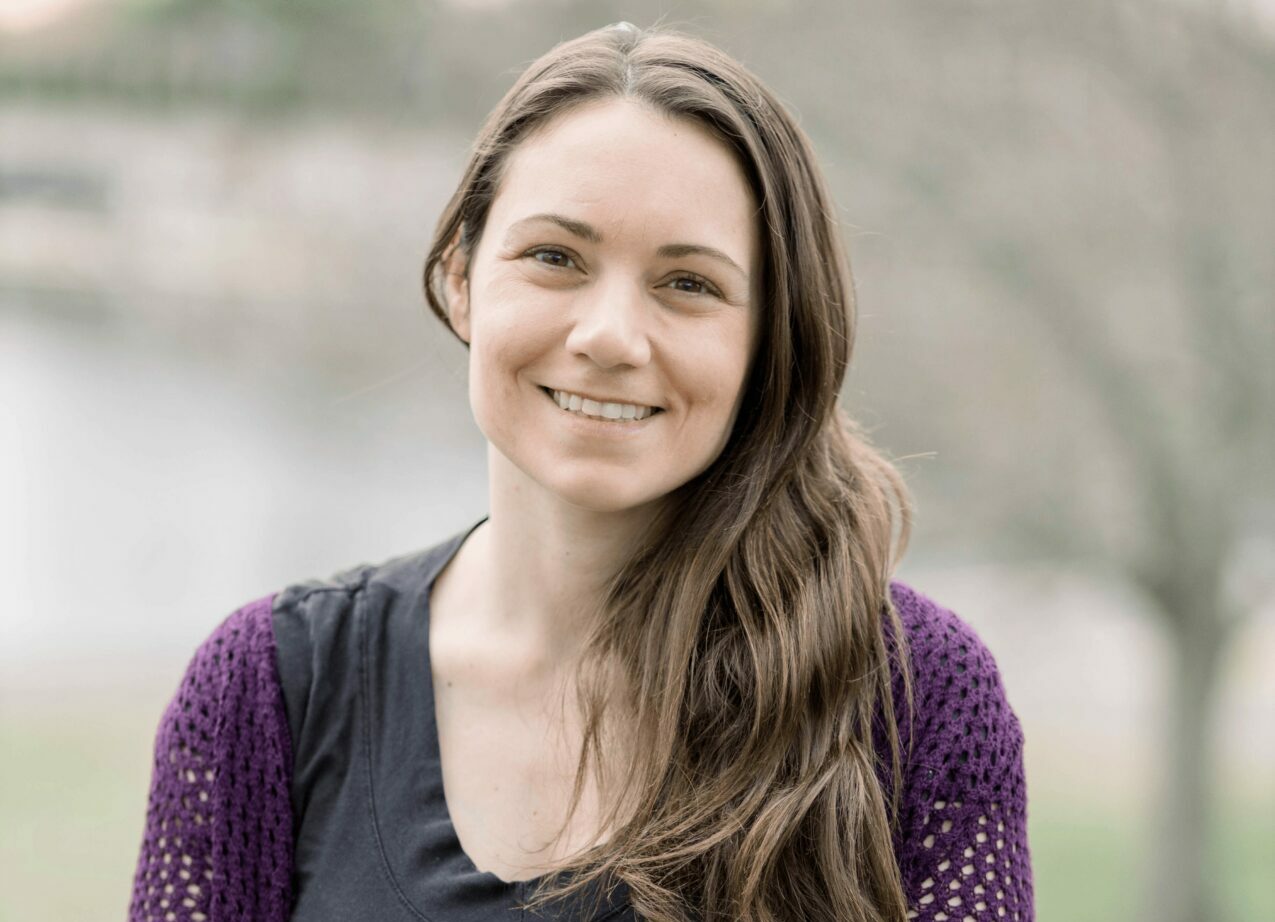
Alright – so today we’ve got the honor of introducing you to Jillian Barrett, PhD. We think you’ll enjoy our conversation, we’ve shared it below.
Hi Jillian, really happy you were able to join us today and we’re looking forward to sharing your story and insights with our readers. Let’s start with the heart of it all – purpose. How did you find your purpose?
Growing up, I was often told I was “different” or “strange.” I didn’t know what others meant. I knew only that I didn’t seem to fit in — I felt as though I wasn’t “good enough.” As I grew older, I challenged myself to be the best at whatever endeavor I undertook. I often floundered, but if the right person gave me simple words of encouragement or seemed to believe in me, suddenly I would flourish, and reach levels of success I hadn’t even hoped to achieve. I realized that it was the lack of believing in myself that held me back. I therefore decided to redefine “success” on my own terms of achievement, not on perceived external expectations. Throuh this process, I discovered that many others also seemed to need a breath of encouragement as they traveled on their own personal journeys. My purpose is to help lift up others, to give them the encouragement or support they need to recognize their own internal value, and to achieve their own successes.
Thanks, so before we move on maybe you can share a bit more about yourself?
I grew up in a house filled with classical music. I began singing at a young age, doing my first public solo by age 6. I was fortunate enough to sing for the Pope at the Vatican while a teenager, and went on to perform on stage and sing in recording studios. I was fasctinated by the different ways I could use my voice to carry through a large theater without microphones, or in a small venue, or in the sound booth while recording. In college, I discovered the fields of audiology and psycho-acoustics, which explained not only how we hear, but why we hear and perceive sounds the way we do. As a singer, the idea of helping hearing impaired people be able to hear music was an avenue where I could combine all my areas of interest, and where I could juxtapose both the art and science of sound!
I also grew up with physical challenges due to a syndrome I was born with; While others perceived these challenges to be “handicaps,” they were just normal for me, so I didn’t consider them to be obstacles; I merely sought creative alternate means of doing things. My vision loss could not be fully corrected with glasses (or sugery), and eventually I became unable to drive. I got a Guide Dog for the Blind. In my work, I was able to show many of my patients that my vision loss was somewhat parallel to their hearing loss — both could be helped by technology, but neither of us could be restored to normal function. I couldn’t hide my vision loss at work, but I found different ways of doing things, and my patients felt encouraged by my tenacity and success.
As my vision loss progressed, I decided to learn all about the fiber arts — spinning yarn and making intricate weavings. My patients ask about the looms and spinning wheels they see in my office, and I show them how things work. While I’m doing so, I’m also assessing how well they’re hearing me, even when my back is turned and they can’t lipread to supplement their hearing. This provides a natural communication exchange that helps me progam their hearing aids more optimally, and it also gives them another opportunity to see that losing a primary sense (hearing for them, vision for me) does not have to be catastrophic, and one can still enjoy a rich quality of life. They are often amazed at the intricate artwork I create and display in my office, and it is exciting to see them leave with greater hope for their own future.
Looking back, what do you think were the three qualities, skills, or areas of knowledge that were most impactful in your journey? What advice do you have for folks who are early in their journey in terms of how they can best develop or improve on these?
Genuinely care for others. Think back to an event when someone did something that was lifechanging for you — whether it was a teacher, a friend, or a stranger, think about that moment, and how you benefited from it. Then, do that for others.
Genuinely care for yourself. Don’t hold yourself up to the expectations of others; rather, develop a set of expectations for youself, and grow into them.
Be willing to admit when you are wrong and redress. Many folks believe admitting fault will make others respect them less; nothing could be further from the truth.
Do not get discouraged if you do not have immediate success; the pain and lessons of failures often allow us to see an approach we would not otherwise have considered. Sometimes, it is failure that points us in the direction that ultimately leads to our greatest accomplishments.
What has been your biggest area of growth or improvement in the past 12 months?
I recentlyreceived a definitive diagnosis of my eye disease due to DNA testing. The result: Stargardt Disease. It took decades for the correct diagnosis of something I was born with! Decades of misdiagnoses, and certain doctors even suggesting I was malingering. For me, this diagnosis was extremely freeing; I felt vindicated. It was also freeing because knowing that my vision loss was going to continue to progress, I chose to start doing activities I had previously assumed I’d do at some time in the distant future. I want to fill myself up with life experiences, and I want to learn new things while I still have enough vision to do so. To that end, I am learning to spin yarn from wool, learning to use various types of looms to weave tapestries, I am learning to play a Nyckelharpa, am taking piano lessons, and am learning to drive a horse carriage. I still work full time, but I am also filling my world with new experiences. A diagnosis of Stargardt Disease could have been devestating, but only if one chooses that outlook. I prefer to use that diagnosis as motivation to see what I can accomplish as my blindness progresses.
Contact Info:
- Website: www.aikenaudiology.com
- Email: [email protected]