Alright – so today we’ve got the honor of introducing you to Jim Livingston. We think you’ll enjoy our conversation, we’ve shared it below.
Jim , we are so deeply grateful to you for opening up about your journey with mental health in the hops that it can help someone who might be going through something similar. Can you talk to us about your mental health journey and how you overcame or persisted despite any issues? For readers, please note this is not medical advice, we are not doctors, you should always consult professionals for advice and that this is merely one person sharing their story and experience.
When I was younger, I injured my back which causes quite a bit of chronic pain and now as I get older, I have mobility issues. Chronic pain grinds on a person. It is something you can’t escape. There are various kinds of pain meds but frankly, they interfere with my ability to think.
I always feel I must make a choice of being able to function and make art or take medication and be without pain. Since the back injury, depression is the other issue that I, along with a lot of people with serious chronic pain, deal with.
Everyone deals with depression. Life is hard and often throws us curve balls. But clinical depression lasts longer than normal depression. Sometimes things in life like chronic pain can cause it.
Photography allowed me to focus away from the pain. I call the viewfinder my magic window because it allows me to focus on what I am looking at. I can choose to view the scene before me and find the most beautiful view. It has never stopped the pain, but it helps me to focus away from the pain. That is truer now as my health challenges grow with age. Art gives me tools to deal with physical and emotional pain. Some days I do better at dealing with depression and pain than others, but the tools are there. It is not for a sure thing, but a day-to-day battle.
Thanks, so before we move on maybe you can share a bit more about yourself?
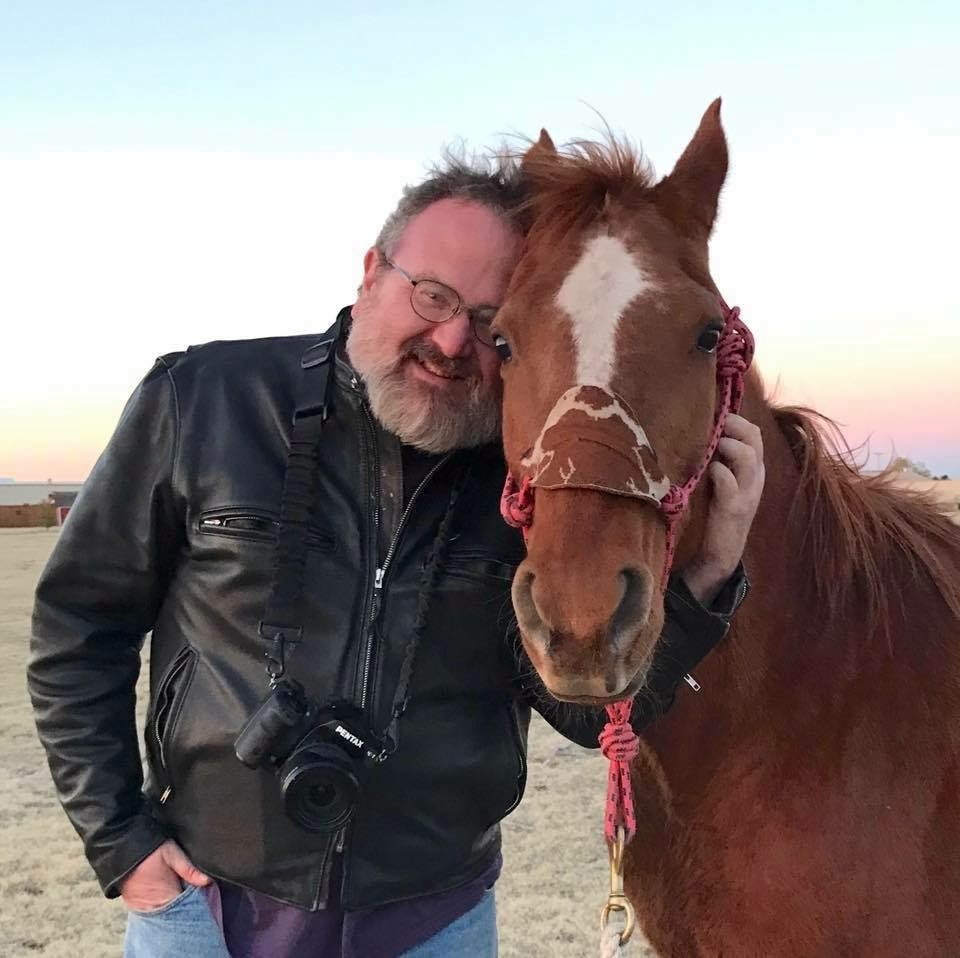
I am a fine art photographer. I don’t introduce myself as a photographer usually and leave the word photography out of any introduction. I focus on being an artist. That started with realizing the average person associate’s photography less with art and more with things like weddings or portraits. I rarely photograph people as my focus is on landscape (night and day), hot air balloons and storm photography. I try to make art for décor.
I think what makes me a bit different than the average fine art photographer, is that my goal isn’t to show you what I saw with my eyes. Every competent photographer can do that. Most photographers approach fine art photography like big game hunting. They go out to find that magnificent shot. I used to do that but then I noticed something.
The images that really spoke to me had an emotional content for them. The flower that spoke to my emotions became more important than the image of the tornado that didn’t hit me emotionally. Now my goal when I present an image is to show you less about what I saw, and more about what I felt.
Much of that process happens when I edit. I might blur a less important part of the photo to push your eye away. Or I might hyper saturate a color that has an emotional quality. I might add an element that was part of the scene earlier. For me, this is art and art is about challenging my ability to speak in visual terms about emotions.
Going back to the original question about mental health and dealing with my depression. This process is often healing in that some emotions are easier to show than speak about.
I am releasing a book in February that is about my journey and view of the world as a photographer/artist called Magic Window: https://www.jimlivingstonart.com/magic-window-hard-back-book/limited_edition_art_products/magic-window-hard-back-book?product_gallery=337662&product_id=6815201
If you had to pick three qualities that are most important to develop, which three would you say matter most?
When I changed my career from social and legal work to art, I had already mastered film but the world had turned digital. I decided to go back to school as I felt that would be the fastest way to get up to speed in the digital world. I am glad I did, but I wasn’t just a student. I was a working photographer. And I realized something very fast. Technology was moving faster than my teachers. It is hard to develop curriculum in an academic field such as art or photography today as technology is moving so fast.
I have always been someone who loved learning. I have spent most of my adult life taking classes of some sort. What I realized is knowing how to learn, knowing where to find that latest information and critically mastering the information my teachers taught me. I knew that keeping up after college l, I would have to constantly teach myself.
That is a critical skill for any career today, especially art and photography as technology and marketing trends change so fast. Learning to learn and apply information is a talent of mine that has made a huge difference.
Another quality I have that I think has made a difference is being able to put myself out there on social media. Being an artist is as much about yourself as your art. A hard lesson to learn is that people don’t buy art, they buy art from people they like and that means making connections. Trying to be real about where I am in life to the public is often a very vulnerable thing.
The last and most important thing I think is the ability to make art without the need to compare my commercial value to other artists. There is always going to be someone making more sales, being more visible, doing more of what I want to accomplish. If I look at the success of another artist, it is more about trying to understand how they are being successful and learning from them. We are all on a journey, some are further along, and some are not as far, that doesn’t increase or diminish their intrinsic value as an artist. It only changes the commercial aspect.
What is the number one obstacle or challenge you are currently facing and what are you doing to try to resolve or overcome this challenge?
I am going to guess I am facing challenges that many of your readers are facing. I never thought about what life would be like as I crossed into my golden years. As I spoke already, health issues have been a big part of my life, but I have managed to work around them well. I am not able to do that as much recently. More and more time is spent dealing with medical issues which take away from art creation and marketing. And it is not just time at the doctors or whatever. Recently I had a blood clot form in my right leg. I ended up spending a lot of time in bed with my leg propped up on a pillow and sleeping. I am not able to hike and seek out places to shoot like I used to. Learning to do things differently has been a challenge as much emotionally as it has been physically.
Contact Info:
- Website: https://www.jimlivingstonart.com/
- Instagram: https://www.instagram.com/jimlivingstonart/
- Facebook: https://www.facebook.com/jimlivingstonart
- Linkedin: https://www.linkedin.com/in/jim-livingston-17a9967b/
- Twitter: https://twitter.com/jlivingstonart
- Youtube: https://www.youtube.com/channel/UCDJ8IK-V6AaqNPEV_4ppkWg
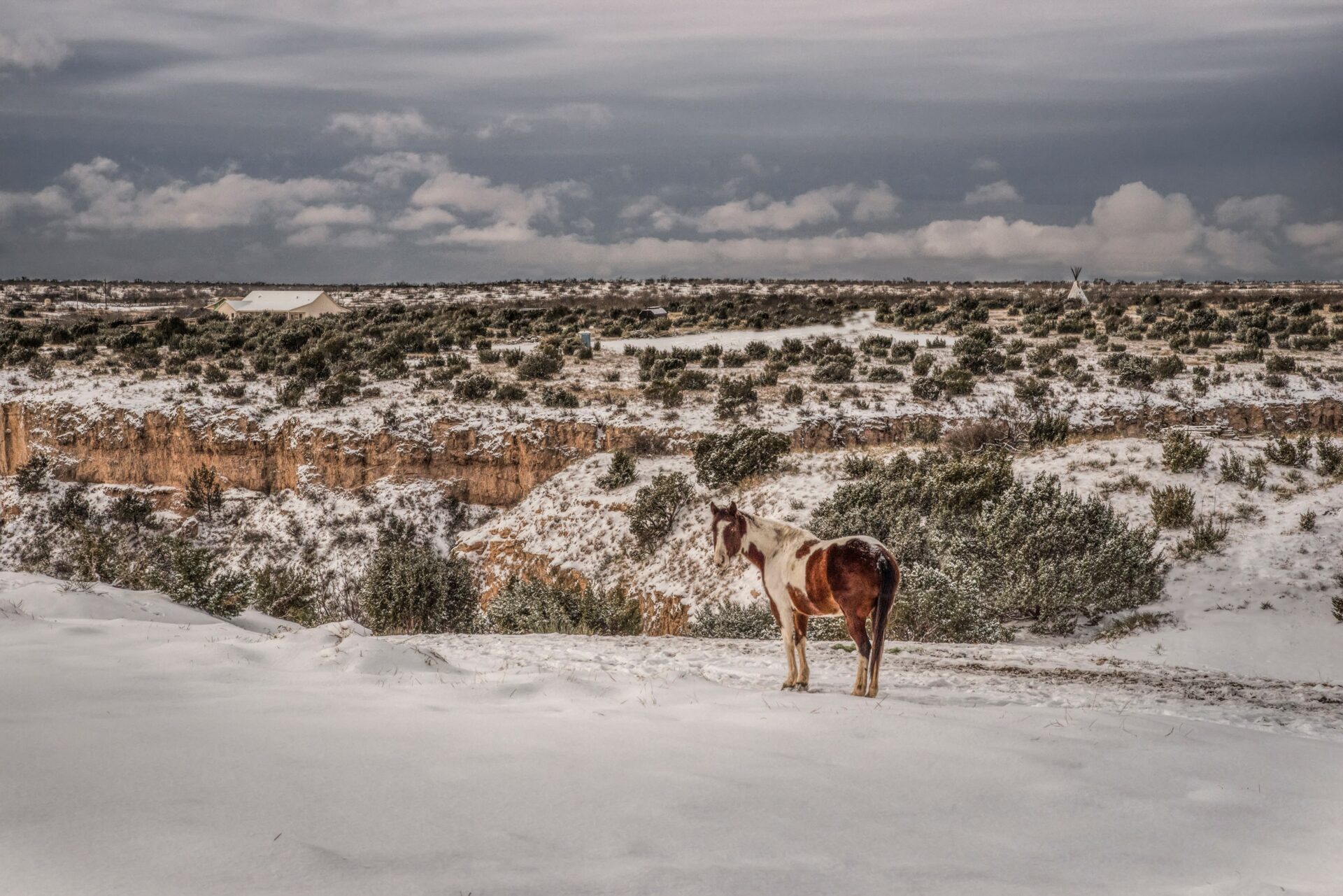
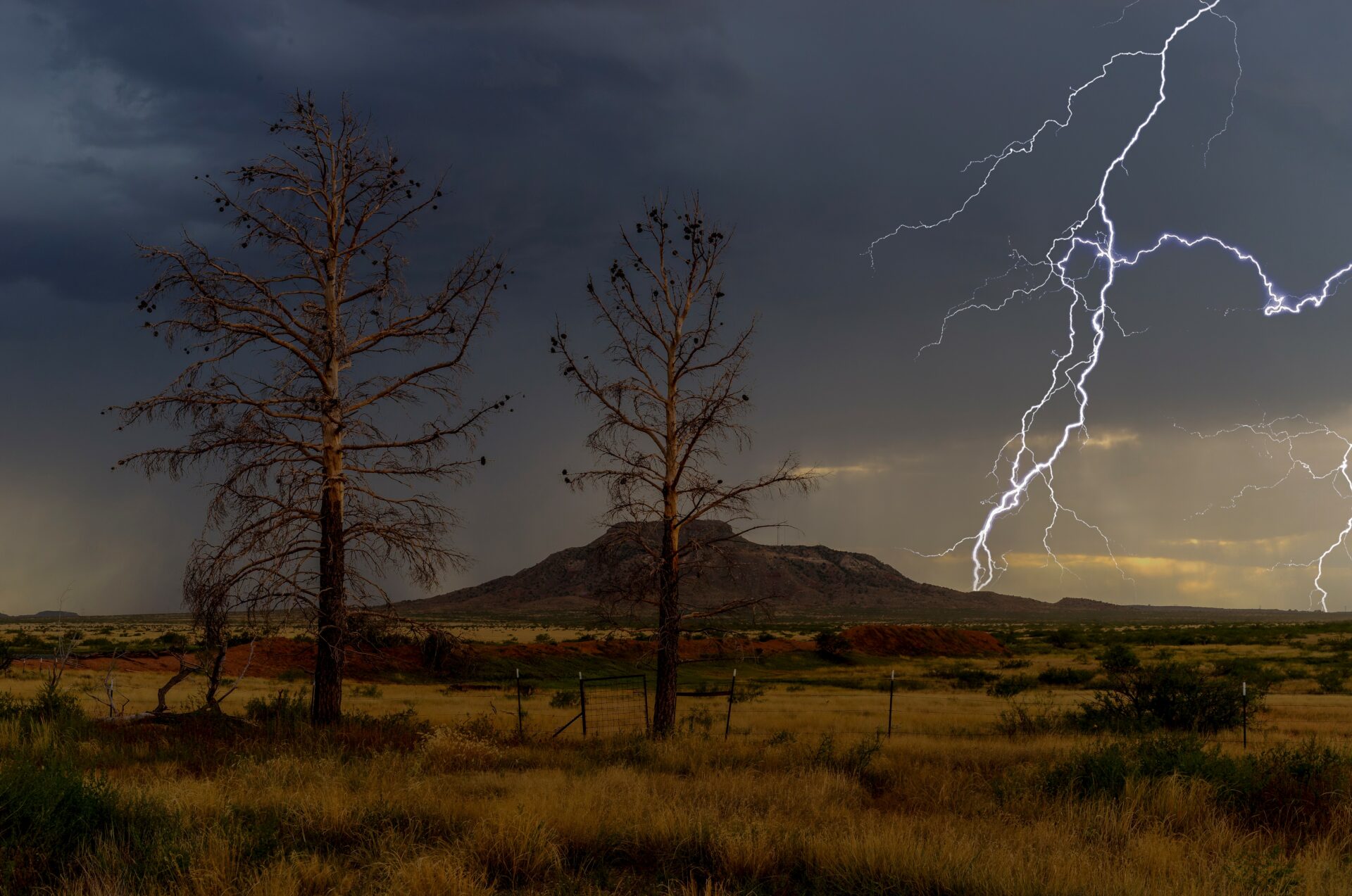
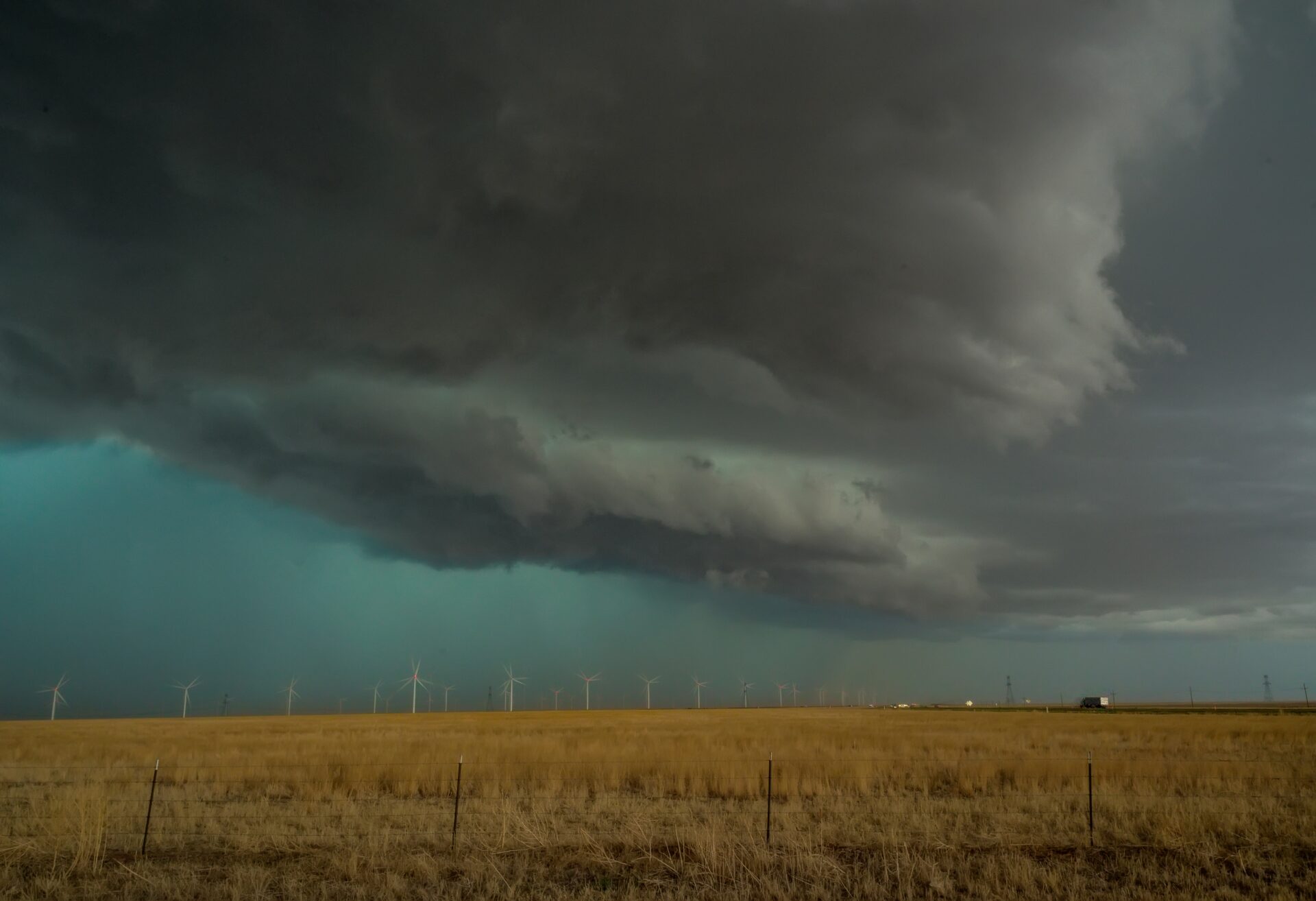
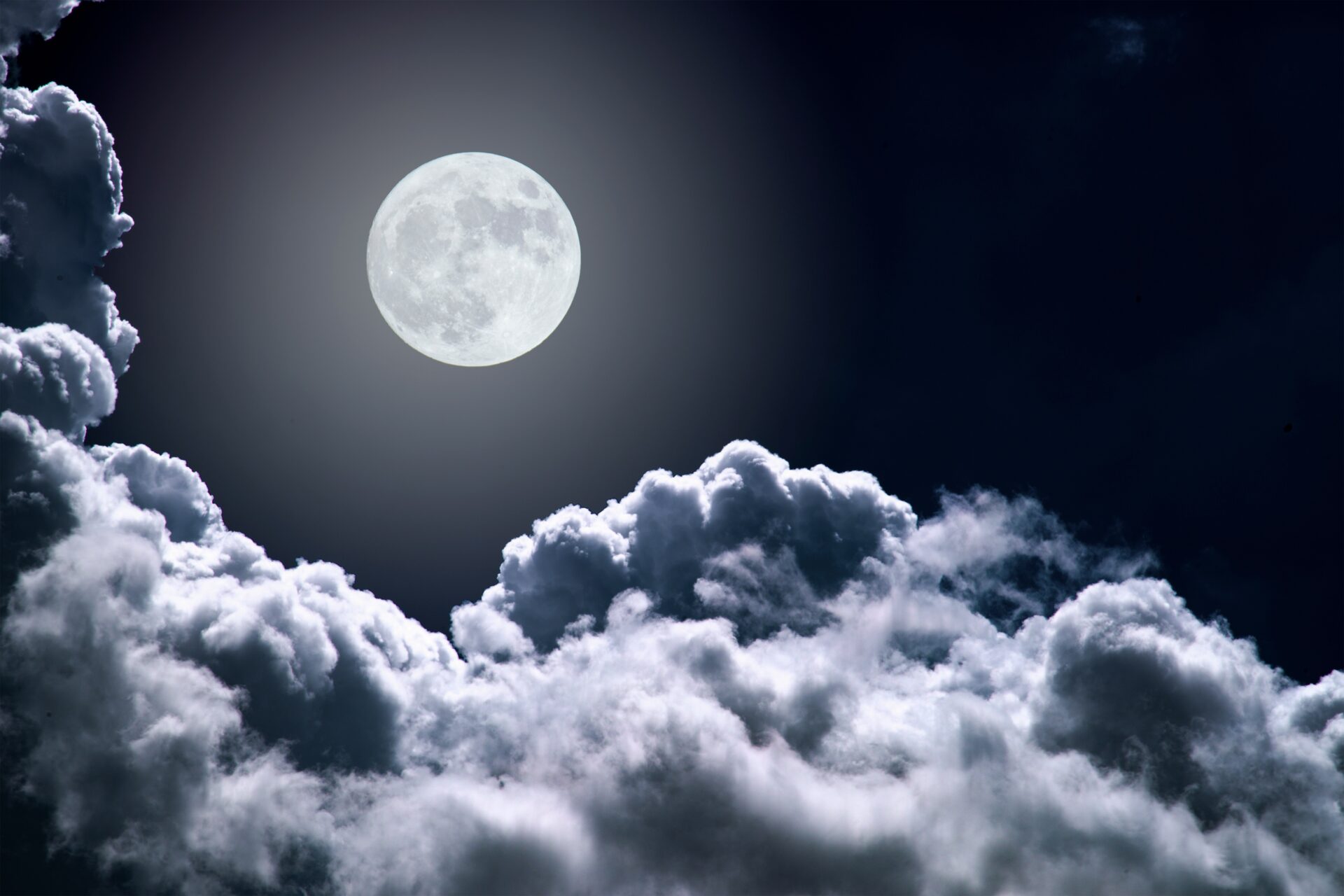
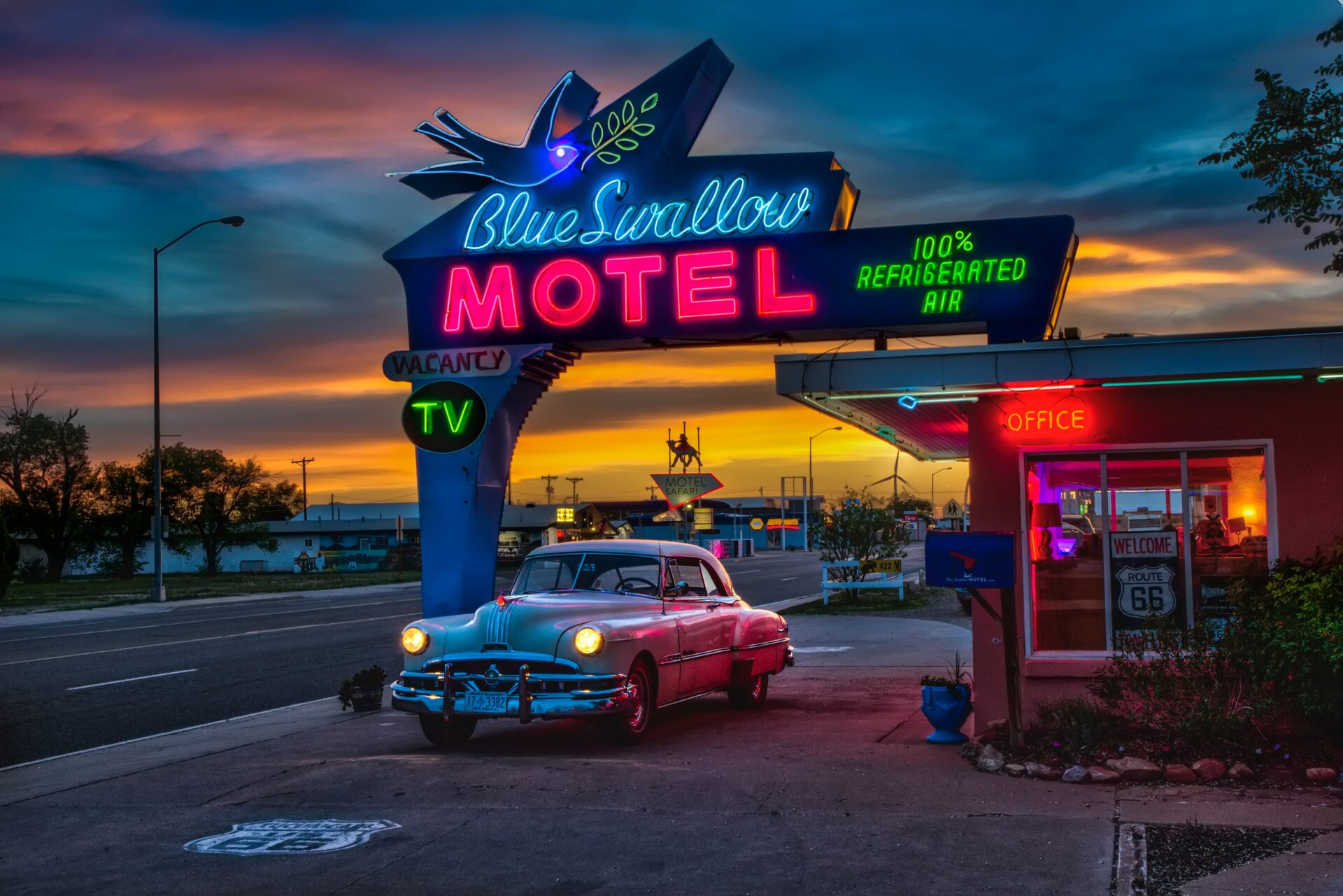
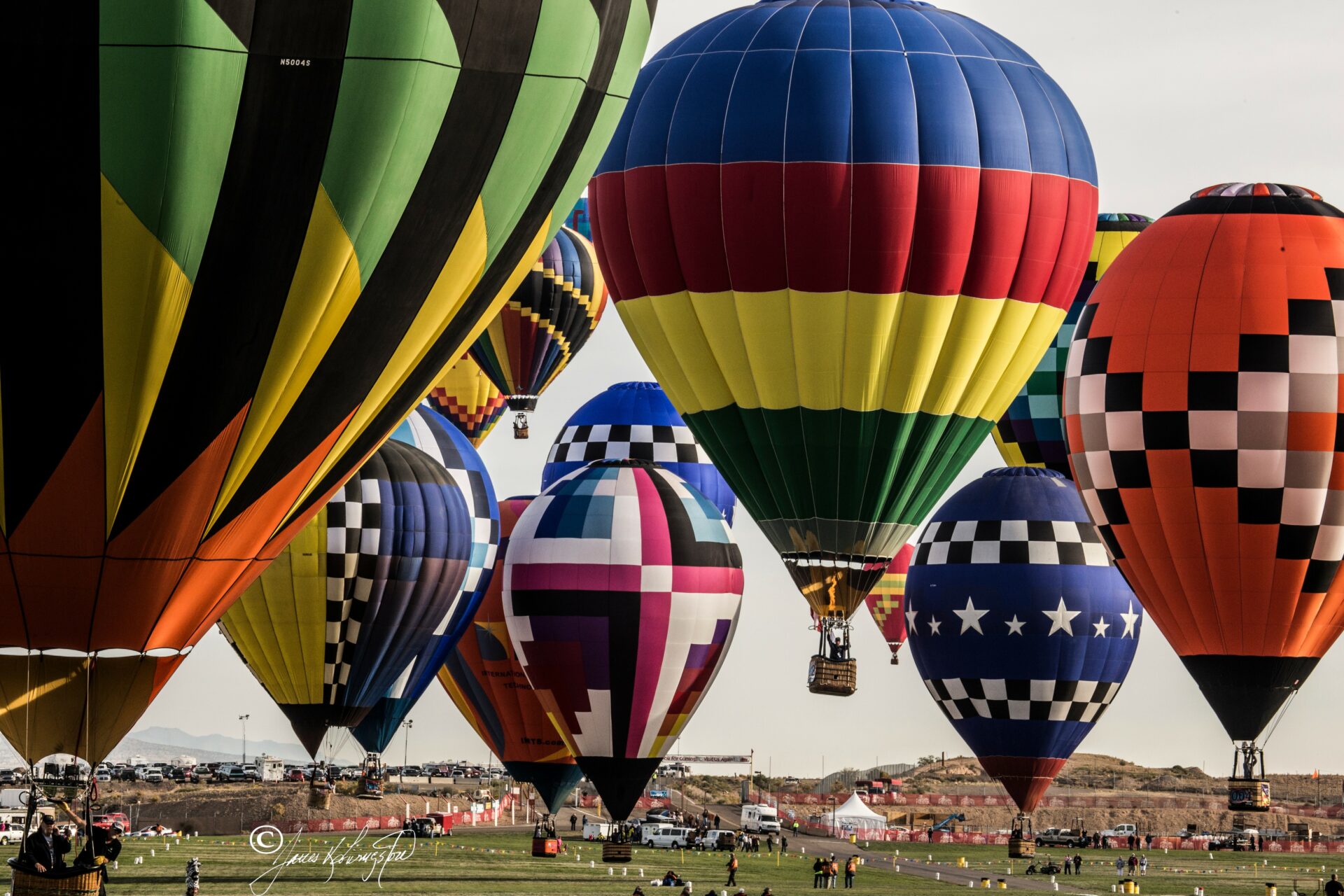
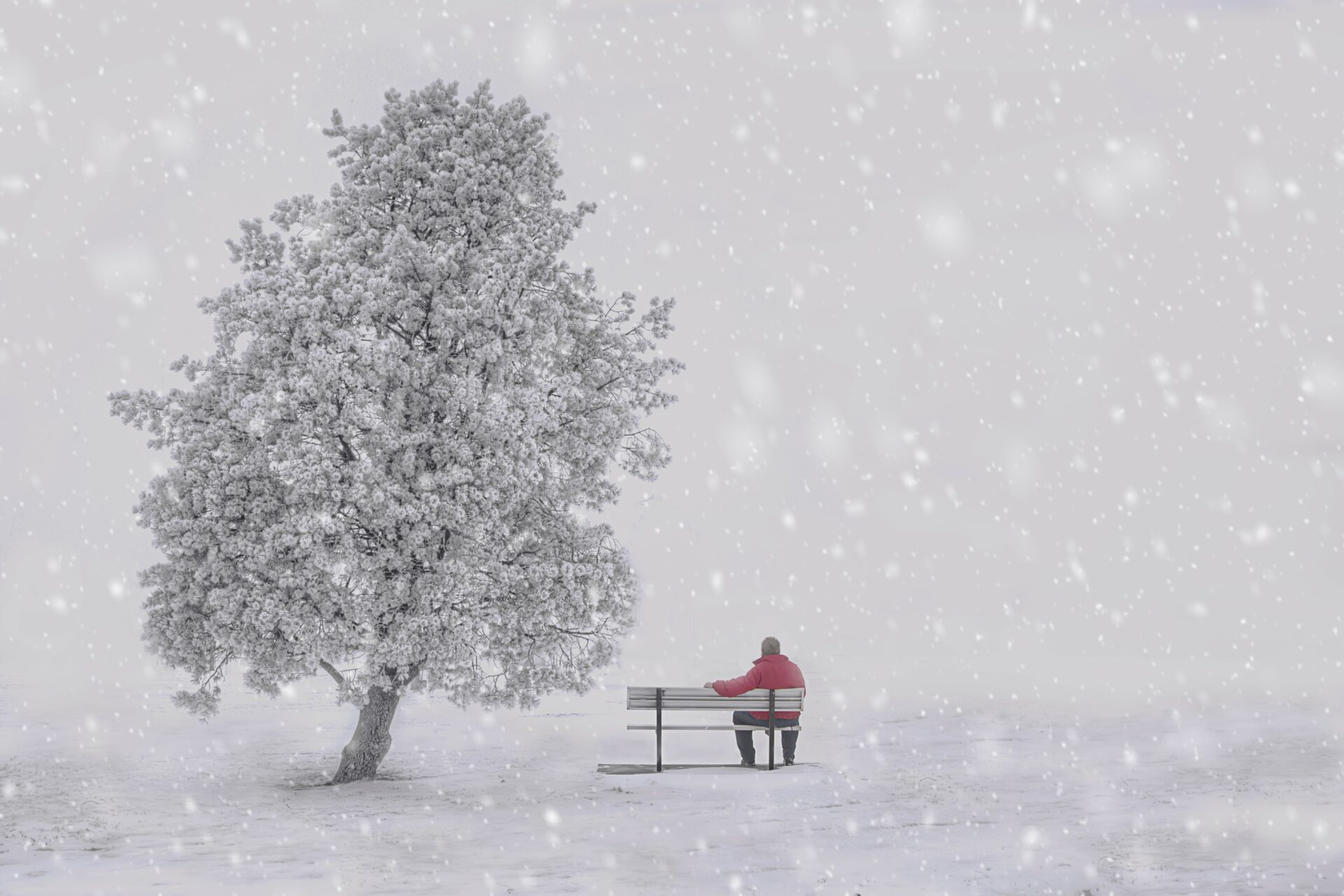
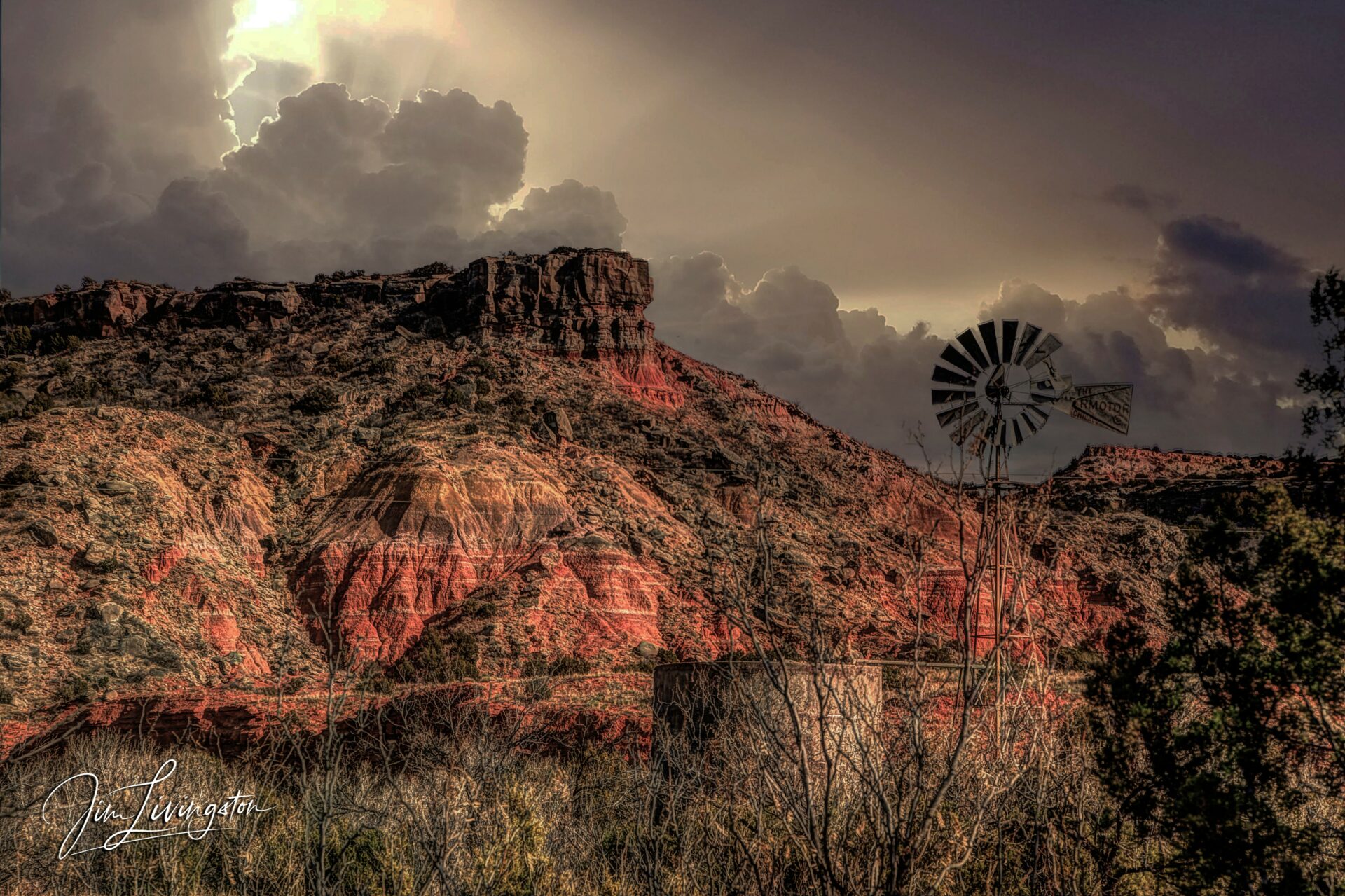
Image Credits
All photos by Jim Livingston