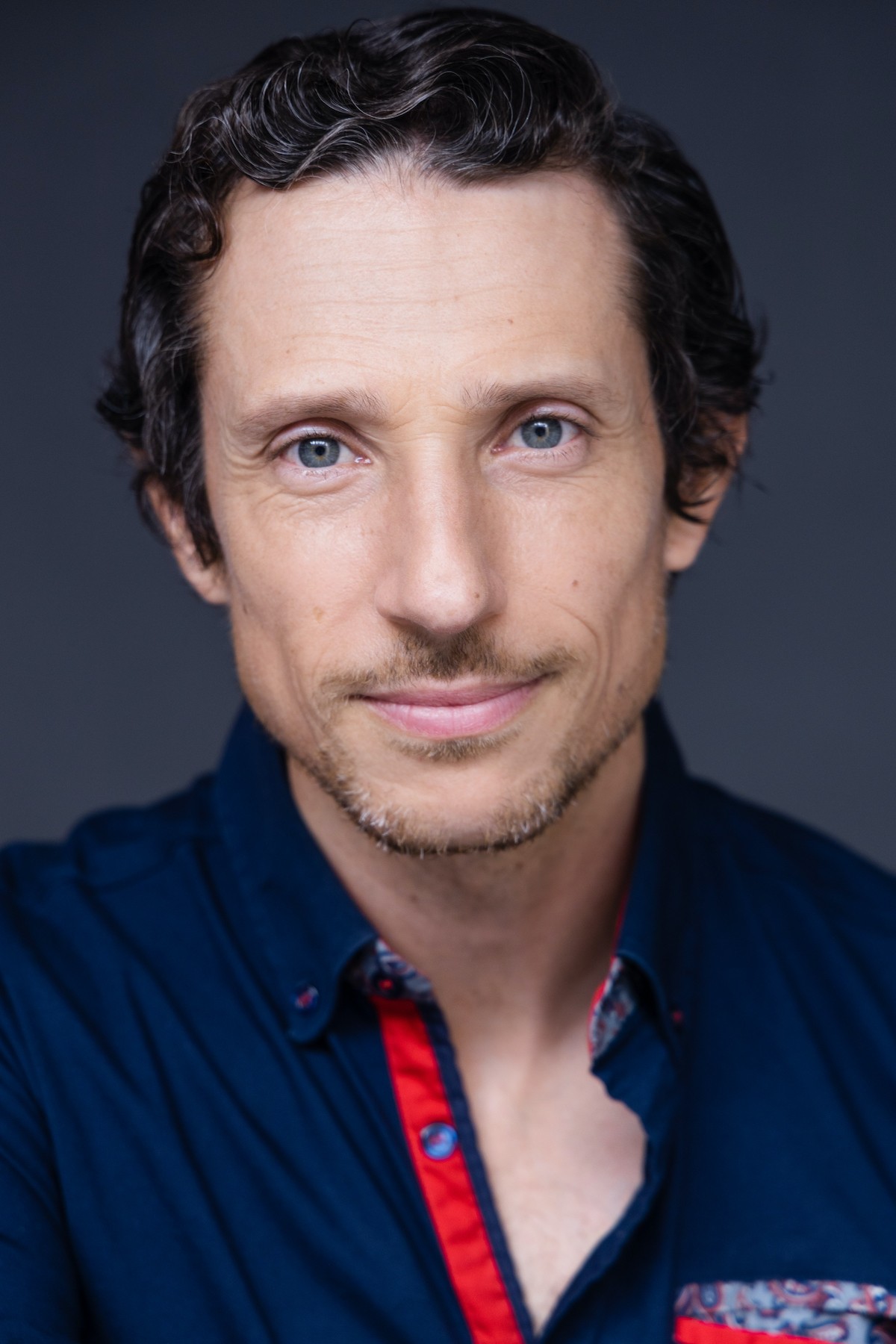
We recently connected with Jonathan David Martin and have shared our conversation below.
Jonathan David, we’re so excited for our community to get to know you and learn from your journey and the wisdom you’ve acquired over time. Let’s kick things off with a discussion on self-confidence and self-esteem. How did you develop yours?
Confidence and self-esteem did not and do not come easily for me. From a very early age I suffered bouts of depression, many of them caused by the bullying I experienced at school, playing sports, even at home. There was one bully in particular who mercilessly tormented me far into adulthood: myself. Oh, sure, as an emotionally sensitive kid who didn’t understand that teasing could be a form of play rather than torment, I had plenty of competition from my peers. But as with most things that I pursued as a kid, I wanted to win, and tearing myself to pieces was another category I was determined to succeed at.
And success was the goal. I thought that what I lacked in confidence and self-esteem I could make up for by being a relentless task master of myself. For a while, this approach to success seemed to work, I set the bar for myself high and threatened myself with dire predictions of my future if I failed.
A feeling that I had self-worth started in the classic “fake it till you make it” fashion. I fell into acting, in spite of, or perhaps because of, feeling awkward in most social situations. As an actor, I had a script that told me who I was, what I wanted, what to say next, and it gave me permission to have the kind of rich emotional life that felt dangerous in my everyday interactions. I also received immediate feedback on whether I had succeeded in conveying the human drama of the character in a convincing fashion or not. In this way over my teen years and through my early twenties I seemed to be able to craft a facade of competency, charm, intelligence, humor, etc. on the stage. With each new role the external validation told me that I was worthy and the voice inside that screamed at me when I failed start to grow quiet.
But when I came to New York to go to the acclaimed New York University Tisch Graduate Acting Program, it seemed as though all of my well-constructed faux-confidence and self-esteem came crashing down. I struggled to figure out how to be “the best” at acting. It was like someone had changed the rules of a contest on me. I compared myself to my classmates and without some clear metric to judge whether the world around me thought I was winning or losing, I decided I must be not so gifted/special/worthy after all.
With a good many years of hindsight, therapy, and meditation, I can see what a gift moments like my graduate experience or my childhood depression became once I was able to see them as patterns of thought. Once I started to see the patterns, I could start to choose to respond to events in my life differently.
The biggest step I took towards cultivating what feels like a more authentic sense of confidence and self-esteem was to become curious about my thoughts and emotions. Where once I jumped to internal judgment and conclusions about the state of my life, I started to view it with a kind of light inquisitiveness. In this way, whatever was happening in my life, both externally and internally, became intriguing, mysterious, and without judgment.
Now, I have confidence that comes from recognizing situations that I’ve been in before and knowing that it will work itself out without me needing to scream at myself to fix it. As for self-esteem, I honestly don’t know that it’s as healthy as it could be, but I’ve reframed my attention away from measuring my worth, and really moved my attention towards being curious rather than judgmental about myself and the world around me.
Thanks, so before we move on maybe you can share a bit more about yourself?
I am a proudly multi-hyphenate content creator and educator driven by a boundless curiosity for telling stories that are thought-provoking and impactful. For over 20 years I have created and produced works of live performance, immersive installations, documentaries, and, more recently, interactive experiences using virtual and augmented reality technology.
My work is focused on subjects that explore some of the biggest questions facing our society. In my original play, URL vs IRL, I created an immersive performance with a group of teenage performers that asked the question “what’s more real, your online life or your offline life?” In “City of Sand” a VR experience I developed for the Oculus Launch Pad program, we investigated how our desire to build and create wealth without considering the consequences on the natural world has created a global crisis. And in “Tangible Hope Project” my award-winning travel documentary web-series, we highlighted examples of volunteers and nonprofits across the US that were making their communities better places to live.
Currently, I’m directing and producing an interactive dance performance entitled, DANCE x DANCE. The piece centers around a duet between a dancer and a small robot that the audience controls by answering questions on their phones about how technology will affect the future.
One hallmark of my work is the highly collaborative way that it is created. Since my early days as a theater maker, I’ve worked with diverse groups of designers, performers, subject matter experts, and communities to craft stories together. Through this approach no two projects look the same and I’ve (hopefully) empowered my collaborators to feel like they are integral to the storytelling process.
My creative work goes hand in hand with my work as an educator. I teach design and storytelling for immersive media at the University of Maryland. There, I started a summer program entitled the New Works Incubator. This program supports students from across campus to create ambitious works of immersive and interactive media. I love helping students craft their ideas, think deeply about how those projects should be designed and built, and then test their ideas in prototypes and public showcases.
I approach both teaching and content creation as a kind of experiment: I start with a lot of research, develop a hypothesis, and then craft an experience that tests that hypothesis. It’s a process that allows my students, my collaborators, and myself to question our assumptions about the subject matter we’re exploring and to find novel ways to present it to an audience.
I’m always on the lookout for collaborators and project opportunities that ask questions about the world around us and how we experience it as individuals and communities. Feel free to reach out to me at my website, www.jonathan-david-martin.com, or LinkedIn.
If you had to pick three qualities that are most important to develop, which three would you say matter most?
As an artist, I’ve battled my share of challenges personally and professionally. My career has been a roller coaster of highs and lows and unexpected detours and directions. The most important tools that have served me in my work and relationships are the ones that helped me get up in the mornings when I’d rather quit. They are the ones that keep me more interested in making lemonade than upset that I’m stuck holding nothing but sour lemons.
Curiosity has become my go-to approach to see the world and what I have to offer it in new ways. It is the muscle I flex when I’m completely stuck and at a loss for how to move forward. When the inner demons are screaming at me, I use curiosity as a sort of superpower to get my attention on something else other than my own shortcomings. I’ve sloooooooowwly cultivated my curiosity over my life as a tool. Sometimes it can start with saying, “oh, cool, that’s interesting!” When something seems to have gone wrong or fallen short. If I can remind myself to be curious when failure presents itself, I have found that I start to learn from those failures and setbacks. Repetition is the key to this, I think.
Listening is another quality/skill/area of knowledge that has been central to my journey. To me, it’s closely connected to empathy, in that my capacity to empathize with a given situation or person’s point of view is only as good as my ability to listen. Listening is essential to facilitating projects through consensus, it enables me to tune in to the needs and personal language of my collaborators and effectively communicate those needs to other team members coming from different backgrounds or perspectives.
Listening also helps place my attention outside of my (never-ending!) internal monologue. For me, creating content that is relevant and meaningful to others starts with listening to what’s going on in the world: what is said, what is done, how people feel about aspects of society. Through listening I cultivate a sense for life experiences beyond my own and how I might engage with them through an artistic or educational project.
Thirdly, my training as an actor has been invaluable towards become an effective storyteller and content creator. If curiosity and listening are central to my work, then acting is the practice that has helped me hone them the most. As an actor, your curiosity is necessary to imagine yourself in a character’s given circumstances and to let go of the need to determine exactly how each moment of a performance will play out. Listening is essential to be able to respond authentically to each moment in performance–and you get feedback pretty quickly if you stop listening!
I’ve been fortunate enough to work twice on Broadway as a performer in War Horse and Life of Pi as well as in theaters around the world. But acting is an experience that doesn’t require working as a professional to gain lots of insights about how you engage with others, how you navigate the vulnerability of performing, or how you can allow yourself to fully embrace imaginative play as an adult. Whether you take an acting class, perform in a local theater production, or read a book about acting and apply its principles in everyday life, acting can offer a lot of insight on how to communicate effectively with others and yourself.
Who has been most helpful in helping you overcome challenges or build and develop the essential skills, qualities or knowledge you needed to be successful?
My high school senior English teacher, Maj-Britt Eagle, had a profound impact on how I engage with ideas, both in literature and in the world at large. Hers was one of the only classes I remember taking in high school that did more than challenge my retention of facts and information. She challenged us to think deeper about the content beyond the information it contained. From our readings, we drew connections to human nature and philosophy and thought about how a novel written a hundred years ago could give us insight into the world today. In short, she was instructive in teaching me how to think.
She also held me to a higher standard of thought and articulation than any teacher had ever done. It was not enough that I could write adequately, she challenged me to go beyond what I thought I was capable of, and she did so by being inquisitive. She would ask questions about my writing that no one had ever asked before (rather than making statements about it) and these questions got me thinking about my writing in new ways.
Finally, she modeled a passion for activism and social justice that has stayed with me ever since. Asking questions about literature often overlapped with asking questions about the values of society and our assumptions as citizens inside of it. She brought the world into the classroom in all its beautiful and ugly complexity and invited us to wrestle with how to understand it and make a positive impact upon it.
Contact Info:
- Website: www.jonathan-david-martin.com
- Instagram: https://www.instagram.com/jonnydmartini/
- Linkedin: https://www.linkedin.com/in/jonathan-david-martin-2012a746/
- Twitter: @JonDavidMartin
- Youtube: https://www.youtube.com/@tangiblehopeproject6142
- Other: Medium: https://medium.com/@jondavidmartin
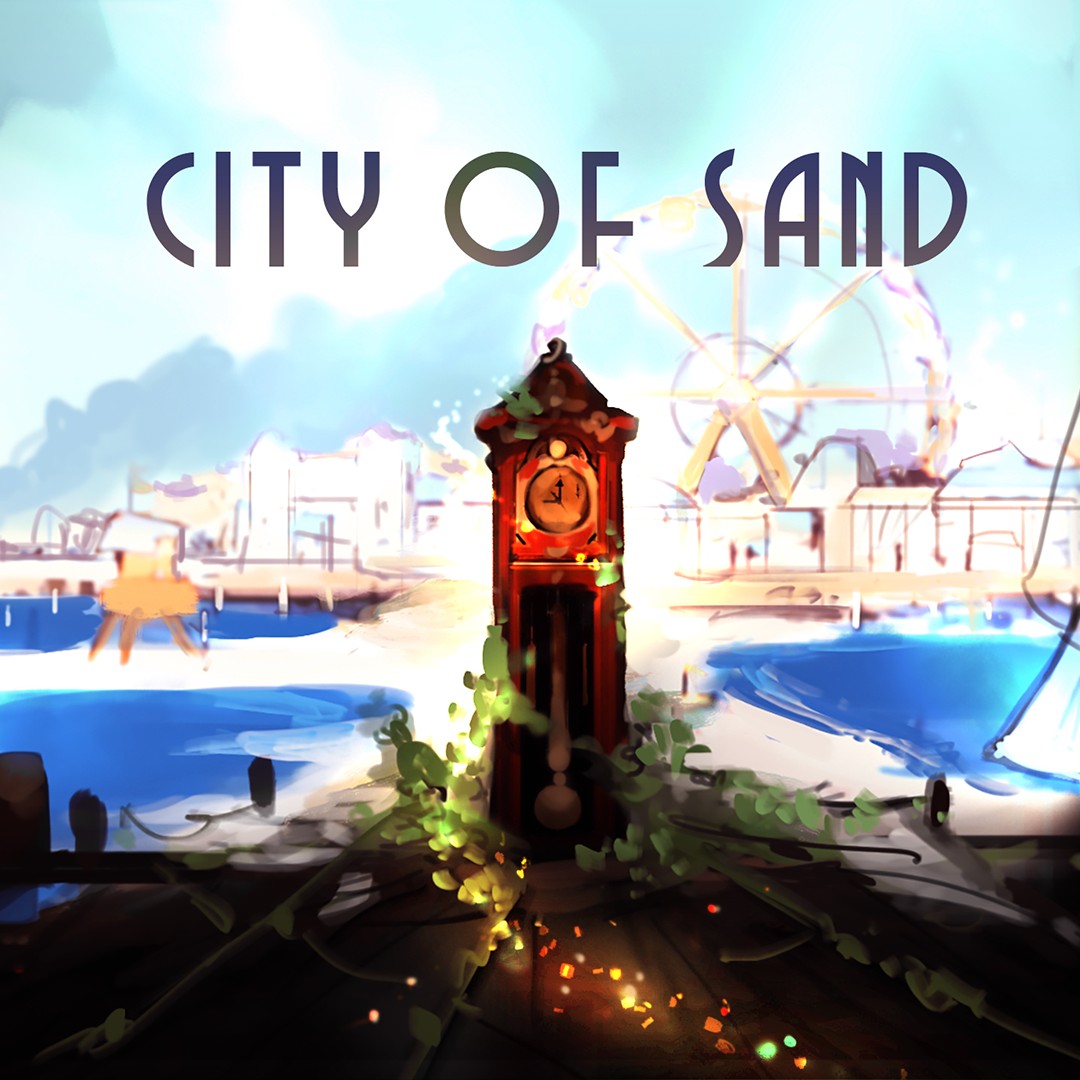
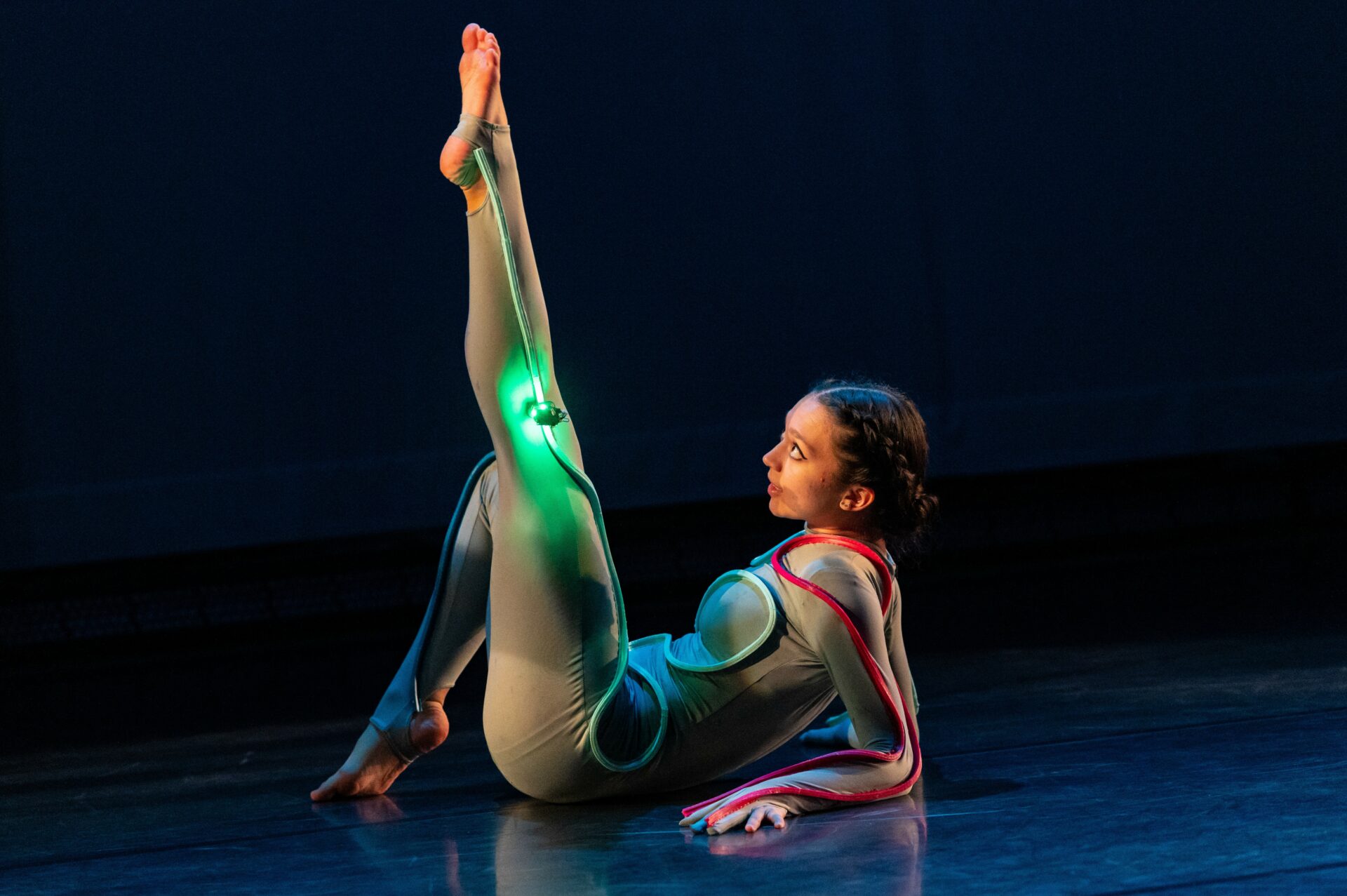

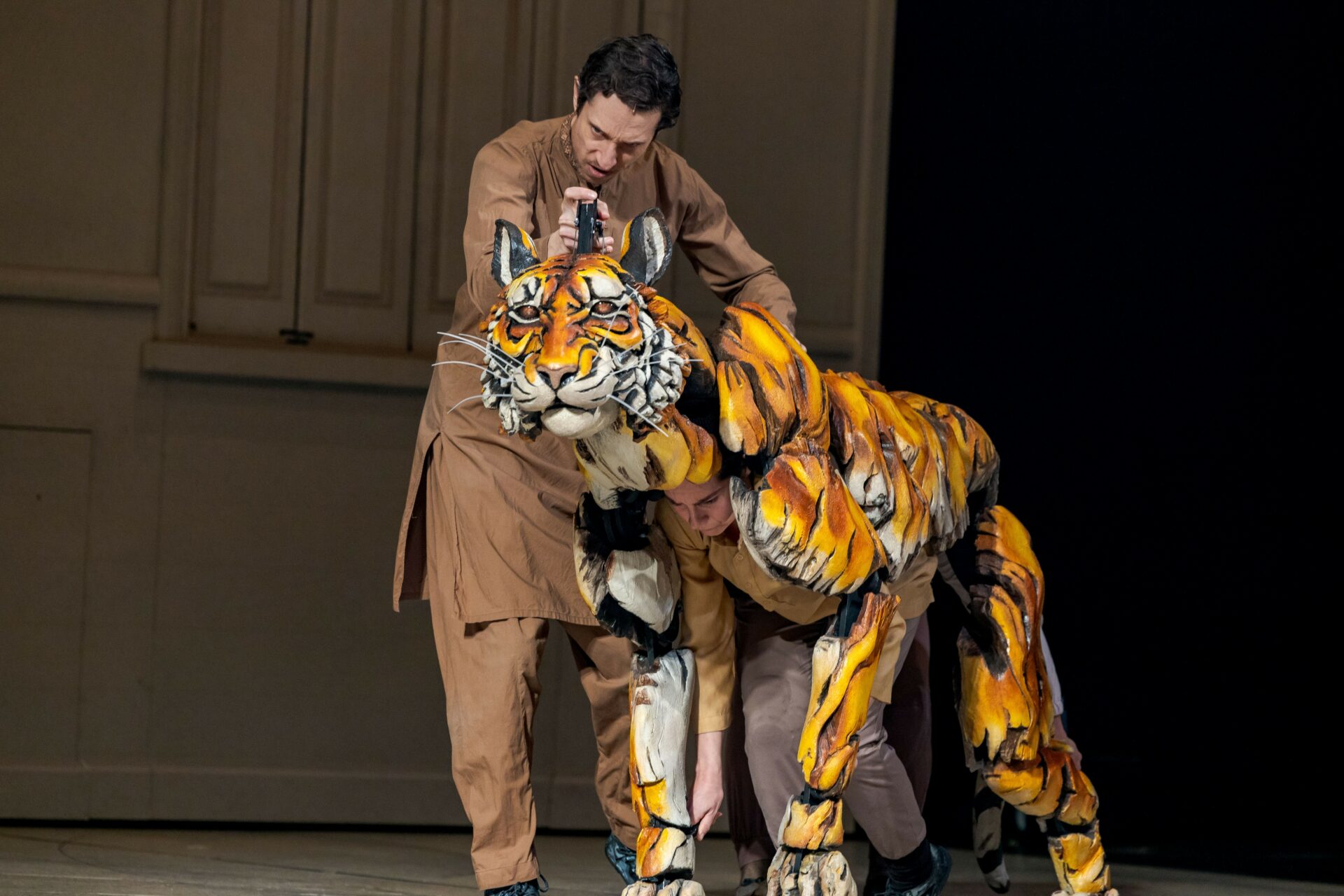
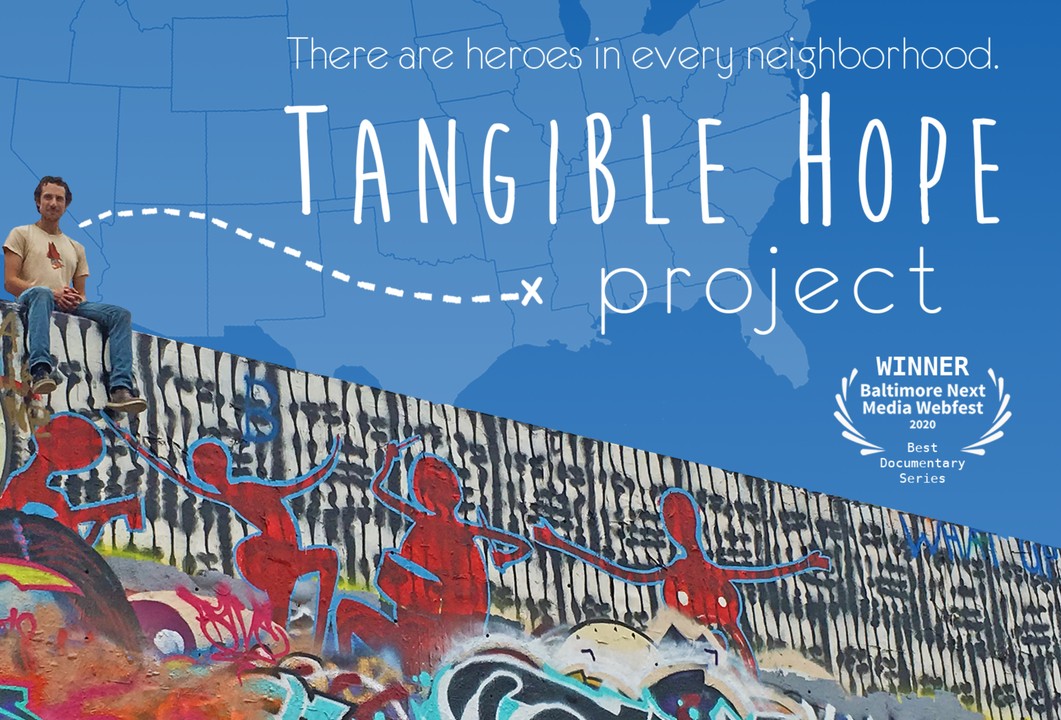
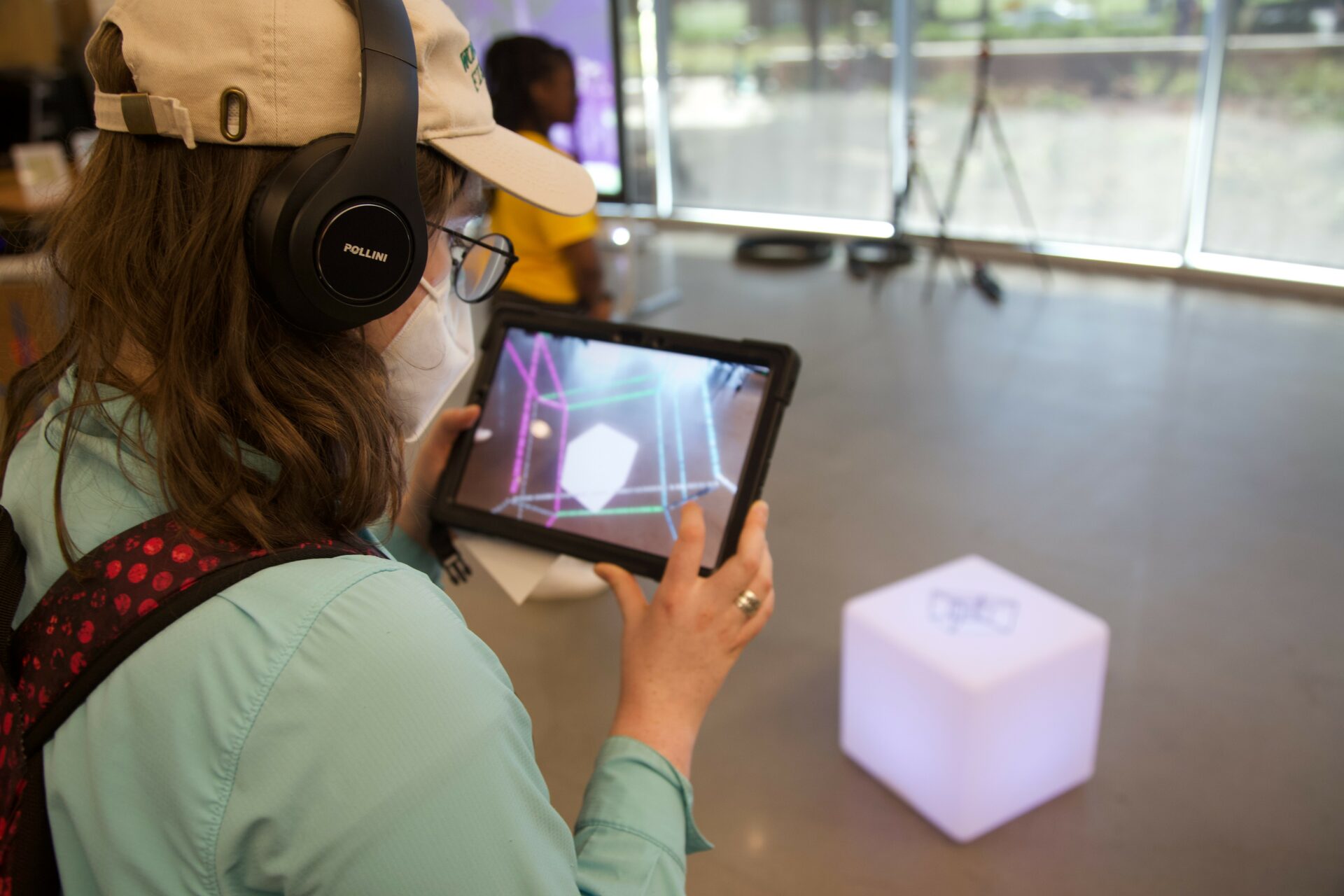
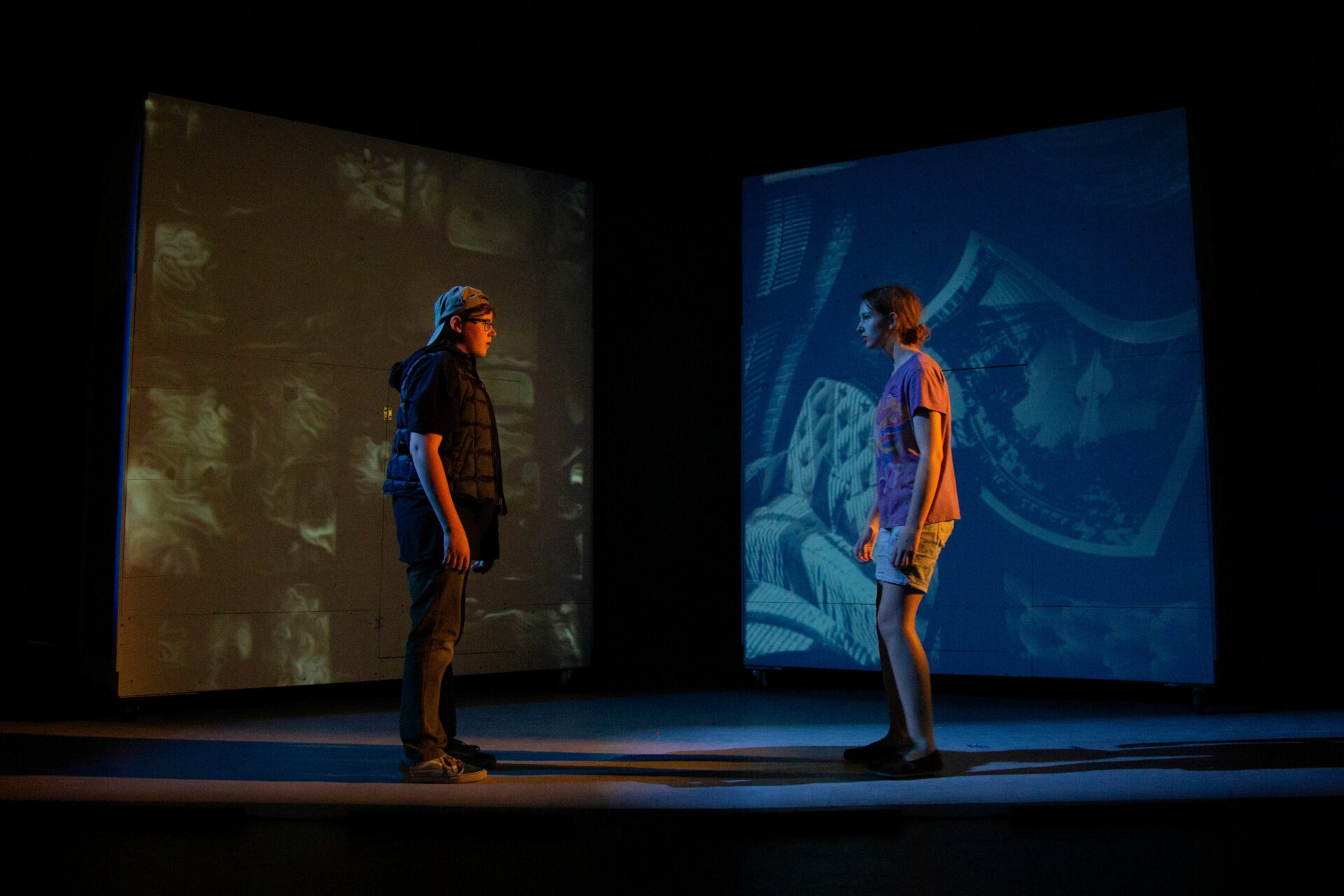
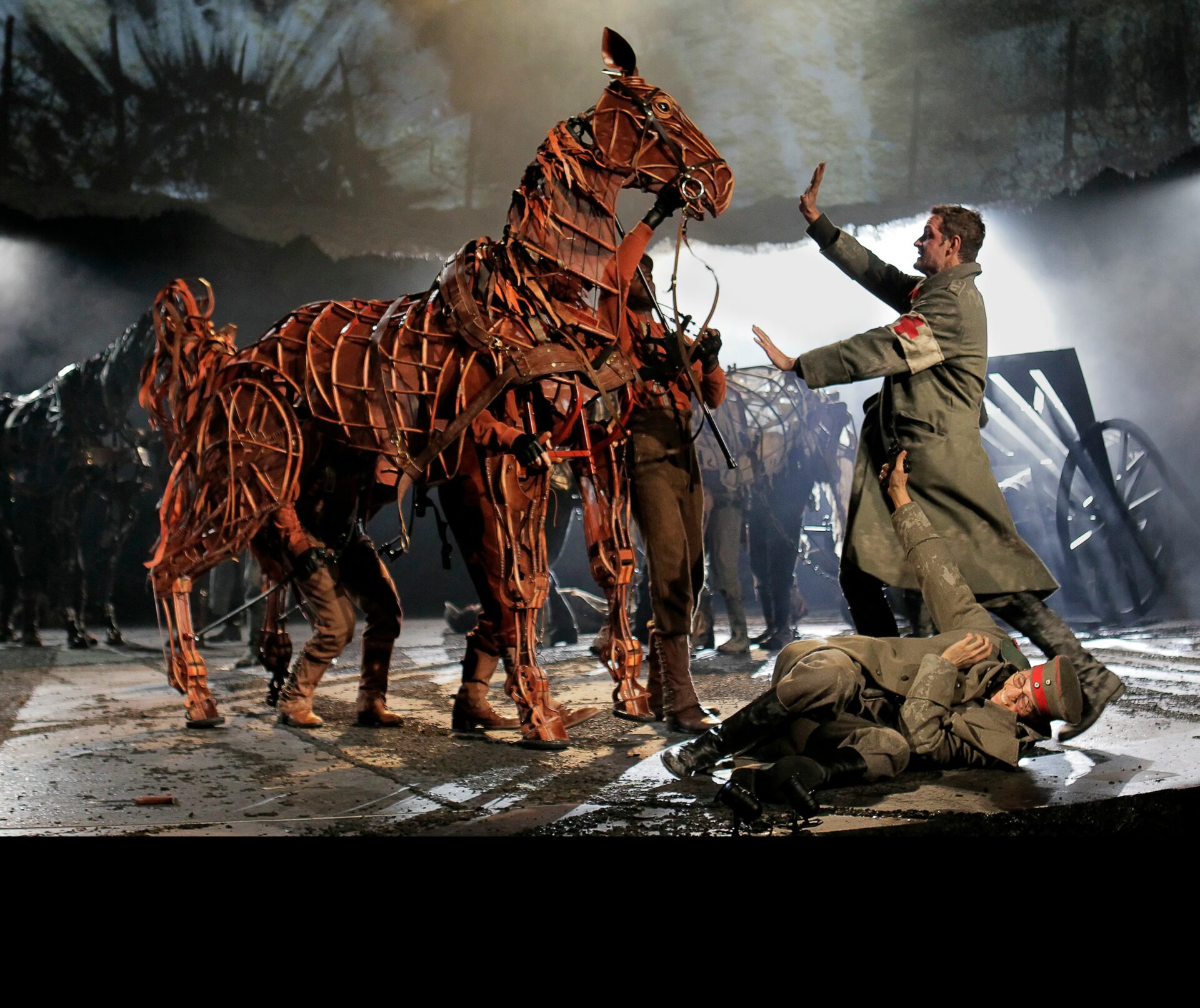
Image Credits
Berkeley Poulsen, Dylan Singleston, Zoey Martinson, Paul Kolnik