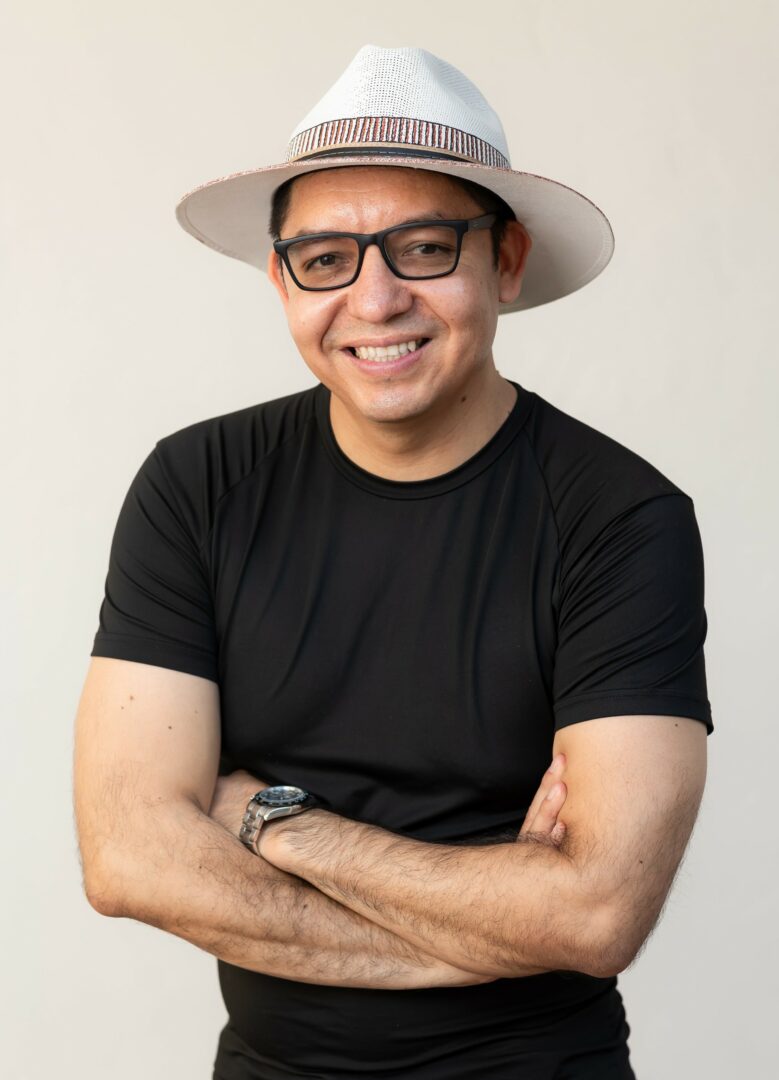
We were lucky to catch up with Jose Estrada recently and have shared our conversation below.
Jose , we’re thrilled to have you on our platform and we think there is so much folks can learn from you and your story. Something that matters deeply to us is living a life and leading a career filled with purpose and so let’s start by chatting about how you found your purpose.
I found my purpose the same way most people find theirs: by doing something imperfectly, over and over again, and realizing it lit me up more than anything else. Teaching Spanish started as a skill I had, then became a challenge I couldn’t ignore. Every time I helped someone say their first full sentence, every time a student stopped apologizing for their accent and started speaking anyway, something clicked for me. I wasn’t just teaching a language—I was helping people reclaim confidence. Comedy taught me how to connect with my audience. Teaching taught me patience, clarity, and how to meet people exactly where they are. Somewhere in between jokes that bombed and lessons that finally landed, my purpose took shape.
Developing this purpose meant building habits most people avoid: showing up consistently, embracing repetition, and getting comfortable with being uncomfortable. I had to learn how to explain complex ideas simply, how to listen more than I talked, and how to turn mistakes into momentum—for my students and for myself. There were moments of doubt, of imposter syndrome, of wondering if I was “doing enough.” But teaching Spanish kept calling me back because it felt honest. It felt useful. It felt alive. Over time, I learned that purpose isn’t something you discover—it’s something you practice. You practice it every time you choose service over ego, connection over perfection, and progress over fear. For me, teaching Spanish became that practice—and I’ve been showing up for it, one conversation at a time, ever since.
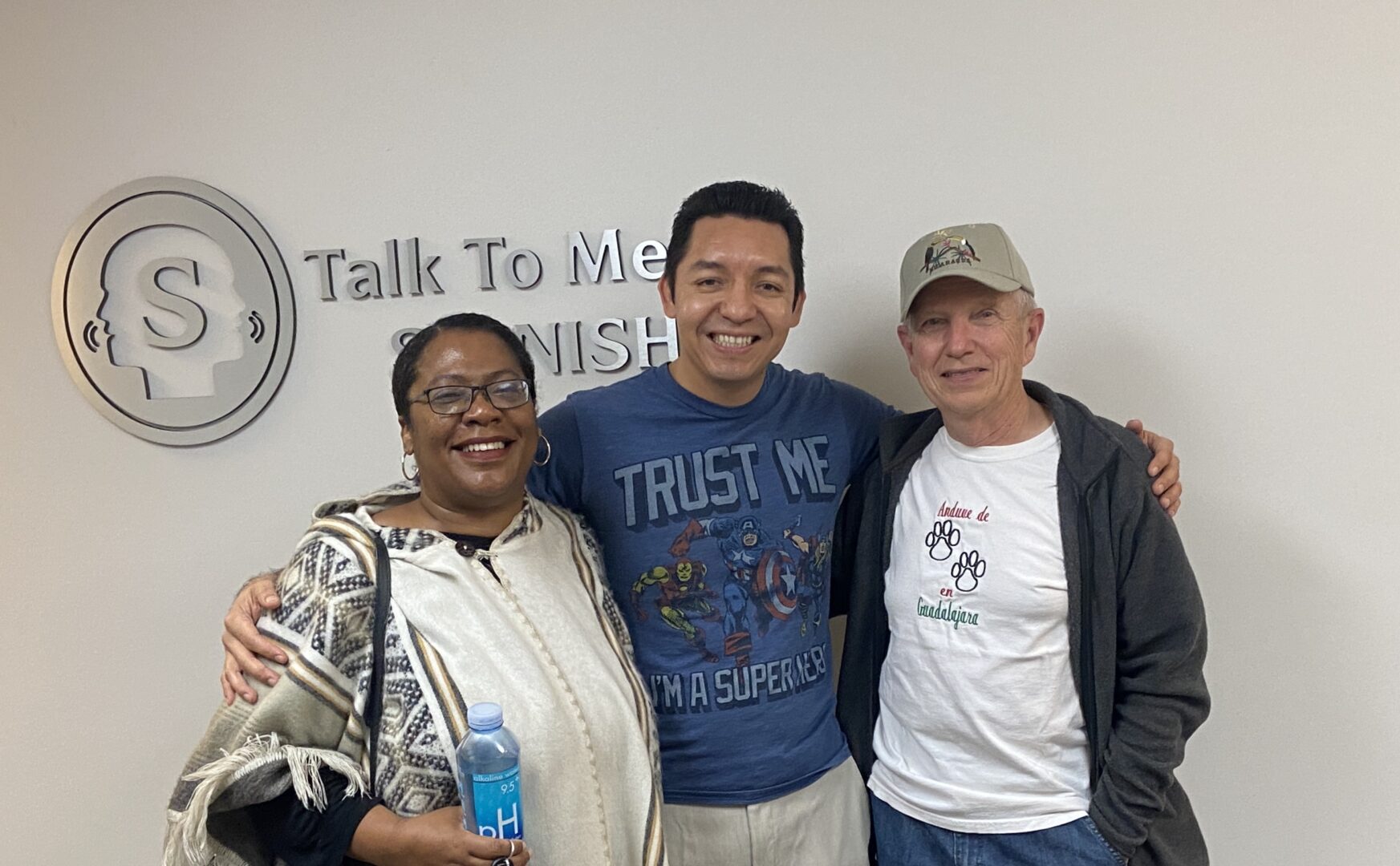
Appreciate the insights and wisdom. Before we dig deeper and ask you about the skills that matter and more, maybe you can tell our readers about yourself?
By day, I’m a Spanish tutor; by night, a stand-up comedian—and honestly, the two jobs are way more similar than people think. In both, I stand in front of people, say things that should make sense, read the room very carefully, and adjust in real time when I see confusion, fear, or that classic look of “I think I missed a chapter.” Teaching Spanish is about connection, timing, and confidence. Comedy trained me to make language feel human, playful, and alive. If you’re laughing, you’re relaxed. If you’re relaxed, you’re learning. And if you accidentally roll an R while laughing? Congratulations—you’re already bilingual.
What excites me most is watching people realize they’re capable of way more than they thought. Adults especially come in saying, “I’m bad at languages,” which is usually code for “A teacher traumatized me in 10th grade.” My approach is different: we talk, we mess up, we repeat, we laugh, and suddenly Spanish isn’t a subject—it’s a skill they’re using. Starting January 2026, I’m launching a new round of classes designed to get students speaking from day one: conversational Spanish for real life, real people, and real confidence. Whether you’re learning for travel, work, love, or just to finally understand what your family group chat is saying, these classes are built to be practical, fun, and judgment-free. No pressure, no perfection—just progress, connection, and maybe a few jokes along the way.

There is so much advice out there about all the different skills and qualities folks need to develop in order to succeed in today’s highly competitive environment and often it can feel overwhelming. So, if we had to break it down to just the three that matter most, which three skills or qualities would you focus on?
Looking back, the three things that made the biggest difference in my journey were curiosity, tolerance for discomfort, and having as much fun as possible. Curiosity kept me moving forward when progress felt slow or messy. Instead of labeling moments as failures, I learned to treat them like data. Why didn’t that joke land? Why didn’t that explanation click? That mindset shift changed everything. Curiosity turns frustration into feedback, and it keeps you engaged long enough to actually improve—whether you’re learning a language, teaching it, or standing under a spotlight hoping the next laugh comes on time.
Tolerance for discomfort was the next big one. Every meaningful step I took involved some level of awkwardness: speaking before I felt ready, performing jokes that weren’t fully baked, or teaching concepts I was still refining. Discomfort isn’t a sign you’re doing it wrong—it’s proof you’re in the game. And finally, having fun was non-negotiable. Fun is what made the process sustainable. If you’re laughing, experimenting, and giving yourself permission to play, you stay consistent—and consistency beats talent every time. My advice to anyone early in their journey is simple: get curious instead of critical, stay in uncomfortable moments a little longer than you want to, and don’t take yourself so seriously. Progress comes faster when you show up, mess up, and enjoy the ride while you’re doing it.
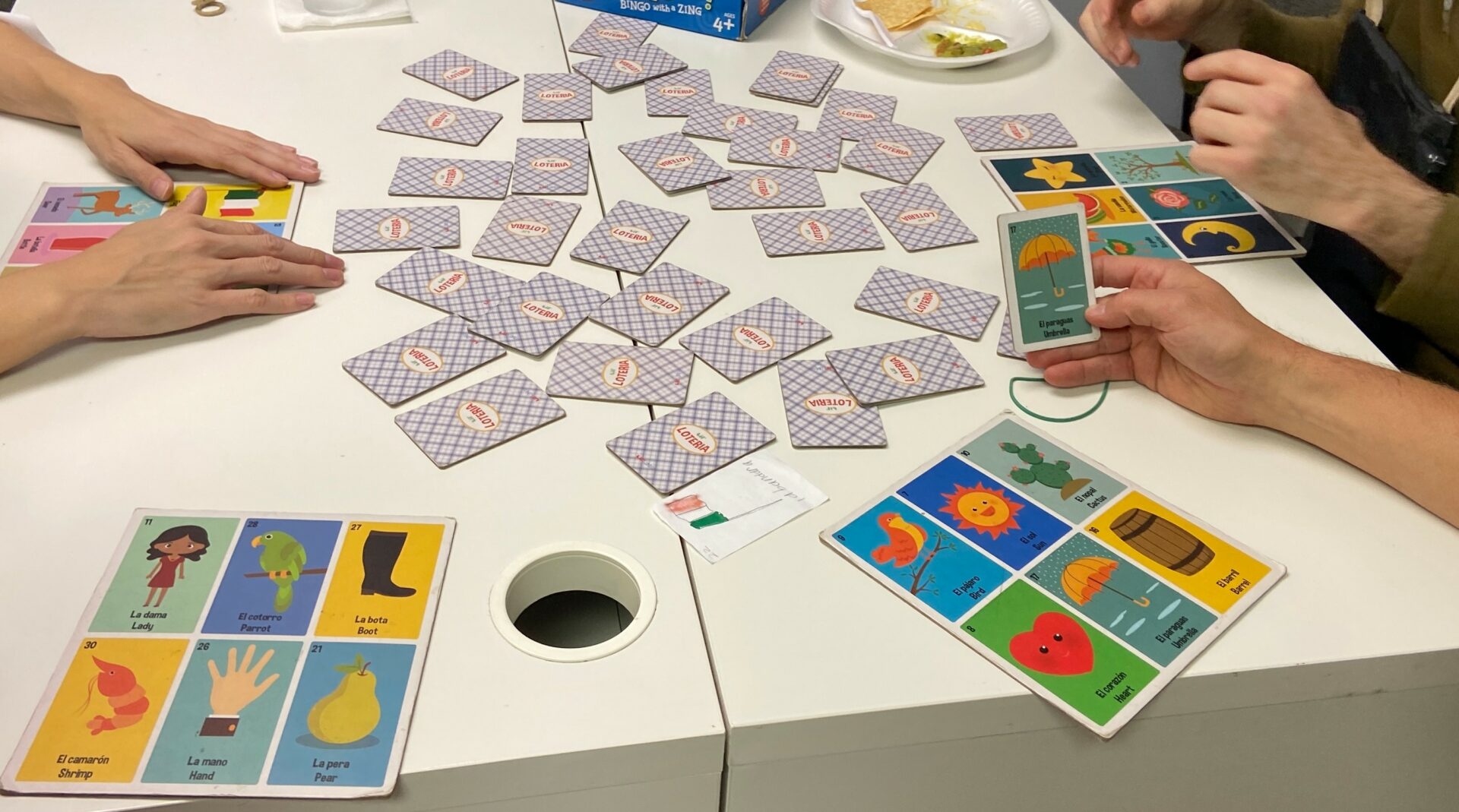
Tell us what your ideal client would be like?
My ideal client isn’t someone who’s “good at languages”—it’s someone who’s curious, open-minded, and willing to look a little ridiculous at first. The best students are the ones who show up ready to participate, not perform. They’re okay with imperfect Spanish, half-finished sentences, and the occasional accidental insult that turns into a great story later. They understand that learning a language is less like passing a test and more like learning to dance salsa or do stand-up comedy: you don’t get better by thinking about it, you get better by doing it—awkwardly, repeatedly, and with a sense of humor.
The ideal client also takes responsibility for their progress. They don’t wait to “feel ready” to speak, and they don’t expect magic from a textbook or an app. They practice, they ask questions, they laugh at their mistakes, and they keep going anyway. Most importantly, they don’t take themselves too seriously. If you can laugh when you mess up, you’ll learn faster, retain more, and actually enjoy the process. My classes are built for people who want real-world Spanish, real conversations, and real confidence—not perfection. If you’re willing to show up, try, fail forward, and have some fun along the way, you’re already my ideal client.
Contact Info:
- Website: https://www.talktomeinspanish.com/
- Instagram: https://www.instagram.com/josespanishtutor/
- Facebook: https://www.facebook.com/jose.tae
- Yelp: https://www.yelp.com/biz/talk-to-me-in-spanish-encino?osq=spanish+classes
so if you or someone you know deserves recognition please let us know here.