
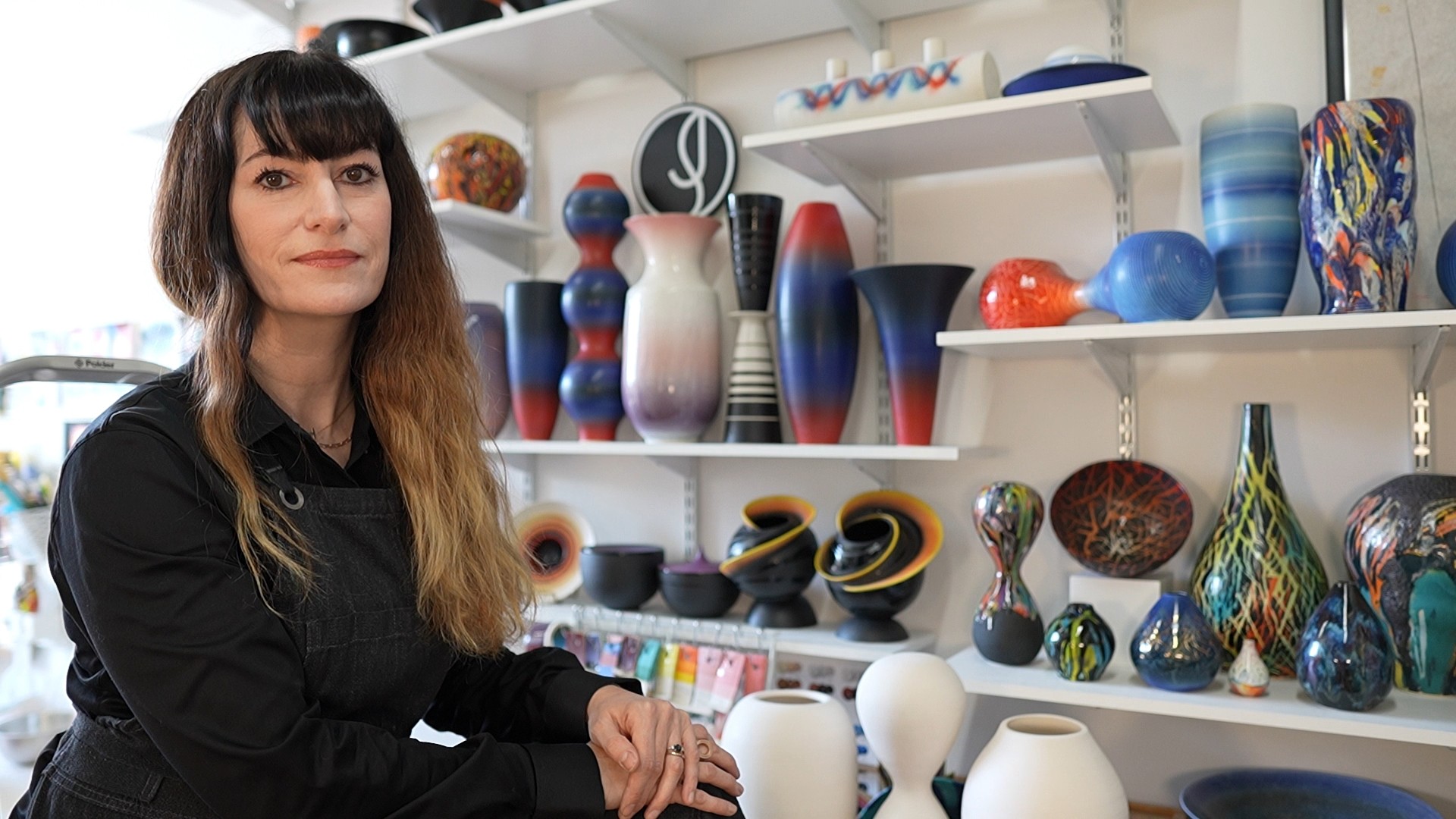
We recently connected with Julia Sverchuk and have shared our conversation below.
Julia, appreciate you making time for us and sharing your wisdom with the community. So many of us go through similar pain points throughout our journeys and so hearing about how others overcame obstacles can be helpful. One of those struggles is keeping creativity alive despite all the stresses, challenges and problems we might be dealing with. How do you keep your creativity alive?
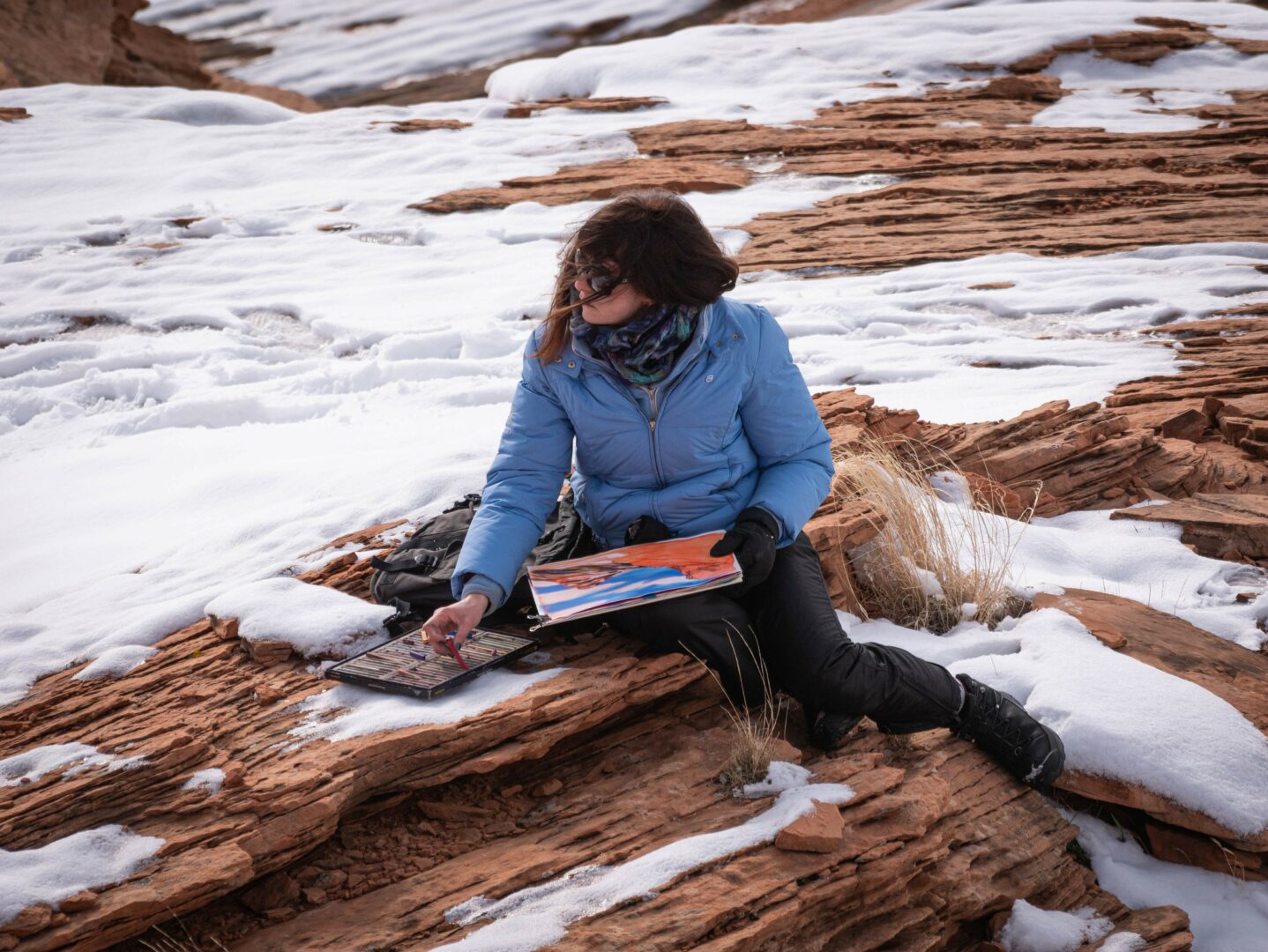
There are a few things at play: skill practice, the ability to pivot, and new information. I really enjoy the creative process–whether drawing on location, wheel-throwing, or glazing ceramics–so I am always looking forward to the making part. Things tend to happen for me while I am working, in the midst of the process. Even when I have an idea of what I want the outcome to be, it rarely works out as planned. Most of the time it’s about letting accidents or mistakes take over and shape the result. Serendipity looms large for me. And information in whatever form—a museum trip, a new book, a new place, a podcast—gives fodder for personal synthesis, aka creativity. There’s this Steve Jobs quote that captures this very idea beautifully: “Creativity is just connecting things. When you ask creative people how they did something, they feel a little guilty because they didn’t really do it, they just saw something. It seemed obvious to them after a while. That’s because they were able to connect experiences they’ve had and synthesize new things. And the reason they were able to do that was that they’ve had more experiences or they have thought more about their experiences than other people.”
Appreciate the insights and wisdom. Before we dig deeper and ask you about the skills that matter and more, maybe you can tell our readers about yourself?
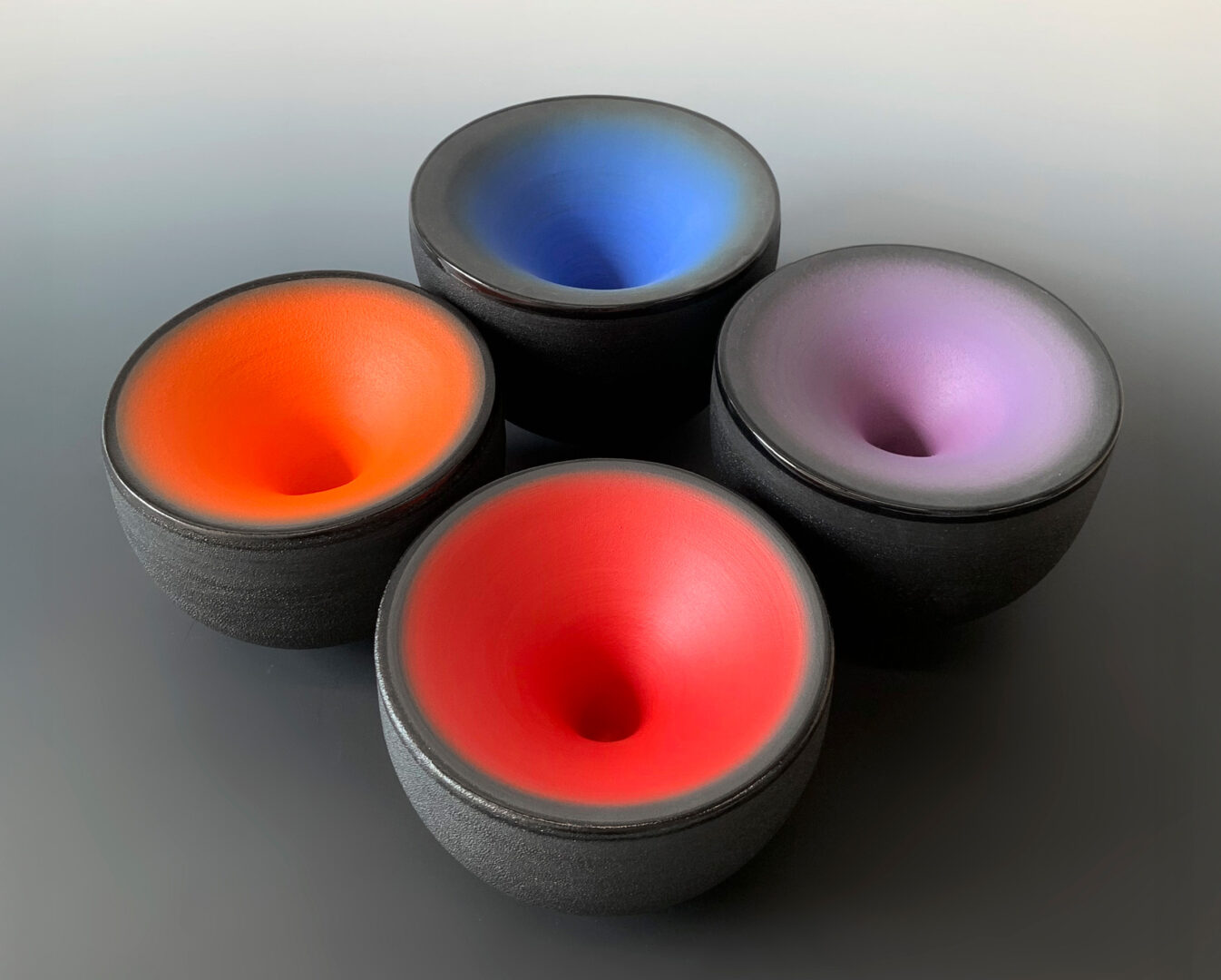
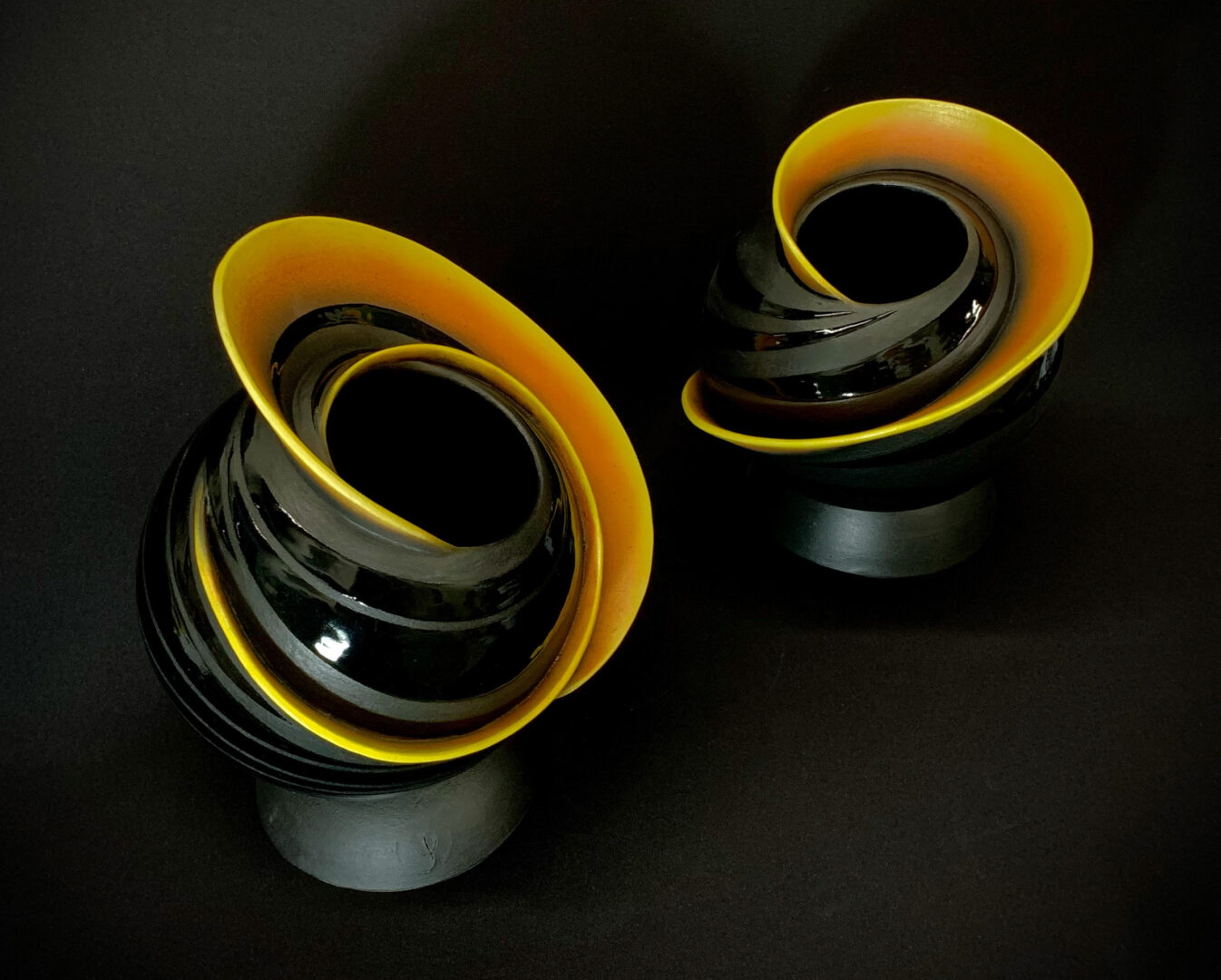
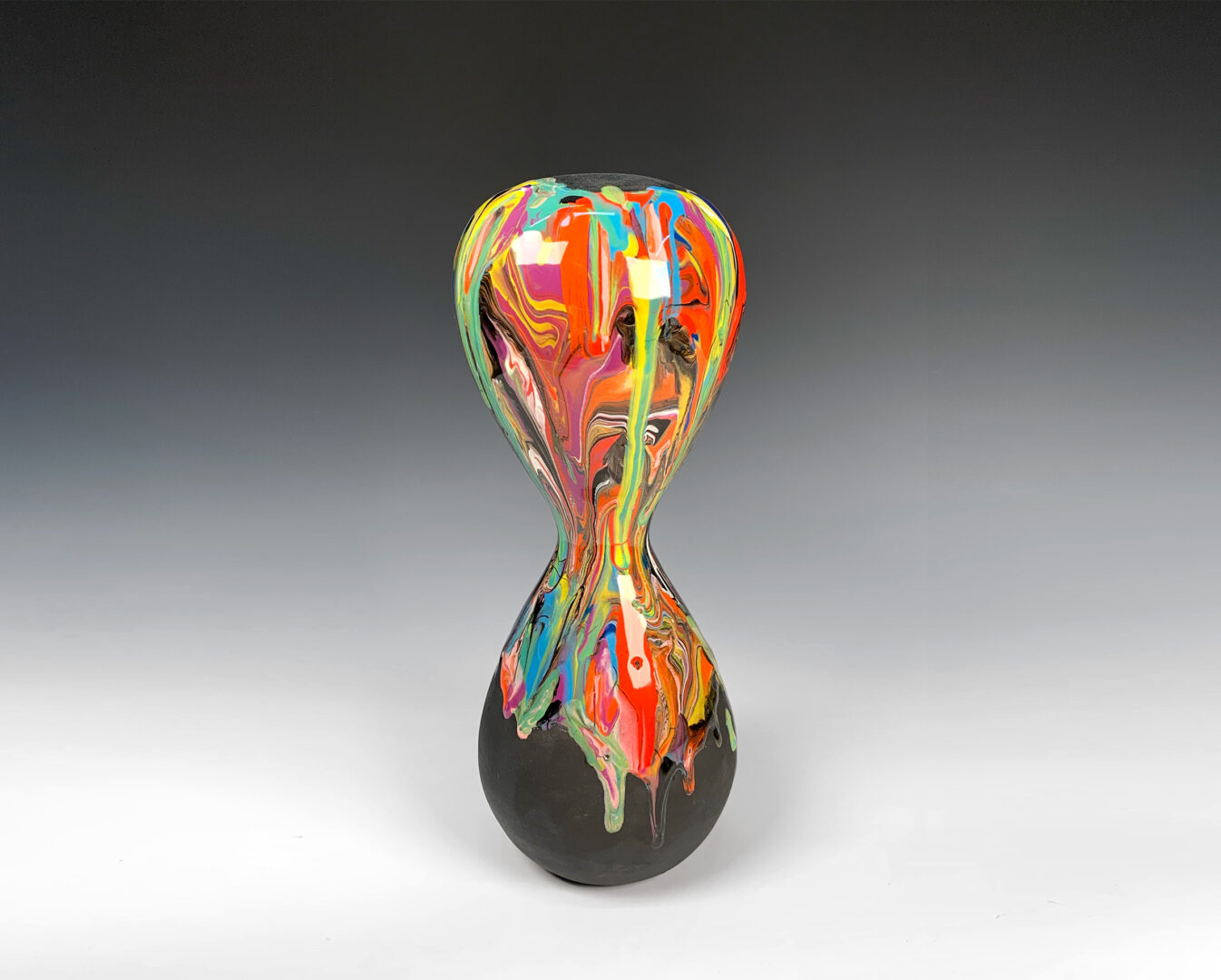
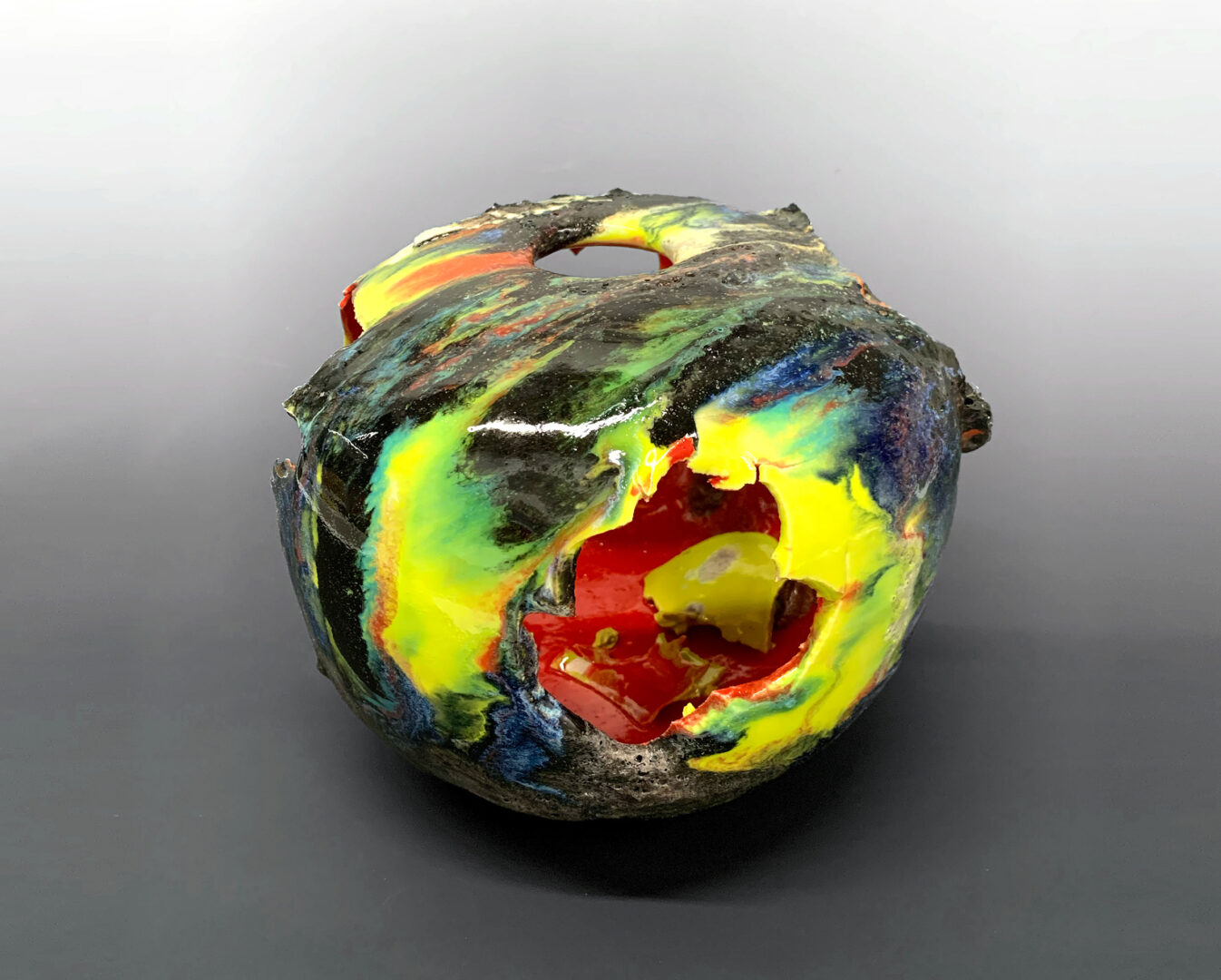
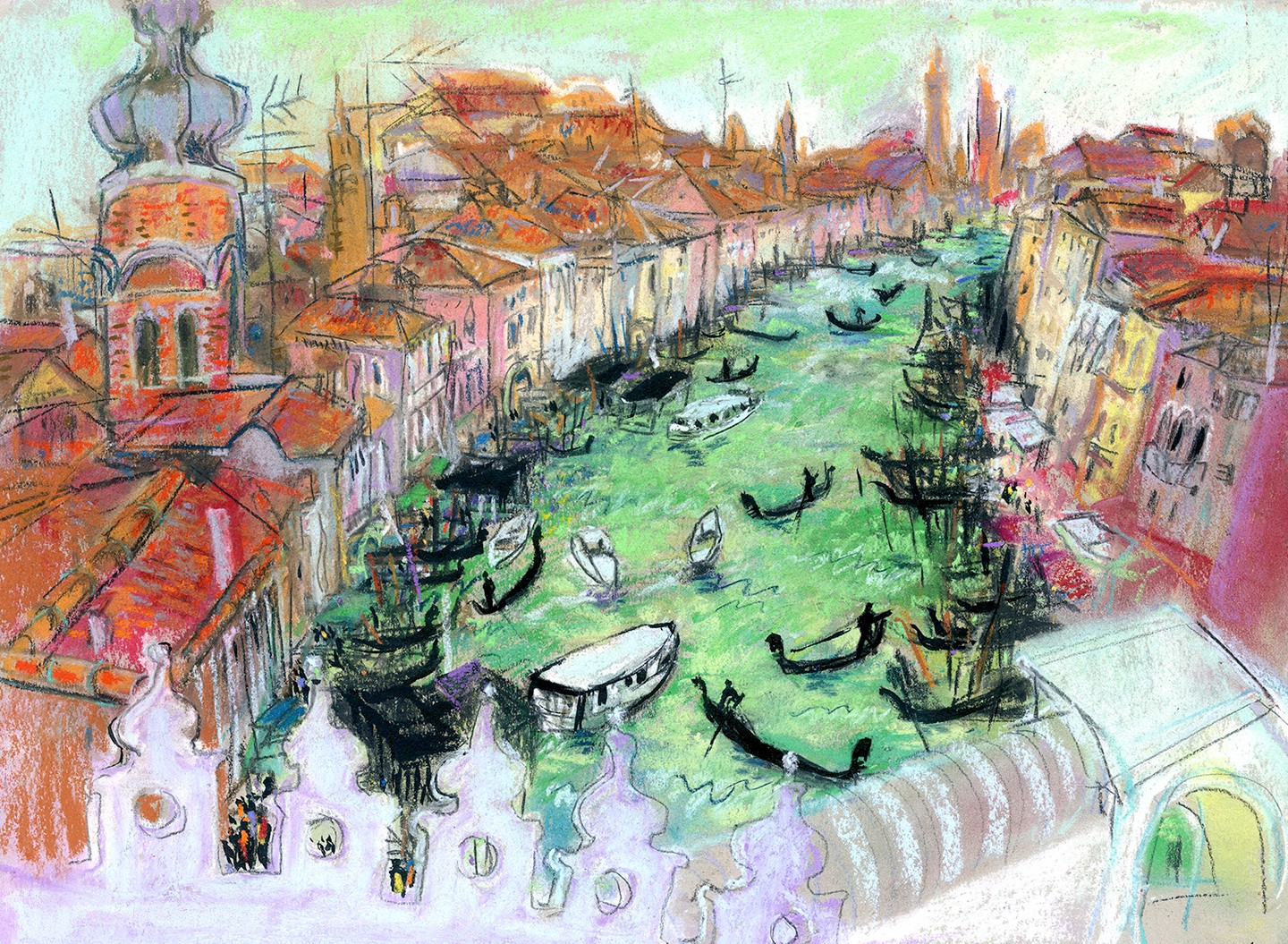
I practice reportage drawing (which is drawing on location from direct observation), and I work with clay making sculptural and decorative ceramics on the themes of science and nature. My ongoing ceramic series is driven by the urge to understand the science behind our physical reality. I want my pieces to answer the questions that fascinate me: why does time move in only one direction? What is the shape of our universe? How did life on Earth begin? What do black holes look like? My work is an act of translation – transforming complex scientific concepts into visual and tactile objects. I’m not illustrating science, but interpreting it through an artistic lens.
I was born in Moscow, the former Soviet Union. My family emigrated to the United States shortly after the fall of the Soviet Union and landed in Brooklyn, NY, where I finished high school. I proceeded to study Illustration at Parsons, where I met my most influential artists, mentors and friends. Veronica Lawlor and Margaret Hurst, the founders of Dalvero Academy, taught me everything I know about reportage drawing and the practice of “thinking through the hand.”
About a decade ago I picked up clay–someone else signed me up for a wheel throwing class at Choplet in Brooklyn. Working in three dimensions opened up new ways for artistic expression. I find stoneware clay to be a satisfying medium, a medium that lets me give shape to otherwise-abstract concepts. Clay feels permanent, and I like that. Between drawing and ceramics, the possibilities seem endless.
Thinking about the nature of time allows me the mental escape, it fully captures my imagination even since I was little. Growing up with no siblings, there was a lot of solitude in my childhood, so I developed rich inner life. I wanted to grasp how long is “forever.” And I still do! What is infinity? I did not pursue physics academically–I chose art–but if I had another lifetime, I would study theoretical physics and perhaps philosophy.
If you had to pick three qualities that are most important to develop, which three would you say matter most?
I think that having a growth mindset, focus and patience with oneself make a good foundation for any undertaking that requires some sort of skill acquisition. Nothing happens overnight, skills take time to develop. There will always be an initial delta between what one is able to make vs. what one wants to make, so not dropping out and persisting will eventually pay off. In today’s culture of instant gratification where our attention is being pulled in every direction, it is easier than ever to just move on if something requires a significant time investment. But honestly there are no shortcuts. It takes the time that it takes.
Any advice for folks feeling overwhelmed?
Writing things down helps me—either as a to-do list or a free-association stream of consciousness. There’s a great strategy called “Morning Pages” from Julia Cameron’s The Artist’s Way. The premise is that once you dump all your thoughts—worries, responsibilities, to-do items—onto a page, you no longer have to carry them with you in your mind. If you do this writing practice first thing in the morning, you free up mental space and can face the day with a clearer mind.
Contact Info:
- Website: https://www.juliasverchuk.com
- Instagram: @julia_sverchuk
- Other: https://www.juliasverchukstore.com

so if you or someone you know deserves recognition please let us know here.


