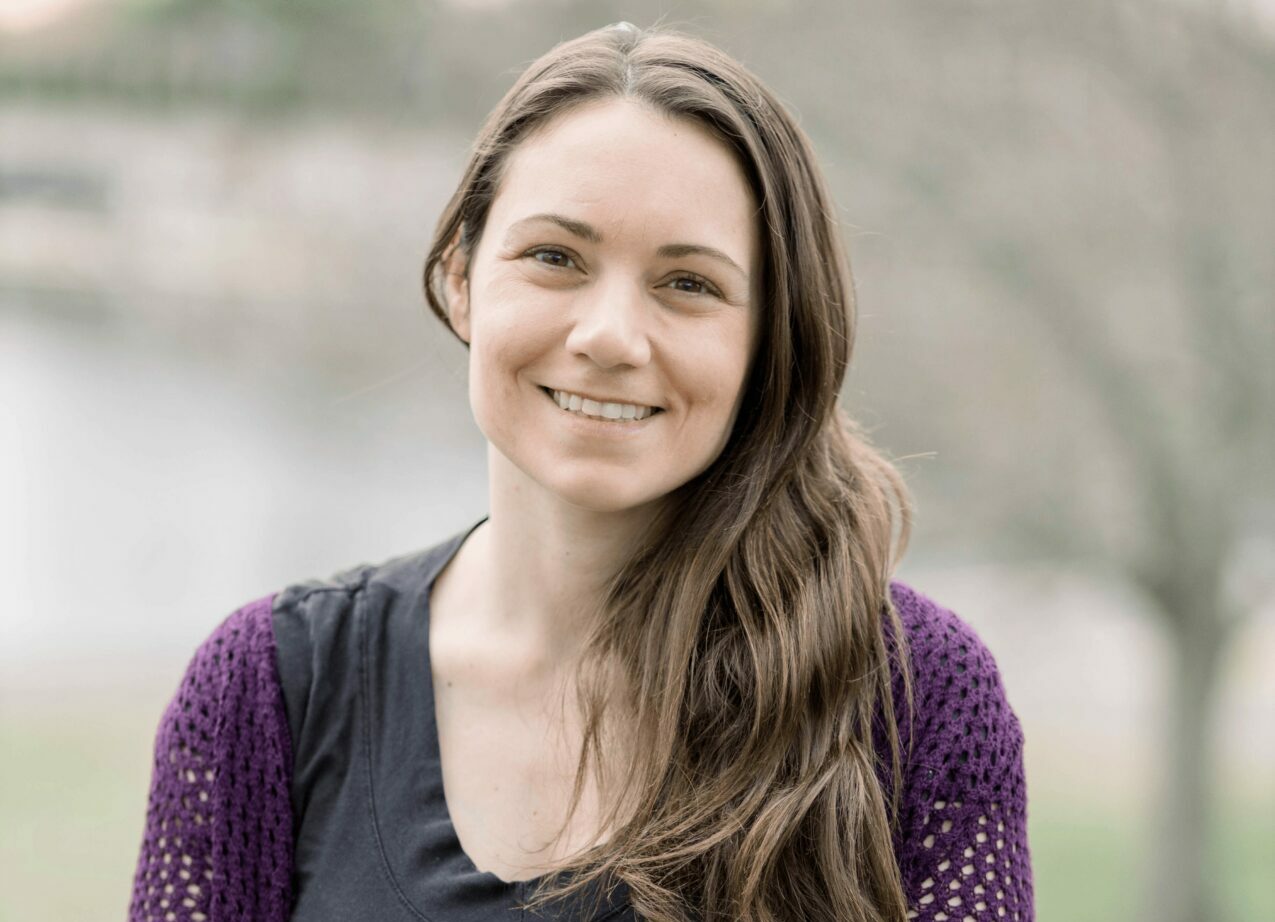
We’re excited to introduce you to the always interesting and insightful Juliane Taylor Shore. We hope you’ll enjoy our conversation with Juliane below.
Hi Juliane, thank you so much for opening up with us about some important, but sometimes personal topics. One that really matters to us is overcoming Imposter Syndrome because we’ve seen how so many people are held back in life because of this and so we’d really appreciate hearing about how you overcame Imposter Syndrome.
Oh I haven’t totally. And I am guessing that’s a good thing. I believe it is important for us to doubt ourselves a bit so that we can stay curious and know that we don’t know lots of things. I think this way of seeing things keeps me open to learning and growing and seeing when I have made errors. I recently wrote a book and, as a first time writer, I was in my beginner’s mind space, full of doubt and imposter syndrome often. I found that creating a good relationship with the parts of myself that hold big doubts (and worry that I don’t have anything worthwhile to share) was an essential part of keeping going.
There were moments when those were the only kinds of thoughts I was thinking. When that happened I would shut down completely, stop writing, procrastinate just to get away from that anxiety. But when I approached those feelings with kindness and curiosity it was like we could work together. All that imposter syndrome was trying to remind me that I don’t know much. And when I would say back ‘true and also I think this idea might be helpful for some people, let’s put it out there and see what happens’ it helped that worry calm down. When I could get in that space writing felt easier. Doing speaking gigs is easier in that space too. I do get nervous every time. I think it’s because I care and I want to help folks in a way that matters to them. That’s worth caring about. Staying in my lane, knowing that I don’t know is all part of embracing my humanity and helping others embrace theirs too. So I guess I welcome imposter syndrome.
Thanks, so before we move on maybe you can share a bit more about yourself?
I am passionate about therapy. I love therapists and the clients who seek out growth spaces. I believe we are on a growth journey and I love working with those who want to say a deep yes to being kinder to themselves as they learn and grow.
Lately my work has shifted. I have three branches of my work these days: a clinical side, a teaching side and a writing side. Clinically, I am focused on individual and couple one on one intensives and intensive small group work and I am also developing workshops for those who are interested in deepening their relationships with themselves. In my teaching I focus on incorporating insights from neurobiology into clinical practice. I teach internationally to clinicians, healers and coaches who are interested in deepening their experiential therapy practices. Most recently I have added another branch to my work. I wrote my first book over the last couple of years. It is called Setting Boundaries That Stick: How Neurobiology Can Help You Rewire Your Brain to Feel Safe, Connected and Empowered. I think all my work is geared to help people grow in their trust of themselves and in their kindness and respect towards others and themselves simultaneously.
Looking back, what do you think were the three qualities, skills, or areas of knowledge that were most impactful in your journey? What advice do you have for folks who are early in their journey in terms of how they can best develop or improve on these?
I think learning to grow and push myself with compassion as a core energy has been essential. All the neurobiological research shows that behavior change that is the longest lasting is done from a stance of deep kindness towards self. That is opposite from what I grew up with. I learned (like many of us do) that I needed to be hard on myself, harsh even, in order to get things done. While that can be effective in a short term way it doesn’t work in the long term. In fact, it adds too many stressing neurochemicals in subcortical (deep down) parts of the brain. That’s the kind of habit that can lead to burnout. To shift this I had to change the way I talked to myself and the way I thought about myself. Now when something goes wrong, I’ve made a mistake or I need to push, I put my hand on my heart and say to myself “Jules, this is that hard but you’ve got this, lets try again.”
Embracing the reality in front of me has also been a huge key for me. I call it “saying yes to of-courseness”. When I was younger I was either in a space of acquiescence towards the reality in front of me like “Well, I guess I can just give up, there’s nothing we can do here.” or I I would butt my head up against reality wishing it could be different than it was. Both those paths lead to a ton of suffering and frustration for me. I think saying yes to the “of-courseness” of whatever is happening in front of me has given me the space internally to take a breath and wonder how to respond to the reality that is. In this way, I am way more effective in my actions and way more accepting of others. Both of those feel way better.
The other thing I really try to embrace is how impossible it is for us to really Know anything. We have such a subjective and limited view of the world that even though we think we know a lot, often that is not the case. When I am hanging out in the hammock of not knowing, I find it so much easier to wonder about what I don’t understand, wonder about what I am missing, wonder about how others see this differently than I do. That left me open to surprise, and though some of those surprises have been hard, a ton have been wonderful and lead me to greater places than I could have ever gotten to had I tried to know what was next or control it all. I guess the advice is to let go of control while you trust yourself to respond to whatever is.
Any advice for folks feeling overwhelmed?
Well, this first thing I do is remember that it is totally normal to get overwhelmed and this feeling does not mean that I did something “wrong”. It means my brain and body are letting me know that I am maxed out for this moment. Then I take a walk for 15-20 minutes, preferably outside. I try not to think about whatever led to the overwhelm when I am walking. I try not to think much of anything. I look at the trees, I look at the sky, I kindly thank my brain for trying to help me out of this mess through this whole rumination thing and then I breathe and forget about thinking at all. What our brains need when we have hit a wall of overwhelm is nothing. Really. So even though everything in my being wants to keep trying to solve the problem, do the thing, finish the task, whatever it is, I stop, put my hand on my heart and say with so much loving firmness, “Jules, you are maxed out. This happens to everyone, this is part of being human. Take a breath, take a walk.” and then I firmly take myself outside and walk and walk until I am only thinking of the trees and the sky and my steps and some random song or whatever. That’s when I know my nervous system has reset.
Contact Info:
- Website: https://www.
cleariskind.com/ - Instagram: @julianetaylorshore
- Facebook: https://www.
facebook.com/ julianetaylorshore/ - Linkedin: https://www.
linkedin.com/in/juliane- taylor-shore-6aba511a7/
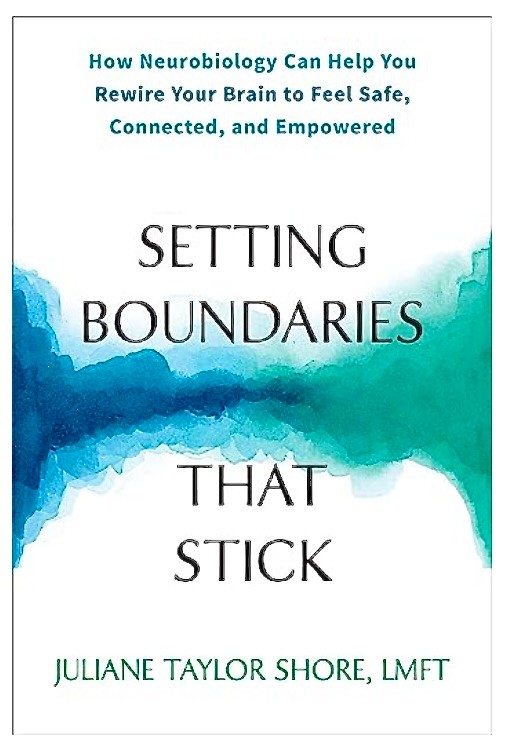

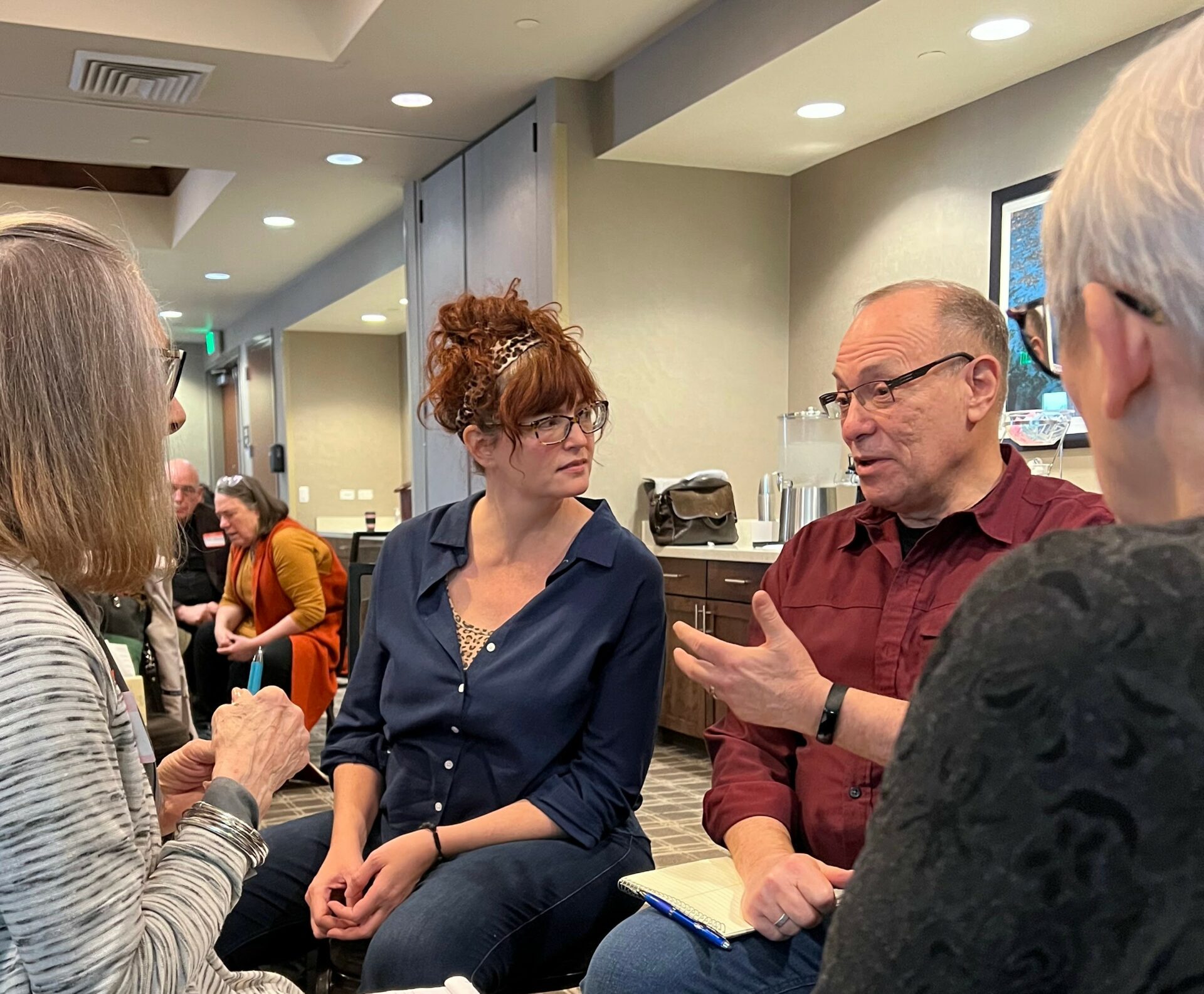

Image Credits
photos 2, 3 and 4: Lo Smith