Alright – so today we’ve got the honor of introducing you to K.C. Raniero . We think you’ll enjoy our conversation, we’ve shared it below.
K.C. , we are so happy that our community is going to have a chance to learn more about you, your story and hopefully even take in some of the lessons you’ve learned along the way. Let’s start with self-care – what do you do for self-care and has it had any impact on your effectiveness?
The older I get, the more I realize what a multifaceted phenomenon self-care is. There are relatively surface level things that I’ve found to be helpful, like going to the gym as regularly as possible and staying on top of my sleeping and eating habits. Beyond that though, so much of the most helpful steps that I’ve taken in the interest of self-care have been the steps that help me improve and maintain my senses of self-awareness and self-compassion.
Learning to accept my emotions and limitations as they change from day to day has been such a major game-changer for me. Nobody’s best is going to be the same every day, and we will have more to give in some moments than in others. Learning to accept myself wherever I am in a given moment without judgement has been so crucial for me. I often remind myself that we are all comparing ourselves at our worst to everyone else at their best (because for the most part, this is what we see) and this really helps me to put things into perspective when I start to feel down on myself for needing time to rest, reflect, or reprioritize. No one can be “on” 24/7, and everyone’s life is at least a little more complicated than it seems behind-the-scenes. That’s human, and that’s ok. And when I’m feeling depleted, accepting that it’s human and that it’s ok is the first step to coming back stronger.
On the topic of accepting emotions as they come without judgement – writing helps a lot too. Sometimes songwriting, but also poems and even lists. They all help in their own ways for different reasons. Sometimes when I feel overwhelmed, my thoughts and feelings can start to feel jumbled together, like a big ball of yarn that needs to be untangled. So making a list can help me in organizing my inner world. It can be a list about anything at all. Sometimes all I need to do is make a to-do list. Other times I’ll literally go and make a list of all the emotions I feel about a particular topic. Or when weighing the pros and cons of a decision, that’s another time that lists can really aid me in making sense of what I’m really feeling and thinking.
When I write poems, they tend to be really long and prose-like, and I write them when I need the raw catharsis that comes with writing something that doesn’t necessarily have significant structural limitations. A list is a very specific thing, and when I write a song, I’m writing lyrics to fit a chord progression and a tempo and I’m formatting what makes sense as a hook, what makes sense as a bridge, and generally considering what makes sense for the song structure. When I write a poem, it’s a bit more of a freeform experience. My poems are often just accounts of something that happened, but through the lens of my own internal monologue. Sometimes it’s difficult for me to identify exactly how I feel in a given moment, and when I write a poem about the moment and read it back, I’m like, “oh, this is how I’ve been feeling.” It’s like clearing out the cobwebs in your mind. Songwriting can serve a similar purpose, but that’s more of something I do when I want to experience catharsis but also want to feel like I’m being productive. It’s always motivating to feel like I have something new to perform.
Writing can also be a form of self-care when I’m using it to explore ideas outside of or bigger than my own experiences and life. Writing about fictional characters or storylines or concepts in history or philosophy can be like a brain exercise that also provides a form of escapism sometimes- and in moderation, escapism can be helpful when I’m getting debilitatingly fixated on a particular thought or feeling. It’s definitely important to face and work through thoughts and feelings, but sometimes a break is needed too.
Playlists are another way that I keep track of my own emotions, and listening to music is really an underrated source of catharsis in my opinion. Pretty much whenever I feel a significant emotion, I’ll make a new playlist, and then I can listen to it back and feel way less alone in whatever I’m feeling. I feel almost a bit cliche saying that I use music as a form of therapy, but hearing another person artistically capture what you’re feeling can be like magic sometimes. As a songwriter, I think about this a lot – how so many of our experiences and emotions are so common, and how we can feel so alone in them, but music can help us realize that we aren’t really so alone in any of the things that we experience. Making music, listening to it, gathering with other people to make it and listen to it, and forming communities around a shared appreciation of music – all of this has been so important for my self-care and so powerful in terms of giving me a sense of connectedness and breaking the fourth wall of existence, so to speak.
Connectedness is another thing that I continue to value increasingly with age, and when it comes to self-care, I continue to realize just how important for my wellbeing it is to intentionally seek out connectedness. Connectedness in and of itself is such a multifaceted phenomenon – there’s connectedness with ourselves, with our friends, with our communities, and with our world at large. And it’s all related. When it comes to friendships, I’ve learned over time how important it is to be mindful of how the friendships I engage in make me feel, and how important it is for my mental health to be seeking out and creating space in my life for friendships that promote feelings of connectedness. So I like to have check-ins with myself sometimes before, during, and after spending time with someone. Do I feel excited before spending that time? What kind of excitement am I feeling; where is it coming from? Am I nervous? What are my nerves telling me? When I’m with this person, am I feeling understood and recognized, and am I feeling like I’m able to understand and recognize them in return? Do I feel tense, or relaxed, or maybe even a combination of both, and why? And how do I feel afterward? Drained? Energized? These temperature checks can help me make sure that the friendships I’m nurturing are conducive to my own wellbeing, and they can also offer me greater insight into myself.
I’ve found that friendships that foster genuine and healthy connectedness can offer us opportunities to grow and evolve as we rise to meet the interpersonal challenges that come with relating to other people. So having boundaries and standards regarding who has access to my energy is definitely crucial for self-care. If I’m spending energy on nurturing a connection, it needs to be a healthy connection with opportunities for everyone involved to thrive. This is true not only in friendships, but also in artistic collaboratorships and business partnerships. When those dynamics are productive and conducive to true connectedness, I have so much more energy to engage with the larger community in ways that also foster a broader sort of connectedness. So having boundaries and standards regarding interpersonal dynamics in my personal, professional, and creative life is definitely a self-care thing, but there’s also a big ripple effect there.
And on that note – I think the last big thing I like to do for self-care that I should mention is taking on projects that fulfill me significantly. It might sound obvious, but sometimes it can be easy to sort of do things on autopilot, and I’ve found that in the same way that I like to have intentional check-ins with myself about my friendships, I also like to have those sorts of check-ins with myself about the projects I take on. When I do temperature checks, they’re kind of like guided journal entries where I’m designing questions for myself to answer. Sometimes it’s helpful for me to take a step back, take stock of the projects I’m involved in, and ask myself why I’m doing them. Is it because they’re opportunities for me to monetize my skills? That’s absolutely a valid reason, but when all of the projects I’m involved in are done primarily for monetary reasons, it can be time to ask myself some more questions, update my approach, and start looking at ways to maintain financial stability while also getting involved in things that energize me and fill me with a sense of purpose.
To be effective in whatever it is that you do, you need energy. And when you’re not caring for yourself, your energy is going toward doing damage control. The better I get at implementing these self-care tactics, the more realistic it is for me to be able to show up in the ways that I want to.
Appreciate the insights and wisdom. Before we dig deeper and ask you about the skills that matter and more, maybe you can tell our readers about yourself?
I’m a writer, musician, pianist, playwright, actor, producer, teacher, and event coordinator/promoter. I write, sing, and play piano on all of my music – there are no other artists on any of the songs- and they’re all available for streaming anywhere that you stream music. I’m often asked what kind of music I make and who my influences are, but I never know what to say. It’s definitely pop music, as in, contemporary music. But I guess it’s not conventional pop music; it’s not modeled after anyone. But it’s definitely modeled after my own feelings and life experiences and thoughts. I don’t write what I hear, but I write what I feel and what I know. I write a lot about heartbreak, love, but I’m never really writing about other people. I’m kind of always writing about myself, about my relationship with myself, and using my relationships – the good and the bad – as mirrors with which to explore my own inner world and what it is that I really believe. And sometimes I just write about my own inner world directly. Like in “Toxic Phantom”, the title track from my debut album, the entity that is the “toxic phantom” wasn’t necessarily intended to be another person outside of the self, even though that’s how it’s often taken. It could be interpreted that way, and I thought about that a bit when I wrote it, but I also thought a lot about inner conflict. I’ve always loved writing prose and poetry, I studied Communications in college, and I’m also an off-Broadway performer and writer who grew up doing theater and improv and writing plays. I even had a stint doing standup comedy when I first started really establishing myself in New York – so this is all to say that the writing/lyrical element of songwriting is very very important to me.
I teach songwriting too, and it’s been a lot of fun to branch a bit out of the technical mindset of teaching singing and step a bit more into the creative mindset of fostering up-and-coming songwriters. Singing isn’t all technical, but there are aspects to it that absolutely are, like breath support and posture. When I give a songwriting lesson, it goes a bit differently than a vocal lesson. In a songwriting lesson, the student will usually come in with a rough idea. Even when they say they don’t have ideas and are starting from scratch, they often have more ideas than they think they do. Sometimes it’s a voice memo or a poem they were shy about showing, and other times it’s a message they want to get across or a storyline they wish to set to music. Whatever it is, that’s the seed that you’re working with. And from there, it’s a lot easier than people think to turn that seed into a fully bloomed flower (a song.) It’s just a matter of lowering your inhibitions, trusting yourself, and getting the hang of some little hacks regarding song structure, rhyme schemes, and chord progressions.
In all of the lessons I give, encouraging people to lower their inhibitions while they raise their confidence is a top priority to me. In vocal lessons, many student goals can sound technical, like expanding vocal range, improving breath support, easing vocal tension, learning how to better sing on-pitch, and mastering the ability to evoke and control vibrato. However, so much of what goes into achieving these goals is actually psychological. I’ve always experienced my relationship with myself as being very reflective of and parallel to my relationship with my own singing voice, and this has really informed the way that I teach. I’m very frequently asking my students how they feel during lessons, and when I ask this, I’m referring to everything – the voice, the mind, and the body -because all of these things are very intertwined. As we lower our inhibitions, our voices become more powerful. With increased awareness of one’s own state of being comes increased awareness of one’s own voice.
Another reason why I’m so big on encouraging students to check in with how they feel while singing is because this takes the focus off of how they’re sounding. That might sound counterintuitive at first, but it can be very easy to become so critical of ourselves when we sing – especially when we’re new at it – that we tense up, fight our own vocal/musical intuition, and silence the power and uniqueness of our own voices. When we’re focusing primarily on how we should feel while singing in terms of things like appropriate posture, lack of tension, and core engagement, we’re less focused on self-criticism and comparison to other, different voices. Our voices are supposed to be different from other voices; they’re supposed to be unique. So approaching singing with a holistic mindset which considers the mind, body, voice, and the ways in which they work together allows us to unlock and maximize the potential of our own unique voices.
Even though teaching and event coordination might sound like very different things on the surface, I think that there’s one passion behind both of these things, and that passion is encouraging people to take up space. There are few things more gratifying for me than cultivating spaces for other people to take up. Bringing people together is another big passion of mine too, and when I coordinate events, I get to do both of these things at once. All of my events are arts events – mostly music, but there are also comedians, dancers, poets, and vendors. For the past year, I’ve been throwing regular events at a place in Brooklyn called Caffeine Underground, and throwing events at a consistent place has been a really nice opportunity to build a sense of community and watch the way it grows over time. When the artists I introduce to each other take it upon themselves to collaborate, I feel especially fulfilled. That’s one of my favorite things about Unity Fest, the twice-per-year charity music & arts festival that I throw. It goes on all day and performers, their fans, and their friends travel from all over the country. I’m in the early planning stages of the next Unity Fest right now, and it’s looking like we might have some performers traveling internationally to make it to this upcoming one. Most of the artists show up way before their performance times and stay way later to support each other, and all their fans tend to become friends with each other, and everyone stays in contact throughout the year. It’s become sort of like a reunion for our widespread artist community. I love coming up with new ways to build upon the Unity Fest idea with each one, and I’ve been talking to some filmmakers about showing up to have a roundtable discussion about film as part of the fest. There are some mimes and face painters that I’m interested in bringing on board too, and in the future, I’d love to even expand the roundtable discussions to include innovators who are making waves in the worlds of science and technology. There are so many different ways to be creative, and I want to make space for creatives with different perspectives to exchange and share ideas.
When this interview comes out, I’ll be gearing up for the springtime, which means new music, another Unity Fest, and my second performance at The Apollo Theater in Harlem. I’ll be there on Wednesday, April 24th, and tickets are available now at my Linktree. While I love teaching, creating, and coordinating, performing was the primary thing that drew me into my field in the first place. It’s my first love and getting to do it at a place as legendary and culturally significant as The Apollo is an opportunity that doesn’t stop being exciting. There are so many shows, but getting to see everyone come out to this one in April will be extra special.
Looking back, what do you think were the three qualities, skills, or areas of knowledge that were most impactful in your journey? What advice do you have for folks who are early in their journey in terms of how they can best develop or improve on these?
Confidence, resilience, and the ability to tune out what other people are doing. When I say confidence, I’m referring to a lot of different things, but I’m very largely referring to the willingness to try new things and to ask for what we want. In my case, this can mean inviting an artist much bigger than myself to headline one of my events or even to collaborate on a song, or reaching out to an established venue or prospective sponsor to work with me on an event. It can be applying for an exciting job, auditioning for a big role, or debuting a new song with a different-from-usual sound at a show. It can even mean learning a new instrument or skill. There are so many ways that confidence can manifest. I don’t see it an absence of self-doubt necessarily, but rather a willingness to act in spite of any self-doubt we might have. My advice for building confidence is to act as if you have the confidence that you wish to build. People talk about trying new things as “taking risks”, but I don’t really see it that way. What’s the risk? In many cases, the worst that can happen is that you get rejected. So what? That’s actually really beneficial much of the time, because rejections are opportunities to learn how to improve for next time. So what’s you get real with yourself about what the worst possible outcome is (often not a very bad outcome at all) that can help to go out on a limb. And then once you do whatever it is you’re uncertain about doing, you’ll think, “that wasn’t that bad; I can do it again.” You become more comfortable, you gradually see success, and you become confident. But if you wait to feel confident before acting confidently, you might be waiting forever.
Resilience is similar. You don’t have to feel resilient to get back up, try again, and to generally behave with resilience. Reaching for success in any capacity is so often just a numbers game. The more times you fail, the higher your chances are of success. So you need to get used to failing and you can’t take it personally. Whenever I send a message to apply for a job, audition for a role, ask someone to collaborate, or anything like that, I’m very detached from the outcome. I have a bunch of other things I’m also shooting for at the same time, and once I know I’ve done what I need to do, I let it go and move on. I’m the same way with auditions. So when I do hear back with positive news about an audition or a job or a collaboration, it’s like a surprise bonus in addition to whatever I have going on. With this mindset, I don’t really experience rejections as rejections. By the time I get a rejection email, I’ve usually already moved on anyway.
This is also a big reason why I see the ability to tune out what other people are doing as a very important ability. It can be easy to look at someone else’s success and compare, but we really don’t know how many failures it took for them to reach the success they’ve reached. Usually, there’s a lot of failure and rejection behind the scenes; the willingness to fail is directly linked to success, and trial and error is how we learn and grow. Sometimes I’ll set a specific time frame for myself to intentionally process a disappointment, loss, of failure. It could be a day, a weekend, or even a week if it’s a big one. But at the end of that timeframe, I hold myself accountable for assessing what I could have done better and using that newfound insight to start again and move on. Sometimes you’re not going to feel like getting back up until you do it.
When it comes to all of this, I am constantly reminding myself of how real and and powerful brain plasticity is. When we change our actions and behave with confidence and resilience – speaking up assertively, not shying away from our goals, and being willing to start over and over and over – our thoughts and feelings catch up to align with our new habits as we settle into them. And as our thoughts and feelings lean more and more toward confidence and resilience, it becomes easier to do the things that used to scare us. And it’s all a positive feedback loop, and eventually, what used to feel very out-of-character feels like second nature. If your inner monologue is doubtful or self-critical or jaded, you can rewire your unhelpful thoughts over time through intentional lifestyle changes. Our belief systems, default habits, and self-perceptions are never permanent, no matter how deeply embedded they might be.
Who is your ideal client or what sort of characteristics would make someone an ideal client for you?
When it comes to teaching, I love working with students who are passionate about pop, rock, and r&b music. While I genuinely appreciate all styles of music, contemporary pop music and its subgenres are where I feel most at home. As someone who is very interested in marketing, psychology, and music, I’m so fascinated with how pop music exists at the intersection of all three phenomena. As a lyricist, I’m interested in exploring why the common themes in pop music are what they are. Why do these themes resonate with such big audiences, what are the psychological and sociological explanations for it, and how can we tap into societal trends cultural mindsets to create music that will be widely received well? From a music composition and production standpoint, I like to explore similar questions. Why are certain chord progressions and cadences so popular? What inside our minds connect so readily with these sounds, and how can we as songwriters put new and innovative twists on these popular sounds? Musical theater is fun and definitely provides room for self-expression, but for me, I think that the raw expression that comes with being a singer/songwriter will always be a bit unmatched. I have a deep appreciation how pop singers are able to sing about commonly shared experiences, bringing us all together and helping us feel less alone while singing directly in the first person, without shrouding the emotion in another storyline or elaborate metaphor, and they manage to perform this raw expression in ways that make us want to dance and in ways that are so catchy that the songs often can’t help but get stuck in our minds on repeat. I see pop music as an incredibly powerful art form – and also as a science – and few things excite me more than working with vocal, production, and songwriting students who are also invested in the nuances of creating pop music.
Contact Info:
- Website: https://linktr.ee/kcraniero
- Instagram: @nyc.kcr
- Linkedin: https://www.linkedin.com/in/k-c-raniero-a805a62a2/
- Other: https://open.spotify.com/artist/01MVeWbygGfE9J3LD95h0K?si=a46Cq7WQTAmTDWHEl9W_Dg
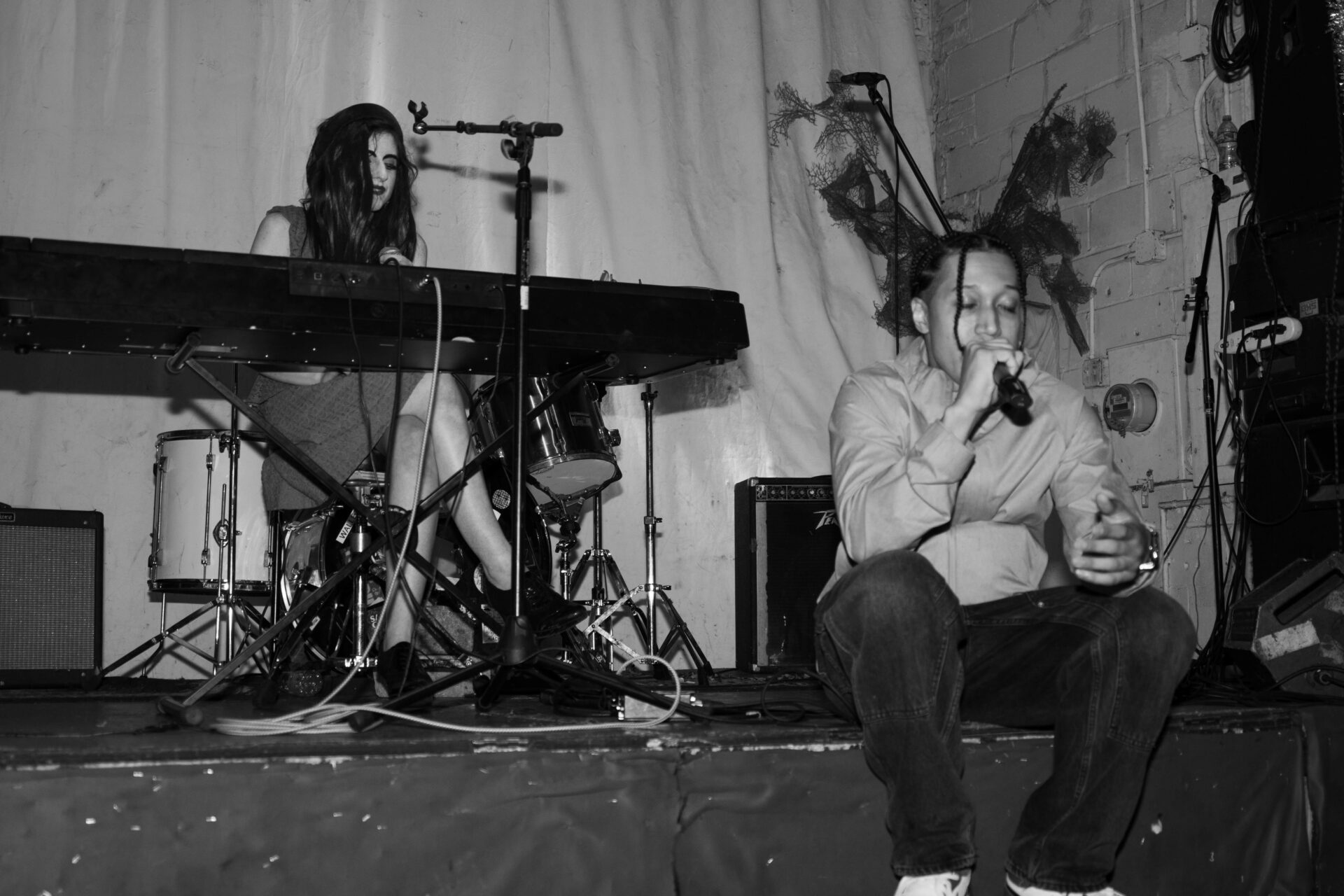
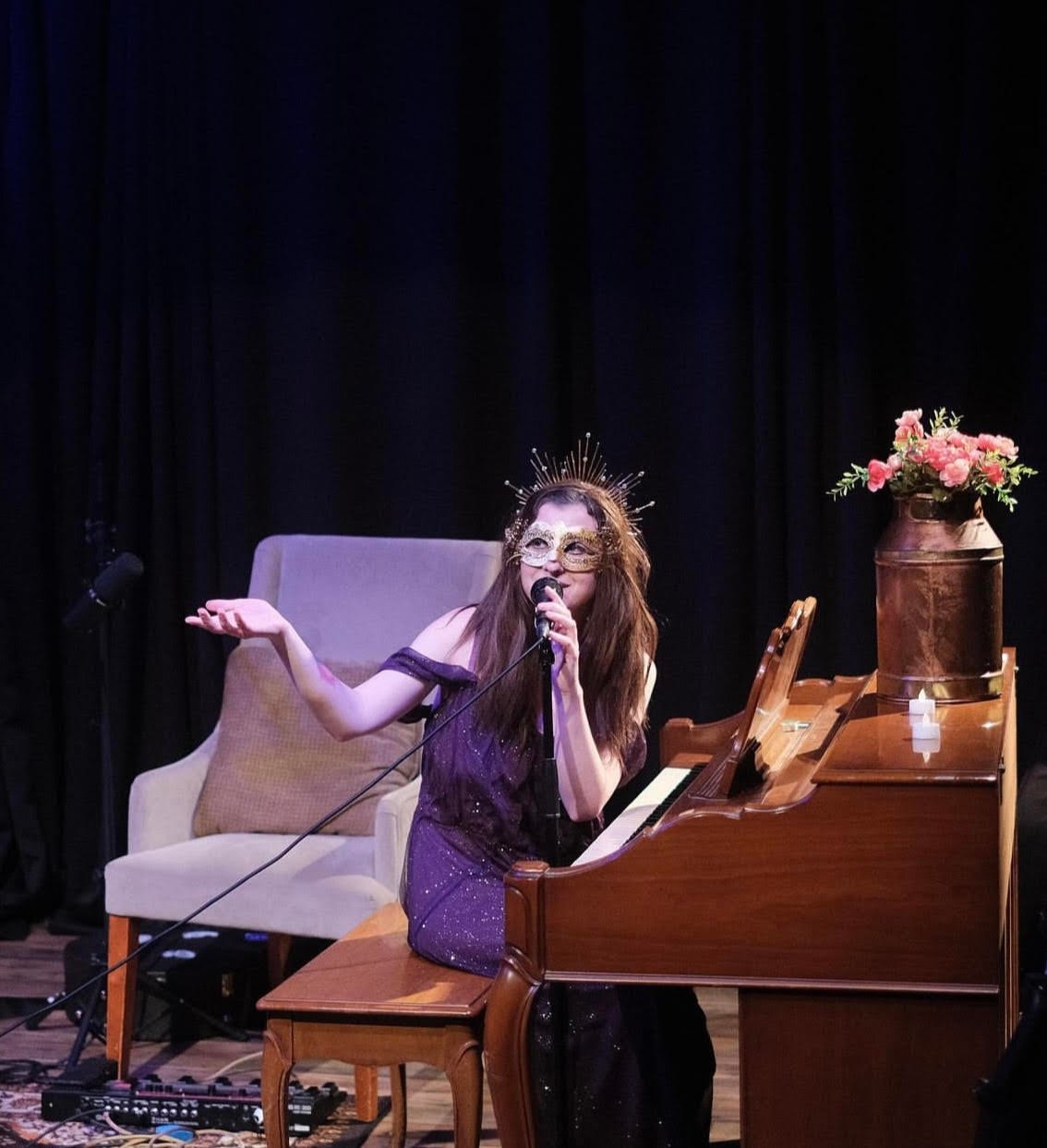
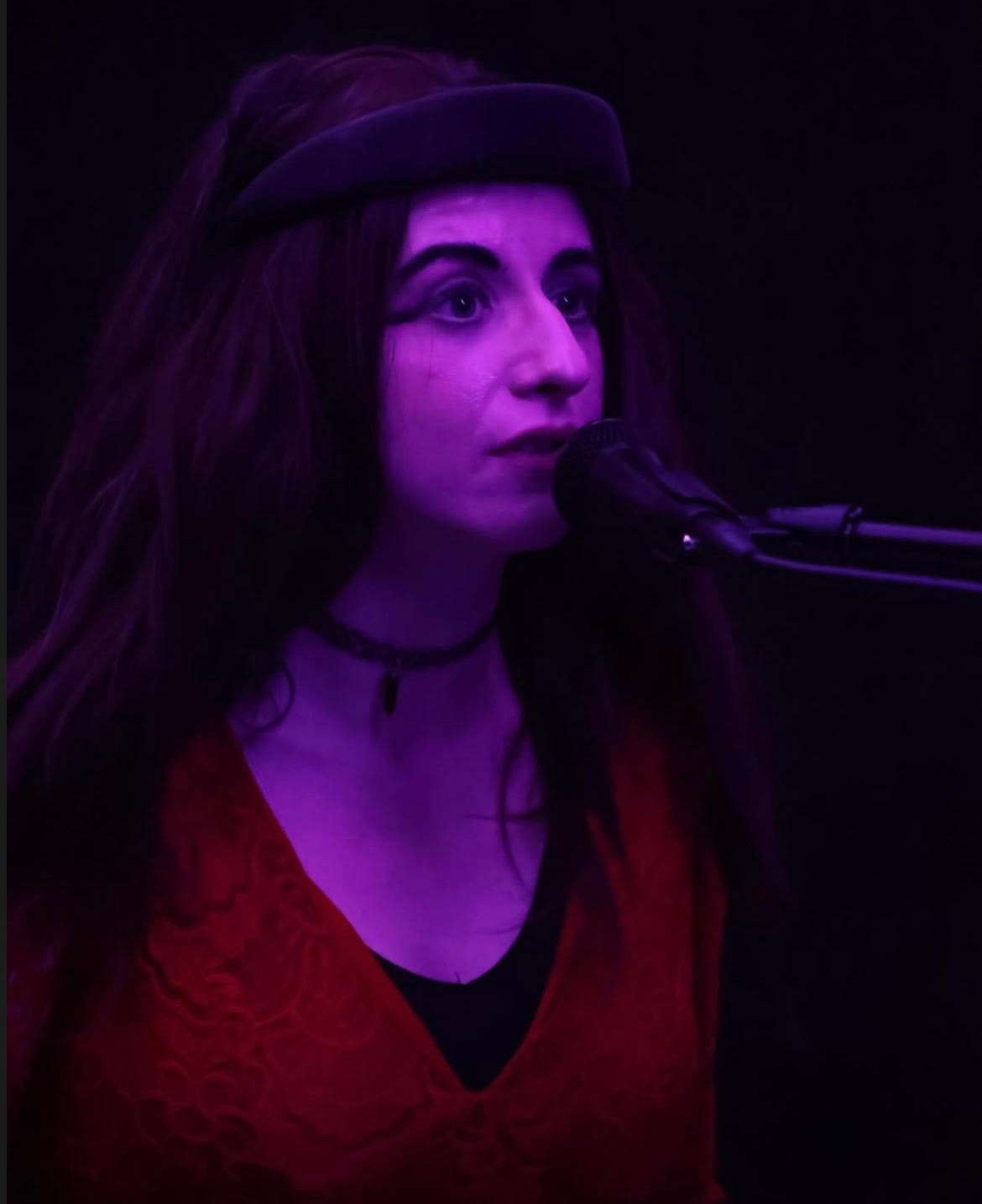
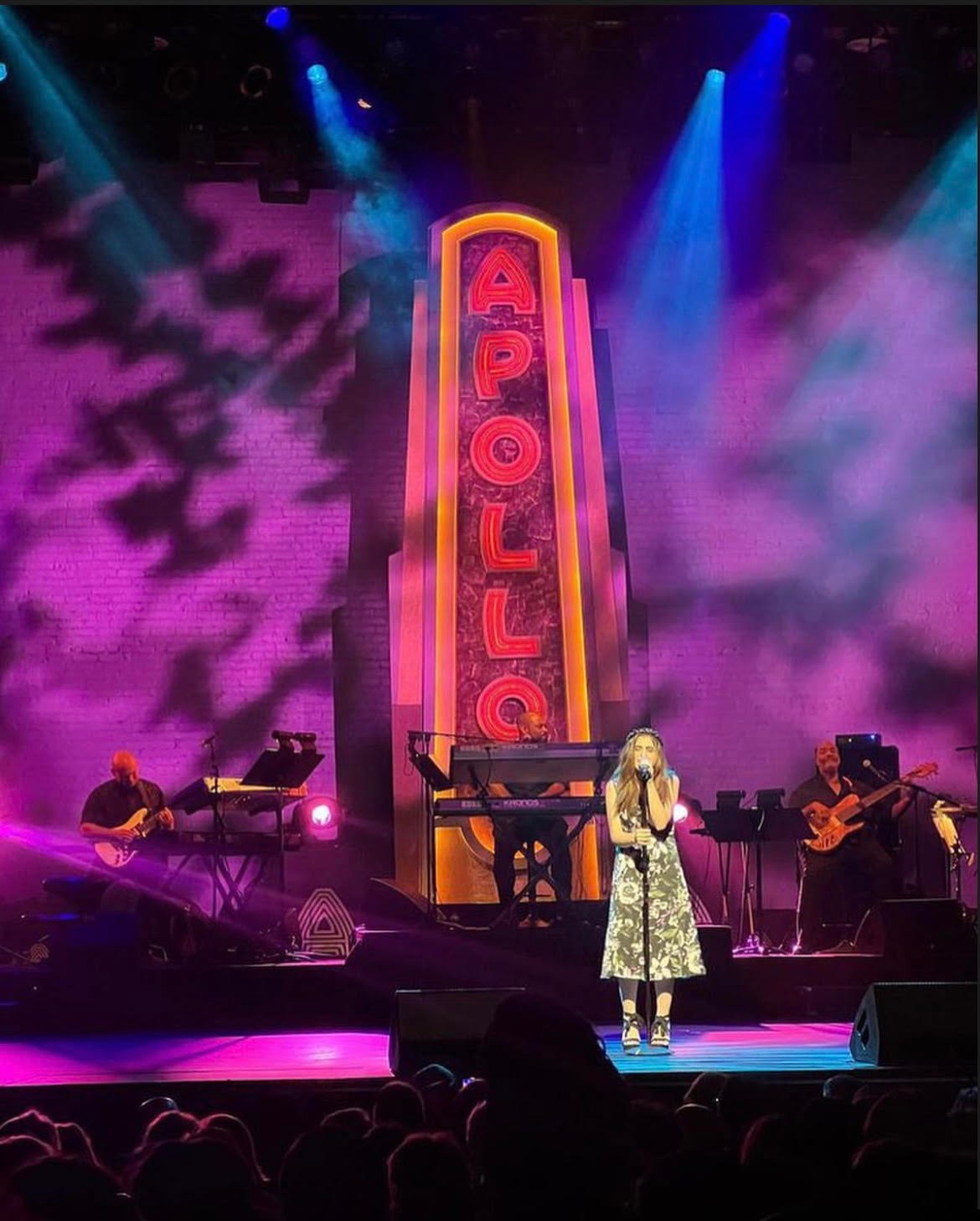
Image Credits
Brenna Nicole Justin Ho Sam Stinson