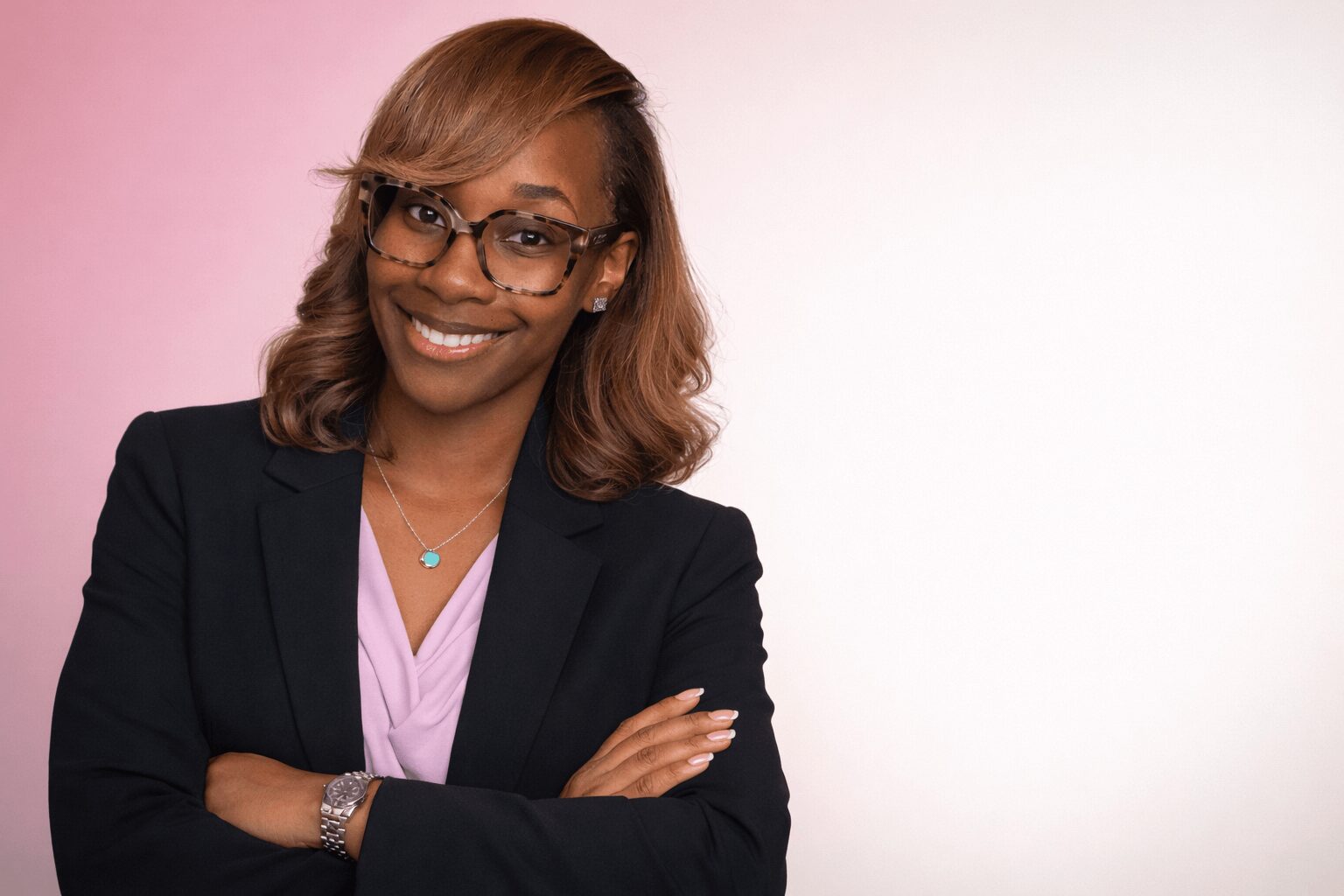
Alright – so today we’ve got the honor of introducing you to Kachelle Pratcher. We think you’ll enjoy our conversation, we’ve shared it below.
Kachelle , we’re thrilled to have you sharing your thoughts and lessons with our community. So, for folks who are at a stage in their life or career where they are trying to be more resilient, can you share where you get your resilience from?
Resilience, for me, started at home. I grew up watching people work hard, get creative when resources were thin, and still show up for family and community even when they were tired. Seeing that taught me early that you may not control your circumstances, but you can control how you respond to them and how you care for the people around you.
That foundation met reality in live news. Working in that environment means long hours, breaking stories at any time, and very little room for error. There were seasons when I was producing shows, teaching, and building my own media projects all at once. I hit points of real exhaustion and burnout, and that forced me to rethink what resilience actually meant. It stopped being “push through no matter what” and became “how do I create a life and career that doesn’t constantly require me to recover from it.”
Faith is another major source of my resilience. When a show falls apart, a pitch gets rejected, or a plan doesn’t move on my timeline, my faith keeps me grounded in something bigger than the moment. Instead of letting setbacks turn into “I’m not enough,” I’ve learned to ask, “What is this trying to teach me?” That simple question helps me move from shame to strategy, and it’s shaped how I handle both personal and professional challenges.
Today, resilience looks like the choices I make every day. I still work in news, but I protect my rest and boundaries in a way I didn’t earlier in my career. I’m more intentional about the projects I say yes to, and I pour that same resilience into my work as a media strategist, educator, and doctoral student—especially when I’m helping women and other underrepresented leaders shape and share their stories. I help founders, creatives, and students turn their own journeys into clear, powerful, media‑ready stories without burning themselves out in the process. My resilience comes from my upbringing, my faith, and years in fast‑paced media, but it now shows up as a commitment to building a life and body of work that are sustainable, not just impressive on paper.
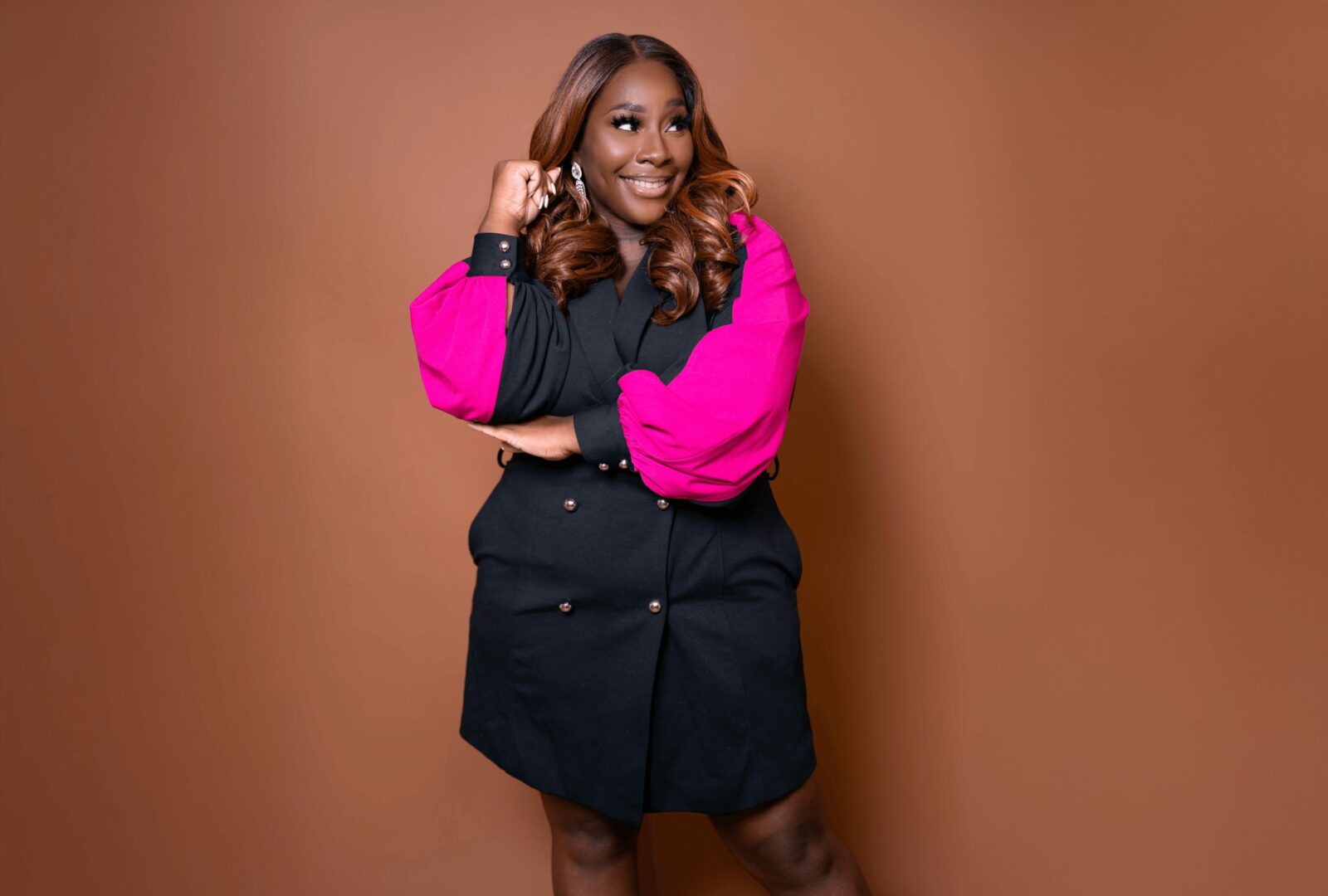
Great, so let’s take a few minutes and cover your story. What should folks know about you and what you do?
Professionally, I live at the intersection of media and storytelling. I work in national news and also run a media strategy practice where I help founders, creators, and leaders turn what they do into clear, media‑ready stories and practical visibility plans. Over the last decade, I’ve produced live news, taught journalism, and written for outlets like Business Insider, ESSENCE, and EBONY, so I understand the full ecosystem, from the control room to the classroom to the byline.
What feels most special about my work is that I get to be “the media brain” for people who are brilliant at what they do but aren’t sure how to talk about it. I love helping clients and students figure out: What’s the story? Who needs to hear it? And what platforms—TV, podcasts, newsletters, social—actually make sense for them instead of throwing content at the wall. The goal is always the same: a story that feels honest, a strategy that feels doable, and a plan that doesn’t require someone to burn out just to be seen.
Right now, I’m focused on growing my media strategy work, expanding my writing and speaking, and finishing my doctorate in leadership. In 2026, that looks like launching more resources for founders and creatives, templates, workshops, and digital guides on how to think like a producer and run your brand like a newsroom, alongside more essays and reported pieces on women’s leadership, media, and sports. I’m excited about creating a lane where Black women and other underrepresented leaders can see their stories told with care and real strategy behind the scenes.
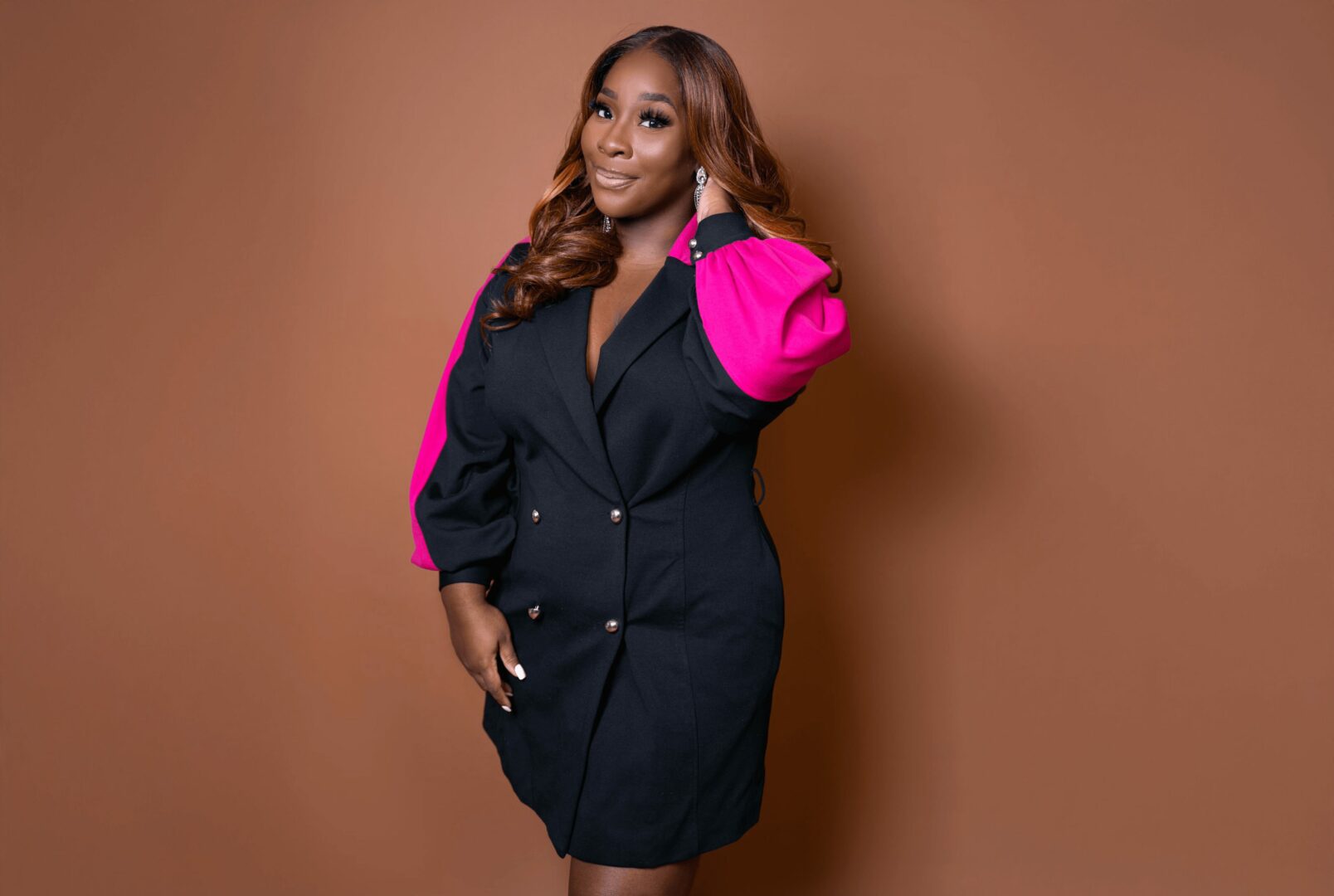
Looking back, what do you think were the three qualities, skills, or areas of knowledge that were most impactful in your journey? What advice do you have for folks who are early in their journey in terms of how they can best develop or improve on these?
Looking back, the three qualities that have mattered most in my journey are editorial judgment, emotional intelligence, and follow-through. Each one has shaped how I work now and where I am heading.
1. Editorial judgment
Years of deciding what makes air taught me how to quickly see the heart of a story, who it is for, and what actually matters. That same editorial judgment is what I use now in media strategy sessions, helping leaders and creators cut the fluff and get to a clear, compelling story.
Advice: Treat your life like a newsroom. Practice asking, “What is the real story here?” about your own work, the opportunities in front of you, and the content you consume. Write, edit, and actually hit send on small things often, like emails, posts, and pitches, so your judgment gets sharper and faster over time.
2. Emotional intelligence
My career has required me to read rooms, manage talent, and navigate newsroom politics while still getting a show on the air. That people sense is now the backbone of how I work with founders, students, and sources, especially Black women and other underrepresented leaders who need someone who “gets it” on and off the record.
Advice: Pay attention to patterns. Notice how people respond when you give feedback, deliver hard news, or set a boundary. Ask for honest input from people you trust and be willing to adjust. My emotional intelligence has grown every time I chose curiosity over defensiveness.
3. Follow through and discipline
Balancing a full-time newsroom role, freelance writing, adjunct teaching, and now a doctorate has required more than passion; it has taken unglamorous consistency and the ability to finish what I start. That follow through is what allows me to build a business on the side and slowly reposition myself as a media strategist and thought leader.
Advice: Instead of trying to overhaul everything at once, I suggest picking one or two commitments and honoring them all the way through, whether that is a class, a pitch goal, or a small offer. Use simple systems like calendars, checklists, and weekly reviews to protect your word to yourself. In my experience, confidence and opportunities usually follow the people who do what they say they will do.

How would you describe your ideal client?
My ideal client is someone who knows they have something important to say but feels stuck on how to say it and where to say it. They are usually founders, creatives, or leaders who are excellent at what they do, yet their stories feel fuzzy, flat, or buried under too many ideas. They care about impact and integrity as much as visibility and are ready to invest in a clear strategy, not just “more content.”
I work best with people who are curious, open to feedback, and ready to stop trying to DIY every part of their visibility. They are past the “post and hope” stage and want a partner who can help them clarify their message, choose the right platforms, and commit to a simple, repeatable media plan that fits their real life. If that sounds like you, the next step is to be honest about your goals and capacity, and to be willing to bring in a media strategist who can help you turn what you already do into a story and a plan that finally makes sense.
Contact Info:
- Website: https://kachellepratcher.com
- Instagram: https://www.instagram.com/kachellepratcher
- Linkedin: https://www.linkedin.com/in/kachellepratcher
so if you or someone you know deserves recognition please let us know here.