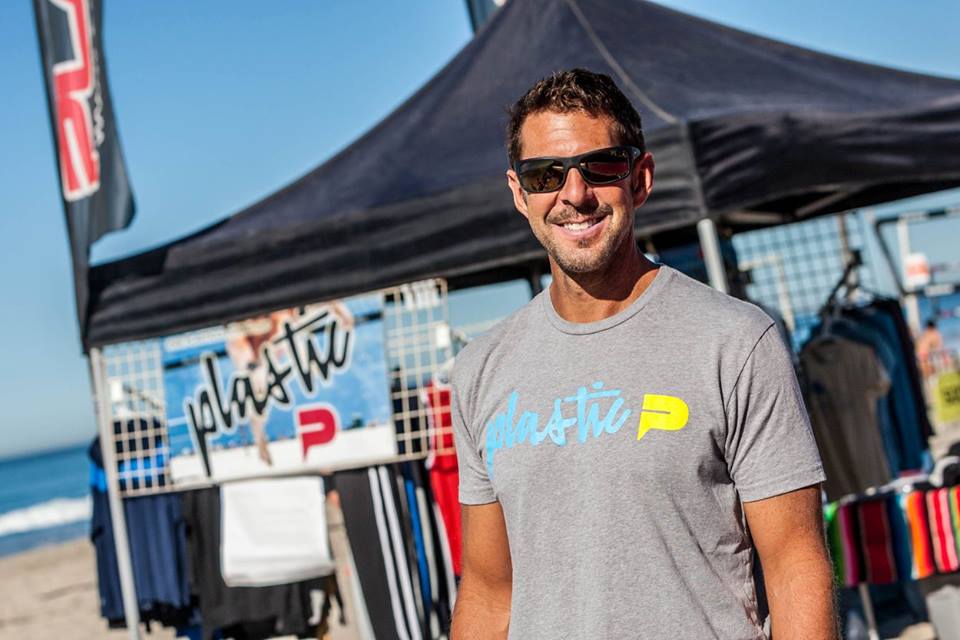
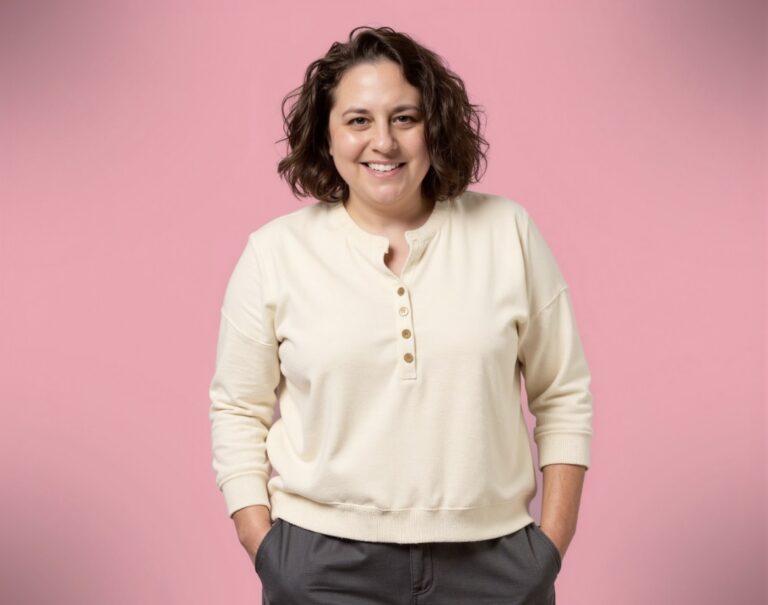
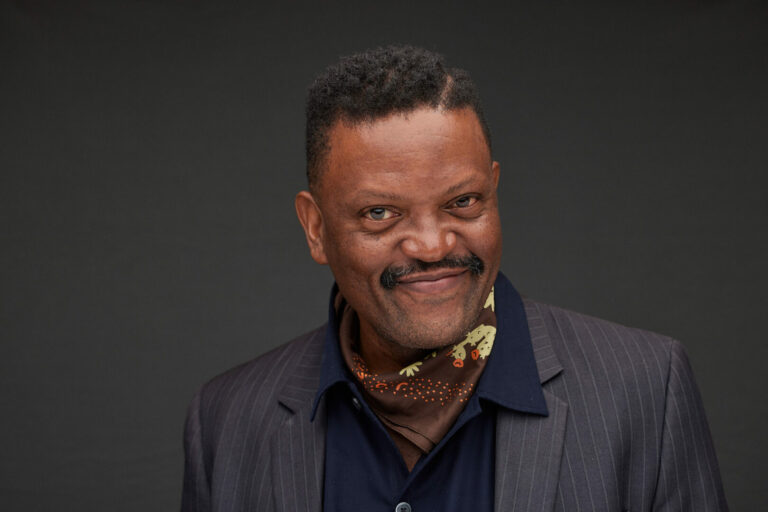
Alright – so today we’ve got the honor of introducing you to Kalpak Deshmukh. We think you’ll enjoy our conversation, we’ve shared it below.
Kalpak, so great to have you with us and we want to jump right into a really important question. In recent years, it’s become so clear that we’re living through a time where so many folks are lacking self-confidence and self-esteem. So, we’d love to hear about your journey and how you developed your self-confidence and self-esteem.
Developing confidence and self-esteem has been a journey shaped by the challenges and milestones in my career and personal life. Transitioning from a software engineering background to the creative field of VFX wasn’t a straightforward path. It required me to step into an entirely new world, one where technical skills needed to blend seamlessly with artistic vision. At the start, I felt like an outsider, constantly questioning whether I had what it took to succeed.
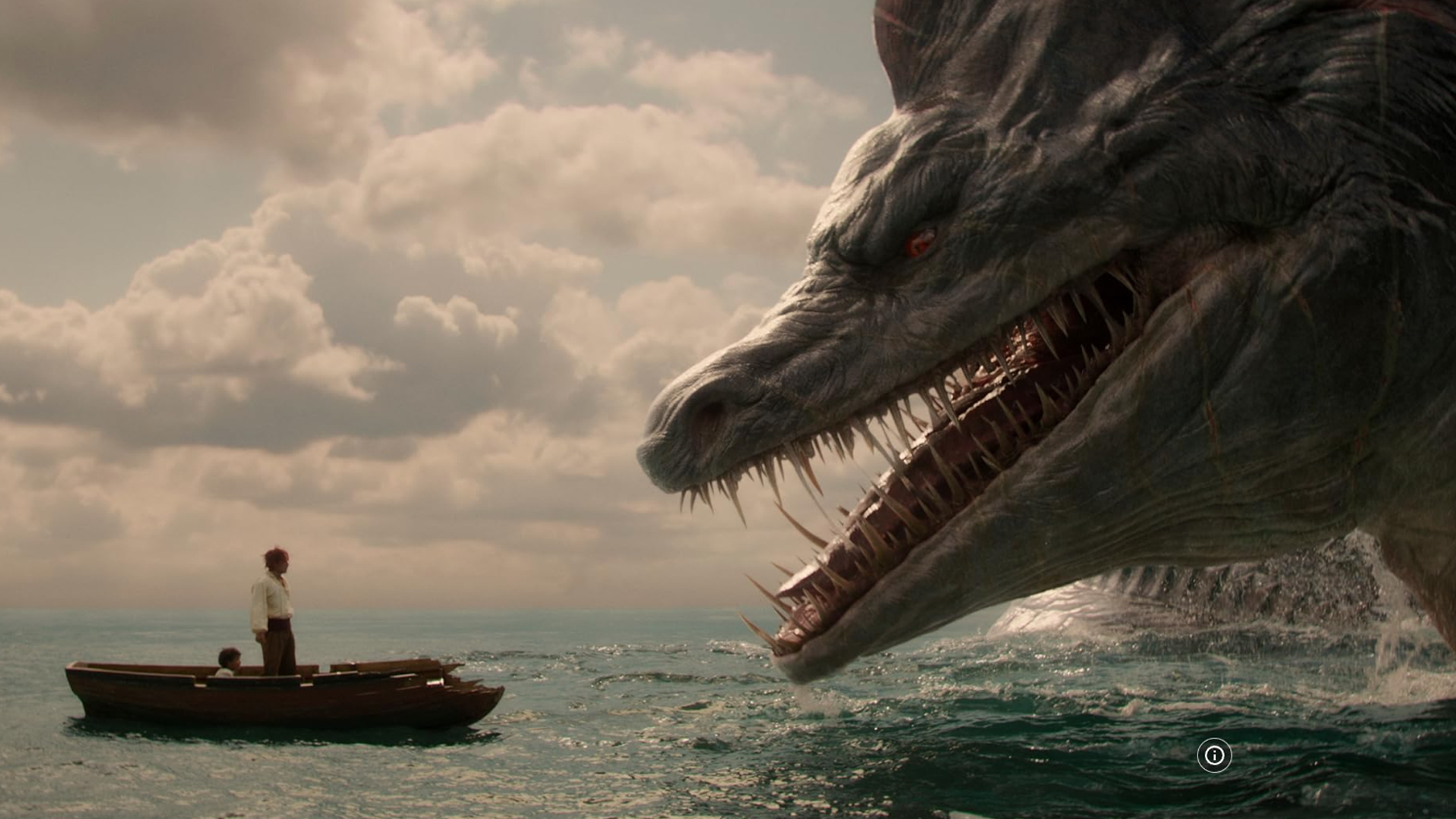
The turning point came when I began taking on ambitious projects, like working on live events such as the FIFA U-17 World Cup or Justin Bieber’s Purpose World Tour. These experiences taught me the importance of adaptability and staying calm under pressure. Later, as I moved into VFX and worked on high-profile shows like *The Boys* and *One Piece*, I faced new challenges—tight deadlines, intricate simulations, and high expectations. Each successful project reinforced my belief in my abilities and proved that I could rise to the occasion.
Beyond professional experiences, my hobbies have played a significant role in building confidence. Photography, for instance, has taught me patience and the art of capturing the right moment, while drone cinematography has encouraged me to see the world from new perspectives. These creative outlets remind me that growth doesn’t only come from work—it’s also about exploring and pushing boundaries in other areas of life.
Over time, I’ve learned that confidence isn’t about always knowing the answer or being perfect. It’s about showing up, embracing the process, and being willing to learn. Each challenge I’ve faced has added a layer of resilience, and every success, no matter how small, has been a step toward fostering genuine self-esteem.
Thanks for sharing that. So, before we get any further into our conversation, can you tell our readers a bit about yourself and what you’re working on?
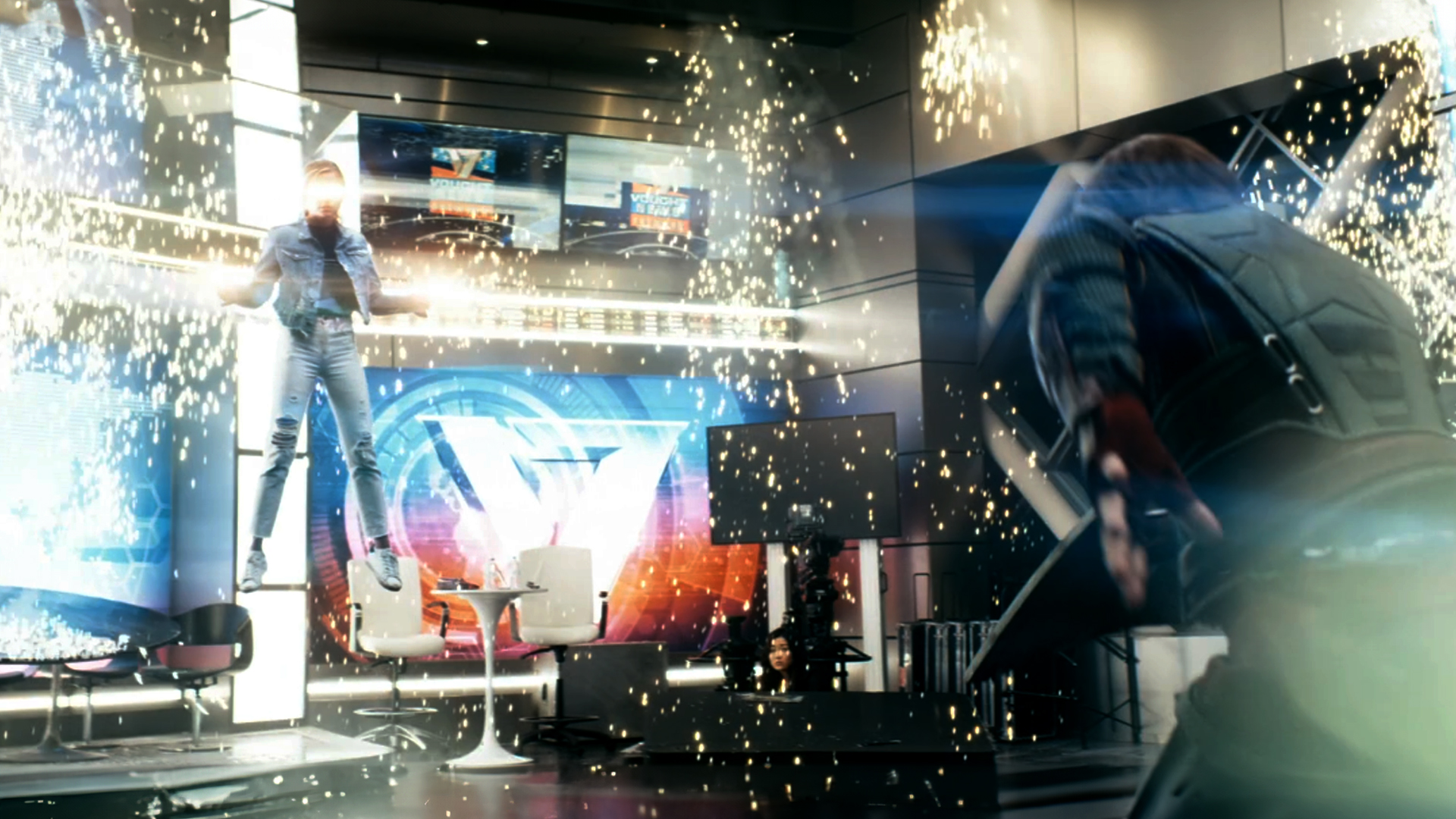
As a VFX artist, my work revolves around creating visual effects that elevate storytelling, whether it’s through breathtaking explosions, intricate simulations, or subtle enhancements that seamlessly blend into live-action scenes. I specialize in using cutting-edge tools like Houdini and Maya to craft effects that bring impossible moments to life on screen. From massive space battles in *The Orville* to the dynamic body-morphing superpowers in *The Boys*, my role is all about transforming creative visions into reality.
What excites me most about this field is its constant evolution. Every project presents a new challenge, whether it’s designing a fantastical element for *One Piece* or crafting subtle CG additions for *Abbott Elementary*. This variety keeps me on my toes and pushes me to innovate with each task. What’s special about my work is the fusion of technical precision and creative expression, it’s not just about making something look good, but ensuring it serves the story and resonates with the audience.
Looking ahead, I’m focused on exploring the intersection of VFX with emerging technologies like real-time rendering and virtual production. These advancements are not only streamlining workflows but also opening up entirely new creative possibilities. I’m also keen on mentoring aspiring VFX artists, sharing insights from my journey to help them navigate the industry.
For readers interested in visual effects or storytelling, I’d love to connect and share more about this incredible field. Whether it’s through workshops, collaborations, or even casual conversations, I’m passionate about building a community that appreciates the artistry and effort behind the magic of VFX.
Looking back, what do you think were the three qualities, skills, or areas of knowledge that were most impactful in your journey? What advice do you have for folks who are early in their journey in terms of how they can best develop or improve on these?
Looking back, three qualities stand out as pivotal in my journey: adaptability, problem-solving, and a passion for continuous learning.
Adaptability: The VFX industry is ever-changing, with new tools, techniques, and expectations emerging constantly. Embracing change and staying flexible has been crucial. Early in my career, I transitioned from software engineering to VFX, which required me to learn new software and develop a creative mindset. For those starting out, my advice is to stay open to learning and be willing to pivot when opportunities or challenges arise. Experiment with different tools and workflows to find what works best for you.
Problem-Solving: VFX is as much about creativity as it is about overcoming technical hurdles. Whether it’s crafting a complex simulation or troubleshooting rendering issues, finding innovative solutions is part of the job. To build this skill, I recommend working on diverse projects, even small ones, that push you out of your comfort zone. Problem-solving improves with practice and exposure to different scenarios.
Continuous Learning: This field rewards those who stay curious and invest in their growth. From mastering new software like Houdini to keeping up with trends like virtual production, learning has been a constant in my journey. For newcomers, I suggest dedicating time to learning through online tutorials, courses, or personal projects. Don’t just focus on technical skills, understand storytelling, composition, and the broader creative process.
Ultimately, success comes from a combination of technical expertise and a mindset that embraces growth. Stay curious, stay patient, and never stop challenging yourself.
What do you do when you feel overwhelmed? Any advice or strategies?
When I feel overwhelmed, I focus on breaking things down into manageable steps and prioritizing tasks. It’s easy to feel paralyzed when there’s too much on your plate, but I’ve learned that taking a moment to organize and approach things methodically can make a huge difference.
Here’s what works for me:
When stress builds up, I take a step back to clear my head. A short walk, deep breathing, or even just stepping away from the screen helps me reset.
I list out everything that needs to be done and divide it into smaller, actionable tasks. Tackling one thing at a time makes the workload feel less daunting.
Prioritize: Not everything needs to be done immediately. I focus on the most pressing tasks first and leave less critical ones for later.
Collaboration is key. If I’m stuck, I reach out to teammates or mentors for advice or help. Fresh perspectives can quickly untangle a problem.
For anyone feeling overwhelmed, my advice is to embrace the process of stepping back, simplifying, and seeking clarity. Overwhelm often comes from trying to do too much at once, so focus on progress rather than perfection. And remember, it’s okay to ask for help—no one succeeds entirely on their own.
Contact Info:
- Website: https://www.imdb.com/name/nm13683084/
- Linkedin: https://www.linkedin.com/in/kalpakdeshmukh/

so if you or someone you know deserves recognition please let us know here.