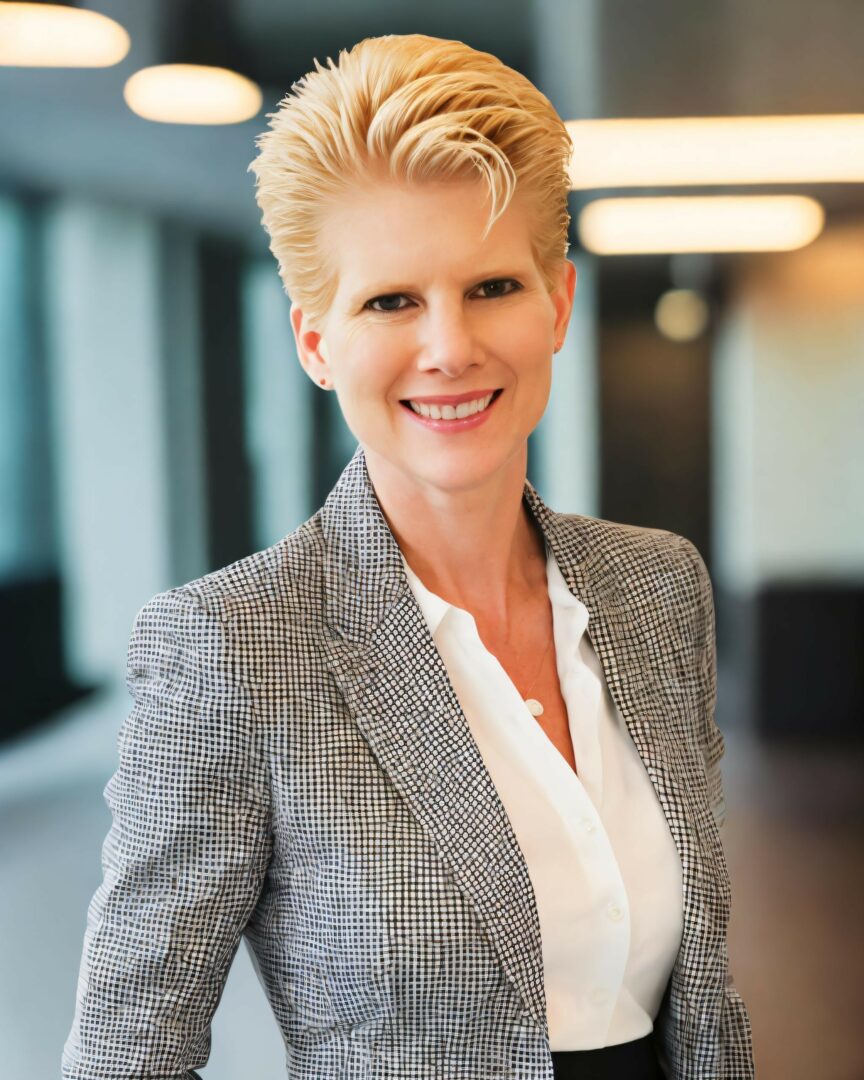
We recently connected with Karena Bell and have shared our conversation below.
Hi Karena, so excited to talk about all sorts of important topics with you today. The first one we want to jump into is about being the only one in the room – for some that’s being the only person of color or the only non-native English speaker or the only non-MBA, etc Can you talk to us about how you have managed to be successful even when you were the only one in the room that looked like you?
I learned early that trying to blend in is exhausting and rarely effective.
When you are the only one in the room who looks like you, thinks like you, or sees the problem differently, the instinct can be to soften your voice or wait to be invited in. I did the opposite. I focused on being useful. When you consistently bring clarity, ask the question no one else is asking, and tie decisions back to real outcomes, credibility shows up quickly.
I also stopped assuming I needed permission. Confidence does not come from matching the room. It comes from knowing your value and delivering it, regardless of who else is at the table.
Over time, I realized that being the only one is not a disadvantage. It is often an advantage. Different perspectives create better decisions. My job is not to fit the mold. It is to improve the result. And once that becomes clear, the room adjusts.

Great, so let’s take a few minutes and cover your story. What should folks know about you and what you do?
At ProfitLinz, I work with business owners and executive teams who have built strong companies but still have that quiet sense that things should feel easier and more profitable than they do. My role is to help them see what they cannot see on their own and then turn that clarity into real, measurable results.
What I love most about this work is how quickly momentum shifts once the right conversations happen. We are not guessing or spinning in strategy sessions. We look at cash flow, operations, customer segmentation, pricing, SKU optimization, technology, and AI as one connected system. When those pieces line up, profit improves, decisions get simpler, and leaders can finally breathe again. Watching that transition never gets old.
The ProfitLinz brand is built on honesty, practicality, and respect for our clients’ time. If something is not working, we say it. If it will not move profit, it does not belong in the plan. There is no fluff and no performative strategy. Just clear thinking and focused execution.
Right now, I am especially excited about helping mid-market companies approach AI in a way that feels grounded and useful. The focus is on building a clear roadmap and running short pilots that create value quickly, not chasing shiny tools or adding complexity.
At the end of the day, ProfitLinz exists to make profit predictable and leadership lighter. Businesses do not need more noise. They need clarity, alignment, and a partner who knows how to turn insight into action.
Looking back, what do you think were the three qualities, skills, or areas of knowledge that were most impactful in your journey? What advice do you have for folks who are early in their journey in terms of how they can best develop or improve on these?
Looking back, three things stand out as the most impactful in my journey.
The first is the ability to see patterns not just in numbers, but in people, systems, and decisions. That came from paying attention and staying curious instead of rushing to answers. For anyone early in their journey, my advice is to slow down enough to really observe. Ask why things work the way they do and what is actually driving the outcome. Pattern recognition becomes a superpower over time.
The second is learning how to communicate clearly and directly. Insight does not matter if you cannot translate it in a way others can hear and act on. Early on, I learned to say the hard thing without making it heavy. That is a skill you build by practicing honesty with respect. Speak up in rooms where it feels uncomfortable. Clarity builds trust faster than perfection ever will.
The third is judgment. Knowing what matters, what does not, and when to act. That only comes from experience and from being willing to make decisions without perfect information. For those starting out, do not wait until you feel ready. Make thoughtful decisions, learn quickly from the outcome, and adjust. Progress comes from movement, not hesitation.
If I had one piece of advice overall, it would be this. Do not rush to look successful. Focus on becoming effective. The results will follow, and they will last longer.
Tell us what your ideal client would be like?
My ideal client is a business owner or executive who is successful on paper but honest enough to say, “Something here is not working the way it should.”
They are curious, not defensive. They are open to being challenged and understand that real growth requires looking at the uncomfortable parts of the business, not just the highlight reel. They care about results, not appearances.
The best clients I work with also value integrity and follow through. They are willing to make decisions, act on them, and stay engaged in the process. This work is collaborative. I am not there to impress them. I am there to help them win.
And finally, my ideal client respects time. They want clarity, momentum, and impact, not endless meetings or theoretical debates. When those qualities are present, the work moves fast, the results compound, and the partnership is genuinely enjoyable.
Contact Info:
- Website: https://profitlinz.com
- Linkedin: https://www.linkedin.com/in/karenambell/
so if you or someone you know deserves recognition please let us know here.