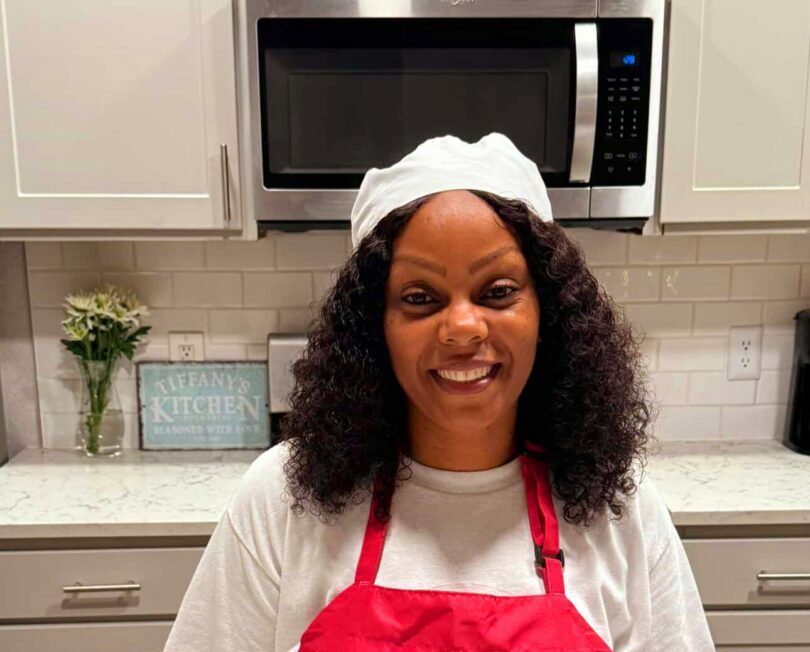
We were lucky to catch up with Karla Gomez, Ma recently and have shared our conversation below.
Hi Karla, thank you for joining us today and sharing your experiences and acquired wisdom with us. Burnout is a huge topic these days and so we’d love to kick things off by discussing your thoughts on overcoming or avoiding burnout
I identified and overcame burnout by recognizing that even with all the right external changes—switching jobs, adjusting my diet and exercise style, and distancing myself from toxic relationships—my nervous system was still in high alert. Having worked in high-stress environments like kitchens and crisis intervention centers, I was used to ignoring my body’s signals – it was always about responding to external stimuli rather than attuning to my daily capacity. It wasn’t until a serious scare, which turned out to be a panic attack rather than a stroke, that I realized something deeper was at play. I had to prioritize both mental and physiological congruence by learning about biomarkers and how my body reacts to stress & overall stimuli. This involved understanding my internal experiences and perceiving myself through the lens of baseline and threshold as a daily consideration. By focusing on these aspects, I could make decisions from a place of mental and physiological alignment and build long-term safety nets to support the deliverables I (& others) were expecting from me.

Great, so let’s take a few minutes and cover your story. What should folks know about you and what you do?
I am Karla, a professional who has navigated the complex challenges of high-functioning burnout, trauma, and personal transformation. My journey has led me to specialize in biomarker-supported care, life and performance optimization, and clinical systems development. My diverse background—from high-end culinary arts to behavioral health—has profoundly shaped my approach and philosophy.
My career began in the high-stakes world of culinary arts, where I was classically trained and served as the Executive Sous Chef at The Versace Mansion. Despite achieving notable success, I felt a growing disconnection between my career and my deeper calling. This shift became evident when I became a mother and experienced the profound loss of a loved one, prompting a realignment of my values and priorities.
To support my new direction, I pursued rigorous academic training, earning a Bachelor’s in Human Resources Management with a focus on Organizational Management, followed by a Master’s in Psychology and a Post-Master’s in Trauma Counseling. These educational experiences deepened my understanding of human behavior and trauma, allowing me to specialize in high-functioning burnout and biomarker-supported care.
My career spans various high-pressure settings, including crisis intervention, substance use detox, and all levels of behavioral health treatment. I’ve worked in locked-down environments, supported restaurant openings, and collaborated with Michelin-star chefs. These experiences have provided me with valuable insights into the dynamics of burnout and the importance of sustainable living practices.
I now offer comprehensive mental health support through AGC, providing remote assistance to individuals and family systems. As the Chief Clinical Officer for AGC & Vitality Specialist with REV, I help clients overcome burnout and redefine their approach to success, prioritizing both mind and spirit. My goal is to address core issues, helping individuals break through their perceived limitations and exceed their own expectations.
Additionally, I offer preparation and integration services for those undergoing assisted psychotherapy or plant medicine journeys. Recognizing the profound impact of these experiences, I provide guidance to ensure clients are well-prepared and supported before, during, and after their sessions. This includes helping clients set intentions, navigate their experiences with clarity, and integrate insights into their daily lives for lasting transformation.
I also provide private clinical management support for high-level individuals, leveraging my experience as Chief Clinical Officer at a seven-figure business. I focus on helping executives lead with compassion and values, cultivating a more empathetic and effective leadership style. I also form part of the Founders Board for the Miami Dade Behavioral Health Alliance which has grown to over 350+ members in just under two years.
I am passionate about working with multicultural individuals, exploring how generational influences and epigenetics shape their current selves. I particularly enjoy supporting high-functioning adults who seek a more balanced and harmonious lifestyle. My work also extends to helping women understand their biological markers, hormonal fluctuations and its impact on emotional regulation and distress tolerance.
Through a blend of scientific insights and compassionate support, I aim to empower individuals to achieve optimal health, well-being, and a fulfilling life.

Looking back, what do you think were the three qualities, skills, or areas of knowledge that were most impactful in your journey? What advice do you have for folks who are early in their journey in terms of how they can best develop or improve on these?
**Resilience and Adaptability**
Navigating high-stress environments, from the culinary world to behavioral health, has required immense resilience and adaptability. These qualities have enabled me to pivot through different careers, manage personal losses, and handle the intense pressures associated with both high-functioning burnout and executive leadership.
**Advice for Early Journeyers:** To develop resilience and adaptability, start by embracing challenges as opportunities for growth. Build a mindset that views setbacks as an opportunity to run self-inventory rather than failures. Engage in activities that push your comfort zone and practice self-compassion. Regularly reflect on your experiences to understand what strategies work best for you in navigating change.
**Prevention rather than mitigation**
My academic and professional background—spanning psychology, trauma counseling, and biomarker-supported care—has provided a deep understanding of human behavior and mental health. This knowledge has been crucial in addressing complex issues like burnout, mood disorders, and the integration of plant medicine in a preventive means rather than allowing problems to seep out of control.
**Advice for Early Journeyers:** Invest in continuous learning and professional development. Pursue relevant educational opportunities and certifications to build a solid foundation. Seek mentors & peers who can offer guidance and insight into complex topics. Engage in practical experiences that allow you to apply theoretical knowledge in real-world settings.
3. **Empathy and Compassionate Leadership**
Supporting individuals through burnout, trauma, and personal transformation requires empathy and a compassionate approach. Leading with these qualities has enabled me to effectively guide others, including executives and clients undergoing intensive therapeutic journeys.
**Advice for Early Journeyers:** Cultivate empathy by actively listening and seeking to understand others’ perspectives. Practice mindfulness and self-awareness to enhance your ability to connect with others on an emotional level. Volunteer or engage in community work to gain diverse perspectives and experiences. Develop your emotional intelligence through reading, workshops, and real-life interactions.

What’s been one of your main areas of growth this year?
In the past 12 months, my most significant area of growth has been in embracing and integrating the practice of stillness into my life. In a world that perpetually thrives on urgency and continuous movement, finding space for stillness has been both a challenge and a profound source of transformation.
Embracing Stillness
Stillness has become a cornerstone of my personal and professional development. As someone who has navigated high-stress environments and experienced the relentless pace of modern life, I realized that to truly understand and care for my nervous system, I needed to cultivate a practice of intentional stillness. This practice has allowed me to reconnect with my inner self and better manage the high-functioning burnout that often comes from a relentless pursuit of success and efficiency.
Paying Close Attention to My Nervous System: By prioritizing moments of stillness, I have become more attuned to the signals of my nervous system. By reminding myself that the nervous system is predictive in nature and its purpose is to keep me informed based on things that have happened to keep me safe- naturally, it can keep me tethered to the past! This awareness has been crucial in recognizing when I am approaching burnout or experiencing undue stress. Instead of pushing through these signals, I now use stillness to assess my mental and physical state, which helps me make more informed decisions about my well-being and work-life balance.
Discipline of Stillness: Integrating stillness into my routine has required a conscious shift in mindset. In a culture that often values constant productivity and multitasking, it can be difficult to resist the pull towards perpetual activity. However, by establishing dedicated times for reflection and mindfulness, I have developed a disciplined approach to maintaining stillness. This discipline has not only improved my self-awareness but also enhanced my overall effectiveness and resilience.
Contact Info:
- Website: aspengrowthcoaching.com, aspengrowthcoaching.com/retreats, revhumandesign.com, aspengrowthcoaching.com/integrativepartnerships
- Instagram: https://www.instagram.com/_karlagomezma_/?locale=English
- Linkedin: https://www.linkedin.com/in/karla-gomez-ma-b79789152/


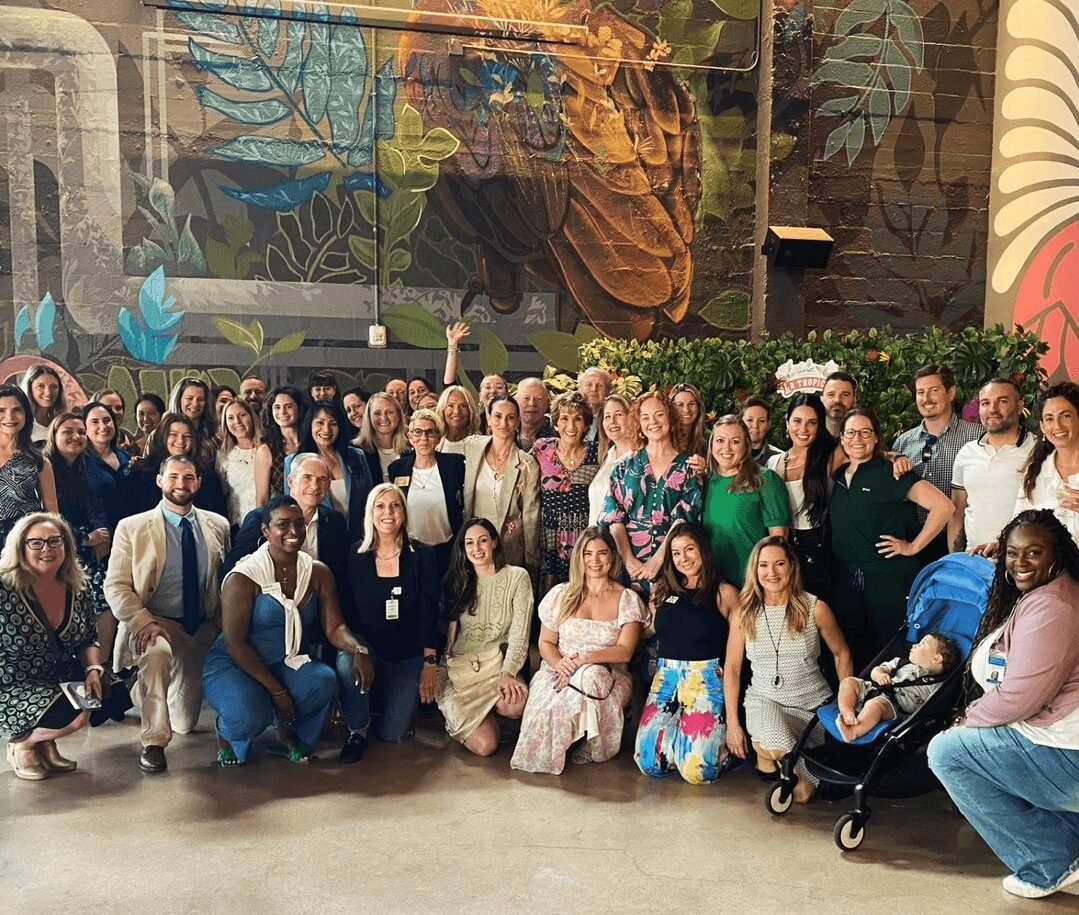
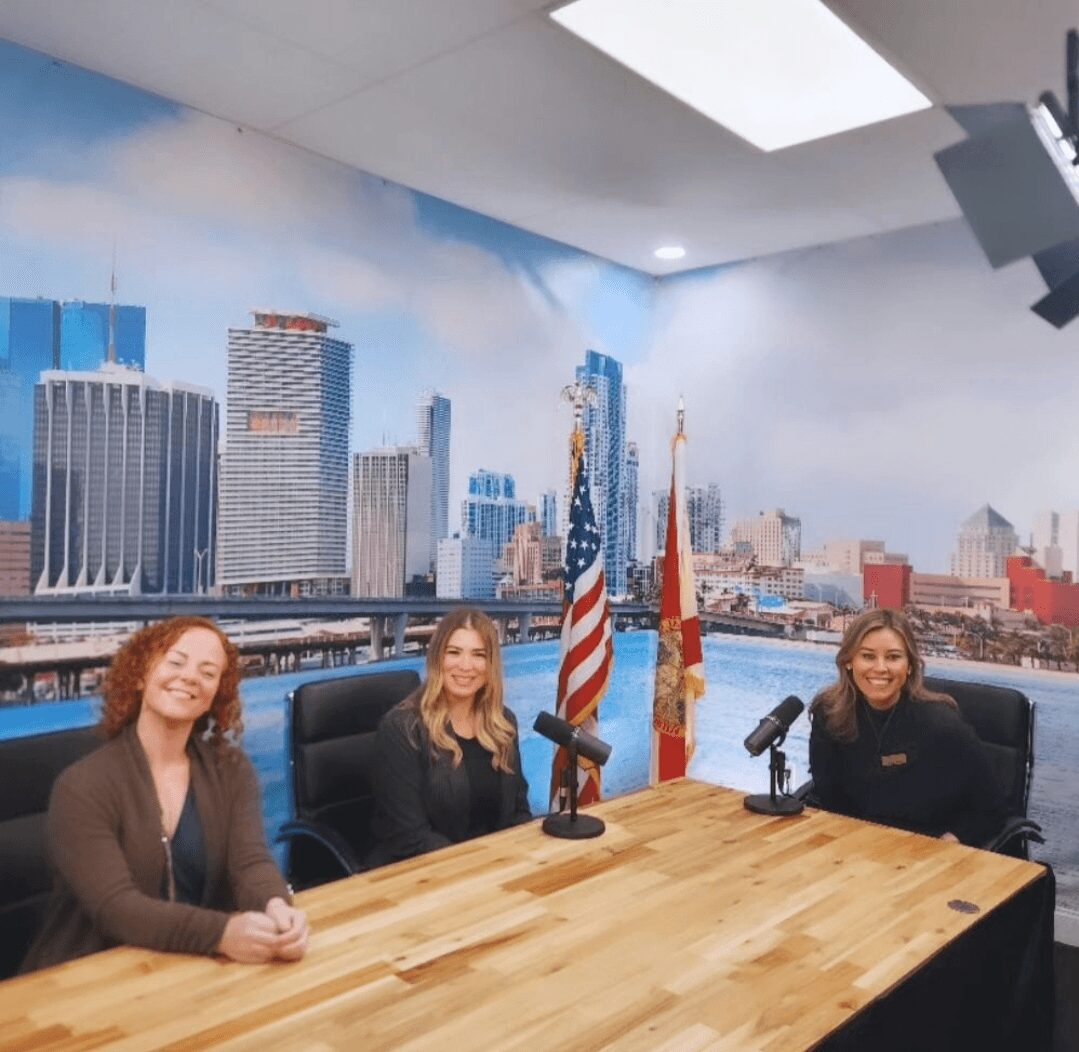
Image Credits
group photos taken with my phone
headshots done by Visuals by Damilet
so if you or someone you know deserves recognition please let us know here.