We caught up with the brilliant and insightful Karyn Krupsaw a few weeks ago and have shared our conversation below.
Karyn, appreciate you making time for us and sharing your wisdom with the community. So many of us go through similar pain points throughout our journeys and so hearing about how others overcame obstacles can be helpful. One of those struggles is keeping creativity alive despite all the stresses, challenges and problems we might be dealing with. How do you keep your creativity alive?
Finding work as a composer in the film industry can be difficult. There are a lot of new films being made all the time, but there are even more composers looking for work. It’s expected that, as relatively “newer” composers, we will all go through times of not having a gig to work on. I used to feel a lack of creativity during those times. I thought that if I did not have a project to work on, a film to watch while I composed, that there was nothing to write for. However, this led to creative stagnation, as well as a lack of practice in the technical aspects of the job. Then, when the next gig opportunity arose, I would be out of practice with the technology, but worse, I would no longer feel creative. It’s as if creativity is a muscle. If you stop exercising the creative muscle, it becomes weak, and you can’t lift the same amount of weight the next time you want to use it. If you exercise it a little everyday, it stays strong, and can become even more powerful. I’ve been working on keeping my creativity alive by finding things to write for in my everyday life, even if it’s not a film. For the past few months, whenever I have time between gigs I have been writing a playlist of short cues inspired by TTRPG characters. There isn’t anything visual to score, but I still have the inspiration of the type of character I’m writing for, just like composing a motif for a character in a film. I am also working on my first playlist for the MPATH Music Library, which is providing me the opportunity to write different types of music that I don’t normally write for film. These are like creative exercises, working my creative muscle and keeping it strong. I have found that continuing to write small cues and themes even when I don’t have a film gig helps me transition smoothly into the next projects that I book.
Appreciate the insights and wisdom. Before we dig deeper and ask you about the skills that matter and more, maybe you can tell our readers about yourself?
I have been a film composer for the past 7 years, working on short films, features, documentaries, and PSAs, as well as orchestrating, arranging, and preparing sheet music for other composers in the industry.
I love the opportunity to collaborate with so many people in different parts of the film industry. I have worked with a number of inspiring young filmmakers who are just starting to make their mark, and I can’t wait to see what they do next (and hopefully get to work with them again!). I have also worked with and for other film composers co-composing or composing additional music, and it feels like both a collaboration and a learning opportunity to witness the amazing creativity of others. Everyone I have worked with has had a unique vision and talent, and I have learned and grown as a composer and person by knowing them all. I also love to see a project come together at the end. That may seem like I’m saying “It’s great when a project is done,” but that is where you can see the magic you’ve created with your team as a whole, rather than just in cue-by-cue snippets. It’s thrilling to see how the filmmaker’s vision and my own musical choices have come together to created something entirely new.
My favorite type of music to write for film at the moment is for chamber orchestra. While writing for large, full-sized orchestras can be incredibly fun, I enjoy the challenge of making the same impact with a smaller ensemble, which I actually think can be more emotional, intimate, and even more intense. My music is not bombastic, and I think the way I write is suited well for a smaller group.
As 2024 is taking off, I’m working on several playlists in different styles to continue expanding my portfolio and repertoire of available cues, and rebuilding my website to showcase some of my recent work, including additional orchestration and sheet music preparation for the 2023 Meg Ryan film “What Happens Later” (original music by David Boman) and collaborations with Australian composer Jacquie Joy.
There is so much advice out there about all the different skills and qualities folks need to develop in order to succeed in today’s highly competitive environment and often it can feel overwhelming. So, if we had to break it down to just the three that matter most, which three skills or qualities would you focus on?
The first quality that a film composer needs to move forward in this industry is passion. This is not a career for the faint of heart or anyone who thinks it’s just something they might want to try. Any part of the film industry is competitive, time-consuming, stressful, and difficult to break into. Composing is no different. If this is not a career you are truly passionate about and willing to devote your time, effort, money, and mind to, then it isn’t for you! My path to composing for film was perhaps different than some, because I did not allow myself to follow it until I had exhausted other more conventional job options and realized they were not for me. I knew I loved film music from an early age, and I had been a musician just as long, but always went the safe route when it came to jobs. I was never happy, however, until I began composing. It isn’t easy, and if I did not love what I do I would have given up ago. My passion is what continues to drive me forward.
In the modern age of composing, technical skills and knowledge are crucial. When I decided to follow my passion and enter the film composing world, I knew I didn’t have the knowledge to back up my ideas. New composers need to be prepared to not only sink some money into quality MIDI controllers, instrument libraries, computers, monitors, headphones, DAWs, and software, but also take the time to learn how to use them all efficiently and accurately. Filmmakers now expect mockups to sound almost exactly like the final, recorded version of a score, so knowing how to create that is critical. Knowing I was lacking in some areas, I went back to school at the UCLA Extension Film Scoring Certificate Program and took an extra course via Berklee Online in order round out my skill base and be competitive in the field. As important as it is to be creative, musically talented, and full of ideas, you have to recognize and acknowledge where you have gaps in your technical knowledge and take the necessary steps to fill those gaps, otherwise you will find yourself unable to keep up with your peers.
A third quality that new film composers might not realize is so important in this career path is the ability to make and keep connections. Those could be connections with filmmakers, other composers, or anyone else in the industry. Over the years that I have been composing, I have taken every opportunity to go to networking events, screenings, classes, and any other type of mixer to meet industry professionals. By doing so, I have met a number of directors, producers, actors, other composers, sound mixers, and editors. I keep in touch with them on social media and via email so they know that I am invested in them not only as fellow industry professionals but as human beings. Many of these people I consider friends as well as colleagues, and we have helped each other make new connections and book gigs. I would encourage other new composers to do the same, and to ensure that you foster your connections rather than just writing an email address in a book and moving on.
Okay, so before we go we always love to ask if you are looking for folks to partner or collaborate with?
I am always on the lookout for new collaborators! One of the best parts of being a film composer is the opportunity to collaborate and create with other industry professionals, who all come with a unique perspective and vision for their work. Of course, I would love to work with new filmmakers who are looking for a composer for their recent projects. I always appreciate filmmakers who are open to true collaboration, who want to share their distinct ideas and musical vision but are also open to my suggestions as the music expert of the team. These are always the most successful collaborations, in my experience. My filmmaker clients can trust that I will listen to them, understand their vision, and ensure that their film turns out just how they want it, and they don’t need to know all the exact musical terminology or scoring methods to meet their goals. I’ll take care of that!
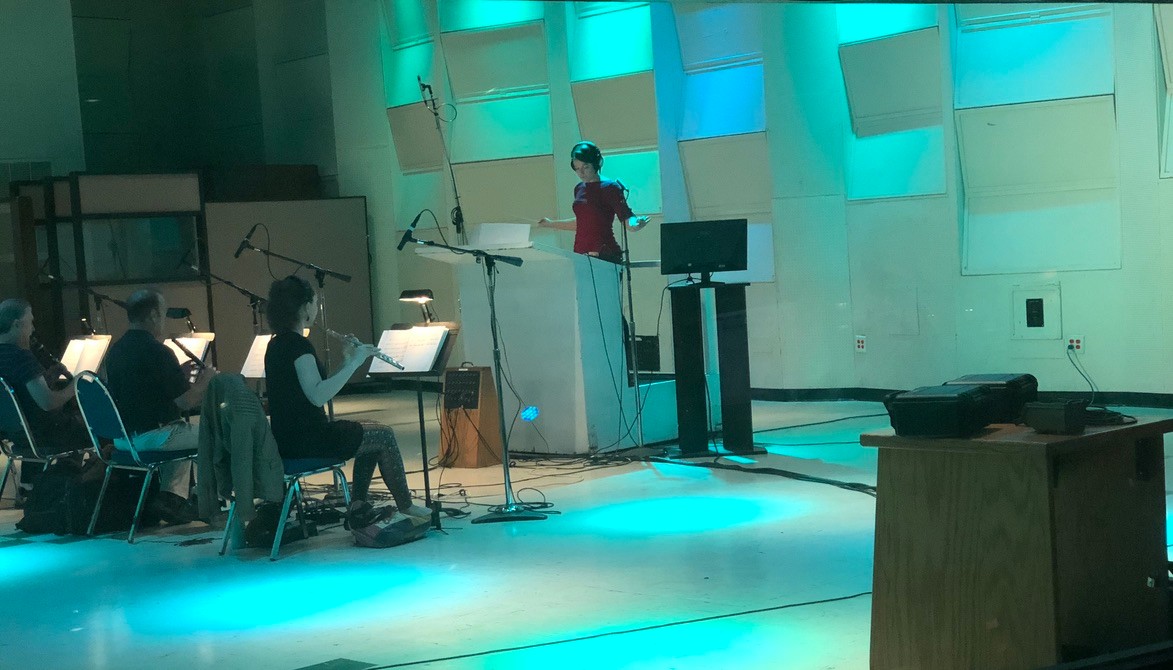
I also enjoy collaborating with other composers in various different ways. I have co-composed with and composed additional music for composers like Jacquie Joy and Kristina James, and I find the creative collaboration is a fulfilling and inspiring experience. As composers, we all have our own particular styles and preferences, and by working with each other we can expand our horizons, grow creatively, and challenge ourselves. I have expanded my own skillset over the years as well to orchestration, arranging, sheet music preparation, session preparation, and conducting. Most recently, I did additional orchestration and score preparation for David Boman’s score for “What Happens Later.” I know how much work goes into composing a feature score, and I’m happy to help take some of that massive burden off another composer’s shoulders.
Filmmakers and composers who think we might be a good fit for a collaboration can reach out to me by email at [email protected] or at my website, www.karynkrupsaw.com. I’d love to hear from you!
Contact Info:
- Website: https://www.karynkrupsaw.com
- Instagram: https://www.instagram.com/karynkrupsawmusic/
- Linkedin: https://www.linkedin.com/in/karyn-krupsaw-0883169b/
- Youtube: https://youtube.com/@karynkrupsaw4711?si=5MU1Skw1XB4VI70G
- SoundCloud: https://soundcloud.com/karynkrupsaw
- Other: Shoutout LA: https://shoutoutla.com/meet-karyn-krupsaw-film-composer-orchestrator/
Alliance for Women Film Composers: https://theawfc.com/user/karyn-krupsaw/
CanvasRebel: https://canvasrebel.com/meet-karyn-krupsaw/
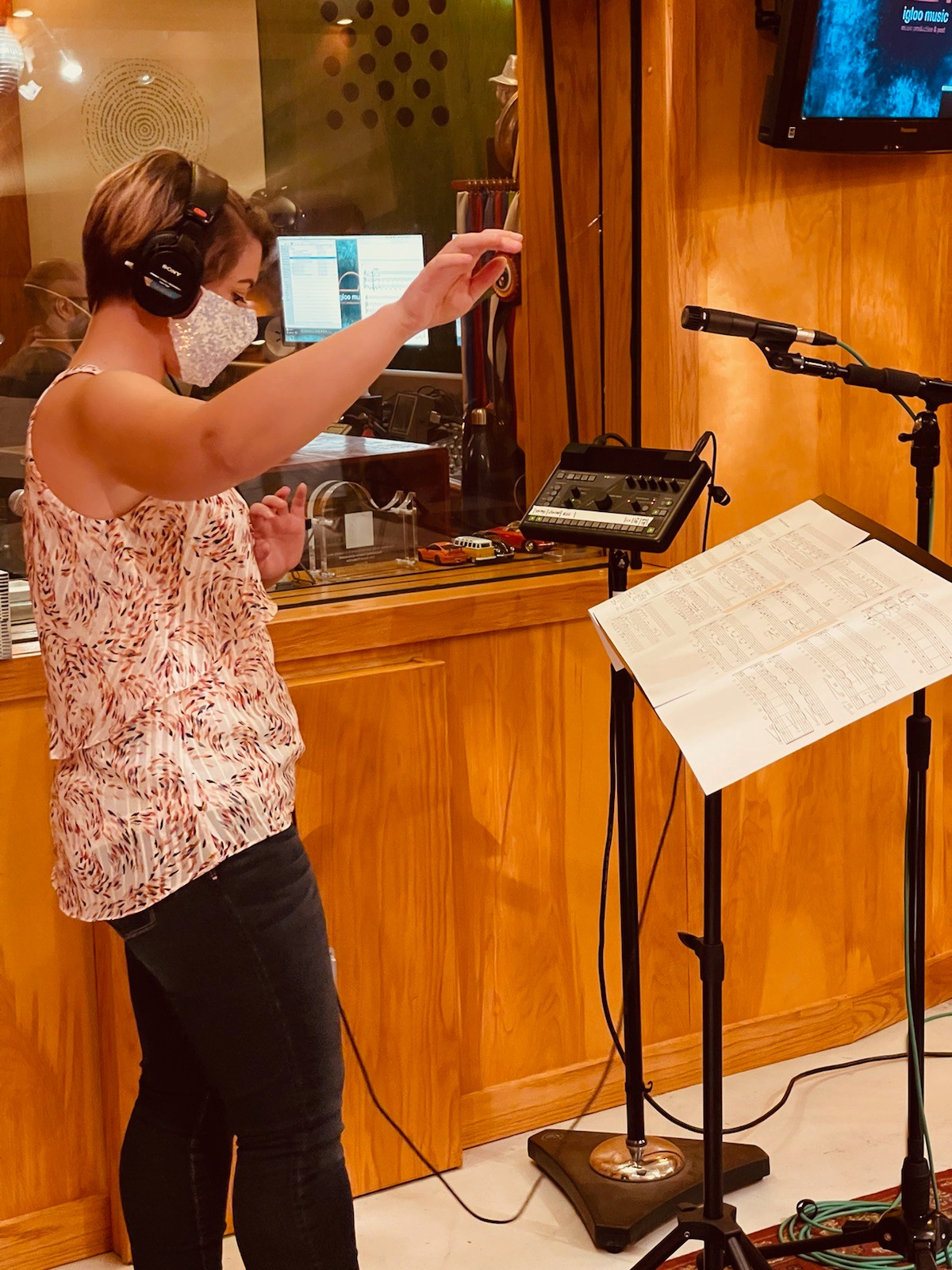
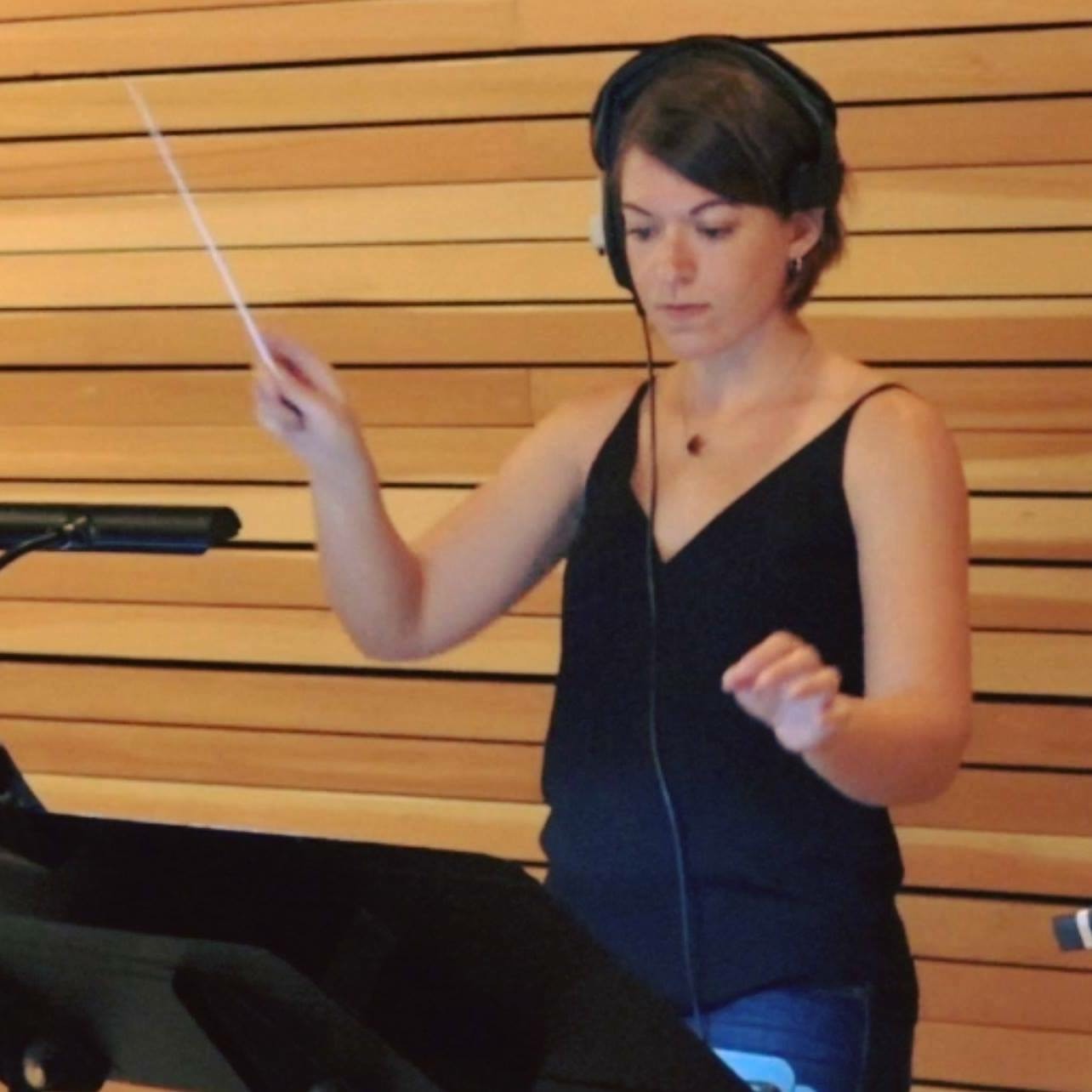
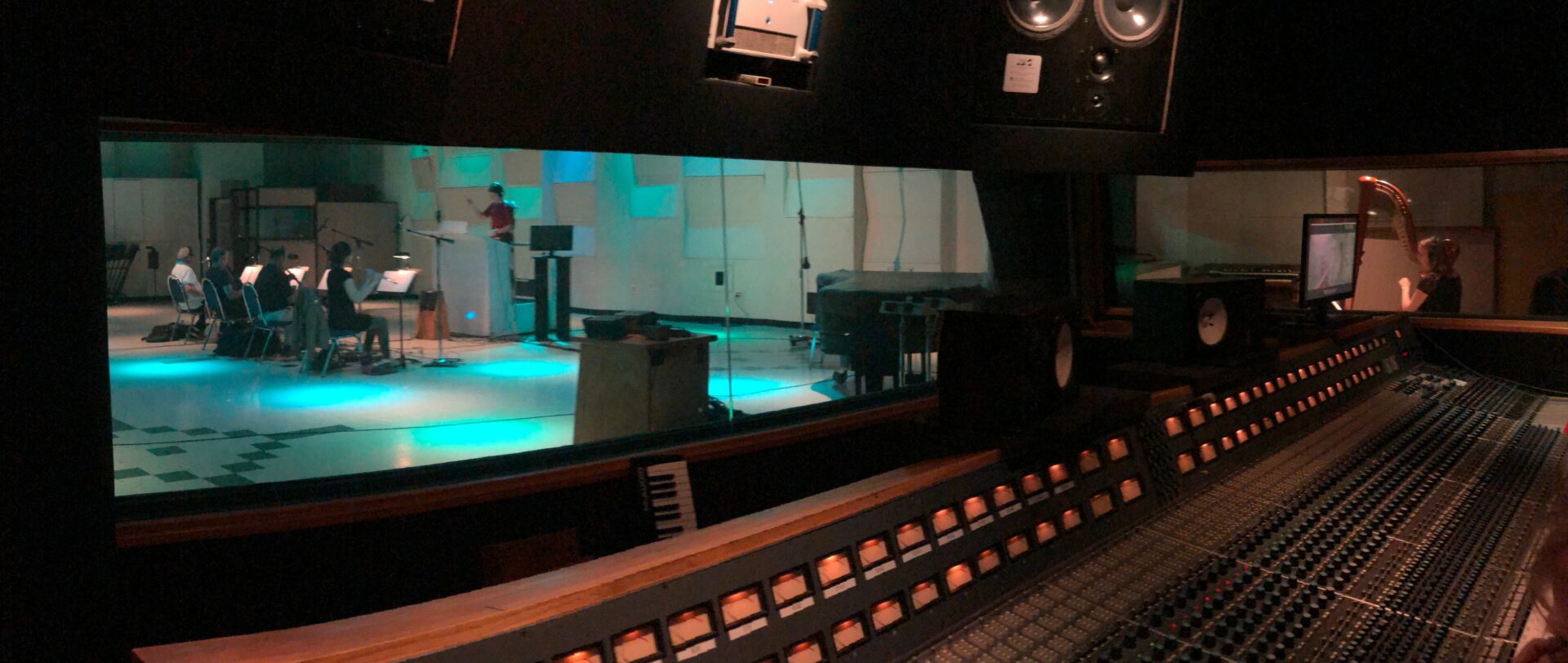
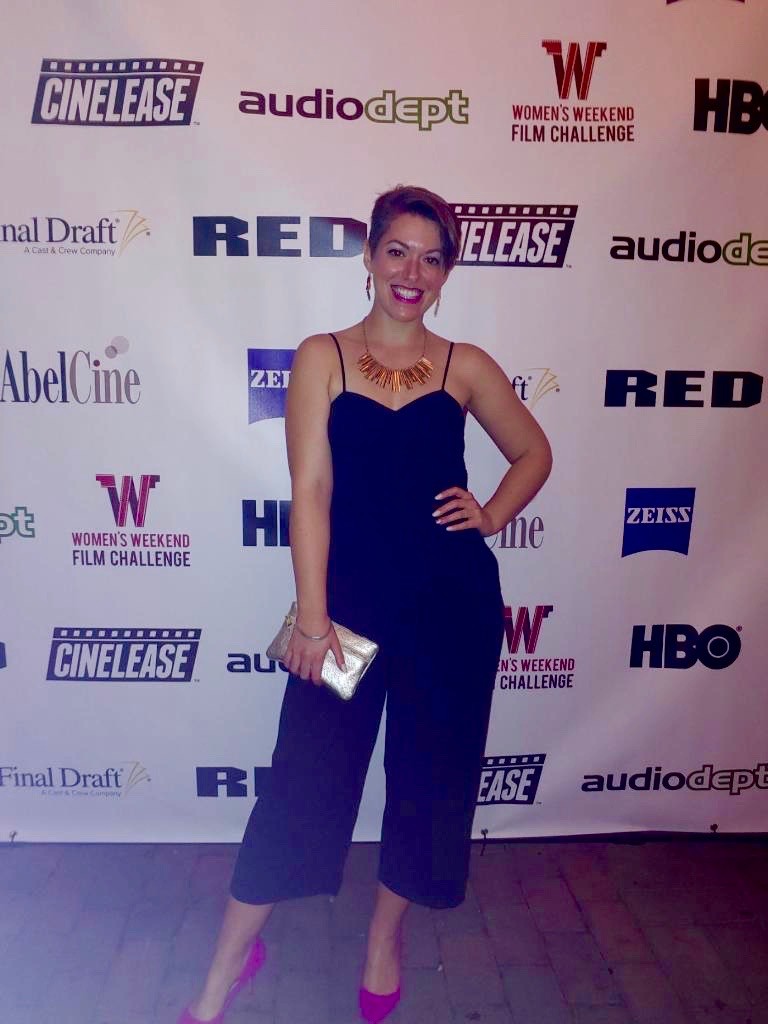
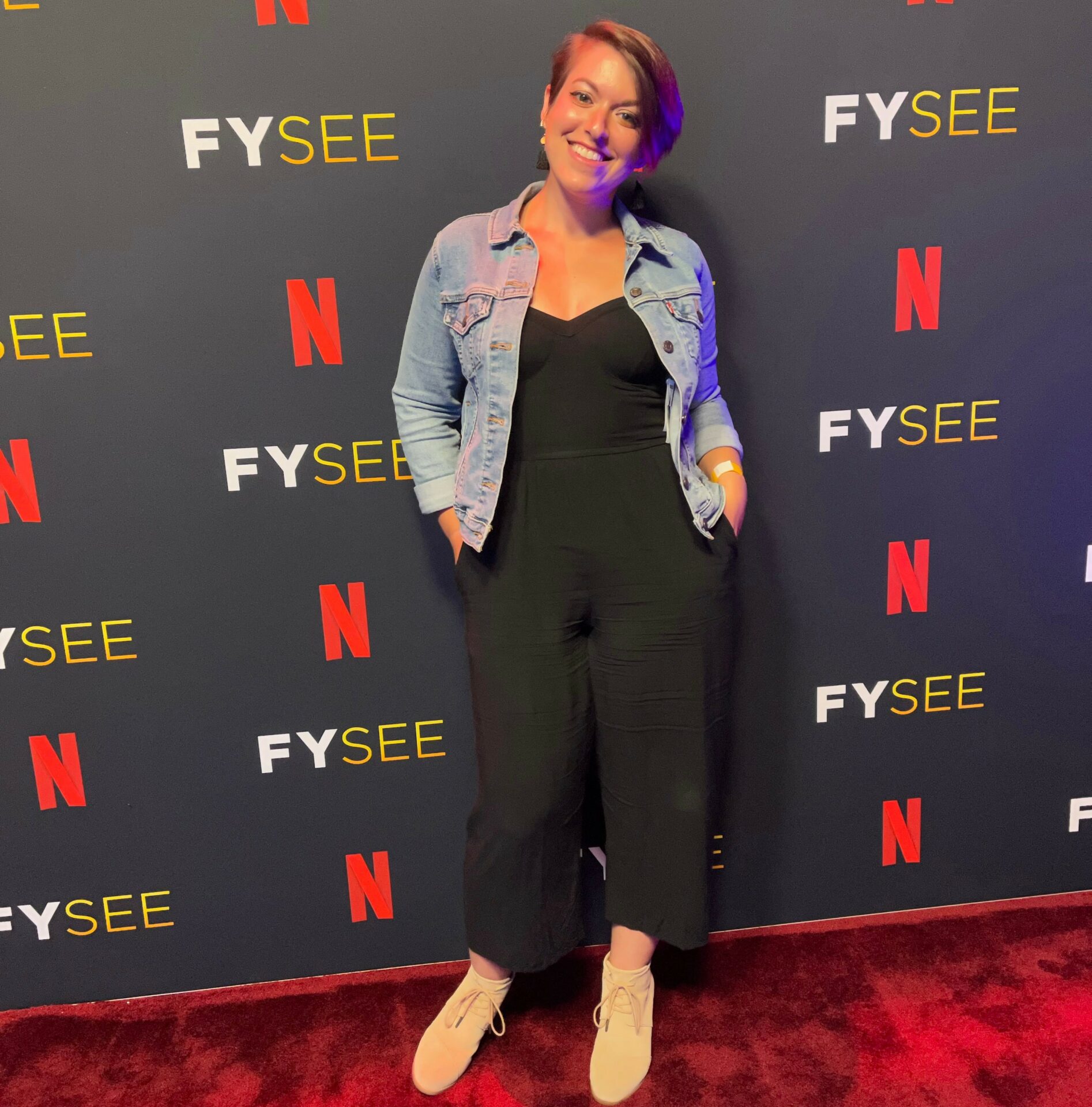
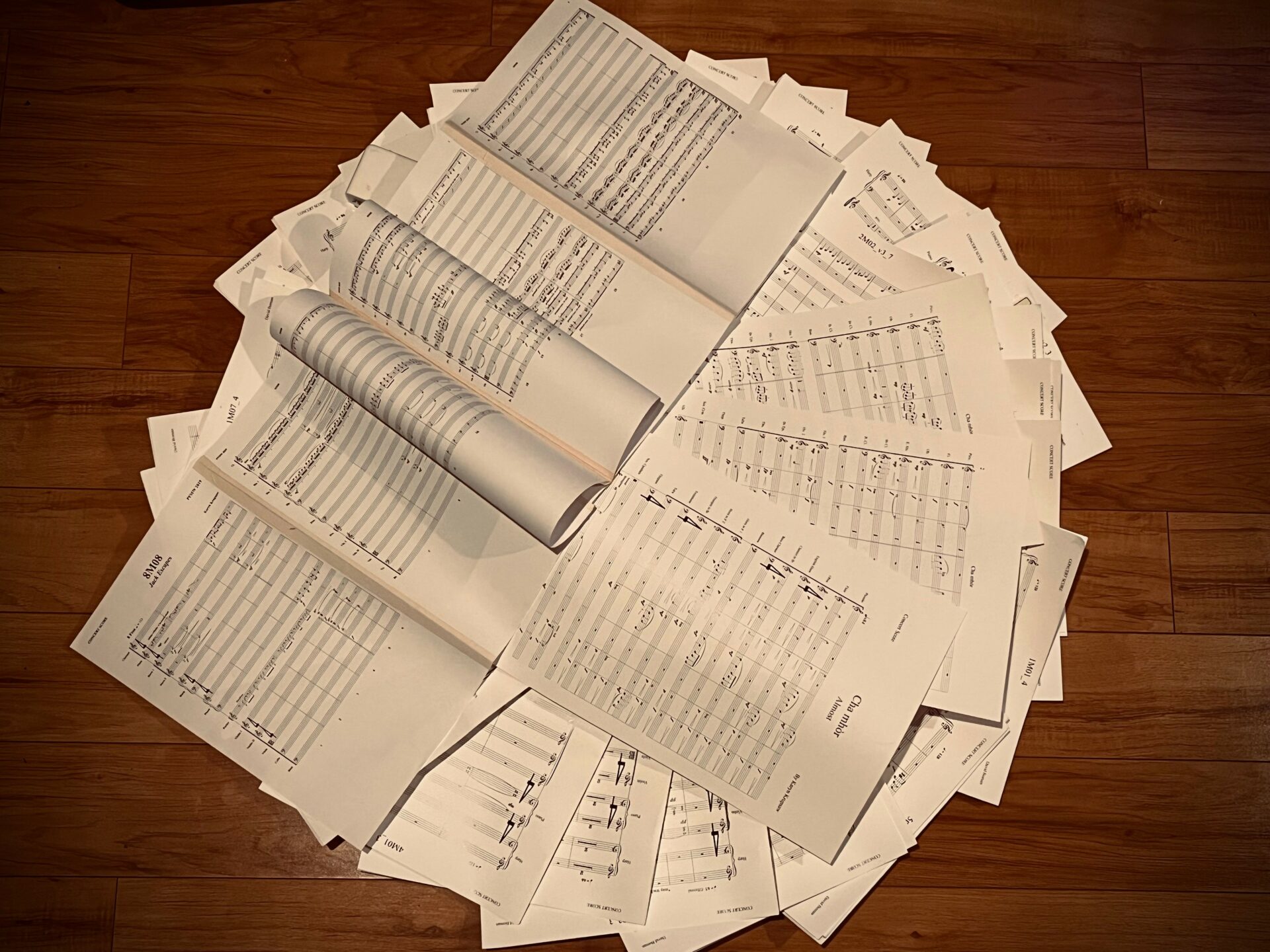
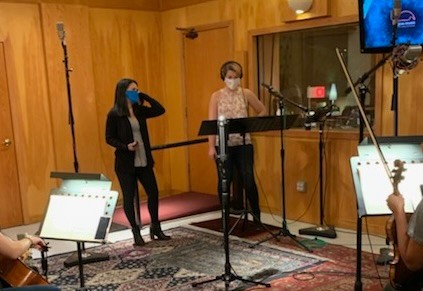
Image Credits
Kristina James Sarah Krasnianski Jane Azzinaro