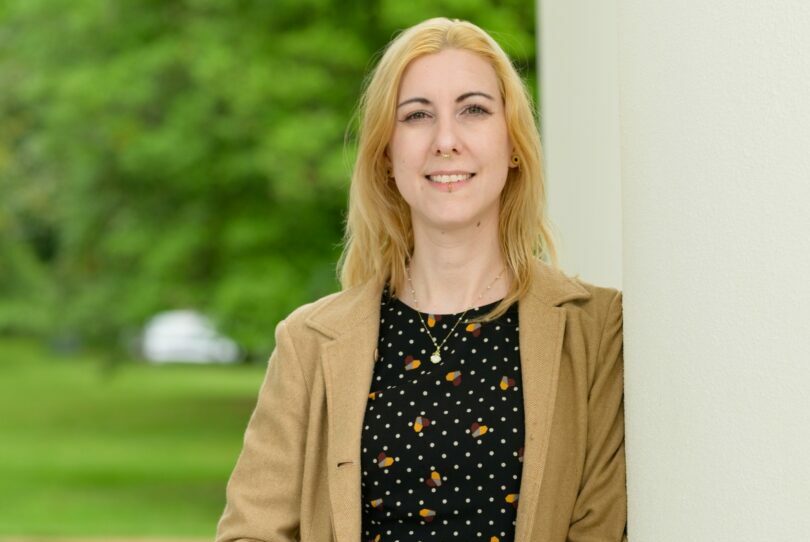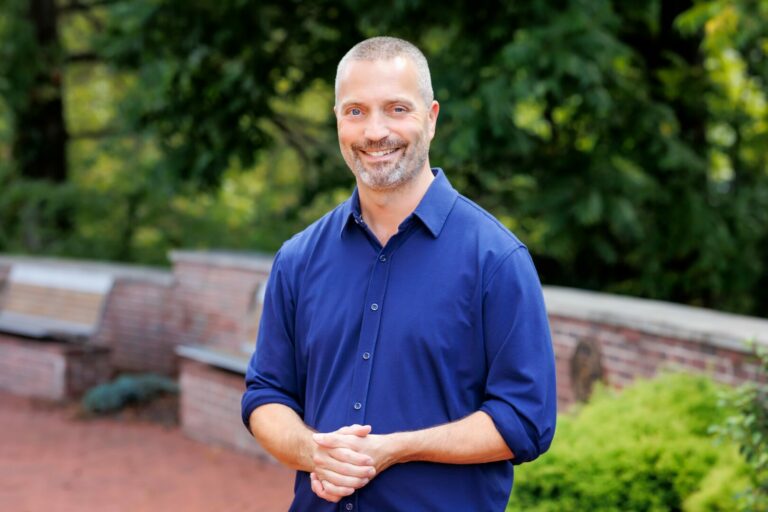
Alright – so today we’ve got the honor of introducing you to Kassandra Balandrano. We think you’ll enjoy our conversation, we’ve shared it below.
Kassandra, we are so deeply grateful to you for opening up about your journey with mental health in the hops that it can help someone who might be going through something similar. Can you talk to us about your mental health journey and how you overcame or persisted despite any issues? For readers, please note this is not medical advice, we are not doctors, you should always consult professionals for advice and that this is merely one person sharing their story and experience.
Anxiety and depression have been a part of my story for as long as I can remember. I’m no stranger to spiraling thoughts, a tightness in my chest, that choking feeling in my throat, or the intensity of a full-blown panic attack. I also know the other side of it: the numbness, the loss of motivation, the days spent rotting in bed… Woof, that sounds bleak, but it’s true! The first major step in my healing journey was naming what I was experiencing: anxiety and depression. Putting words to my struggles helped me understand them and eventually, learn how to work through them. I wish I could go back and hug my younger self; she didn’t know what was happening, but she truly was doing the best she could.
A big reason I became a therapist is because of my own experience in therapy. I’ll always be grateful for my first therapist. Her insight and gentle challenges taught me that I am worth showing up for, even when it’s hard. Over the years, I’ve also built a strong support system. When I’m in a low place, I have a partner, friends, and family who offer kindness and perspective when I’m deep in my feelings. Because I’m deeply supported and more grounded within myself, I can now show up for others in a way that’s both meaningful and sustainable. I by no means have it all figured out, but I have definitely come a long way.
Appreciate the insights and wisdom. Before we dig deeper and ask you about the skills that matter and more, maybe you can tell our readers about yourself?
As mentioned previously, I’m a therapist! Specifically, a Licensed Professional Counselor Associate in Texas. I’m the owner and founder of The Healing Cottage therapy practice, offering in-person and online therapy from my cozy corner in Austin.
I coin myself as a relationship therapist; not only do I help couples strengthen their relationships, but I also help self-critical women reconnect with themselves in a more gentle, compassionate way. I’m a big believer that our relationships with others can only thrive as much as the connection we have with ourselves. The work I do with women and couples is so special, because I get to provide a space where they can show up as their vulnerable, beautiful, messy selves. Yes, they’re on my couch because they want to see change, but my goal is to help clients see that they’re not inherently broken beings needing to be fixed, but hurt people that desire to be themselves and live authentically.
One of my recent projects isn’t actually for clients, but fellow therapists! Ileana Gonzalez and I host “Craft & Hang,” a quarterly event in Austin, TX for burnt-out therapists. I’ve always been a self-starter, so if I notice a need is going unmet, I try to see how I can fill in that gap. In this instance, it was making a space for therapists seeking connection and fun with people that understand the complexities of our career. The events are less about consultation and clinical talk, but more so creating for the hell of it, and sharing freely about what’s on your mind in a judgement-free zone. If you’re a therapist, I hope you’ll join us!
Looking back, what do you think were the three qualities, skills, or areas of knowledge that were most impactful in your journey? What advice do you have for folks who are early in their journey in terms of how they can best develop or improve on these?
As a late-diagnosed ADHDer, I’ve come to learn that I give all my attention to the things I’m interested in, from Animal Crossing to crocheting. Deciding to open my own private practice was no different. Some may call it hyperfixation, but in this case I call it grit, mainly because starting a business is no joke. There are a lot of logistics involved that I was less than enthusiastic about doing. BUT, because I cared so much about the end result, to me it was worth enduring the boring or frustrating parts (I’m looking at you, business bank account). So, the first quality I would highlight is grit.
Acceptance has also been an important mindset shift in the journey of becoming a business owner. As a recovering perfectionist, it’s easy for me to get bogged down when things don’t go the way I hoped or planned them to. From the moment I decided to open my own practice, I told myself that there was going to be a learning curve, and mistakes will be made. My hope was that if I set that expectation from the start, I could push through the disappointing moments that would ultimately come, and trust me, they have. Accepting the journey for what it is has helped me laugh after I cry and move forward with more ease. I still have moments where I want to quit it all and just live a simple life raising chickens on a farm, but most days I’m really grateful that I live somewhere I can pursue this dream so early in my career.
Lastly, I think my willingness to ask for help has been a large contributor to opening my practice. When my journey began, I knew I didn’t have the skills or experience to express myself in a way that genuinely reflected who I am, while also reaching the intended audience. I decided to go through a 16-week website copy and marketing program through Walker Strategy Co., a marketing group that specializes in helping therapists curate meaningful content. Could I have figured out website copy, SEO, and niching on my own? Sure, but it would have taken 10x more effort and a lot of extra time. Also, you gain so much when you have a network of people to support you. I’ve made so many great connections just because I was willing to ask questions and learn from others.
Awesome, really appreciate you opening up with us today and before we close maybe you can share a book recommendation with us. Has there been a book that’s been impactful in your growth and development?
“Embodying Integration: A Fresh Look at Christianity in the Therapy Room” by Megan Anna Neff & Mark R. McMinn is a book I often think of, especially when meeting with clients for the first time. Part of the book covers lament and why it is so vital that clinicians prioritize understanding and togetherness when clients share their pain with us.
While I value relationship over practicality in my therapeutic approach, it is counterintuitive to my natural rhythms. I grew up being a “fixer,” doing everything I could to amend whatever emotional turmoil the person next to me was going through. This book taught me that sitting with someone in their suffering can have a greater impact than trying to resolve it for them. From a faith-based perspective, it can show a client that their pain is not too big a burden to share with others, including God. The authors put it this way:
“When we shy away from lament with our patients, might we inadvertently be reinforcing their ideas that God cannot handle such a thing? How might it look different to lean into lament, fully assured that God is prepared to hear and hold our anguish without fleeing or retaliating? At the same time, if we disallow, disembody, or neglect the formfulness of lament, we may inadvertently be encouraging a tepid sort of hope that presumes relationship with God to be so fragile that concerns are disallowed, and quarrels not possible.”
Neff & McMinn, 2020
When I meet with a client for the first time, I have the opportunity to show them that their story deserves to be told unedited, unscripted, and without immediate correction. It fosters a strong, therapeutic relationship, which has been empirically shown as a strong predictor of a successful therapy experience. While problem-solving and skill building is a part of the process, they are not the main factors for healing— connection is.
Contact Info:
- Website: https://www.thehealingcottagepllc.com/
- Instagram: @thehealingcottagepllc
- Facebook: https://www.facebook.com/61575302590384
- Other: https://www.psychologytoday.com/profile/1508917
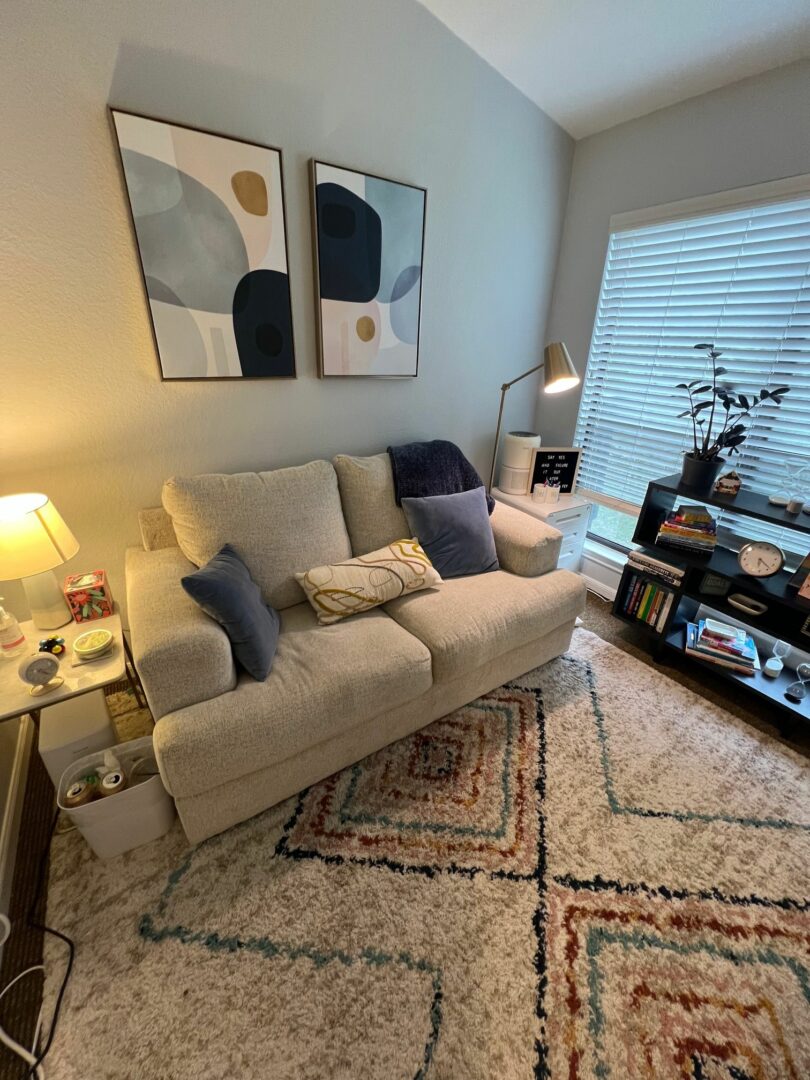
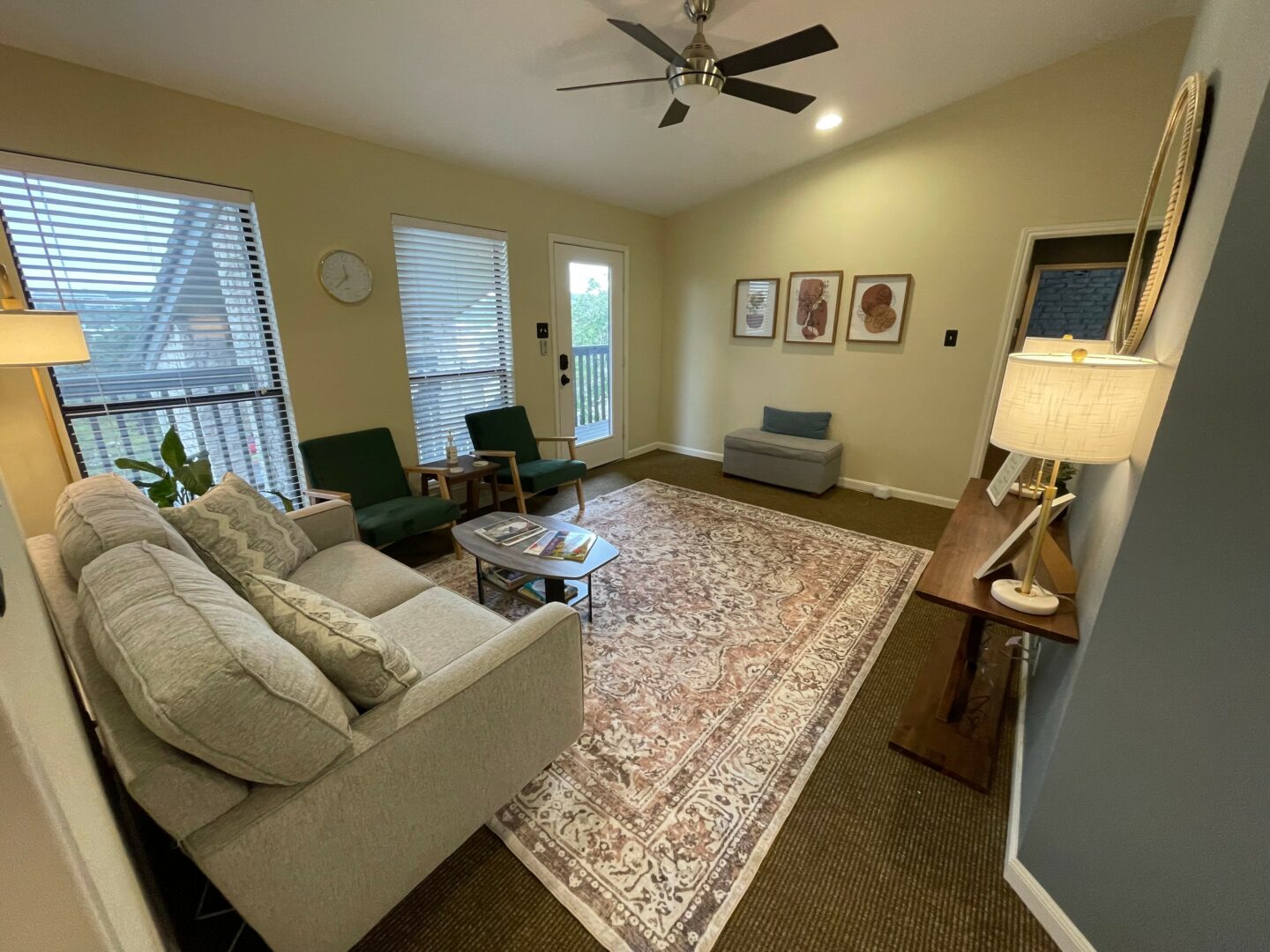
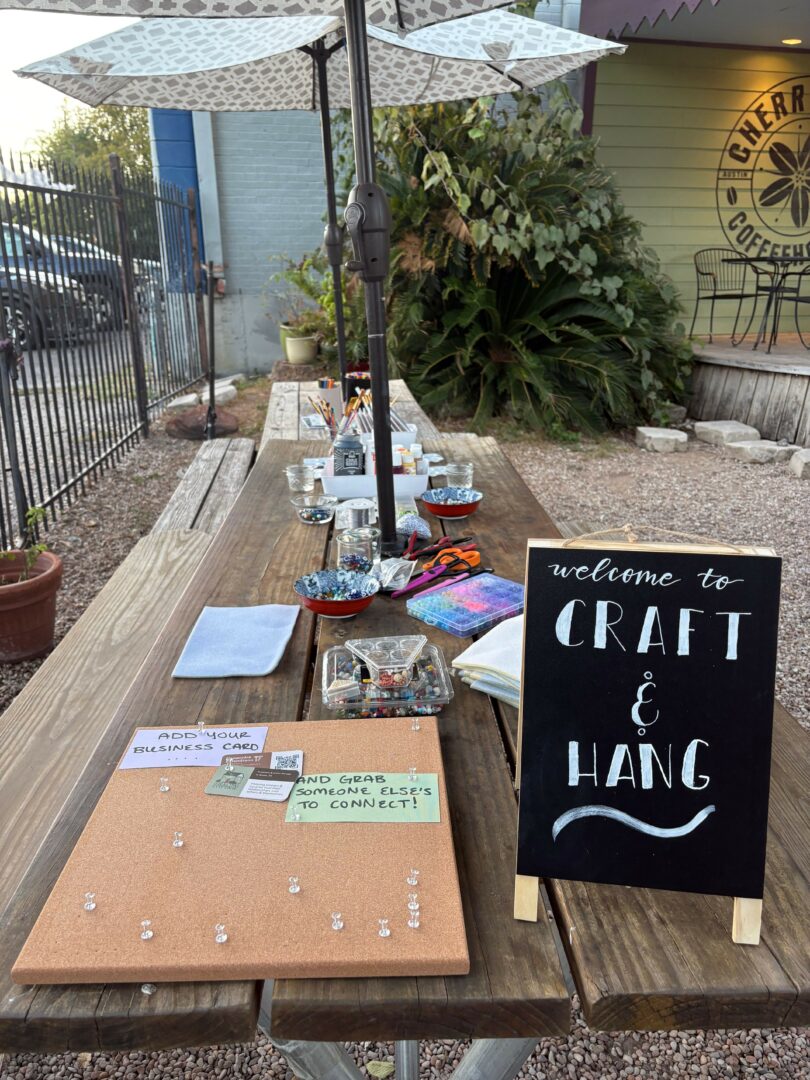
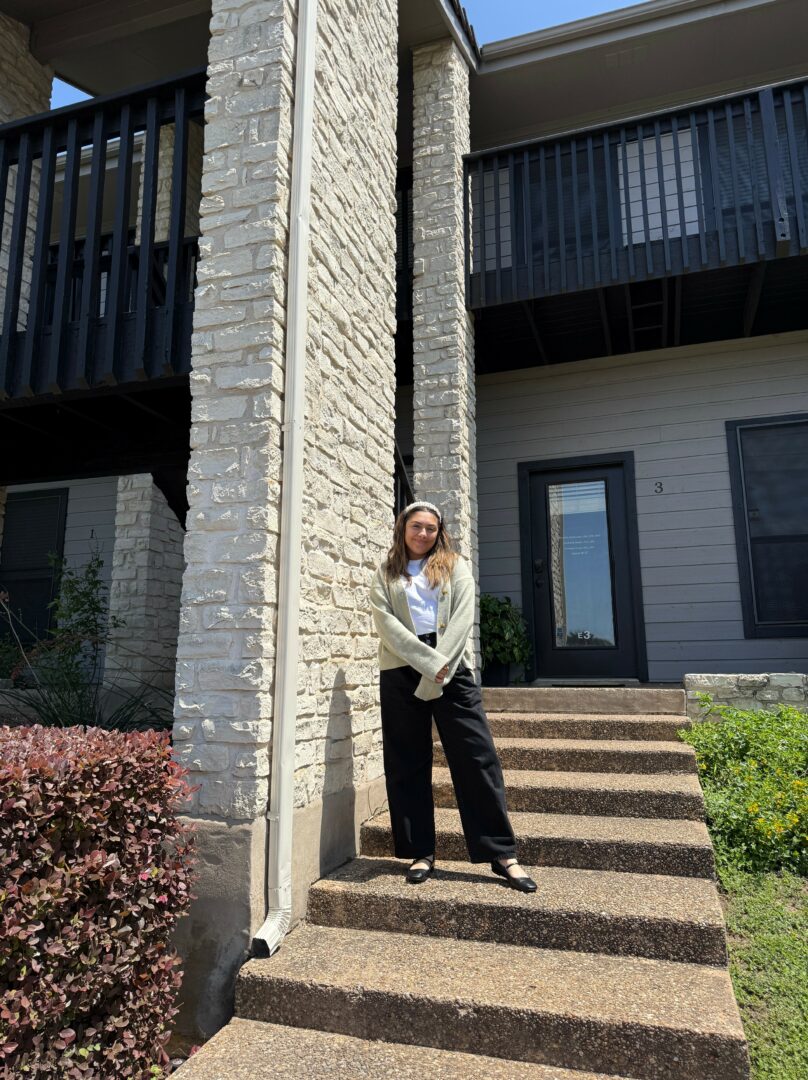
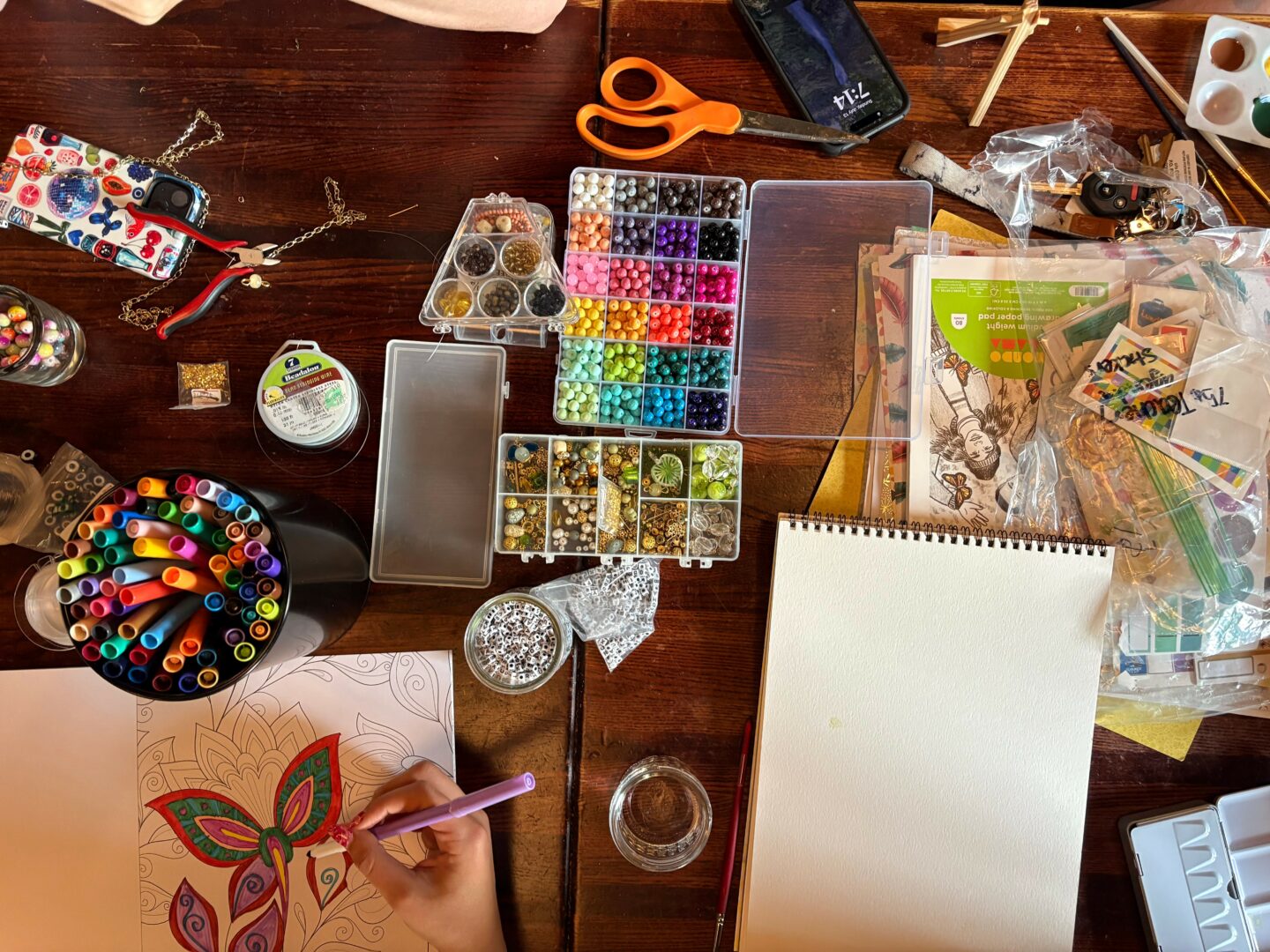
Image Credits
Wren Frazier Photography