We recently connected with Katie Jackson and have shared our conversation below.
Katie , appreciate you making time for us and sharing your wisdom with the community. So many of us go through similar pain points throughout our journeys and so hearing about how others overcame obstacles can be helpful. One of those struggles is keeping creativity alive despite all the stresses, challenges and problems we might be dealing with. How do you keep your creativity alive?
I believe creativity comes from within and without and it needs to flow in both directions to stay alive and to thrive. For me, that means having both time with other creative souls and time alone in the company of my own creative ideas and work. That’s not an easy feat to accomplish, especially those of us who have family, pets, work, pet projects, dear friends, and other beloved responsibilities constantly calling to us. But I work hard to carve out creative time and opportunities whenever I can.
One way I do this is by spending as much time as possible with other creative people. I’m involved in two local writing/art groups (The Mystic Order of East Alabama Fiction Writers and Art Pi), both of which have been meeting for decades and both of which offer chances for us all to share ideas and work, food and drink, and most of all support one another. I also try to slip away from home once a year, ideally for a week but even a few days is helpful, just to be alone somewhere in or very near nature. Sometimes I borrow a friend’s cabin and sometimes I go to state park or rent an inexpensive VRBO. But my favorite place of all is the Lillian Smith Center for the Arts, a former girls’ camp-turned-artists’ retreat in the north Georgia mountains where the cabins have been converted into cozy one-person efficiency-style spaces for writers, musicians, dancers, visual artists, and other creatives to work undisturbed. Last but not least, I seize every opportunity I can to experience the work of other creative people: I constantly read and listen to music, audiobooks, and podcasts and I also go to live performances of all kinds (theatre, music, etc.) and attend art shows and readings. Seeing and experiencing the work of others always inspires and educates me, but I also believe it is vital that we all support one another as much as possible.
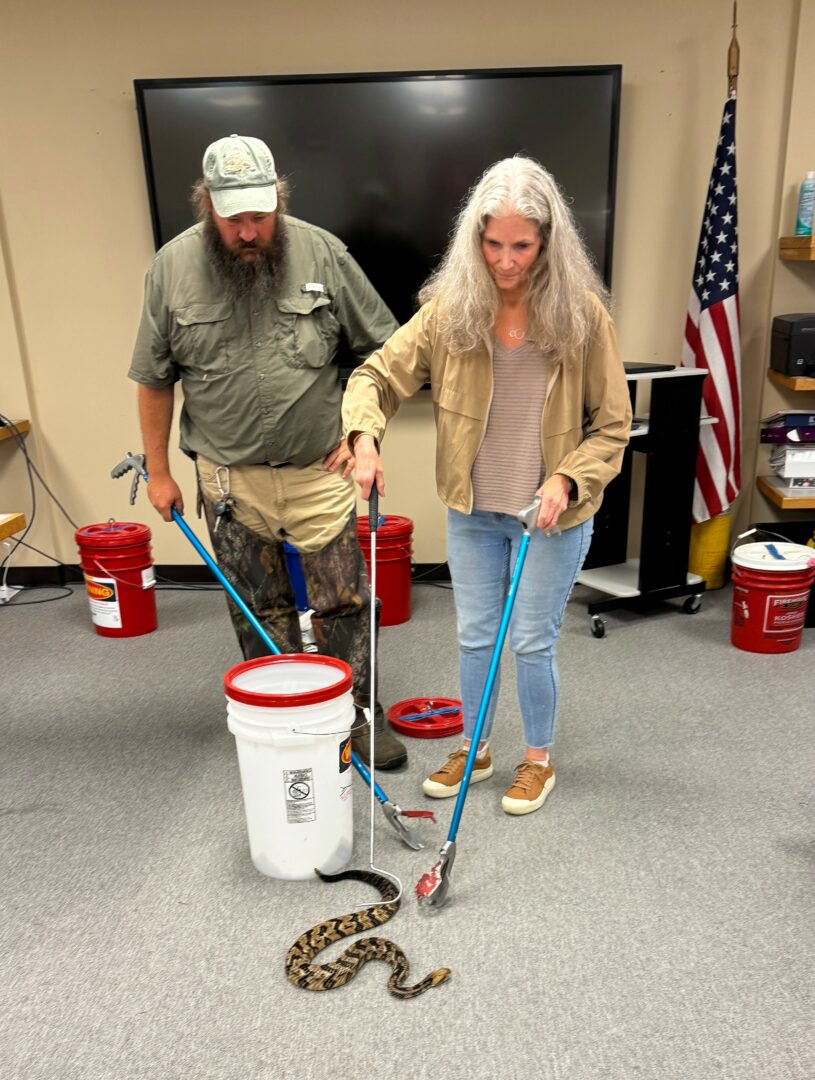
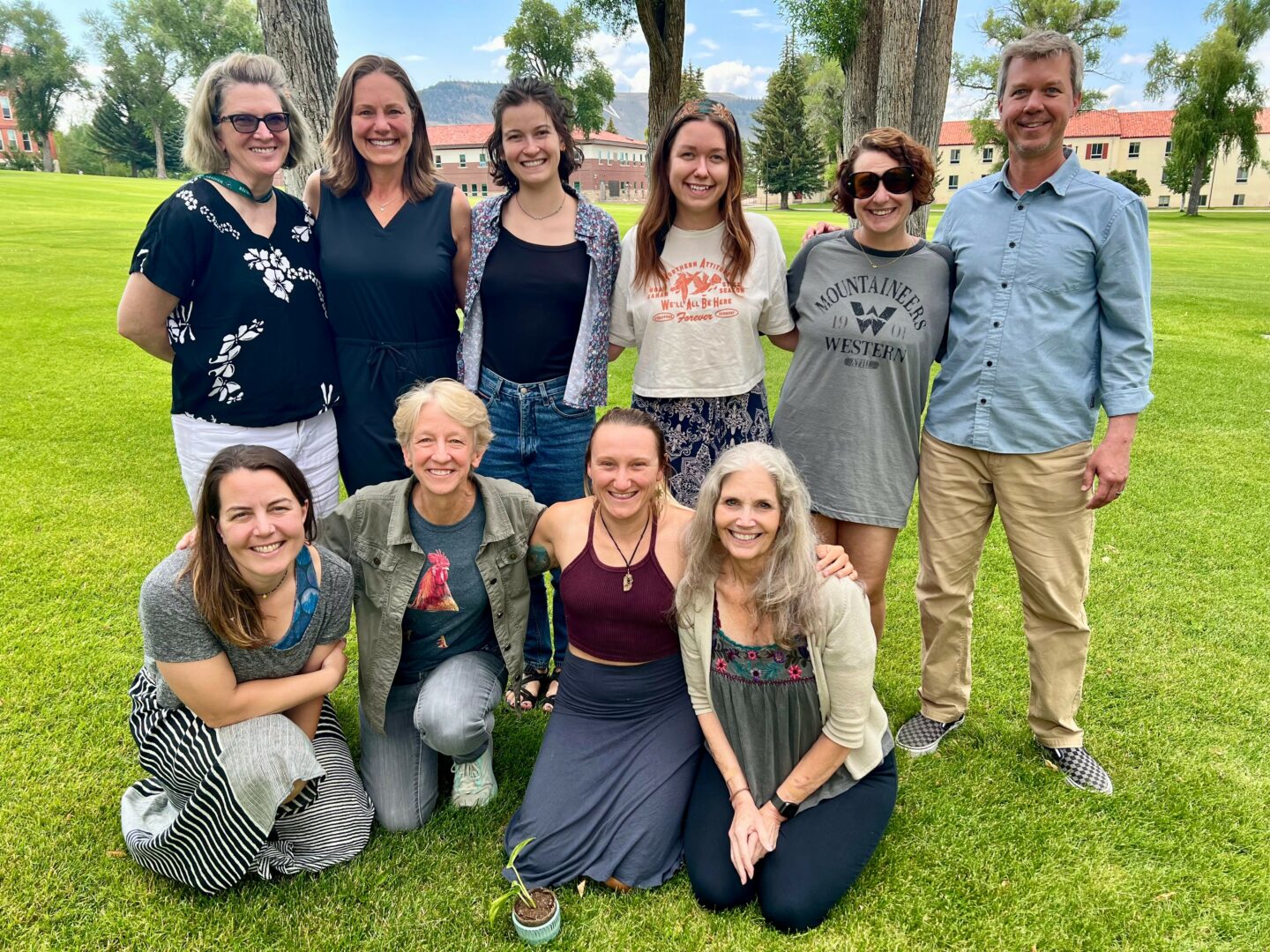
Let’s take a small detour – maybe you can share a bit about yourself before we dive back into some of the other questions we had for you?
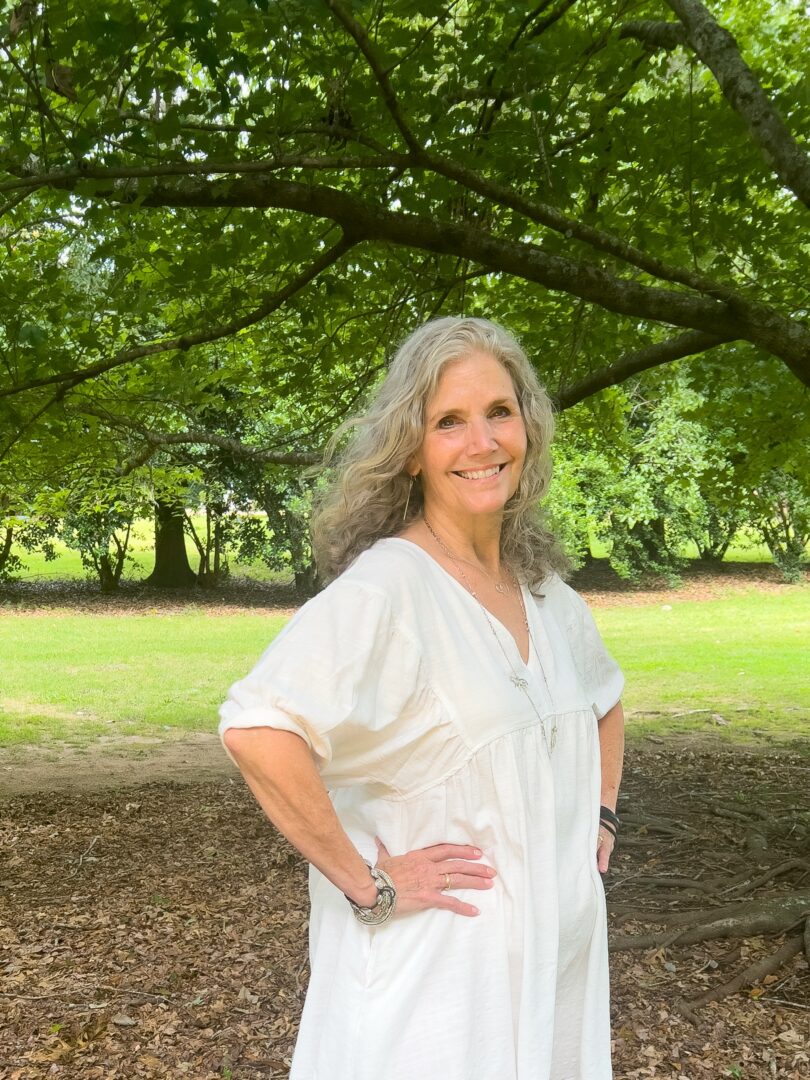
I’m a writer and photographer who’s spent the past four-plus decades using words and images to tell stories (mostly true ones) about the world around me. While I’ve covered a wide range of topics in my career, the bulk of my work has focused on the natural world—the environment, wildlife, land use and stewardship, the sciences, farming, and rural culture. I’ve also focused on stories about the many intriguing people who inhabit this planet: accidental environmentalists, moon-struck umbraphiles, a one-eyed fortune teller, a Vietnam War hero, and snake handling preachers to name a few.
My affinity for storytelling, like my passion for the natural world, is rooted in my Alabama upbringing: my family placed great value on the land and nature but also on storytelling, writing, and the arts. It’s no wonder that, for as long as I can remember, I’ve wanted to write and create visual stories about the natural world and spend as much time as possible in the out-of-doors. I feel incredibly fortunate to have had a long career doing just that. And I’m even luckier because this career has given me chances to wander and explore amazing places across North America and across oceans (Uganda, South Africa, Costa Rica, Chile, Argentina, Australia, New Zealand, The Galapagos, and Ireland’s Wild Atlantic Way to name a few). Working in a variety of roles—journalist, science writer/editor, communications specialist, educator, book author—I’ve been able to produce and publish a significant body of work including thousands of news and feature articles (many accompanied by my photos), a smattering of more “creative” works (essays, poems, and short stories), and I have authored or co-authored more than a dozen books. (The most recent is a collection of essays done in collaboration with three of my nearest and dearest writer friends entitled Old Enough: Southern Women Artists and Writers on Creativity and Aging.)
Granted, this storytelling life, like any life, hasn’t always been easy—I’ve experienced loss, disappointment, frustration, heartbreak, crises of confidence, and I’ve faced other challenges such as rearing three children as a single parent. But it has been a rich life, made richer because I’ve always had storytelling and the natural world to sustain and support me.
I’ve also always known that my challenges pale in comparison to those faced by so many others—humans and nonhumans alike—with whom I share this planet. And now, as social, political, and environmental chaos escalates here in the U.S. and beyond, I know those challenges will only increase and affect not just current generations but generations to come. For all my career, I’ve tried to make some difference, however small, in this world but now as a person of a certain age (sixty-six), I see so much left to do and know that time’s a wastin’ to get it done. Still, I’ve struggled to figure out just how my life and work experience can be helpful to a greater good and I’ve also felt that, despite all my years working in this profession, I’m still not the storyteller I want and need to be.
Last year my deep desire to BE better and DO better led me to do something I never expected to do: go back to school. As I explored my options, I wanted to find a program that would help me become a better writer and storyteller and where I could find a community of passionate, compassionate, big-hearted people. I also wanted to experience new ideas and perspectives and to join my voice and talents with others who also cared deeply about the natural world and creating a kinder, more nurturing society. I found all of those things and more some 1,500 miles away from my home in Alabama at Western Colorado University’s Graduate Program in Creative Writing, where I am working on a low-residency MFA in Nature Writing. Now in my third semester of classes, I have already learned so much about my craft and myself and I am deeply grateful to be part of this supportive, generous, mind-expanding group of professors and students. As I look at the chaos surrounding us all and see it expanding daily, they give me hope that, together, we can help mitigate the damage—current and future—and perhaps help ensure that future generations of human and nonhuman creatures have the chance to live safe, productive, and meaningful lives.
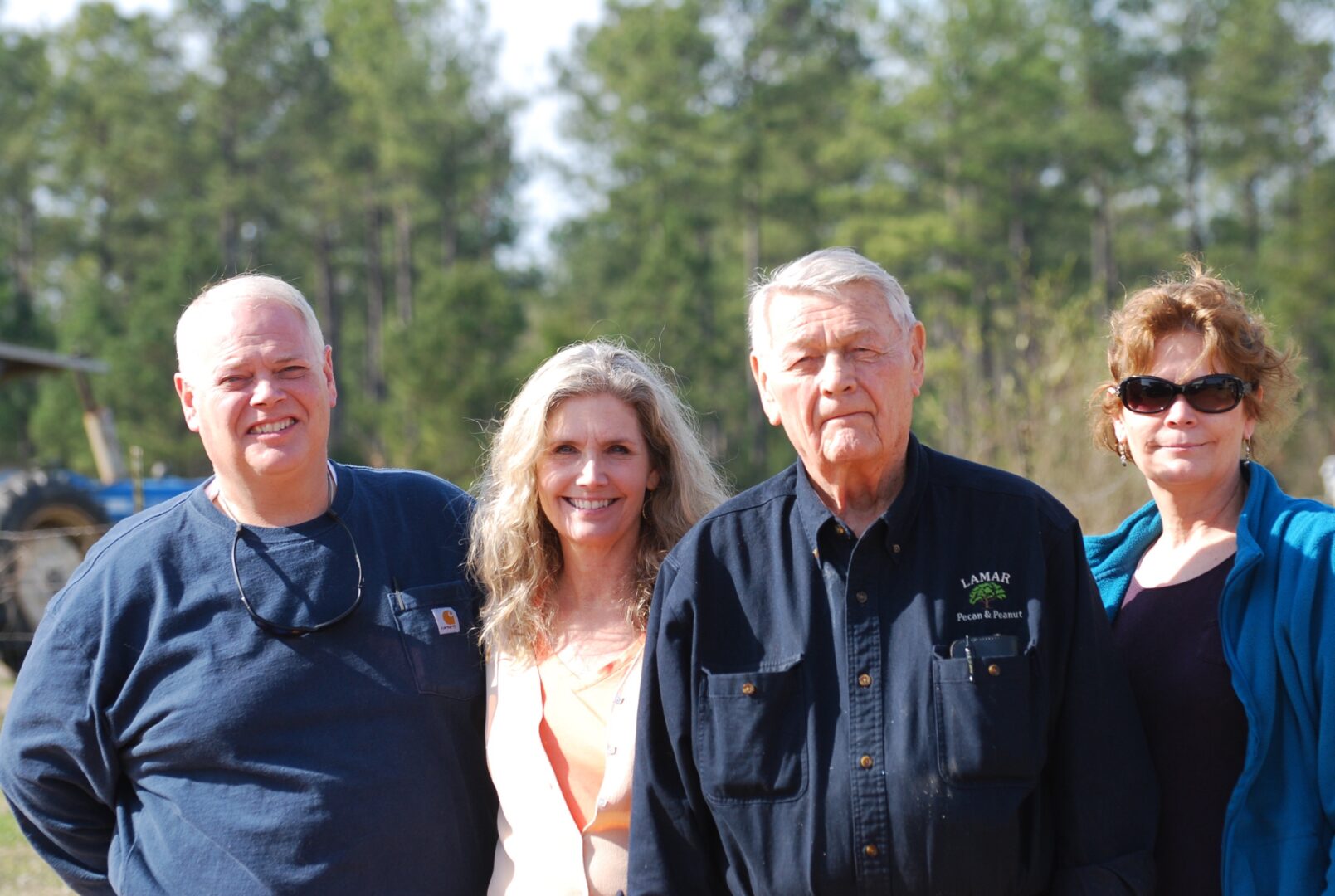
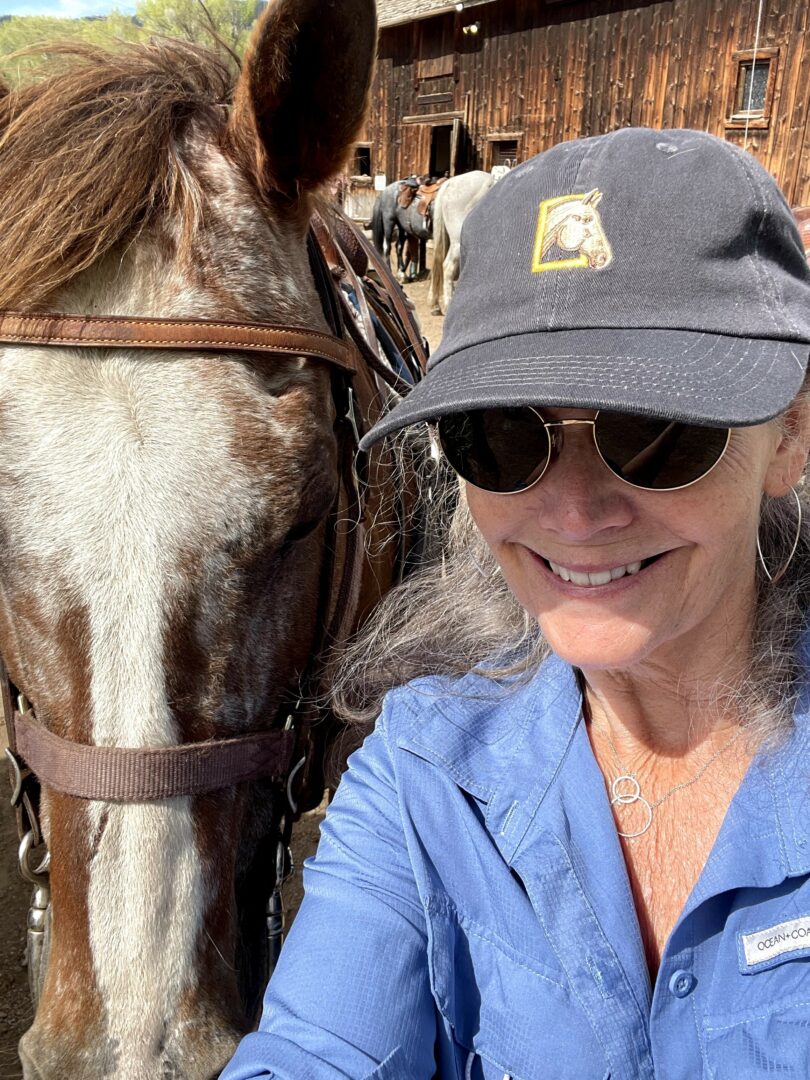
Looking back, what do you think were the three qualities, skills, or areas of knowledge that were most impactful in your journey? What advice do you have for folks who are early in their journey in terms of how they can best develop or improve on these?
I believe my three most important qualities are a passion for what I do, a desire to never stop learning and discovering, and a belief that to be human means to be in a constant state of change and evolution, which for me means constantly trying to expand my heart and mind for as long as I live.
My advice to anyone of any age and stage of life is to first determine what matters to you most—the people, ideas, causes, places, lifestyles, etc. that resonate with you deeply— then pick one (or more) and let it (them) inform and lead your life and career decisions. Also, don’t ever let yourself feel trapped in place or on a particular path. There are so many ways to approach life—professional and personal life—and you’ll be happier and more enriched if you’re open to exploring new and different paths. Also, never stop learning and most important of all, develop a network (coterie) of like-minded and like-hearted people who share your dreams and values and will help you along the way.
What is the number one obstacle or challenge you are currently facing and what are you doing to try to resolve or overcome this challenge?
My greatest challenge is learning to trust and believe in my own ideas and talents, especially when I am trying new things.
So many times in my professional and personal life I’ve not put my ideas, stories, and self “out there” because I feared I wasn’t good enough or because it felt arrogant to even assume I might have something to offer. I’m not particularly shy, but I find it hard to step out of my comfort zone and my “place.” It doesn’t help that I was also brought up to be humble, unassuming, and polite, which are not necessarily bad characteristics except I take them to an extreme. For example, I have an almost pathological aversion to self promotion or writing about myself (the journalist in me thinks I should report a story, not BE the story), which limits my ability to put my stories and voice out into the world.
I may never fully get over these fears and insecurities, but I do want to overcome my sometimes-crippling hesitancy and I want to become a braver human being who is confident enough to tell harder stories and to share my point of view. One big reason I decided to go back to school for an MFA is because I believed it would help me build not must my skills as a writer but also my confidence and courage. And I was right! Though I’m just in my first year of school, I’m already feeling braver thanks to the support and guidance I’m getting from my amazing fellow students and professors at WCU! And I also try to constantly remind myself that I can’t make a difference if I don’t step up and step out.
Contact Info:
- Website: www.oldenough.org; https://katielamarjackson.wordpress.com
- Instagram: @kljwrites
- Facebook: katie.jackson.77715
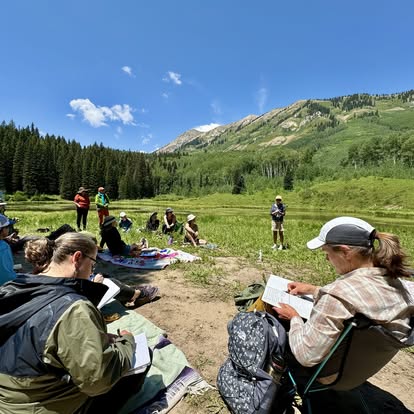
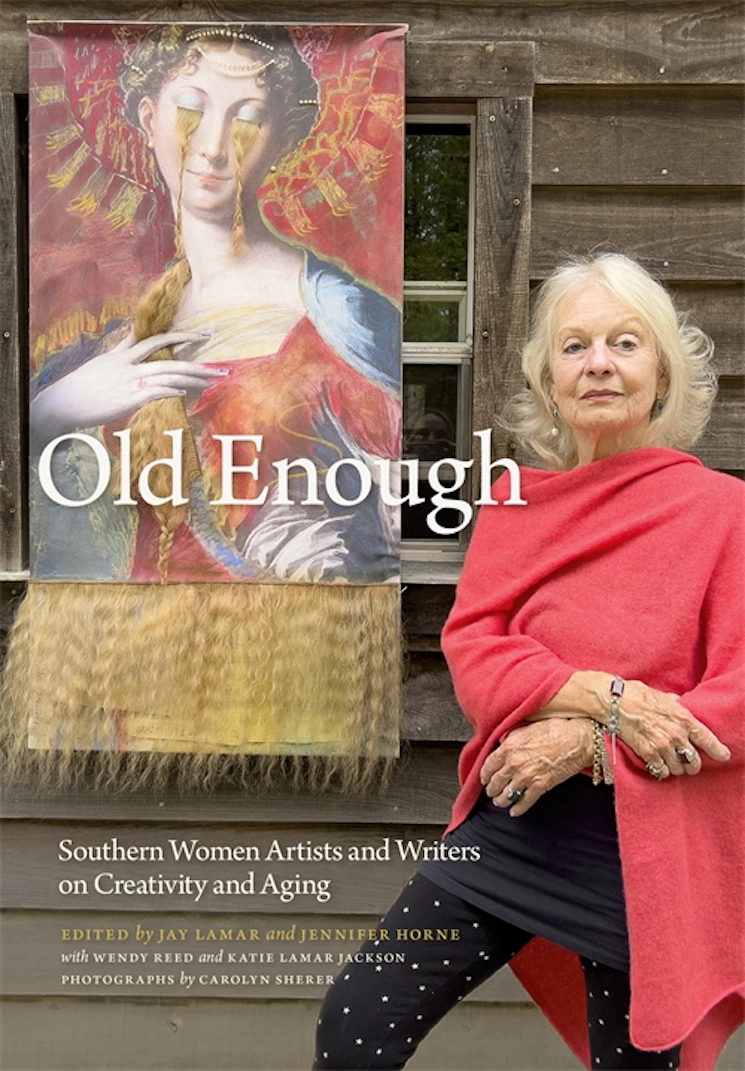
Image Credits
Carolyn Sherer
Kevin Jackson
so if you or someone you know deserves recognition please let us know here.