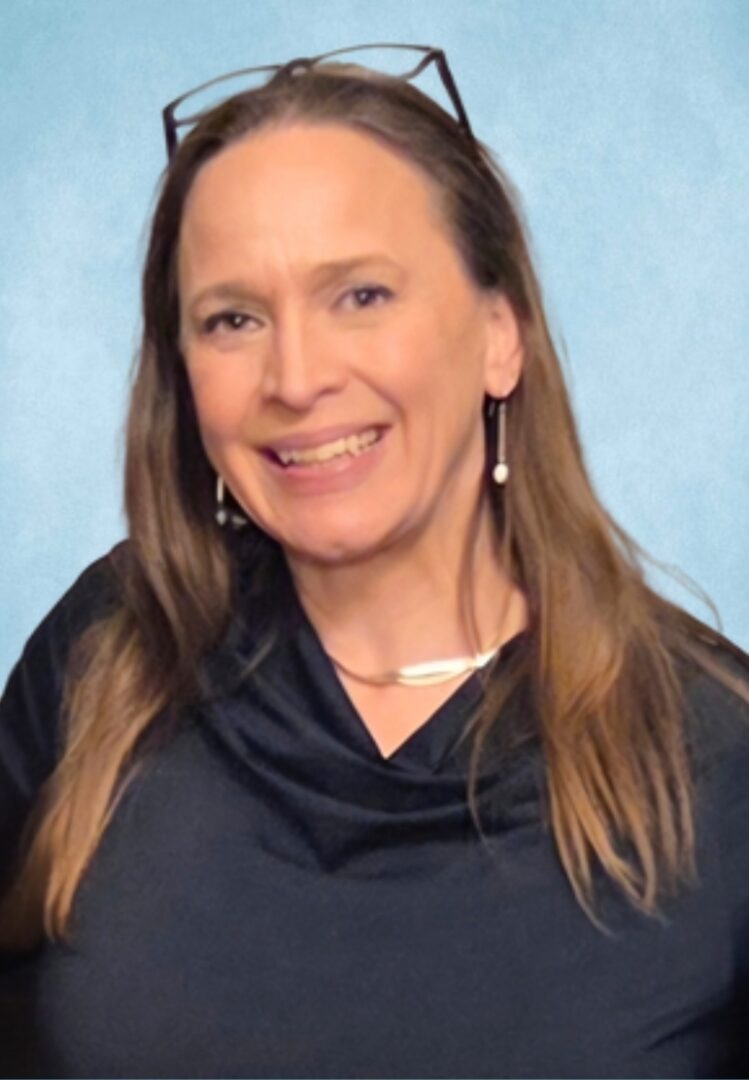
We recently connected with Katie Macaluso and have shared our conversation below.
Katie, so great to have you sharing your thoughts and wisdom with our readers and so let’s jump right into one of our favorite topics – empathy. We think a lack of empathy is at the heart of so many issues the world is struggling with and so our hope is to contribute to an environment that fosters the development of empathy. Along those lines, we’d love to hear your thoughts around where your empathy comes from?
I grew up in a small town outside of Fargo, North Dakota, where generosity was a way of life. My parents gave freely, even when they had little themselves. Helping others wasn’t framed as charity; it was simply what you did. That early lesson stayed with me, quietly shaping how I see people and their circumstances.
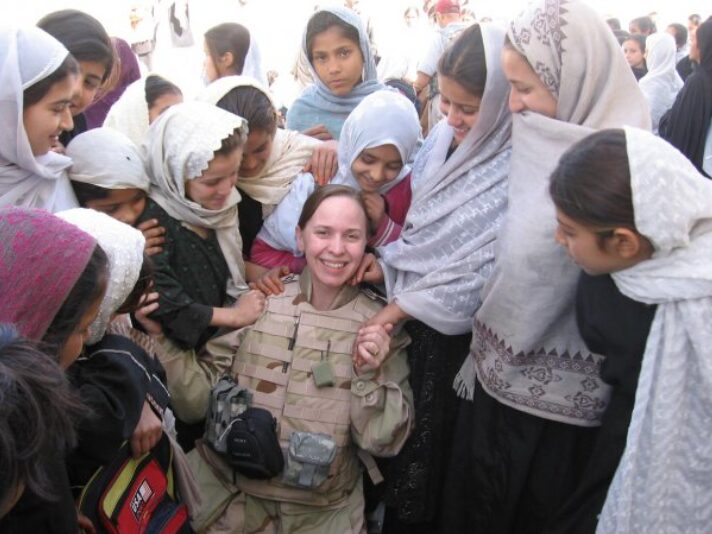
That foundation deepened when I joined the Army and deployed to Afghanistan. During one medical mission, I was one of the only women riding in the truck. Children ran out in the street to see it. Later, as we were seeing patients, the interpreters explained a group of girls had come out because they had heard a woman was working and they wanted to see that. I had never experienced a world that women weren’t able to work. For those girls, seeing a woman in that role mattered. For me, it created a foundation for a lifelong commitment to advocate for people whose voices are limited or unheard.
After leaving the military, my first job as a physician assistant was working overnight shifts at a crisis center in Philadelphia. The reasons people came to be seen were unlike anything I had previously encountered. One of the residents often said, “Everyone who comes in here needs help.” That simple statement became an anchor. It reminded me that behavior is often an expression of pain, and that empathy begins when judgment ends.
The conditions that allowed me to develop empathy were not singular moments, but cumulative experiences: being raised in a home where giving was instinctive, witnessing inequity firsthand, and being entrusted with the care of people at their most vulnerable. Together, they taught me that empathy is not about fixing or saving it is about showing up, listening deeply, and honoring the humanity in every person.
Thanks, so before we move on maybe you can share a bit more about yourself?
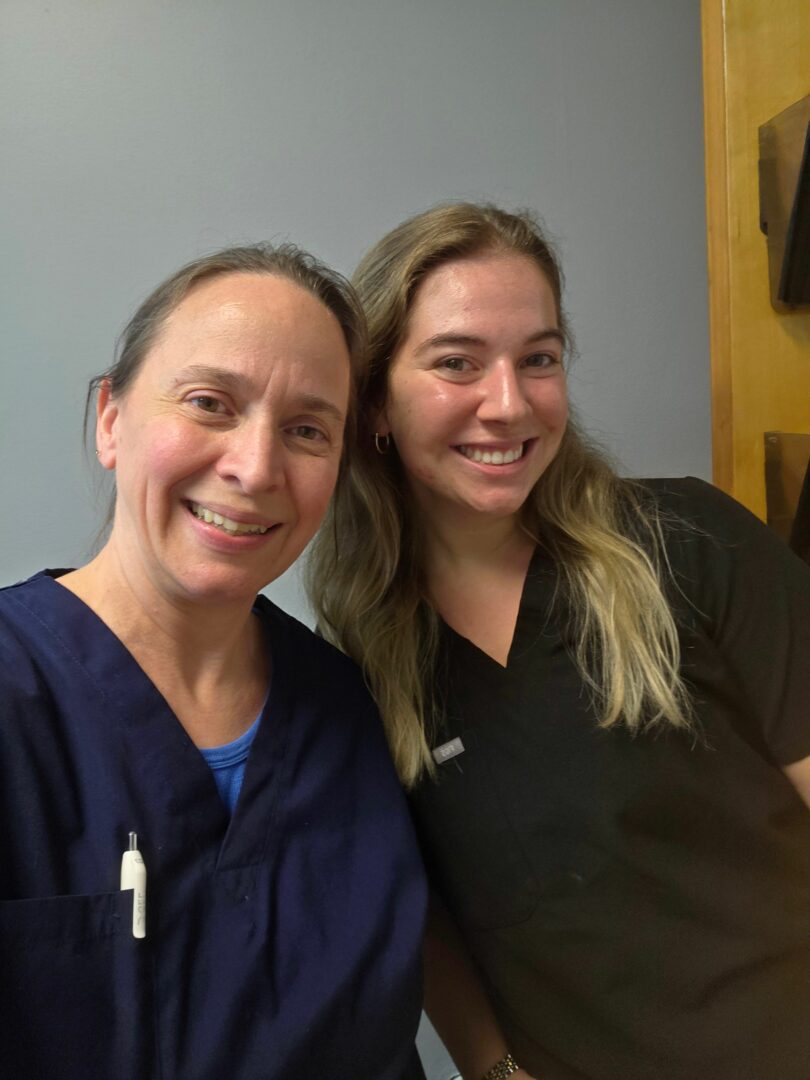
I have worked in psychiatry since 2011, and throughout my career I’ve been drawn to the spaces where people are struggling the most. In 2023, I opened my own psychiatric practice with the goal of creating care that is thoughtful, relational, and grounded in genuine human connection, not rushed encounters or checkbox medicine.
I often tell people that no one comes to see me when they’re doing well. People come during moments of crisis, uncertainty, or deep pain. It is a profound privilege to hold space for individuals during some of the lowest points of their lives, and to walk alongside them as they begin to stabilize, heal, and reconnect with themselves. That process is what continues to make this work meaningful to me.
What feels most exciting about my work right now is the evolution of my practice. This fall, a Ketamine clinic reached out to ask if I would be interested in taking over their practice. Since September, we have been actively working to thoughtfully integrate both clinics. Bringing traditional psychiatric care together with interventional treatments like ketamine allows us to serve patients with complex, treatment-resistant conditions in a more comprehensive and compassionate way.
At the core of my brand and my work is the belief that mental health care should feel human. Healing rarely happens in isolation or in perfectly linear ways. My goal is to create spaces where people feel seen, safe, and supported especially when they feel most overwhelmed. Being entrusted with that kind of vulnerability is something I never take lightly, and it continues to shape how I show up for my patients every day.
Looking back, what do you think were the three qualities, skills, or areas of knowledge that were most impactful in your journey? What advice do you have for folks who are early in their journey in terms of how they can best develop or improve on these?
Though I hate the word I know one of my most important qualities is resilience. Working in psychiatry means showing up consistently in environments where progress can be slow and the emotional weight is real. Resilience isn’t about being unaffected, it’s about recovering, reflecting, and returning with intention. For those early in their journey, my advice is to build systems of support early. Seek supervision, protect your time when possible, and understand that sustainability matters as much as passion.
Clinical judgment, the ability to synthesize information, patterns, and context rather than relying solely on protocols, has been equally important. Over time, I’ve learned that good care often lives in the gray areas. For those developing this skill, spend time understanding why decisions are made, not just what decisions are made. Learn from outcomes, both successful and challenging, and allow experience to refine your instincts. People are not textbooks, we use our clinical knowledge to treat the whole person.
The ability to hold boundaries is critical in mental health care. Boundaries protect both the patient and the provider and allow care to remain ethical, consistent, and effective. Early on, it can feel uncomfortable to say no or to tolerate someone else’s distress without overextending yourself. My advice is to remember that boundaries are not a lack of care, they are a form of care. They create safety, trust, and sustainability over time.
As we end our chat, is there a book you can leave people with that’s been meaningful to you and your development?
One book that has had a lasting impact on me is Learned Helplessness by Martin Seligman. The idea, that people can come to believe nothing they do matters, changed how I understand suffering and agency. So many individuals aren’t lacking strength or motivation; they’ve simply learned, including through repeated experiences, that their actions won’t change outcomes.
What stayed with me most is the reminder that while we can’t control everything that happens to us, we often have far more influence over our lives than we realize. Recognizing that sense of control can be very empowering and a big step toward healing.
Contact Info:
- Website: https://rbpw.org
- Facebook: https://www.facebook.com/rbpwpllc AND https://www.facebook.com/AwakeningsKetamine
so if you or someone you know deserves recognition please let us know here.