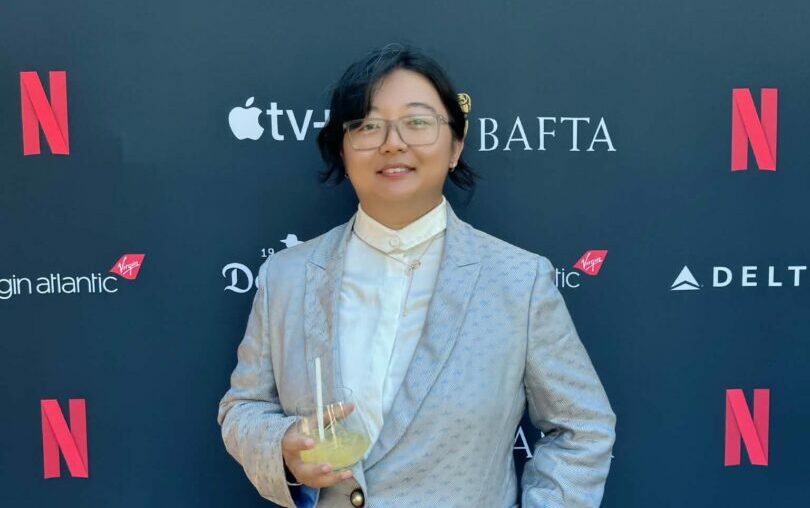
We’re excited to introduce you to the always interesting and insightful Katya Grokhovsky. We hope you’ll enjoy our conversation with Katya below.
Katya, thanks so much for taking the time to share your insights and lessons with us today. We’re particularly interested in hearing about how you became such a resilient person. Where do you get your resilience from?
I think my resilience comes from having to rebuild my life multiple times as an immigrant, across countries, cultures, and systems. Early in my life, I learned very quickly how to adapt, think on my feet, adjust and create opportunities where there aren’t any. Over time, I think that builds “tough layers of rhino-skin” or resistance, which begin to transform into a particular type of personal and professional strength.
It also comes from my parents. They navigated life within the Soviet Union, through its collapse, and then migration. I grew up witnessing that constant adaptation. It shaped how I understand instability, as something to learn to move through. They taught me not to give in or give up. When things are difficult, my dad always says, “we will break through, regardless.”
I believe resilience and also rigorous persistence, is essential to being an artist, and especially a woman in the art world. It’s something I have had to develop to continue making my work. There are constant challenges: structural, financial, cultural, systemic, political, and resilience becomes a necessary tool for sustaining both a practice and a voice. It also comes from consistently believing in myself and my work, despite mountains of rejection, refusal, erasure, and exclusion.
A big part of my tenacity comes from community. Throughout my life and practice, especially through my work with my organizational project, The Immigrant Artist Biennial, I’m surrounded by artists and arts workers navigating similar conditions of displacement, visibility, and access. That creates a shared sense of purpose: holding space and ensuring those voices are seen and supported, alongside my own.
Staying the distance is also an accumulation of experience navigating artistic terrain in different contexts. Over the years of working as an artist, I’ve learned how to self-motivate, organize, produce, and build projects from the ground up: how to be scrappy and resourceful, how to advocate for myself, to make and take up space, and be heard. That knowledge makes artistic life somewhat less fragile, even when resources are limited and support systems are unstable. It’s about building, insisting, and continuing amidst ongoing uncertainty and tumultuous circumstances.
Appreciate the insights and wisdom. Before we dig deeper and ask you about the skills that matter and more, maybe you can tell our readers about yourself?
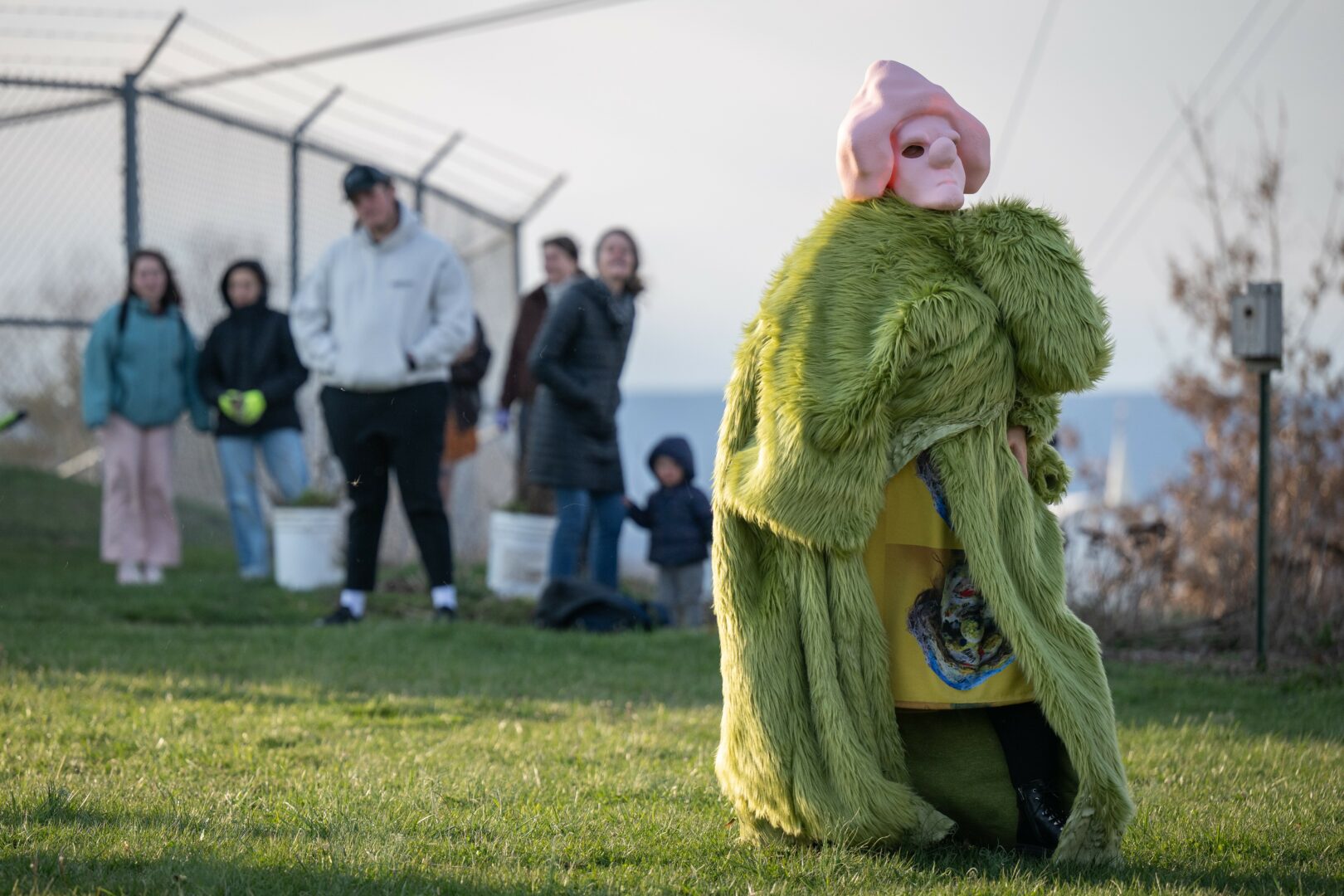
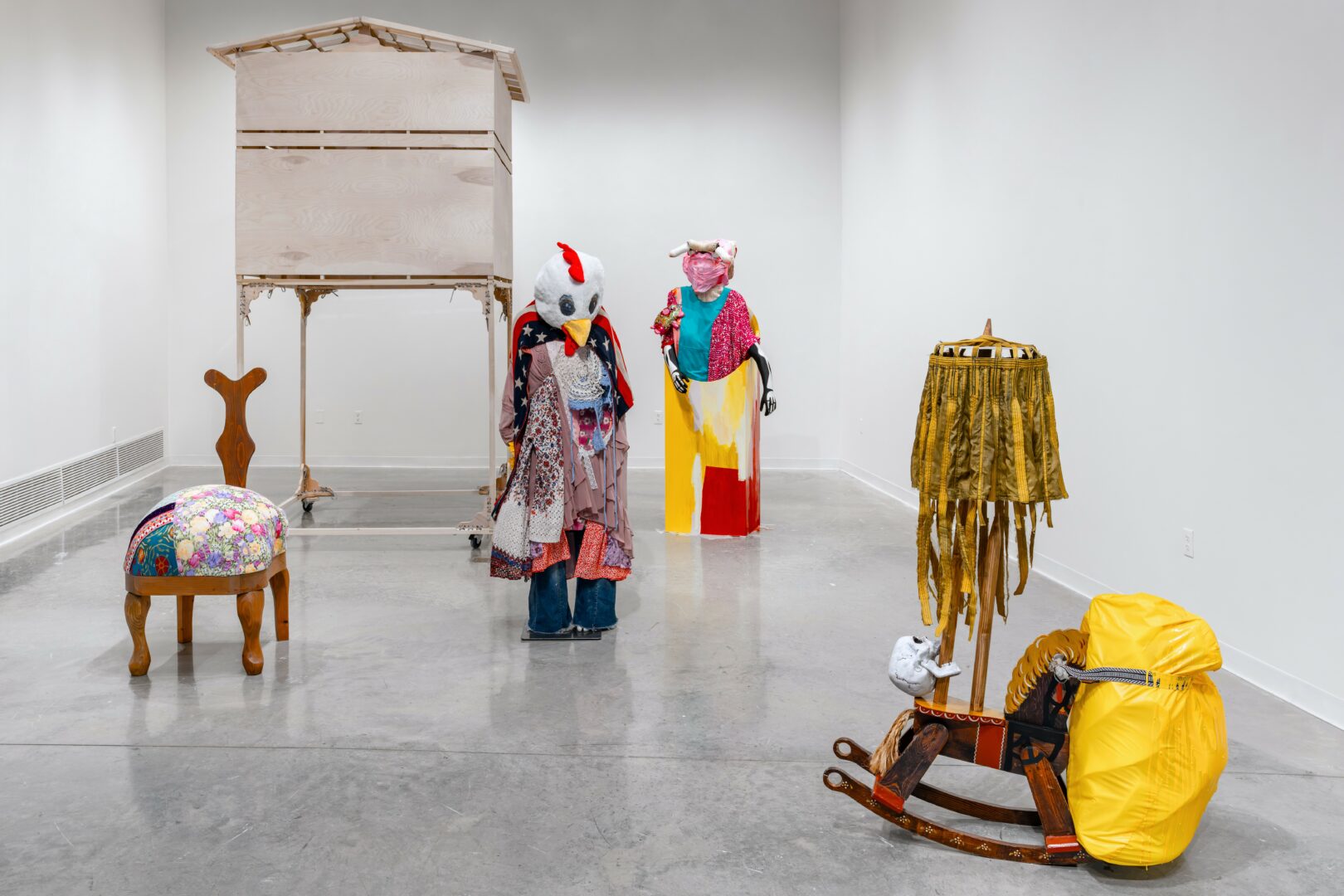
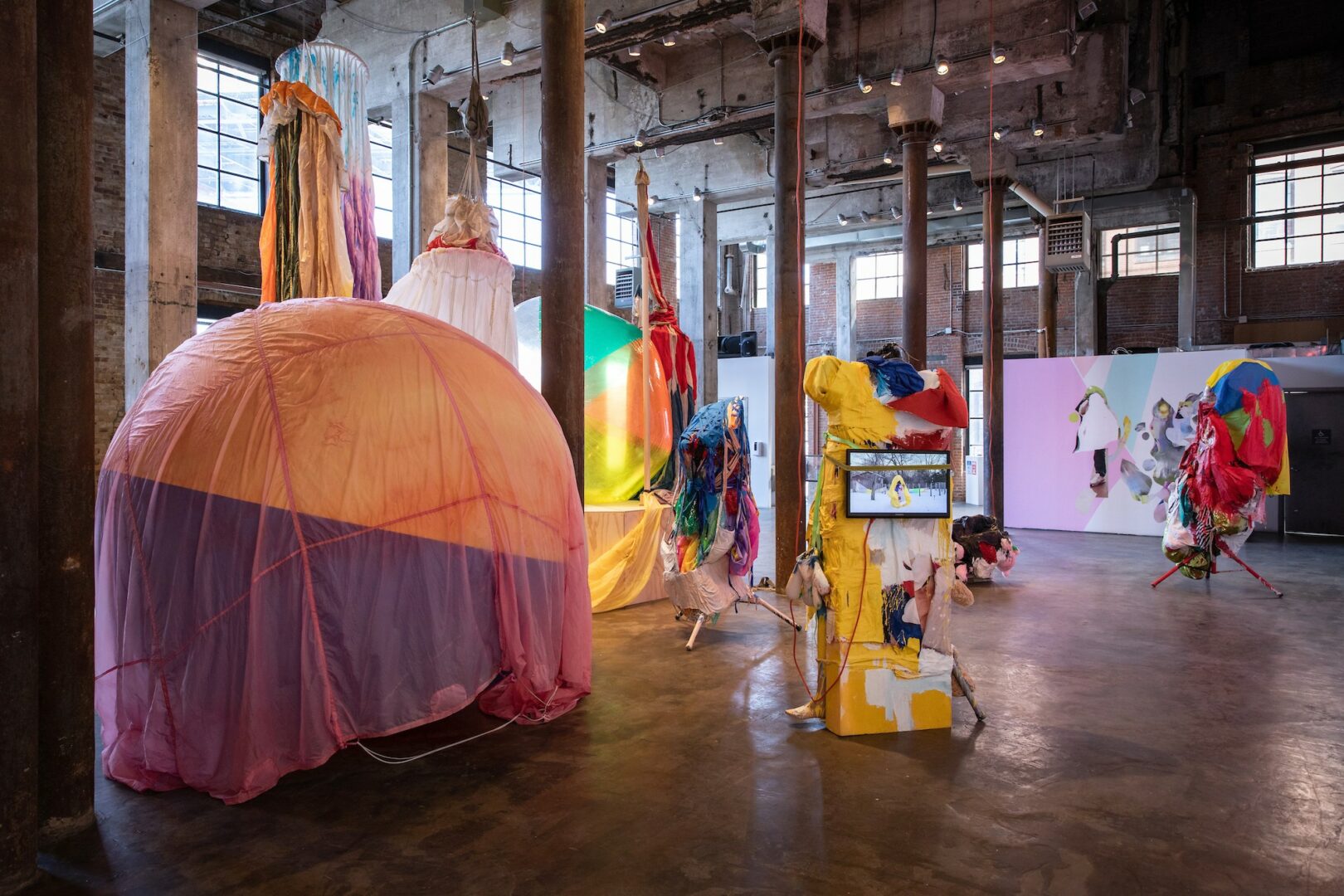
I was born in Ukraine, migrated first to Australia with my family, then by myself to the U.S. for education, and now live and work in New York City. I’m an interdisciplinary visual artist working across installation, sculpture, painting, drawing, video, and performance. My practice explores themes of migration, displacement, identity, home and the body through a feminist and immigrant lens. Alongside my art practice, I am the Founding Artistic Director of The Immigrant Artist Biennial, an ongoing nomadic project that creates platforms and visibility for immigrant artists.
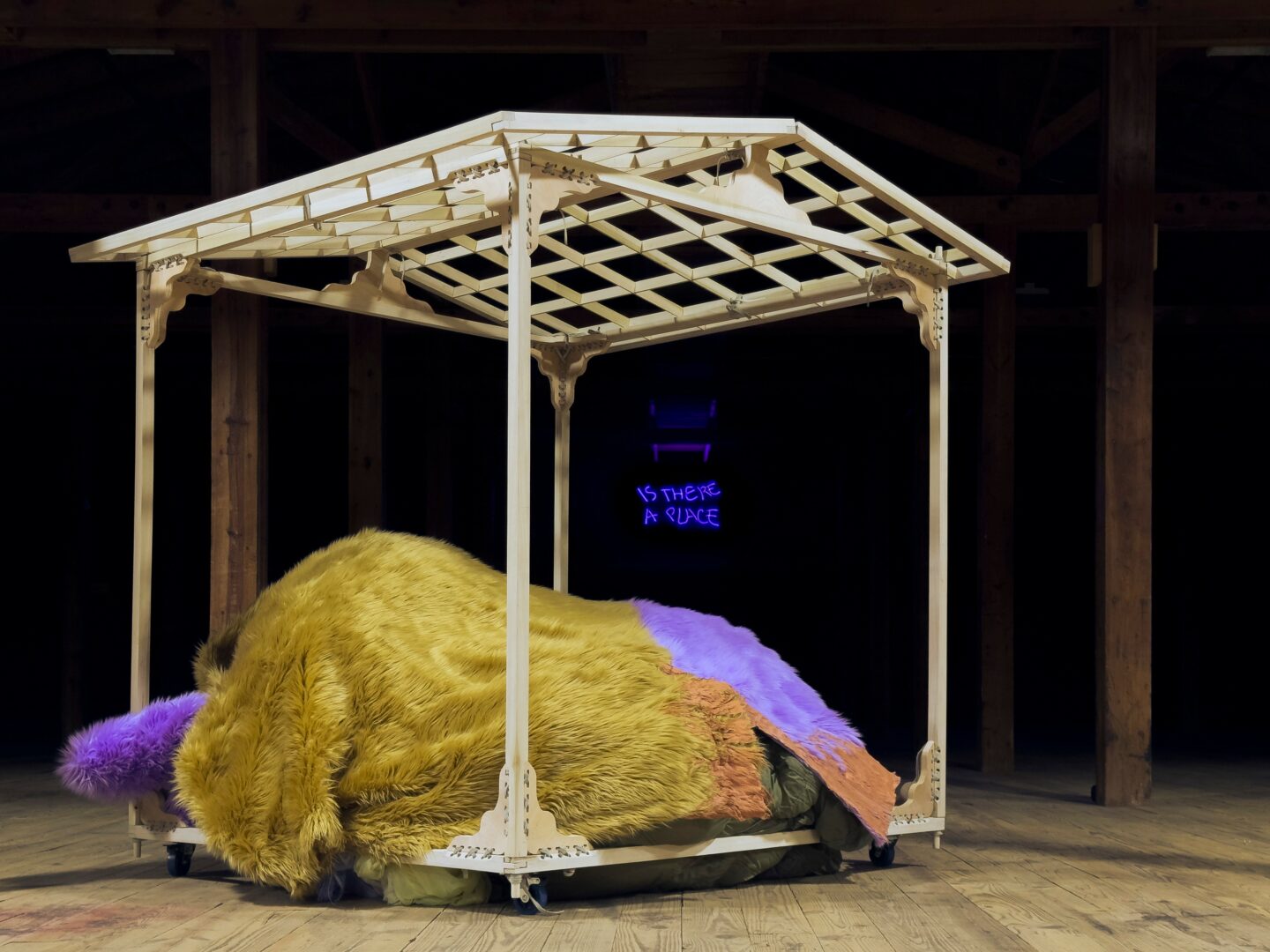
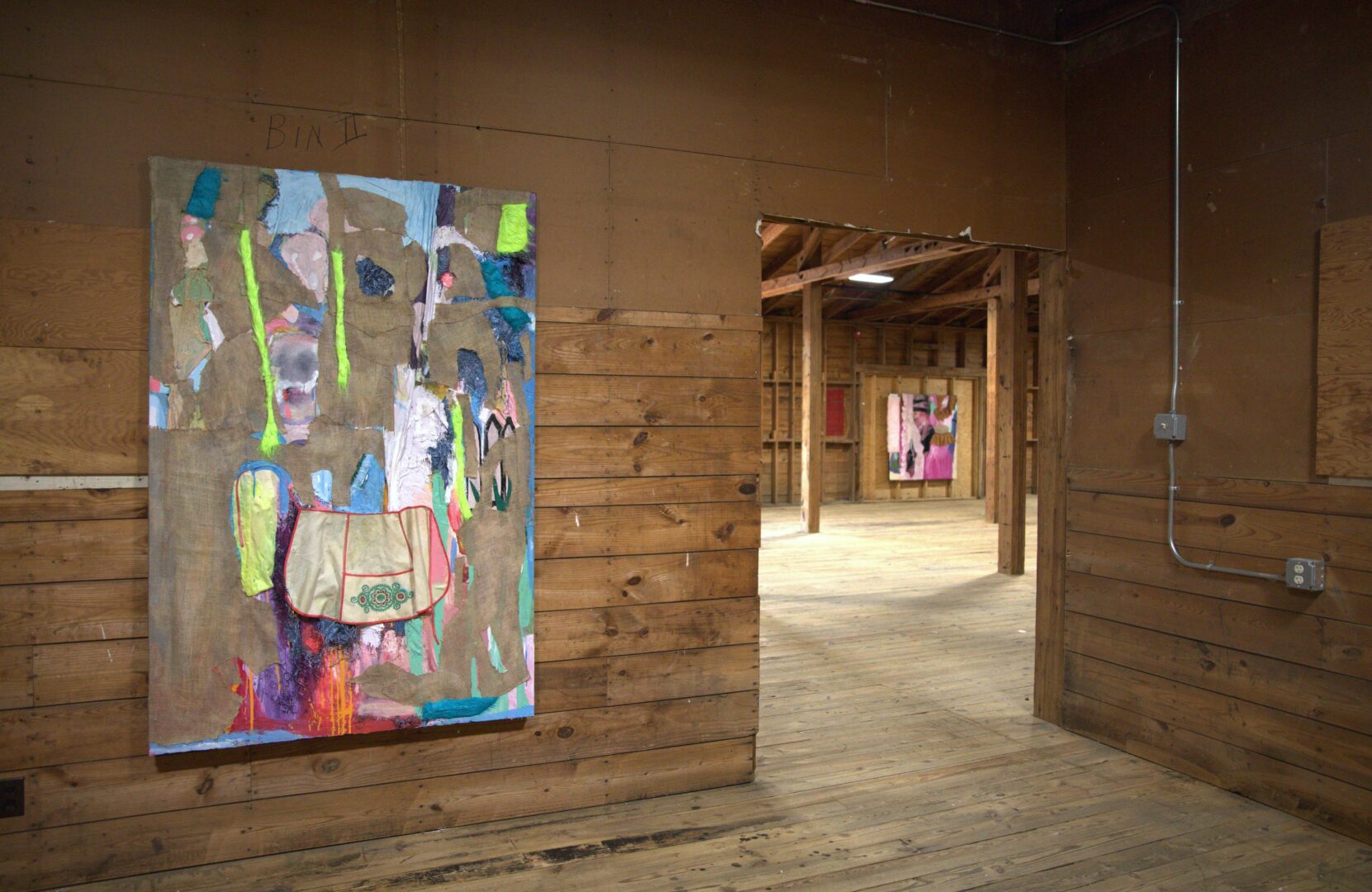
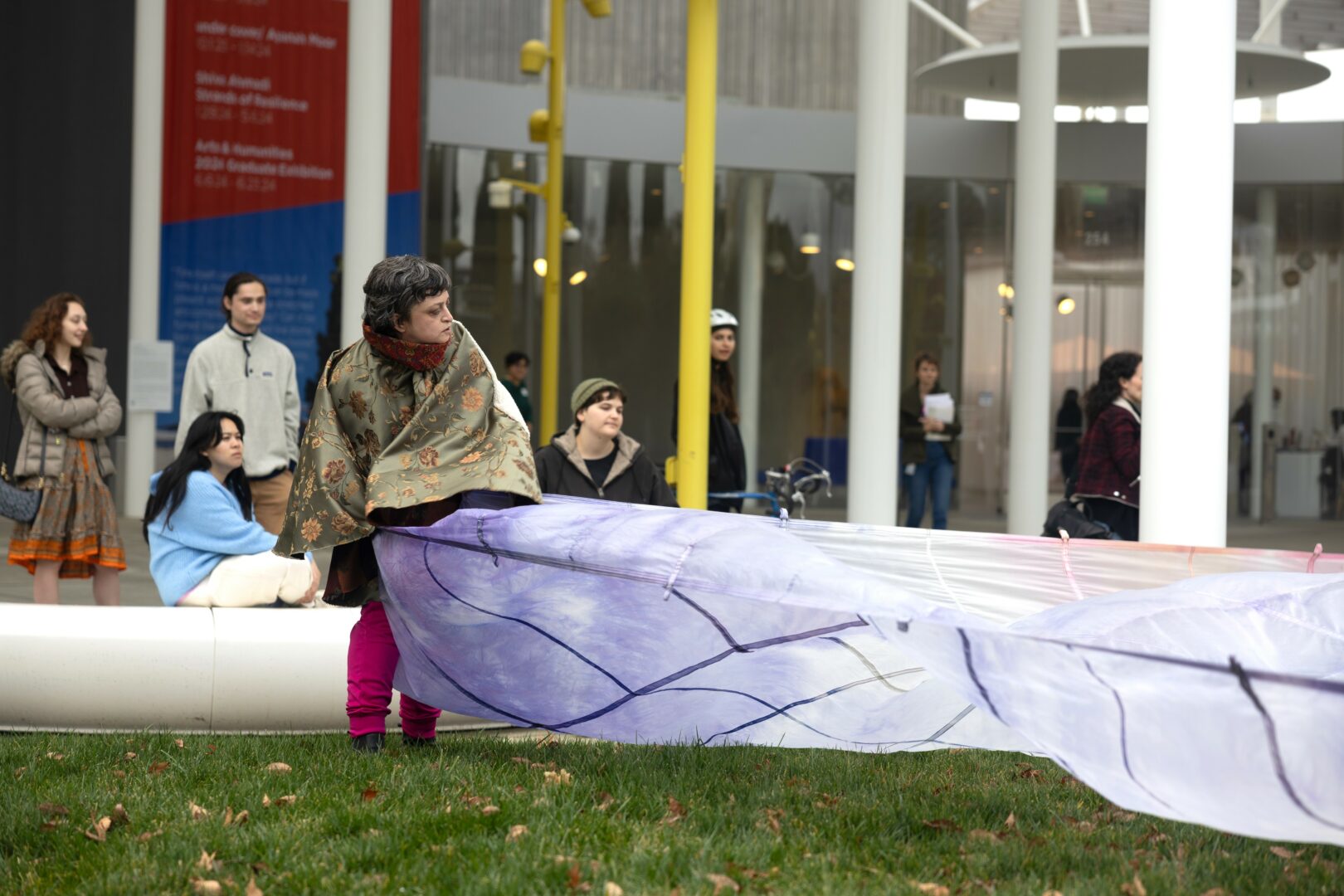
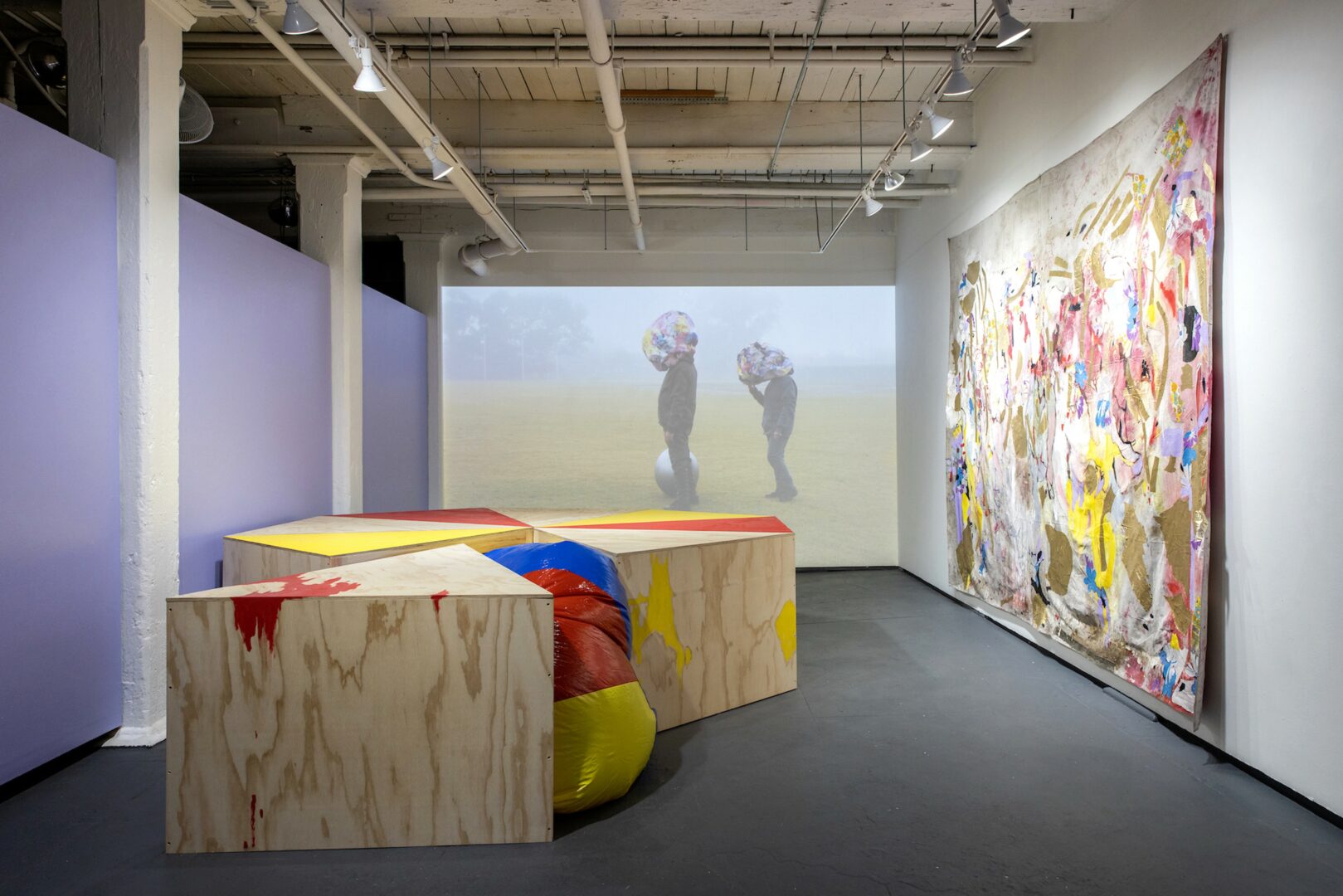
What excites me most is working in a way that is fluid and responsive to ideas, mediums, sites and materials. My projects often evolve over time, across different locations and formats. I’m interested in how humor and the absurdity of daily life exist within systems that can be exclusionary, especially for women and immigrant artists. At its core, my work is about the unseen: the desires we all carry, the loneliness of longing, the immateriality of memory and the unspoken and unheard.
I am drawn to the hidden and layered experiences of those who exist on the margins, lives shaped by displacement, invisibility, and negotiation within dominant systems. I am interested in tactility and the visceral, in the aliveness through the body. As an artist, I am invested in processes of transformation: turning the intangible into form, and the personal into something universally resonant. I seek to construct my work as sites of dialogue, curiosity and encounter, where vulnerability, humor and contradiction can coexist, where the absent manifests.
If you had to pick three qualities that are most important to develop, which three would you say matter most?
I think these three things have been especially important in my life: adaptability, resourcefulness, and the ability to build community.
Adaptability has been essential. Moving across countries and cultures, and working as an immigrant artist, I learned that nothing is guaranteed or stable for long. Being able to shift, respond, and keep working through uncertainty has been crucial to my practice. Staying open has been invaluable: not becoming too fixed in one way of working or thinking and letting your practice evolve with your circumstances, rather than being controlled by them.
Resourcefulness is equally important. I didn’t always have access to ready-made art world structures or consistent support, so I learned how to build things from the ground up: trusting that if you create something, people will come. From running a DIY apartment gallery, to curating other artists, to making work from found and scavenged materials only, dealing with the ephemera, learning to let go, these experiences shaped how I work today.
Early on, it’s important not to wait for permission. My practice is a laboratory of testing out the impossible. I learn by doing, and often, failing, and failing better. I start from where I am, using what I have. I am not afraid to work in unconventional ways.
And finally, community. Nothing I’ve done exists in isolation. Creating networks of mutual exchange has been fundamental. I believe in investing in genuine connections, not transactional ones. Be generous, and stay in dialogue with those you align with and who support you: those relationships will sustain you over time.
All three of these take time to develop and often emerge through challenges and seemingly impossible situations. Underpinning them are perseverance, and self-belief: qualities that have allowed me to keep going.
Alright, so before we go we want to ask you to take a moment to reflect and share what you think you would do if you somehow knew you only had a decade of life left?
I do actually often feel as though there is no time left, and that awareness shapes how I think about my life and work. It pushes me toward a more intentional, fearless, and unapologetic way of being, one that is now less and less concerned with permission and more focused on impact and legacy. I imagine accelerating rather than slowing down: traveling the world, making the work I want to make, enjoying it all, whether that takes the form of writing a book, creating a feature-length film, staging a multimedia installation-opera and producing monumental paintings.
In this mindset, fear: of rejection begins to lose its power. I would like to take risks that feel unimaginable right now, moving toward a practice that is much more global and expansive. There would be less compromise, more clarity; a willingness to walk away from what does not serve the work and myself, and to invest fully in what does.
Teaching and mentorship would become even more central, as a way of extending knowledge and supporting others beyond my own practice. At the same time, I would continue to build The Immigrant Artist Biennial as a lasting, sustainable, and globally connected platform, which will survive and thrive beyond me.
I wouldn’t hold back: I will live and work without any preconceived notions of possible exclusion, moving freely across boundaries, borders, contexts, and mediums without hesitation.
Contact Info:
- Website: https://www.katyagrokhovsky.net/
- Instagram: https://www.instagram.com/katyagrokhovsky/
- Facebook: Katya Grokhovsky
- Linkedin: https://www.linkedin.com/in/katya-grokhovsky-98095331/
- Other: https://www.theimmigrantartistbiennial.com/
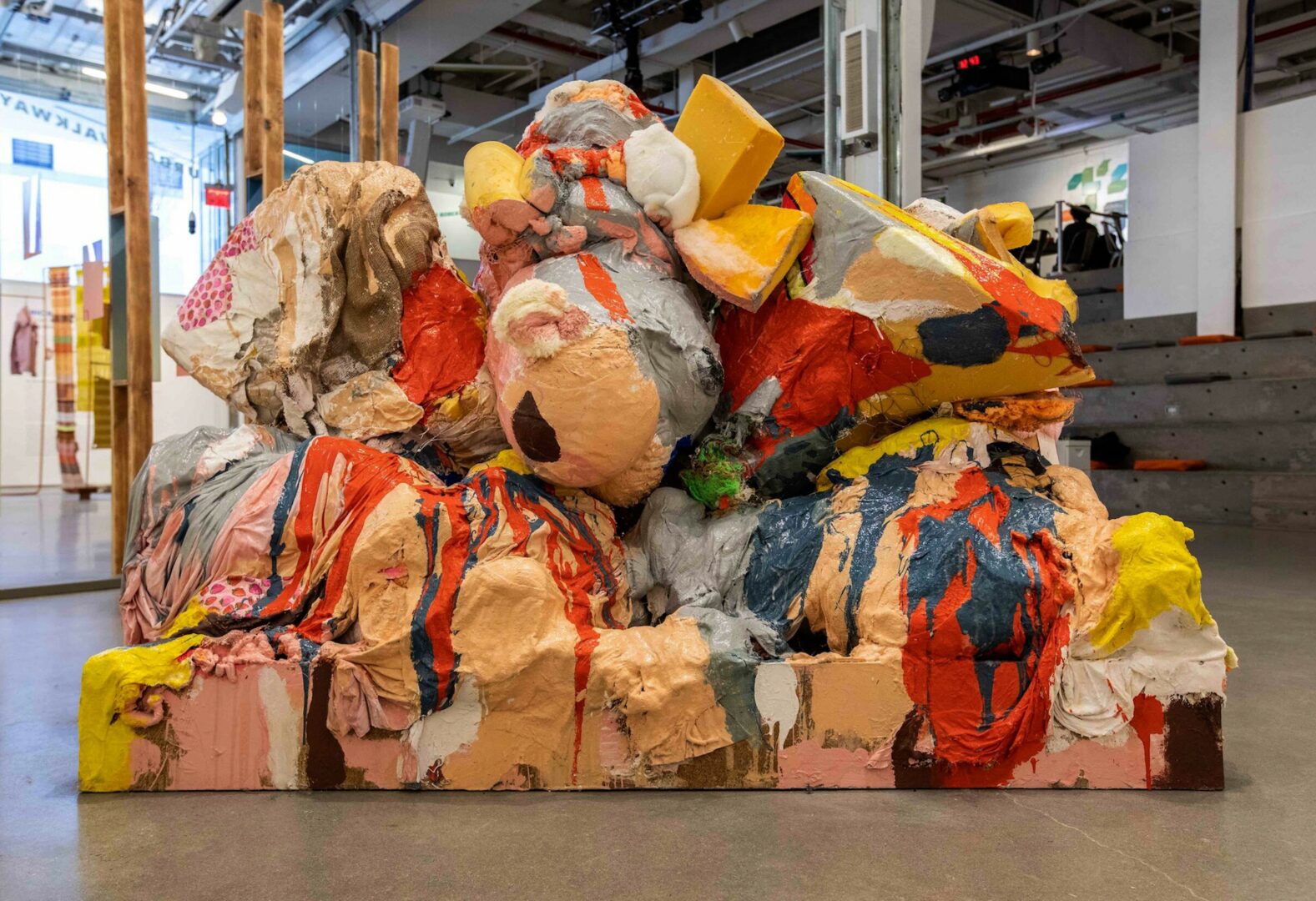
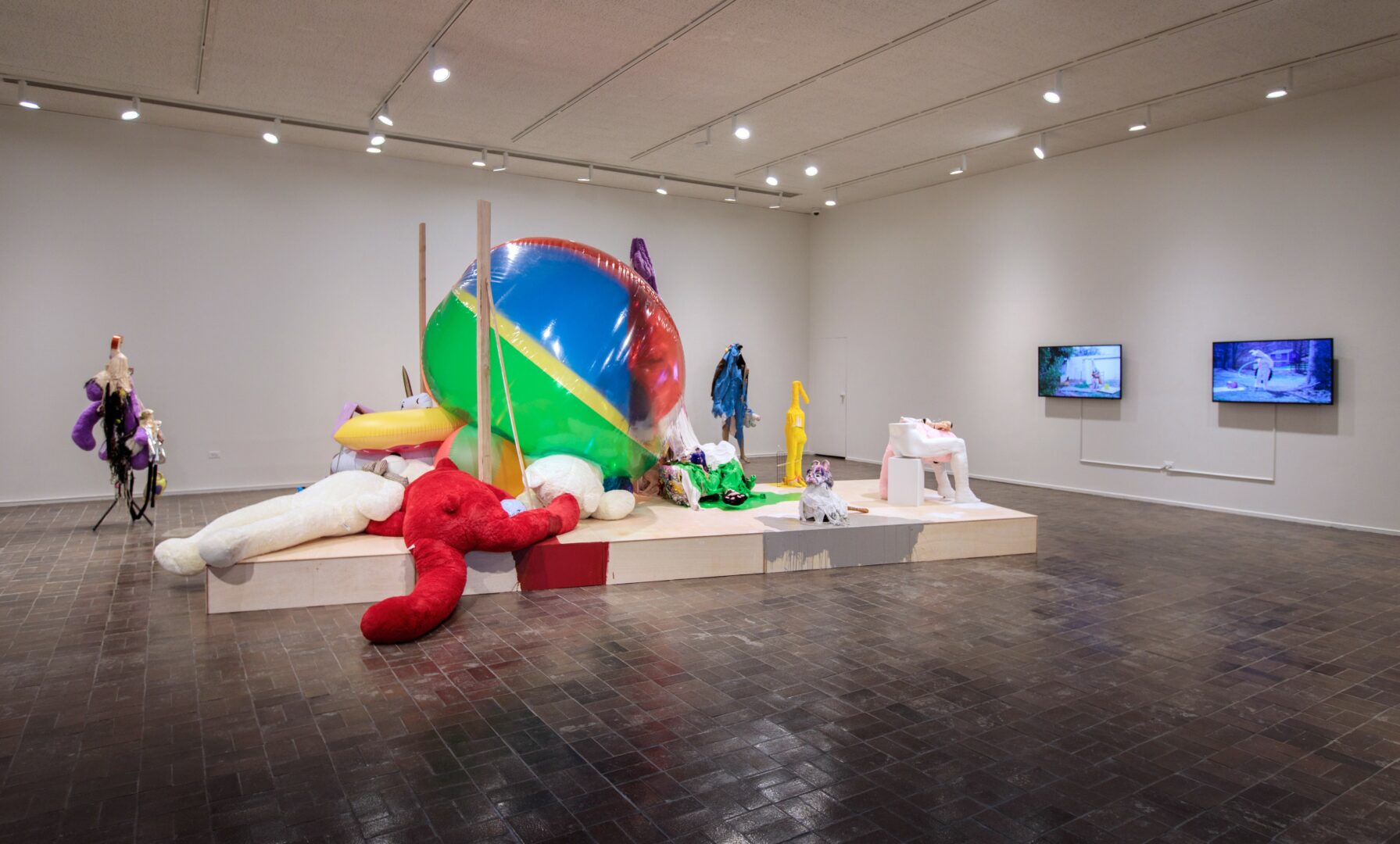
Image Credits
Bad Woman, 2024, photo Jeffrey Burrell
1. Common Language, 2025, photo Bryan Esler
2. Is There a Place?, 2024, photo Alex Dotulong
3. Hers, 2024, photo Heli Mistry
4. Between Earth and Sky, 2023, photo Bea Augustin
5.Point A, 2022, photo Walter Wlodarczyk
6.Fantasyland, 2021, photo Walter Wlodarczyk
7.The Future is Bright, 2019, photo Walter Wlodarczyk
8.System Failure, 2018, photo Walter Wlodarczyk
so if you or someone you know deserves recognition please let us know here.