Alright – so today we’ve got the honor of introducing you to Kayla Bennett. We think you’ll enjoy our conversation, we’ve shared it below.
Alright, so we’re so thrilled to have Kayla with us today – welcome and maybe we can jump right into it with a question about one of your qualities that we most admire. How did you develop your work ethic? Where do you think you get it from?
I trace my work ethic back to two places: my parents and my own competitive nature. Growing up, my parents set the tone long before I understood what “work ethic” even meant. In our house, being early wasn’t just encouraged—it was expected. “Early is on time” was the rule, and after years of living by it, it became second nature. To this day, I’m the person who arrives early to everything. I don’t rush, I don’t scramble, and I’m never late. It’s simply how I’m built.
Sports shaped the other half of my mindset. I played competitively throughout my life, and in that world, striving to be the best wasn’t optional. Mediocrity wasn’t something I ever settled into—I always wanted to set the bar a little higher, to see how far I could push myself. That competitive drive didn’t disappear once the games ended; it followed me into every job and responsibility I’ve taken on.
I was told once that you should always do more than what you’re paid for, and that advice has stuck with me. I’ve carried it into my professional life by consistently going above and beyond—doing the extra work, paying attention to details others overlook, and taking pride in every task with my name on it. Over time, habits like reliability, punctuality, and pushing past the minimum stopped feeling like choices and became simply the space where I exist.
My work ethic isn’t something I turn on and off. It’s a mix of how I was raised and who I naturally am: someone who shows up early, competes with their own limits, and always aims higher than what’s required.
Let’s take a small detour – maybe you can share a bit about yourself before we dive back into some of the other questions we had for you?
Being a Florida native, the water has always been woven into my life. After graduating from USF with a Bachelor’s in Psychology, I bounced through a few corporate roles trying to find my direction. When I was unexpectedly laid off, it forced me into some honest self-reflection. I realized I wanted something completely different—something that made my heart sing. During that time, I promised myself that my happiness would take priority above everything else, even financial comfort.
That mindset led me to a job as a mate on the Clearwater Ferry, and I absolutely fell in love with it. I didn’t treat it like “just a job”—I used every day as an opportunity to learn as much as I could about boating and the maritime world. I was fortunate to work under several incredible captains, each with their own wisdom to share. They became mentors who taught me about boat handling, knots, weather patterns, and so much more. They also encouraged me to pursue my captain’s license.
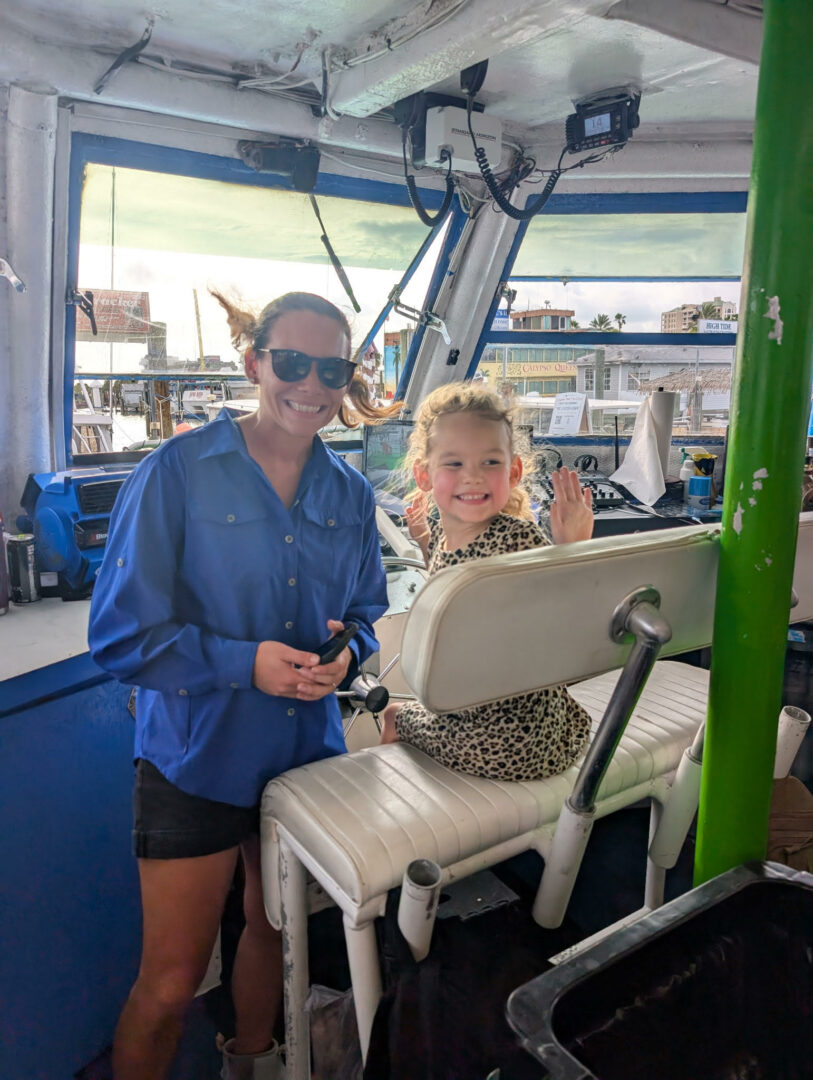
I later moved to a larger tour boat as a mate in Clearwater that traveled out into the Gulf, giving me the chance to continue learning on a bigger scale. After I accrued enough sea time, I earned my license and eventually upgraded it, solidifying my path in the maritime industry. Over the years, I’ve worked on a variety of vessels throughout the Tampa Bay and Clearwater area, and in a full-circle moment, I now captain that same large Clearwater boat I once worked on as a mate.
Every day, I feel genuinely blessed to do what I do. Being on the water is my passion, and returning to my Clearwater roots after almost a decade away makes it even more special. What I love most is that this career is something I chose—and something I still choose with excitement. I get to share the beauty of my home with hundreds of people each day, many of whom are seeing it for the very first time. Watching their sense of wonder, helping them experience a safe and memorable day on the water, reminds me to never take where I live for granted. People vacation here—I get to live and work here.
As a young female captain, I also find it meaningful when guests are surprised or impressed to realize I’m the one driving the boat. I’m often mistaken for a bartender or a mate, but those moments create opportunities to reshape expectations and show what the growing number of women in this industry are capable of.
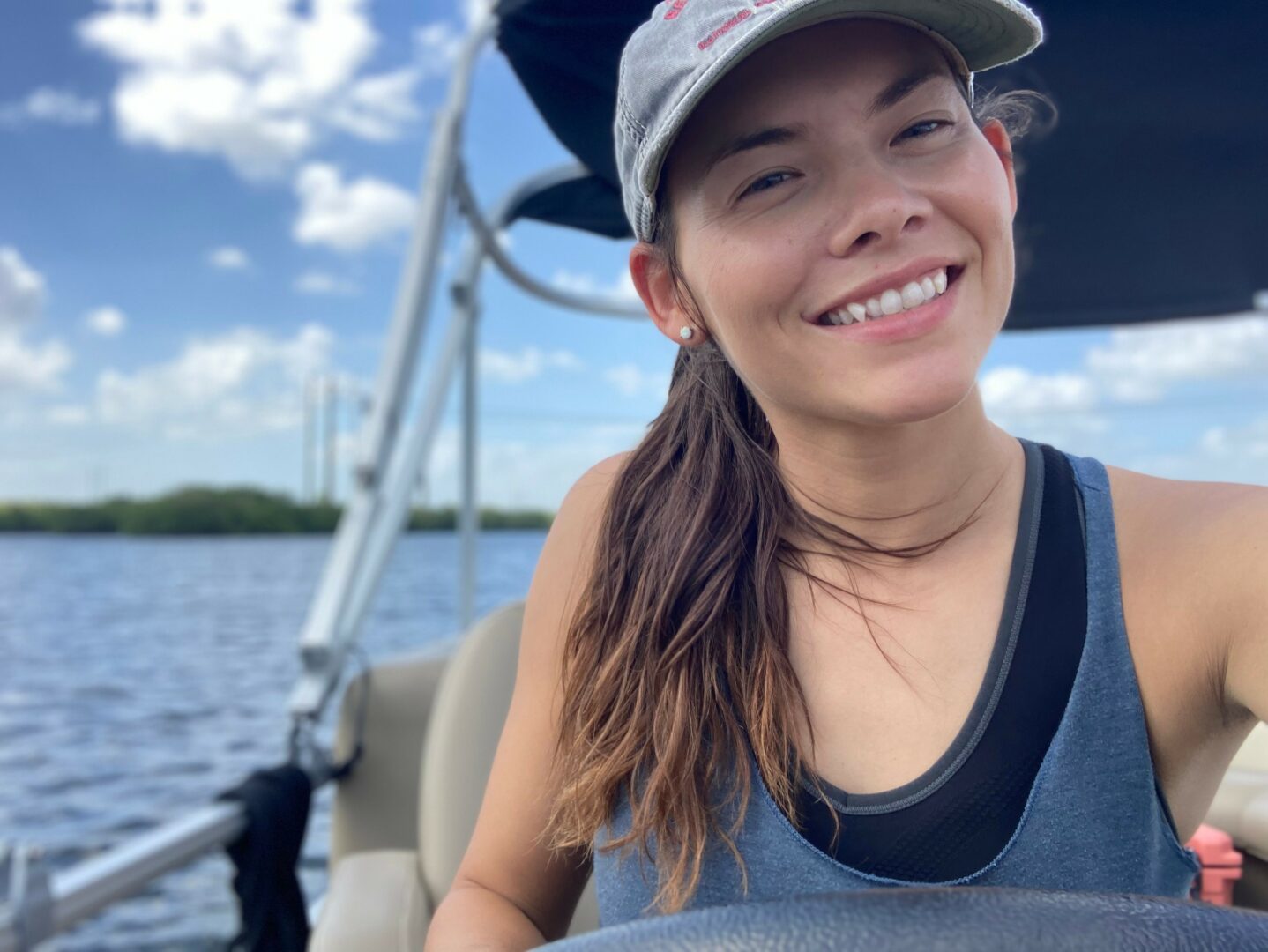
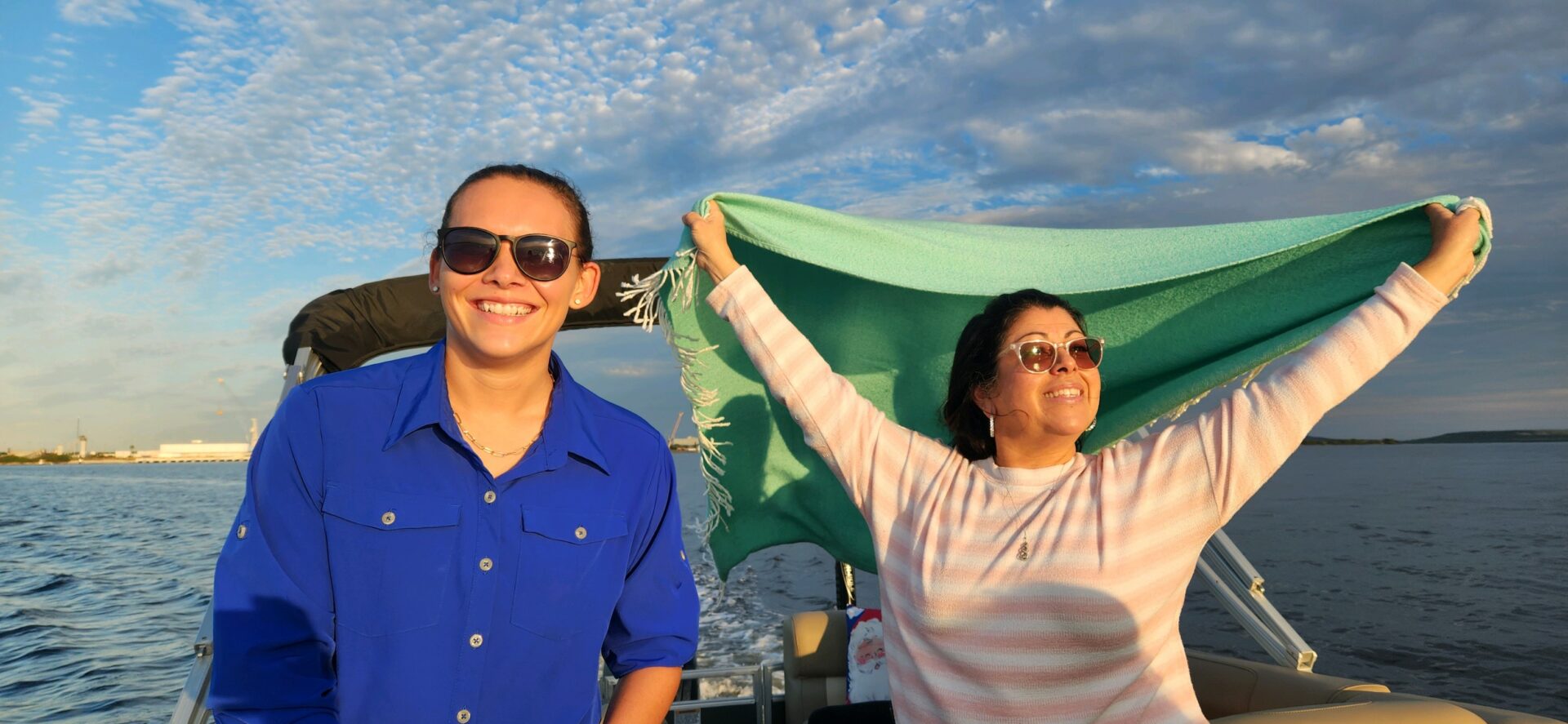
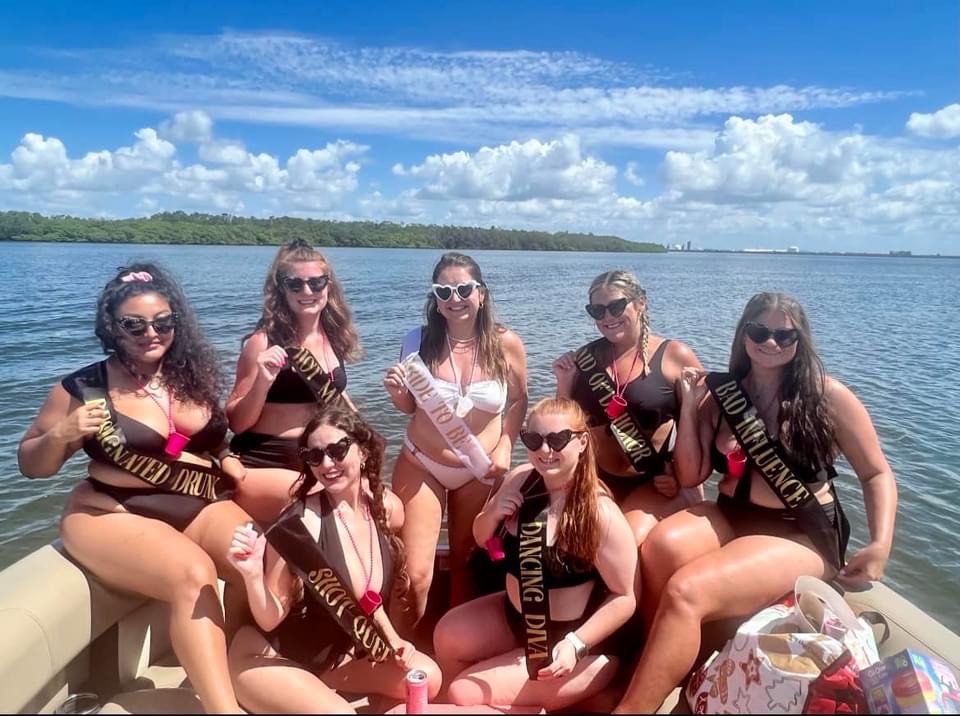
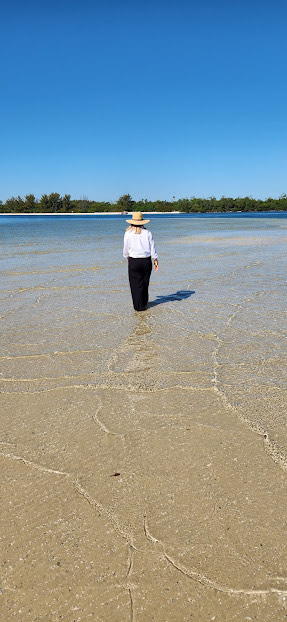
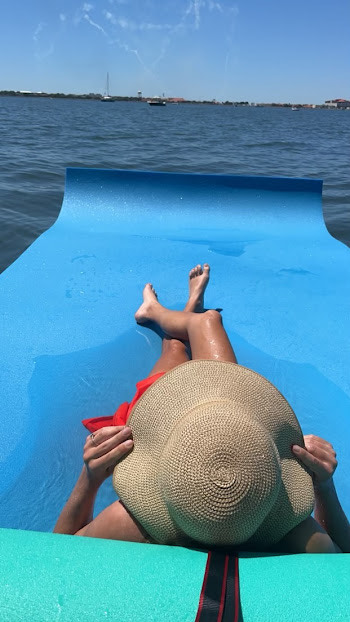
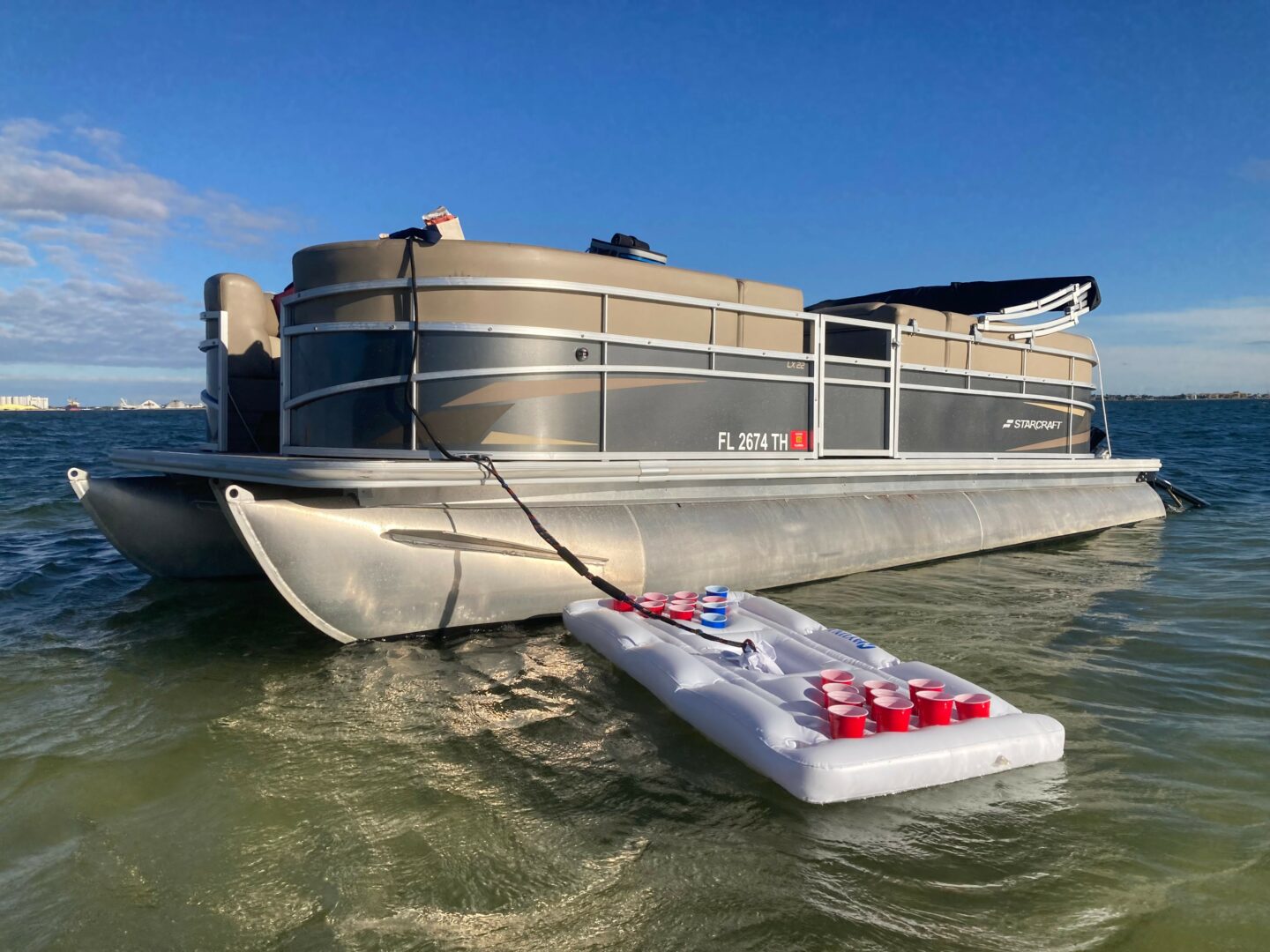
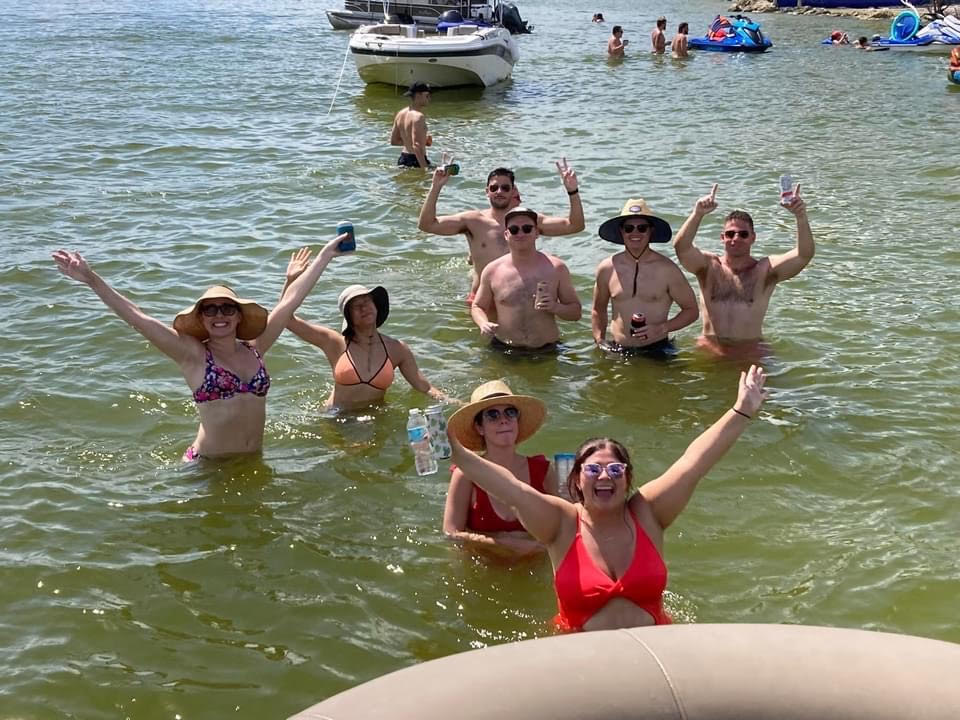
Outside of my full-time role, I also own my own pontoon boat and take people out for island trips, dolphin watching, or bar-hopping on the water. The best part is that most people who book are celebrating something or on vacation, so the energy is always high. I love being able to share my passion, my hometown, and the beauty of our coastline with people from all walks of life.
In the end, this career has given me everything I hoped for when I chose happiness first—a life on the water, a community I love, and the chance to share that joy with others every single day.
Looking back, what do you think were the three qualities, skills, or areas of knowledge that were most impactful in your journey? What advice do you have for folks who are early in their journey in terms of how they can best develop or improve on these?
Looking back, three qualities have been especially impactful in my journey.
1. Living my truth.
Choosing to live authentically has been one of the most important things I’ve ever done. If you’re not being true to yourself, it’s incredibly hard to be happy—and even harder to be great at something you don’t enjoy. Passion fuels motivation and inspiration, so aligning your path with who you truly are is essential. My advice for anyone early in their journey is to regularly check in with yourself. Ask: Does this feel like me? Does this make me excited? When the answer is yes, everything becomes more sustainable.
2. Not being afraid to ask questions or “be too much.”
Early on, I learned that curiosity isn’t a weakness—it’s a superpower. When I asked questions, captains were more than willing to share what they knew. Those conversations became the foundation of lifelong mentorships, which have been invaluable to my growth. For anyone starting out, don’t shy away from being eager or inquisitive. Seek out mentors, even just one, because a strong mentor can change the entire trajectory of your journey.
3. Focusing on yourself, not comparing yourself to others.
Comparison is one of the quickest ways to lose sight of your own progress. I’ve learned to measure myself only against the person I was yesterday. Staying focused on improving yourself—not competing with everyone around you—keeps your energy where it belongs. The best way to build this habit is to remember that you are in charge of your success and direction. The more you fixate on others, the more distracted you become from your own path.
Ultimately, staying true to yourself, being courageously curious, and keeping your focus on your own growth are powerful tools for anyone early in their journey. If you commit to those, you truly can’t go wrong.
What do you do when you feel overwhelmed? Any advice or strategies?
When I start to feel overwhelmed, I remind myself that challenges are really just opportunities in disguise—and that closed doors are often redirection rather than rejection.
After graduating college, I was laid off from my corporate job, and at the time it felt like a punch to the gut. I genuinely believed I wasn’t good enough, and I felt completely lost. But looking back now, it was one of the biggest blessings I’ve ever received. That moment forced me to reconsider what I wanted out of my life and career, and it ultimately led me into the maritime world. If I hadn’t been pushed out of that corporate role, I probably would’ve stayed in a desk job. I could’ve made it work, but I never would’ve known the level of happiness I’ve found in my current path. Remembering that helps calm my nerves when I’m overwhelmed—because I’ve seen firsthand how setbacks can turn into something beautiful.
Another strategy I lean on is reframing challenges as opportunities for growth. Self-improvement has always been a big focus of mine, and viewing problems as chances to creatively and enthusiastically find solutions helps me keep a clear, calm mindset instead of slipping into anxiety or fear. When I shift my perspective, the overwhelm turns into motivation. A curveball becomes an invitation—to rise, to improve, to show myself what I’m capable of—not a sign that things are falling apart.
So when the outside world feels chaotic, I remind myself: in hindsight, this is going to make me better. And that reminder alone brings me back to center.
Contact Info:
- Website: https://www.saylormadecharters.com/
- Instagram: https://www.instagram.com/saylormadecharters/profilecard/?igsh=a2tvbjR0YWRha3hu
- Facebook: https://www.facebook.com/share/14GhHHiNFGn/?mibextid=wwXIfr
- Other: https://www.tiktok.com/@saylormadecharters?_t=ZP-8xOQWmhK8j8&_r=1
so if you or someone you know deserves recognition please let us know here.