Alright – so today we’ve got the honor of introducing you to Kaylah Coghlan. We think you’ll enjoy our conversation, we’ve shared it below.
Kaylah, so great to be with you and I think a lot of folks are going to benefit from hearing your story and lessons and wisdom. Imposter Syndrome is something that we know how words to describe, but it’s something that has held people back forever and so we’re really interested to hear about your story and how you overcame imposter syndrome.
Imposter syndrome is something I’ve dealt with throughout my entire career and creative journey. I learned to crochet at a very young age, as soon as I was old enough to hold a crochet hook, and over time I continually worked to improve my skills. I started by making gifts for family and friends and received consistent praise for my work, yet I still felt that I could always do better.
As my craft and confidence slowly grew, more family members encouraged me to sell my work. Even then, I struggled with the feeling that my pieces weren’t “good enough” to put a price on. It took several years of encouragement before I felt confident enough to explore starting my own business. Once I did, it quickly gained traction — something I honestly didn’t expect.
Even after more than a year of selling products and completing commissioned orders, I still sometimes compare my work to others and feel there’s always room for improvement. While this mindset pushes me to stay current with new techniques and trends in the crochet world, it can also be mentally challenging. There are moments when I feel like my work is never quite enough.
What has helped me manage imposter syndrome is the ongoing support from my friends, family, and especially my customers. Their trust in my work has helped me learn to appreciate my skills while still striving to grow. I now focus on improving because I want to, not because I feel pressured or inadequate.
I don’t think imposter syndrome ever fully disappears, and honestly, I don’t think I want it to. It keeps me humble, grounded, and motivated to continue learning and refining my craft.
Thanks for sharing that. So, before we get any further into our conversation, can you tell our readers a bit about yourself and what you’re working on?
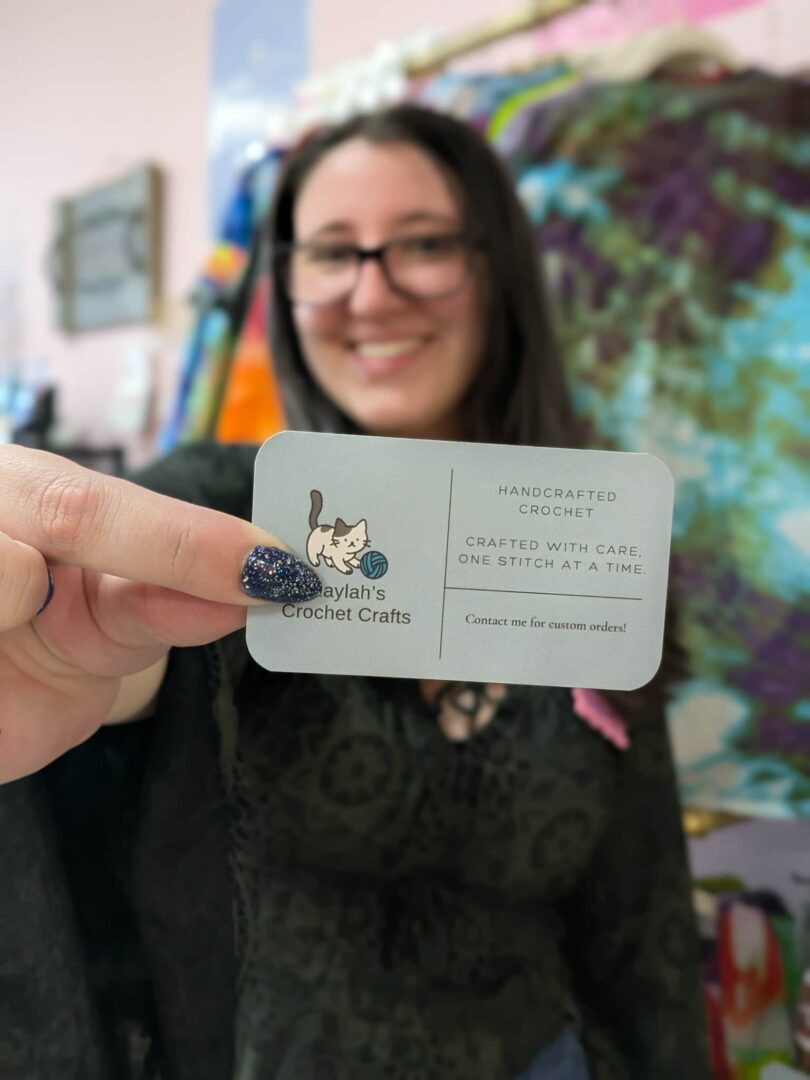
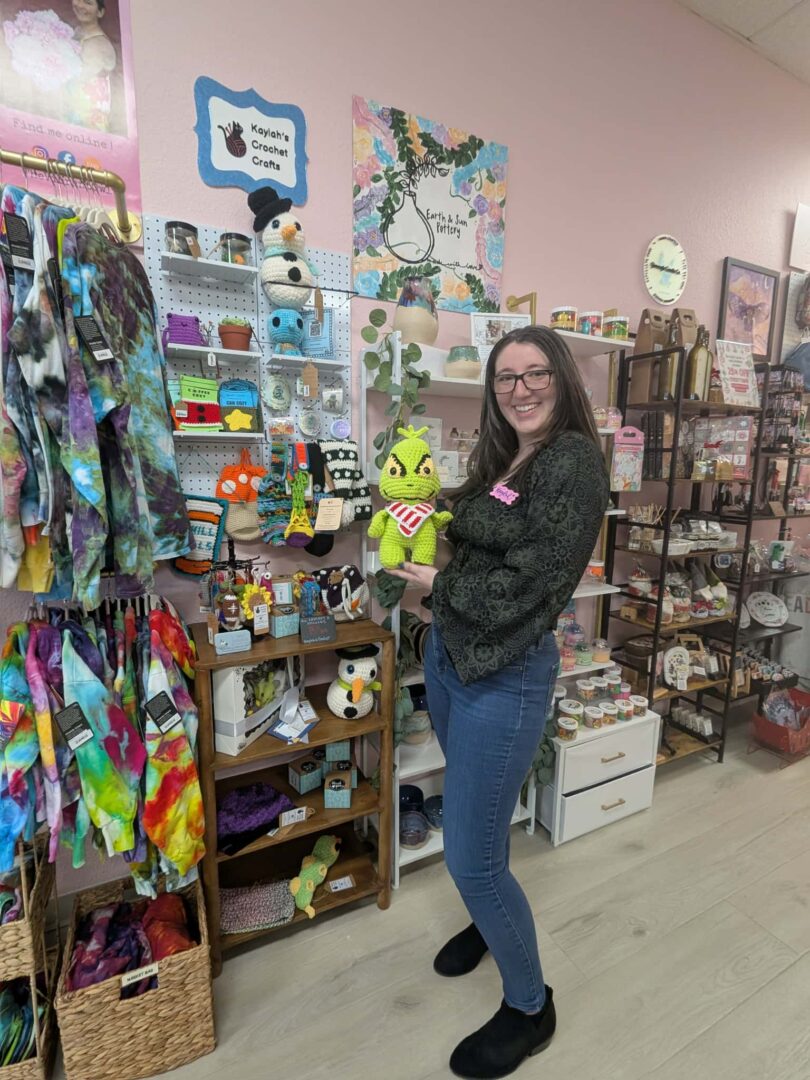
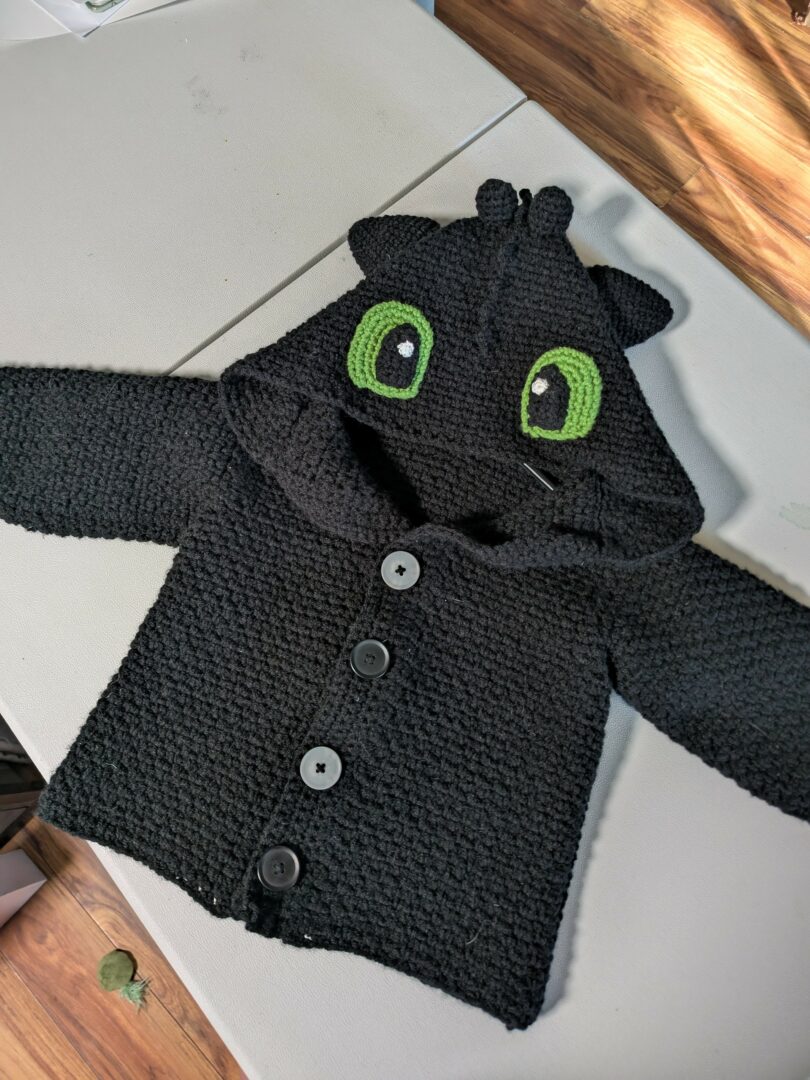
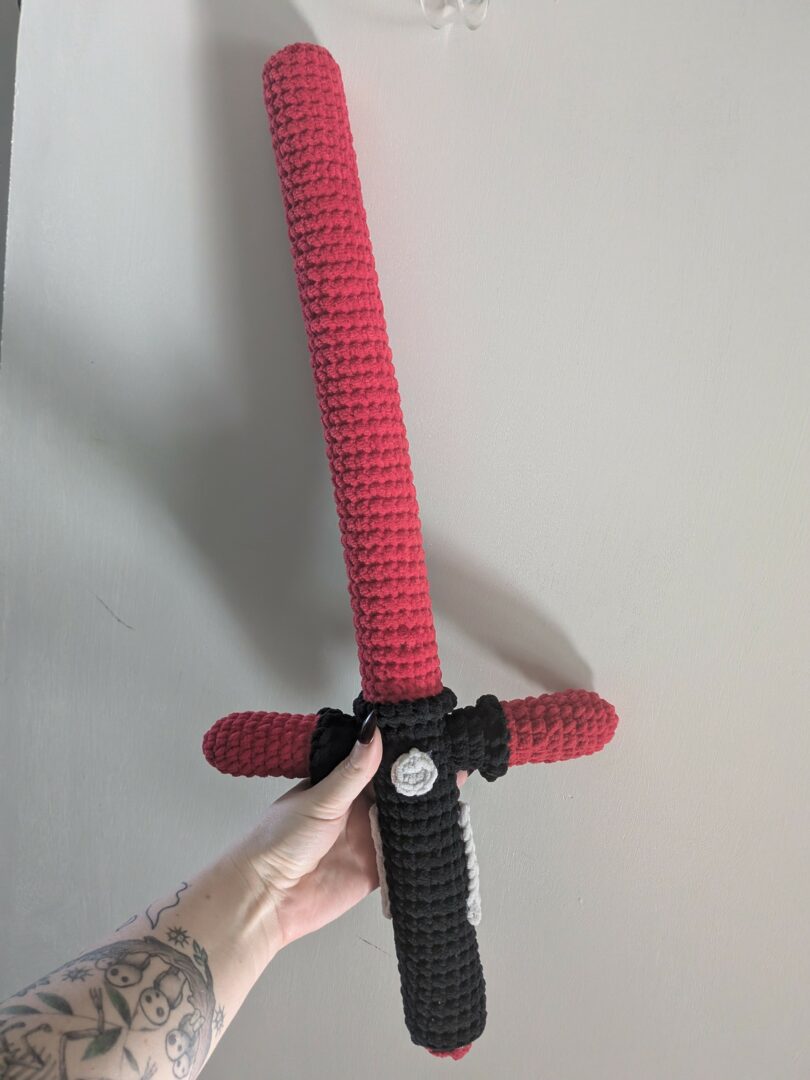
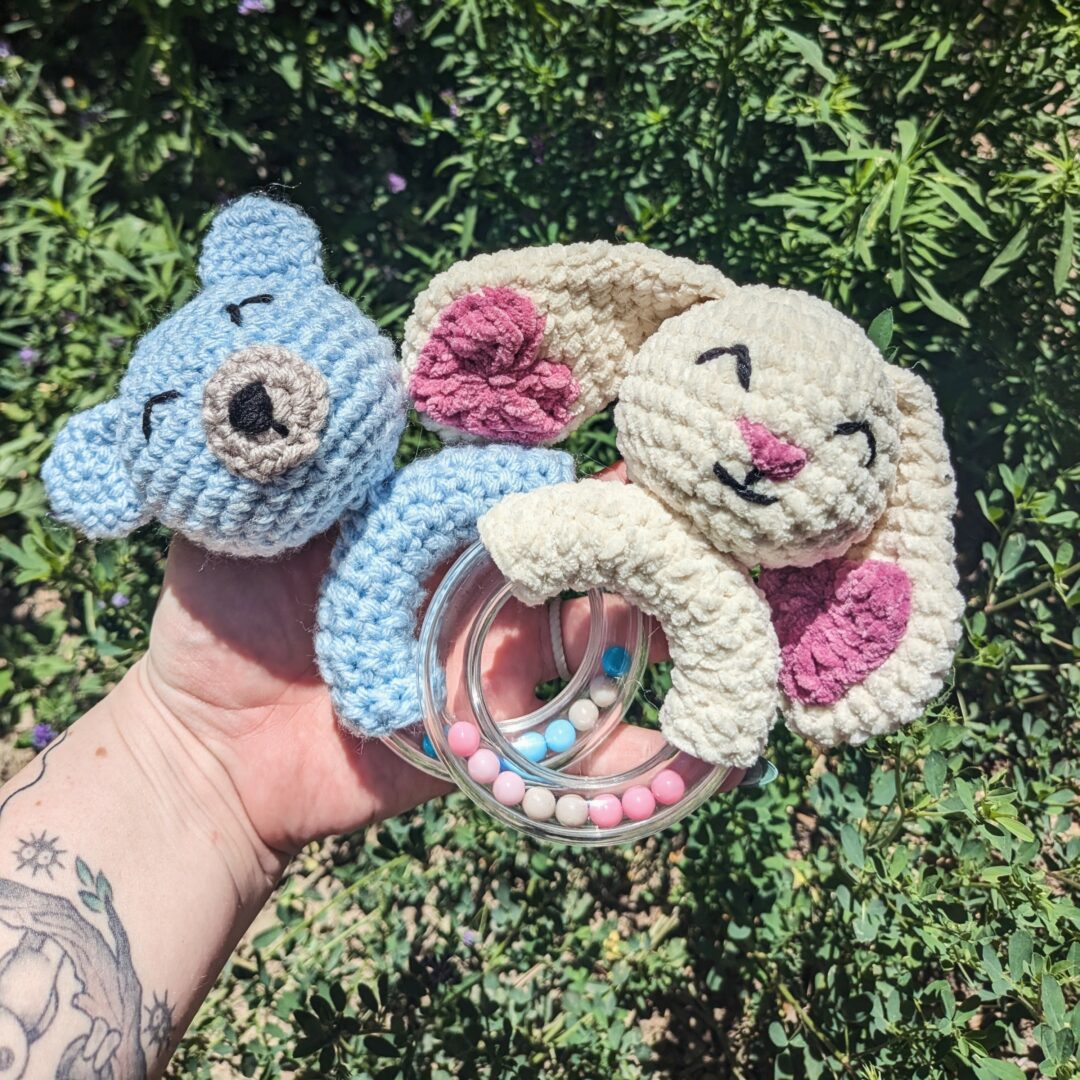
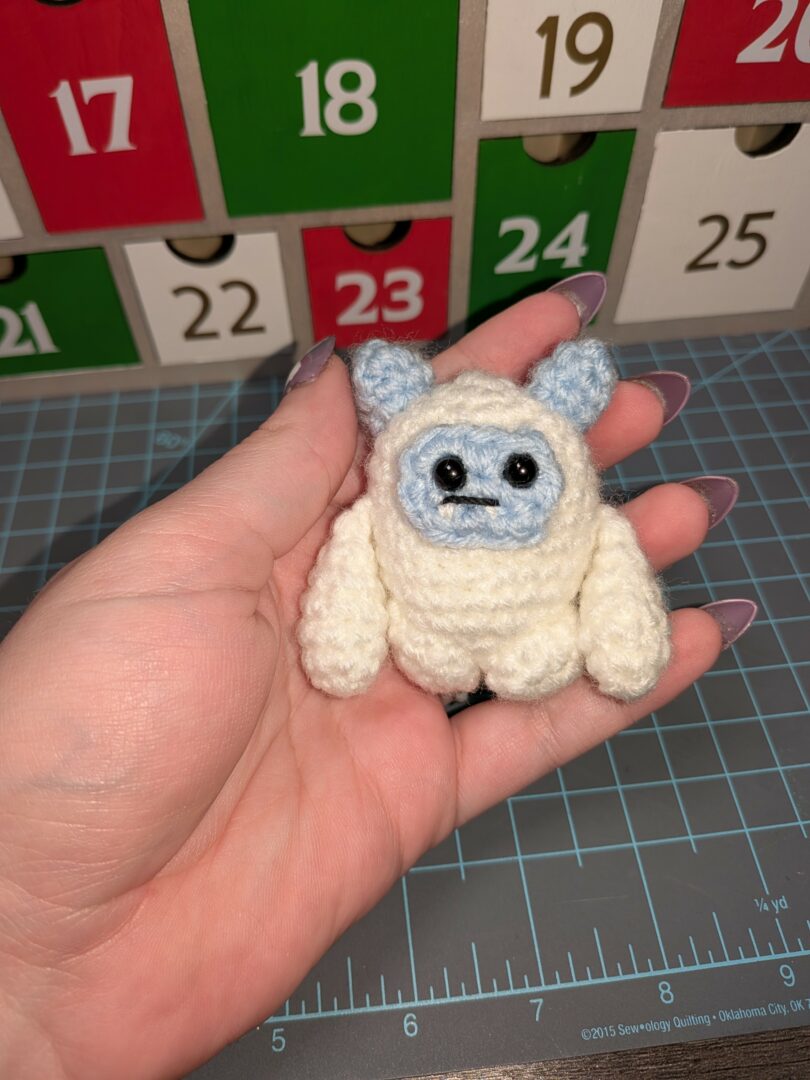
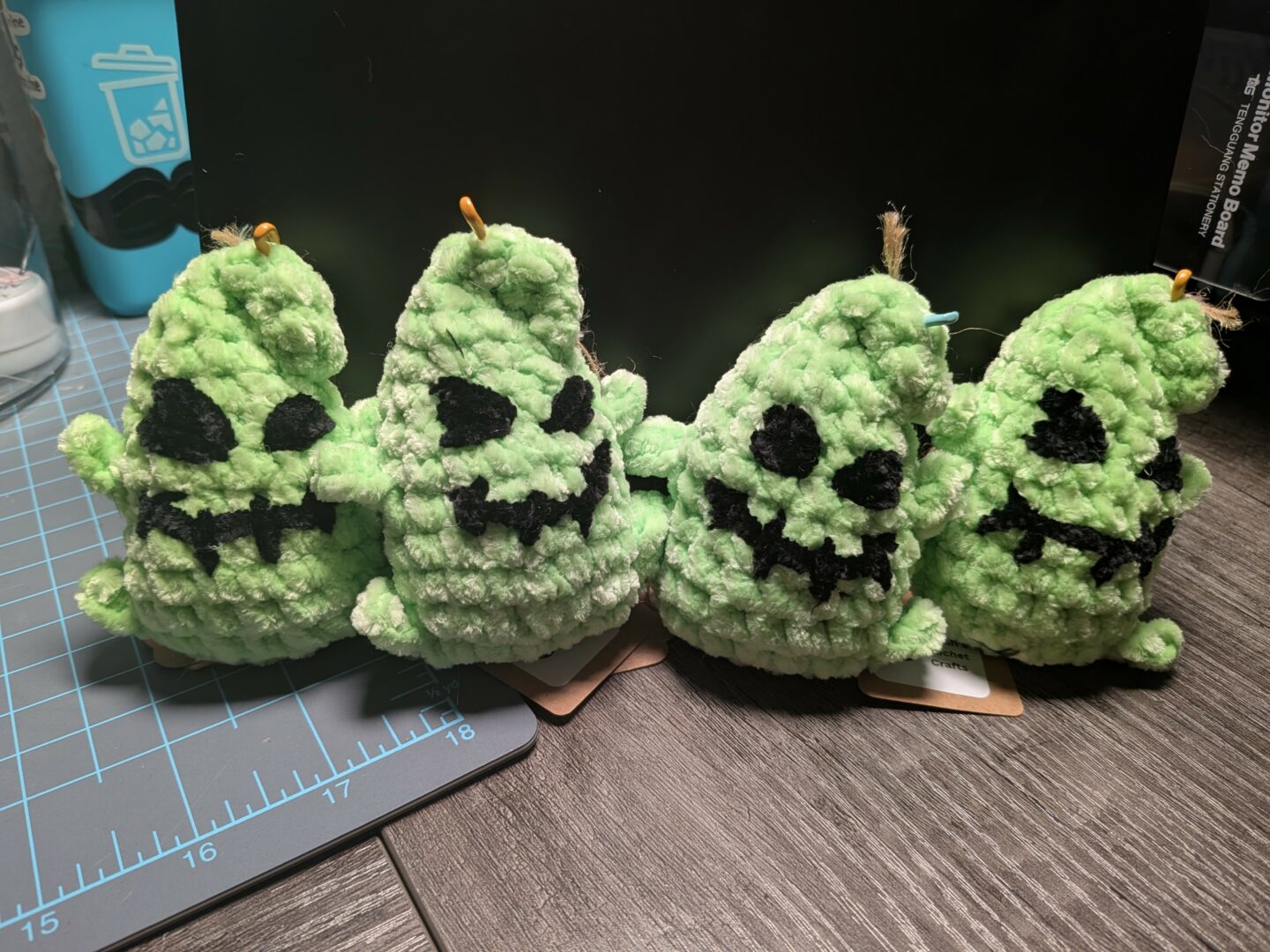
At the heart of what I do is creating handmade crochet pieces that feel personal, thoughtful, and made with intention. Crochet has been part of my life for as long as I can remember. What started as a creative outlet gradually grew into something I wanted to share more broadly. Over time, that passion evolved into my own small business, where I’m able to turn a lifelong craft into meaningful, tangible pieces for others.
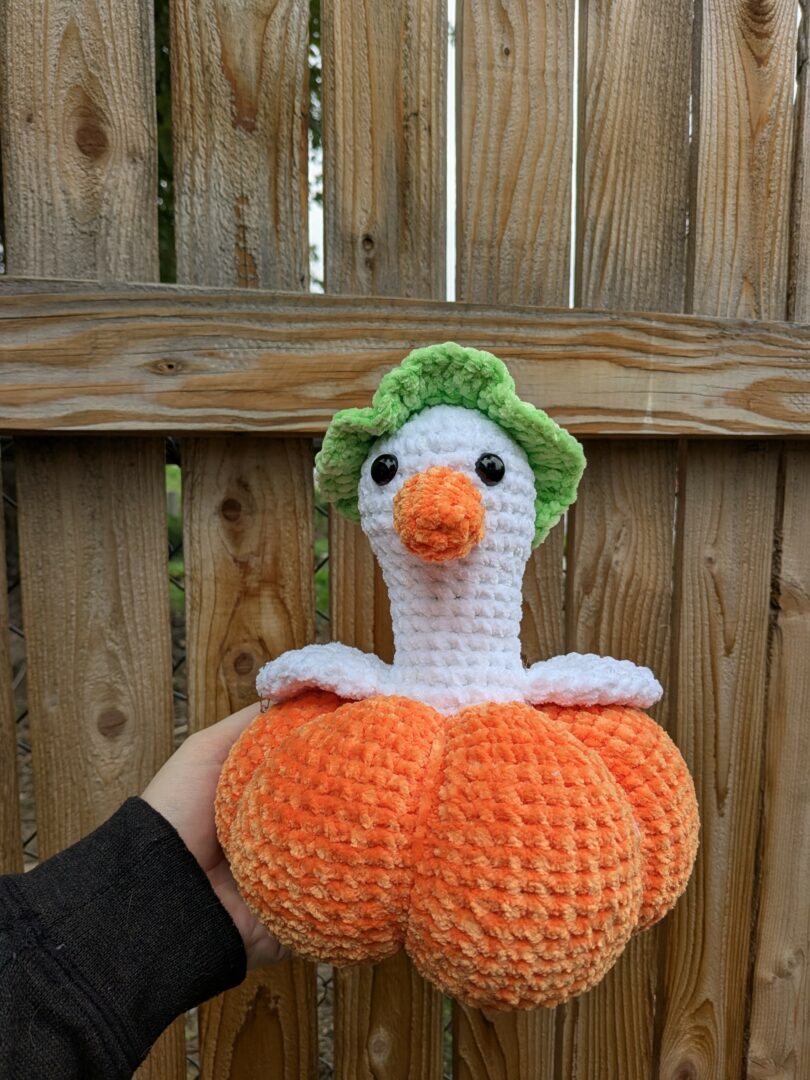
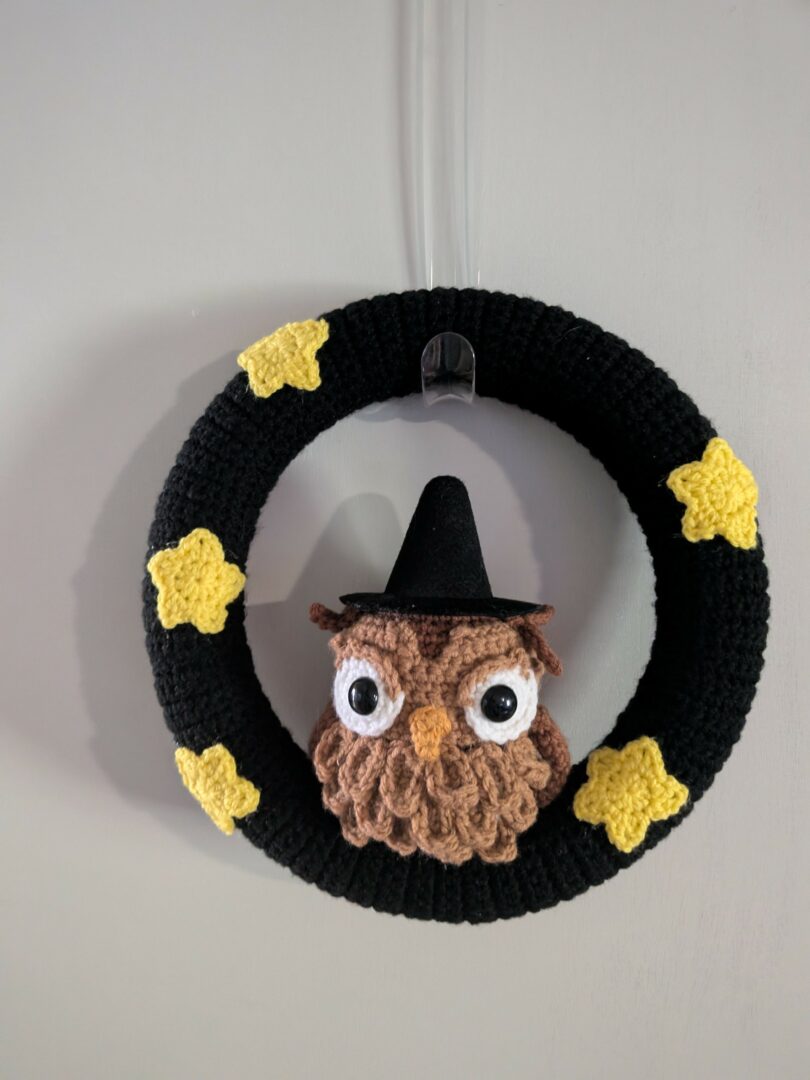
What excites me most about my work is the balance between creativity and connection. Every piece is handmade, which means no two items are ever exactly the same, and I love knowing that each one carries its own character. I put a strong focus on quality, detail, and durability, creating items that aren’t just decorative but meant to be loved and used. Custom and commissioned work has become especially meaningful to me, as it allows me to collaborate directly with customers and bring their ideas to life in a unique way.
My brand is built around the idea of slow, intentional making, valuing craftsmanship over mass production. I want people to feel confident that when they purchase something from me, they’re supporting a real person, real time, and real care put into each stitch.
One exciting development is that my work is now available locally through Hidden Gems, a shop that celebrates small businesses and handmade creators. Being a vendor there has been incredibly rewarding, allowing my work to reach new audiences and be part of a space that values creativity, community, and supporting local artists.
Right now, I’m focused on continuing to grow thoughtfully by refining my style, expanding my product offerings, and developing new designs that challenge me creatively while staying true to the heart of my work. Above all, I want my work to feel approachable, meaningful, and authentic, something people can connect with just as much as they enjoy using or wearing.
If you had to pick three qualities that are most important to develop, which three would you say matter most?
Looking back, there are three things that really shaped my journey: consistency, staying open to learning, and learning to trust both feedback and my own voice.
The first is consistency. As a maker, it’s easy to get discouraged when growth feels slow or when you’re comparing your work to others online. There were plenty of times I felt like I wasn’t “good enough yet,” but continuing to create, even on the days I doubted myself. made the biggest difference. My advice is simple: keep making. Progress builds quietly, and confidence usually comes after you’ve already put in the work.
The second is being willing to learn and experiment. No matter how long you’ve been creating, there’s always something new to try whether it is a new technique, material, or approach. Giving myself the opportunity to experiment helped me grow without getting burned out. For anyone early in their journey, don’t aim for perfection right away. Try new things, learn from mistakes, and let your style develop naturally over time.
The third is learning how to accept feedback and support. This was a big one for me. It can be hard to take compliments seriously or hear constructive feedback without overthinking it. Over time, I learned to listen to my customers, peers, and supporters. Not to compare myself to others, but to understand what was resonating. My advice here is to find community, whether that’s other makers, local shops, or customers who truly appreciate your work. You don’t have to do this alone.
For makers and small business owners especially, it’s important to remember that growth isn’t just about selling more. It’s about building confidence, refining your craft, and staying connected to why you started. If you stay consistent, curious, and connected, everything else tends to fall into place.
Any advice for folks feeling overwhelmed?
When I start to feel overwhelmed, it’s usually a sign that too much is competing for my attention at once; something I’m especially mindful of as someone with ADHD. My brain can jump into overdrive quickly, and when that happens, everything can feel urgent and unmanageable all at once.
One of the most helpful things I’ve learned to do is pause and simplify. I break things down into very small, realistic steps and focus on just one task at a time. Writing things down or physically checking something off a list helps quiet my mind and gives me a sense of accomplishment.
I also try to work with my ADHD instead of against it. That might mean leaning into short bursts of focused work rather than forcing long stretches, or switching tasks when I feel stuck instead of beating myself up for it. Giving myself flexibility has been key to avoiding burnout.
Taking breaks is another big part of how I manage feeling overwhelmed. Stepping away from my work, getting outside, or doing something completely unrelated helps reset my focus and energy. Creativity comes back much more easily when I allow myself space to breathe and recenter my thinking.
Most importantly, I don’t try to handle everything alone. Reaching out to friends, family, or other creatives helps me regain perspective and reminds me that I’m not failing. I’m just human.
My advice to others, especially creatives with ADHD, is to be kind to yourself and build systems that support how your brain actually works. Feeling overwhelmed isn’t a personal flaw; it’s a signal to slow down, reset, and adjust.
Contact Info:
- Website: https://kaylahscrochetcrafts.com
- Instagram: https://www.instagram.com/kaylahs_crochet_crafts?utm_source=ig_web_button_share_sheet&igsh=ZDNlZDc0MzIxNw==
- Facebook: https://www.facebook.com/profile.php?id=61562252987595
- Other: https://linktr.ee/kaylahscrochetcrafts?utm_source=ig&utm_medium=social&utm_content=link_in_bio
https://www.tiktok.com/@kaylahs.crochet.c
so if you or someone you know deserves recognition please let us know here.