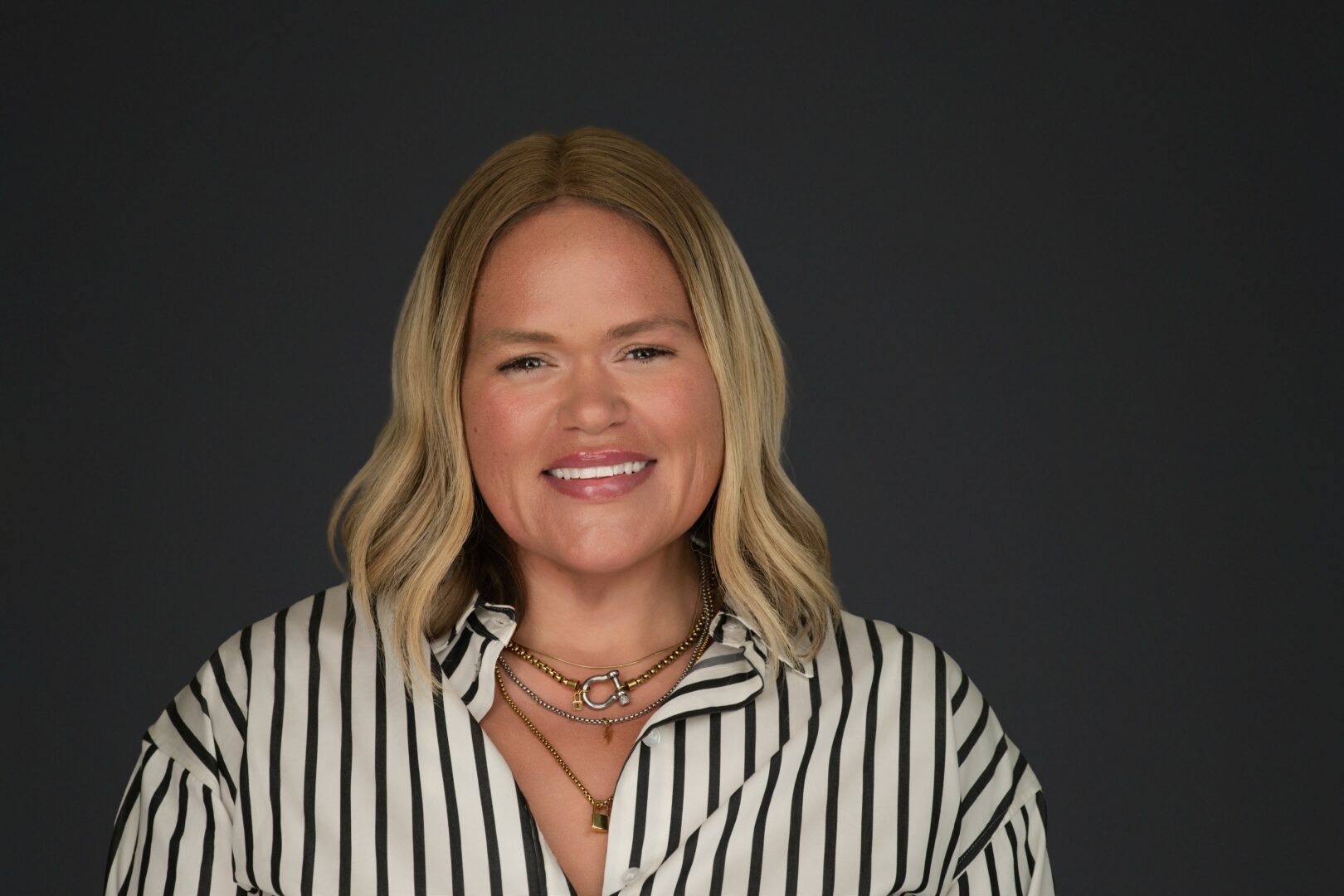
We caught up with the brilliant and insightful Keishia Lewis-Crabtree a few weeks ago and have shared our conversation below.
Hi Keishia, you’ve got such an interesting story, but before we jump into that, let’s first talk about a topic near and dear to us – generosity. We think success, happiness and wellbeing depends on authentic generosity and empathy and so we’d love to hear about how you become such a generous person – where do you think your generosity comes from?
I used to think generosity meant giving whatever I had, whenever someone needed it. No questions. No pause. No guardrails.
But the longer I’ve lived, the more I’ve realized my generosity didn’t come from abundance,it came from memory.
It came from seasons where I didn’t have enough.
From moments when help showed up right on time.
And from moments when it didn’t,and I told myself I’d never let someone feel that alone if I could help it.
Some of my generosity was learned.
Some of it was survival.
And if I’m honest, some of it was rooted in pain.
Scripture says, “To whom much is given, much is required.”
But what we don’t talk about enough is that much doesn’t always look like money. Sometimes it’s insight earned the hard way. Sometimes it’s access. Sometimes it’s simply knowing how to navigate a situation without panicking because you’ve already been through worse.
That’s the kind of generosity I learned first,giving what I knew, what I could do, what I could carry for someone else.
But faith has a way of maturing you.
I’ve learned that God doesn’t ask us to give ourselves away until there’s nothing left. He asks us to steward what we’ve been entrusted with. And stewardship requires discernment.
Because here’s the truth I had to face:
Not all generosity is holy.
Sometimes we give because we’re afraid to say no.
Sometimes we give because we want to be needed.
Sometimes we give because we haven’t healed the part of us that equates love with sacrifice.
That kind of generosity will drain you,and eventually resent the very people you’re trying to help.
Healthy generosity has boundaries.
It listens before it gives.
It asks God before it responds.
It understands that saying “not this time” doesn’t mean you’re selfish,it means you’re aligned.
So now, when I give, I ask myself a different question.
Not “Can I?”
But “Am I called to?”
Because generosity that comes from pressure will exhaust you.
Generosity that comes from purpose will sustain you.
And when your generosity is rooted in faith,not fear,it stops being reactive and starts being intentional.
That’s when it becomes a blessing to others
without becoming a burden to you.
Thanks, so before we move on maybe you can share a bit more about yourself?
Built in the Waiting What I do today didn’t come from overnight success,it came from endurance.
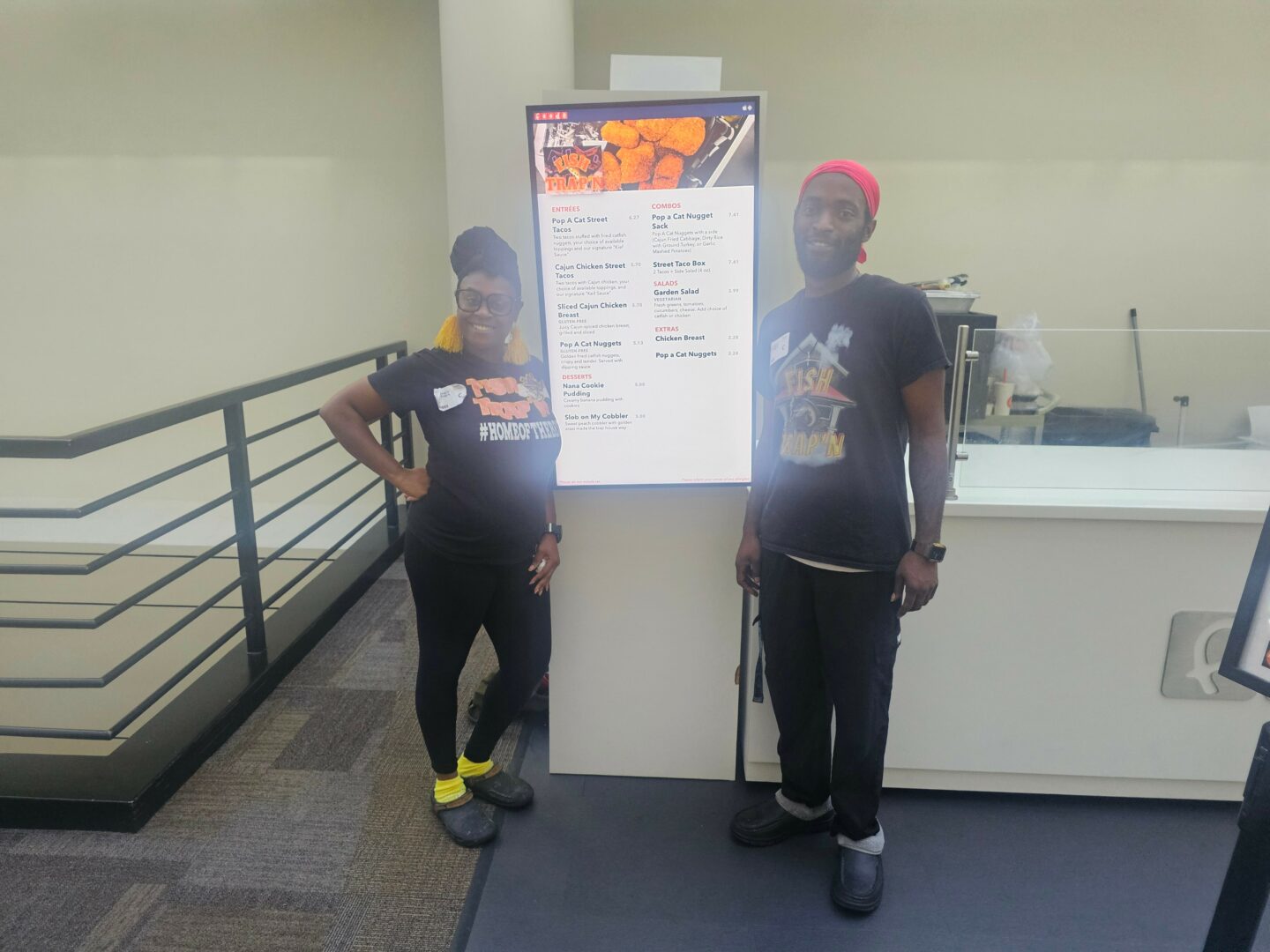
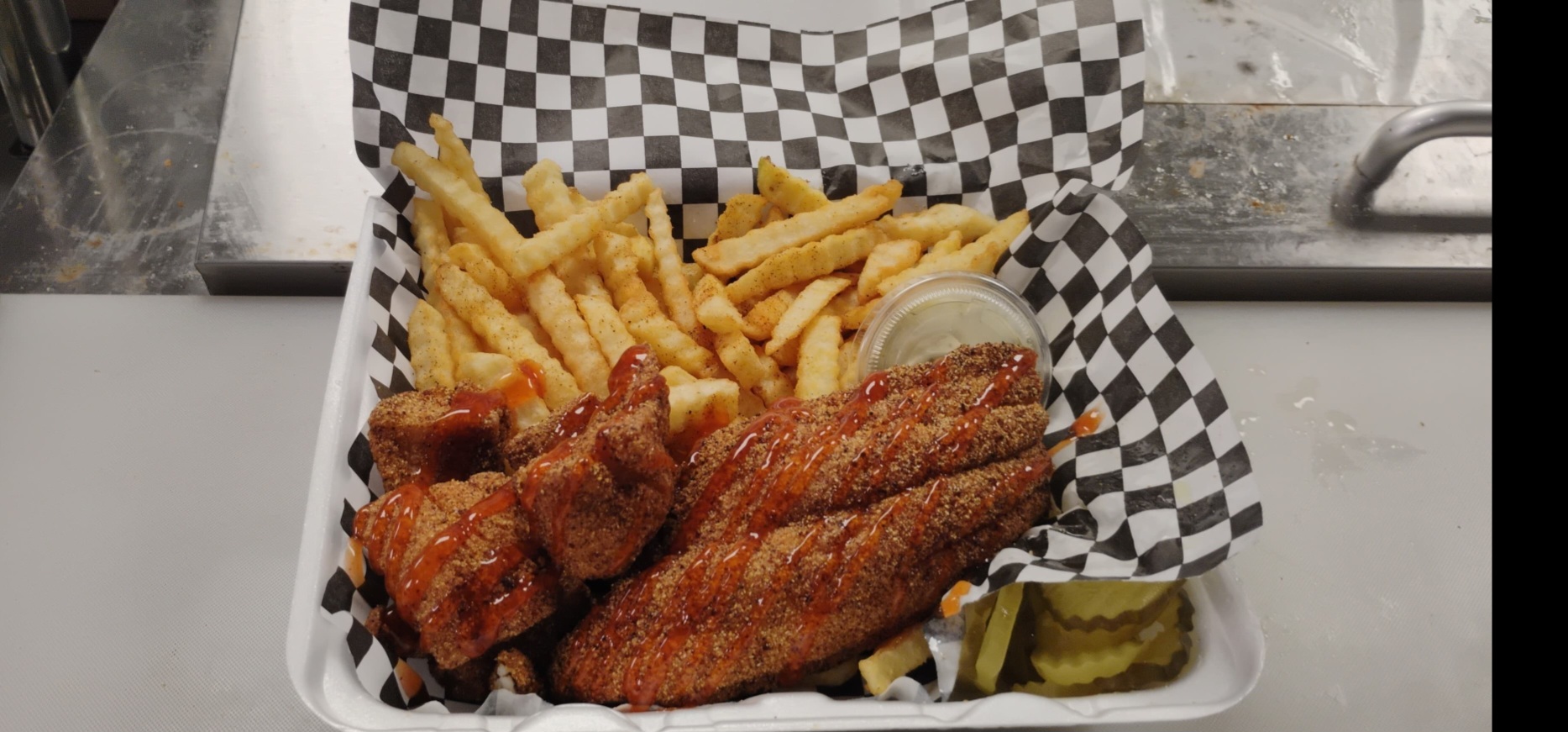
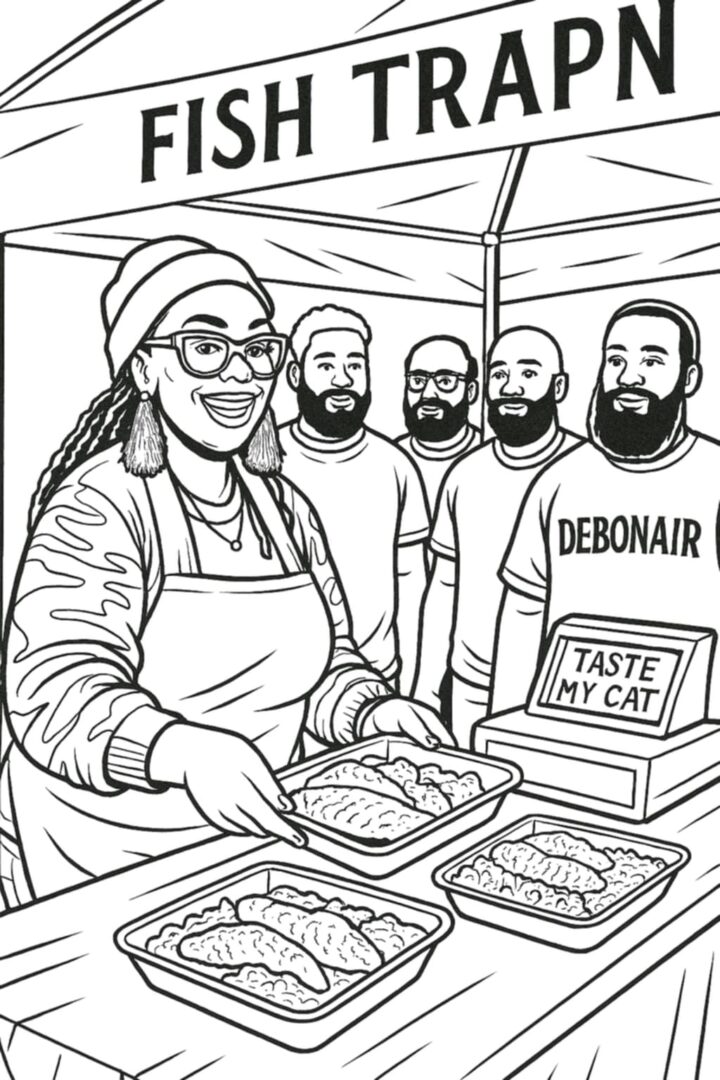
My journey has been shaped by tents, pop-ups, borrowed kitchens, and long seasons of figuring things out as I went. I didn’t start with capital or a blueprint. I started with grit, discipline, and a willingness to learn the business from the ground up. Every phase taught me something different,about food, about people, about leadership, and about myself.
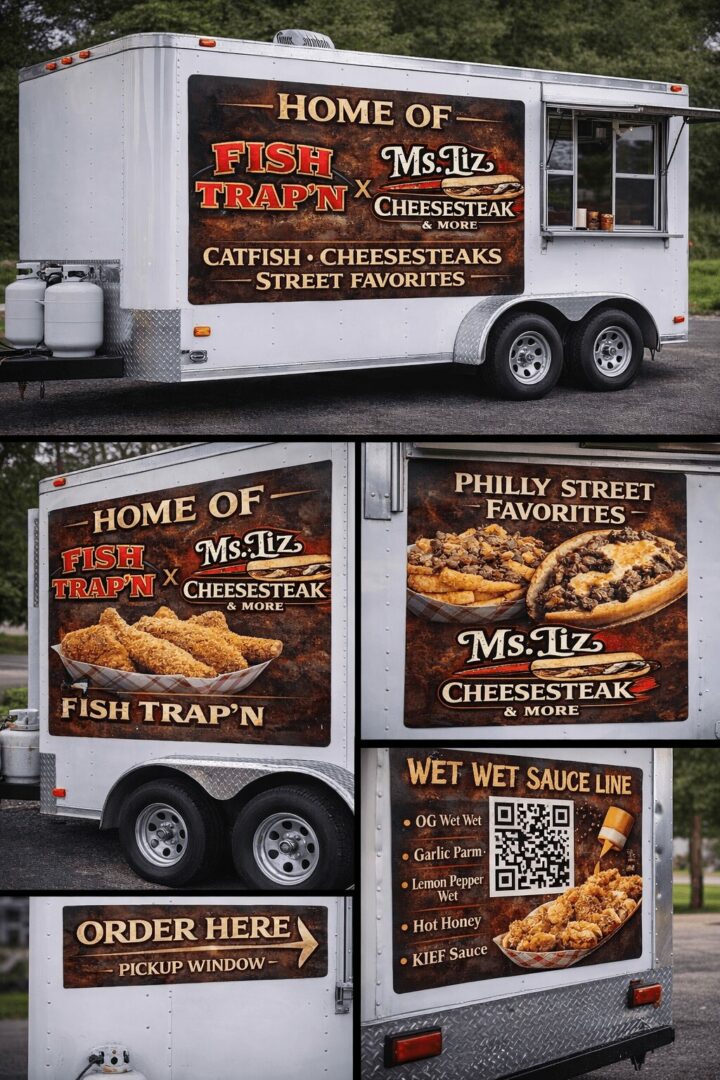
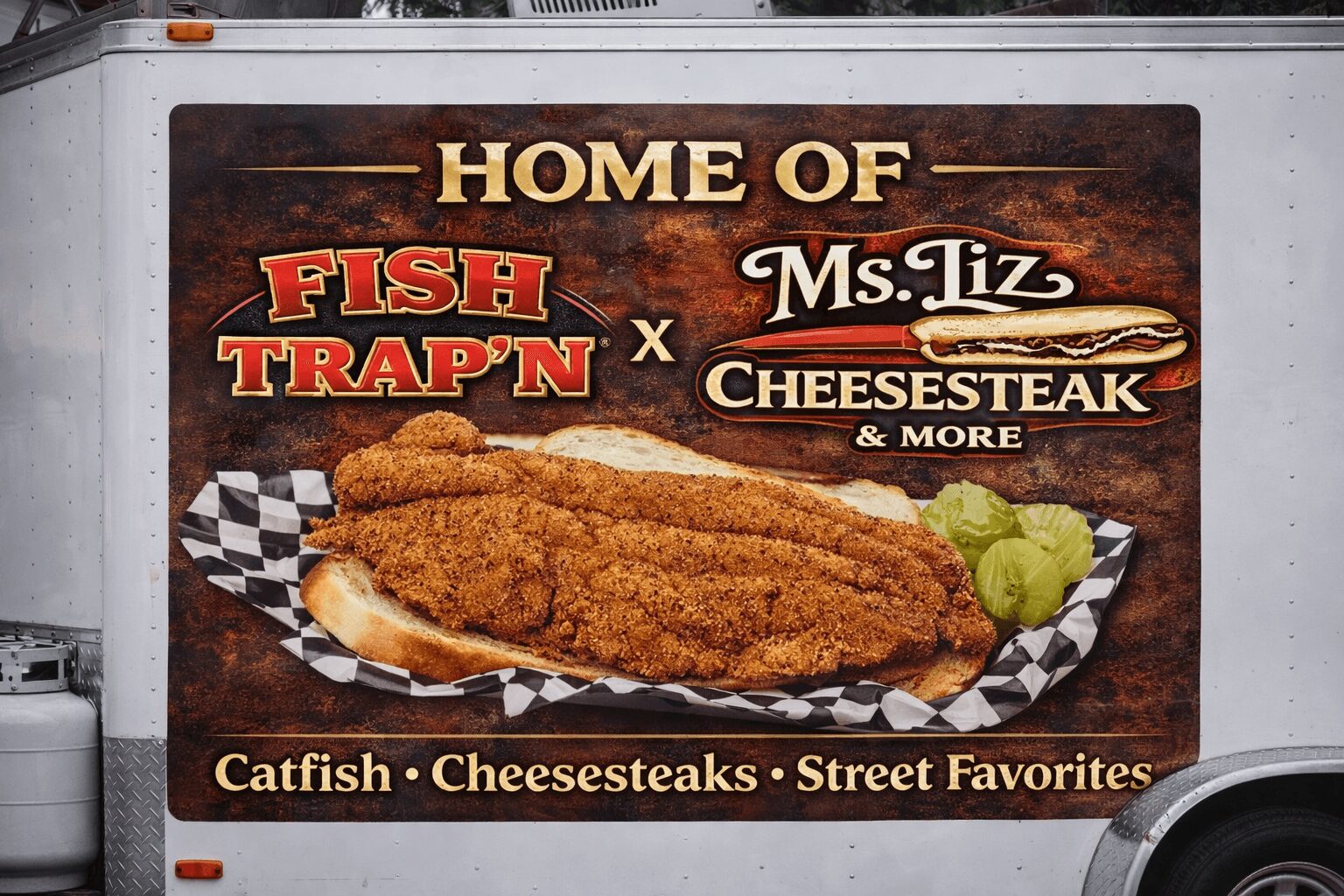
For eight years, one goal stayed consistent: mobility with ownership. A food trailer represented freedom,the ability to move, to meet people where they are, and to expand without losing control of the brand. After nearly a decade of working toward it, the trailer didn’t arrive the way I imagined. It quite literally landed in our laps. Not as a coincidence, but as confirmation that preparation eventually meets provision.
That trailer has changed the way we operate. It allows us to show up at events, neighborhoods, and private bookings with confidence and consistency. It’s not just a piece of equipment,it’s a symbol of staying the course when progress feels slow and unseen.
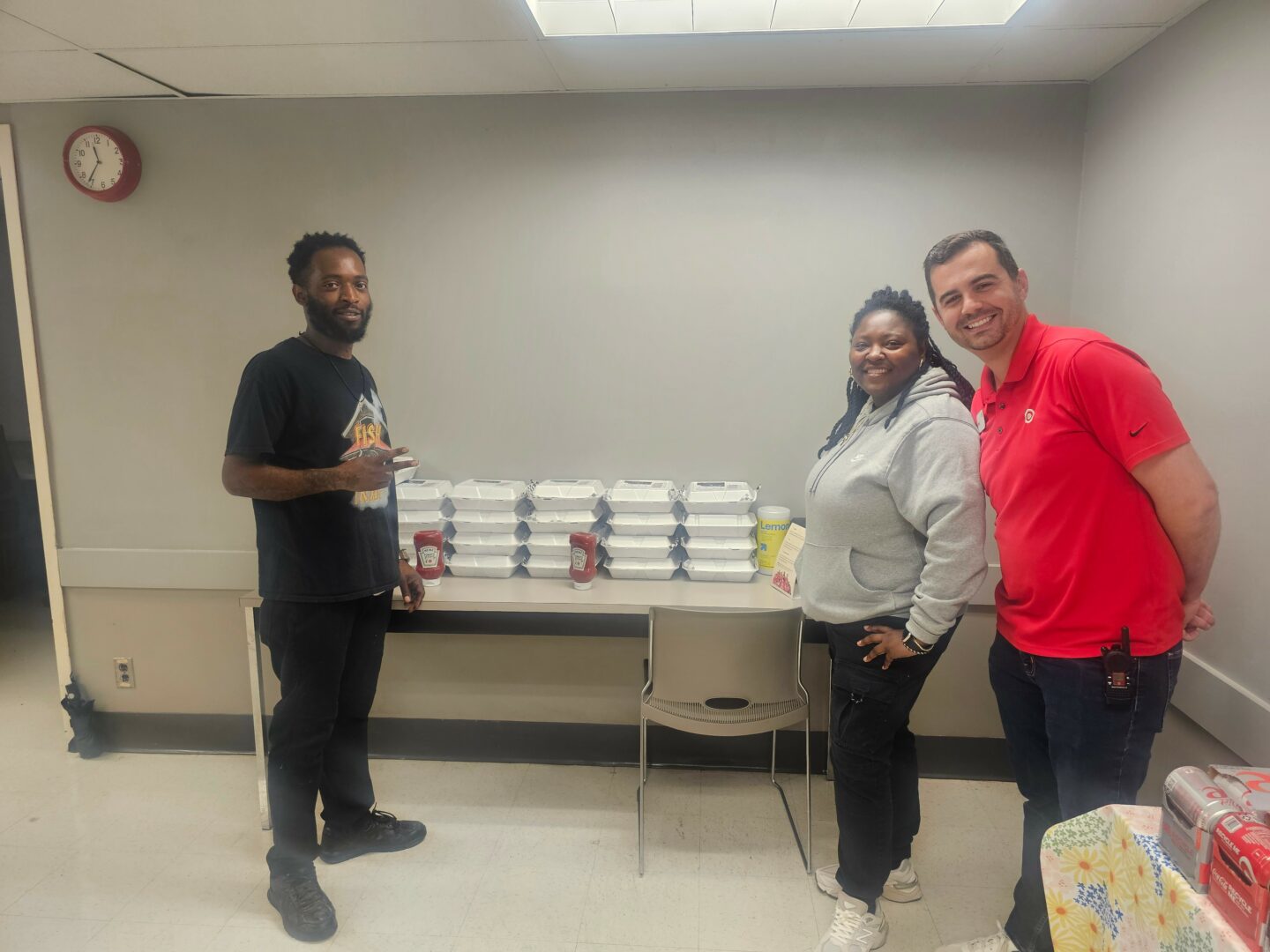
At the same time, the business has expanded into corporate catering and private lunches. We now serve offices, teams, and organizations looking for food that feels intentional,food with culture, care, and personality. That expansion matters because it represents access to rooms I once stood outside of, wondering if I’d ever be taken seriously there.
What makes this work special isn’t just the menu. It’s the truth behind it. There’s no polished storyline here. This brand was built in real time,through pressure, faith, mistakes, and resilience. Every step forward reflects lived experience, not borrowed strategy.
Along the way, something else became clear to me, the responsibility to reach back.
Over the years, I’ve taken other small brands under our wing. Sometimes formally, sometimes quietly. Sharing information. Walking people through permits, pricing, sourcing, systems, and mistakes I already paid for. Offering guidance freely, without contracts, without guarantees, and often without recognition.
Not every contribution shows up publicly. Not every seed gets credited to the planter. But that’s never been the point.
I believe access is a form of generosity. Information is a form of provision. And if I’ve already walked a road the hard way, it’s only right to make it lighter for someone coming behind me.
Over time, that responsibility has taken clearer shape. While Fish Trap’n continues to grow and expand through catering, corporate events, and mobile operations, I’ve also become more intentional about bringing other small businesses along. We’ve consistently taken brands under our wing — not as a rebrand, but as hands-on mentorship.
Ms. Liz Cheesesteak & More represents our 2026 project — a real-time example of what it looks like to learn inside an already established brand that’s still expanding itself. This work is about systems, kitchens, catering execution, and understanding how to scale the right way.
It’s not about replacing what we’ve built. Fish Trap’n remains the foundation. It’s about growth with purpose, expanding while creating access for others to grow alongside us.
Mentorship, to me, isn’t about being seen as the expert. It’s about being available, honest, and responsible with what I’ve learned. Some brands we’ve supported went on to grow. Some pivoted. Some didn’t make it. But the offering was always the same — real insight, real support, and no gatekeeping.
That commitment continues. As the business matures, so does the responsibility to steward not just the brand, but the knowledge that built it.
As I look ahead, the focus isn’t rapid growth,it’s aligned growth. Sustainable systems. Strategic use of the trailer. Continued expansion in catering that makes sense for where we are now. I’m building something that lasts, not something that burns bright and fades quickly.
Faith has been the anchor through all of it.
I’ve learned that what’s meant for you doesn’t require rushing or forcing. It requires obedience, consistency, and trust in the unseen work happening while you wait. The delays weren’t denials,they were development.
This journey wasn’t fast.
It wasn’t easy.
But it was faithful.
And what’s being built now is rooted, ready, and just getting started.
There is so much advice out there about all the different skills and qualities folks need to develop in order to succeed in today’s highly competitive environment and often it can feel overwhelming. So, if we had to break it down to just the three that matter most, which three skills or qualities would you focus on?
Looking back, three things had the biggest impact on my journey: resilience, operational knowledge, and discernment. What made them powerful is that they were developed in real time, not learned in theory.
1. Resilience = staying when it would’ve been easier to stop
Resilience showed up during the years of working out of tents, pop-ups, and borrowed kitchens. There were seasons where the work was heavy and the return was light. I learned how to keep moving without applause, without guarantees, and sometimes without clarity,just faith and commitment.
Advice:
If you’re early in your journey, stop measuring progress only by results. Measure it by your ability to stay consistent under pressure. Build routines that don’t depend on motivation, because motivation won’t always show up when you need it.
2. Operational Knowledge =understanding the business from the inside out
Learning how the business actually worked changed everything. Knowing costs, timing, prep, labor, margins, and logistics gave me control. It allowed me to pivot, scale, and protect the brand without guessing. That knowledge came from being hands-on and willing to learn every role, even when it wasn’t glamorous.
Advice:
Don’t rush to outsource what you don’t yet understand. Learn the mechanics first. Track your numbers. Know your process well enough that no one can confuse you or sell you something that doesn’t serve you. Mastery behind the scenes creates confidence out front.
3. Discernment =choosing alignment over access
Discernment took time. Early on, every opportunity felt necessary. Over time, I learned that not every open door is meant for you. Some opportunities look good but cost too much,your peace, your focus, or your foundation. Learning when to say no protected the long-term vision.
Advice:
Slow your decisions down. Pray on them. Ask better questions. If something pulls you out of alignment with who you’re becoming, it’s not worth the short-term gain. Growth that’s rushed often comes with consequences you don’t see at first.
Final Thought:
You don’t need to have everything figured out to start. But you do need to be willing to learn, endure, and grow with intention. Skills can be taught. Systems can be built. But resilience and discernment are developed only through experience,and those are what sustain you when the journey gets real
Looking back over the past 12 months or so, what do you think has been your biggest area of improvement or growth?
My biggest area of growth over the past 12 months has been learning to slow down and lead with discernment instead of urgency,especially in how I make decisions and protect my energy.
For a long time, I operated in survival mode. When you’re building from the ground up, everything feels urgent. Every opportunity feels like it might be the one that changes everything. This past year, I learned the hard way that moving fast without alignment creates more problems than progress.
I became more intentional about pausing before saying yes,praying on decisions, asking better questions, and paying attention to how something felt before committing to it. That shift helped me avoid partnerships and moves that looked good on paper but would’ve cost me peace, focus, or long-term stability.
A tangible example of that growth is how I approach expansion now. Instead of chasing visibility or quick wins, I’m prioritizing sustainability,building systems, protecting the brand, and choosing opportunities that fit where we are, not where I feel pressured to be.
I’ve also improved in setting boundaries. Not every issue requires my immediate response, and not every responsibility belongs to me. Learning to step back has allowed me to lead more clearly and show up stronger in the areas that actually require my voice.
This past year hasn’t been about doing more,it’s been about doing better. That shift has changed how I lead, how I build, and how I move forward with confidence instead of urgency.
Contact Info:
- Website: Fishtrapn.com
- Instagram: https://www.instagram.com/fish_trapn?igsh=NWs5enU5azlzZ3o0
- Facebook: https://www.facebook.com/share/16cTHKA5W3/