We were lucky to catch up with Kelly Mendenhall recently and have shared our conversation below.
Kelly, we’re thrilled to have you sharing your thoughts and lessons with our community. So, for folks who are at a stage in their life or career where they are trying to be more resilient, can you share where you get your resilience from?
I want to claim that I work hard at being resilient or that I am conscious of it. I would love to offer readers solid advice on building resilience. However, resiliency, in my case, seems to be a combination of genetics and the examples set for me by my elders and ancestors, an innate sense of the purpose GUS (God/Universe/the Source) has for me in my time at Earth School, and grit and determination that I think comes naturally to those of us born and raised in southeast Michigan.
Whenever I want to give up, I ask myself what that looks like.
For example, if I say to myself, “I don’t feel like putting so much effort into my physical fitness and rehab anymore; I’ll walk the dog, but I’m not doing all the extra exercise and going to the gym anymore. I’m tired. I quit.”
So, what would it look like if I did that? Well, my pain and inflammation start getting worse again, my mobility declines, my relationship with my partner declines, and I miss out on more and more family events, and so on. The ripple effect only gets uglier from there. After I consider that and remember what life was like when I was living a very sedentary, indoor existence, I’m generally motivated to go and do the workout I didn’t feel like doing in the first place.
Giving up isn’t an option for me because I don’t like how giving up looks when I imagine it, and I don’t want that to be my legacy. I keep going, sometimes just one moment or step at a time. However, I need to take it slowly, and I do. But I don’t quit.
Appreciate the insights and wisdom. Before we dig deeper and ask you about the skills that matter and more, maybe you can tell our readers about yourself?
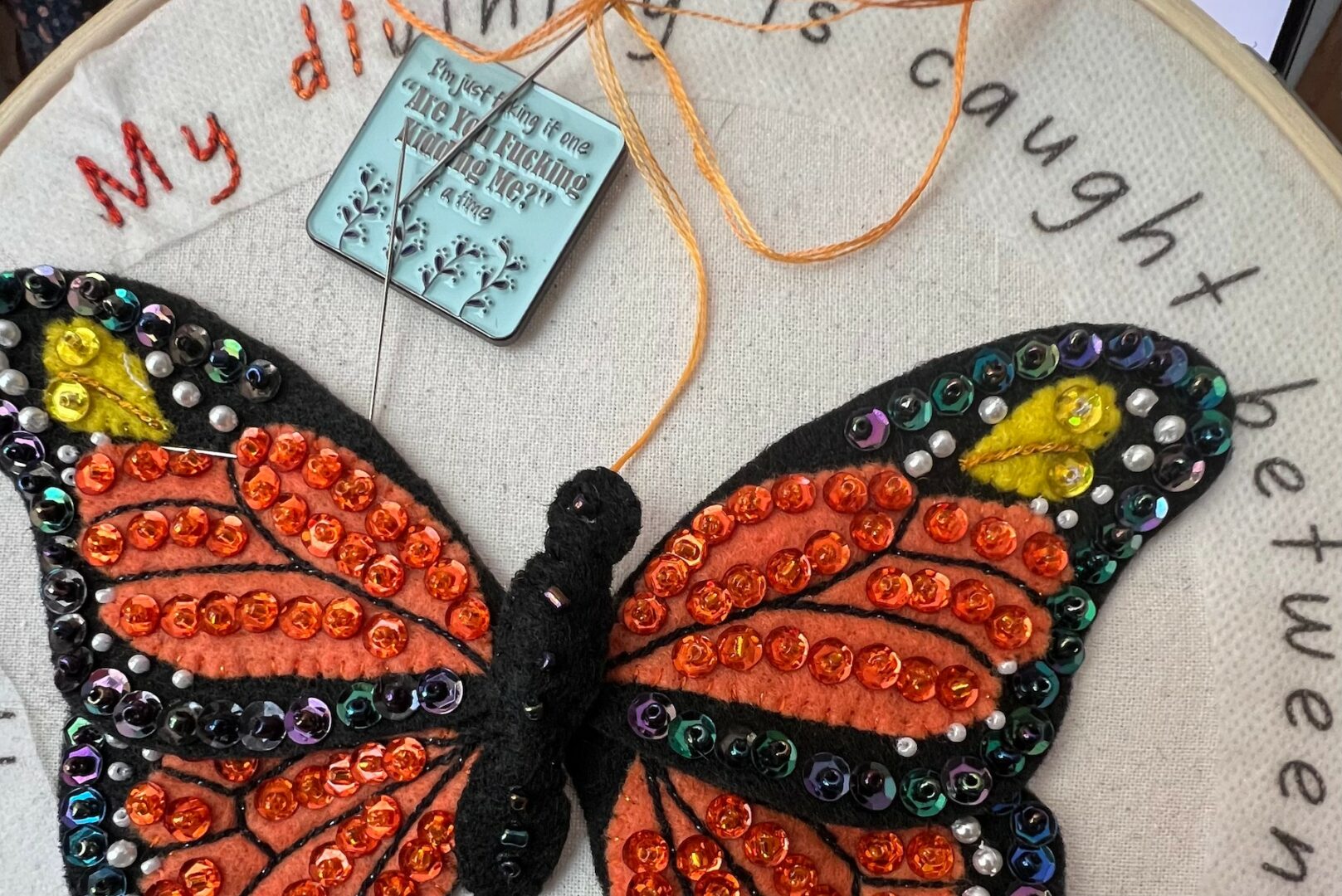
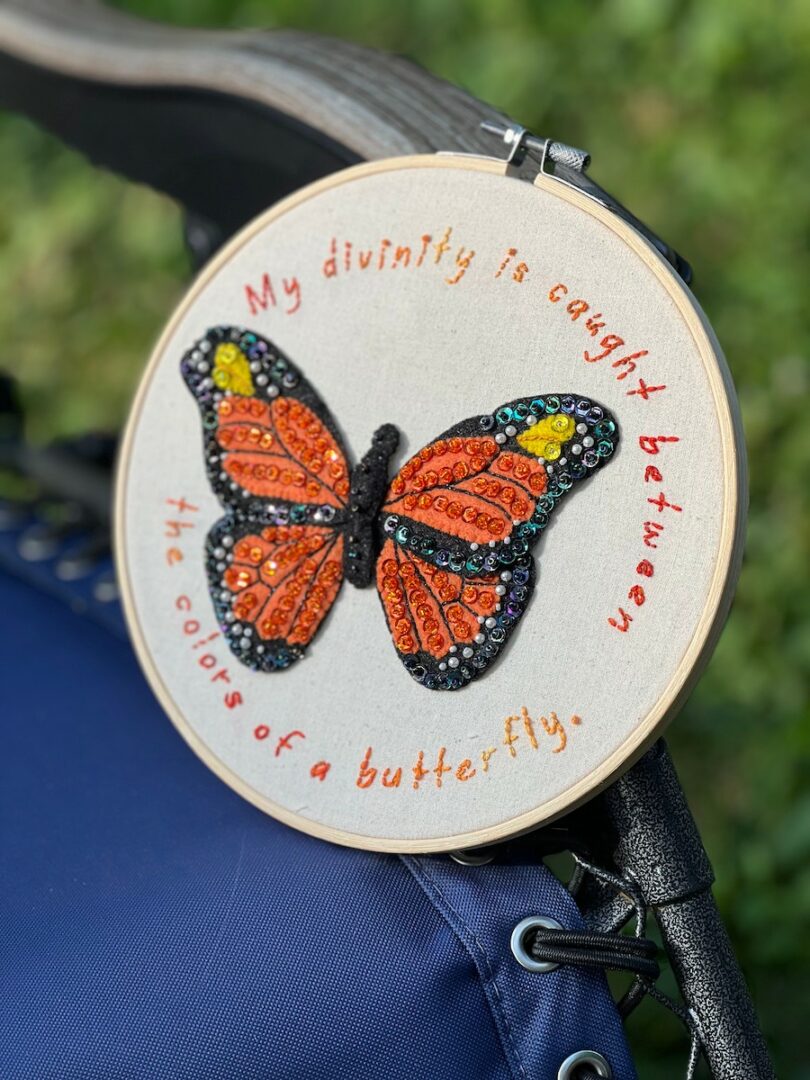
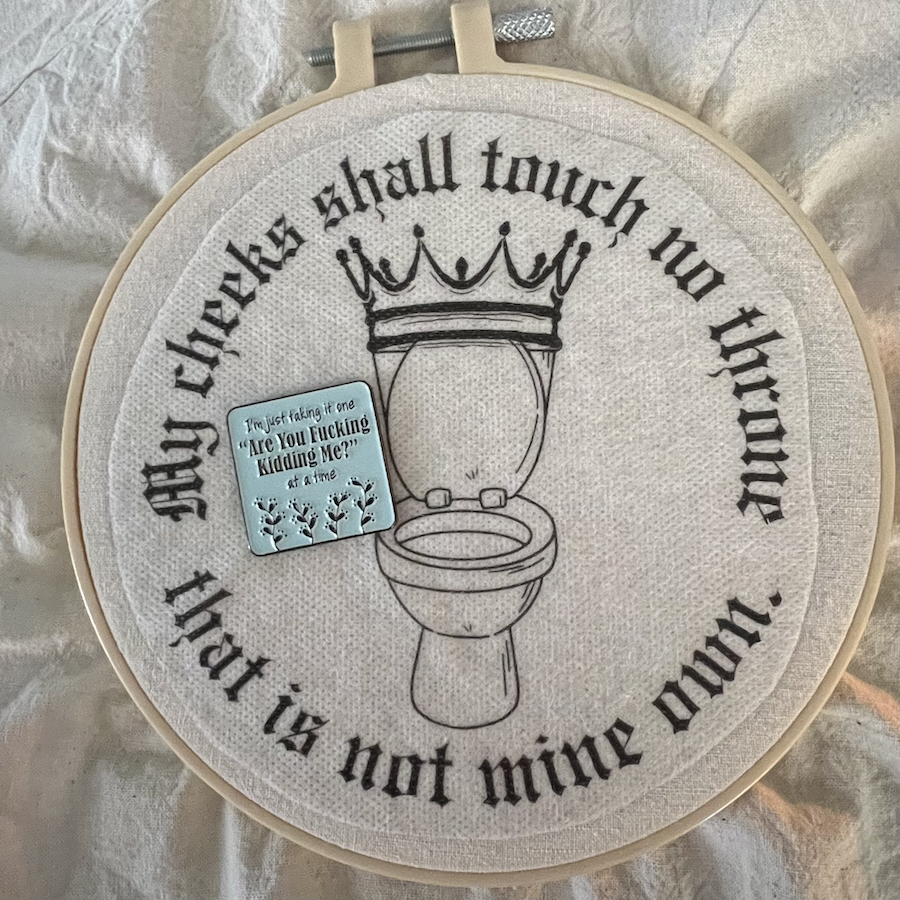
My mission is to spread more love and joy to Spoonies* everywhere through the written word and handcrafted, lovingly made items. Spoonie is a term for people living with invisible disabilities, sometimes also known as being dynamically disabled.
This world isn’t accommodating to those of us with disabilities, and we miss out on a multitude of experiences due to our physical, emotional, and mental health limitations. The experience of living with chronic invisible illnesses or disabilities often includes being unable to afford handcrafted folk or fine art or traveling to art shows and events.
My store stands out because everything that isn’t a custom or personalized commission is “Pay What You Can” or “Pay What Feels Good.” In other words, almost everything is name-your-own-price. Sometimes, this is a tricky business model to convince people of, but I don’t mind. I do this because it makes embroidery art more accessible to everyone, and art is for everyone!
You’d probably be surprised, but those who don’t find themselves in a financial bind will often tip quite a bit for one of my pieces, knowing that it makes up for those who may not be able to give more than a couple of dollars. And that’s the great thing: it all balances out, and I get to do what I love and share it with others.
Finally, I’m an author, and I realized that $25.99 for a full-color printed copy of my memoir was likely cost-prohibitive for many of my audience members. So, I offer an ebook version for $2.99. OR, you can go to my website and subscribe to my Podcast, Skin in the Game: The Stories My Tattoos Tell: An Intimate Author Experience, and pay $3.99 for nine episodes of me reading my book. It’s like a cross between a live author reading and a podcast.
I also have contributing artists who give to the shop as well. Currently, a woodworker, Bradford Howard, and a fiber and mosaic artist. While I specialize in creating heirloom Christmas stockings, ornaments, and other decor, I also offer digital embroidery patterns and make custom embroidery hoops. I am always thinking of ways to bring embroidery into the modern era and vice versa.
Art saves lives, and I know that because it has saved mine. I turned to embroidery and hand-stitching when I was sedentary, living on one floor of my home and losing the function of my body and limbs in strange ways that doctors couldn’t easily explain. It would take two-and-a-half years to solve the medical mystery and find the reasons behind my pain and immobility; it would take another year and a total of four neurosurgeries to regain my quality of life.
I suffered a great deal from 2017-2020. I have many complex layers of PTSD related to that period. Stitching and embroidery were my escape from that suffering. I was stitching beauty born from brutality. Stitch by stitch, I survived.
I want to pass on the gift of folk art, embroidery, and the therapeutic joy of creating to others living with chronic pain and other invisible disabilities as much as possible.

Looking back, what do you think were the three qualities, skills, or areas of knowledge that were most impactful in your journey? What advice do you have for folks who are early in their journey in terms of how they can best develop or improve on these?
My career in nonprofits has influenced my current work quite a bit. I’d consider myself a social entrepreneur at this point. Empathy, compassion, and the ability to empathize with others are the most essential qualities for my collective work. Being a natural creative raised by an artist doesn’t hurt, either.
While this contradicts conventional wisdom on the topic, I believe that my neurodivergence and diagnoses are my superpowers. Not everyone would enjoy this work as an artist or an advocate. Not everyone can survive the pain I have or would endure what I have and still have a seemingly limitless capacity for the love of others.
That’s why I’m here.
Looking back over the past 12 months or so, what do you think has been your biggest area of improvement or growth?
2024 has been an incredible personal growth year! I was diagnosed with and began treatment for ADHD, which was immediately life-changing in so many positive ways. My acute anxiety and depression symptoms chilled out a lot. It turns out that a lot of what I and former caretakers thought was generalized anxiety and PTSD was ADHD and neurodivergence. My psychiatrist and I are exploring more about autism spectrum disorder as a possible co-diagnosis, which is incredibly common, and it’s been exciting getting to know myself for what feels like the first time at 42.
For most of my life leading up to my ADHD diagnosis and treatment, I’d been living with binge eating disorder but completely unaware. I would get so focused on work and the to-do lists and tasks of the day that I would hyperfocus and forget to eat. I would do this just about every day of my adult life. After a full day of not eating, I’d get hypoglycemic and start shaking, and then reach for anything I could find to shove in my mouth and get the shaking to stop as quickly as possible. Then, I’d overeat because I was eating so quickly! And it was usually at night, just hours before going to bed.
It was a horrible cycle that I didn’t realize was such a problem. It made my physical fitness goals and spinal rehab that much more difficult. I was trying to do and eat the right things, but my brain was crossing wires and making it feel impossible. I am focused now and can remember things (well, more than I used to). I no longer spend hours, days, weeks, or even months in a negative thought or shame spiral about myself. That clears up a lot of mental space for creating and growing as an artist, partner, and human being!
I’m also a much healthier spine patient. I started the year walking only a quarter mile at a time, but now I can walk a 5k with my dog Petunia on a regular weekday for no reason. I also lost about 50 lbs. I’ve been having spinal nerve ablation every six months to control the pain from collapsed discs in my lumbar spine and to make exercise and rehab possible. None of the physical progress I’ve made would have been possible without mental health treatment.
All of this personal growth and deep-diving into my mental health have had challenges, but I think that the growth and understanding of myself that I achieved in 2024 have set me up for 2025 to be my most significant and successful year yet. More importantly, I feel more optimistic about my future than ever.
Contact Info:
- Website: https://kellyjmendenhall.com
- Instagram: https://instagram.com/kellyjmendenhall
- Facebook: https://www.facebook.com/groups/chroniccraftersunite
- Linkedin: https://www.linkedin.com/in/kellyjmendenhall/
- Other: https://www.tiktok.com/@kellyjmendenhall
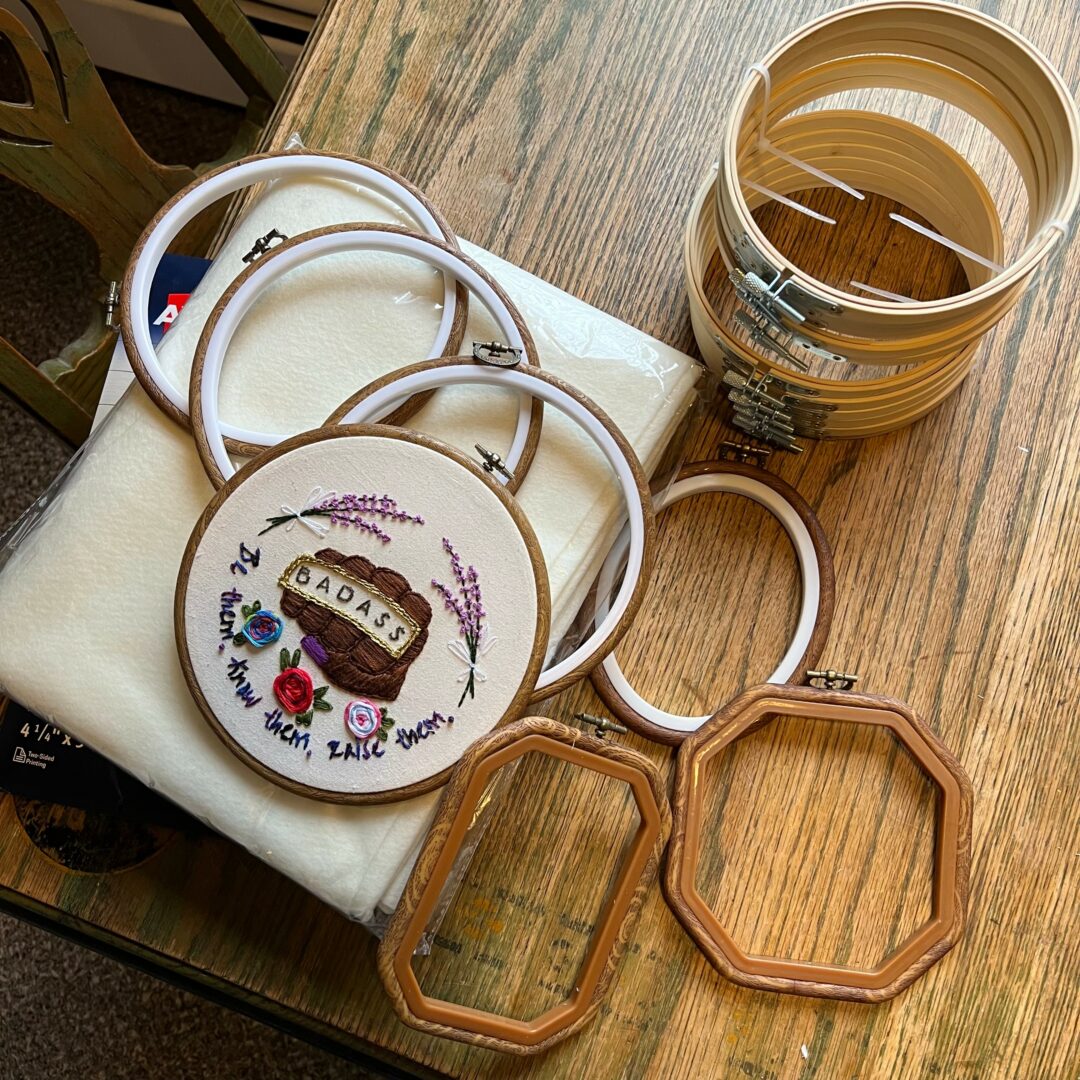
Image Credits
Eliza Daniels, Kelly Mendenhall, Jeff Carroll
so if you or someone you know deserves recognition please let us know here.