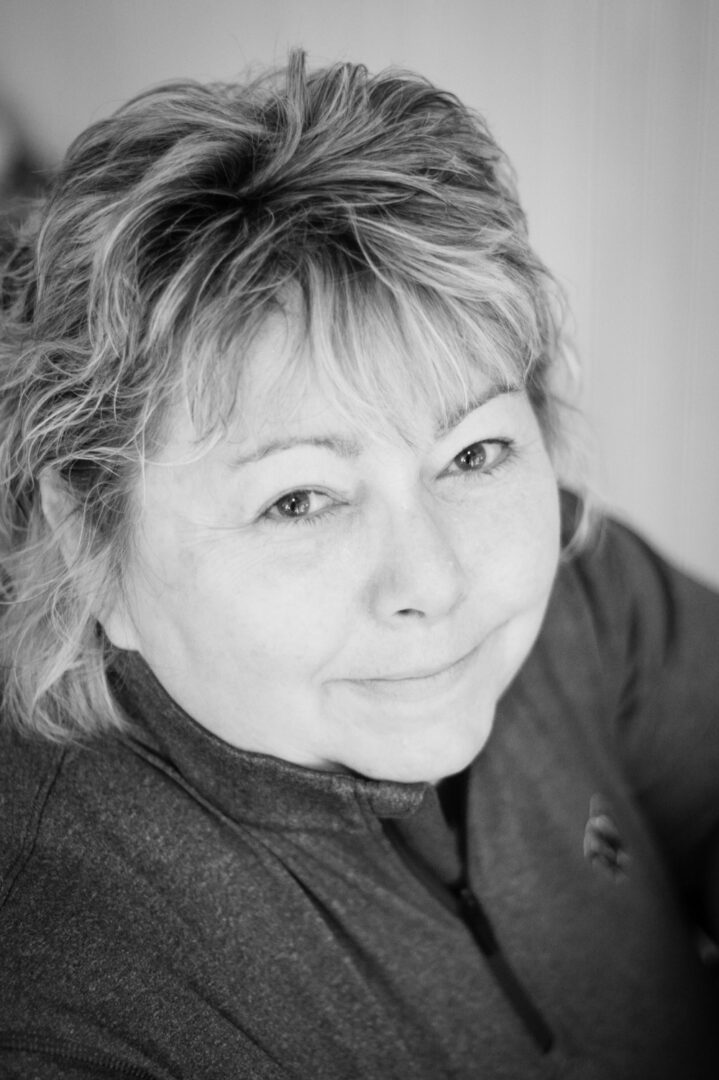
We’re excited to introduce you to the always interesting and insightful Kelly Sooter. We hope you’ll enjoy our conversation with Kelly below.
Kelly , so good to have you with us today. We’ve always been impressed with folks who have a very clear sense of purpose and so maybe we can jump right in and talk about how you found your purpose?
As a professional artist, purpose and mark-making are tightly aligned. However, even from the beginning, I never realized this alignment until a gallerist described a collector’s reaction to one of my larger works. At that point I realized that my purpose had found me.
Art making has always been an amazing series of complex and time-ridden processes that have never allowed me to even think about “my purpose”. I’ve been too busy making paintings from start to finish – travel to get moving photos, selecting and editing hundreds of pictures, ordering and preparing canvas, deigning the piece, doing color studies, painting and repainting the canvas, then ordering framing and installing the piece in the frame. That’s what has to happen before I either ship or drive the painting to the gallery.
Soon into my career I loved standing back from my paintings at an exhibit to listen to what the public would say about my work. They had no I idea I was the artist. It became immediately clear that my imagery impacted people in very similar ways. Yes, I heard “wow – she sure has nailed down how to paint atmosphere to make it feel so serene” – even though there were storm clouds above. Many were convinced that the field I painted was just a mile down the road from their grandpa’s house in Illinois (I’ve never been to Illinois) where every year was spent experiencing love of family, the beauty and serenity of a farm and the pure feeling of freedom when running through tall grass.
Every person who collected my art had a similar story – just a different subject, time and place. I soon realized that I was painting images that reflected both my own life experiences and my perspectives on life. My work didn’t just conjure up a feeling or memory from the past in people, but forged a connection with the life they were living now that was reflected in the painting in front of them. Looking back at photos of paintings created over the years, each reflected what I was experiencing at that point in my own life. From that day on, I saw my work as bringing healing and perspective to those who, like me, have gone through life’s challenges and want to experience hope and courage themselves.
If you think about it, every landscape you see around you has been created under the harshest of conditions – whether desert heat and wind or frigid mountains. The mesas in the SW are beautiful because the scorching heat, high winds and downpours (called thunder busters) shape and carve their majestic forms out of the deep red rock in an almost violent way. Isn’t that what’s life’s like for us too? I’ve had massive challenges in my own life that I find reflected in these incredible buttes.
The land I portray shows either soft grassy fields or harsh desert sand. At times our lives feel like “smooth sailing” while others feel like dry sand beds that are hard to walk through. Pathways are a key element of my work as they reflect our journey to the beautiful horizon. They can be cool flowing streams or hot uneven paths that require strength and perseverance to get to the beauty ahead.
What is most important to my work is the decision to only create imagery that moves me. Never once have I allowed myself to paint for the “market” or try to create works I think a collector would like. That’s called “commercial art”. If that’s what an artist wants to do, fine. However I never play in that world because I only create what excites me, and that makes my imagery fresh and authentic. It will find the collector who will connect with it as they will see their own journey in every brushstroke.
There was a single day when I realized my art had a singular purpose. A gallery near Seattle had a large painting called “Almost Home” hanging near the front window. One day a woman, who had traveled across the country to seek rest and therapy for burnout from a weekly speaking tour, saw my painting on her way back to her hotel from that day’s session. She went in and started crying in front of the painting. The gallery owner, a very compassionate man, was out for an hour for a meeting and a realtor was filling in. He didn’t know what to do! He’d never encountered this kind of situation. Happily the gallerist arrived to save the day. The woman said the painting reflected her life and the path she was on to be healed. She bought it and got the hotel’s permission to have the painting hung above her bed where she could lay from the other end and just look at it. The gallery shipped it to her house when she headed home. It hangs today over her fireplace not only to bring beauty to the room but to remind her of where’s she’s been, where she is now and where she wants to be. My purpose had found me.
Great, so let’s take a few minutes and cover your story. What should folks know about you and what you do?
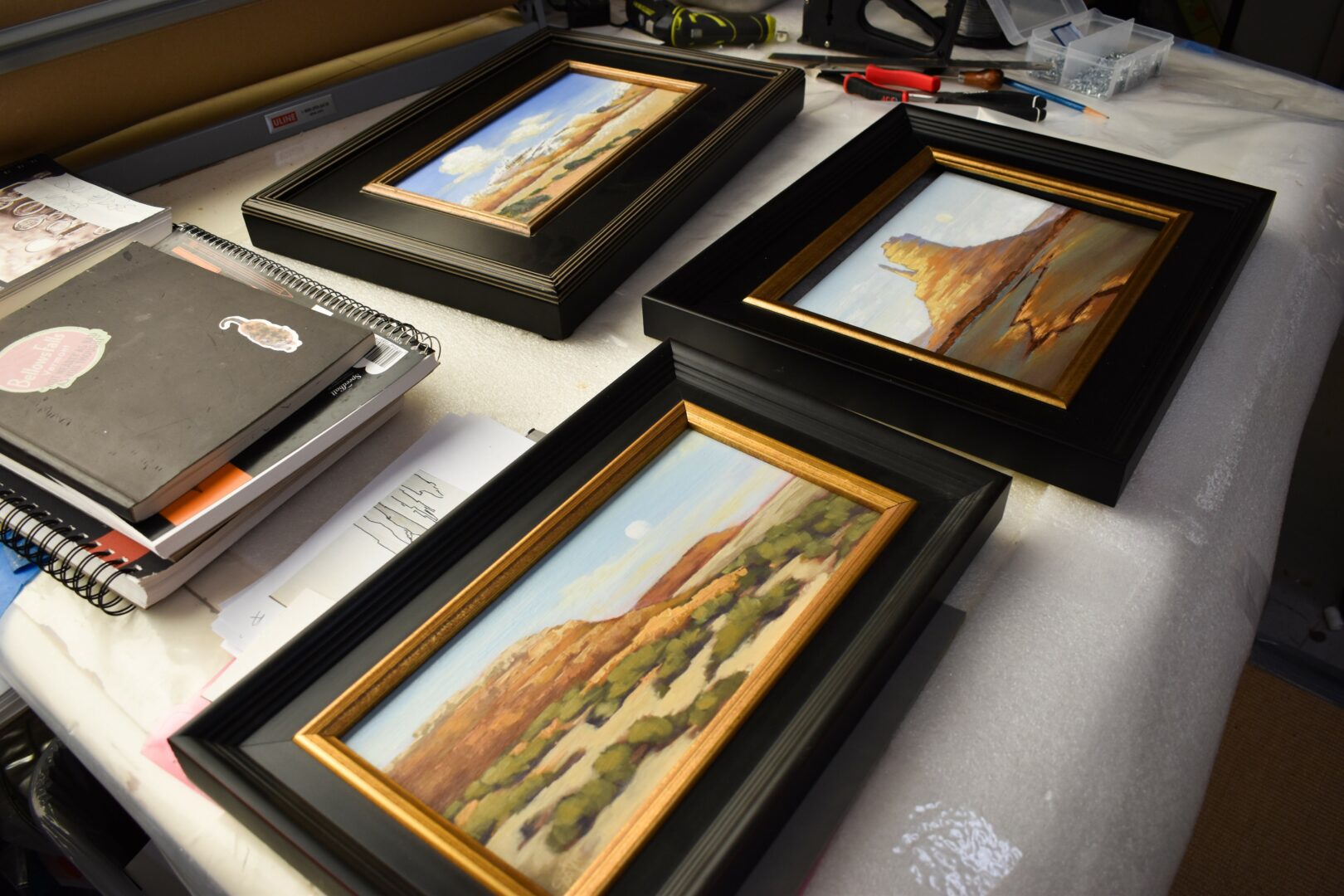
I create large contemporary oil landscapes that bridge classical composition with modern energy and color. My paintings depict pathways—some water, some earth—leading toward luminous horizons, symbolizing life’s journey and depict a shared pursuit of meaning and beauty.
The imagery I create is an invitation to pause, reflect, and rediscover the strength and wonder found in nature and within ourselves. Collectors often say they see their own stories in my imagery—moments of hope, courage, and renewal expressed through light and landscape.
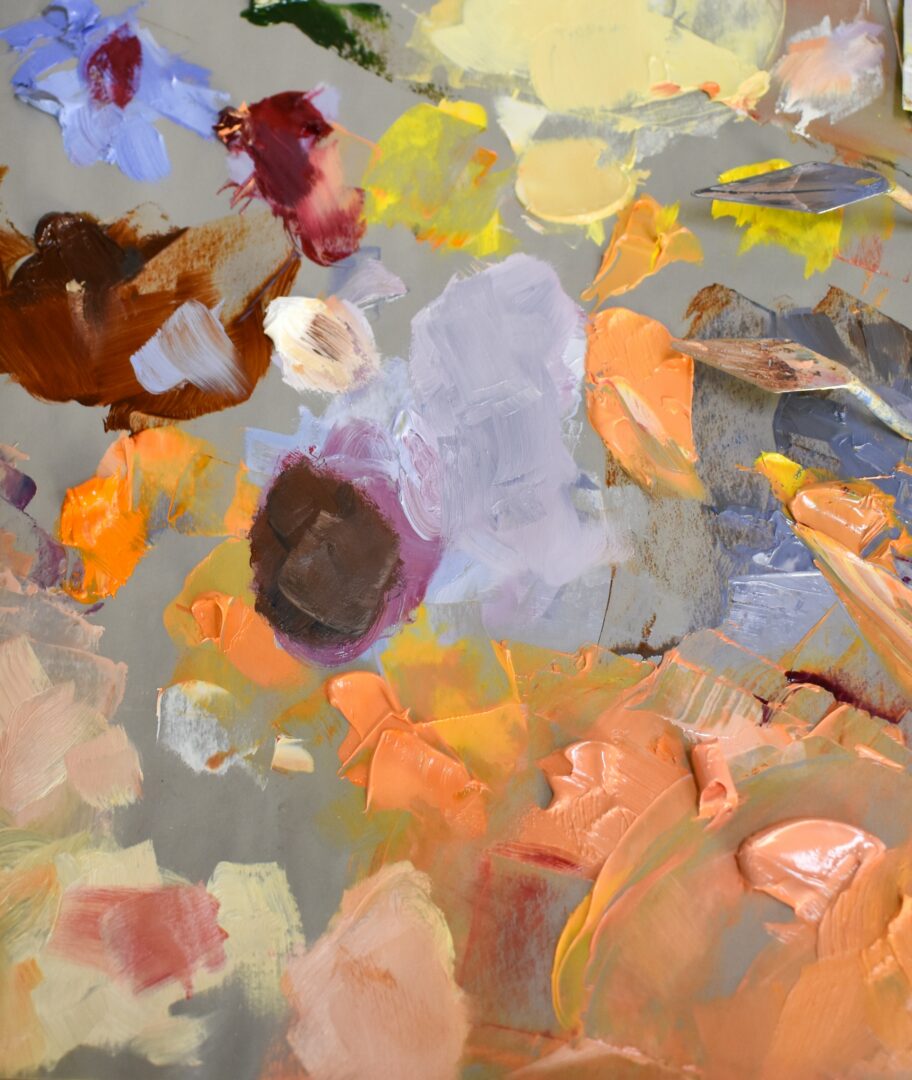
Every painting I make has at least four layers of oil paint, applied using centuries-old European techniques. I’ve refined these skills over decades of study with four European Masters and two American Master Landscape artists. This layered approach creates luminous depth, subtle transitions, and a tactile energy that connects the viewer to both the land and the spirit behind it.
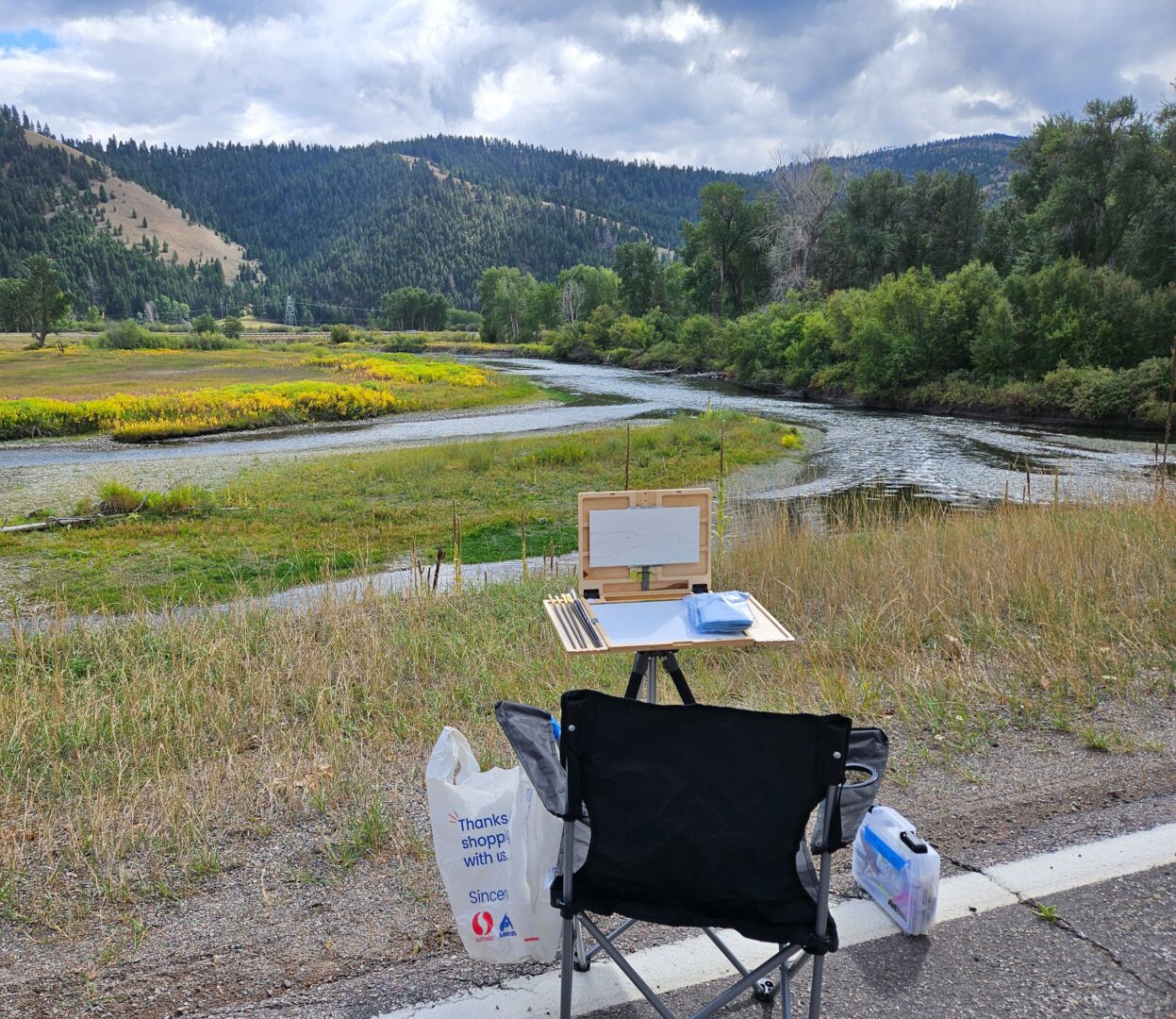
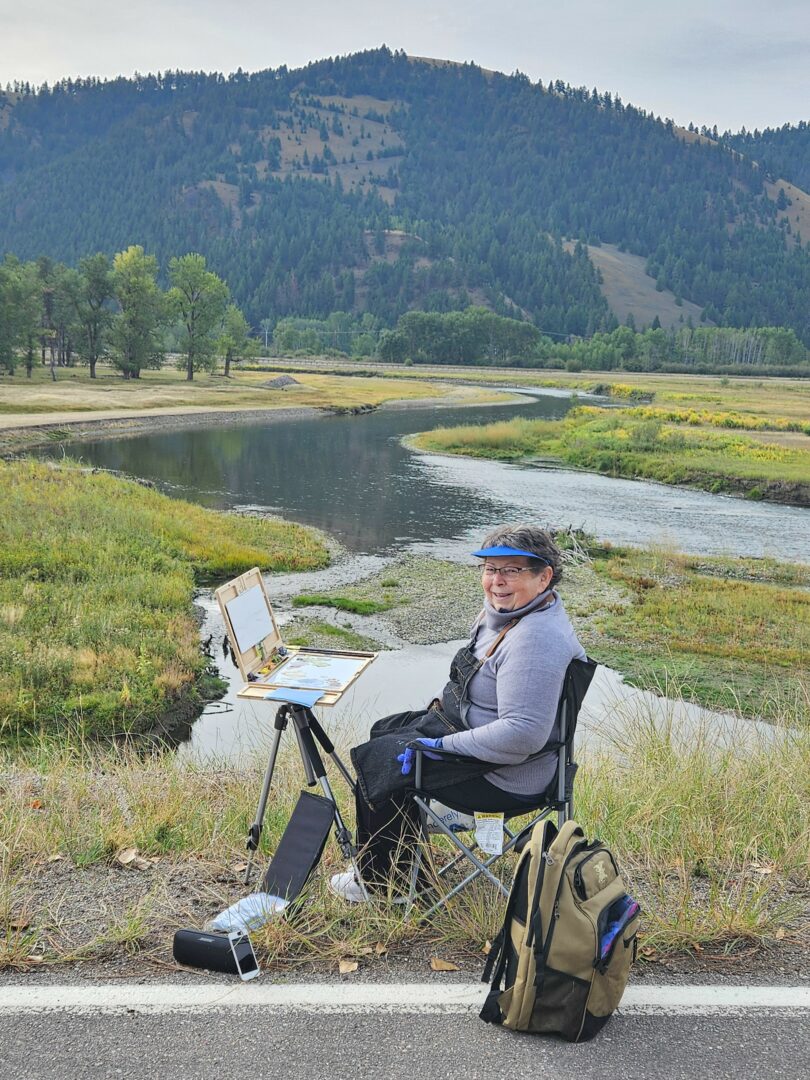
My work draws inspiration from photography and plein-air experiences across the American West—where mountains, fields and rivers provide a rich source of imagery that moves my soul.
Looking back, what do you think were the three qualities, skills, or areas of knowledge that were most impactful in your journey? What advice do you have for folks who are early in their journey in terms of how they can best develop or improve on these?
Looking back on my 40 years of being an artist, there are particular skills, qualities and knowledge areas that are critical to forging a unique and highly authentic career. Throughout time, great artists such as Picasso, Manet, Monet, almost all experienced the same path to become unique and recognizable. In their early art-learning phases they utilized what other artists were doing – even experimenting with utilizing Chinese block art/design whose work made it to the Paris galleries. It’s part of learning how to use a brush or mix paint or design. After learning more skills, each of these masters started forging imagery that was uniquely theirs. I learned initially by copying the masters for a few years. It’s how artists have been trained for centuries across the globe. However, everyone must then take a huge leap to create your own highly unique imagery. It’s hard to break away and create on your own imagery, but, like those who came before me, I had to take what I learned and make it uniquely mine.
First, an artist must diligently seek his or her own unique “look” or “artistic voice”. This means being committed to deliberately NOT having your art look like someone else’s and NOT chasing the latest trends. Be aware that this comes with a price. You’ll find other artist suggesting that you’re doing your art all wrong – that your imagery isn’t following traditional “norms” or “looks”. I’m not saying you need to avoid the classic foundations of art – design, composition and color theory. You need those like a lifeline. What I am saying is that some artists believe that say a landscape, must have certain elements to be considered “real art”. For example, I’ve been told numerous times that landscapes MUST have grass in the foreground and perhaps a stream and a few bushes. The mid area needs some trees, maybe a large rock and bigger bushes. The background needs hills or mountains along with a beautiful sky. They think you not a serious artist if you don’t acquiesce to this list of elements. I say “ignore what they say and get on with your serious study and execution of your art”!
Being an “outlier” visually can make other artists uncomfortable. I’m not painting what’s “expected”. Even worse, it shows that I’ve been in my studio non-stop creating imagery that is truly mine alone while they have not. This dynamic tends to lessen when your work starts selling rapidly and you are becoming known. Just enjoy their company, encourage them in their work and then do your own thing – creating great art. Hopefully you have encouraged them to do the same thing.
Don’t worry about finding artistic voice. It’s been there all along. It comes out before you see it. I figured this out soon after exhibiting my art in a local gallery. I had a collector run after me on a sidewalk when I was changing out paintings. She said she knew I was the artist because of my “style”. I didn’t realize I had a recognizable look at that point as I saw each painting as quite different from the others.
Second, a successful artist must gain as much knowledge as possible from as many credible and well trained artists as possible FOR A LIFETIME. We NEVER stop learning. In college, I couldn’t find a teacher in the entire country who could teach me classic European composition, design and color theory – even at the university level. I bought some books but they didn’t make much sense. I asked an American Master where I could gain these skills and she said – “find artists that are top of their specialty (water, atmosphere, composition, etc.) and study with them – but only for the time it takes you to learn what you need to know”. For me to learn classic design, composition and color theory, I needed to study with every Russian Master that flew to the US. Even though what they were teaching was Russian florals or Palekh (iconography infused with landscape). I had zero interest in painting roses or iris or daisies – but my studies with these European masters taught me classic centuries-old techniques and knowledge. My time with them was not wasted as every technique I learned is used in my studio every day of the week – even when creating contemporary landscapes.
I also found images online and in books of other master artists. I drew lines on top of print outs of their best paintings to learn how they designed, studied the colors they used and why values were placed next to each other. Every single one of them used the same techniques I learned studying with Russians Masters.
Take chances and call experts embedded in our national galleries. At one point I needed to figure out how to use oils over real gold leaf. I realized I needed to call the National Gallery of Art in Washington DC. The operator connected me to the head restorer who worked with priceless classics. Before I could say “he doesn’t want to talk to a fairly new artist…..”, the operator said “he’s worked in the basement by himself for decades and would “love to chat with an artist” – then immediately transferred my call to the basement. Yikes! He picked up the phone. We ended up talking for three hours. He told me how to paint on gold for 10 minutes then told me of ancient techniques I had never heard of, like Sgraffito – where you put down a layer or more of paint, then wipe off or scrape off new layers in strategic places to reveal the color below. Every single painting I do today has Sgraffito used in it somewhere. I can’t help but use it. He changed my world and broke my tool box wide open.
However, I do want to offer a very important warning – learn what you need to learn and then leave that teacher ASAP. Don’t stay under their tutelage more a week a year – two years if you need to understand a complex skill. Why? The more skilled you become in painting, the more you quickly and inadvertently pick up your teacher’s artistic voice/style and yours begins to blur. When you are new to art-making, you will require regular contact. However, here I’m talking about studying with someone with more advanced techniques you want to explore. Only spend a limited number of days with these teachers learning the basics, then leave – get out!
I learned this the hard way. I took a seminar from Misha Lebedev, Director of Quality Control at the Zhostovo Factory in Russia on how to highlight a rose petal. I had already spent one week every other year studying how to paint roses from Slava Letkov, head Master Artist at the Zhostovo factory. One week with Misha and all the skill I had learned from Slava went out the door. In fact, Slava was at that same class with Misha and me. Even HE couldn’t go back to his established style of highlighting a rose petal. It became Misha’s way from that point on for both of us! So beware.
Third, artists need to take all the head knowledge and skills they have acquired and actually spend a ton of time alone in the studio working out what they need to use and adapt so they can create imagery that burns in their heart to create. During my early intense studio sessions, I created a way to layer texture, gold gouache and layers of oil with some Sgraffito mixed in. It became a works of art that people flocked to. Other artists started to beg me to “spill” what techniques I used to get those effects. What they really wanted to do was to bypass all the hours of hard work it would take to develop their own techniques. I just encouraged them to play around with different mediums to find imagery that fits their voice.
Truly authentic artists put in a ton of studio time creating a lot of stinkers along with paintings that shine. It’s how you learn. There are no shortcuts. So get busy learning. Great teachers are very willing to share what they know, but will make you take those skills and develop them so you can chart your own path. So if you are serious about developing your own recognizable style (created to a high degree of quality), live like an artist. It’s a 24 hour / 365 day a week lifestyle. Rick Rubin, multi-Grammy Award Winning music producer described it this way – if you want to be a monk, you must live like a monk. The same goes for serious artists. You need to live like an artist. There are no shortcuts – just a life of adventure that many don’t understand. To read more about how to live like an artist – read Rubin’s book, The Creative Act.
Is there a particular challenge you are currently facing?
By far, the most challenging, and most frequent obstacle I face being a serious artist can be summed up in one word – BOUNDARIES. For decades I read about artist’s friends/families not supporting their artistic endeavors. I get that. Many feel that making art is for second graders and not for adults – like they have nothing more productive to do with their time. I think this comes from their exposure to people who create as a hobby. Most have never met a professional artist in real life.
When I began a regular, serious studio practice, those close to me began noticing that I couldn’t meet at Starbucks at 10am or regularly go out for lunch on a whim. Except for a few close friends, I now only meet for coffee or a meal in the evenings – and that’s led to some relationships going by the wayside. I now order my groceries for pick up and choose to somewhat limit my driving (except for plein air painting) to a local butcher, to church or to an appointment – and even there I work on my IPad. When my time is interruption-free, my creative thoughts can fully flow. This is critical to create at the highest level possible. If I’m interrupted, I can never get quite back to the feeling or thoughts I had about adjustments of color, etc. that I was dealing with before dropping everything to go somewhere.
Everyone who experiences a harsh life challenge comes out the other side a very different person. It’s no longer “business as usual”. After going through 4+ years of treatment for breast cancer and 2 years getting most of my strength back, I emerged a totally different person when it came to priorities and time. Before treatment I thought I had great boundaries and artistic practice. I was wrong. In fact, I stepped up my boundary making to where it should have been all along. I became hyper-focused on long studio hours, close family time and becoming physically stronger – with exercise and golf. Everything outside of that is icing on the cake.
Remember that “other people have a wonderful plan for your life”. Truer words were never spoken. Others expect and want you to always be available for (you fill in the blank). They don’t realize, unless you tell them, that your time is very important and you work regular hours in your studio. Yes! You’re available to help if possible – but on your schedule.
Family is the hardest to set boundaries with. Case in point – my extended family decided we needed yearly family reunions beginning in 2024. In 2025 the event grew to 40 people and 5 enormous dogs for three whole days….. with both reunions somehow scheduled at my home. I get it. An acre of fenced land with a huge cabana and BBQ is the perfect location. The first year I blew a good 2 weeks of studio time prepping for the event. This year I set boundaries and let the family do all the work while I did workouts and kept my weekly golf game. I participated by having a cleaned out fridge, relatively clean house and enjoying an afternoon with everyone. I kept my art schedule in tact as I had galleries that I had promised art to.
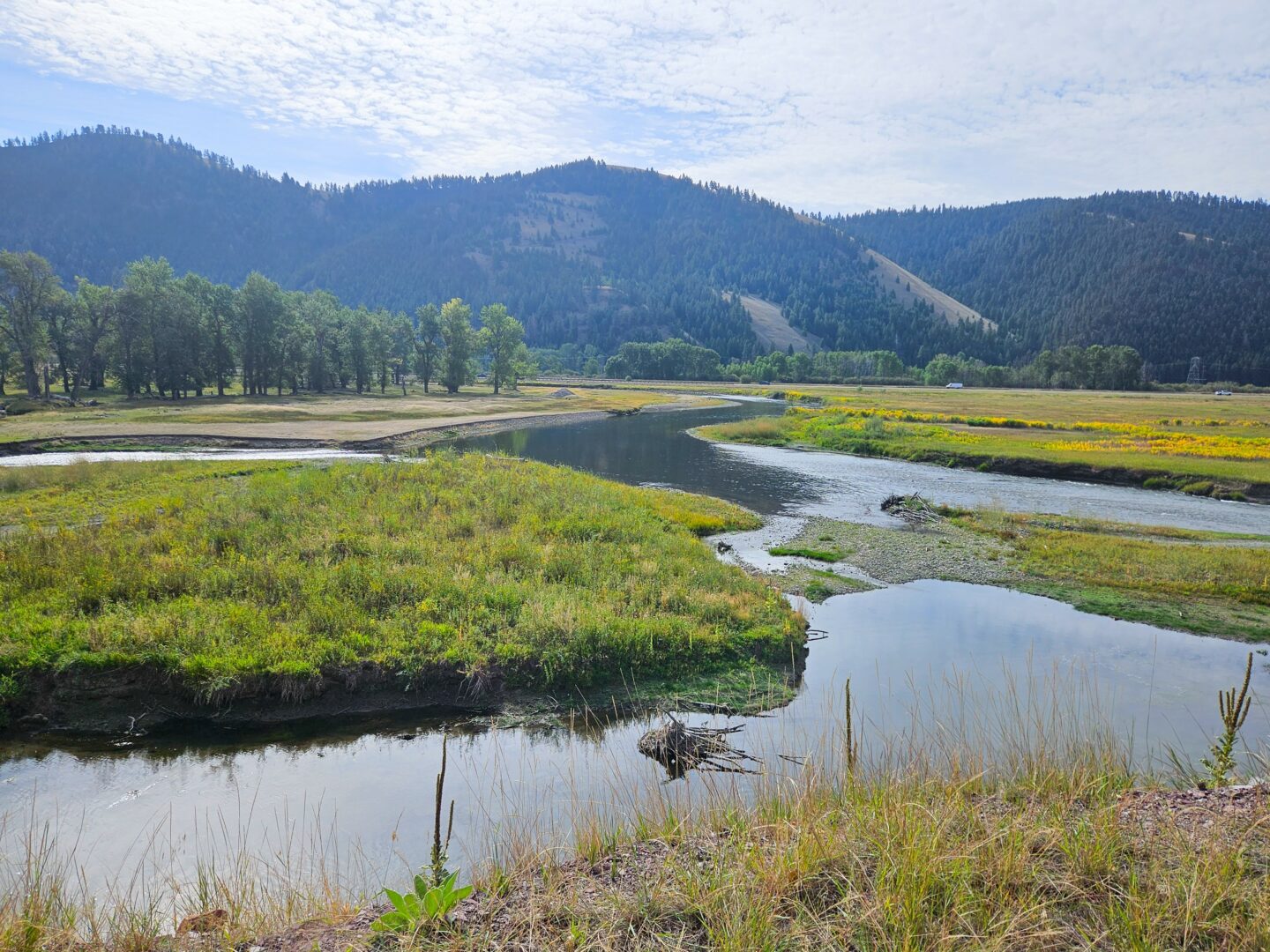
Another example was this past spring when my amazing husband offered to take me anywhere I wanted to travel to now that I’m stronger. He was thinking Hawaii. I chose grizzly country in Montana – so to Bearmouth, Montana we went! I felt so alive getting back to plein air painting and feeding my need to create art that I had been denied for years because of treatment. In fact, finding this location, taking online landscape courses with Scott Christensen and planning every aspect of this adventure was the carrot that got me through treatment.
Stop letting time slip away because you are paying an enormous price. Set your boundaries and set your schedule – just like every person with a regular job does. You are no different. Soon you’ll find people respecting you more as they see how serious you are with your time, work and goals. Close friends will adjust and respect your need to meet in the evenings. You will find life developing a rhythm. Home chores will have a rhythm. Time with family will have a rhythm. Studio time will have a rhythm. But first, you need to give yourself permission to set boundaries that allow for a rhythm to develop. Life will still be complex, but at the end of each day you will look back and marvel at how much you got done that will get you to your goals. I can’t recommend this enough.
Contact Info:
- Website: https://www.KellySooter.com
- Instagram: @kellysooterfineart
- Linkedin: https://www.linkedin.com/in/kelly-sooter-ab4605309/
- Other: https://womenartistsofthewest.org/search?q=Kelly%20Sooter
so if you or someone you know deserves recognition please let us know here.