We were lucky to catch up with Kelsey Smith recently and have shared our conversation below.
Kelsey, thrilled to have you on the platform as I think our readers can really benefit from your insights and experiences. In particular, we’d love to hear about how you think about burnout, avoiding or overcoming burnout, etc.
Like most artists, I’ve gone through my fair share of burnout. It’s one of those things that just comes with the territory. There’s this ebb and flow between intense creative energy and periods where everything feels kind of stuck. One thing that’s helped me over the years is switching things up. Sometimes that means changing the subject I’m shooting, other times it means stepping away from photography entirely and trying something different, like picking up a sketchbook or experimenting with music. Just exploring freely with no pressure to make something “good” helps me reset.
I’ve also had to learn not to be so hard on myself during those low points. Burnout doesn’t mean you’ve lost your creativity; it just means your brain and body are asking for a break. It’s part of the cycle, and it doesn’t last forever. When I let myself lean into that instead of fighting it, I usually find my way back.
Let’s take a small detour – maybe you can share a bit about yourself before we dive back into some of the other questions we had for you?
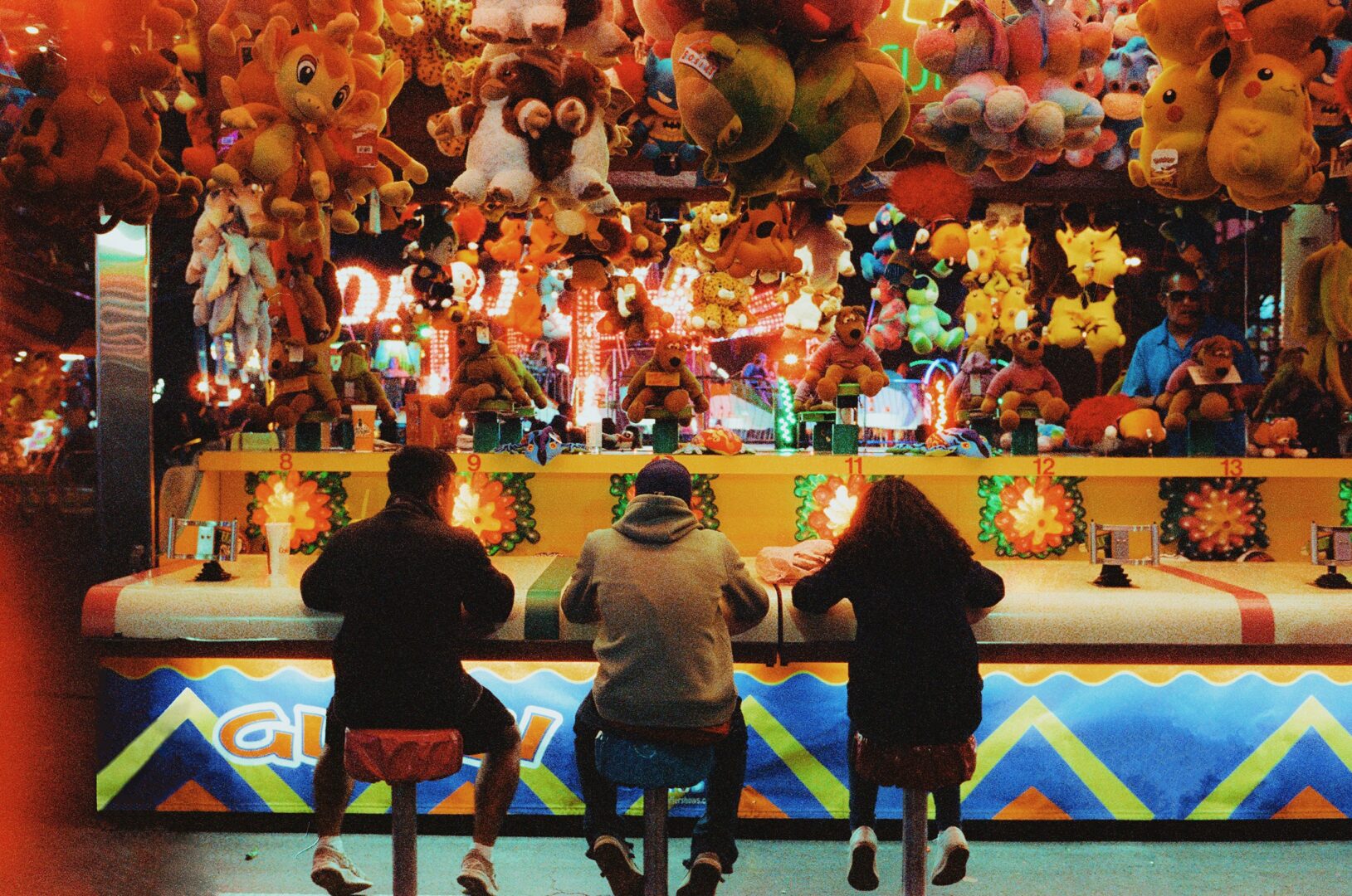
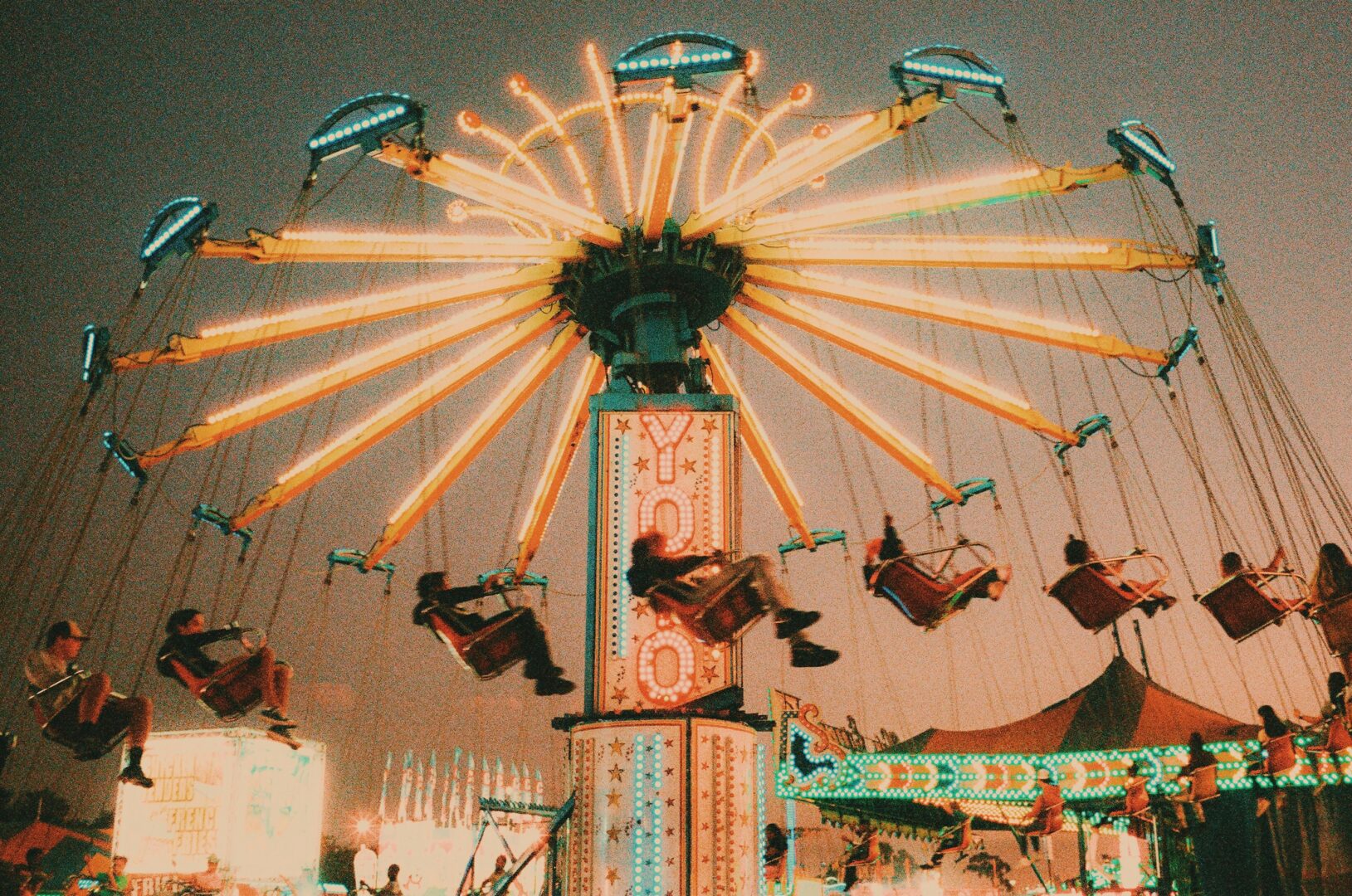
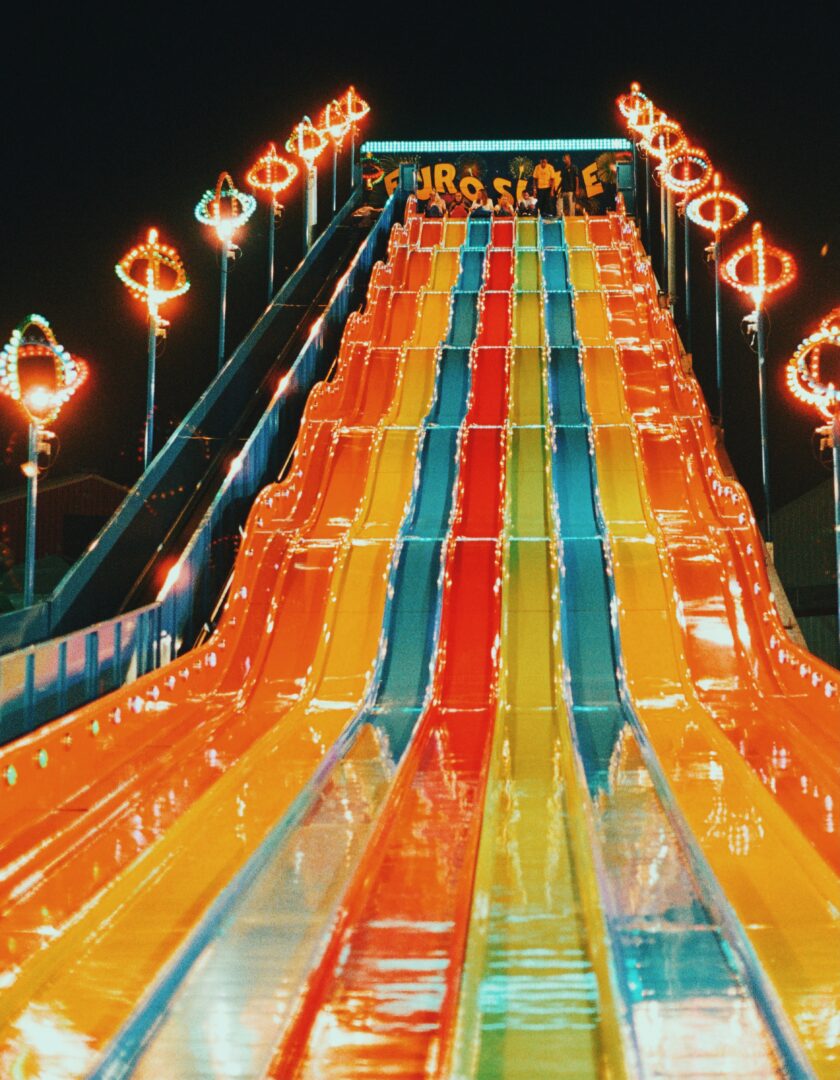
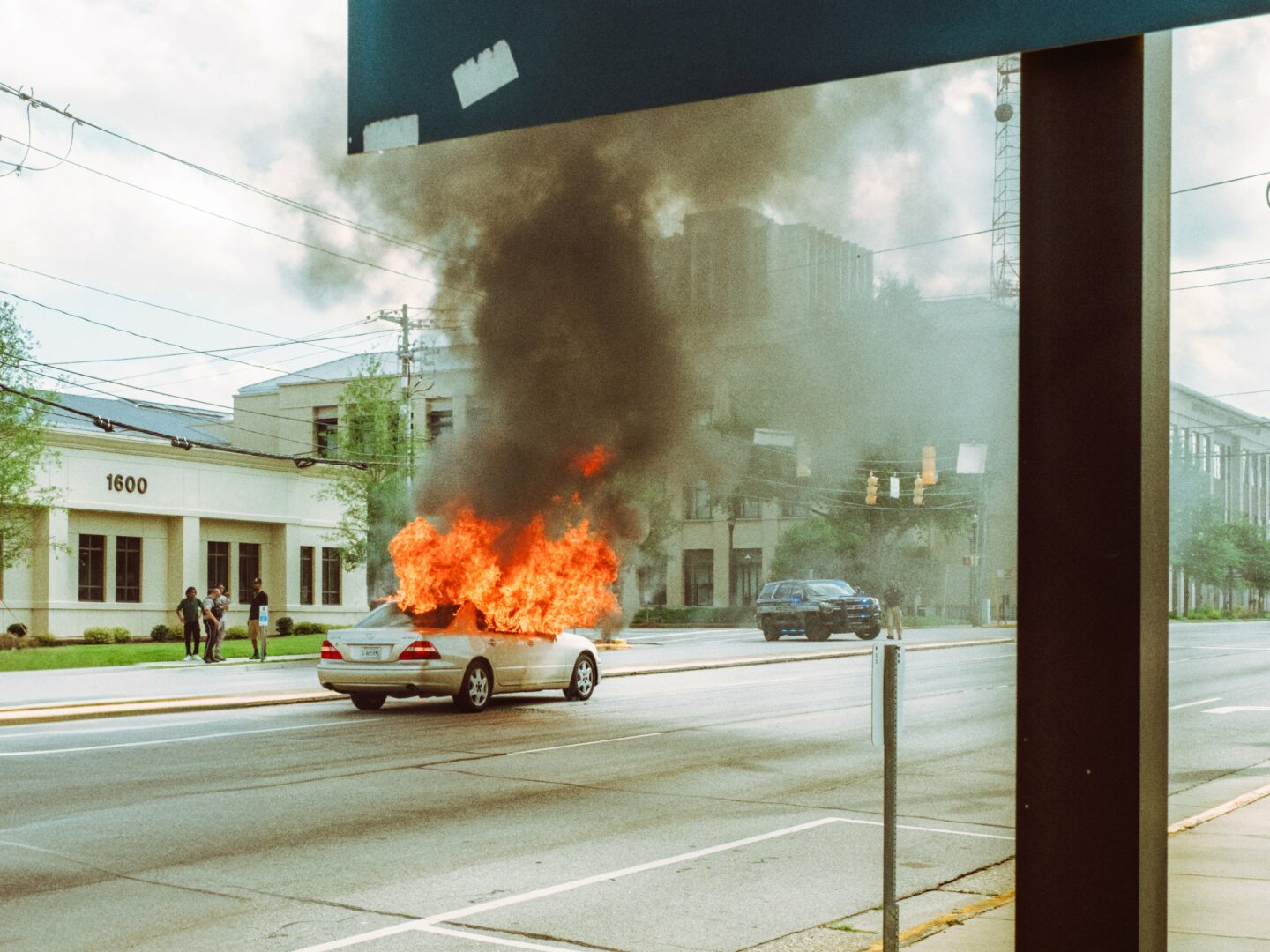
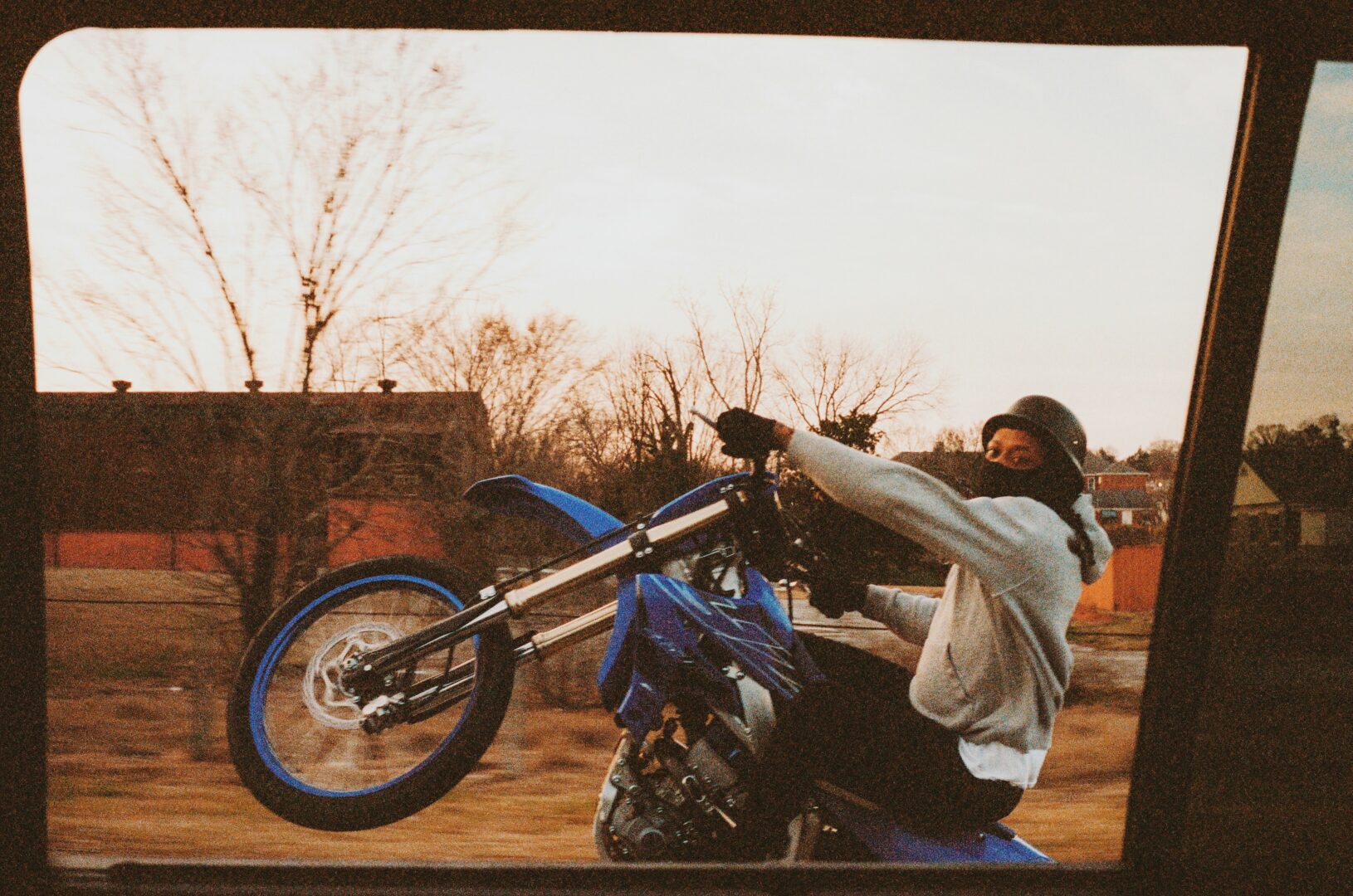
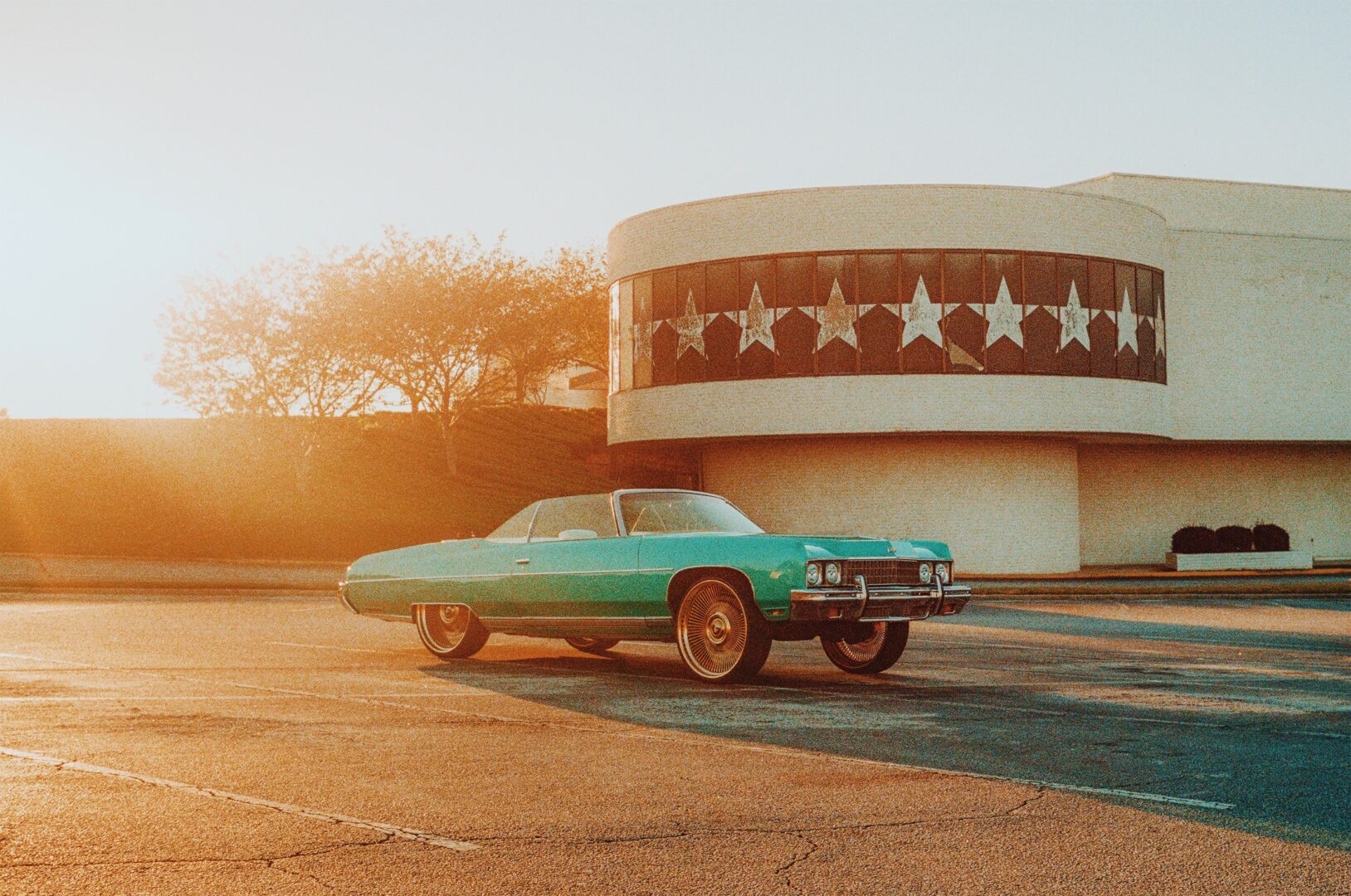
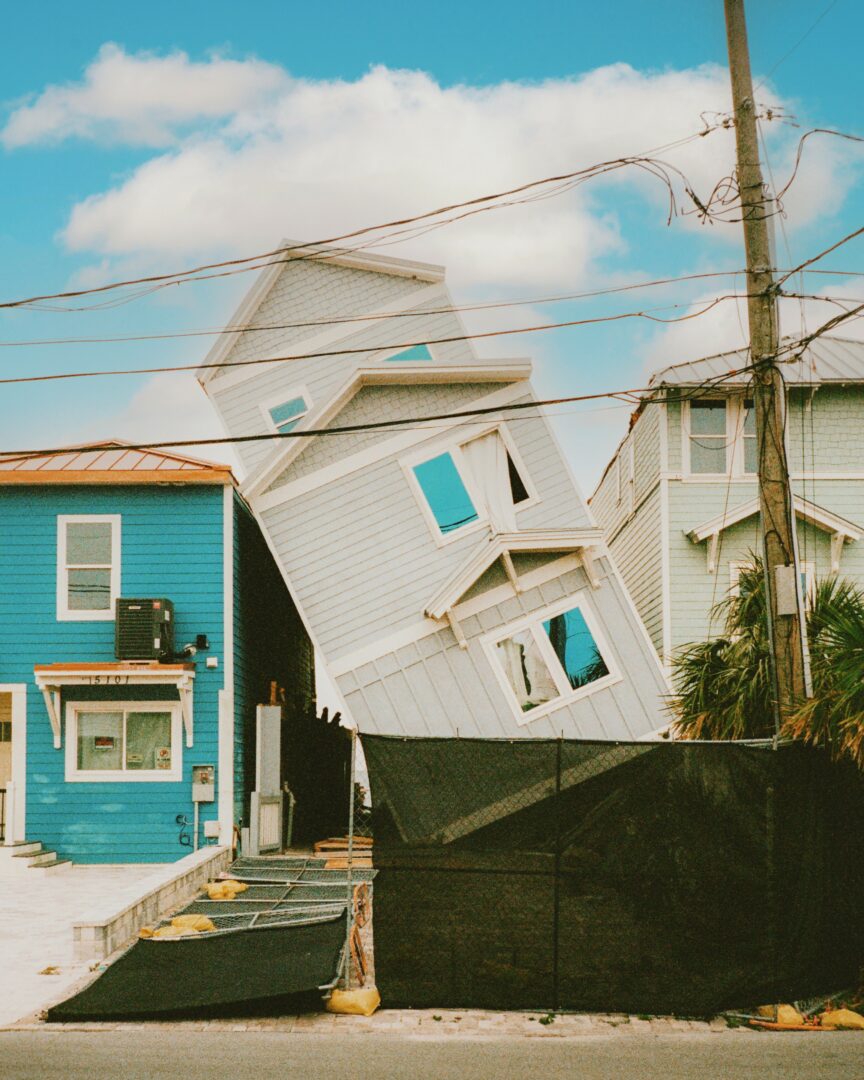
I’m a film photographer based in Middle Georgia, and most of my work is centered around themes like memory, time, and the quiet beauty in everyday life. I’ve always been drawn to the small, often overlooked moments that carry a sense of nostalgia or mystery. Whether it’s an empty parking lot at dusk or a house that looks like it hasn’t changed since the 70s, I try to capture that fleeting feeling you can’t quite explain but instantly recognize.
What excites me most about photography is how it forces you to slow down and pay attention. Shooting film adds another layer to that. It keeps me present, intentional, and okay with imperfection. There’s a little bit of surrender involved in not knowing exactly how something will turn out, and I think that uncertainty is part of what makes it beautiful.
About two years ago, I released a photobook called Please, Don’t Leave Me, which explores themes of nostalgia and emotional stillness through 35mm images. I also sell giclée fine art prints of selected works, and I’m currently expanding that collection with new pieces that reflect where I’m at creatively right now.
Lately I’ve been focused on sharing more of my everyday photography, especially the stuff that feels quiet or familiar. I’m also experimenting with new visual projects and slowly developing ideas for what might become my next book. No matter what the format is, my goal is always to make something that feels honest and lived in.
If you had to pick three qualities that are most important to develop, which three would you say matter most?
Looking back, I think the three things that have made the biggest impact on my journey are observation, consistency, and letting go of perfectionism.
Being a good observer has probably shaped everything I do. That doesn’t just mean noticing light or composition. It’s about being tuned in to how a moment feels. Some of my favorite photos I’ve taken were less about technical skill and more about recognizing a feeling that was already there and being ready enough to catch it.
Consistency is another big one. Especially with film, you don’t always see results right away, and it’s easy to get discouraged. But showing up regularly, even when it’s not exciting, builds a kind of creative rhythm that keeps you grounded. It’s less about constant output and more about staying connected to the process.
And finally, learning to let go of perfectionism has been huge. For a long time, I felt like everything I shared had to be polished, deep, or impressive. But honestly, some of the work that’s resonated the most with people has come from the moments where I didn’t overthink it. When you stop trying to control every outcome, you make space for real creativity.
If you’re early in your journey, I’d say start with observing. Slow down, pay attention, and don’t worry about making “great” work right away. Let yourself experiment without pressure. The rest will come with time.
Any advice for folks feeling overwhelmed?
When I feel overwhelmed, I try to slow everything down. It’s easy for my brain to start spiraling when there’s too much going on, so the first thing I do is pause and check in with myself mentally, physically, emotionally. Even something as simple as stepping outside, doing a deep breathing exercise, or just sitting with my journal for a few minutes can help ground me.
One thing that’s made a huge difference is realizing I don’t have to fix everything all at once. I’ll break things down into smaller steps, even if that just means doing one easy thing to build momentum. I also try to remind myself that just because something feels urgent doesn’t mean it actually is.
Another thing that’s helped is being more aware of my self-talk. When I’m overwhelmed, my instinct used to be to get mad at myself for not being able to handle it better. Now, I try to meet that with something more compassionate, like “You’re doing the best you can, and that’s enough for right now.”
My advice would be to give yourself permission to step back and take care of your nervous system first. You can’t solve anything clearly from a place of panic. Regulate first, then move forward, one thing at a time.
Contact Info:
- Website: https://kelseysmithphotography.net/
- Instagram: https://www.instagram.com/kelseysmithphotography/
- Facebook: https://www.facebook.com/KelseySmithPhotos
- Twitter: https://x.com/NotKelseySmith
- Youtube: https://www.youtube.com/channel/UChw7eVEUtSgLaL0VpXR_niA
so if you or someone you know deserves recognition please let us know here.