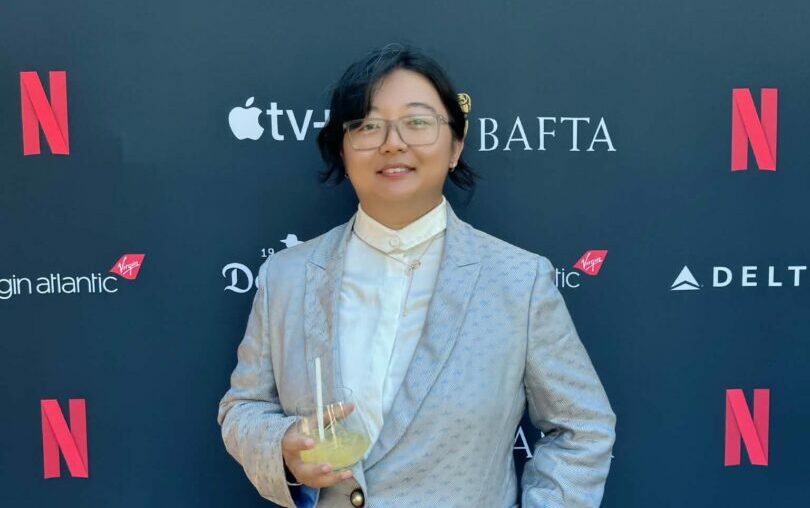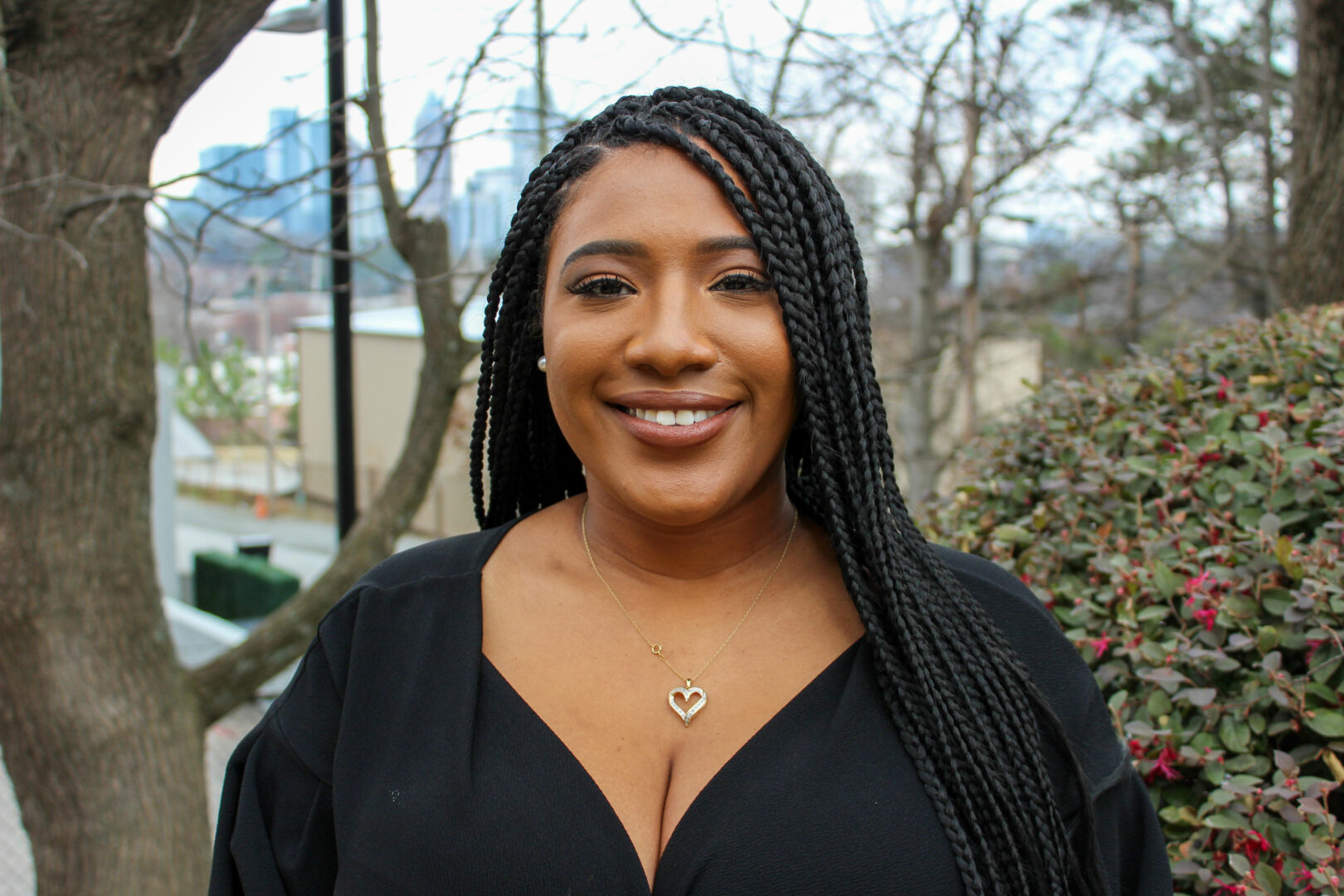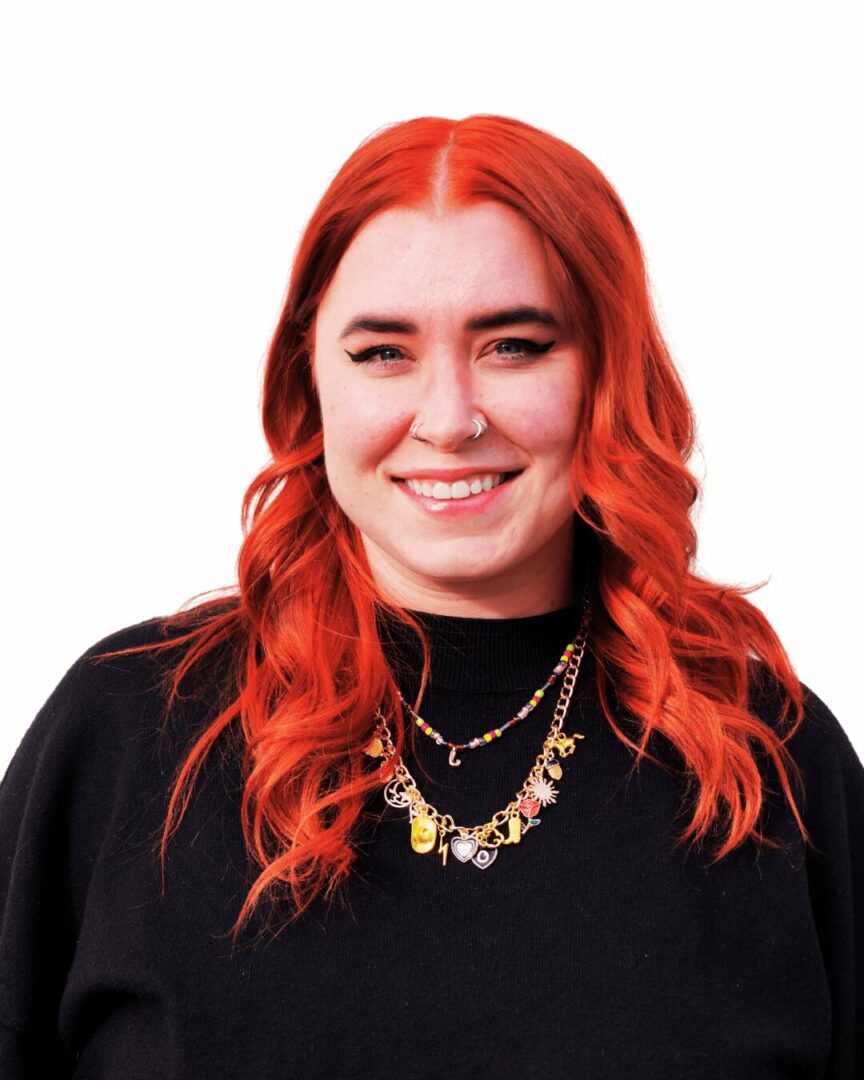
We caught up with the brilliant and insightful Kendall Mager a few weeks ago and have shared our conversation below.
Kendall , we’re thrilled to have you sharing your thoughts and lessons with our community. So, for folks who are at a stage in their life or career where they are trying to be more resilient, can you share where you get your resilience from?
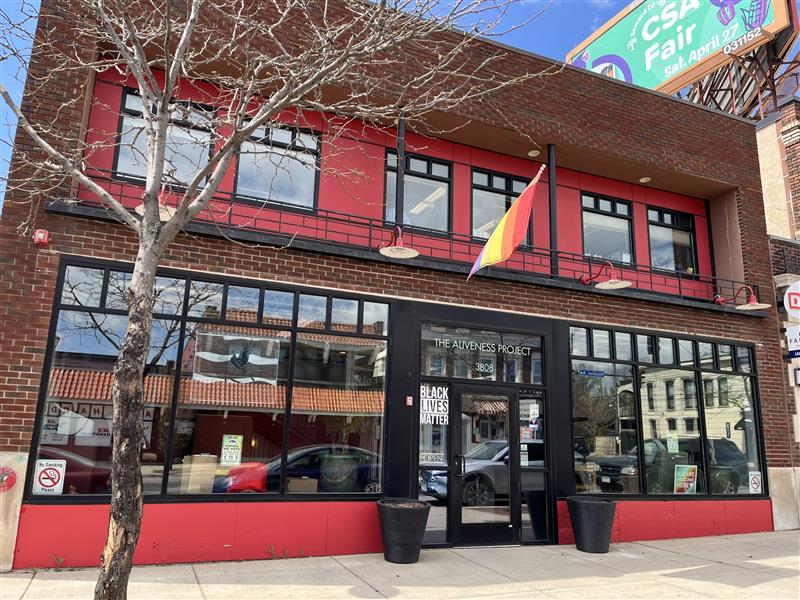
As the Program Manager of Case Manager at Aliveness Project, a community center and clinic for people living with or at risk of HIV/AIDS, resilience comes up often. The relationships I’ve built with people at Aliveness Project and the deeply important community work we do give me a sense of purpose.
Every day, I meet people who are navigating barriers such as food insecurity, housing instability, mental health challenges, violence, HIV stigma, and a healthcare system that often fails them. Knowing these challenges, I feel a deep sense of responsibility to be a supportive and positive person in our members’ lives. Many of the people we serve have been disenfranchised by the systems they are forced to be part of so when they come to Aliveness Project, I ensure they are met with a sense of resiliency, empathy, and someone who sees and supports them. Even during times where resilience can be challenging to feel, I do my best to show up and be a positive part of someone’s day.
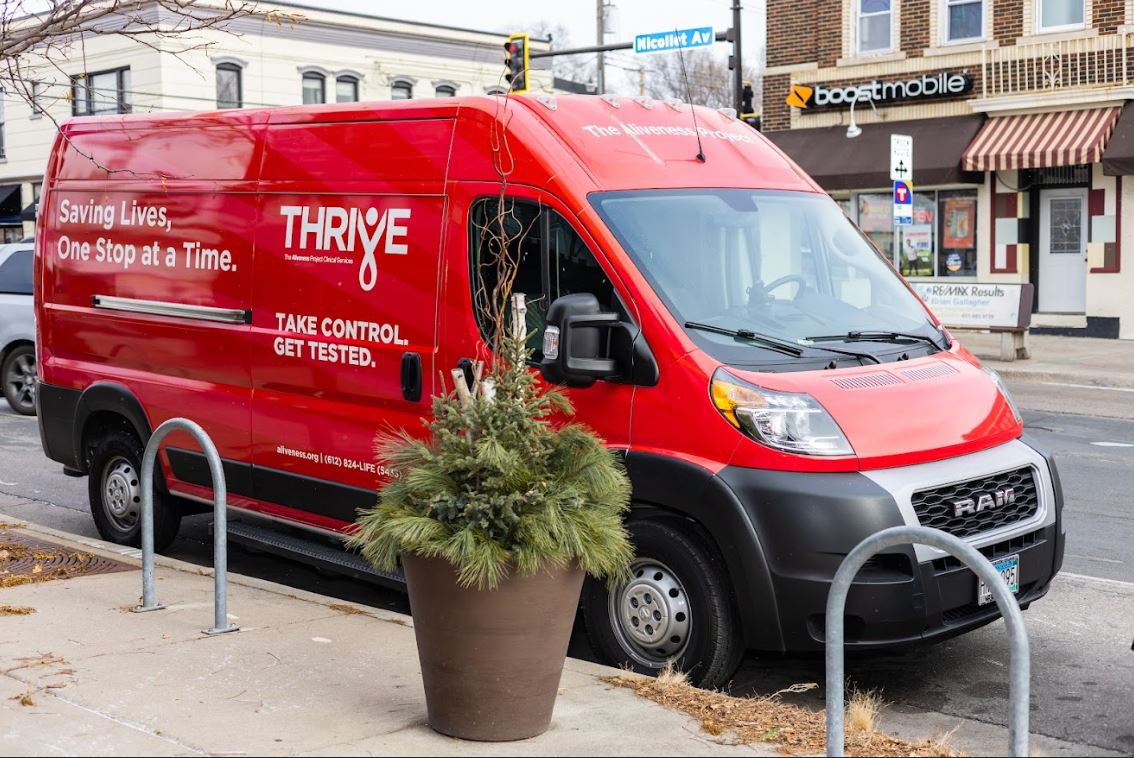
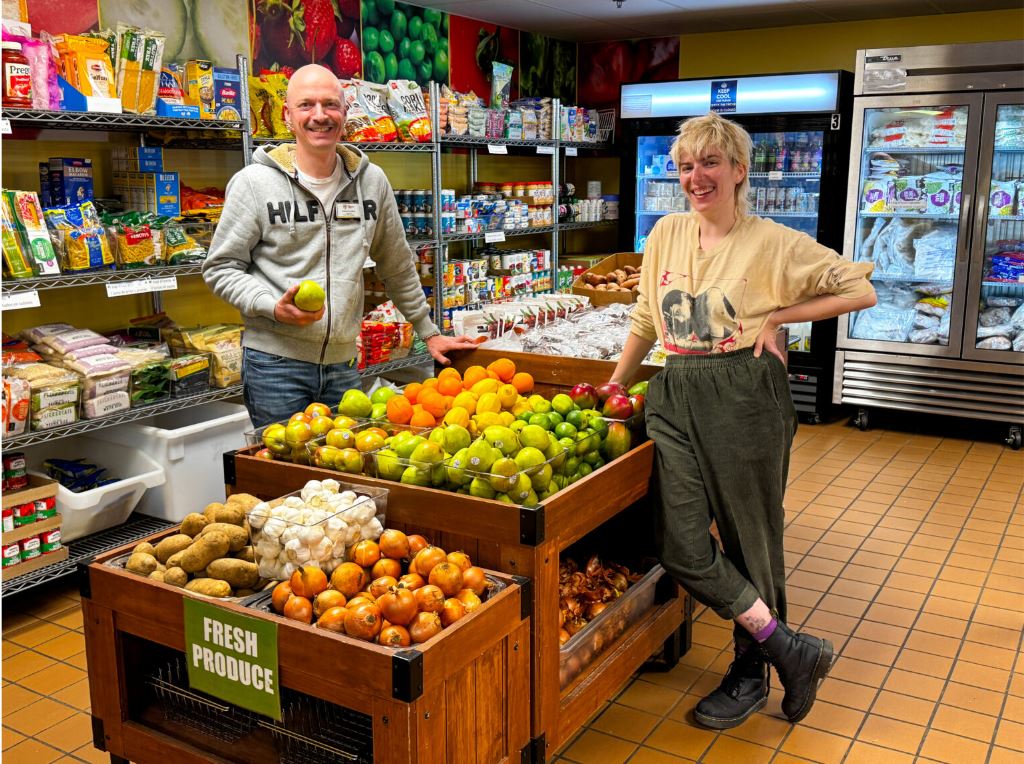
Something I think about a lot is the history of HIV and how, throughout its entire existence, resilience has been at the heart of the movement. During the 1980s, when the AIDS Epidemic began, communities organized underground due to stigma and lack of support. I am proud to work at an organization that started in this exact way. In 1985, our founders came together in church basements to support their friends and loved ones living with HIV/AIDS who were struggling to meet their basic needs. What was once a potluck has now grown into a wraparound network of services including daily meals, case management, food shelf, housing, harm reduction services, transportation, financial assistance, testing, and other clinical services.
Every meal we serve, every housing crisis we navigate, every moment of support, we’re carrying forward the same spirit that said, we take care of us. And when systems fail, as they so often do, it’s our community’s resilience that keeps us going.
Let’s take a small detour – maybe you can share a bit about yourself before we dive back into some of the other questions we had for you?
I completed my Bachelors in Women’s Studies at the University of Wisconsin-Eau Claire, where I began my journey in the field of HIV Care and Prevention. I volunteered and interned at what is now known as Vivant Health, which provided services similar to Aliveness Project. This experience taught me the principles of harm reduction, which is an integral aspect of my past, present, and future work. In 2022, I began working at Aliveness Project as a Case Management Intern pursuing my Masters of Social Work. After completing my internship, I joined the team officially and transitioned into the role of Program Manager in late 2024. Recently, I became a Licensed Graduate Social Worker and joined the Minnesota Council for HIV Care and Prevention.
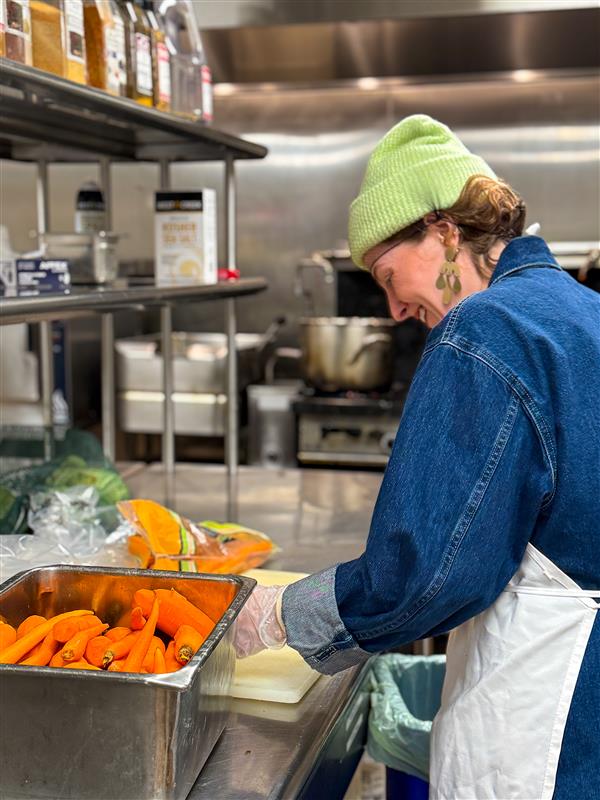
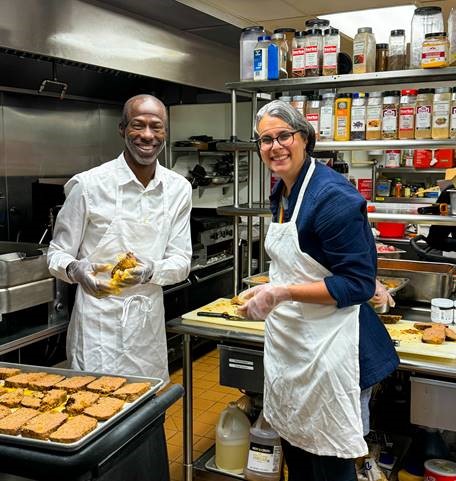
What I love about working at Aliveness Project is the relationships I continue to build and foster each day. Hearing member stories gives me inspiration, perspective, and appreciation. Aliveness Project prides itself on being a space where folks can show up exactly how they are and be embraced. I’m so grateful for how much I’ve grown since my time as an intern and the many hats I’ve worn. Being part of this community has changed my life and has shown me what it means to show up for people, and to build something rooted in care and dignity. Aliveness Project has become more than just a job to me and I’ve even been lucky enough to have my mom volunteer in the kitchen each week. We’re always looking for more volunteers to support our meal program, food shelf, and other programming needs. If you ever want to get involved, we’d love to have you! And if you or someone you know is in need of PrEP or HIV-related care, our clinic is here for you. Please come by! I’d love to meet you. There’s a place for you here.
Looking back, what do you think were the three qualities, skills, or areas of knowledge that were most impactful in your journey? What advice do you have for folks who are early in their journey in terms of how they can best develop or improve on these?
I think the most important quality to have in this line of work is compassion. While all of our members are HIV+, that is often where their similarities end. The folks who walk through our doors each day have unique experiences and needs, many of which I cannot personally relate to. To me, compassion has taught me that you don’t need to share experiences with someone to provide care and support for them.
During Case Management walk in hours, I have conversations with members who feel a deep sense of shame due to being unhoused, being HIV+, or not knowing how to support themselves or their family. Many have lived long lives with prolonged periods of prosperity and are now experiencing difficult and scary times of uncertainty. A conversation we often have is the fact that most people are not immune to these circumstances and that many folks are only an emergency, illness, or job loss away from instability.
Another skill I’ve developed at Aliveness is adaptability. No day is the same in this work. Every person who walks through our doors comes with a unique story, and often, urgent and complex needs. I’ve learned to shift gears quickly, find creative solutions, be scrappy, and stay grounded. That adaptability is more important now than ever. The recent cuts to Minnesota’s HIV funding amount to a staggering $9 million, and Aliveness alone is receiving $2 million less in 2025 than we did in 2024. These cuts aren’t just numbers, they represent real people, real lives, and the vital services that could be stripped away. We already battle systemic homophobia, transphobia, racism, and HIV stigma that isolate our communities. In this space, giving up is not an option, because people rely on us for food, for housing support, for healthcare, for hope. Whether we have $5 or $5 million dollars, I will not stop supporting our members. And no matter what challenges come, I will continue to adapt because that’s what our community deserves.
The last quality I’d name and the advice I’d give to anyone starting in this work is self-care. I recognize that self-care is talked about so much that it can turn into a buzzword but prioritizing my own self-care through therapy, rest, and nature has helped me avoid burnout, even during challenging and exhausting weeks. The role of taking care of others can be incredibly exhausting at times and makes it difficult to make space for joy, pleasure, and rest. Burnout helps no one, and rest is not a sign of weakness. To show up for others, you have to take care of yourself too.
All the wisdom you’ve shared today is sincerely appreciated. Before we go, can you tell us about the main challenge you are currently facing?
One of our biggest obstacles is the misinformation that HIV is something that only affects queer men. The truth is, anyone can get HIV. HIV does not discriminate. Additionally, many people assume that HIV is “over” and that it is not something people need to care or worry about anymore. Unfortunately, this is inaccurate and Minnesota is currently in the 4th year of an HIV outbreak. Ramsey and Hennepin counties declared outbreaks in 2020, according to the Minnesota Department of Health, while the Duluth area declared an outbreak in 2021. Currently, according to the Department of Health, there are nearly 10,000 people in Minnesota who are living with HIV. This past year there was a 24% increase in new HIV cases marking the highest increase of new cases in over a decade. We see roughly 300 new HIV infections each year in Minnesota, which is higher than our surrounding states.
At Aliveness, we’re actively working every day to break down these harmful myths and provide accurate information. During last month’s Pride events, we tabled at multiple community settings and were able to connect with folks to provide information on HIV prevention and dispel myths.
Contact Info:
- Website: https://aliveness.org
- Instagram: @alivenessmn
- Linkedin: https://linkedin.com/Kendallmager
- Youtube: https://www.youtube.com/watch?v=4knaX7L56Po
so if you or someone you know deserves recognition please let us know here.