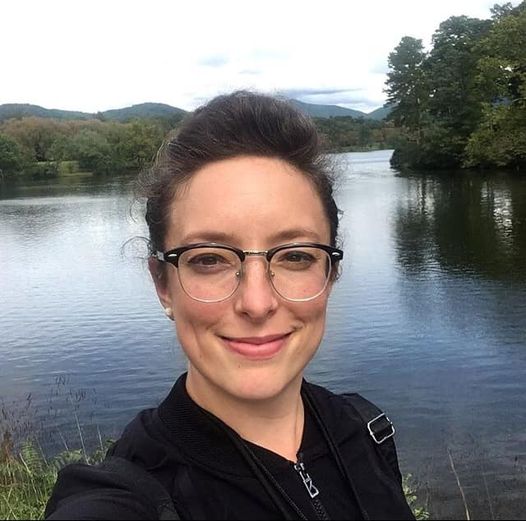
Alright – so today we’ve got the honor of introducing you to Kim Roney. We think you’ll enjoy our conversation, we’ve shared it below.
Hi Kim , thank you for being such a positive, uplifting person. We’ve noticed that so many of the successful folks we’ve had the good fortune of connecting with have high levels of optimism and so we’d love to hear about your optimism and where you think it comes from.
Beyond optimism, my purpose is rooted in what Miriame Kaba names a “hope discipline.” A daily practice, for me this includes commuting without a car, studying music with my students, advocating for true public safety, and putting my money where my mouth is by supporting local food systems and businesses instead of opting for fast and easy.
Active transportation requires connecting with my mountain home by planning for weather, experiencing infrastructure investments and failures with fellow pedestrians, cyclists, and transit riders, and setting intention to carry groceries home. There are challenges and risks–Asheville competes for one of the worst bike/pedestrian accident ratios in the state. It’s worth it to commute with intention, exercise empathy, and leverage my experience with hope for changes that are necessary and possible.
Appreciate the insights and wisdom. Before we dig deeper and ask you about the skills that matter and more, maybe you can tell our readers about yourself?
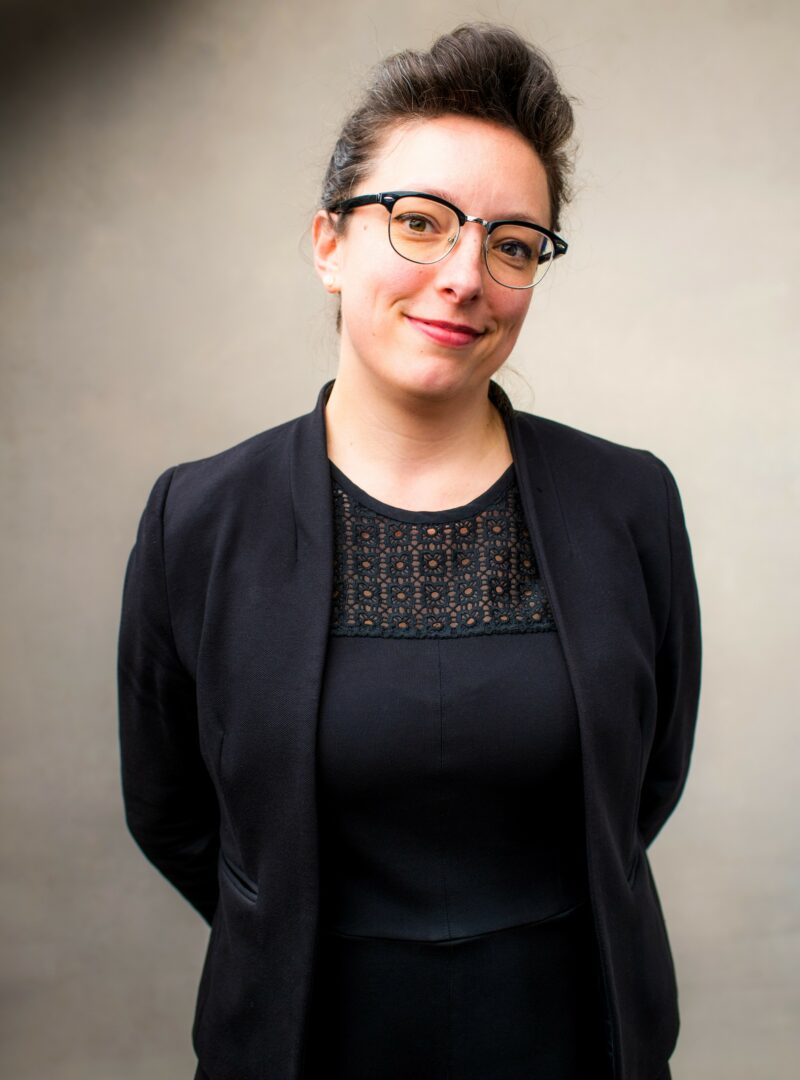
A small business owner and music educator for 26 years, my students are my inspiration in public service on Asheville City Council. I attended my first Council meeting to advocate for affordable housing by making public comment before a zoning vote, then spent a year reporting on Council meetings for our local community radio station, 103.3 AshevilleFM. The first-known, openly-queer member of our Council, I’m inspired to apply creativity and curiosity as a representative in City Hall, to translate complex decisions about city budgets, plans, and policies and invite my neighbors to engage about decisions otherwise made about us without us.
There is so much room to make meaningful change at the local level. For example, Asheville’s over-reliance on tourism has historically burdened our infrastructure, extracted our resources, and displaced our neighbors. By sharing the work using collaborative governance models, my community brings lived and professional experience to the table to shift the narrative and shape the future with me. We’ve made small but mighty gains like adding more frequent and reliable transit routes, investing in deeply-affordable housing, and addressing food security by supporting our community garden network.
Now wrestling with the historic, geographical disaster of hurricane Helene, our challenges and vulnerabilities are greater, yet matched with opportunities to chart a hopeful, more resilient future. I’m so grateful to live in a community of caring people who respond to crisis with generosity and care. We are dedicated to healing and repairing our infrastructure and ecosystem. We have a long way to go, but I believe we will emerge #mountainstrong!
If you had to pick three qualities that are most important to develop, which three would you say matter most?
The journey of public service is designed for those with wealth, power, or free time. Working-class, poor, disabled, and compassionate people are needed at decision-making tables to understand how we got where we are and how we can get where we want to go. There is a place for everyone in the journey beyond surviving to thriving, to being about it being better!
So I bring my skills: I’m curious, I’m helpful, and I show up. When friends and neighbors ask how they can help along the way, I ask them what they enjoy and what they imagine could be possible, then we brainstorm ways for them to show up too. Dreaming your family could have safer roads and expanded transportation choices? Connect with a multimodal advocacy group or transportation planning board! Witnessing deep poverty in your city? Initiate conversations to learn how your neighborhood, school, or faith community can volunteer with root-cause solutions like shelter, housing construction, or food distribution! Curious how your tax dollars are invested? Attend meetings of your school board or city council and ask questions!
What is the number one obstacle or challenge you are currently facing and what are you doing to try to resolve or overcome this challenge?
Before hurricane Helene, Asheville had the highest cost of living in the state and we were wrestling with a housing crisis. In the past four months, people have been out of work and displaced from their homes. Our economic recovery depends on helping workers and their families through this crisis, many of whom are facing eviction and foreclosure on top of overlapping crises.
As a Council member, I support eviction protection through rental and mortgage assistance, which also supports recovery for landlords and businesses. Partner organizations like Grace Covenant Presbyterian and Swannanoa Communities Together have been doing the hard work implementing eviction protection services and paying bills so neighbors don’t have their water and electricity turned off. Now they’re running out of resources, and our community is scraping the bottom of the barrel while local electeds advocate for state funding to get us through the winter.
I invite readers not to forget about the survivors of Helene. You can donate to eviction protection funds, order from our River Arts District artists impacted by flooding, and when you plan your next visit to Western North Carolina, sign up to volunteer with recovery efforts for a day at Marshall Relief Alliance, Asheville Habitat for Humanity, or Beloved Asheville. You’ll meet our delightful neighbors and make lasting memories while connecting with our beautiful mountain home!
Contact Info:
- Instagram: https://instagram.com/kimroneyforasheville
- Facebook: https://facebook.com/kimroneyforasheville
Image Credits
2nd photo by Sandlin Gaither.
so if you or someone you know deserves recognition please let us know here.