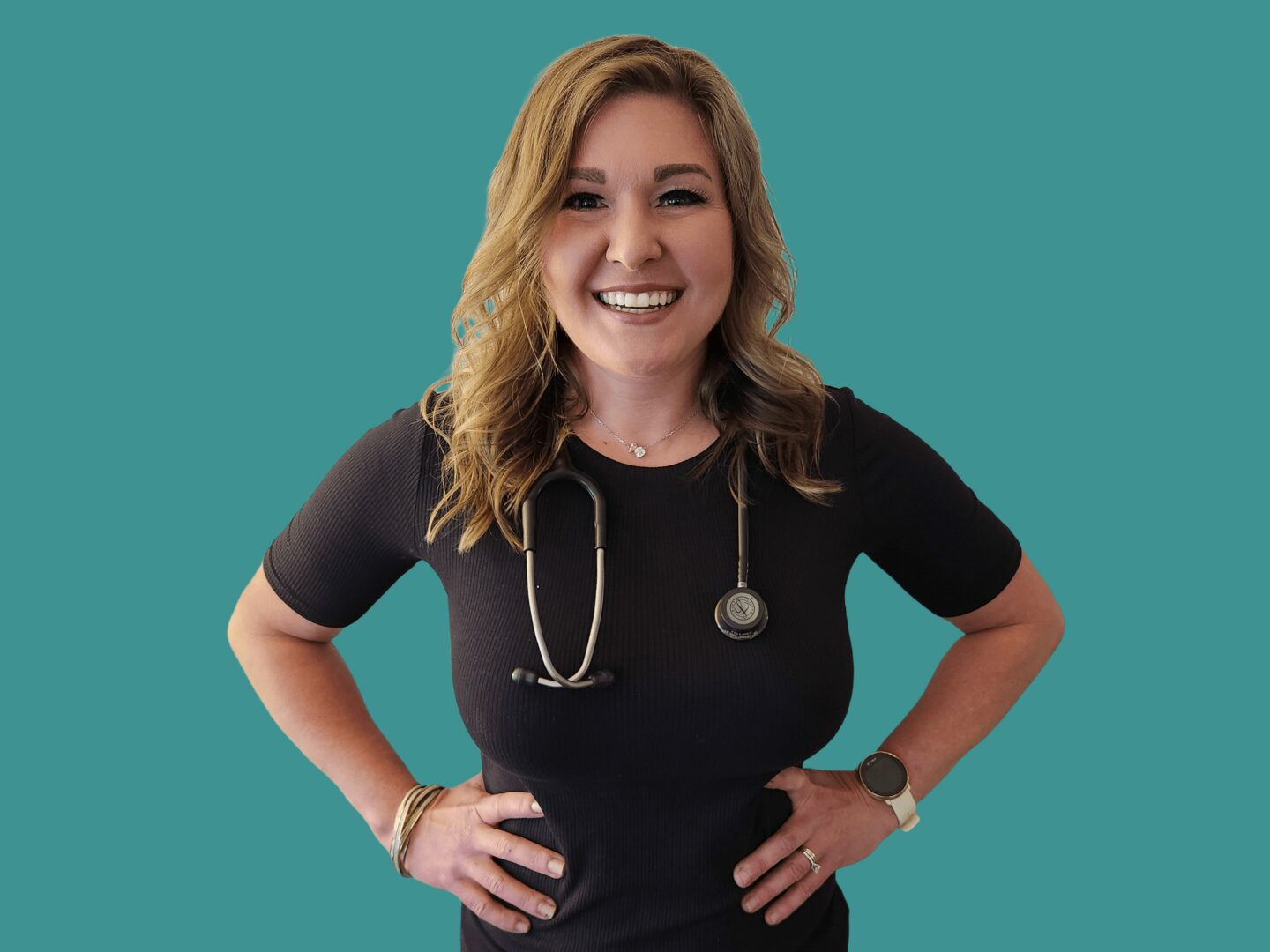
Alright – so today we’ve got the honor of introducing you to Kristen Cook, MD. We think you’ll enjoy our conversation, we’ve shared it below.
Kristen, thank you so much for making time for us today. We can’t wait to dive into your story and the lessons you’ve learned along the way, but maybe we can start with something foundational to your success. How have you gone about developing your ability to communicate effectively?
Studies show that on average, physicians interrupt their patients merely 11-23 seconds into the conversation. Back when I was growing up, effective communication was not encouraged. In fact, when it came to conversations between children and adults, the expectation was for children to be seen and not heard. To make matters worse, the only “polite” emotions to demonstrate were “fine” or “good”-even thought those are not emotions at all! As a child, I tended to be pretty quiet. I didn’t want to say anything that would upset the grown-ups.
It wasn’t until my second year of medical school that I learned to communicate effectively. My medical school was a strong proponent of a concept called the art of medicine-interested in relationships between doctor and patient, instead of being solely focused on scientific knowledge. It was in medical school that I learned the importance of truly listening, rather than give the appearance of hearing what someone else was saying. That is where I developed my skills as an active and engaged listener.
After medical school, I spent three years in an intense pediatric residency program, often working up to 80 hours per week. It was there that I learned about the importance of emotional intelligence. Thoughts, emotions, and behaviors are intimately related. You can’t ignore emotion, rather you need to get comfortable with it. This allows for the expression of empathy, another component of successful communication.
Finally, when my mom was diagnosed with frontotemporal depression several years ago, I learned about the importance of connection. You never know when someone’s last day on earth will be. You don’t want to leave anything unsaid. In addition, minor disagreements that go unresolved for far too long are just not worth it. I have learned that life is about building and nurturing relationships.
Active listening. Emotional intelligence. Connection. These three qualities are essential for effective communication. In over 15 years of clinical practice as a pediatrician in a very busy and thriving medical practice, I believe that my communication skills are what keep my patients coming back. It’s why I am a multi-generational pediatrician-many of my former patients have grown up and had children of their own, and they chose me to be their child’s pediatrician. It is an absolute honor, and a distinction I am very proud of.
Every single appointment with me has a personalized touch. If I am seeing a child for a sports physical, I ask what sport they are playing and what position they like the best. If I am seeing a newborn, I check in to see how parents are handling the sleep deprivation. If I am seeing a toddler with a high fever, I make sure to acknowledge how challenging it is to deal with someone who is cranky and clingy. Effective communication is not about you, and it’s not about me. It’s about us.

Thanks for sharing that. So, before we get any further into our conversation, can you tell our readers a bit about yourself and what you’re working on?
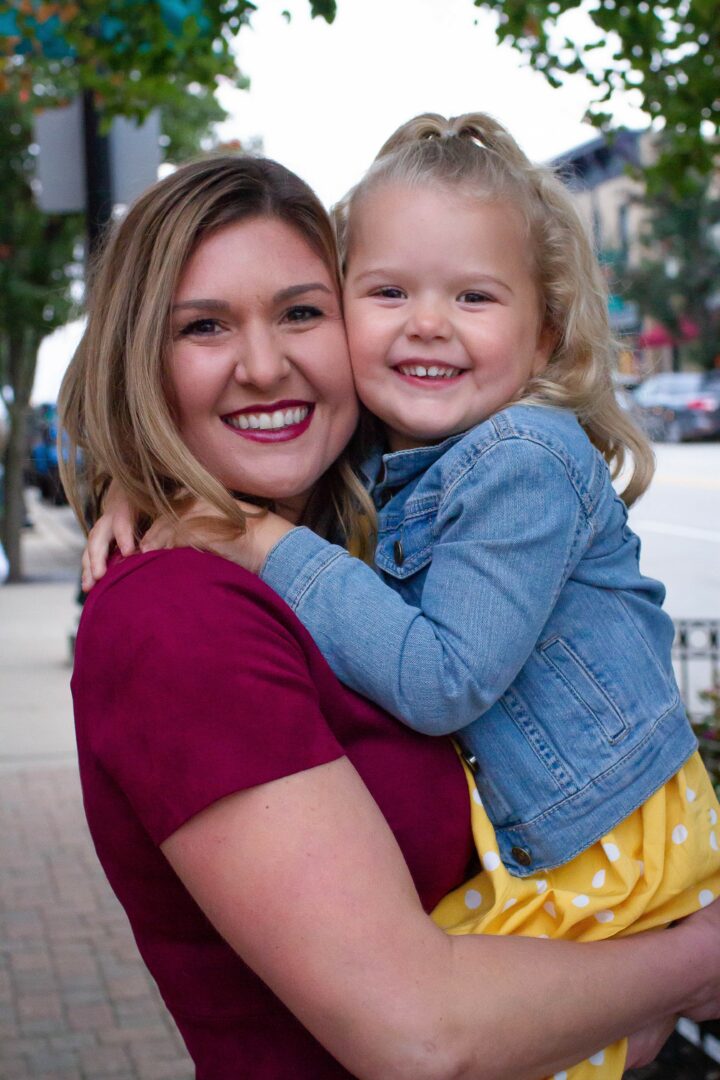
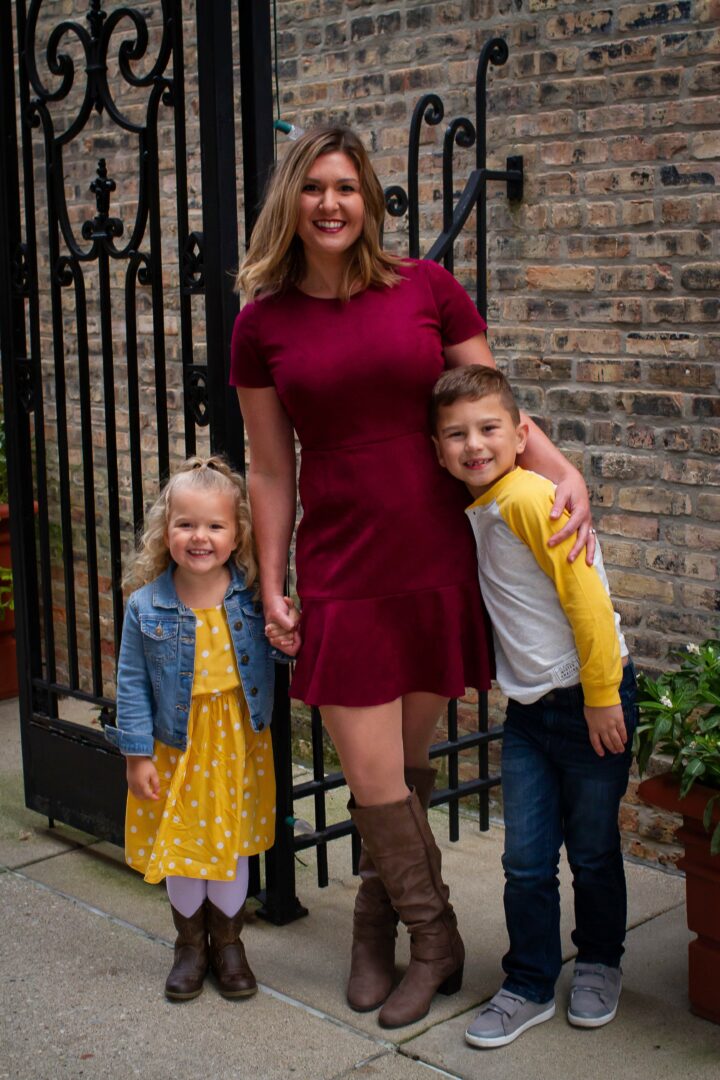
I’m Dr. Kristen Cook- a busy pediatrician and mom of two sports-obsessed kids. Yet I believe that my message extends far beyond the community where I practice medicine. I’d like to change lives all over the world.
I host a weekly parenting podcast called MomDocTalk with Dr. Kristen Cook. My podcast content offers a little bit of science with a whole lot of heart. It blends medical recommendations, child development, parenting struggles, effective disciple across the ages, and my own experience as a mom.
In addition, my book “Parenting Redefined: A Guide to Understanding and Managing Your Child’s Behavior to Help Them Thrive” officially launches on November 13, 2025, but is available for presale now. The focus of this book is to empower parents to parent the child that they have, rather than the child that they want. This enables parents to create more peaceful and effective parenting strategies. I’d love for readers to visit my website www.kristencookmd.com to access a free chapter of the book.
Looking back, what do you think were the three qualities, skills, or areas of knowledge that were most impactful in your journey? What advice do you have for folks who are early in their journey in terms of how they can best develop or improve on these?
Get clear about what you want, and find at least one person who believes in you wholeheartedly. Most people scoff at my ambition to be a New York Times best-selling author. Time and time again, people tell me, “but you are a successful pediatrician. Isn’t that enough?”.
No. No, it’s not enough.
I have dreams, I have ambitions, and I have systems in place to make it all happen. And I have the unwavering support of my non-medical husband who gets what I am trying to do. On the days where self-doubt creep in, he swoops in and reminds me what I am capable of.
Take care of your mental health. Engage in self-care activities daily. And believe in yourself-many times, your limiting beliefs are going to be your biggest obstacles. Challenge imposter syndrome daily- because new levels bring new devils.

What do you do when you feel overwhelmed? Any advice or strategies?
I am constantly at risk for succumbing to overwhelm. I have a demanding full-time job as a pediatrician, I’m raising kids who are heavily involved in sports, I have high ambitions for my passions projects of podcasting and writing books, I am engaged in my local community, and I am committed to remaining happily married to my amazing husband. I have zero free time. Every minute of my day is planned, and it’s tough when my life does not go according to plan.
Self-awareness is essential. You have to recognize the signs that you are becoming overwhelmed. For me, I get snappy. My tone of voice changes, and I am easily annoyed. Fortunately, my husband has no problem calling this behavior to my attention. It’s the wake up call I need to switch gears.
Exercise and mediation are my go-to solutions for overwhelm. I work out five days per week, but if I am experiencing overwhelm, I add a few minutes of yoga or stretching in the evenings. I am a huge fan of the Calm app. If I’m in a time crunch, I just close my eyes and take a few slow, deep breaths. It’s amazing how intentional breathing can take someone out of the flight-flight-freeze response and into a calmer mentality.
Contact Info:
- Website: https://www.kristencookmd.com/
- Instagram: https://www.instagram.com/momdoctalk_kcmd/
- Facebook: https://www.facebook.com/kristen.wasilowskicook/
- Linkedin: https://www.linkedin.com/in/kristen-cook-438b32178/
so if you or someone you know deserves recognition please let us know here.