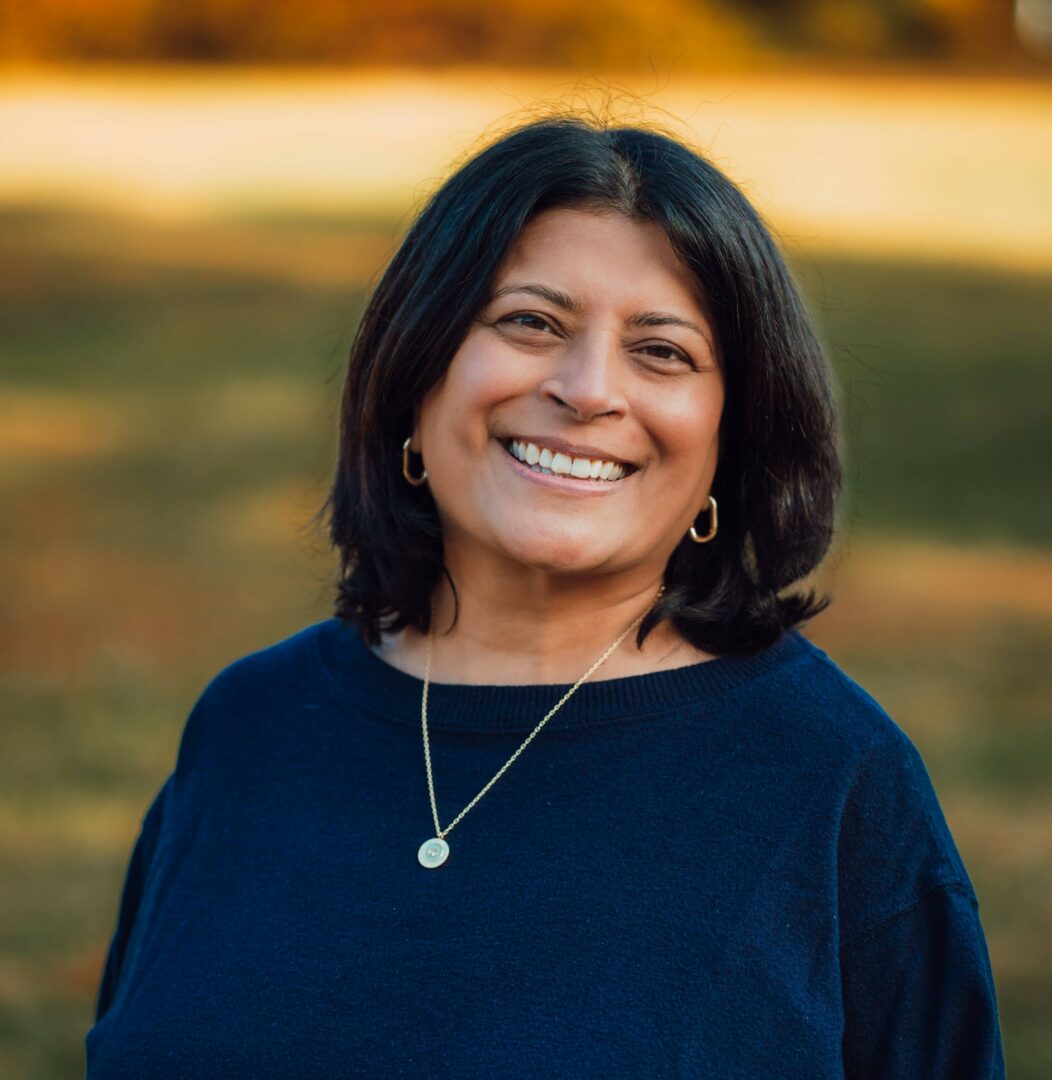
We were lucky to catch up with Kristin Schleicher recently and have shared our conversation below.
Kristin, we’re thrilled to have you on our platform and we think there is so much folks can learn from you and your story. Something that matters deeply to us is living a life and leading a career filled with purpose and so let’s start by chatting about how you found your purpose.
I didn’t find my purpose in a single moment — it revealed itself over time, through patterns I couldn’t ignore.
As someone who grew up with undiagnosed ADHD, I spent years working twice as hard just to feel “normal,” carrying the familiar emotional baggage: anxiety, perfectionism, imposter syndrome, and low self-esteem. Later, as a psychologist specializing in anxiety, fears, and phobias, I kept seeing the same pattern in adults: high-functioning on the outside, overwhelmed on the inside — and many were neurodivergent without ever knowing it.
Then I became a mom, and one of my two sons made it personal. He’s triple-exceptional: ADHD, dyslexia, and highly gifted. Outside of school, his brilliance is obvious. But I watched how quickly a classroom can turn that confidence into doubt — how a mismatch between wiring and expectations can quietly create shame.
I still remember realizing: this is the fork in the road where a child starts believing in themselves… or starts believing they’re failing.
The adults I worked with began asking me, “What about my child? How can I prevent this?” (ADHD is highly heritable, so it’s common to see similar patterns across generations.)
That question pulled me into working with neurodivergent kids in my clinic and in Florida schools. And once I saw how deeply children struggle in a system that doesn’t speak their language — and how quickly that struggle gets misread as laziness or lack of effort — I couldn’t unsee it.
That’s my mission now: not fixing damage later, but working preventatively — helping children build self-worth, emotional resilience, and practical tools early. Because when kids understand their brain, they grow up knowing who they are before the world convinces them otherwise.
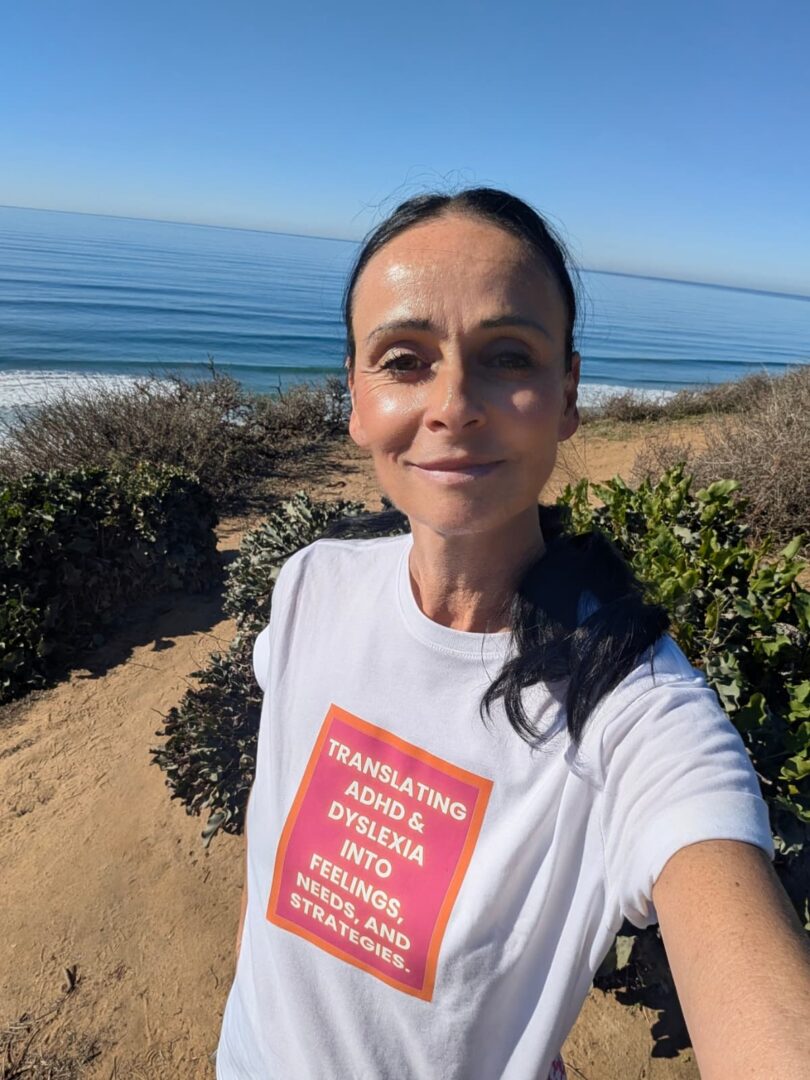
Let’s take a small detour – maybe you can share a bit about yourself before we dive back into some of the other questions we had for you?
At the heart of my work is one simple belief: behavior is communication — and self-worth is the foundation everything else grows from.
Professionally, I build and lead a preventative mental health and social-emotional learning ecosystem for neurodivergent children and the adults who support them. I work in my clinic, in Tampa Bay schools, and with families across the U.S., translating complex neuroscience and psychology into practical, child-friendly tools for emotional regulation, confidence, focus, and resilience — including nervous system regulation skills many people don’t learn until their 30s or 40s.
What makes my work different is that it doesn’t start with fixing behavior or improving performance. It starts with helping children feel safe, understood, and capable — especially those whose brains work differently.
That philosophy shows up across my work. More Than Behavior™ Letters help parents and educators understand what’s behind a child’s behavior and respond with clarity instead of punishment. The Secret Society of G.O.A.T.™ is a story-driven book series (Book 1 – will be published in January 2026) that teaches emotional regulation and self-advocacy through humor, adventure, and relatable characters — making tools feel normal instead of clinical.
My goal is to make emotional regulation as normal as brushing your teeth.
What excites me most right now is expansion — bringing these tools into more schools, growing parent and educator resources, and continuing to build preventative mental health support that meets kids before shame does. The long-term vision is simple: to help children grow up knowing who they are, how their brains work, and that they are not broken — just wired differently.
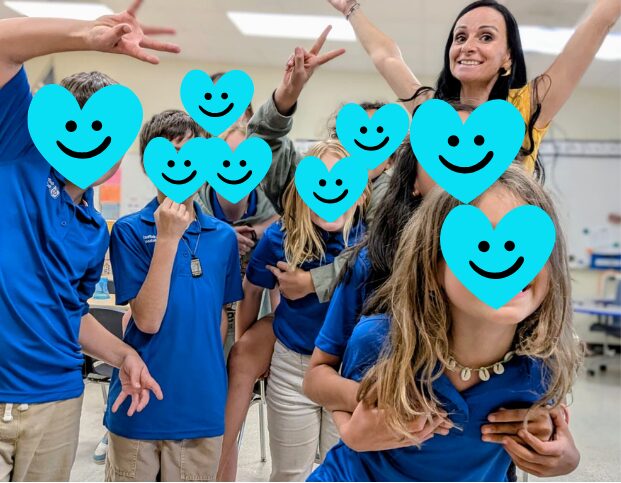
Looking back, what do you think were the three qualities, skills, or areas of knowledge that were most impactful in your journey? What advice do you have for folks who are early in their journey in terms of how they can best develop or improve on these?
If I look at my journey honestly, three very personal qualities shaped everything I do today.
First, I’m deeply driven by novelty — that’s part of my ADHD brain. I’m naturally curious, creative, and always exploring new ways of thinking. Instead of fighting that, I learned to work with it. That drive keeps my work innovative, flexible, and alive — especially when I’m creating tools for kids who also don’t thrive in rigid systems.
Advice: Don’t pathologize your natural wiring. Learn how to harness it. What feels like a liability early on often becomes your edge later.
Second, I have a strong inner pull to help people — paired with the ability to translate complex ideas into very simple, human language. Whether it’s neuroscience, emotions, or nervous-system regulation, I can break it down in a way that feels accessible and non-threatening. That skill is at the core of my work with children and families.
Advice: Practice explaining what you know in the simplest words possible. If a child can understand it, you truly understand it.
Third, empathy. Neurodivergence is deeply personal for me — so shaming or blaming parents was never an option. I know how heavy the worry can be. I know how confusing the system is. My work is effective because it comes from genuine understanding, not judgment. I don’t just know what my clients are going through — I feel it with them, and I care deeply about their outcomes.
Advice: Lead with compassion — for others and for yourself. People don’t change because they’re criticized; they change because they feel safe enough to grow.
Along the way, three guiding skills became essential: self-awareness before self-improvement, the ability to recognize patterns instead of isolated problems, and the courage to work preventatively rather than reactively. But at the core of it all is this: I pour my heart into my work. I show up fully. And I let empathy guide every decision I make.
That combination — curiosity, clarity, and care — is what made my work possible.
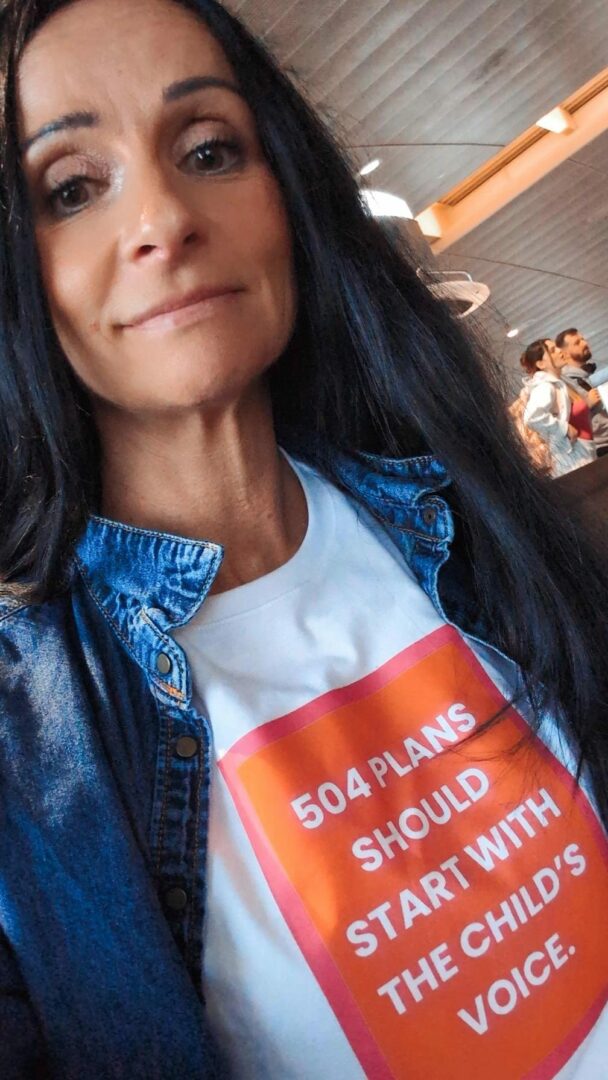
How can folks who want to work with you connect?
Yes — collaboration is a big part of how I see real change happening.
I’m always looking to collaborate with people and organizations who value translation over labels, compassion over compliance, and long-term impact over quick fixes. The work I do lives at the intersection of psychology, education, storytelling, and lived experience, so the most meaningful partnerships tend to be interdisciplinary.
* Schools, middle-grade teachers, and educators who want to use story as a doorway into social-emotional learning — including reading my middle-grade book series The Secret Society of G.O.A.T.™ with students and using it as part of SEL, advisory, or classroom community-building.
* Clinics, therapists, counselors, and ADHD coaches who want a structured, compassionate way to “translate behavior into emotions and needs” using More Than Behavior™ Letters — so families and educators can respond with clarity instead of frustration.
* Mission-driven founders and partners who believe emotional regulation and nervous-system literacy should be taught early — not only after burnout, anxiety, or school refusal shows up.
If someone reading this feels aligned — whether they work in schools, healthcare, publishing, research, or advocacy — I’d love to connect. The goal is shared impact: helping children grow up understanding their brains, trusting themselves, and feeling supported long before shame takes root.
I’d truly love to connect and explore what’s possible via email at mailto:[email protected], or connect with me on LinkedIn (www.linkedin.com/in/kristin-schleicher-tampa)
You can learn more about my work at https://www.the-happy-core.com
Contact Info:
- Website: https://www.the-happy-core.com
- Instagram: @happycoreprogram
- Linkedin: https://www.linkedin.com/in/kristin-schleicher-tampa
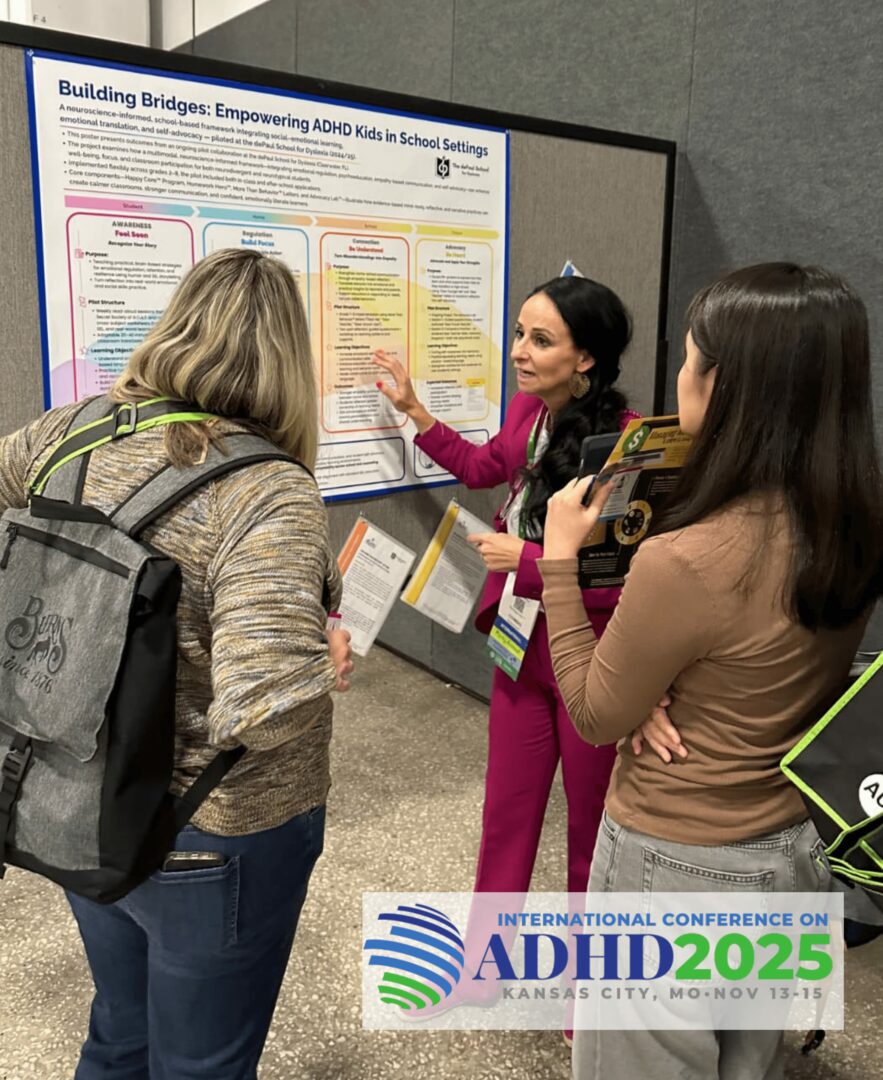
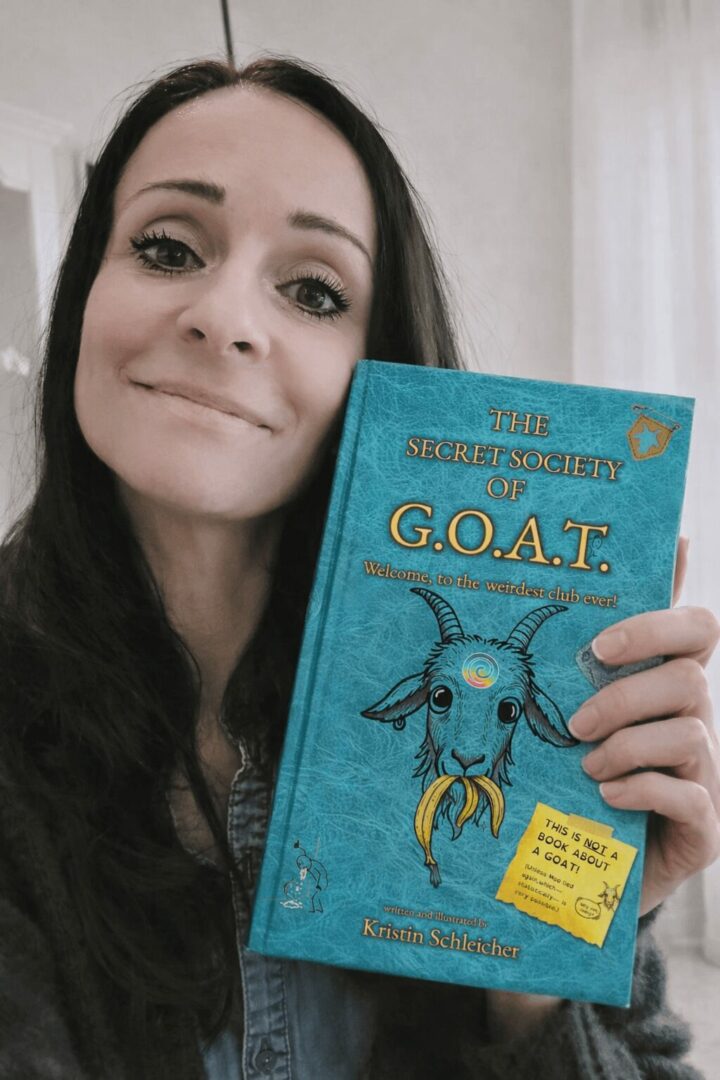
Image Credits
I certify that I have rights and permissions for the personal images in Part 7 of the form.
so if you or someone you know deserves recognition please let us know here.