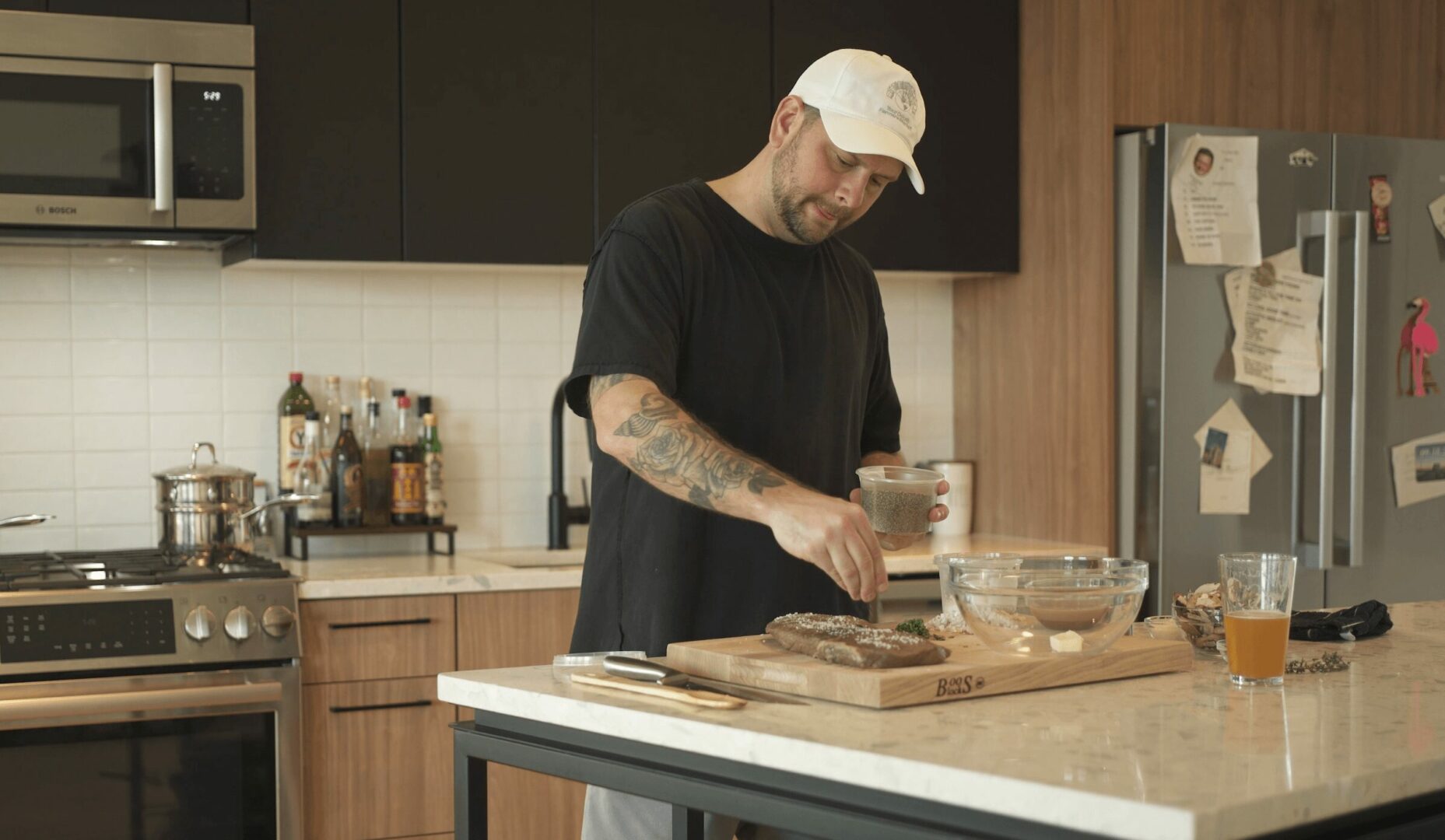
We’re excited to introduce you to the always interesting and insightful Kyle Taylor. We hope you’ll enjoy our conversation with Kyle below.
Kyle, first a big thank you for taking the time to share your thoughts and insights with us today. I’m sure many of our readers will benefit from your wisdom, and one of the areas where we think your insight might be most helpful is related to imposter syndrome. Imposter syndrome is holding so many people back from reaching their true and highest potential and so we’d love to hear about your journey and how you overcame imposter syndrome.
I came up through a business career, so when I started HE COOKS®, I felt like a poser, trying to speak a language I loved but did not “earn” on paper. I had also spent years in a complicated relationship with food, so putting myself on camera cooking was not just creative. It was personal. When you have lived in that kind of tension, your brain gets good at moving the goalposts. Publish one recipe, it says, and it asks why you are not an executive chef. Post one video, it says, and it asks who gave you permission.
What changed it was deciding that I did not need permission. I needed proof.
Not proof for strangers. Proof for me. I started treating confidence like a byproduct, not a prerequisite. I put my head down and built reps. Cook. Write. Shoot. Publish. Repeat. I let the work be public, even when it was imperfect, and I let the feedback be real, even when it stung. The first time someone cooked one of my recipes and told me it made them feel capable in their own kitchen, something clicked. This wasn’t about titles. It was about service. It was about craft.
Now when that voice shows up, I don’t argue with it. I answer it with output. The work is the résumé. The consistency is the credential. And the only standard I chase is whether I made something honest, useful, and worth doing again.
Let’s take a small detour – maybe you can share a bit about yourself before we dive back into some of the other questions we had for you?
For a long time, I lived in extremes. Years of multiple eating disorders warped my relationship with eating and with my own body. At the same time, I was on a traditional business career path that looked good on paper but felt empty in practice. Cooking became the bridge back to something real. It was tactile and present. It required patience, repetition, and attention. It gave me a way to rebuild trust with food, and eventually, with myself.
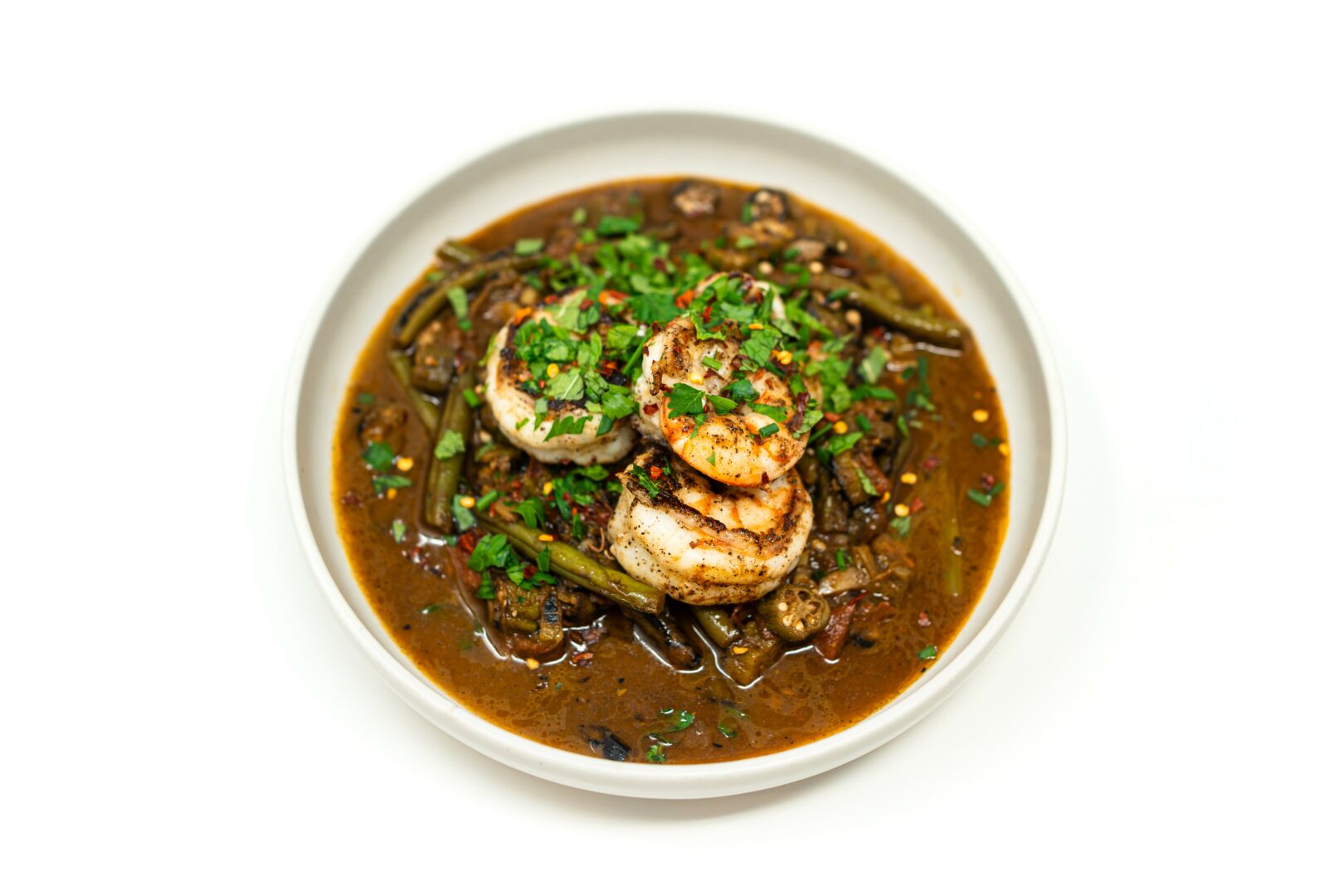
Today, I’m the founder and creator of HE COOKS®. I develop recipes, shoot and edit the videos, photograph the food, and write the longform stories that live alongside it. What excites me most is the intersection of craft and narrative. I love the technical side, building flavor, dialing in a sauce, learning a new method, but I also love the why behind a dish. The best meals carry memory, place, and mood. That’s what I’m chasing.
HE COOKS® is for people who want food that feels elevated but still doable. Recipes that respect the reader, clear steps, real technique, and flavors that hit. I also go deeper on Substack, where I write about the broader culture of cooking and eating, from travel and restaurants to the emotional side of food and the way we gather around a table.
Right now, I’m focused on growing HE COOKS® into a premium destination, strengthening the website and expanding the storytelling side of the brand through PALATE PASSPORT® episodes, recipe releases, and more longform writing. The goal is simple: make great food, tell honest stories, and build something that lasts.
Looking back, what do you think were the three qualities, skills, or areas of knowledge that were most impactful in your journey? What advice do you have for folks who are early in their journey in terms of how they can best develop or improve on these?
These specific qualities have been critical in my journey: disciplined repetition, taste and technique literacy, and the willingness to be seen.
First, disciplined repetition. I stopped waiting to feel ready and started building reps. Cook, write, shoot, publish. Then do it again. Confidence came later, as a byproduct of consistency. For anyone early on, pick a cadence you can sustain and protect it. One recipe a week beats ten recipes in a burst and then nothing for months. Small, repeatable output compounds.
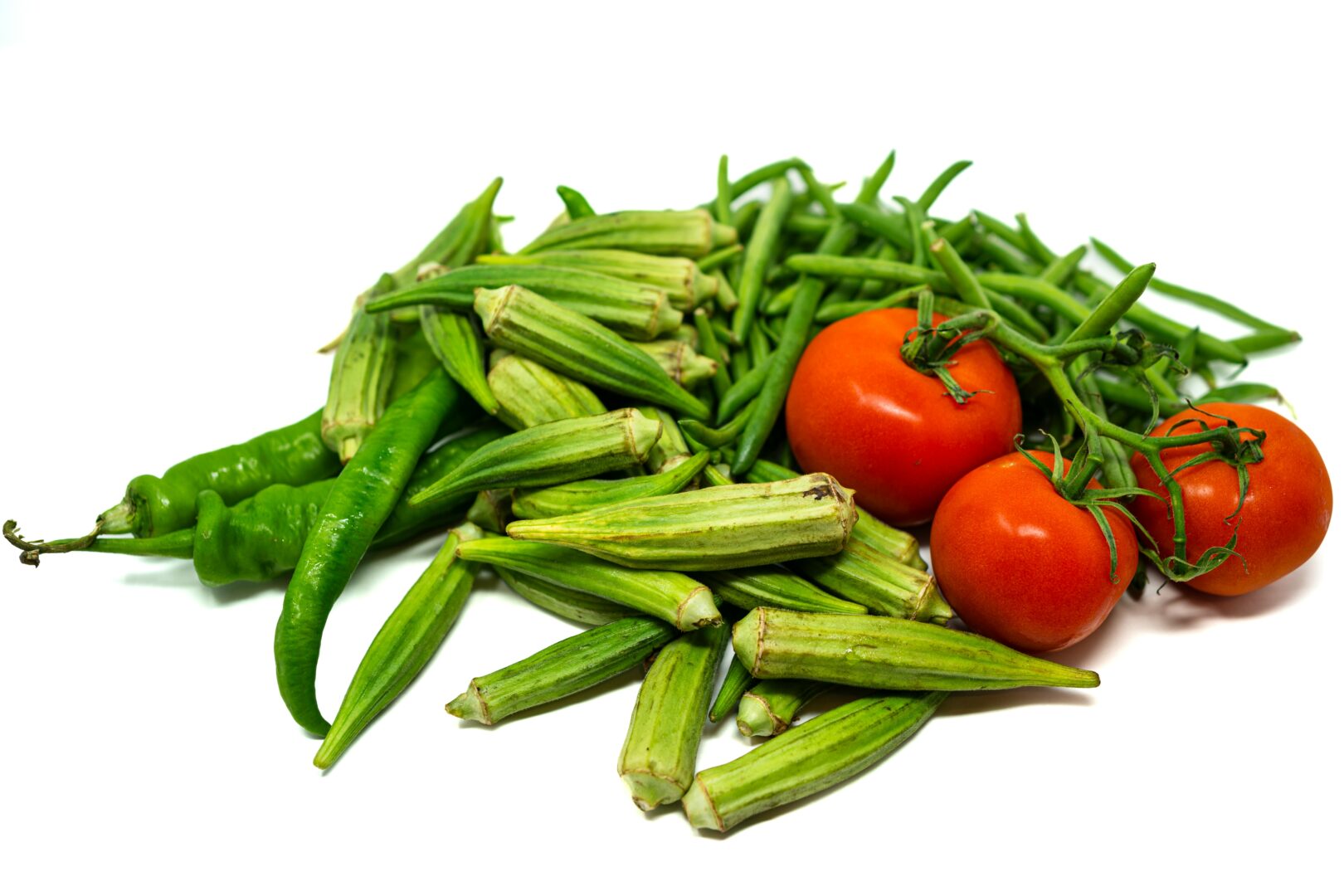
Second, taste and technique literacy. The biggest breakthroughs came when I learned to understand what was happening in the pan and on the palate. Salt, acid, fat, heat. Texture, temperature, balance. You do not need to master everything at once. Learn one technique at a time and repeat it across different ingredients. Roast five different vegetables. Sear three different proteins. Make the same sauce until you can do it without thinking. Your instincts sharpen when your fundamentals are stable.
Third, the willingness to be seen. This was the hardest one. Sharing work publicly invites opinions, and early on that can trigger impostor syndrome fast. But I learned that hiding does not protect you, it just delays you. The shift happened when I decided the work was the point, not the approval. For anyone building something, post the thing, learn from it, improve, and keep moving. Let the craft speak. Over time, your body of work becomes your credibility.
If I had to turn it into one line of advice: build reps, learn the fundamentals, and do the work in public long enough for it to become undeniable.
What do you do when you feel overwhelmed? Any advice or strategies?
When I feel overwhelmed, I treat it like a kitchen problem. I start by lowering the heat.
First, I get everything out of my head and onto paper. Overwhelm loves vagueness. A quick brain dump turns a foggy feeling into a list you can actually handle.
Second, I pick the next smallest real action. Not the whole project, just the next move that creates momentum. Answer one email. Outline one paragraph. Prep one component. Ten minutes of progress beats an hour of spinning.
Third, I reset my body before I reset my plans. A short walk, water, a proper meal, a few minutes away from a screen. It sounds simple, but it changes the texture of the day.
Finally, I cut the menu. When everything feels urgent, nothing is. I choose one priority for the day, one secondary, and I let the rest wait without guilt. Most pressure is self-imposed. The work will still be there tomorrow, but you need to be functional to do it well.
My best advice is to build a repeatable “overwhelm protocol” before you need it. Write it down. Use it every time. Consistency is calming.
Contact Info:
- Website: https://hecooks.co
- Instagram: hecooksco
- Youtube: hecooksco
so if you or someone you know deserves recognition please let us know here.