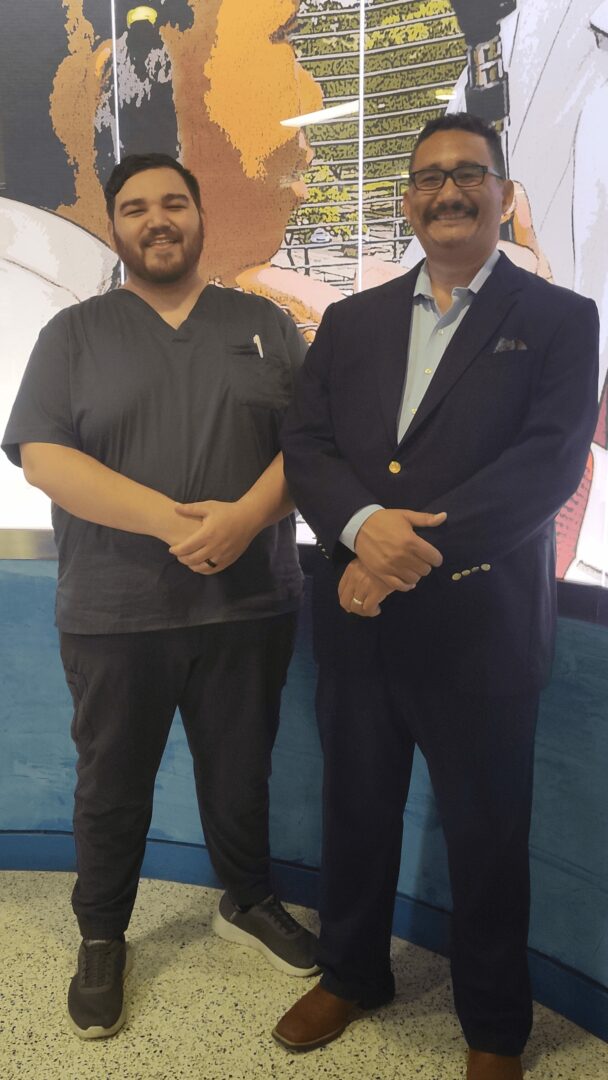
We were lucky to catch up with L. “zo” Ruíz recently and have shared our conversation below.
Hi L. “Zo” , thank you so much for opening up with us about some important, but sometimes personal topics. One that really matters to us is overcoming Imposter Syndrome because we’ve seen how so many people are held back in life because of this and so we’d really appreciate hearing about how you overcame Imposter Syndrome.
Oh gosh, what a challenging question to begin with. I don’t know that I will ever completely overcome my imposter syndrome. Some days it is crippling. But without a doubt the most effective strategies I’ve employed are
1) I share my feelings of inadequacy even though others see my potential (like my bosses and my students).
2) I Actively seek out and surround myself with good people that enjoy building up those around them. And this is key. If are in a relationship that isn’t supportive then LEAVE. Find people that will be. My biggest rock is my wife. And I struggle to convey my gratitude. Surprisingly, I have also found undying support in many students over the years. I have no idea how I became so lucky to have so many heroic students, now close friends, who have inspired me to be a healthier, kinder person. Spencer, Anna K., Jacob, Nathan… the list goes on and on. Each has taught me that surrounding ourselves with supporters as opposed to destroyers is the secret to believing in ourselves. It takes work to surround oneself with people you hope to emulate. But lucky for me I have found them. For the first half of my life this was an impossibility. My childhood was one of violence, fear and frank instability. To survive I compartmentalized. I’m sure my traumas were the birthplace of my imposter syndrome. I was in the second grade when a neighborhood kid about my age threatened me with his dad’s loaded revolver. I can still see the rounds peaking from the cylinder on the sides. A quick thinking kid distracted the would be shooter and gave me an escape. Who knows how it would have ended if Henry hadn’t taken that chance. Months later I was suddenly living with the man that I saw bloody my mother’s face when I was 4. The same man who, in a rabid rage, yelled at 5 year old me that he didn’t want to see me again until I was 21 because I couldn’t tie my sky blue Muppet shoes. Now I was seven years old, not knowing I’d be with him permanently until I found my few personal belongings in black trash bags at the back door of his latest girlfriend’s apartment. As it turned out those black trash bags would continue to follow me like some metaphor of rejection every time my life was upended. At 16 I left his house. He was either going to kill me or I would become just like him. I had nothing to live for, but I couldn’t allow myself to become a monster. I lived on the charity and thinning patience of more than one near stranger while I struggled to complete high school. I feel lucky I only spent one sultry night alone in Houston’s downtown streets. Nothing like half sleeping on a concrete bench to give you perspective. I was nothing more than someone’s baggage, an occasionally convenient appendage that could be suddenly dropped anywhere at any time like a stray penny. Any single one of those experiences was enough for me to believe I would never be good enough and would never belong. And I know now I am not the only one.
There is still no magic bullet for conquering my imposter syndrome. It still haunts me. Sometimes it possesses me. After a lifetime of trial and error and years of therapy I’m learning (and occasionally forgetting) about how I am deserving of kindness, respect and peace of mind just like every other human being. Kindness is not a currency. Nor is love. I discovered I am capable of doing anything, despite the shaitan in my head that whispers otherwise. Therapy is indispensable in tackling imposter syndrome. It is the very best investment I’ve ever made. For anyone struggling I encourage you to tackle the monster. Its not paying rent for the space in your life. Don’t give up trying to find help. Take out the trash so you can be a better you. You’ve got this.
Battling my imposter syndrome means being careful in my self talk. Instead of saying “I can’t” or “I don’t know how to do that” I try to remind myself and my students to say “I don’t know how to do that YET, but I will“. Adding these four words gives us immense power. It empowers me to believe in myself and grow. I have confident days and terrified days but those kinder words are a small bit of water and sunlight allowing my tiny seed of self to rise above the dark suffocating soil I sometimes mistake for my whole world. Self care allow us to bloom into any kind of life we want. By investing in ourselves and others we can become a tree bearing fruit to feed others, or the sunflower that grows tall and shares its contagious optimism everyone around it. Feeling inadequate happens. Remember that no matter where we are in life we aren’t chained to that perception. We just have to be kind to ourselves and recognize that we aren’t there “…YET, but we will be“.
Still, my imposter syndrome is a monster. The hardest thing for me to do is to lean on my support system. And the hardest lesson was accepting that just because someone loves you, it doesn’t always mean they are healthy for you.
Imposter syndrome is for me a war to remember I am capable. I’ve lost almost as many battles as I’ve won. But I have hope, because now I have allies. And now we remind each other.
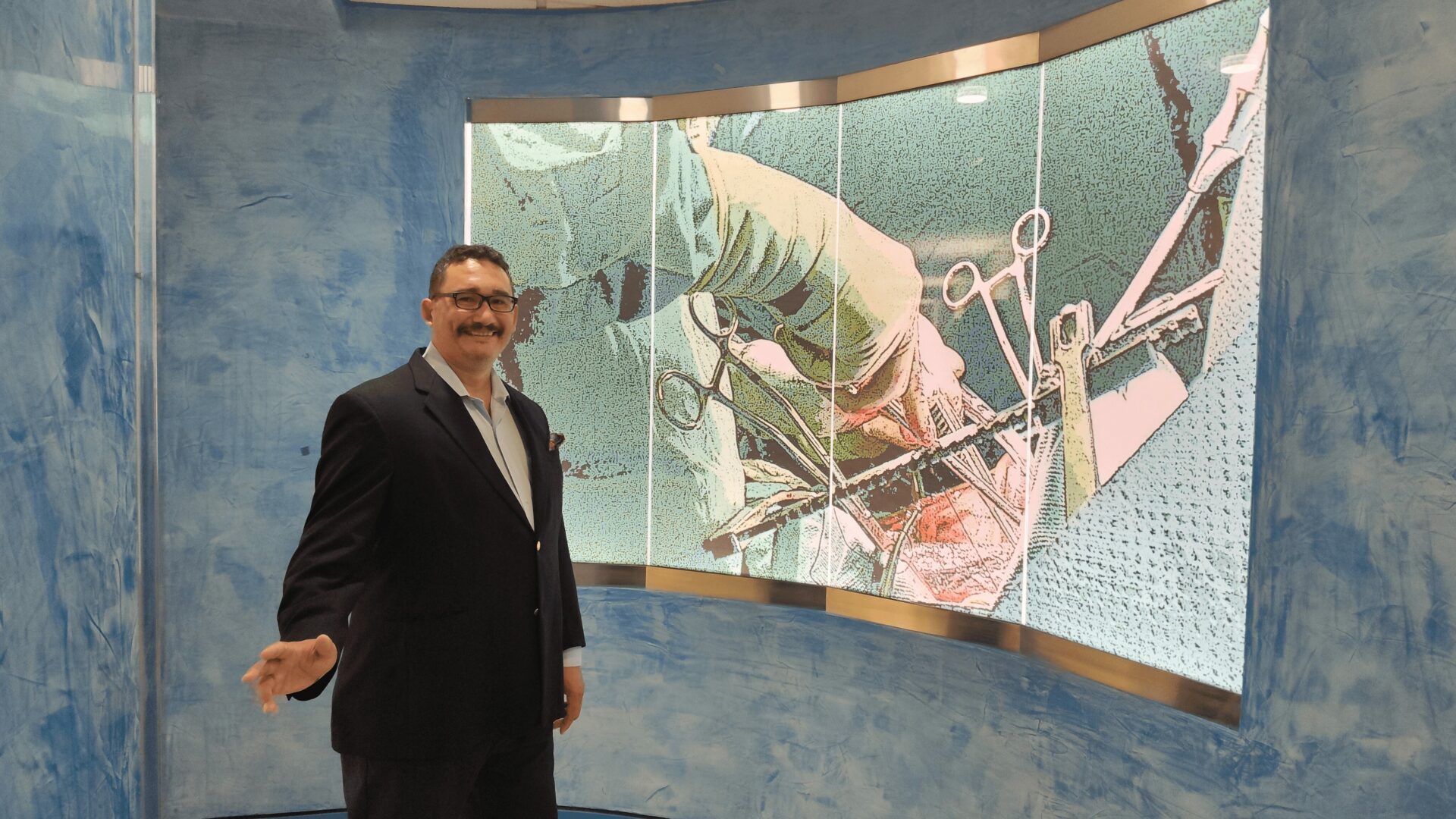
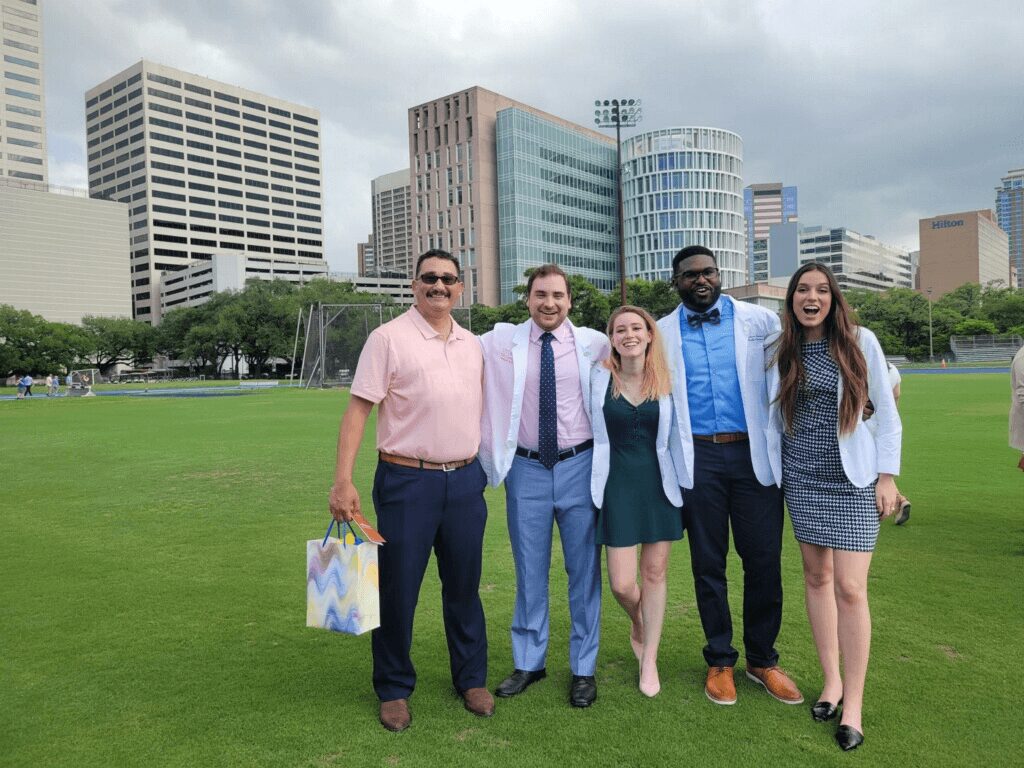
Thanks, so before we move on maybe you can share a bit more about yourself?
I think my professional life is what makes me so happy. I’m pretty sure that I am the luckiest person I know. I have two jobs that I am in love with in a world where many people struggle to find a single job they might hate. But to those struggling I want to say keep searching. Even when you have found what makes you happy look for more happiness. You deserve it.
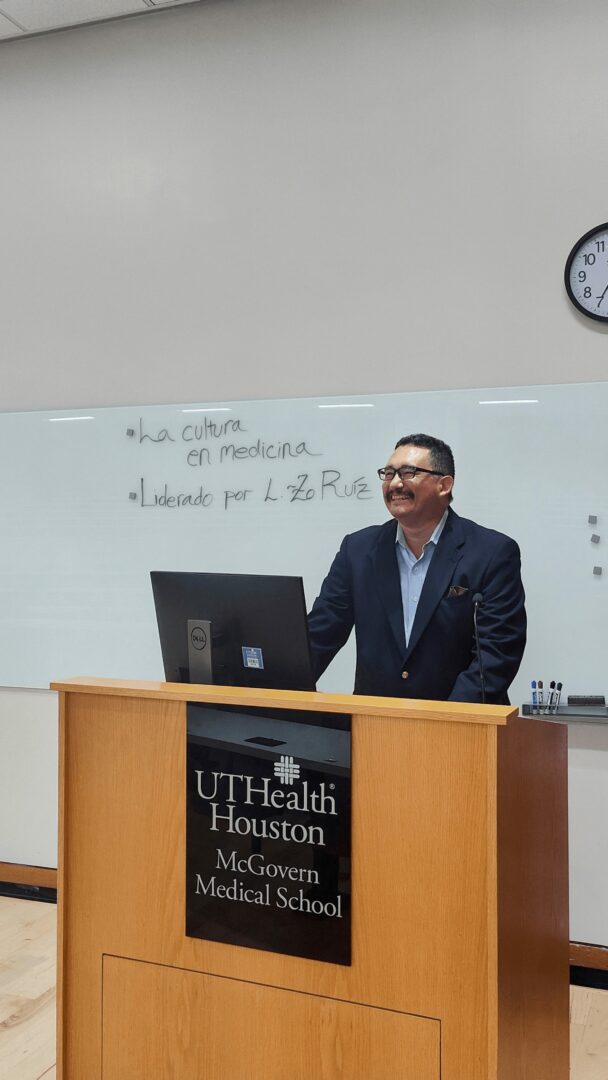
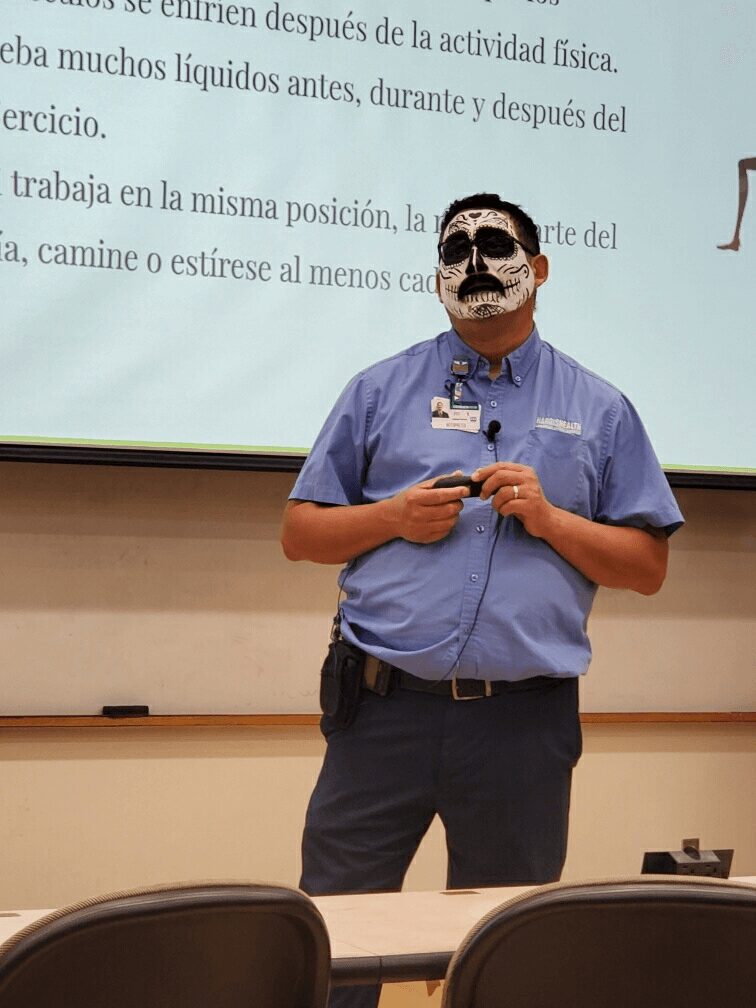
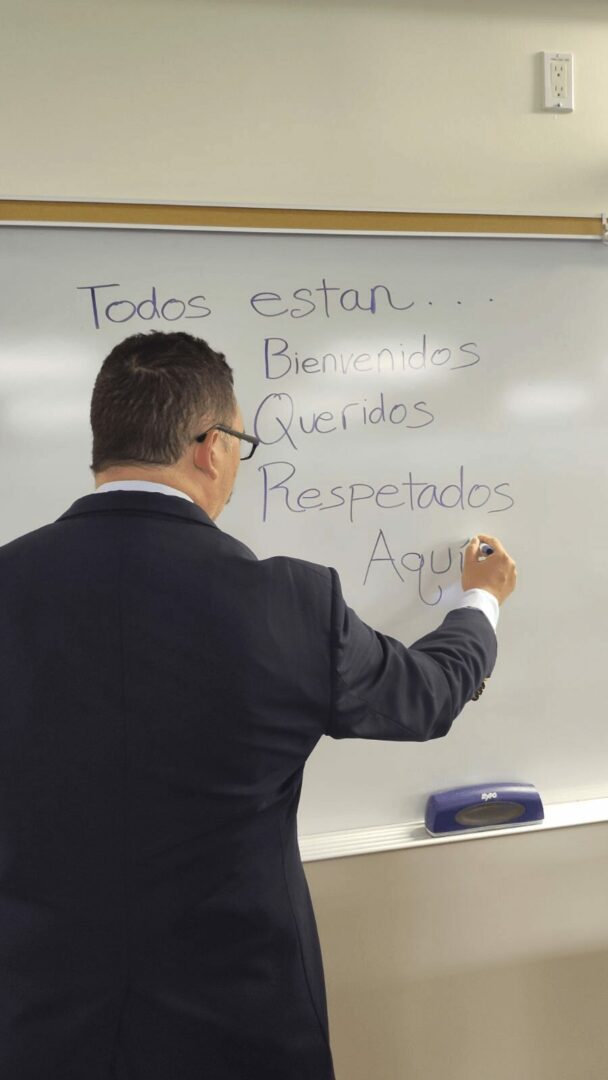
I’m currently in my 25th year as a medical interpreter (NBCMI Certified Medical Interpreter since 2011) at Harris Health’s Ben Taub Hospital in Houston, Texas and nearing my 7th year as a contract instructor teaching Medical Spanish at the UT Health McGovern Medical School. Thanks to very driven team we have just launched a Scholarly Concentration for medical students focusing their medical training on improving the health of our Spanish speaking communities. In my ever shrinking spare time I tutor busy medical professionals that want to improve their Medical Spanish as well.
Having the privilege of being the voice of Limited English Persons (LEPs) every day at Ben Taub has been life changing for me. Seeing a patient’s face light up upon having an interpreter never fails to make my day. Suddenly they have gone from being voiceless to being seen and heard, and having meaningful access to amazing healthcare providers. I work with my heroes. -Highly skilled healthcare providers, compassionate interpreters, people that are always helping me improve my skillset. The most important lesson this job has taught me is to see EVERYONE. Healthcare heroes often only brings to mind doctors, nurses, physician assistants (PA’s), and nurse practitioners (NPs). But the real heroes making things happen are the ones people walk past without really seeing. The oil in that well oiled machine of a hospital consists of custodians, patient transporters, lab techs, unit clerks, nursing aids, psych techs, linen providers, security guards, chaplains and everyone else that our eyes seem to glaze right over until we happen to need them. And then we need them right now! My career at Harris Health has reinforced the observation that it really does take a village. And those villagers should be seen and thanked at every opportunity. Not just when we happen to need something. Having strong, supportive leadership behind the scenes makes this possible. So my small role with Harris Health has provided me with giant opportunities to appreciate people and also to explore my passions for interpreting, teaching and public speaking and sharing those values with the next generation of healthcare professionals.
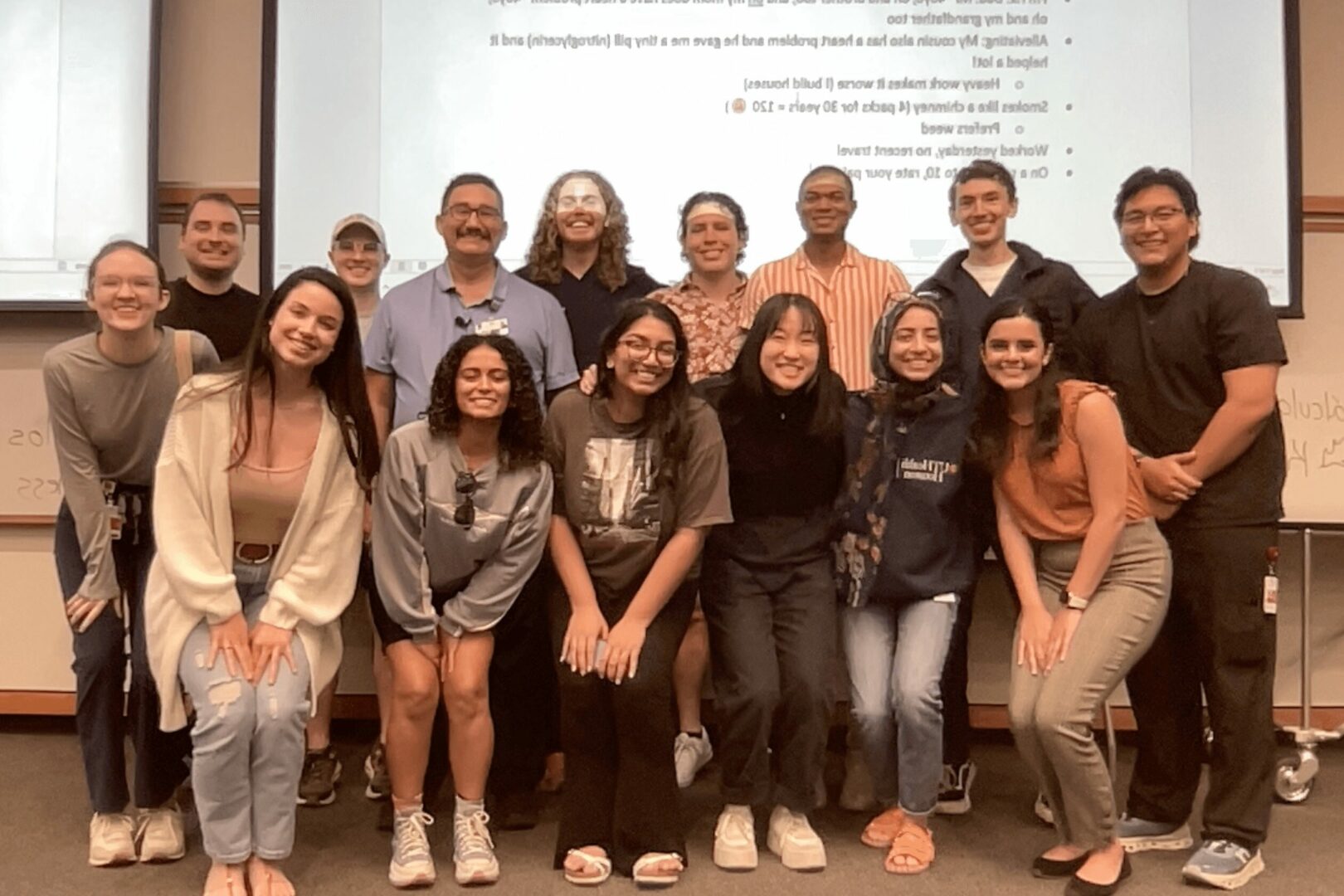
While I don’t think I could ever fully give up interpreting, my biggest passion by far is teaching. In fact I think both interpreting and teaching are callings that are closely related. Both involve sharing life changing information. I love being a guest lecturer on intercultural medicine and the role of medical interpreters. Over the years I’ve been fortunate to lecture at both Baylor College of Medicine, The McGovern Medical School at UT Health Houston and the UT Health School of Dentistry here in the Texas Medical Center. In 2015 I was recruited to work with and mentor a select group of Rice University undergrad students participating in a Medical Spanish internship. Little did I know some of these students would become lifelong friends and heroes in their own right. In fact Nathan, through his sister Vivian, of BoldJourney, helped make this interview possible. I’m outrageously proud of Nathan and every one of his classmates who have all gone on to lead extraordinary careers and improving the lives of their respective communities . In 2018 I was honored with an invitation to teach a Medical Spanish course for 2nd year medical students (MS2’s) at the McGovern Medical School at UT Health Houston. I haven’t looked back since. It’s by far the most challenging and rewarding endeavor I’ve ever undertaken in life. The support from leadership and students has been overwhelming year after year. I’m convinced I learn more from my devoted students than they do from me. The biggest honor I receive is hearing back from students over the years about how they’ve used their skills gained in the classroom to help patients in the real world, teaching others along the way.
Teaching, public service, my supportive family and friends keep me going in my life. They are all branches of the same tree. -And my heart is in the center.
While I don’t have a website or other online presence I absolutely love hearing from friends and strangers.
My preferred communication is through email:
Looking back, what do you think were the three qualities, skills, or areas of knowledge that were most impactful in your journey? What advice do you have for folks who are early in their journey in terms of how they can best develop or improve on these?
1) Seeing people. That is the most important skill we must never abandon. It’s too easy to become fascinated with people we’ll never meet or that don’t exist on the ubiquitous screens in our lives. And we fail to see the person in front, beside or behind us. Acknowledging people is a lost art today. Just saying hello to complete strangers is a foreign concept in more and more towns and cities. And we wonder why we feel so alone and hurting. Yet seeing a person can have such positive impacts. I’m not saying feed and hug every person you encounter. But seeing people and acknowledging them alone can have profound effects. In Houston there used to be a famous message of “BE SOMEONE” graffitied on an abandoned train bridge over I10 near the I45 junction. It became the motto for Houston. But if we really want to “be someone” I think we should learn to “SEE Someone”. (And no I don’t want any readers to change that mural if it still exists. That’s Houston Sacred). I’ve heard countless stories of people who were suicidal and what gave them hope was a complete stranger’s simple acknowledgement of their presence. As a person who has struggled with depression and mental health issues that completely resonates with me. And you can ask anyone that knows me, I try hard to acknowledge people.
2) Practice kindness and gratitude. I’m not always good at this. I try to practice kindness as a skill. Being kind has opened more doors for me than I imagined possible. Kindness is definitely a skill that must be constantly honed. I have definitely earned hard times by not foreseeing how my efforts at kindness could be misunderstood and/or abused. And on a side note: abuse isn’t always intentional, but it can never be tolerated. Still, at the end of the day the rewards have been more than the headaches. I think the trick is assessing the situation and being mindful about how to be kind. Sometimes a hello with a smile is all that is needed to make someone feel better about themselves. And when someone or something makes us feel better, let them know you appreciate them for it. They might just choose to do it again for someone else.
3) Be vulnerable. I cannot stress this enough. It is a hard thing to do. But it develops strength and resilience. It also is the fastest way to cull the herd and surround yourself with only supportive, reliable people that can guide you into being a better person. If you can’t depend on people in your circle to support you and love you for who you are, then they are taking up valuable space in your circle from the people who will. Allow yourself to be vulnerable and learn from the experience.
Alright so to wrap up, who deserves credit for helping you overcome challenges or build some of the essential skills you’ve needed?
This is such an impossible question when it is limited to just one person. My success is the legacy of every teacher, boss, mentor, and person I have ever interacted with for better or for worse. They are the community that shaped me.
Still two people immediately come to mind: One is a former student, the other is a former classmate.
The student:
This person has taught me more about kindness in two years than I’d learned in the previous 42. In every discussion, usually during our long walks, I became the student and they the teacher. We took turns sharing painful struggles and practicing listening. It didn’t take long to see my friend’s highly developed skill of creating a safe, judgement free space to explore pain without adding to it. Their crafted responses are those of an artist. This friend sees a person’s vulnerability and acknowledges it without assigning blame or offering useless advice, but easing pain simply by seeing it and acknowledging it in a way I never really knew was possible. But her real skill is also speaking truths. “Zo, friends don’t talk to each other this way” was the response after I shared a painful series of messages I received. For me that was a turning point. Suddenly I’d understood that just because people participate in your life, it doesn’t make them friends. And that unintentional abuse is still abuse. I learned that words can be curated with a goal of seeing people. And that we can choose to seek out and surround ourselves with people that teach you how to be a better person. This friend, artist, healer, human being has inspired me to think before I speak, see and hear people and try to find kinder, helpful words and to speak as a friend would.
The classmate:
The steadiest rock and source of strength in my life is someone I met in a math class in High School math class. The silent type, deeply reserved, very studious. and beautiful. I wrote her a note. She swept it aside. I wrote more, and became impressed with how politely she refused to acknowledge that I existed. When she finally did respond I realized we only shared a math class, not a language. I always wanted to be fluent in Spanish but at that point in my life I still couldn’t order tacos from a menu without pointing to the picture. And even then sometimes the orders got mixed up. I decided to learn enough Spanish to speak with her. I dove head first into language. But the pool was as empty as my head. She did her best to patiently teach me what she could of the Spanish language and began her English journey. Of course she was the better student. This lasted about a year before life took us on different paths.
That mysterious young lady planted in me a love of learning and teaching Spanish that burns in me to this day. And a love for her. Years later as a new interpreter one physician told me I should send her a thank you card for giving me a career path. I still remember sighing deeply.
Many years later it would be her that would write a note that would eventually find me. Would you believe I put it aside without reading it? Eventually I opened it. The rest is history. She has continued to be one of my greatest motivators and teachers. She has taught me that silence can be more powerful than words, that real strength involves being present, and sometimes to really be heard you have to speak in a softer voice. She is now my wife and still my greatest teacher and hero. She set an example of never giving up. Today she speaks her second language with the same fluency as her first. And achieved her dreams of higher education graduating with high honors. She has a wonderful career dedicated to giving back to our community. From her example I know that with enough persistence I can learn anything. Even high school level math, which I finally passed with a B in my thirties.
Contact Info:
- Other: Email: [email protected]
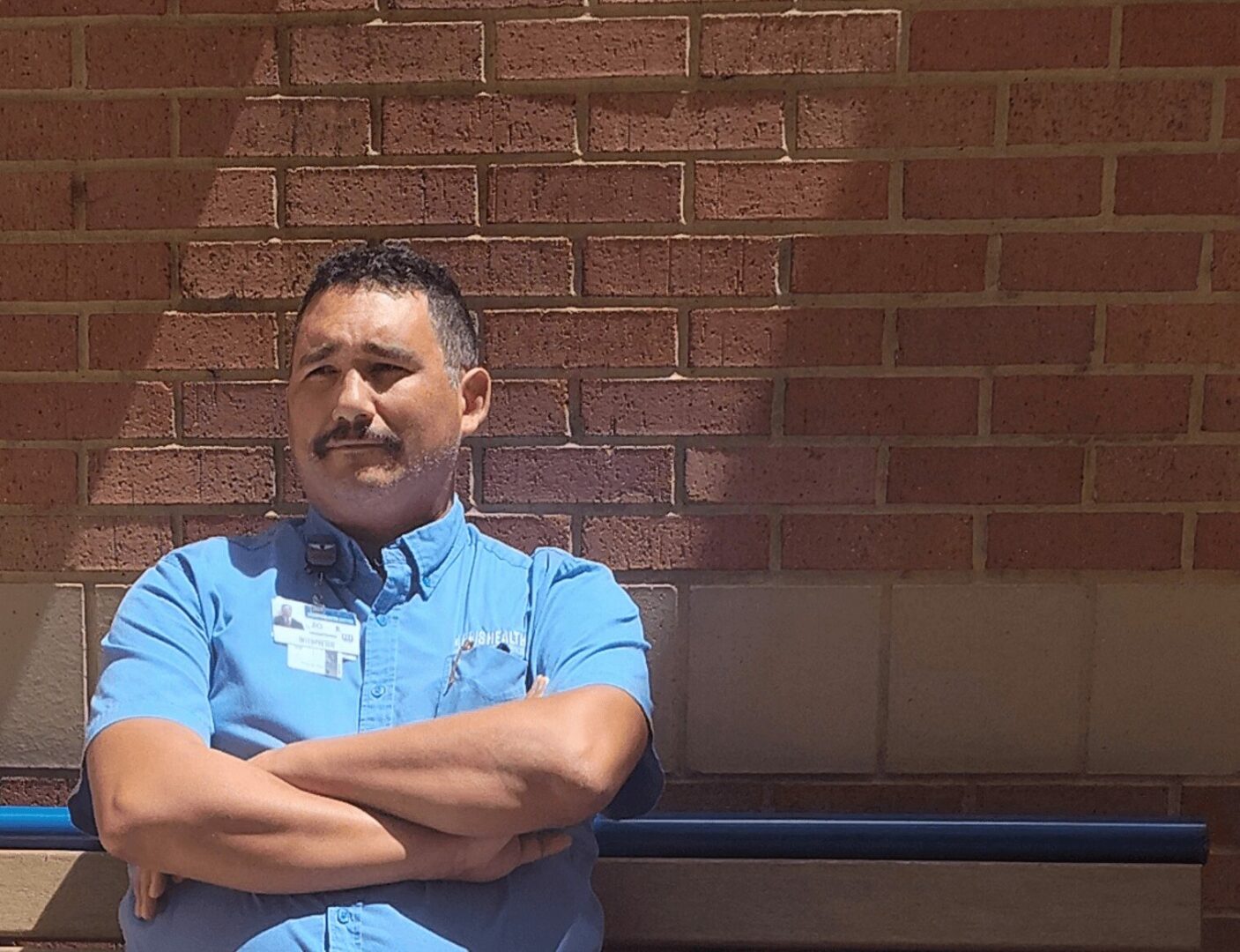
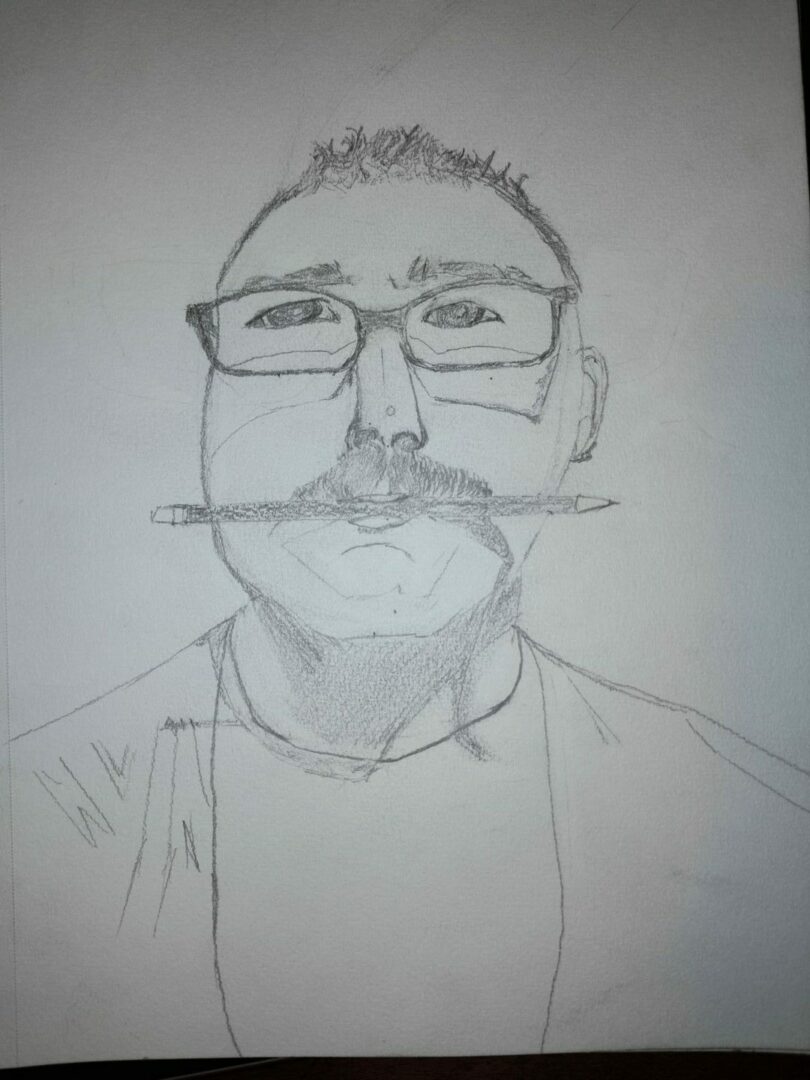
Image Credits
Beginning top left to lower rt:
Jacob T, Urbina
Jacob T, Urbina
Mary Fiedler
Claudia Silva
Unknown
Jose Gutierrez
Jacob T. Urbina
Sandra Tello
Self portrait L. “Zo” Ruíz
so if you or someone you know deserves recognition please let us know here.