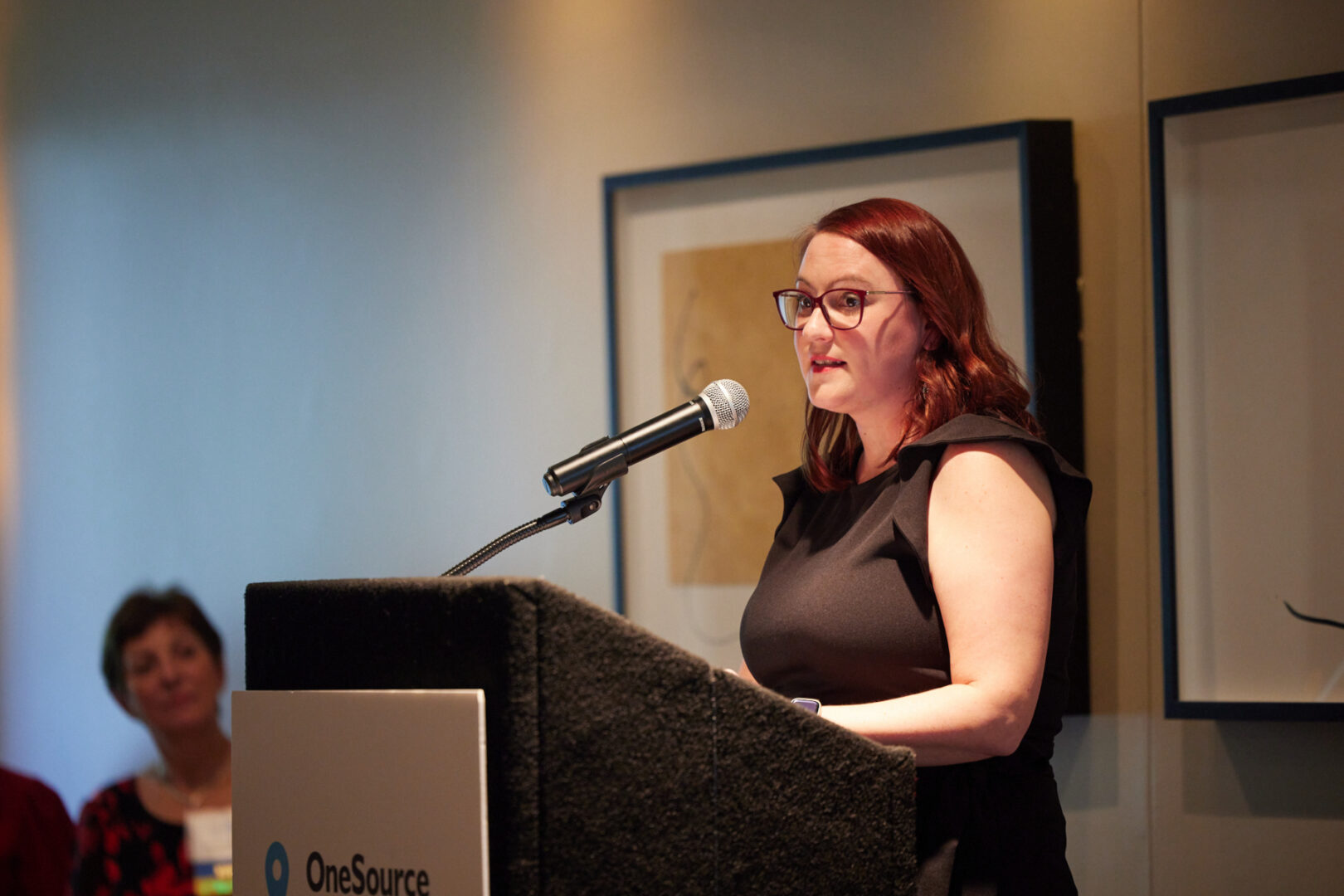
We’re excited to introduce you to the always interesting and insightful Laura Berkemeier. We hope you’ll enjoy our conversation with Laura below.
Laura, so excited to have you with us today. So much we can chat about, but one of the questions we are most interested in is how you have managed to keep your creativity alive.
In my first-grade yearbook, I said that I wanted to be a teacher and an actress when I grew up. That’s about half true of my adult self. I studied theatre (and communications) in college and ever since, I have been involved in theatrical productions whenever possible. I remain connected to theatre as an actor and a director through the robust network of community theatre organizations in the Cincinnati area.
People often ask, “how do you have time to be a director on top of your career and everything else?”. Honestly, I am sometimes confounded by this ability myself. The truth is, you can make time for what matters. During active production, my day looks like this: work from approximately 9am to 5pm, meet my husband for a quick dinner around 5:30pm, head to rehearsal where we work for about 2-3 hours, make the drive home, pet the cat, brush my teeth, wash my face, sleep. This happens 2-3 days a week for the first few months and then, once we’re close to opening night, we spend every evening working on refining the show and all technical elements to be audience ready. The tricky part in all of this comes when there are evening work events, illness, deadlines and other unexpected challenges. That’s when I have to triage the important, urgent and timely action items to make sure everything gets done. This is where a supportive family and friend network is critical.
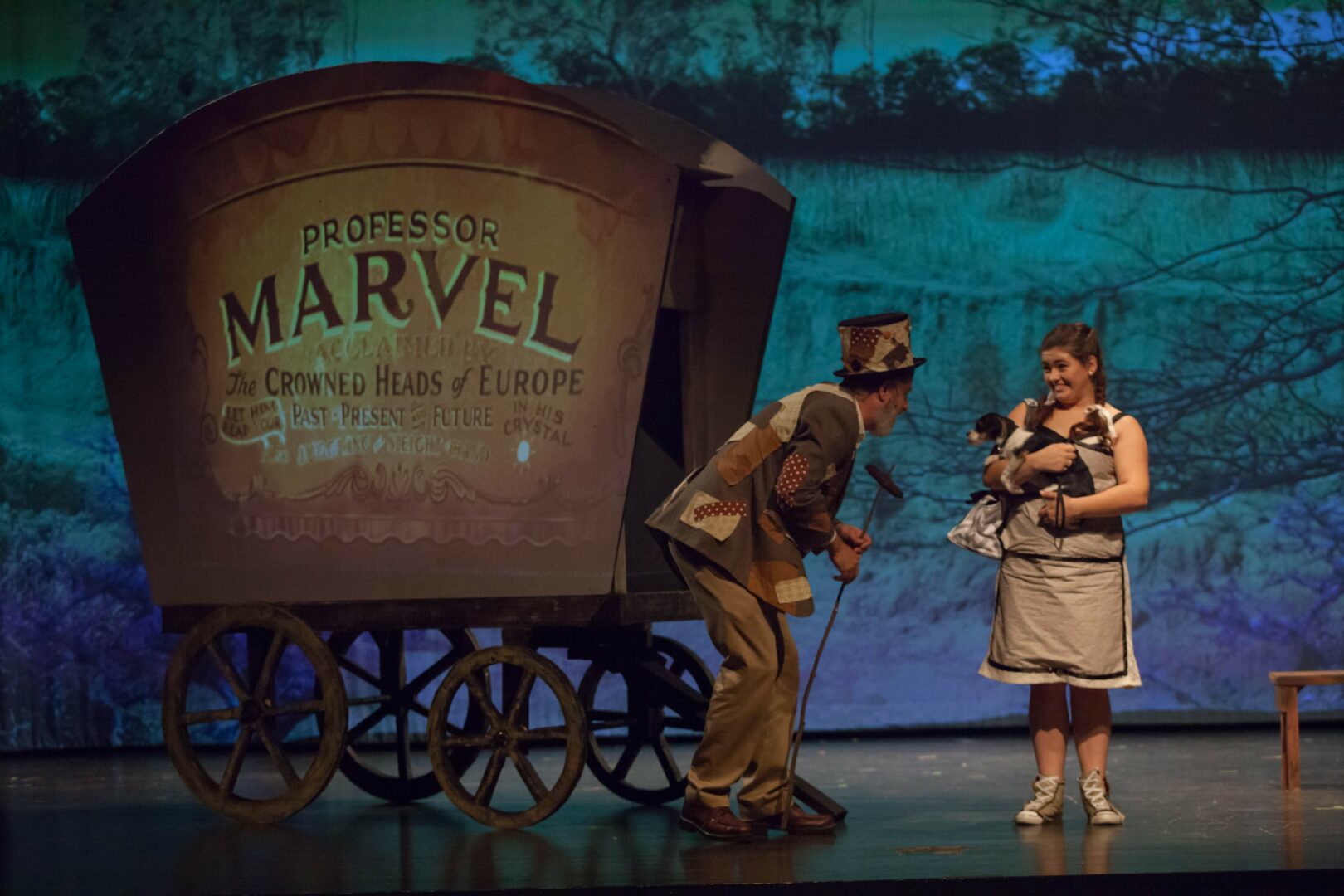
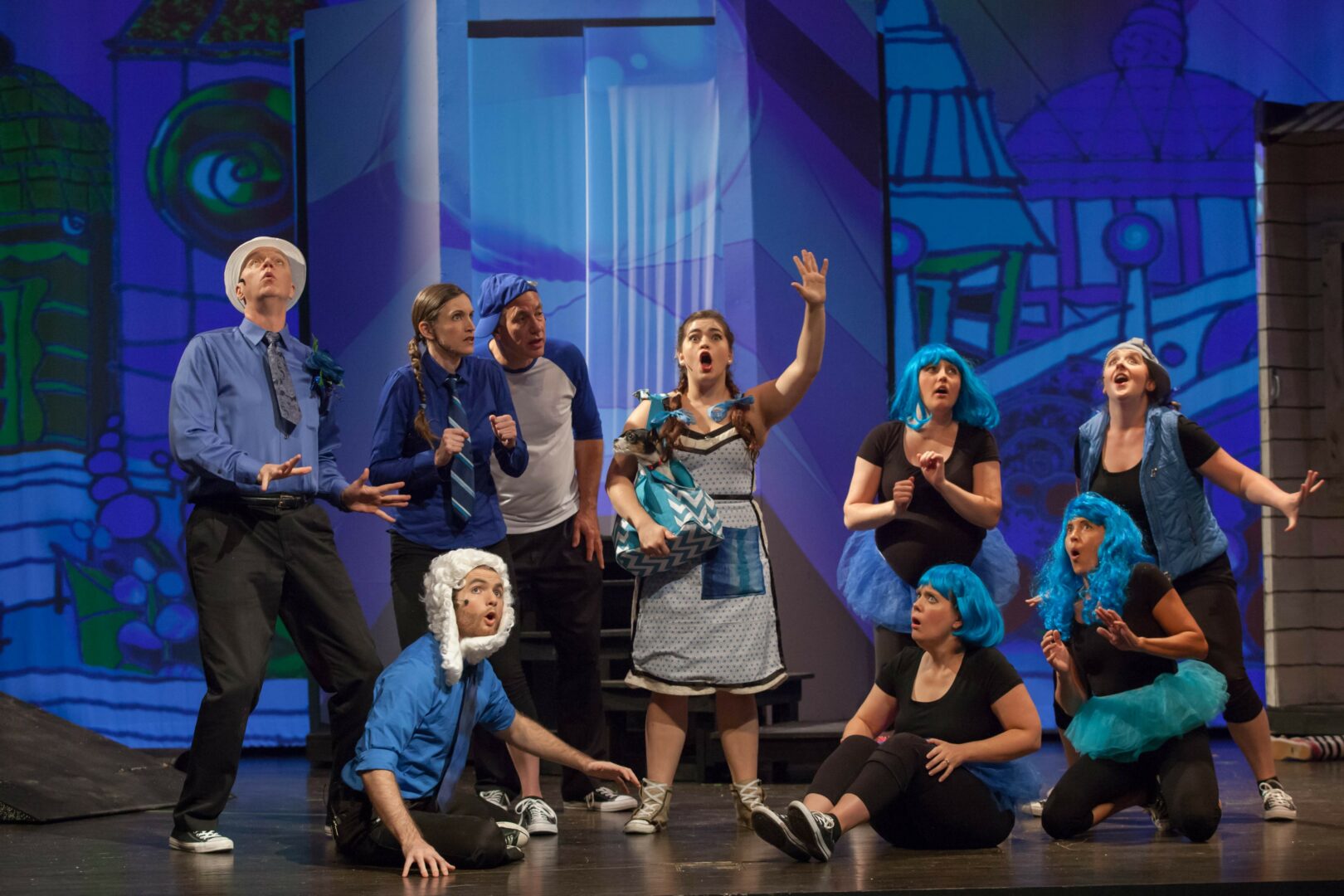
It can be stressful. When I directed “The Wizard of Oz” in 2016, I was probably the busiest I’ve ever been. I was starting a new job, starting a masters program, rehabbing a house to get it ready to sell, managing a complex divorce, in a new relationship and wrangling a 2-year-old. Rehearsals were several hours long due to the complex nature of the show: vocal, dance and acting rehearsals, technical planning, etc. Not to mention, we were not rehearsing in the theatre and only gained access to the space 4 days prior to opening night. Did I mention we were integrating projection mapping into the show as well? I look back on that time often and recognize that if I could live through that, I can probably live through anything.
So why do I put myself through the stress? Honestly, it forces me to be productive. When I’m not in rehearsals, I come home from work, throw on a TV show or movie, relax with my husband (and cats) and go to bed. I might make dinner, or throw in some laundry but generally, my productivity is pretty low. When I’m in a show, or directing a show, I am forced to be conscientious with my time. I’ll admit, there are many times I dread the idea of going to rehearsal. But then it happens and my actors delight me with their antics, I feel proud of the work we accomplish and I am reminded why this whole ecosystem of creativity exists. And an even better payout is when the audience sees the show for the first time and we are rewarded with their laughter and applause. That makes the whole thing worth it.
Great, so let’s take a few minutes and cover your story. What should folks know about you and what you do?
I don’t have any theatre productions on the horizon currently, but I am hoping to get back on stage sometime in the next year. People often ask me whether I prefer acting or directing and my answer is always this: whenever I do too much of one, I miss the other. I haven’t been on stage since December 2021. I am going to keep my eye out to find my next project and work to fit it into my otherwise crazy life.
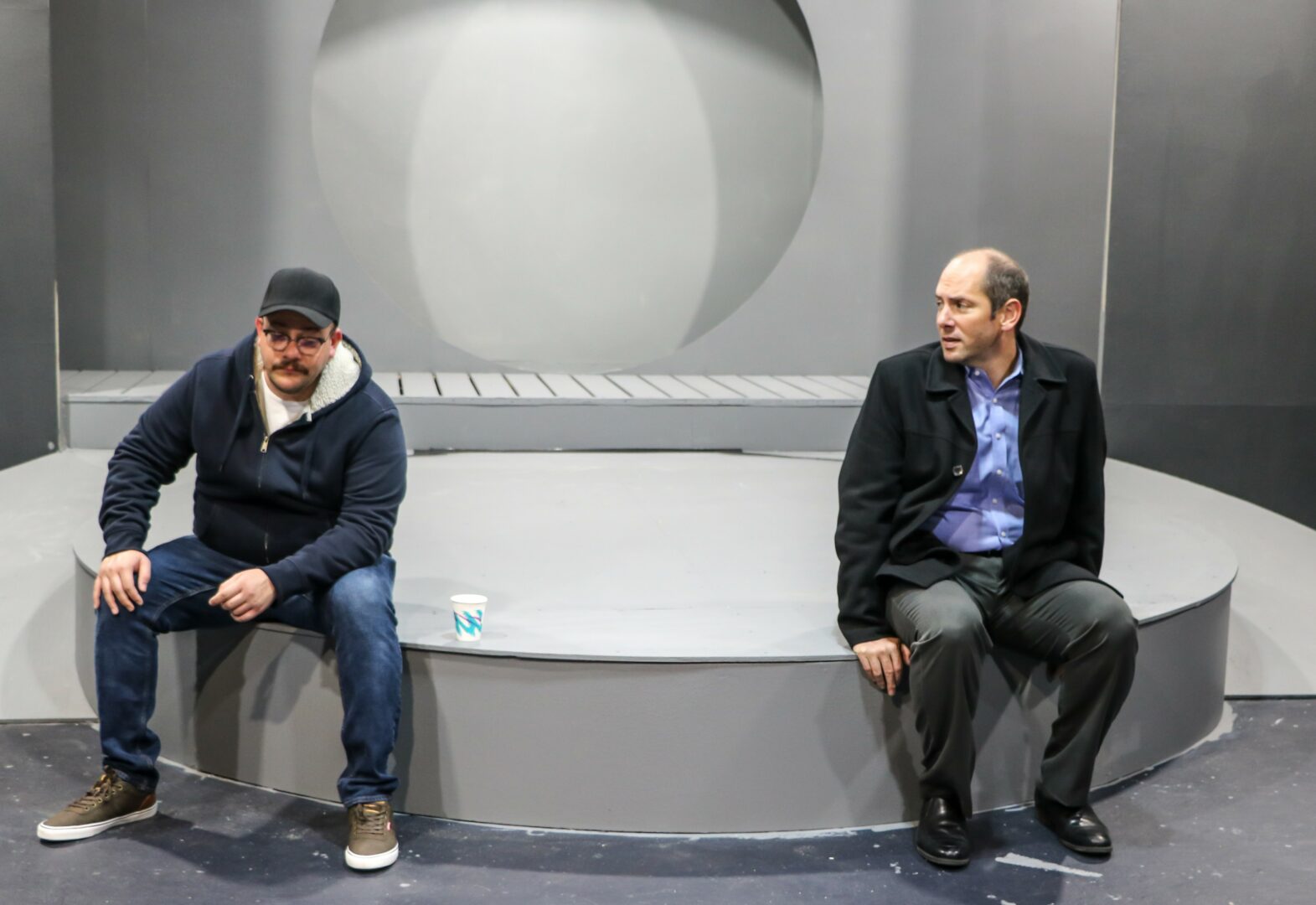
Directing isn’t off the table: I would have to find the ideal scenario that fits around work, football and is the right show. I’ve been trying to direct The Odd Couple for over a decade and hoping I can convince a local theatre to let me!
Beyond theatre, I am exploring the possibility of starting a podcast. Analysis paralysis has me a bit stunted so I’m still working out the details. The idea is for a storytelling podcast in which I invite my friends and family to share stories about their lives. These could be funny, sad, teaching a lesson, etc. I have to get out of my own way and just do it. Right?
If you had to pick three qualities that are most important to develop, which three would you say matter most?
Confidence is huge in theatre. It takes a lot of confidence to put yourself on stage and become another character all while an active audience is watching your every move. I have to thank my parents for imparting me with a healthy level of confidence; they never told me I “couldn’t” and so I never assume anything is out of reach. I recognize that confidence is not something that comes natural to people. Public speaking is still the number one fear amongst adults. I do not have that fear so it’s easy for me to hop up in a crowd, direct them where to go or what to do, or entertain them through farcical comedy on a stage. For people who want to actors, the first, critical step is to put yourself out there and start auditioning. Watch the others in the room and see what they do. Put your own personal spin on the part. The more you do it, the easier it gets.
Networking is also a big part of theatre. The old adage is true: it’s all about who you know. Sometimes people walk into an audition, blow the socks off the director and are cast without any previous experience or relationships. Most of the time, actors follow certain directors and habitually audition for them. There is also a large network of actors in the Cincinnati area so we all tend to know each other. “Didn’t I see you in that one show back in August?” Sometimes having familiarity can be helpful.
Probably most important is showing up. Once you get the part, commit to it. Be at all of the rehearsals, learn you darn lines and take copous notes on your blocking. Listen to feedback and simply say “thank you”. This seemingly simple thing can make all the difference between a good actor and a mediocre actor; a great production from a flop.
Okay, so before we go we always love to ask if you are looking for folks to partner or collaborate with?
I am exploring options for my next project. I have some out-of-the-box ideas and would love to find interested collaborators. I’ll admit that even before the pandemic, my heart was hardening to the world of community theatre and I’ve had a hard time reigniting my passion for it. My most recent production of Moonlight & Magnolias at Beechmont Players certainly helped to recharge my batteries. The cast and crew helped to produce a truly wonderful piece of theatre.
But I’m not necessarily married to theatrical production. What is an adjacent experience that we can create together to inspire and entertain an audience? I have some ideas but a creative brainstorm with some equally ambitious creative folks is welcomed.
Contact Info:
- Instagram: LauraBerkemeier
- Facebook: https://www.facebook.com/LauraMBerkemeier
- Linkedin: https://www.linkedin.com/in/lauraberkemeier/

Image Credits
Mikki Schaffner, Matt Steffen
so if you or someone you know deserves recognition please let us know here.