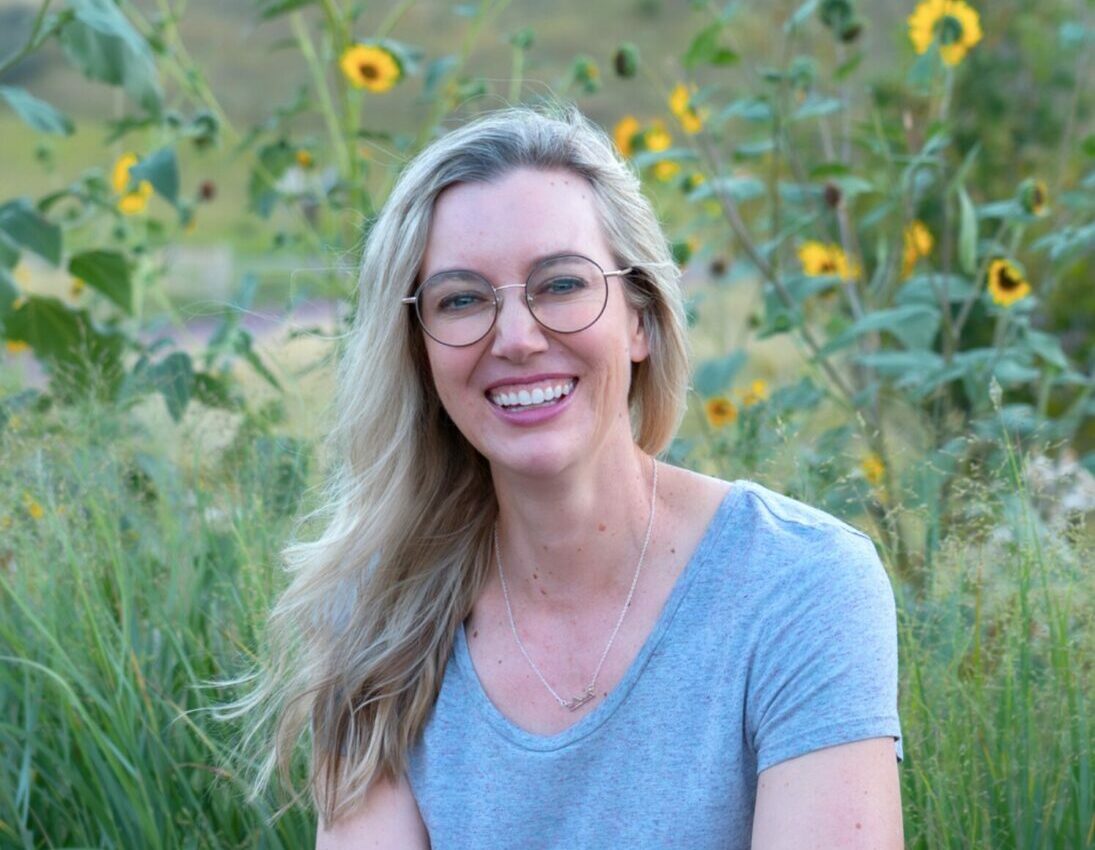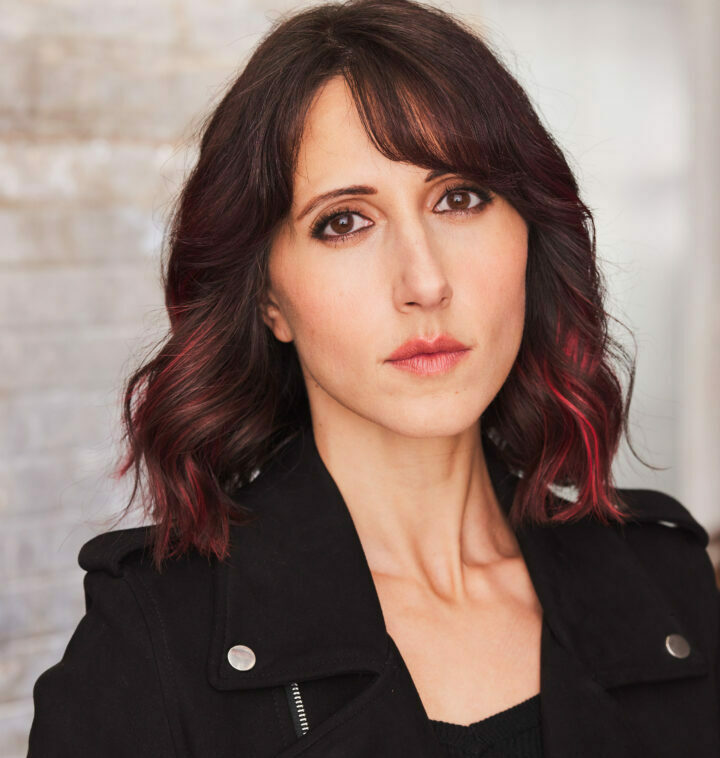
We were lucky to catch up with Laura Caruso recently and have shared our conversation below.
Laura, looking forward to learning from your journey. You’ve got an amazing story and before we dive into that, let’s start with an important building block. Where do you get your work ethic from?
My work ethic was instilled in me from a young age. I started my first job at 14, answering phones at a pizzeria, and from that point on, I’ve always worked. Through college, I balanced multiple jobs with a full-time course load. I learned early on how to manage my time, stay disciplined, and take pride in whatever I was doing—whether it was serving customers, studying for exams, or later, working with clients in a clinical setting.
A big part of that drive comes from my parents. They were the first in their families to attend college, and one of them built their own accounting practice from the ground up. Seeing their dedication and resilience firsthand shaped how I approach my own career. As a therapist, business owner, and writer, I don’t just rely on passion—I believe in showing up, doing the work, and following through, even when things are difficult. That foundation has been the key to everything I’ve built.

Thanks for sharing that. So, before we get any further into our conversation, can you tell our readers a bit about yourself and what you’re working on?
I’m a therapist, writer, and relationship expert based in New York City. My work is centered around helping people build healthier, more fulfilling relationships—whether that’s with themselves, their partners, or their communities. I founded a group therapy practice focused on making mental health care more accessible, and I also create educational content that simplifies complex relationship dynamics and makes personal growth feel approachable.
What excites me most about my work is the impact it has on people’s lives. Relationships are at the core of everything we do, and when we have the right tools and self-awareness, we can show up differently in love, work, and friendships. I’ve always believed that meaningful change starts with small, intentional shifts, and I love being able to guide people through that process—whether it’s in therapy, through my courses, or via the content I share.
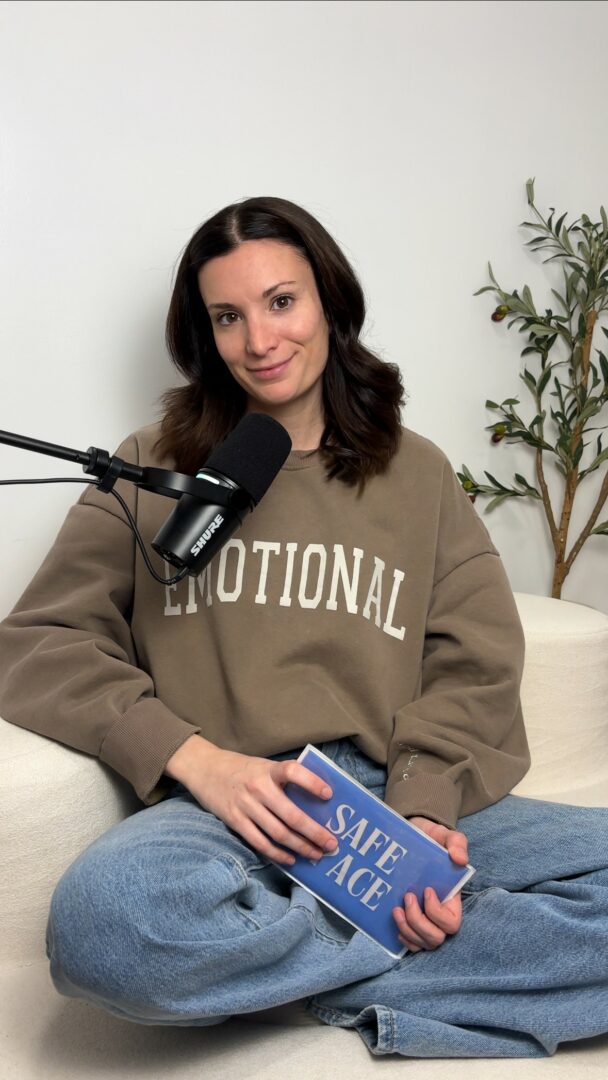
Right now, I’m focused on a few major projects. I’m writing a book, “The Empathy Deficit: How Small Acts of Care Can Restore Unity in a Divided Society,” which explores how we can bridge emotional and social divides through everyday moments of connection. I’m also expanding “Wired for Connection,” my self-paced course designed to help people reprogram their attachment styles for healthier relationships. And I recently launched my podcast, Safe Space with Laura Caruso, where I dive into relationship insights, self-growth, and the human experience in a way that feels both practical and deeply validating.
Ultimately, everything I do is about helping people feel more connected—to themselves, to others, and to the world around them. If my work can help someone feel less alone or more empowered in their relationships, that’s what makes it all worth it.

If you had to pick three qualities that are most important to develop, which three would you say matter most?
Looking back, three qualities have been the most impactful in my journey: adaptability, emotional intelligence, and the ability to communicate complex ideas in a way that resonates with people.
My career has evolved in ways I never could have predicted. I started as a therapist, expanded into digital education, then built a group practice, and now I’m writing a book and hosting a podcast. The ability to pivot, learn new skills, and step into different roles is cornerstone of my success. For those early in their journey, my advice is to stay open. Your path may not look exactly how you planned, but if you’re willing to embrace change and trust your instincts, you’ll create opportunities you never saw coming.
Whether in therapy, content creation, or business, the ability to understand people—what they need, what they’re struggling with, and how to connect with them—has been invaluable. Emotional intelligence isn’t just about being empathetic; it’s about knowing how to regulate your own emotions, navigate difficult conversations, and build meaningful relationships. If you’re looking to develop this, start with self-awareness. Pay attention to how you react to challenges, practice sitting with discomfort, and learn to separate your emotions from your actions.
In therapy, on social media, in writing, and even in business, the ability to translate complex concepts into something digestible and relatable has been a game-changer. A lot of people have expertise, but if they can’t communicate it in a way that lands with their audience, it doesn’t have the impact it could. My advice? Practice simplifying your message. Whether you’re explaining an idea in a meeting, writing content, or speaking to a client, ask yourself: How can I make this clearer and more accessible?

Okay, so before we go, is there anyone you’d like to shoutout for the role they’ve played in helping you develop the essential skills or overcome challenges along the way?
For most of my life, I’ve had to forge my own path. While my parents instilled strong values of discipline and resilience, they don’t have the same sense of adventure or confidence that propels me forward. I didn’t have solid mentors early in my career, so I had to “fend for myself”—figuring things out through trial and error, trusting my instincts, and facing new endeavors without a roadmap.
Now that I’m at a more advanced stage in my career, I’m intentionally seeking support from people who embody the kind of work and presence I aspire to. I look to thought leaders like Jay Shetty, Esther Perel, and Krista Williams—people who have successfully bridged deep, meaningful conversations with larger audiences. I’ve started attending retreats and conferences that focus on skill-building and networking, surrounding myself with others who challenge and inspire me.
On a personal level, my therapist, Kate, has been one of the most transformative figures in my life. She has pushed me to confront limiting beliefs and acknowledge trauma I had repressed for years. She gave me the space to feel again—both emotionally and physically—which has made me a better therapist, writer, and leader.
For anyone navigating their own path, I’d say this: You don’t need traditional mentors to succeed, but at some point, finding the right people—whether through books, podcasts, therapy, or in-person connections—can help you expand in ways you never imagined.
Contact Info:
- Website: https://www.lauracaruso.com/
- Instagram: https://www.instagram.com/lauracaruso.therapy/
- Linkedin: https://www.linkedin.com/in/laura-caruso/
- Other: Group practice that offers affordable therapy in NYC: https://www.wellpsychnyc.com/
Podcast: https://www.instagram.com/safespacewithlaura/
so if you or someone you know deserves recognition please let us know here.