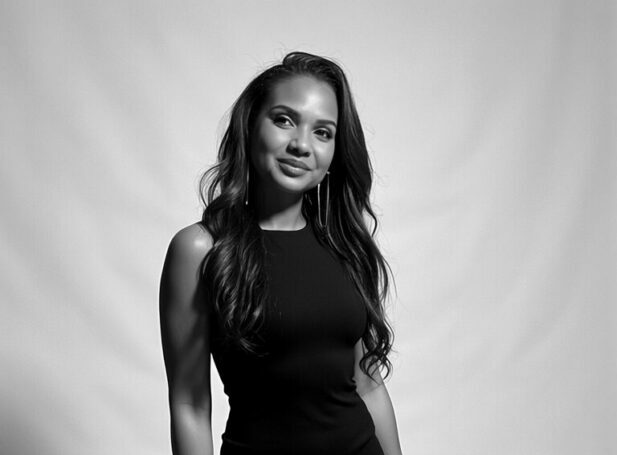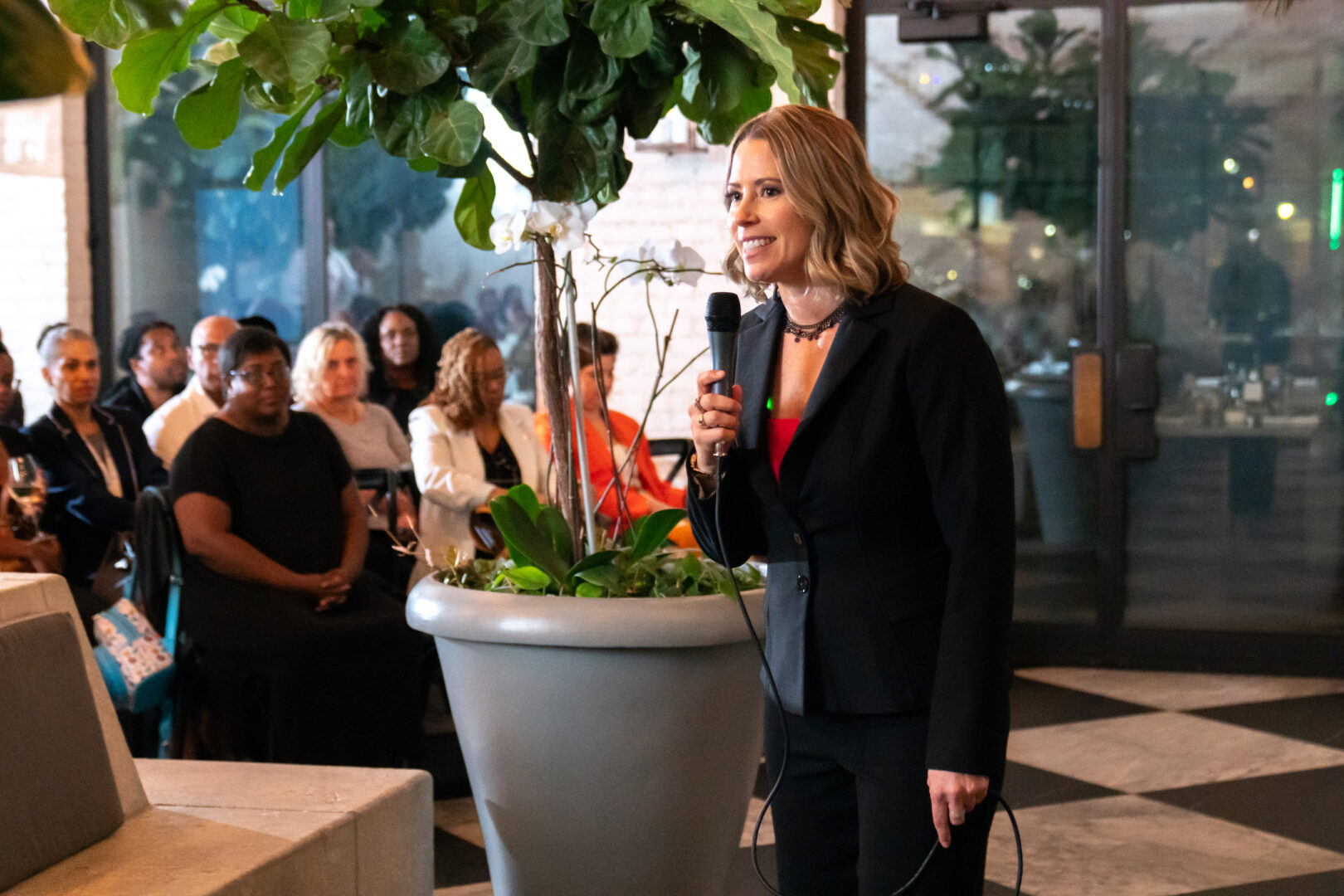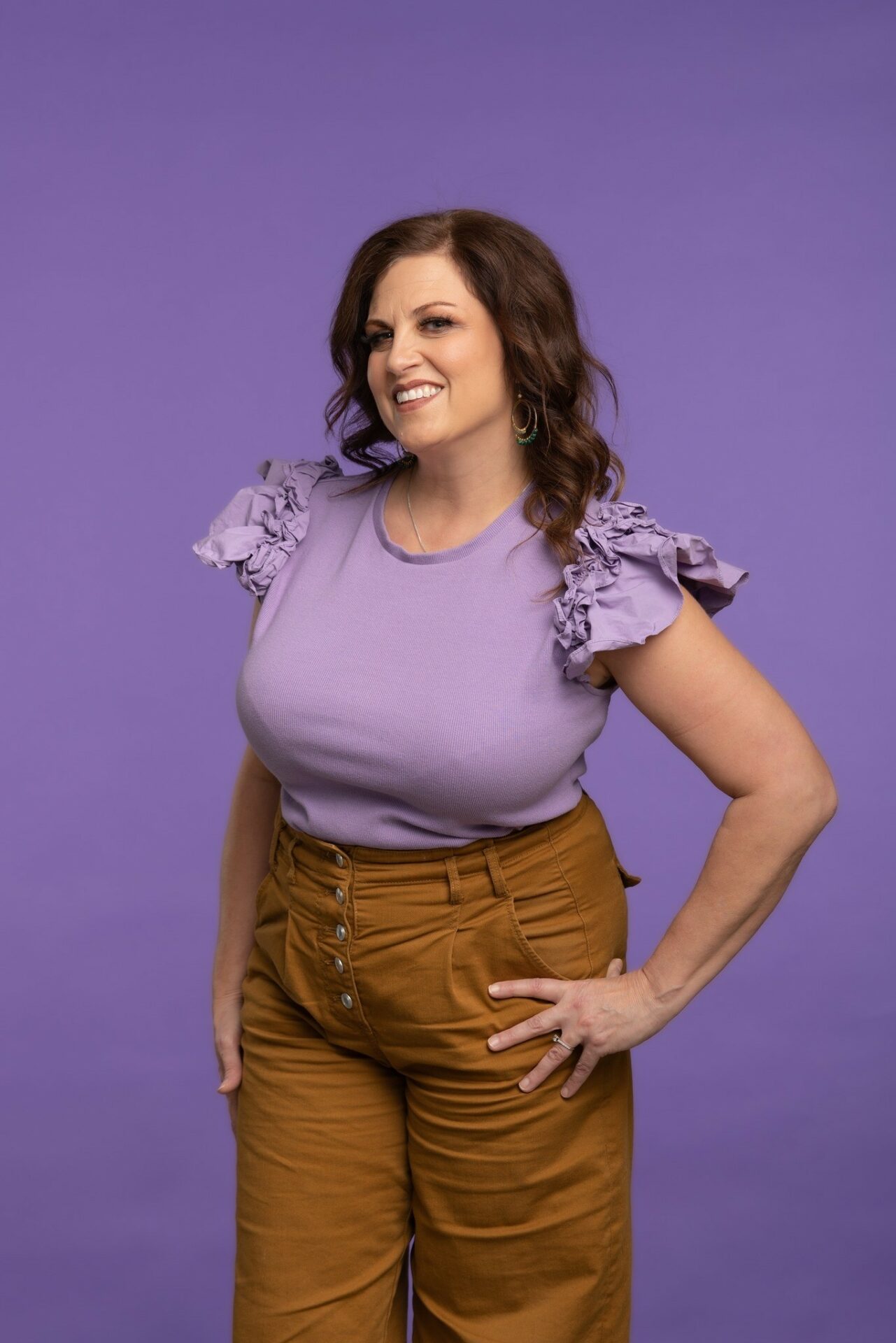
We’re excited to introduce you to the always interesting and insightful Laura Donnelly. We hope you’ll enjoy our conversation with Laura below.
Laura, we’re so excited for our community to get to know you and learn from your journey and the wisdom you’ve acquired over time. Let’s kick things off with a discussion on self-confidence and self-esteem. How did you develop yours?
Sometimes low self esteem is the greatest driver. I grew up in an environment where I felt like I had to fight for or prove my value. I got good grades, performed in sports and tried to be a “good girl.” I even considered being a nun. I’m not sure if it was pressure as a Catholic, that aspiration to be “good” or the fierce independence they seemed to have. While I achieved a lot – scholarships, national college sports championships, good jobs and all the traditional markers for success – that hole we try to fill with accomplishment never fills unless we do the work to change things, internally. For me me that came through a truly amazing network of friends who believed in me before I believed in myself, a lot of good therapy and recovery work. I’m a 20 year alanon member. Alanon is for those who grew up with or are dealing with another person’s addiction. The impact of alcoholism and other isms is felt far beyond the actual person with the addiction. Alcoholics create a lot of unnecessary chaos often as a distraction to their behavior. There are those of us who become “alanons” – we rescue, repair and live in worry. I’m committed to that recovery and learned how my self-esteem was shot by dealing with alcoholics and those affected by alcoholism. One of the best tools for building confidence was an email gratitude list someone I met at Alanon started over a decade ago. Everyday we’d list the simplest gratitudes to the most complex. For example, at the hardest times I was grateful for food in the fridge and money in the bank. At the best times I could express gratitude for how my creative joy was also my living. About 10 of us continued that daily list for over 4,000 days, when it petered out, I continued it on a smaller scale, still with a chat group. It’s true what they say about gratitude – that appreciation for what’s working – even if it’s minor – builds a sense of security and esteem that only grows.
Great, so let’s take a few minutes and cover your story. What should folks know about you and what you do?
In 2002, in a Latinos in Media class at the University of Texas Austin while I was a graduate student, I was presented with a list of existing final projects that focused on creating new media for Latinos. One project was an ongoing documentary, another was doing an ad campaign for Mothers Against Drunk Driving in Spanish, but I wanted to do something about increasing the positive and more accurate representation of young Latinas in media, particularly girls and teens. I had come from New York publishing before graduate school and was aware of the lack of representation of Latina voices in books, and, though I’m mostly Irish, I grew up with Peruvian and Cuban cousins in New York and New Jersey where culture collided weekly at rumbas and family parties. Another classmate was bugging the professor about wanting to do something to help girls, too. We were introduced and Latinitas magazine and nonprofit were born. We accessed resources at the university such as low cost office space, volunteer writers and translators and programs like Americorps, where we could hire club leaders for a reasonable cost.
We really wanted to capture the authentic voice of Latina and other girls of color and began working with girls, teens and non-binary students directly by hosting media making workshops at one of Austin’s oldest Latino community centers – the Oswaldo Cantu Pan American Recreation Center. They had just installed one of the first public computer labs with internet. Since that day, I’ve delivered 100s of lessons in writing, photography, filmmaking, podcasting, graphic and web design but also used coding, video game design, 3D printing and virtual and augmented reality – storytelling and expression through the latest in 21st century technology. Programs grew from serving 100s to thousands annually and attracted culturally reflective program, executive and board leadership and volunteers. The magazine had readers nearby in Texas cities but also as far away as Monterrey, MX, the Dominican Republic and Spain. Latinitas programs became one of the only bilingual and bicultural STEAM (Science, Technology, Engineering, Arts and Math) nonprofits of its kind, nationwide. Latinitas clubs, camps, conferences and teen coding and journalism certifications have served over 42,000 girls, teens and some parents and grandparents since its origin and grew to two satellite cities, El Paso and San Antonio, TX, in person programs in San Francisco California and a virtual reach to 25 other states and other countries like Colombia, Costa Rica, Venezuela and even Nigeria and The Philippines. The outcomes for Latinitas outpaced, out-indexed other youth empowerment programs in a few ways. We worked with students up against the greatest economic and social challenges with the highest dropout rates. Throughout the 20+ years I led Latinitas, 93%. of Latinitas alumni graduated high school, 81% identified as a college student. 100% of the after school program were defined as living at or below the poverty level. Latinitas also graduated 50% more STEM majors than the national average for girls, overall. 100% of Code Chica coding school attendees express an interest in majoring in computer science.
I’m most proud of the lessons delivered using media and tech as platforms such as self-awareness, entrepreneurship, healthy living and cultural pride. Media and tech are two most powerful platforms for social change – so many girls, teens and nonbinary students learned how to use writing, images, documentary, coding and more as a tool for community outreach.
I left the organization after 21 years in 2023. It was a difficult parting as the board did not collaborate or plan a thoughtful and stabilizing transition for me and the team left behind. Prior to Latinitas I was a journalist, publicist and worked in other nonprofits. All that is still part of my work DNA and I’m using the 20+ years of relationship-building with schools, families, public leaders, other nonprofits, the entertainment and technology industries to be more of a coach, to help others developing something as wonderful and impactful as Latinitas – providing those best practices and shortcuts that nonprofit leaders and other creators can use while they are in the deep part of running and building a mission. I call it the Radical Consultant after some workshopping with folks who know me best. I spent some of my time as a founder and executive director combatting and educating funders who asked “Why just Latinas?” or “Why girls of color?” While I didn’t think that was radical thinking. It was the standard response from foundations up until Black Lives Matter put a long-awaited spotlight on decades long disparities in community funding in Austin and elsewhere.
In addition to sharing what I know, I am also getting to meet and work with Latinitas’ alumni, many now in their 20s and older who are starting their own media, nonprofits or other creative ventures as a result of being a “Latinita.” When you started something like Latinitas in your free time, working other jobs for many years to do so, you don’t really know how it’s going to end up. To see it operating with a fully tiered staff, directors, mid-level managers and an on ground program teams, paid magazine editors and writers and a budget cusping over $2M annually – it’s pretty breath-taking for me who remembers working on grants and program design at 2 am in the morning knowing I had to get up and work at my “real” job in the morning. It was truly built from scratch. My co-founder and I launched Latinitas magazine and nonprofit because we loved making media ourselves. And, so I’m also interested in returning to documentary filmmaking – continuing to create spaces for stories that haven’t been told, yet.
There is so much advice out there about all the different skills and qualities folks need to develop in order to succeed in today’s highly competitive environment and often it can feel overwhelming. So, if we had to break it down to just the three that matter most, which three skills or qualities would you focus on?
When I’m asked what the qualities, skills or areas of knowledge were that were most impactful in my journey these pop up.
Trust yourself – I just shared in a lecture at a Texas university how important it is to trust your instincts and own experience. If you come from a marginalized community – women, BIPOC persons, LBTQIA you may not feel like a “thought leader” but your lived experience is a point of view that might not fit what has been historically a world designed for White men, but 100s, maybe 1000s of other people may connect and relate to what you say and do. Expressing those unique points of view takes courage, too. I think it’s important to express that it’s not easy, but it’s so worthwhile. My lived example would be the story of how a successful lifestyle publisher, who was also Latino focused, told my co-founder and I that writing and translating content or program experiences in Spanish was patronizing to American Hispanic teens who “know English”. Now, that was not our experience. Girls helping with the magazine or participating in programs enjoyed the familiarity and comfort of speaking, writing, reading and producing in their preferred language – which might be Spanish. Sticking by that made us one of the most popular nonprofits in Austin for girls of color and in many ways one of the most unique, nationwide.
I am a nonprofit founder and publisher but what that really is – is an entrepreneur. Latinitas was a business that needed revenue, sustainable finances and human resource procedures – everything a commercial company needs to thrive. There is an outside perception that nonprofit is “easier” and not business savvy when in fact we are more apt than anyone to do more with less and take cost-efficiency to a bananas level accessing in-kind donations, professional services and every resource imaginable to sustain. That said, do not ever skim on what you need as a leader. If you are not doing well – the organization is not going to do well. Hire who you need to whether that’s an administrative assistant or fractal CFO – whatever it is. Nonprofits have to take the growth risks just like profit entities to grow and succeed. In retrospect, I would have taken more risks hiring the people I needed, when I needed them.
Something I alway share is that when the mission is authentic and vision meaningful and thought out – people will want to help. They will show up to volunteer, to donate and to fill in the gaps. A lot of that is motivated by the relationship they have with you. They want to feel like they are making a difference and frankly thoughtful and creative “thank yous” go a long way. Despite technology’s impact on easing communication – the personal connection is everything no matter how far we get in the digital age. Latinitas grew because of attendance and funding wins, but the majority of its success had to do with the personal connection I made, staff made, my co-founder made with girls, parents, school administrators and people in the community looking for the spaces they wish they had as a kid or the natural attraction to the diverse communities that made Latinitas so special.
Is there a particular challenge you are currently facing?
After 21 years of building, sustaining and scaling a nonprofit for youth the biggest challenge I am currently facing is myself. My exit from the thing I birthed and built into a dynamic and powerful force for good and enjoyment was, to put it plainly, devaluing and destabilizing for me and the organization. The board and staff were naive to the deep impact I had as founder of Latinitas and failed on a proper transition. While I think it’s blowing back worse on them – it shook me regarding starting something new. I found people are ignorant to the pain of disconnection from something you put your whole heart into and received so much love from. But, one disappointing experience with a few people doesn’t define you or the network of relationships you built with integrity and excitement. I’m instead spending time reconnecting with my resilience community – people who have created beautiful eco-systems, companies, publications and nonprofits and have also had to restart and reset. One, after many business ups and downs is trying to bring a WNBA team to Austin, others are filmmakers or artists and others are formalizing resources never developed before for entrepreneurs of color. The Radical Consultantcy will be a space where I can flex what I’ve learned, meet and share that with others (which I love doing) and also create platforms for radical founders like myself, that create space for new and diverse voices and a home for the community of alumni out there taking on the roles as the next generation of change makers.
Contact Info:
- Email: [email protected]
- Instagram: @latinitasfounder
- Facebook: https://www.facebook.com/laurapdonnelly
- Linkedin: https://www.linkedin.com/in/laura-donnelly-m-s-in-journalism-022b353/
- Twitter: @radicalfounder
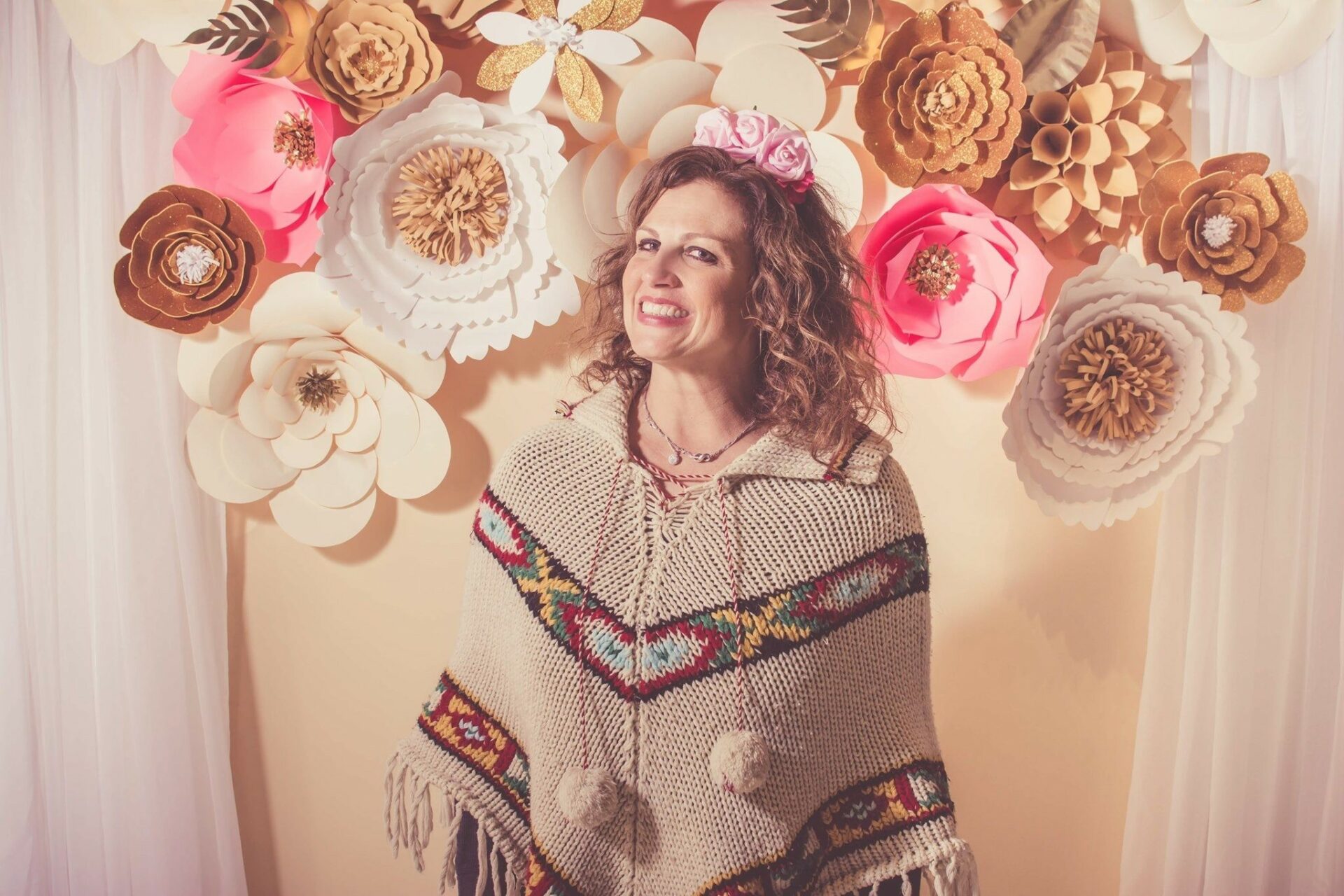
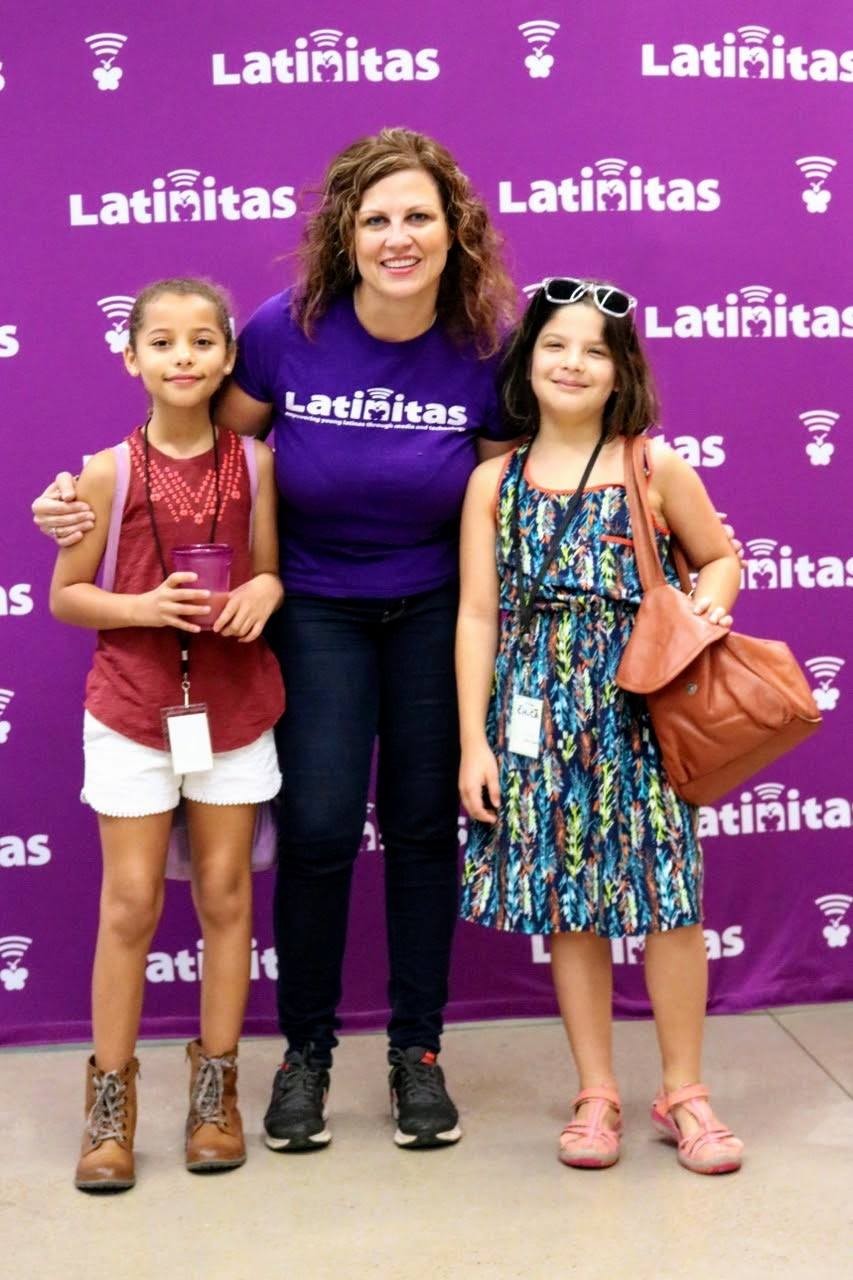
Image Credits
The photos with the “Latinitas” background are done by Josie Hughes The photo with the flower crown and light purple shirt with the plain purple background is Lucero Archuleta Valle