Alright – so today we’ve got the honor of introducing you to Laura Lee Gulledge. We think you’ll enjoy our conversation, we’ve shared it below.
Hi Laura Lee, so happy to have you on the platform and I think our readers are in for a treat because you’ve got such an interesting story and so much insight and wisdom. So, let’s start with a topic that is relevant to everyone, regardless of industry etc. What do you do for self-care and how has it impacted you?
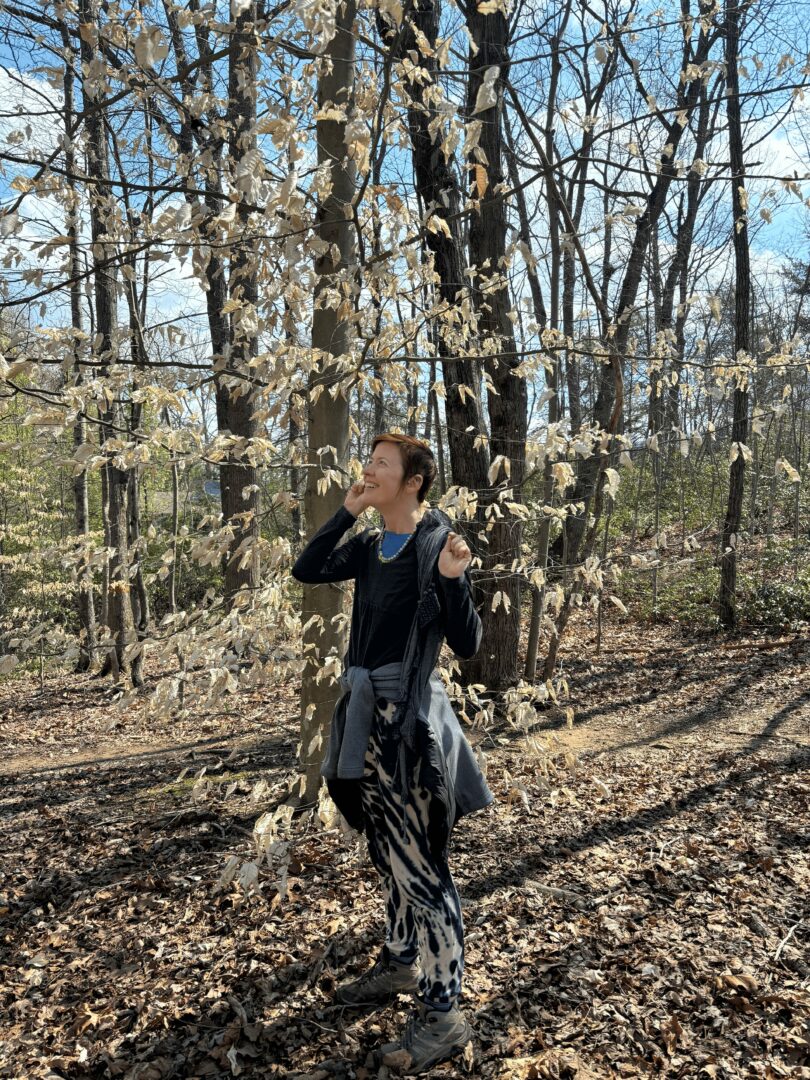
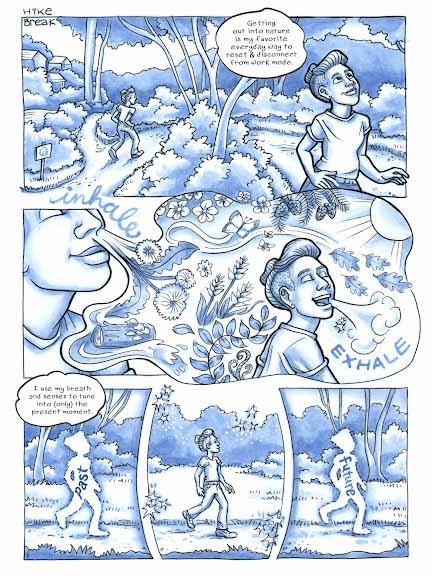
Over the past 8 years I’ve designed an elaborate self care INFRASTRUCTURE for myself, identifying needs and creating systems along the way to support our particular journey. Like inventing a fictional assistant to help me with time management, spending hours hiking in the woods each week, “brain washing” my mind by crinkling leaves against my ears, and having a daily breathwork practice.
I joke that I’m making all my life self care, but it’s true! I love identifying new tools to add to my toolbox to weave in healthy habits. I think of it as a DO BE DO BE rhytym, where if I do something I have to have a be break or do something restorative rather than doing endlessly-back-to-back-to-back things. We need a constant stream of stress reduction. Constant care.
My self care PLAN includes Needs (Physical, Mental, Emotional), Boundaries, Food Medicine, Support System, Stress Warning Signs, and Red Flag Rituals. When I lead workshops on how to make a self care plan we go thru all these sections, including how to personalize for your particular needs or support stressful situations.
I think what’s most important is to have practices that EMBODY you, especially for artists who can get trapped in our heads and need to get back into our bodies. For the mental garden needs time to rest! I need to spend hours in the woods each week as part of my practice.
I used to work on books 12 hours a day, GRINDING myself into oblivion. But once I realized the work started to tank after 6 hours, I imposed an art time limit to 6 hours. Under the new structure I was amazed that I was get much more quality work done in that shorter intentional timeframe because of the rest I was giving myself. I could come back fresh with some healthy distance.
Let’s take a small detour – maybe you can share a bit about yourself before we dive back into some of the other questions we had for you?
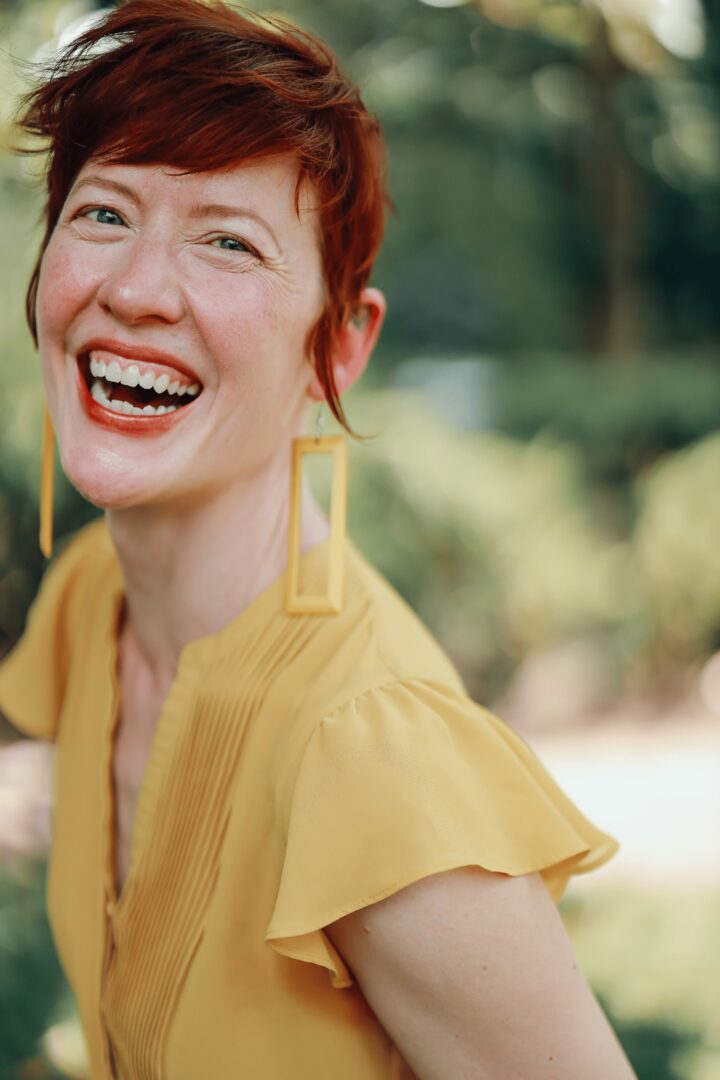
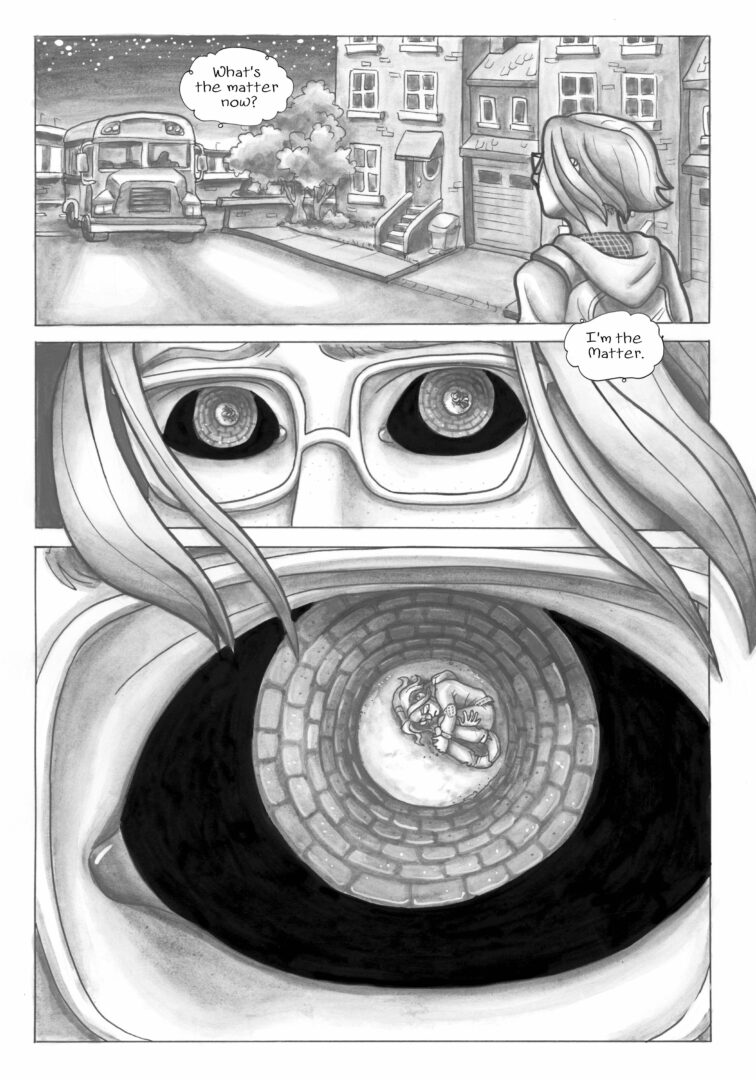
I’m a middle school art teacher turned cartoonist & author, creating graphic novels for young adults in a magical realism style. My latest book “The Dark Matter of Mona Starr” focuses on healing from depression thru self care and supportive Artnership. All my work explores creativity, healing, and mental health—which I’ve only recently realized has been in fact depicting a lifelong struggle with masked Autism! So now we’re developing a book unpacking our Unmasking journey.
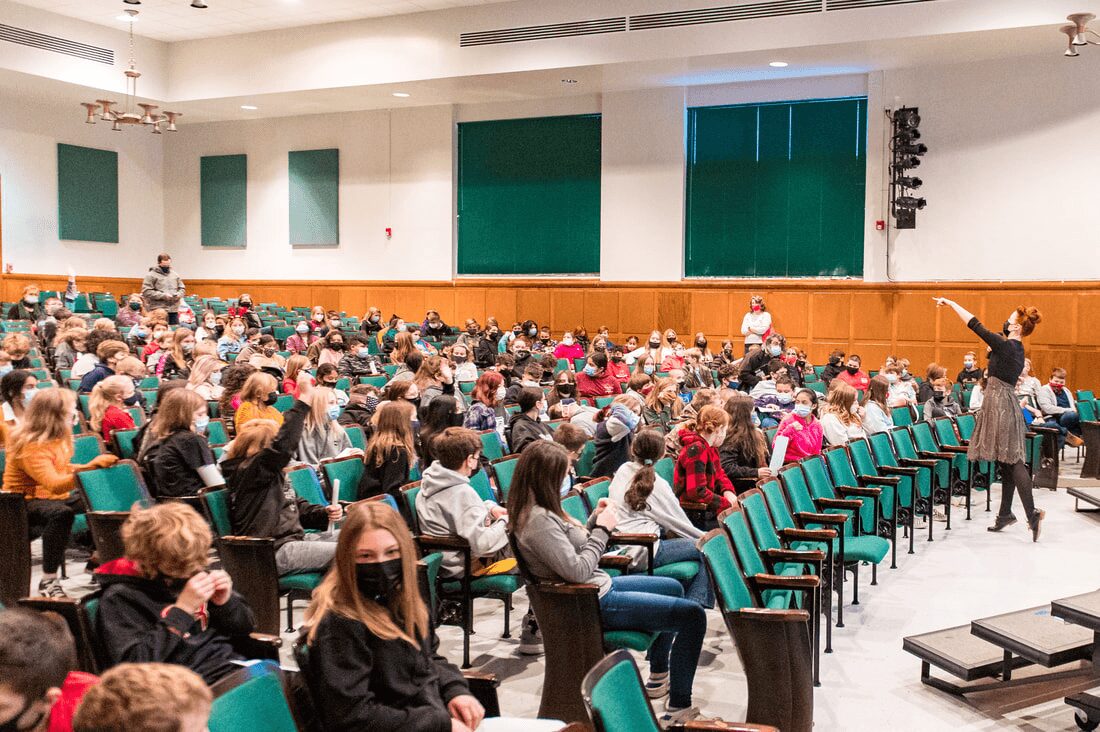
I also love working with young people across diverse settings as a freelance teaching artist making comics, self care plans, and collaborative murals. I’m passionate about making art accessible, empowering young storytellers, and holding space for authentic collaborative experiences.
Recent Artners include the Kennedy Center, Boys & Girls Club, The New School, the Charles M. Schultz Museum, and the Virginia of Fine Arts. I’m a proud Citizen Artist serving my community of Charlottesville, Virginia/ Monacan nation thru our Unmasked + Cocuddle peer support groups, First Friday art maps and youth outreach. Please reach out if you’re curious to cocreate! #artnerlove
+ I have a new mini-book “Drawing Thru Unmasking” with art from my first year unmasked Autistic plus twenty new experimental zines available thru my website for you to enjoy.
Next big show: Calmer Con NYC May 2025! (Finally a sensory friendly Comic Con!)
Looking back, what do you think were the three qualities, skills, or areas of knowledge that were most impactful in your journey? What advice do you have for folks who are early in their journey in terms of how they can best develop or improve on these?
I think the biggest skill for cultivating success is GROWTH MINDSET. That’s when you’re willing to put in the work you need to do to develop the skills needed for doing what you want to do. It’s developing a love of learning, being open to new ideas. So learn how you learn and embrace challenges that stretch you. For if you love learning you can adapt to any situation, acquire any skill, and handle whatever changes come your way.
I also would highlight CURIOSITY, for it’s a driving force in art + life that I’ve learned to trust deeply. Sometimes I envision my curiosity as my creative Genius Gene or future-me winking at present-me to “go this way.” Even when we get led into real unfamiliar territory that feels intimidating or daunting. We trust that this has something to teach us, that’s why we’re interested. Our job isn’t to judge our curiosities and needs, but honor and support them.
And I was most surprised to learn that it was Autism that provided me with my secret superpower. My capacity for hyper focus so intensely? My super visual processing? My obsessive time management skills? My ability to teach myself how to make graphic novels after reading just a few?? I attribute my AUTISM for my ability to be so prolific, versatile, and trailblazing. I share this to illustrate that sometimes things that feel like curses on our journey later reveal themselves as our unexpected gifts.
My first advice would be to skip trying to make what you think others want from you…CREATE WHAT YOU NEED. Projects from the head and catering to an audience never pan out—it’s the things we make for ourself that others end up resonating with. Not sure what you need? Listen to your complaints. Waiting for someone else to do something about a problem? Maybe that person is you! I recently started an Autistic adult peer support group because I couldn’t find a local community. Trust your visions beyond just your art to create what you need in the world, too.
My other advice would be to…STOP JUDGING YOUR IDEAS. I find that artists especially tend to dismiss solutions that seem easy or ideas that feel “obvious” to them as not good enough. As though it’s not original or sophisticated enough unless it’s hard fought for. But trust me, what feels obvious to you isn’t obvious to other people. Your unique perspective provides an essential facet to a broader conversation. If you’re worried about an idea being to cliche, I find that’s usually exactly what makes something relatable.
Before we go, any advice you can share with people who are feeling overwhelmed?
One of the categories in my Self Care Plan focuses on this: I call them RED FLAG RITUALS. These are the things I turn to when we are in red-alert mode and can’t make decisions. For me this is to take a shower, nap, hug the cat, hop on my shaking machine. Or perhaps light incense, have a snack, journal, curl up with my polar bear body pillow. Or perhaps it’s to reach out to someone in your support system. It’s a self sooth reset to stop us from spinning out. Ideally though you want to pay attention to your stress warning signs so you can support yourself before reaching total crisis mode.
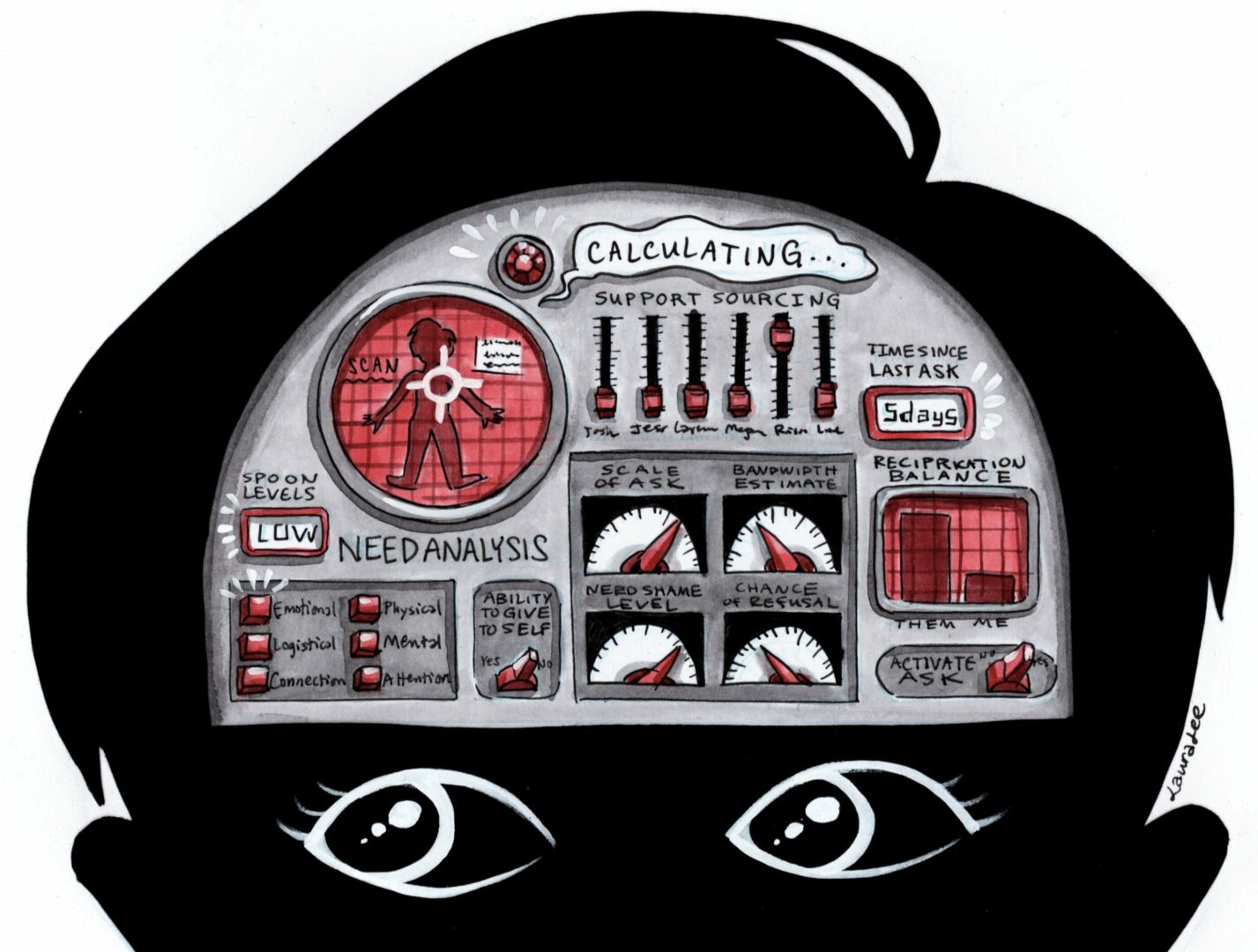
If I’m out with people when I experience overwhelm, I find SPOON THEORY to be a super helpful communication tool as we’re struggling to managing our energy. The premise is that we each have a limited number of spoons (units) of energy per day, and different situations use up our spoons differently. For example I can use it as a shorthand, “Sorry I don’t have the spoons for this conversation right now.” Or I can ask a friend who looks tired, “How are your spoon levels?” Then you’re talking about the energy level as a separate issue, rather than you or the other person being an issue.
I also recommend share your self care plan with your support system. What needs do you have in common? How about do them together! This can be a beautiful form of SHARED CARE. Take a “be break” with a friend, pausing to take a nap under a tree between activities. I especially love practicing embodying practices like conscious dance, Thai massage, and platonic cuddling in community.
Lastly I encourage you to practice making your NEEDS VISIBLE, which can both educate and normalize making it easier for others to join you in having needs, too…perhaps even celebrate our shared needs! For me that looks like wearing noise reducing earplugs all the time, moving my body/ stimming, using a sun parasol, closing my eyes while processing information, and carrying a thermos of hot tea with me everywhere I go…with two cups so I can always share.
Contact Info:
- Website: https://www.whoislauralee.com/
- Instagram: https://www.instagram.com/lauraleegulledge/
- Facebook: https://www.facebook.com/lauraleegulledge/
- Youtube: https://www.youtube.com/user/lauraleewashere
- Other: Flickr: https://www.flickr.com/photos/lauraleegulledge/albums/
Spotify: https://open.spotify.com/user/1223837728
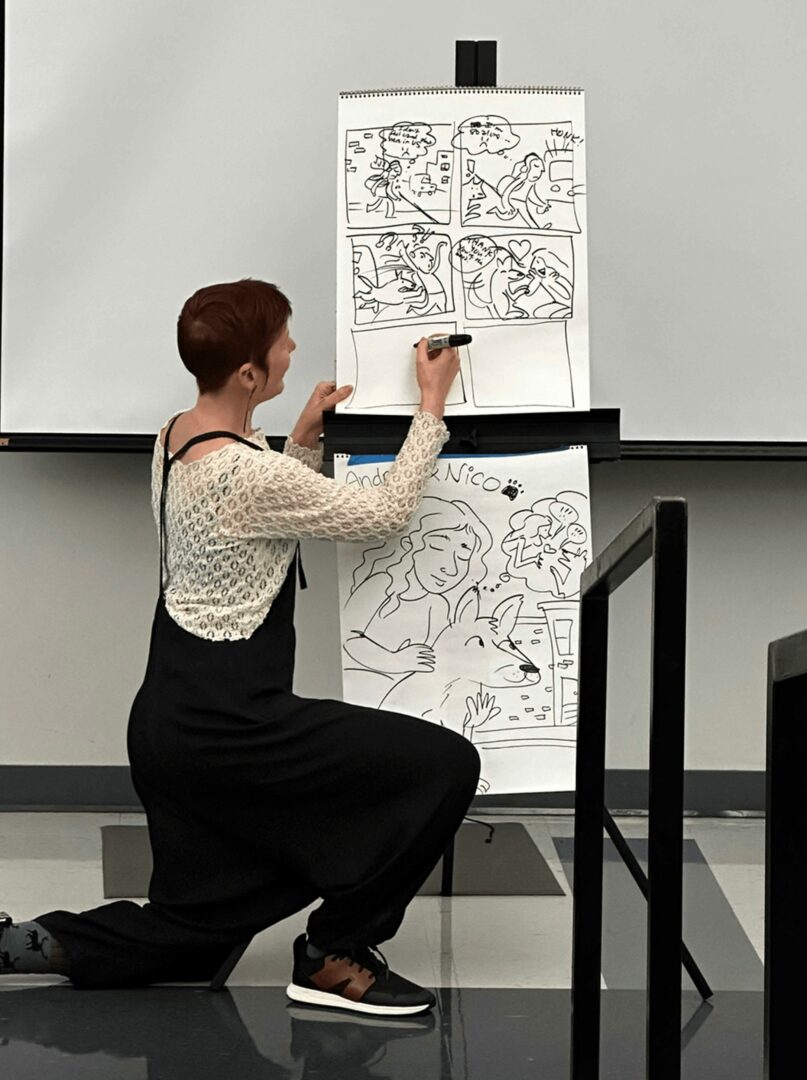
Image Credits
Alisa Foytik, Grace Ayars-Feazell, Brielle DuFlon
so if you or someone you know deserves recognition please let us know here.