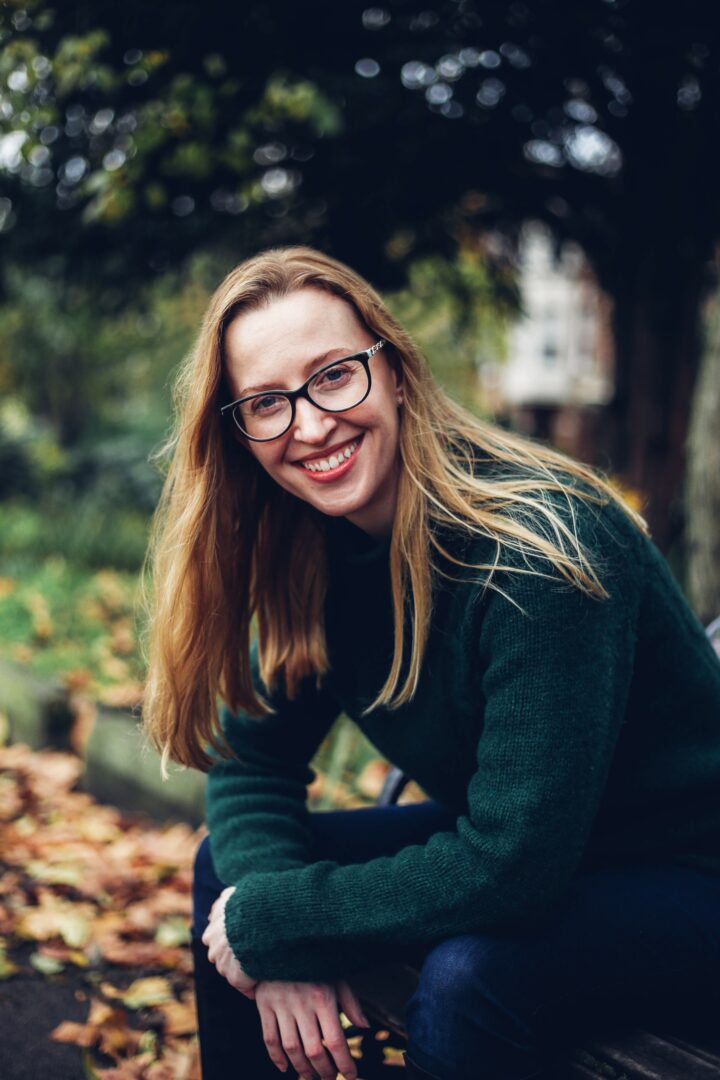
We were lucky to catch up with Lauren Barnett recently and have shared our conversation below.
Lauren, so good to have you with us today. We’ve always been impressed with folks who have a very clear sense of purpose and so maybe we can jump right in and talk about how you found your purpose?
I was always writing, even when I was very young. Because we couldn’t afford daycare, my mother would bring me back to work with her after shcool and have me sit out of the way while she did the last two hours of work. I would always end up on her old typewriter. The company had switched to computers but had the typewriter there in case something went wrong. I was always on it writing something.
Yet, somehow, I never considered being a writer. I loved to read and write, but it never seemed like a job I could have or access. I didn’t know anyone who did it, or worked in the book industry – publishing, PR, anything. My second love was movies, and again, rather than writing I loved acting. That seemed like a pipe dream for me, but I loved it. I was voracious at training. I went to competitions and summer schools, I did everything I could.
And then my parents were killed.
No one expects that at 18. No one knew what to say to me, and I didn’t know what to do either. I spent all of university dealing with the murder trial and trying to sort everything out – how to pay for school, how to keep going, how to manage everything. I had a lot of help, but some things you can only do for yourself. I was good at Art History and knew you could get a decent job teaching so I focused on that. But by the time I graduated, it was 2008 and no one was hiring teachers. I was lucky to still have another job so I used it to do my MA, and by the end of that everyone said the only teaching I could do was at University, so I had to get a PhD. I worked a lot of different jobs along the way – an art gallery, an antique store, a restaurant. When I got my PhD it was harder. Arts were on the decline, and if you didn’t have an in, you didn’t have a job.
I applied for anything and everything I was qualified for and ended up at a bookstore. Because I was around writing and books again all the time, I found myself writing again. I wrote constantly, and I finally had people around me to read it, and to comment. I learned about writers’ groups and editors. I figured the business out the long way around. Still, there were several years of rejection ahead. When I got my first short story published I was elated. It didn’t pay anything, but it meant the world to me. From there I started writing more and more. 90% got rejected, but I never stopped.
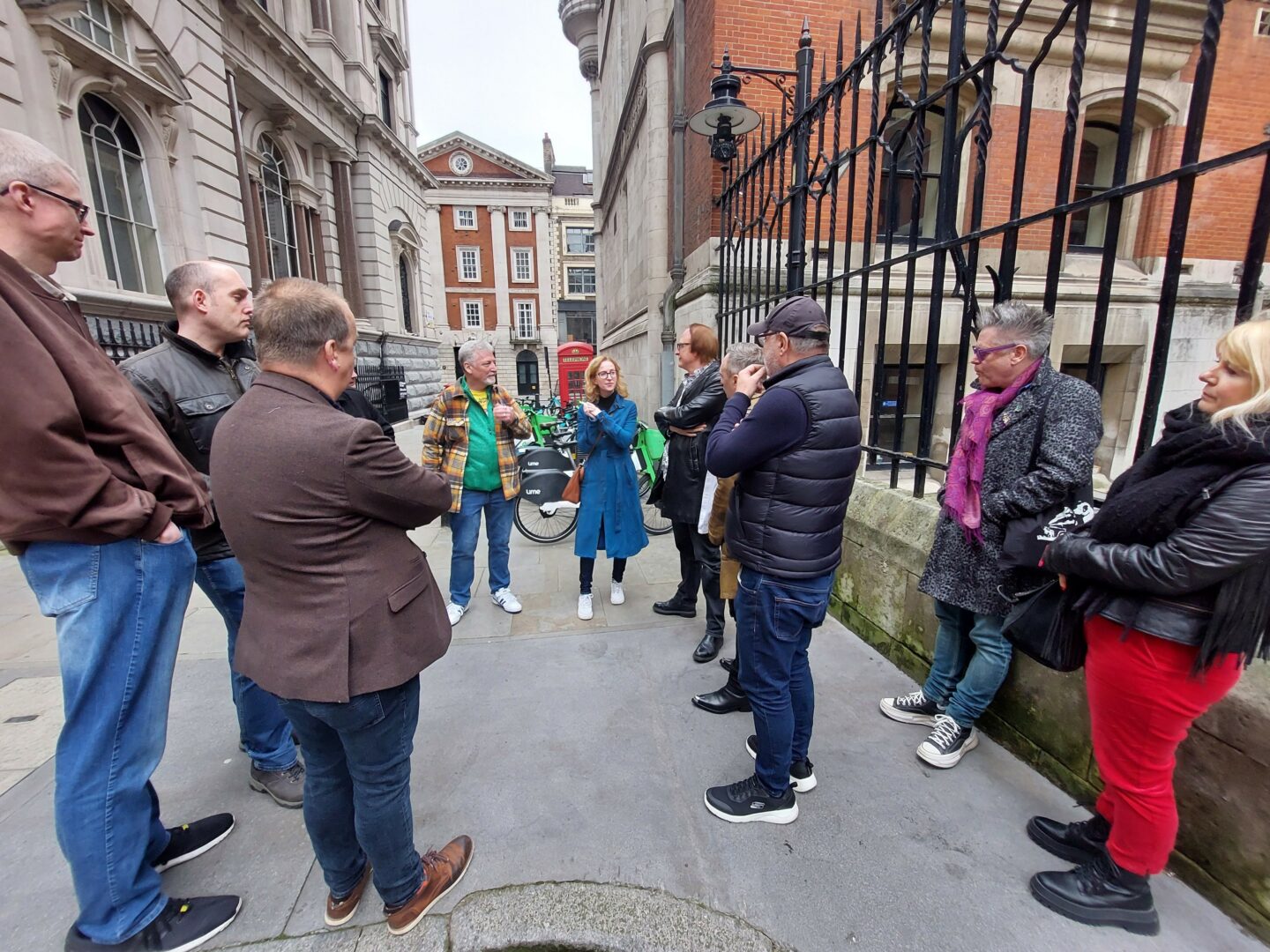
In the meantime, I’d also started getting into London walks. During my PhD I really loved walking London in my free time and went on all the city walks. I also loved movies, so I tried to combine the two. there were a few in London – famous people walks, Alfred Hitchcock walks, and some walks that included bits of films – mostly romantic. I tried desperately to find a horror film walk, because they were always my favourite, but there wasn’t one at the time. This must have been 2012 and a few years later came the Vincent Price walks, but none more broadly about horror films. So I started giving some myself.
The walks were really popular and a lot of fun – you could go anywhere in London and stumble across a dozen horror film locations. Strange Attractor found out about them and asked me to write a book. At first, I tried to write an academic book about the themes of London in horror, but they came back saying a walking guide would be even better. People loved the walks and it would give tourists and visitors a new slant on the city, while also being good for horror fans. Naturally, I went straight at it!
Covid weirdly was a blessing. It delayed publishing but it gave me way more time to work on the book without having to focus on anything else. 2021 I finished the manuscript for “Death Lines” and it came out three years later! This was my big break. I realised I could really write for people and they would enjoy it. It wasn’t just this weird compulsion I had, it was a way to talk to people, to share things I loved, to show them something new. It was a way to connect. To share.
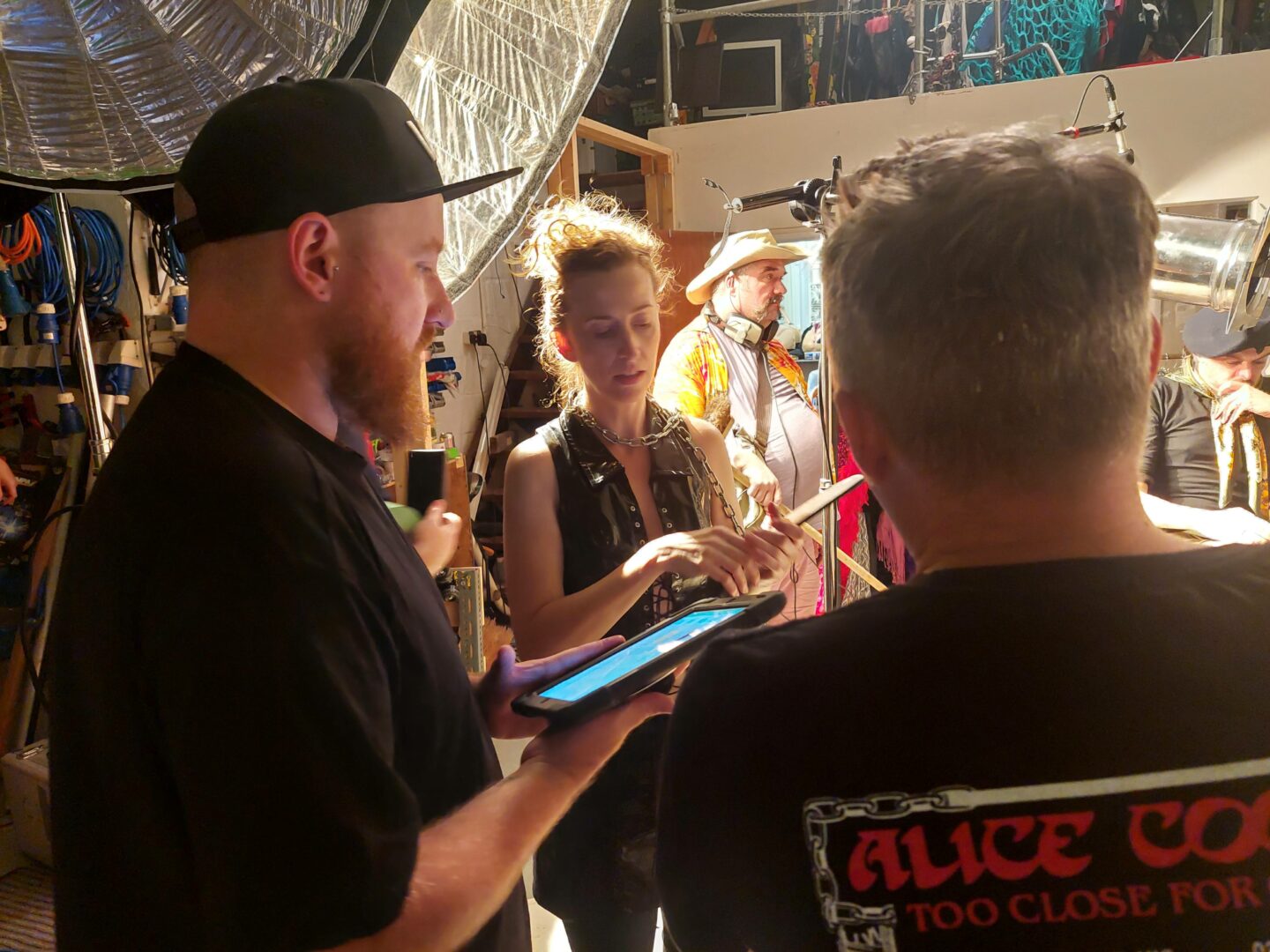
It also opened a whole world to me. Because it was about horror films, it connected me with the passionate South England horror community. I’ve made some amazing friends and they also took a chance on my writing. My first film was “Robot Armadillo” thanks to Tony, who I met at Darkfest. He connected me with the animator and the composer, and we’ve won a couple of awards. Through this network, I also met Sing Lall and Alex Churchyard who trusted me to write a segment for “Videoshop Tales of Terror” which premiered at Horror on Sea in January. I’m going to go see it again at Romford Horrorfest. Hearing the audience laugh or gasp; there’s nothing like it. That is a real calling: to make people feel and to have them connect with you through that experience. It’s more than entertainment, it’s joy, excitement, and emotion. I love it.
Now I have my next book on the way – this time it’s science-fiction, “Occam’s Dream”, and I share a lot more of myself in it. I love connecting to people in this way. It’s really rewarding.
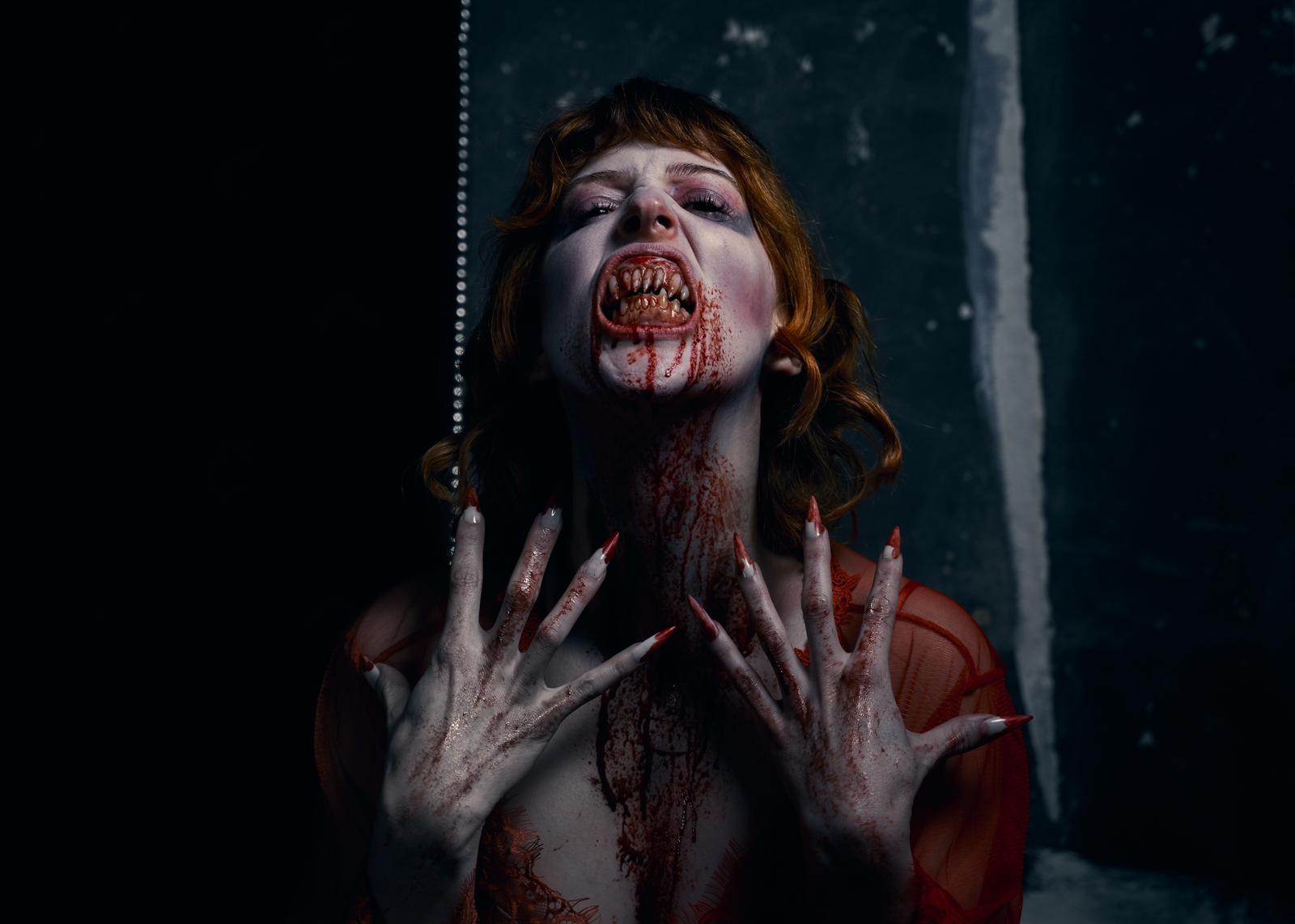
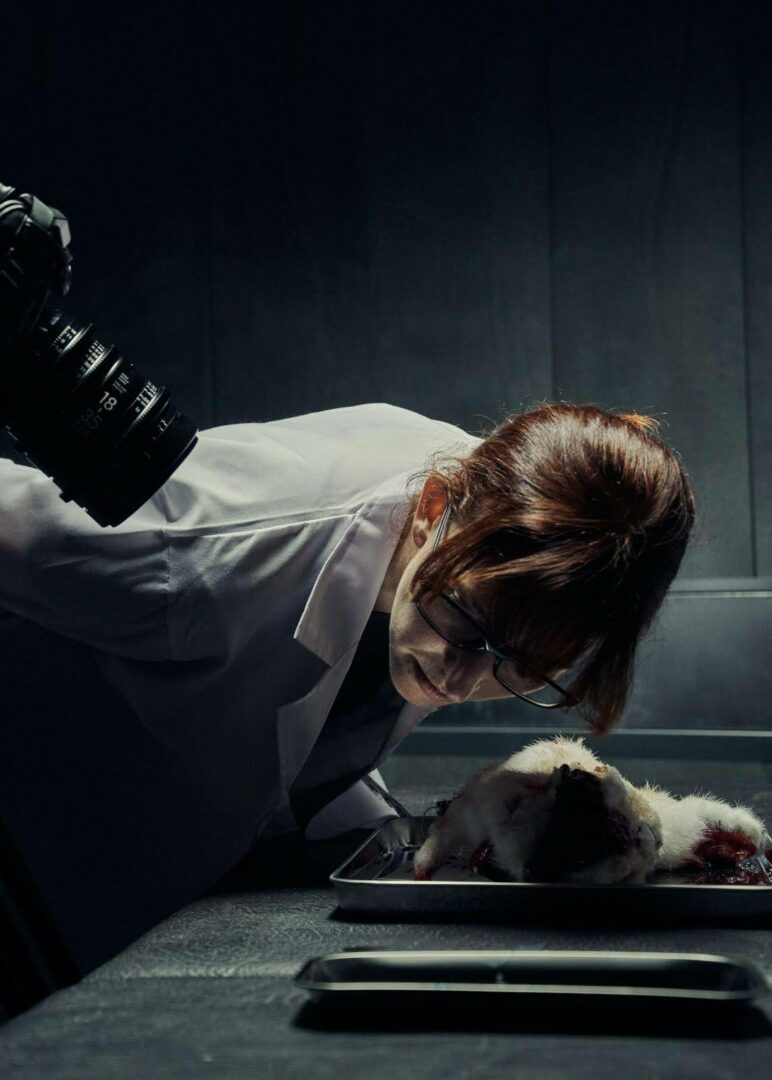
Great, so let’s take a few minutes and cover your story. What should folks know about you and what you do?
I’m an author and a screenwriter, which means I write for films and also write books and short stories, mostly in the horror space. I love horror because you can be a lot more free with horror films and books. There are fewer rules and expectations so you can be bold and challenge ideas or perceptions, you can also really go for people’s emotions. I do that in my most recent segment for “Vidoeshop Tales of Terror II”. In that film it’s leaning more comic, but I talk about expectations of femininity and feminism. I think that discussion is really flat at the moment, we have one dialogue and we don’t think about the history or anything more complex relating to the idea of women and the image of women. We want it to fit in a neat box, but gender and identity don’t.
Of course, my main work is horror. Fear and vulnerability are things we can’t hide from, they are very honest, and usually reflect where we are as a person and a society. Writing about fear is a way to connect with that, and also to feel less alone. There’s a reason people who watch horror are able to be more resilient in the face of disasters, there’s a strength in being able to understand and connect with fear without letting it overtake you.
That’s something horror did for me. When my parents were murdered, fear gripped me and owned me. It was all I felt, all the time. I had a really amazing moment, though, when I had to watch a horror movie for an English class. We were assigned to watch “Alien” and I loved it. I never felt so powerful or capable. If Ripley can do it, so can I. It was liberating. I hope my writing does that. Makes you feel, and also makes you feel stronger. That’s what my latest book “Occam’s Dream”, is all about. Ursula is a woman lost in fear. She is having visions she can’t explain and doesn’t know who to trust, not even herself. How do you make decisions when you feel so lost and scared, and what’s behind that worst fear? It’s gripping and emotional, but I think empowering.
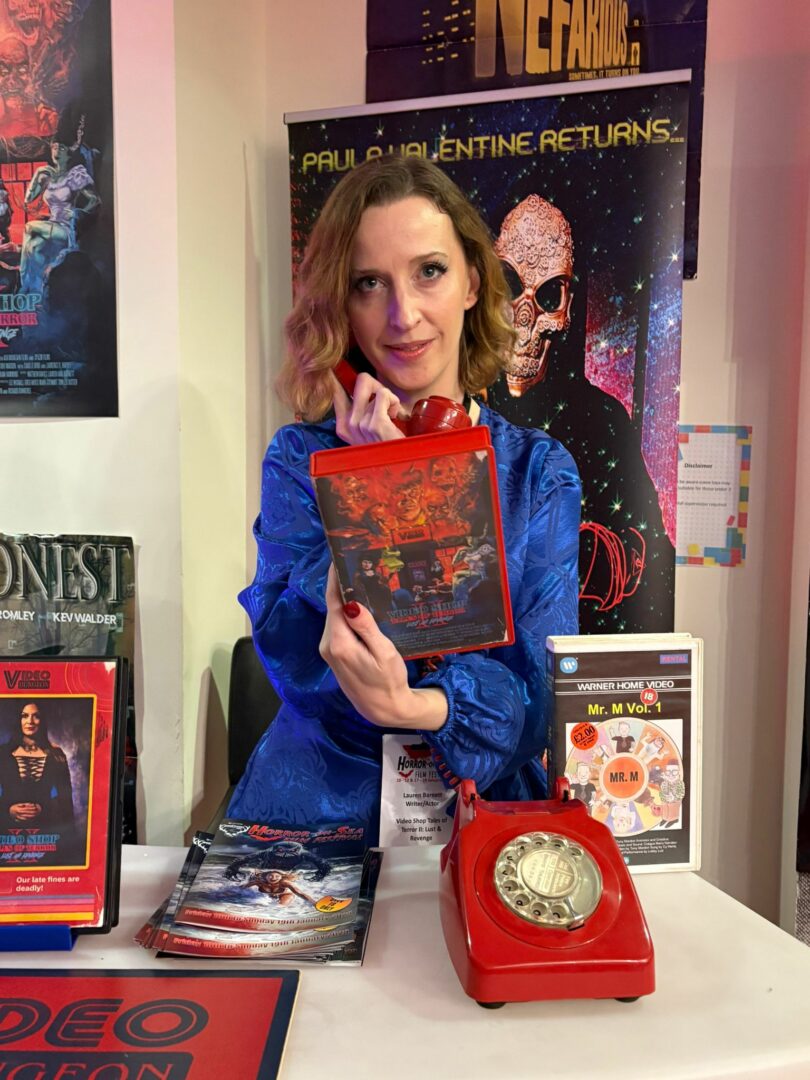
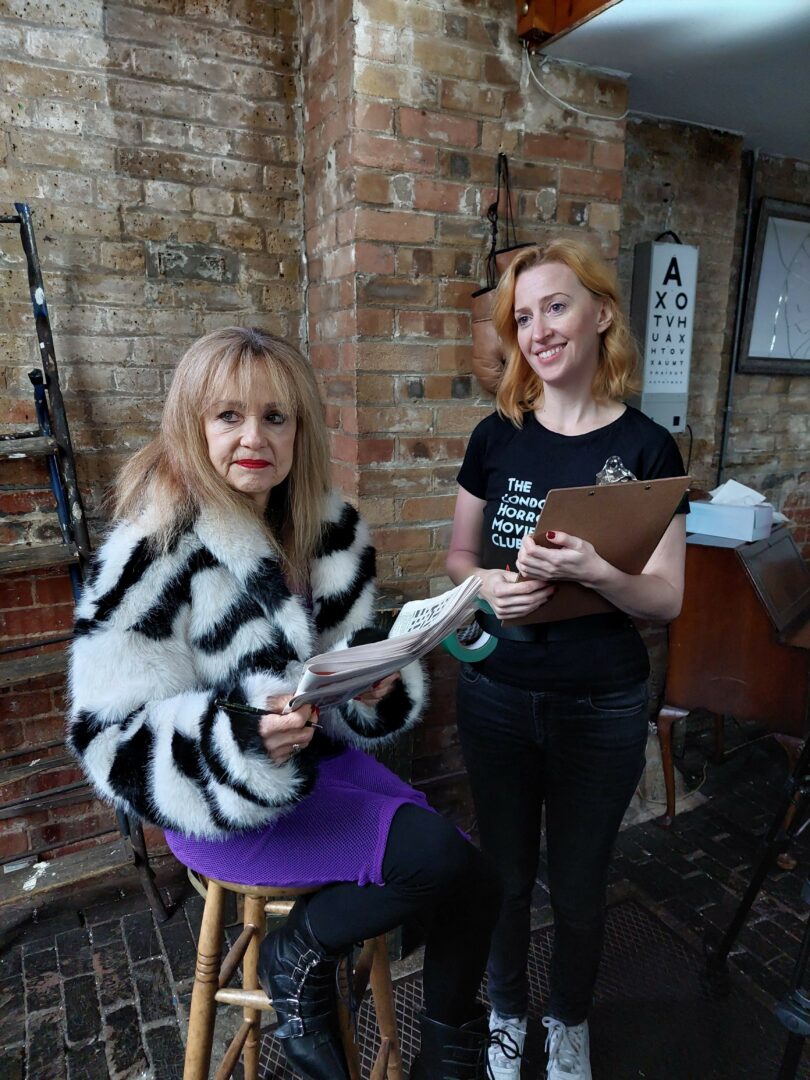
If you had to pick three qualities that are most important to develop, which three would you say matter most?
Being open is always a great quality to have in any creative industry. Being open to opportunities and other people’s ideas and perspectives makes me a better writer. Right now I’m doing a lot of collaborative work: I’m writing a feature with Tom Lee Rutter, and working on a book on Plant Horror with my partner, Tony Mardon. They have so much to offer and I like when they challenge me and offer new ideas and perspectives. it makes me and my work so much better. If you get the chance to work with someone, go for it. You never know what it will bring!
A good skill to have is also to be a good editor. Writers are editors. They don’t expect anything of the first draft, or the second one… The book is maybe four or six edits down the line. That’s where the magic happens. An initial idea may be great, but you need time, effort and the brutality of cuts and tweaks to make it worth sharing. That’s something that comes with practice. I always tell myself “do just one more” if it starts to become terrible, then I can go back, but so far that hasn’t happened.
Another skill I’m still learning is marketing yourself. I’m terrible at this, so I have very little advice, but I’ve seen already how much you need it. I don’t mean making social media ads, or an email list, I mean being able to pitch a story or an idea to an editor in a few sentences or an email. What you are doing, really, is selling yourself. You sell that you have a great idea and you can write it better than anyone. It’s hard to have that confidence, but it’s necessary. It gets them to read your stuff.
Okay, so before we go we always love to ask if you are looking for folks to partner or collaborate with?
I am loving collaboration, the micro-budget indie film industry is full of it and it’s made my life so much richer, and my work so much better. I’m open to working with anyone who wants to get into film or who has an idea they want to shape or build. I also would really love to work with other women in the industry. It’s a small world, and yet somehow we often don’t work with each other. I’m here if you are out there! Let’s do this!
Contact Info:
- Website: https://laurenjanebarnett.com
- Instagram: @laurenjanebarnett
- Facebook: https://www.facebook.com/p/Lauren-Jane-Barnett-61562364530459/
- Linkedin: https://www.linkedin.com/in/lauren-jane-barnett/
- Youtube: https://www.youtube.com/@londonhorrormovieclub
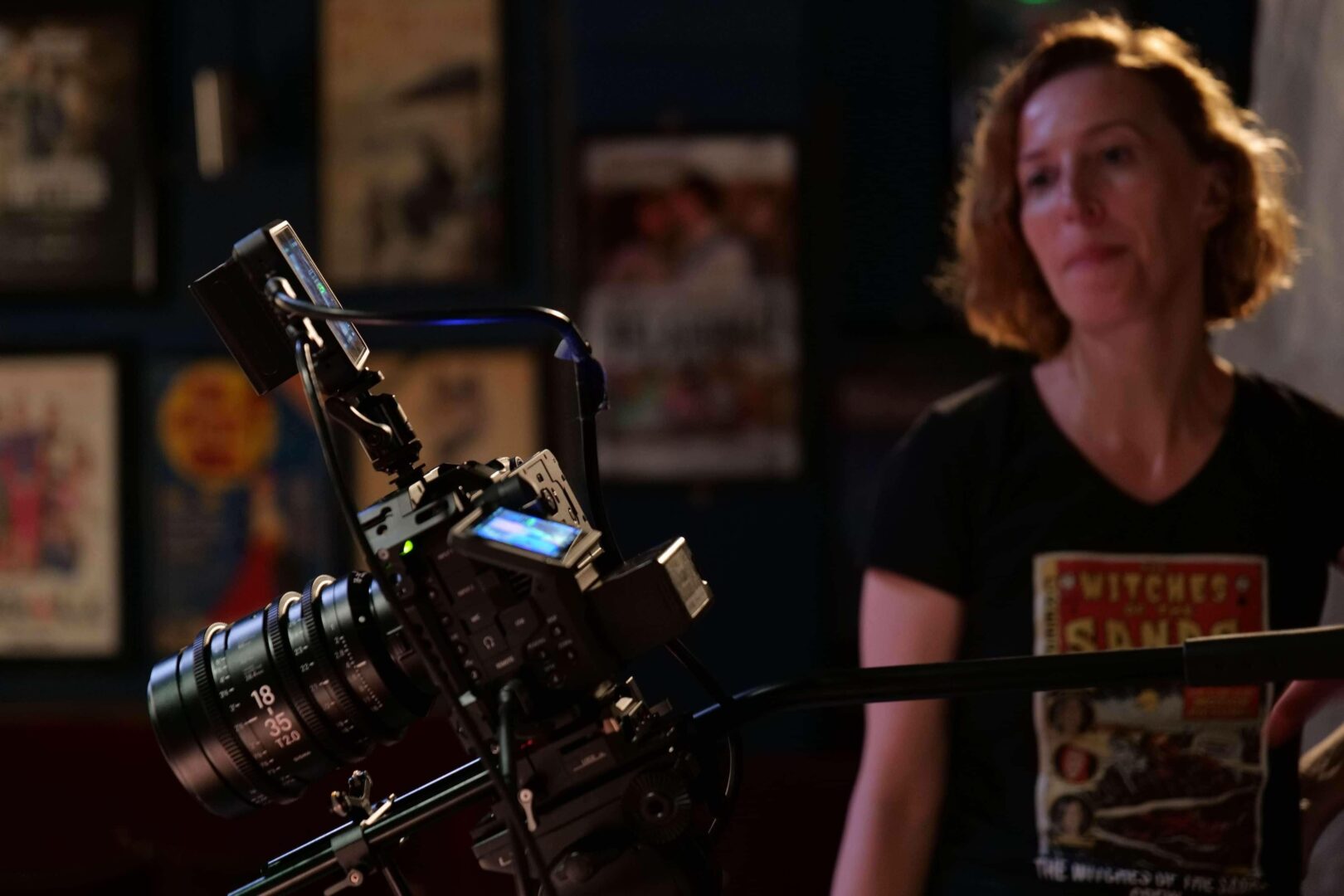
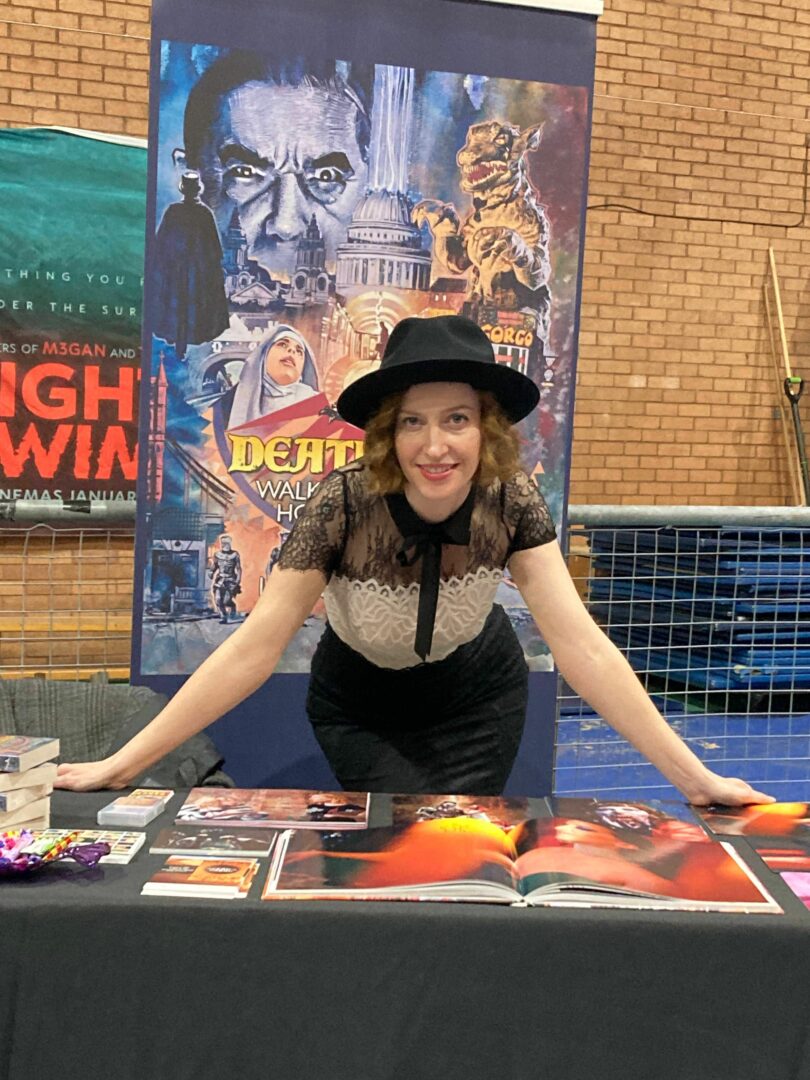
Image Credits
Images of me on film sets are by David Ince Photography, except 20242804 which is by Singh Lall. All other photos are my own
so if you or someone you know deserves recognition please let us know here.