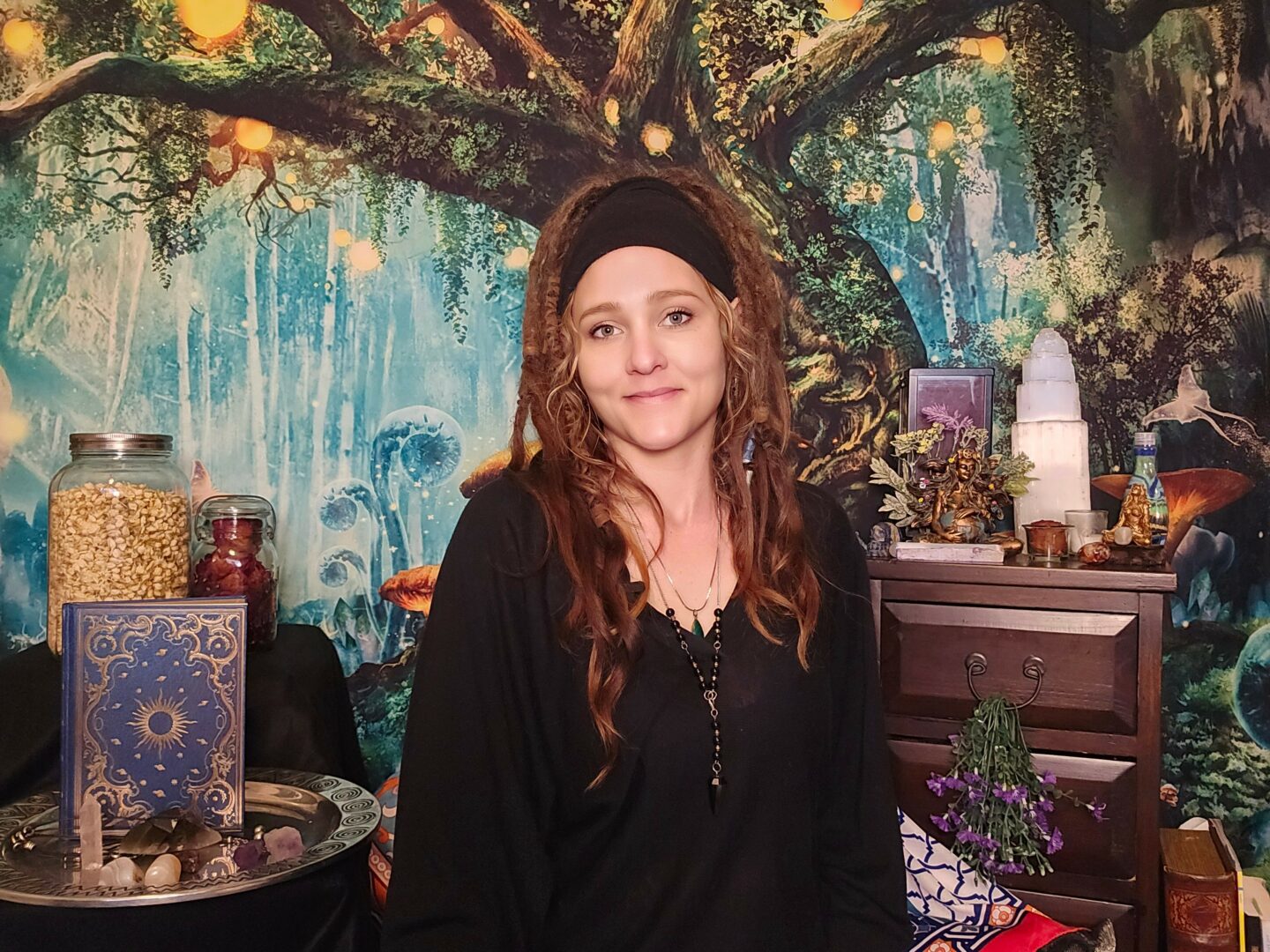
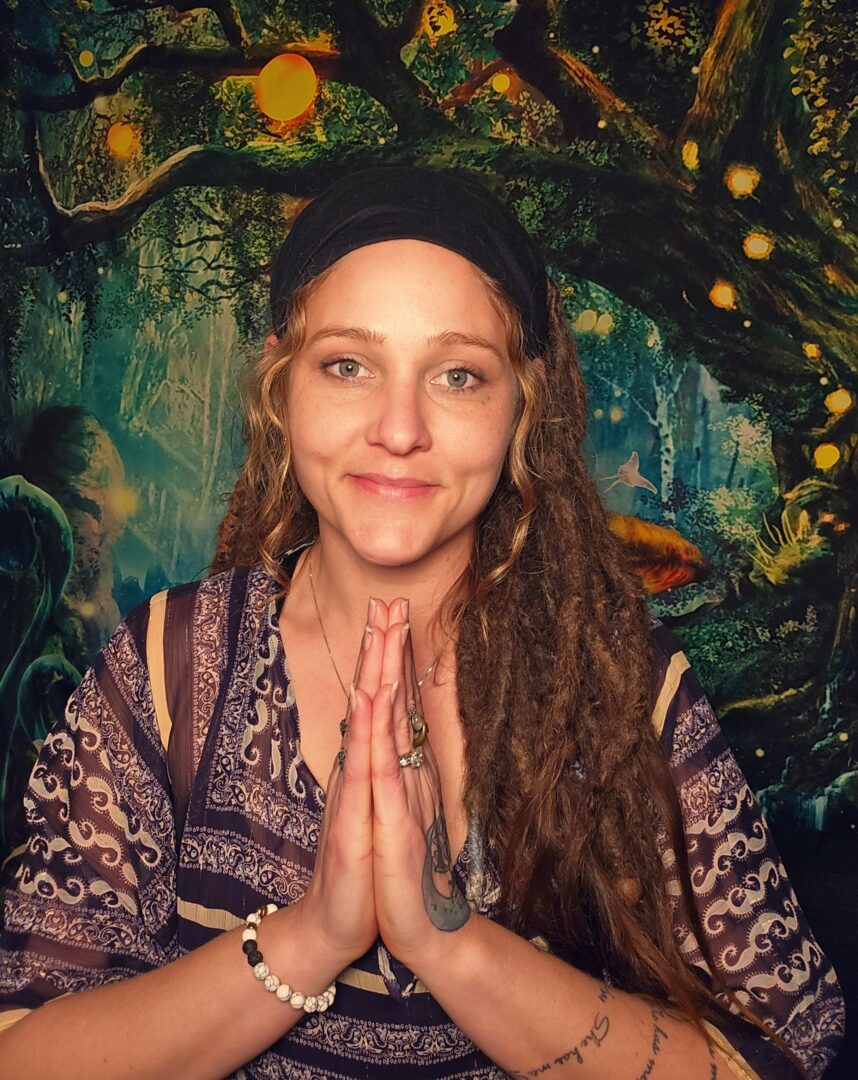
We’re excited to introduce you to the always interesting and insightful Lauren Curl. We hope you’ll enjoy our conversation with Lauren below.
Lauren, we are so happy that our community is going to have a chance to learn more about you, your story and hopefully even take in some of the lessons you’ve learned along the way. Let’s start with self-care – what do you do for self-care and has it had any impact on your effectiveness?
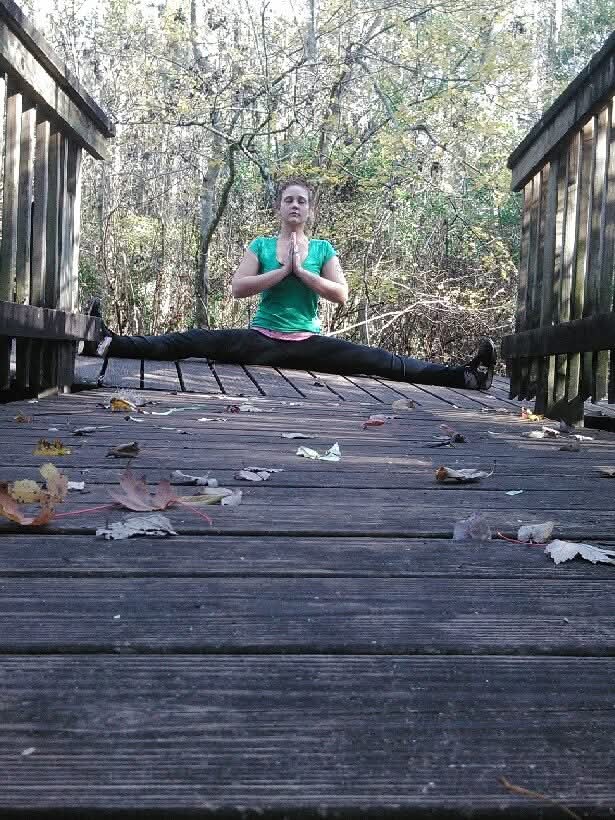
Intentionally making time for self-care has been crucial to my success. As a wife, full-time office manager, supportive friend, forever-yoga student, and mindfulness coach growing my business, Torches – Yoga & Mindfulness, my schedule is full. Yet, I’ve learned that without self-care, I can’t fully show up for my responsibilities or my dreams.
At one point, I felt overwhelmed—like I was missing the joy in the process. So, I made a conscious choice to start my mornings an hour earlier for movement—jogging, lifting weights, or yoga—followed by a grounding meditation. I also set aside time each week for self-care, whether it’s reading, journaling, or cooking a meal I love.
This intentional self-care has made me more focused, energized, and emotionally resilient. I think more clearly, handle stress better, and approach challenges with a sense of balance rather than burnout. It’s also enhanced my creativity and ability to support others, making me not only more effective in my work but also more present in my relationships. Prioritizing self-care allows me to show up as my best self—for both my responsibilities and the vision I’m building.
Great, so let’s take a few minutes and cover your story. What should folks know about you and what you do?
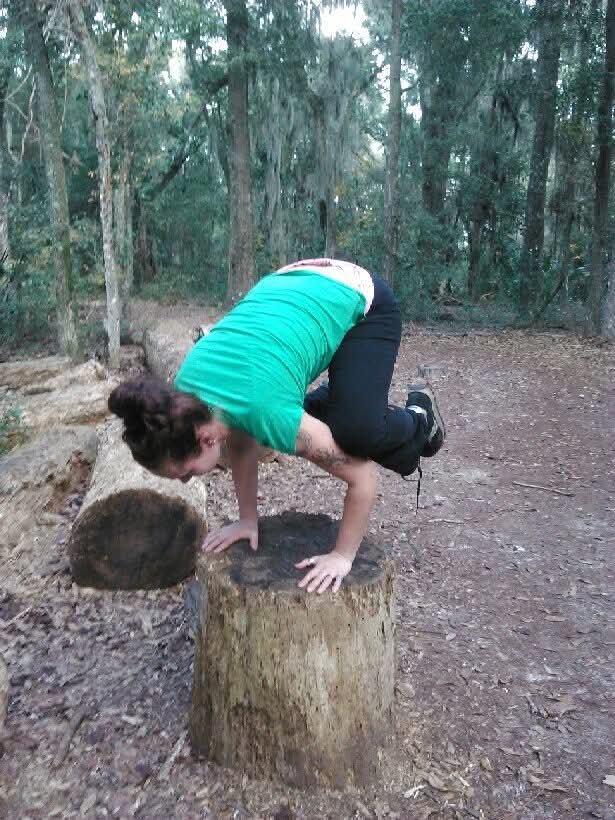
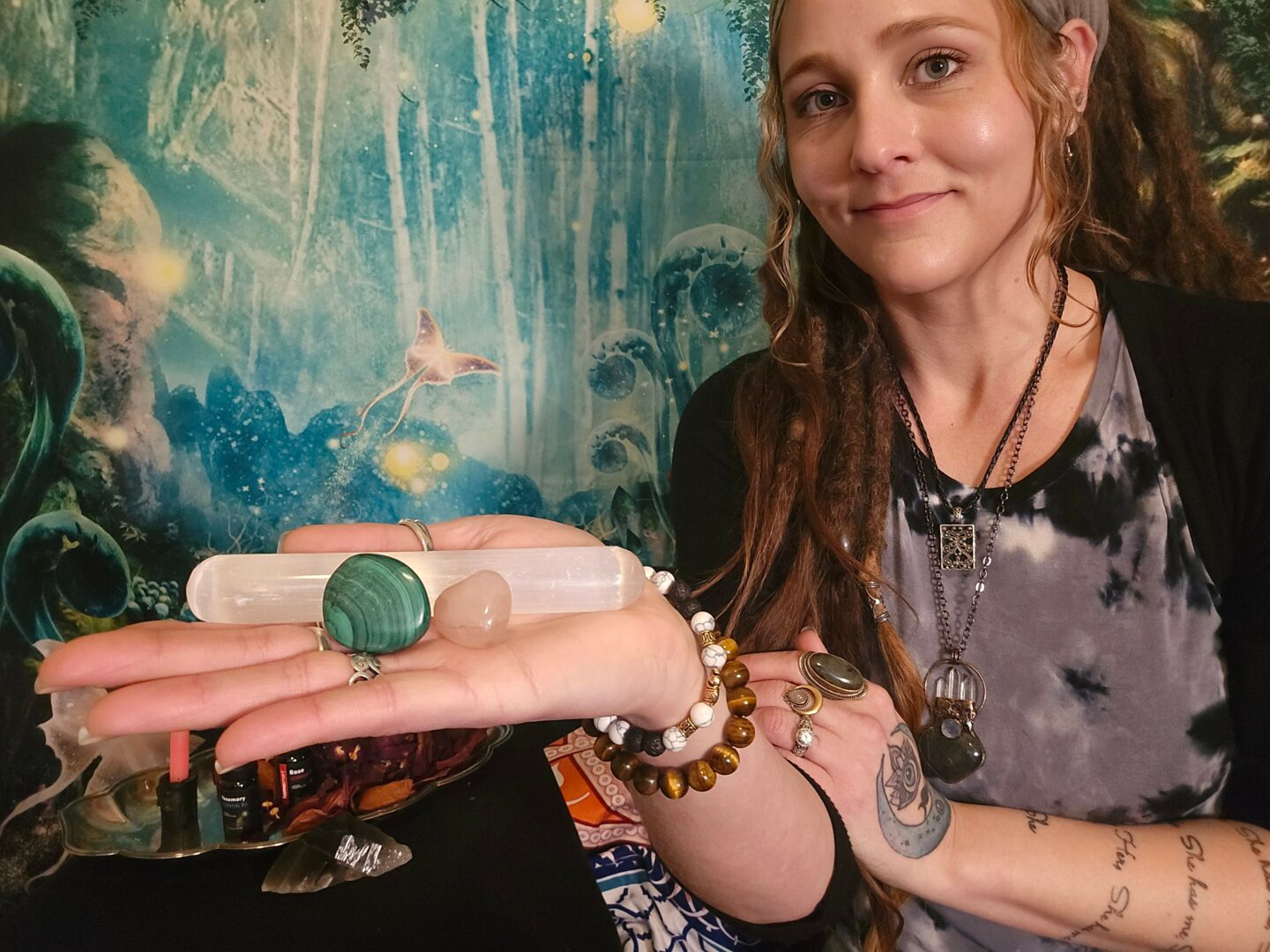
I am a mindfulness coach and yoga teacher, currently building my business, while also managing a full-time career. Through my work, I guide people in integrating mindfulness into daily life—helping them cultivate presence, emotional resilience, and self-awareness through yoga, meditation, and therapeutic mindfulness practices.
What excites me most about this work is its power to create real, lasting transformation. Mindfulness isn’t just about relaxation—it’s about learning to navigate life with greater clarity, intention, and self-compassion. Whether I’m guiding a client through grief, helping someone reconnect with their body through yoga, or sharing tools for thought-awareness and emotional processing, I love witnessing those moments when something shifts, and they feel more empowered in their own journey.
Right now, I’m focused on growing Torches – Yoga & Mindfulness, expanding my offerings, and making these practices more accessible. I offer both remote and in-person mindfulness and yoga sessions, and I post two new videos every Monday on my YouTube channel, @TorchesCoaching—one focused on mindfulness practices and the other on meditation. Yoga flows and how-to videos are also on the way. My goal is to make mindfulness feel practical, approachable, and deeply personal—so that more people can experience the benefits for themselves.
I’d love for readers to follow along as I build this community! Whether you’re new to mindfulness or looking to deepen your practice, there’s something here for you.
Looking back, what do you think were the three qualities, skills, or areas of knowledge that were most impactful in your journey? What advice do you have for folks who are early in their journey in terms of how they can best develop or improve on these?
Looking back, I feel like mindfulness has been the driving force behind my journey—it has shown up in different ways at every stage. But if I were to pinpoint three qualities or skills that have been most impactful, they would be self-awareness, resilience, and intentional learning.
Self-awareness came through yoga, mindfulness-based stress reduction, and therapeutic exercises I explored as part of my own healing. These practices helped me understand my emotions, thought patterns, and needs. When I found myself overwhelmed and breaking down at work, mindfulness allowed me to recognize that my struggles weren’t due to incompetence but misalignment—I wasn’t meant to be in that environment.
Resilience was key in navigating that realization. Because of my mindfulness practices, I was able to focus on finding the right path for me rather than fixating on what wasn’t working. Instead of letting stress consume me, I channeled my energy into exploring possibilities that aligned with my values and purpose.
Intentional learning played a crucial role in turning that realization into action. I deepened my studies, not just to accelerate my own healing but to gain the skills and certifications necessary to help others. This shift was both empowering and clarifying—I knew where I needed to be.
For those early in their journey, my advice is:
Develop self-awareness by creating space for reflection—whether through journaling, meditation, or mindful movement. The more you understand yourself, the more clearly you’ll see the path that aligns with you.
Build resilience by shifting focus from obstacles to opportunities. Stress and setbacks are inevitable, but with mindfulness, you can navigate them with greater grace and adaptability.
Commit to intentional learning. Whether it’s through formal education, self-study, or mentorship, stay open to growth. Learning not only transforms your personal journey but can also equip you to support others along the way.
In the meantime, mindfulness itself can make the present more manageable. Even before I fully transitioned into my purpose, my practices helped me handle stress at work with more peace and grace. That, in turn, freed up the energy I needed to move toward what was right for me.
Thanks so much for sharing all these insights with us today. Before we go, is there a book that’s played in important role in your development?
After reading Fully Present by Dr. Sue Smalley and Diana Winston, I felt like this book should be required reading in every high school curriculum. It breaks down mindfulness in a way that is both scientific and deeply practical—covering emotions, brain clutter, focus, and stress with research-backed explanations and actionable exercises for everyday life.
One of the most impactful insights I gained from this book was the practice of thought labeling. Despite all my previous mindfulness experience, I had never encountered this technique before. I had learned how to recover from thought spirals with self-compassion and positivity, but I didn’t know how to prevent myself from getting swept away in the first place. Thought labeling changed that—it keeps us from running on autopilot and helps us disengage from mental clutter before it takes over. The book also explains the neuroscience behind why this works and how it supports mental well-being on multiple levels.
Another lesson that resonated deeply was the emphasis on embracing emotions as natural, normal, and healthy. Our culture often glorifies stoicism—pushing the idea that we should “set our feelings aside” or suppress them. But the authors explain how emotions are an essential part of the human experience and how unresolved emotions can negatively impact both our health and overall well-being. As someone who was often told my feelings were “too much” or that I didn’t have a right to feel certain things, reading this from a credible source was profoundly validating.
This book reinforced what I now know to be true: mindfulness isn’t just about being calm—it’s about being fully engaged with life, understanding our minds, and allowing ourselves to feel, process, and move forward with clarity.
Contact Info:
- Instagram: torches_yoga_and_mindfulness
- Facebook: https://www.facebook.com/profile.php?id=61566830201677 Torches – Yoga & Mindfulness
- Youtube: https://www.youtube.com/@TorchesCoaching
so if you or someone you know deserves recognition please let us know here.