
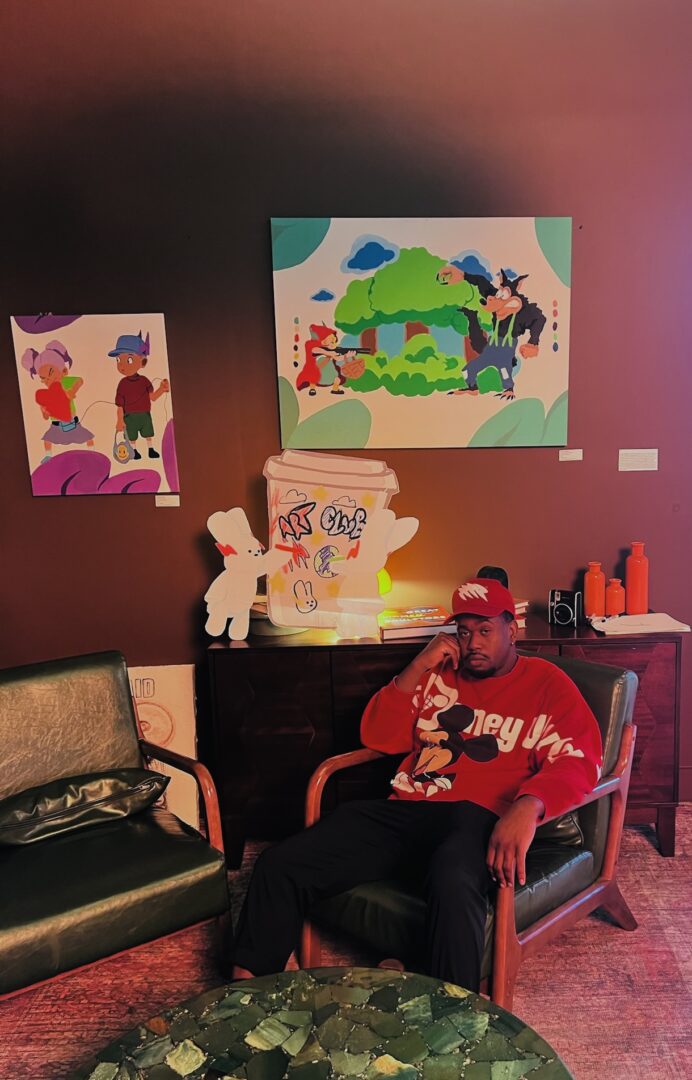
We caught up with the brilliant and insightful LeAndre Barnett a few weeks ago and have shared our conversation below.
LeAndre, so good to have you with us today. We’ve got so much planned, so let’s jump right into it. We live in such a diverse world, and in many ways the world is getting better and more understanding but it’s far from perfect. There are so many times where folks find themselves in rooms or situations where they are the only ones that look like them – that might mean being the only woman of color in the room or the only person who grew up in a certain environment etc. Can you talk to us about how you’ve managed to thrive even in situations where you were the only one in the room?
Being the only one in the room who looks like me has taught me how important it is to stay grounded in my own perspective rather than trying to adapt to fit what’s already there. Early on, it can feel isolating, but I’ve learned to see it as an advantage it forces me to develop a strong sense of self and a clear understanding of what I bring into any space.
Remaining true to my essence has been the foundation of that. What drives me creatively comes from a genuine place pulling inspiration from the things that naturally intrigue me, whether that’s art history, storytelling, or my own lived experiences. Instead of looking for validation in the room, I’ve learned to trust that my perspective has value, even if it’s unfamiliar to others.
I’ve also become more intentional about how I show up. Being “the only one” means people may not immediately understand your vision, so I focus on communicating it clearly and confidently. That’s helped me turn what could feel like a barrier into something that actually differentiates me. My work becomes a conversation starter, something that invites people into a world they might not have encountered before.
Ultimately, I’ve learned that I don’t need to blend in to be effective. The very thing that makes me different is often what makes my work resonate the most.
Let’s take a small detour – maybe you can share a bit about yourself before we dive back into some of the other questions we had for you?
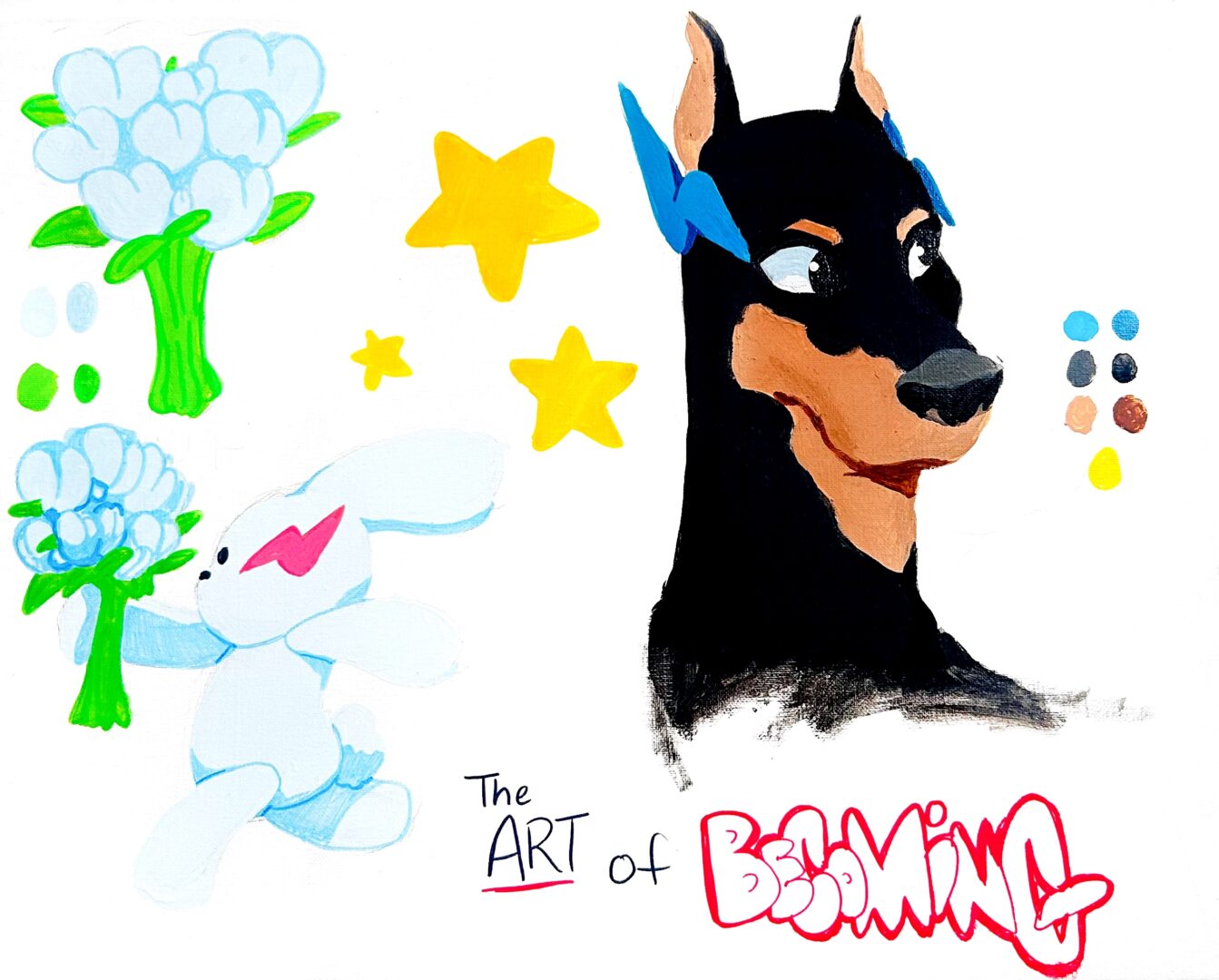
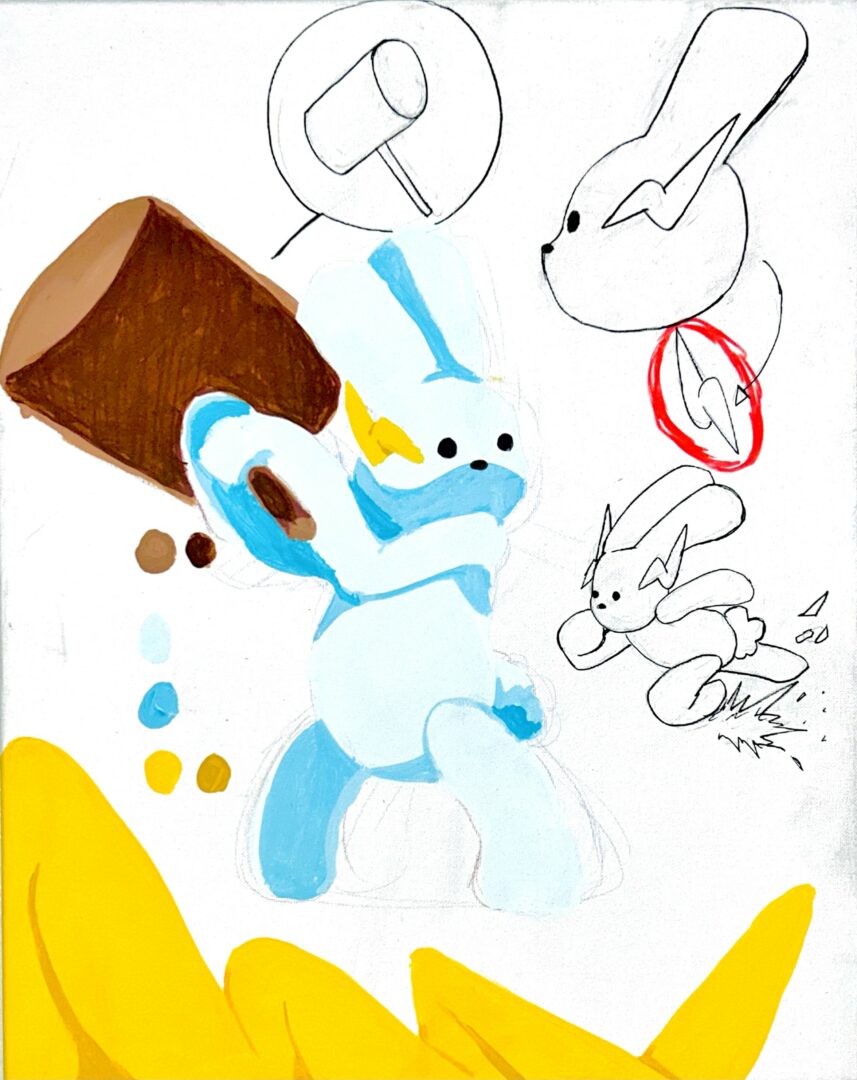
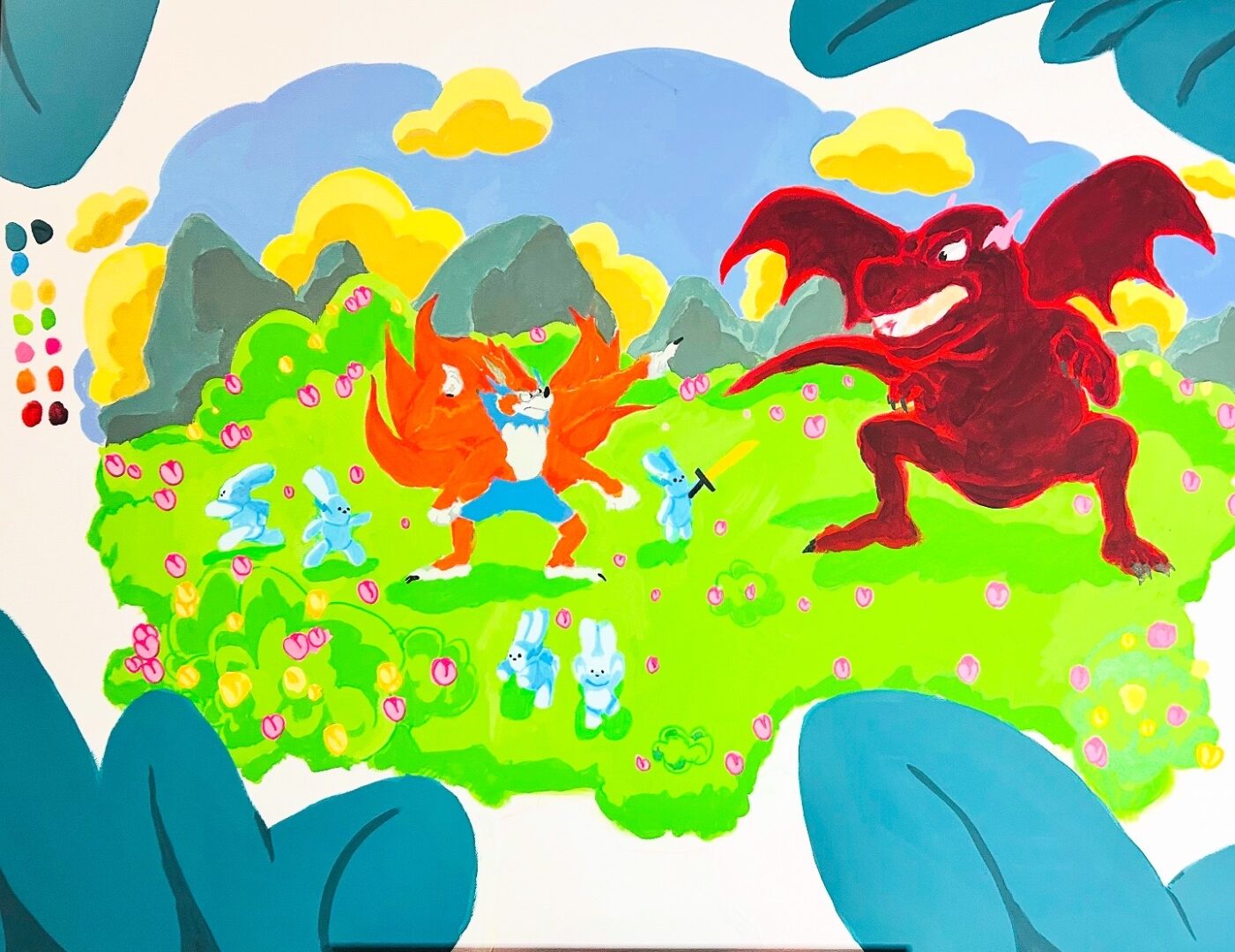
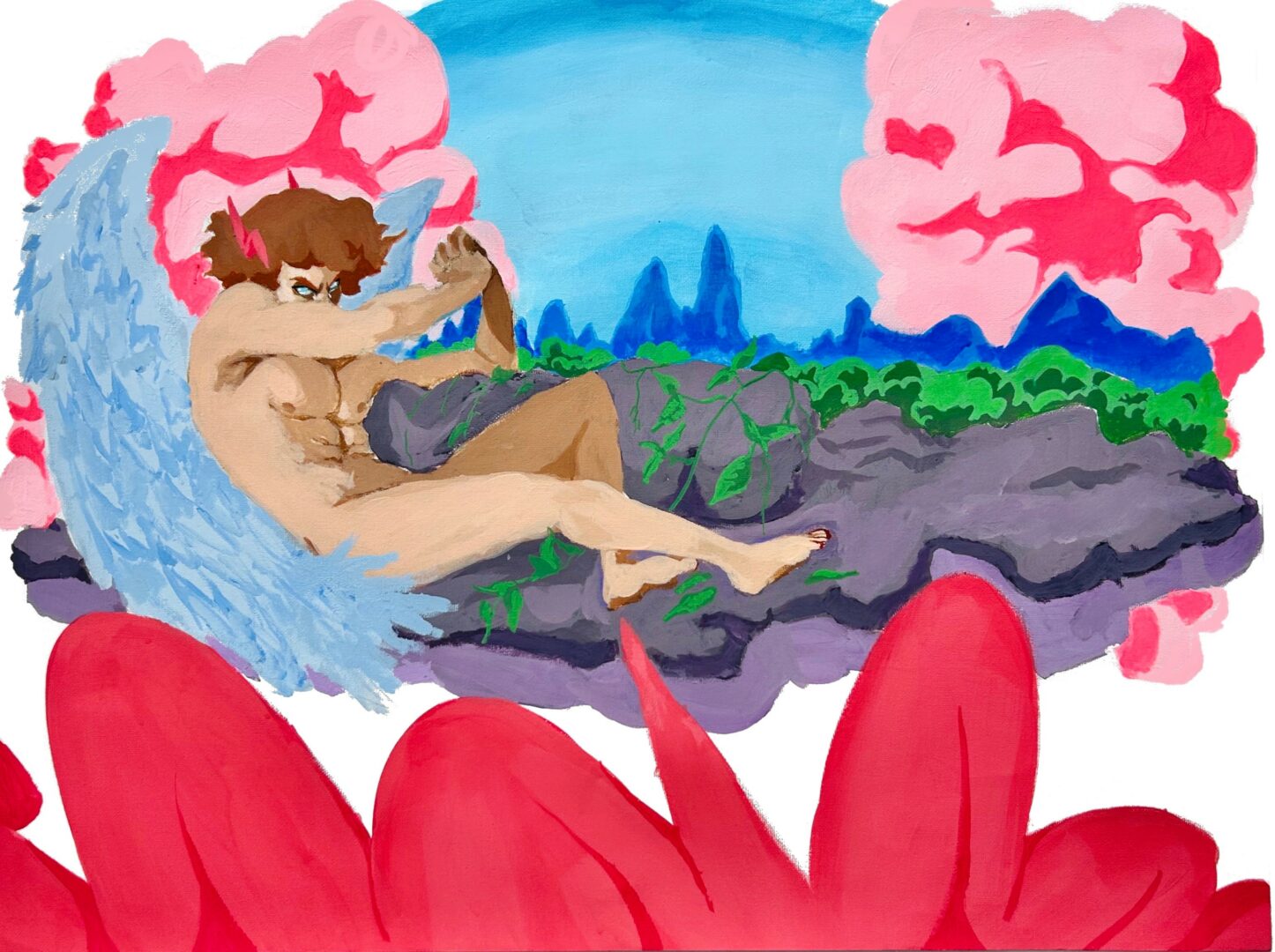
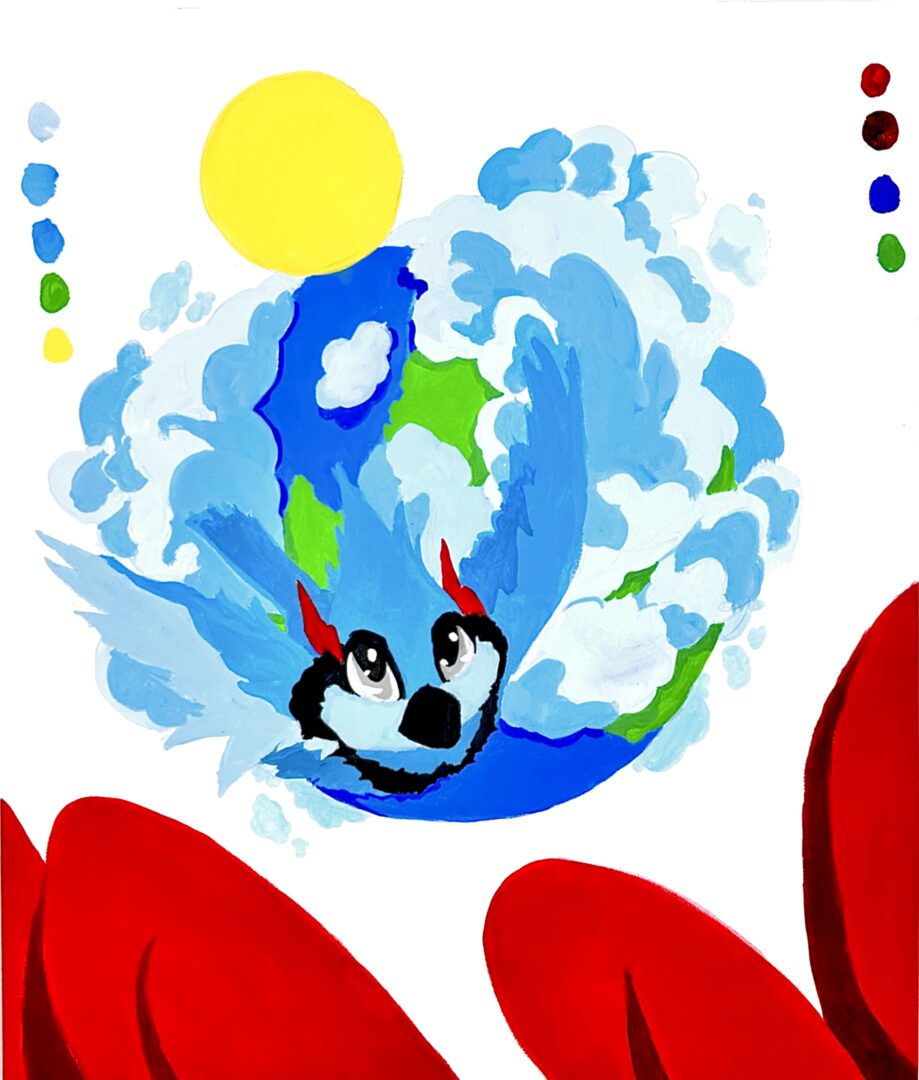
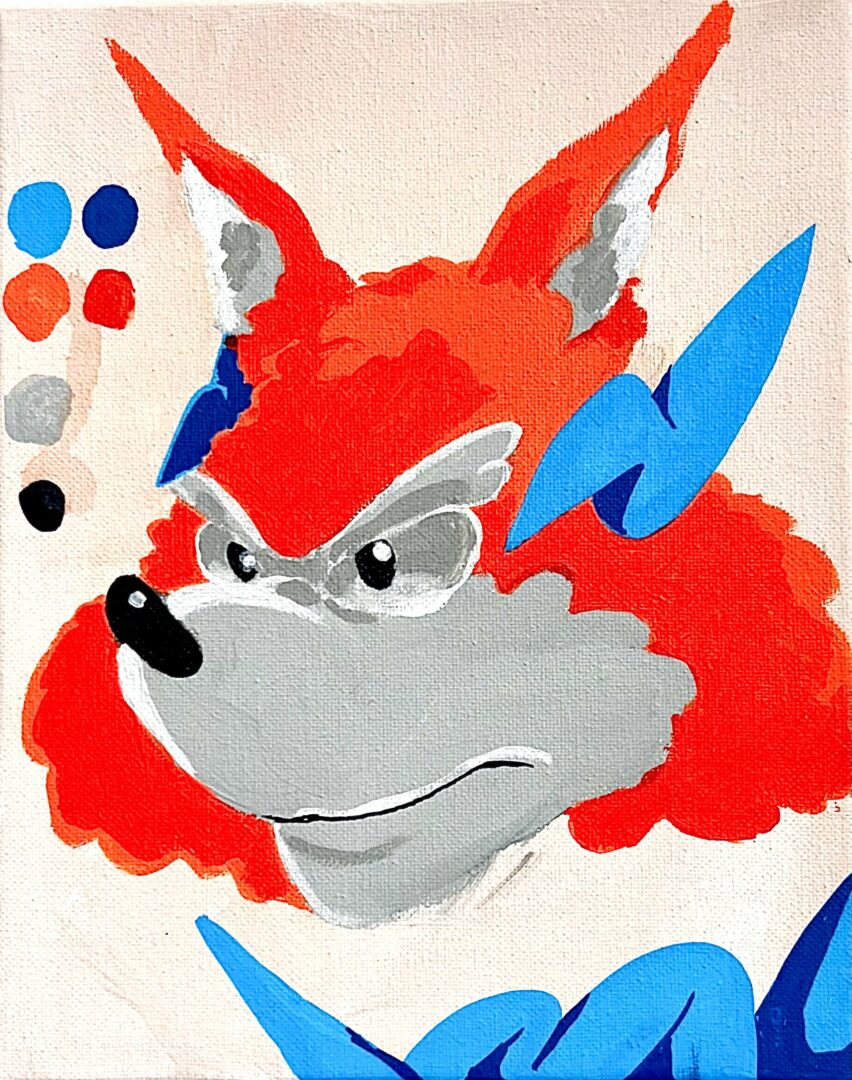
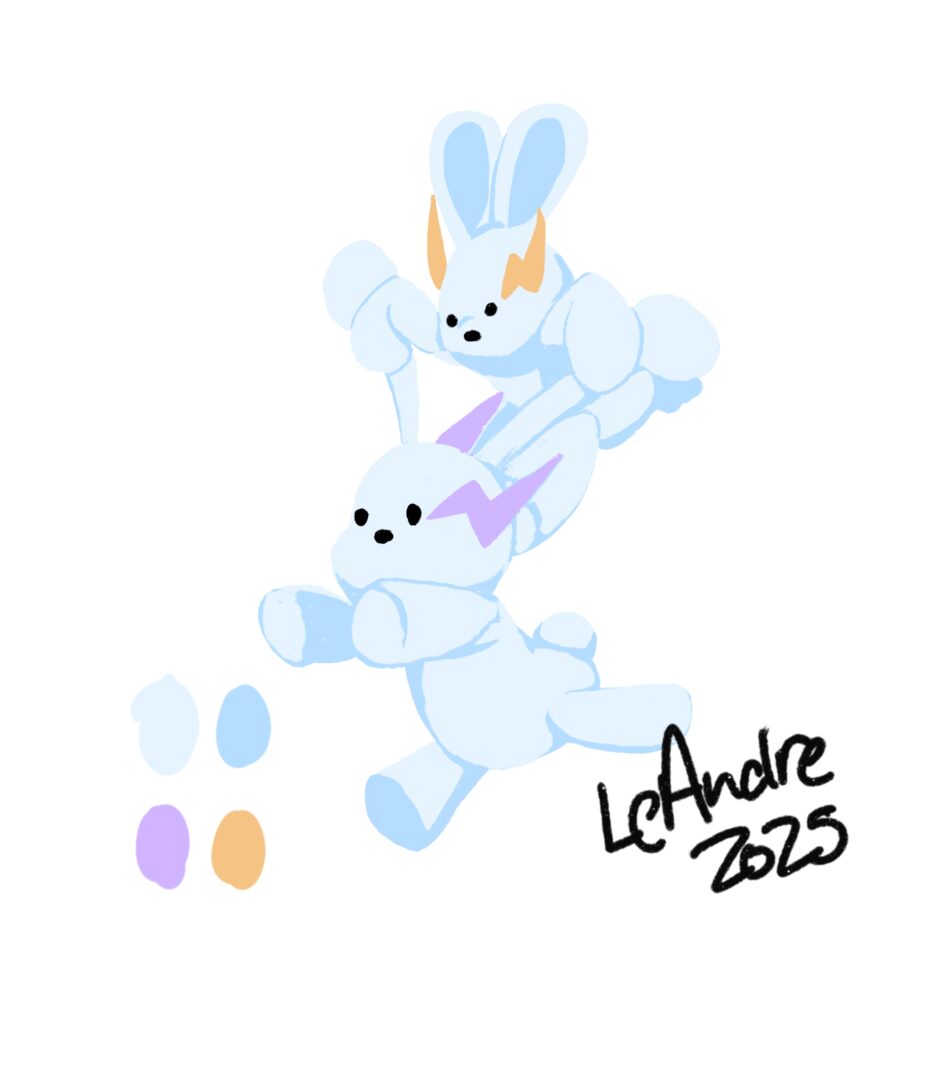
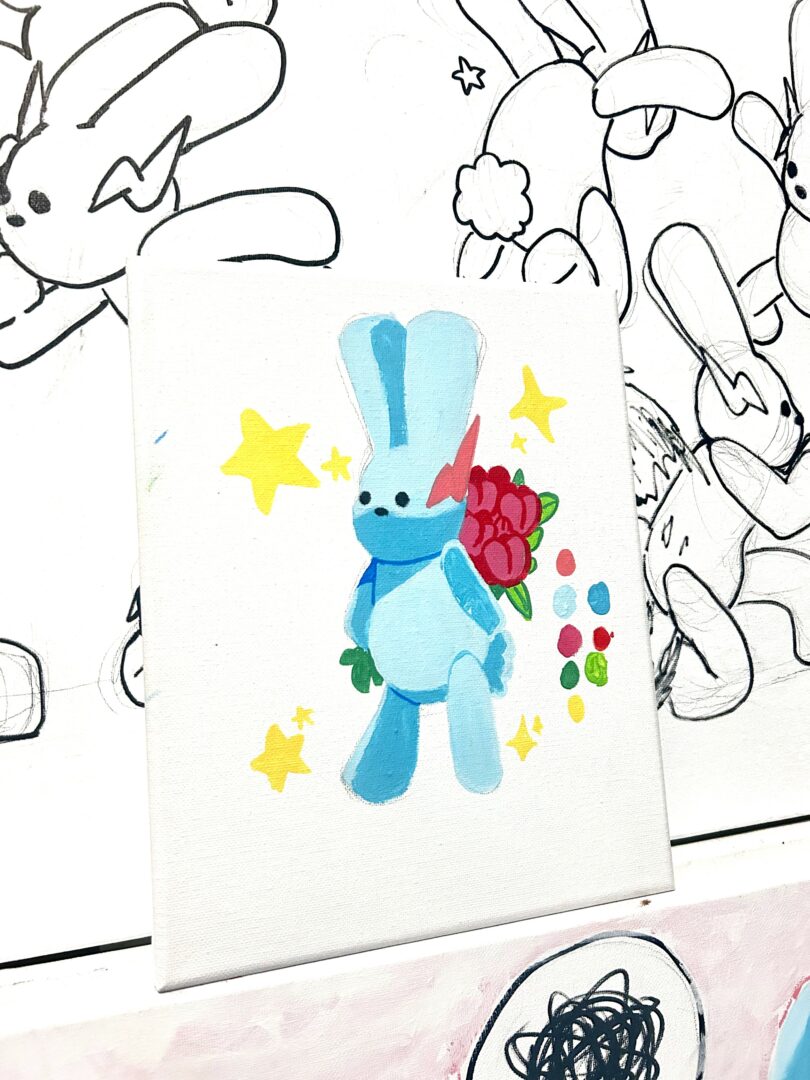
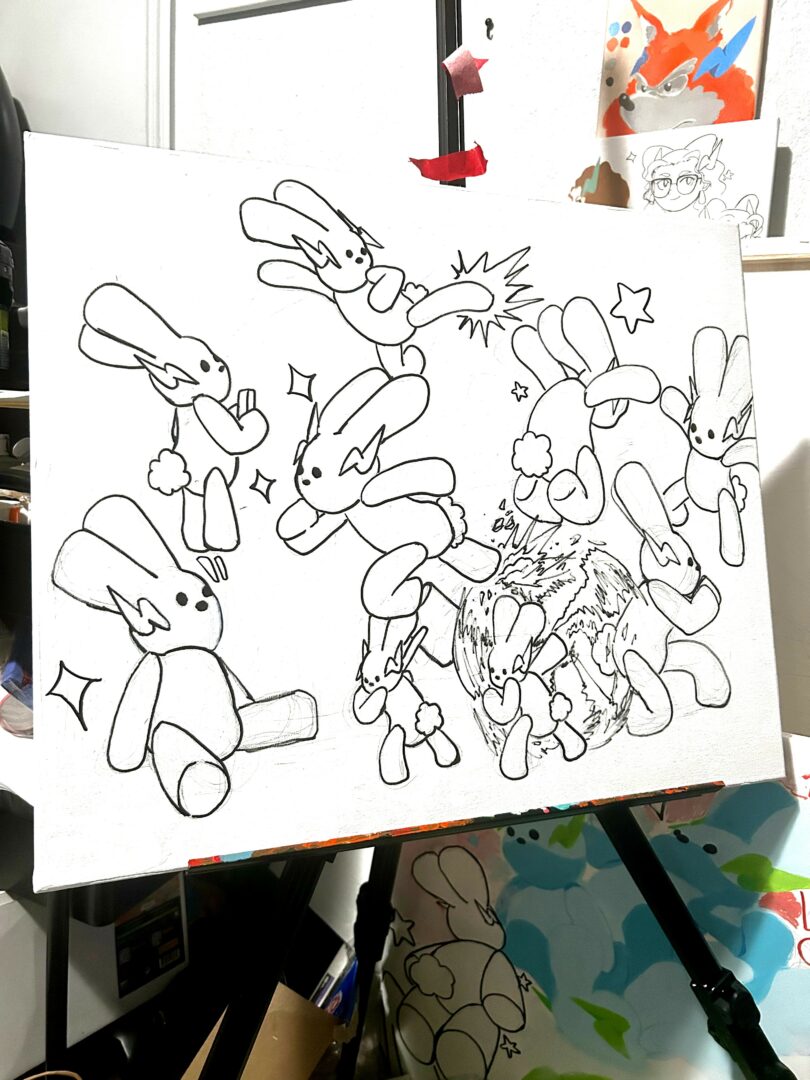
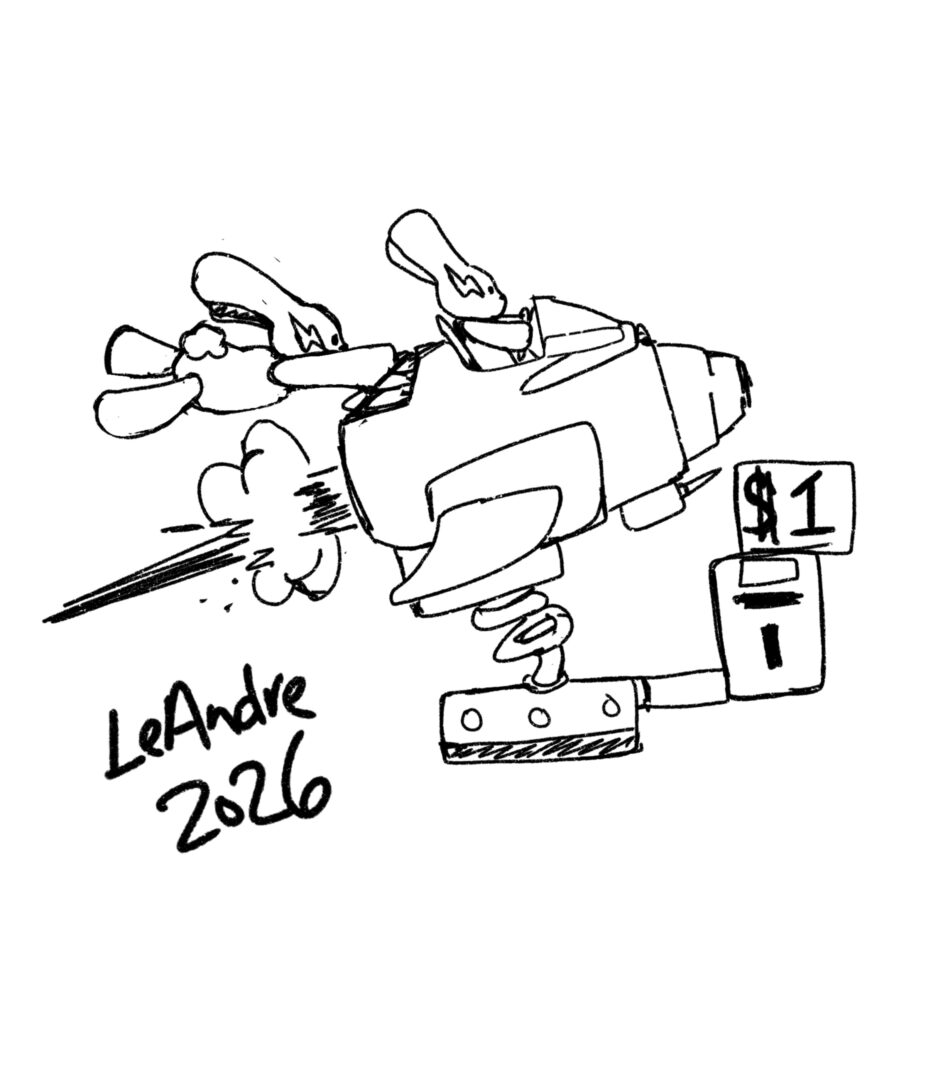
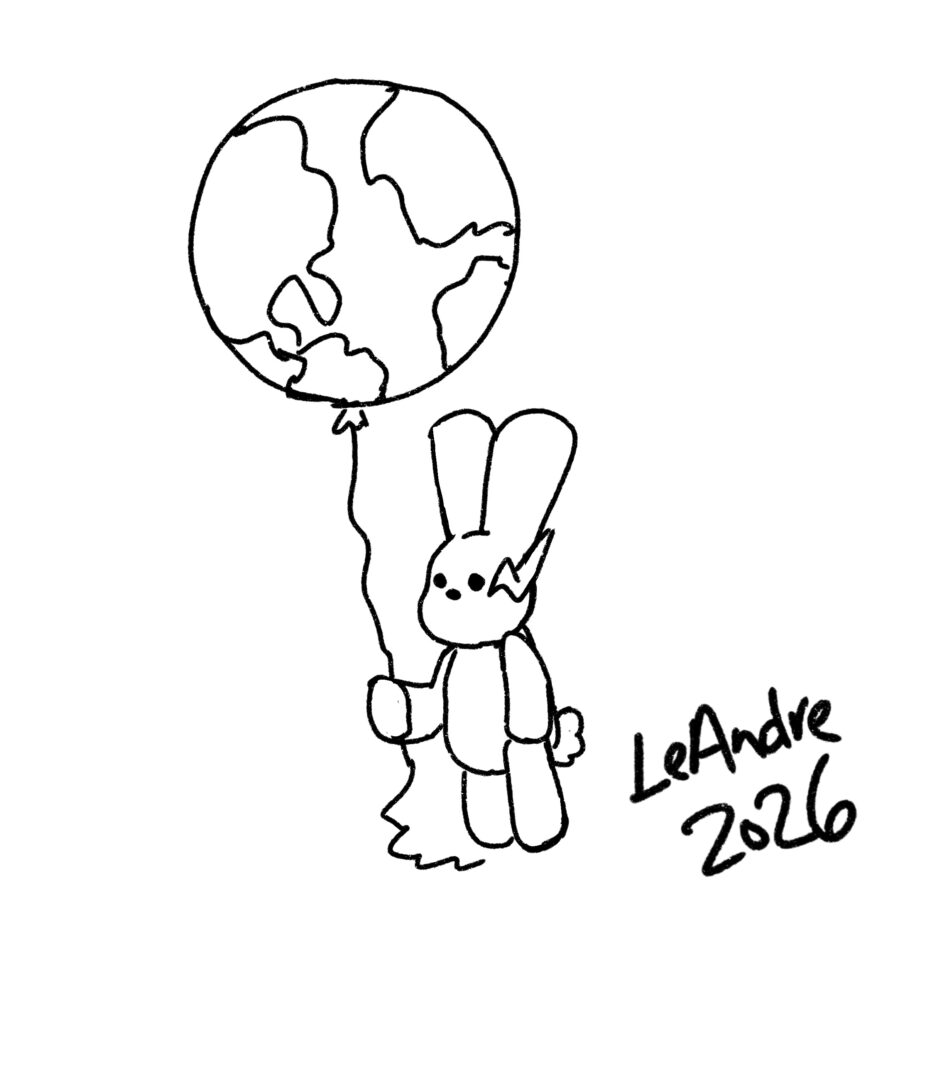
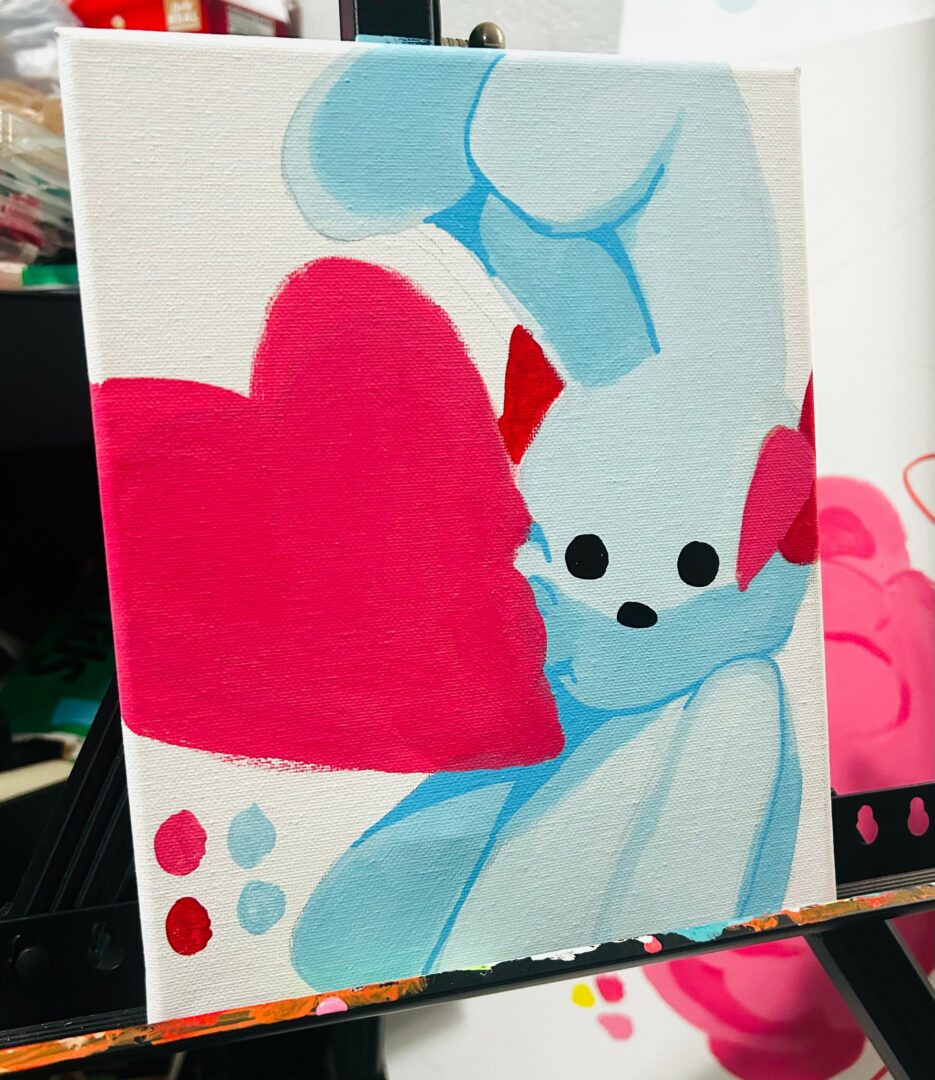
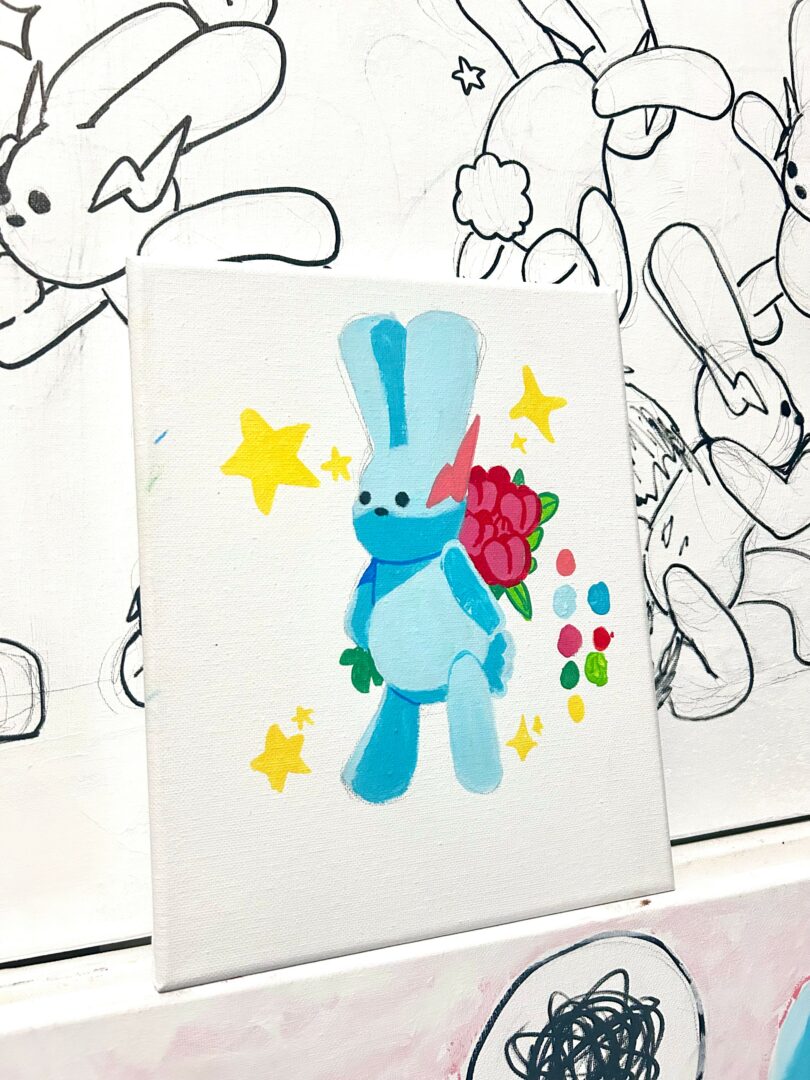
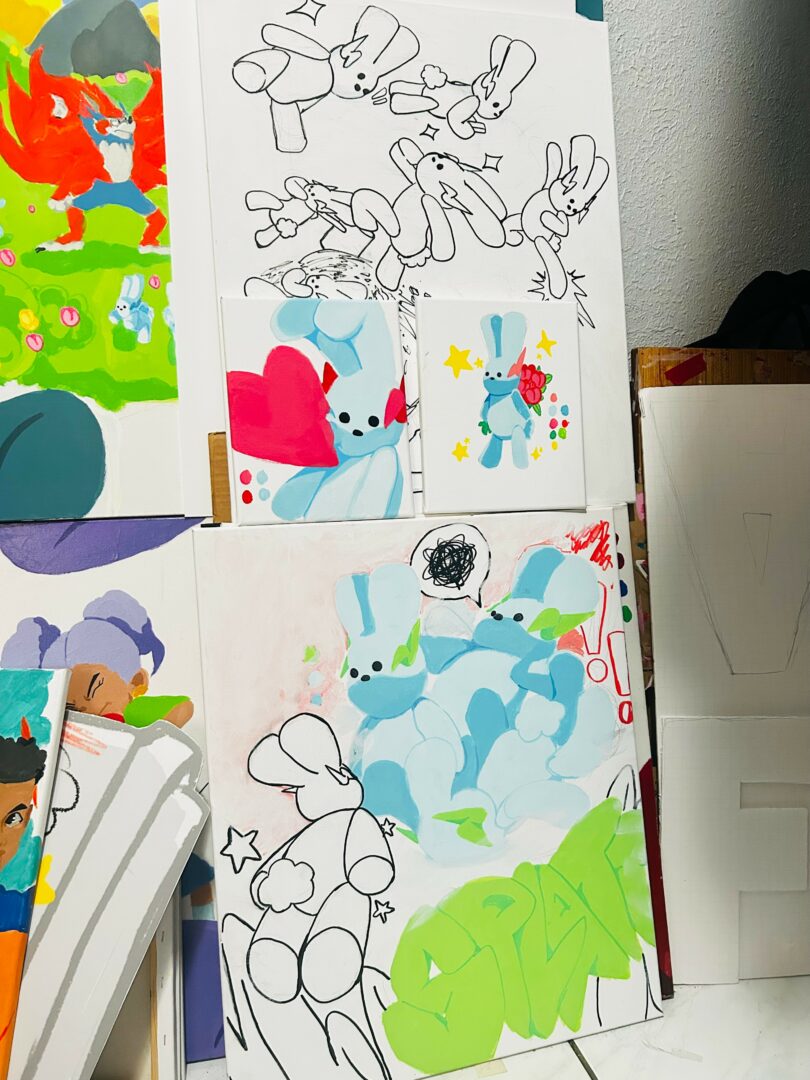
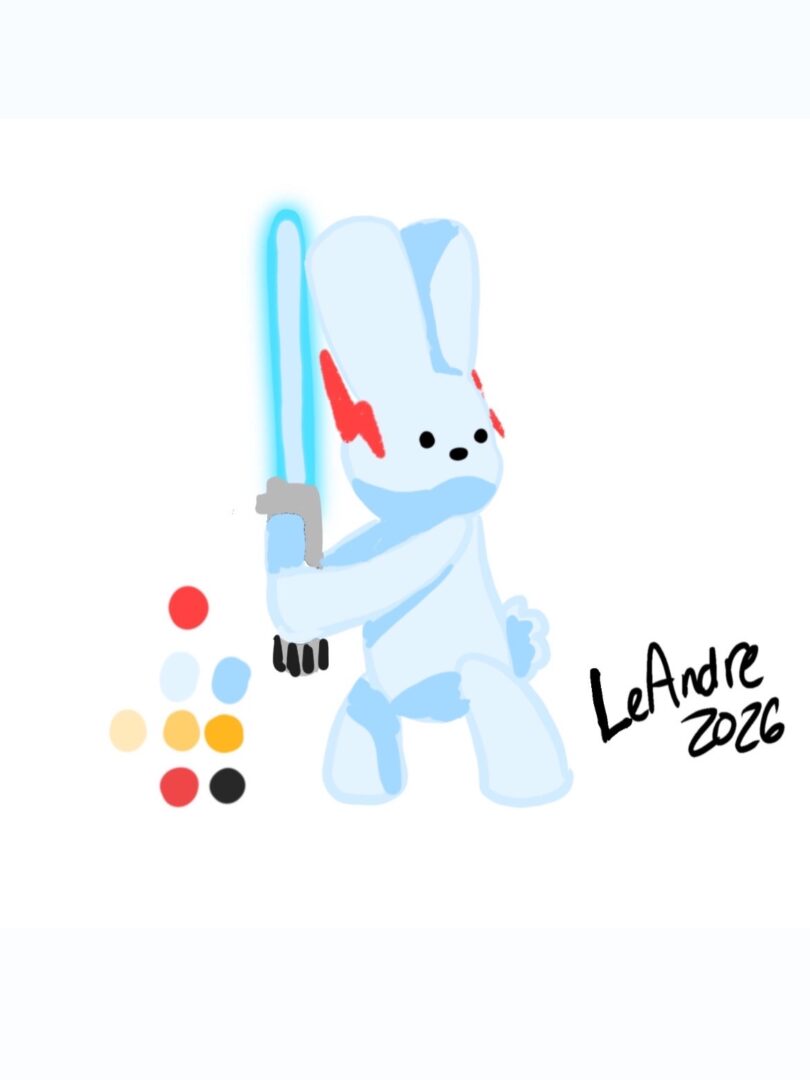
I create visual worlds through painting and design that blend storytelling, Black identity, and limitless imagination. My work often starts from a childhood curiosity for animation and world-building, which has grown into a practice of building a larger universe through characters, symbols, and narrative-driven imagery. What excites me most is the ability to turn ideas into spaces people can step into, where each piece feels like a fragment of a larger story rather than an isolated image.
Alongside my studio practice, I’ve been expanding LeAndre Studios as a way to bring these ideas into wearable form, building a bridge between fine art and clothing while maintaining the integrity of the visual universe I’m developing. I’m currently working on new prints and studio-based pieces that further explore this world, as well as preparing for upcoming activations and live art experiences that allow people to engage with the process in real time.
At the core of everything is the idea of building something that feels open, evolving, and immersive, where the audience isn’t just observing the work but becoming part of the story itself.
There is so much advice out there about all the different skills and qualities folks need to develop in order to succeed in today’s highly competitive environment and often it can feel overwhelming. So, if we had to break it down to just the three that matter most, which three skills or qualities would you focus on?
Three things have been most impactful in my journey: vision, consistency, and adaptability.
Vision is what gives everything direction. For me, it’s been about building a world rather than just making individual pieces. That clarity helps guide decisions even when things feel uncertain. My advice is to spend time developing what you’re actually trying to say with your work, not just what you’re trying to make. The stronger your internal world is, the less you rely on external validation.
Consistency is what turns ideas into something real. There were moments where progress felt slow or invisible, but showing up anyway allowed my work and identity to evolve over time. I’ve learned that discipline often matters more than motivation. Even small, repeated actions build momentum that eventually becomes noticeable growth.
Adaptability has helped me stay open while still staying true to my core. The path rarely looks the way you expect, and being able to adjust without losing your essence is important. I’ve learned to observe, learn from different spaces, and refine my approach without abandoning my voice.
For anyone early in their journey, I’d say build your vision first, commit to showing up consistently, and stay flexible enough to evolve without losing yourself in the process.
What would you advise – going all in on your strengths or investing on areas where you aren’t as strong to be more well-rounded?
I think it’s less about choosing one over the other and more about knowing which one gets priority at different stages. Early on, I lean toward going all in on strengths because that’s where your clearest signal is. Strengths are usually tied to instinct you don’t have to force them, they already feel natural. For me, that’s been visual storytelling and building worlds. When I focus there, the work feels alive and distinct in a way that’s hard to replicate.
At the same time, ignoring weaknesses completely can limit how far those strengths can go. I’ve had moments where my ideas were strong, but I didn’t have the structure, communication, or business understanding to fully support them. In those cases, improving weaker areas wasn’t about becoming “well-rounded,” it was about removing friction so my strengths could actually reach people.
I remember early on spending too much time trying to fix everything I wasn’t good at—thinking that would make me more professional. But it actually slowed me down and diluted my voice. Later, I shifted back toward focusing heavily on my visual world, while intentionally improving only the supporting skills I needed, like presentation, consistency, and how I communicate my ideas. That balance made a huge difference.
I think you should lead with your strengths because that’s where your identity lives, then be selective about your weaknesses—only improve the ones that directly unlock your ability to express or sustain those strengths. Everything else can come later, or not at all, depending on where you’re trying to go.
Contact Info:
- Website: https://www.leandrebarnett.com
- Instagram: leandrebarnett
so if you or someone you know deserves recognition please let us know here.


