Alright – so today we’ve got the honor of introducing you to Leslie Kell. We think you’ll enjoy our conversation, we’ve shared it below.
Hi Leslie, thank you so much for opening up with us about some important, but sometimes personal topics. One that really matters to us is overcoming Imposter Syndrome because we’ve seen how so many people are held back in life because of this and so we’d really appreciate hearing about how you overcame Imposter Syndrome.
I’m not sure imposter syndrome is something I’ve ever fully overcome—and I suspect many artists never stop questioning their place at the table.
Early on, someone looked at one of my most popular digital compositions and said, “That’s great, but can you paint it?” I answered honestly: “Why would I want to?” What lingered wasn’t the question itself, but the implication—that the work wasn’t quite “real” unless it fit a more traditional mold.
As a digital artist, and now as an artist working in the age of AI, that doubt is difficult to shake. Instead of trying to silence it, I’ve learned to use it. Imposter syndrome has become a tool rather than a verdict. It reminds me that I face an extra barrier to connection, not because my work lacks value, but because it challenges expectations.
So, I hold myself to an uncompromising standard. The work must be technically precise—because it can be—and emotionally undeniable –because it must be. I strive for that visceral, “wow” response, the moment when skepticism gives way to feeling. When the image connects, the medium no longer matters.
Imposter syndrome still shows up, but it no longer stops me. It sharpens my focus, pushes my craft, and ultimately helps me create work that reaches that quiet, magical space only compelling imagery can occupy.
Great, so let’s take a few minutes and cover your story. What should folks know about you and what you do?
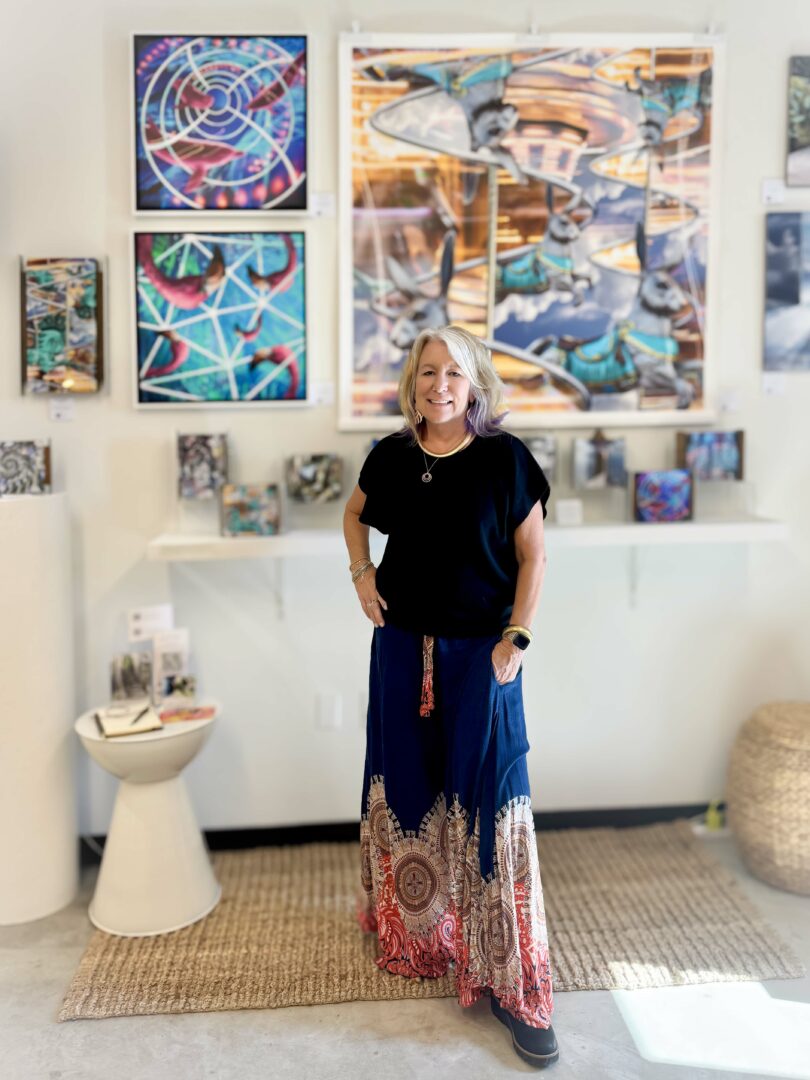
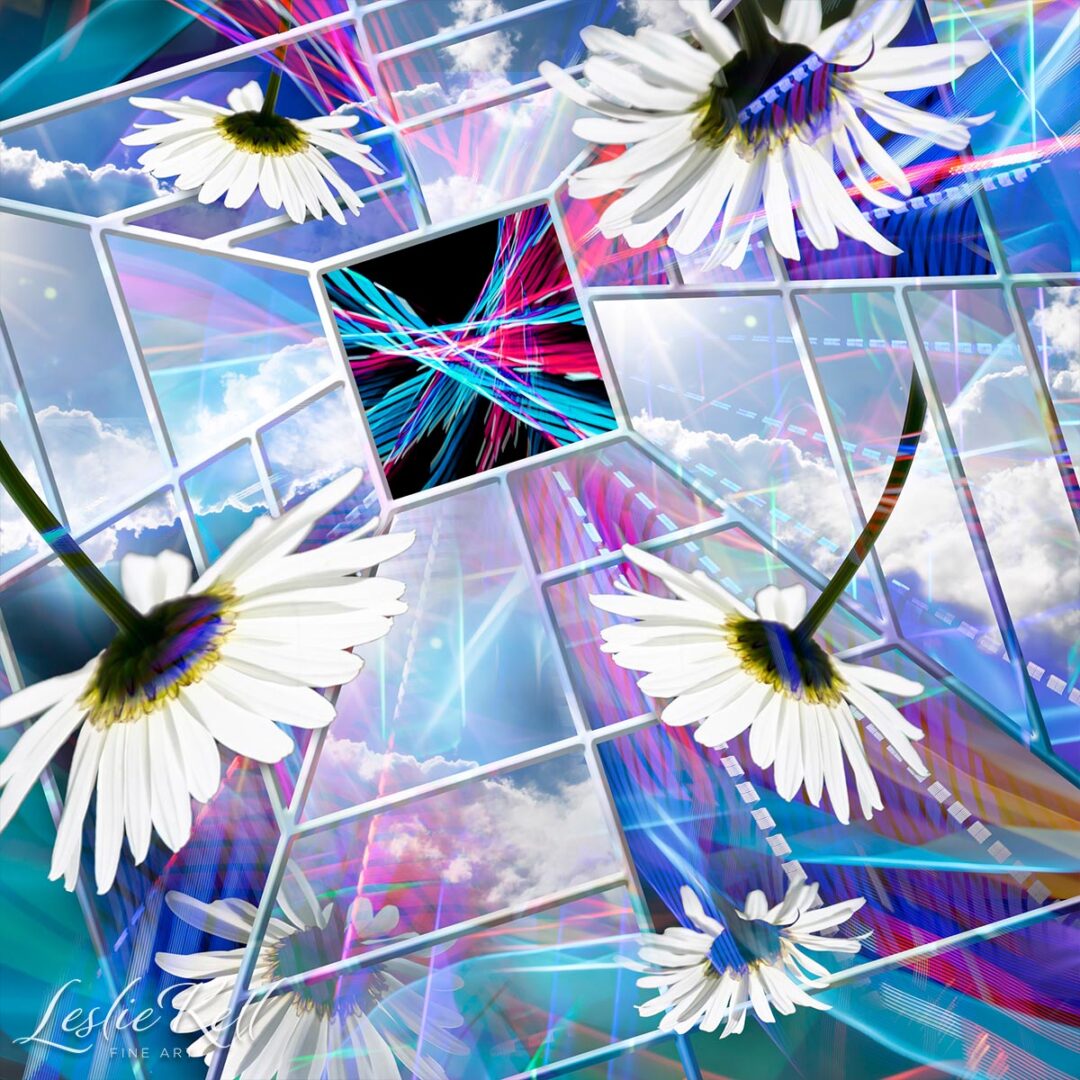
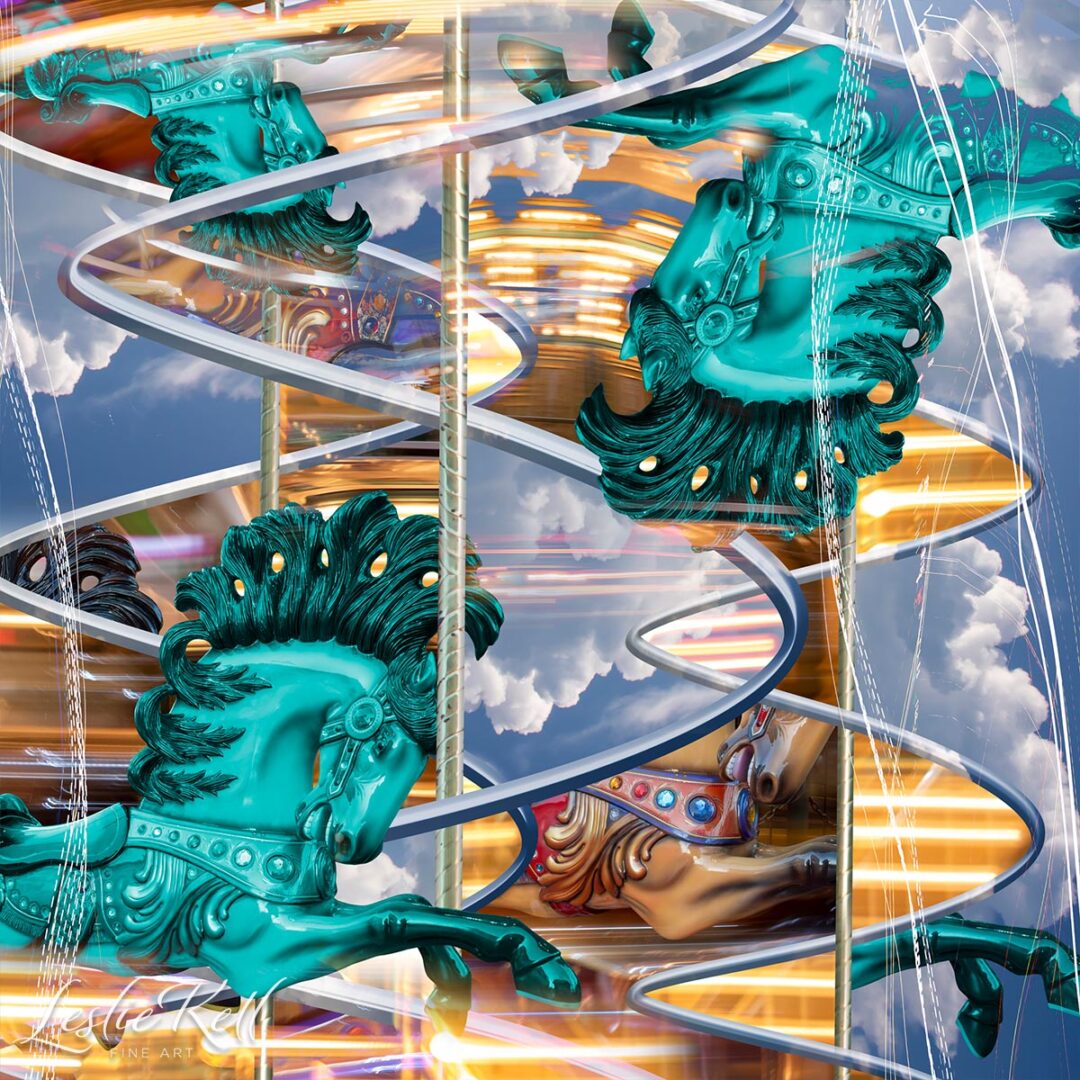
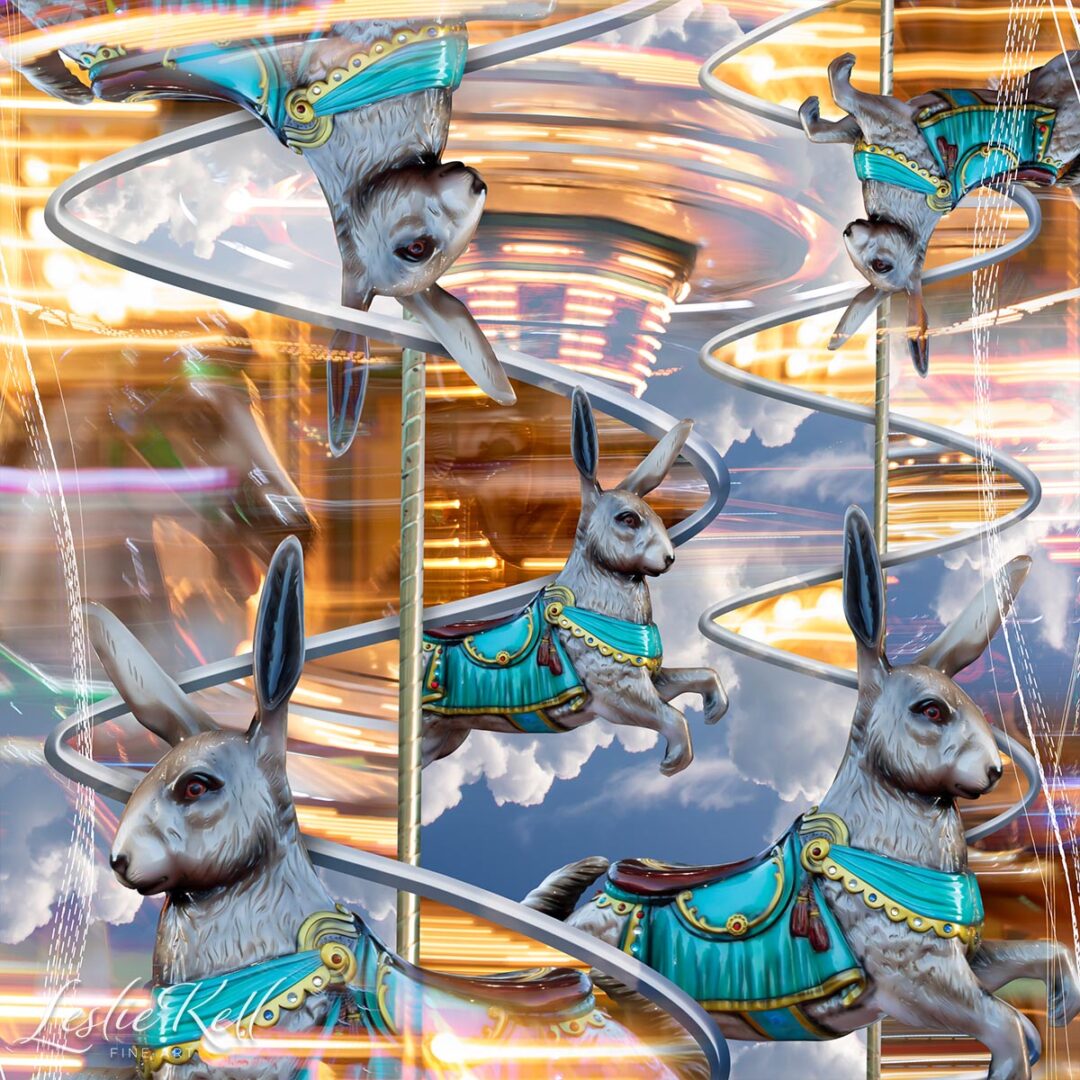
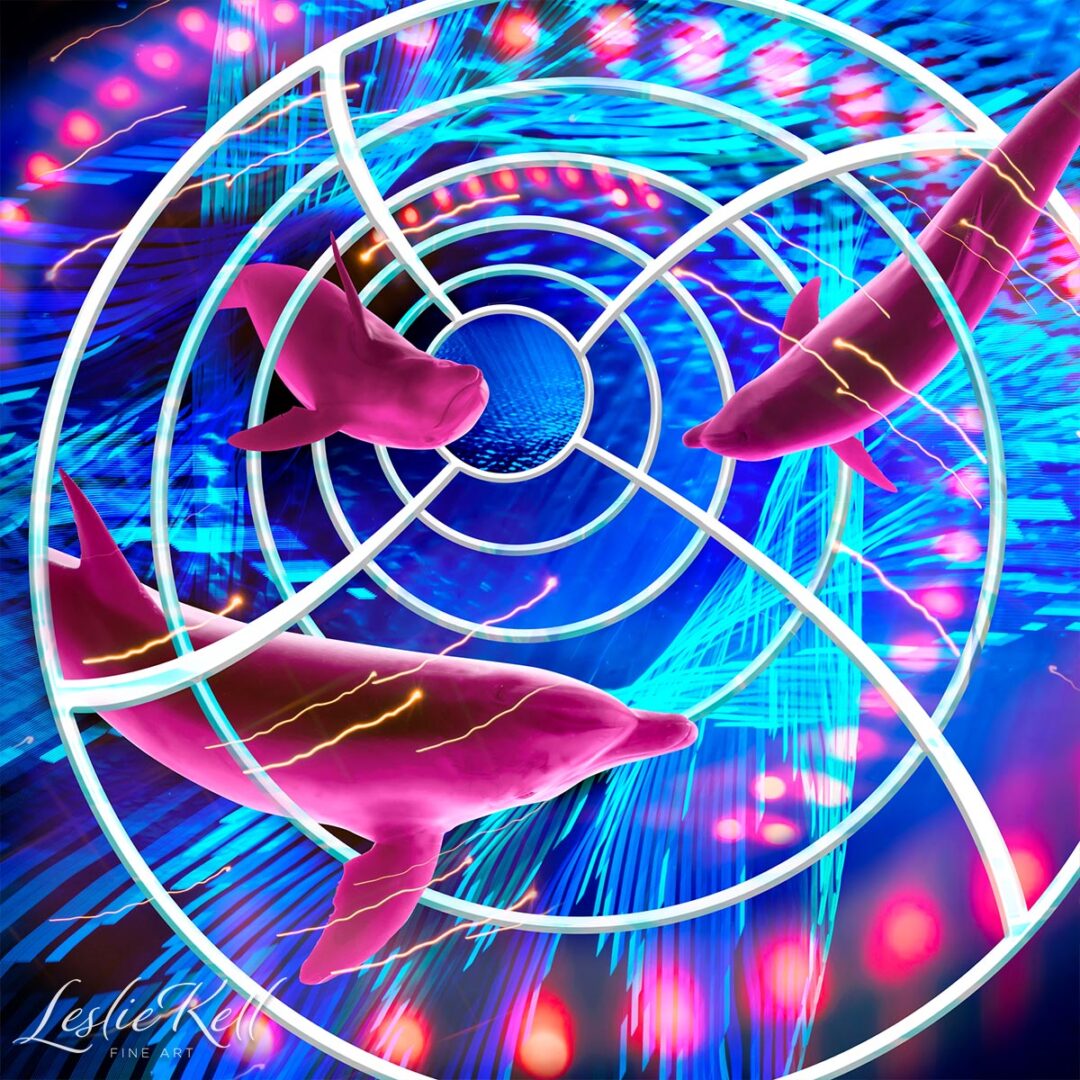
My professional focus is my artistic practice. As a creative, I’m drawn to making images that ask the viewer to slow down and look deeper—to discover layers of imagery that connect with their own memories, perspectives, and emotional sensibilities. I hope the work invites empathy: touching something familiar and comforting, while also encouraging exploration into the unknown.
My work lives at the intersection of design and photography. I create in series, each grounded in a central theme and visual narrative. Prose often plays a supporting role, helping to shape the emotional and conceptual arc of the work.
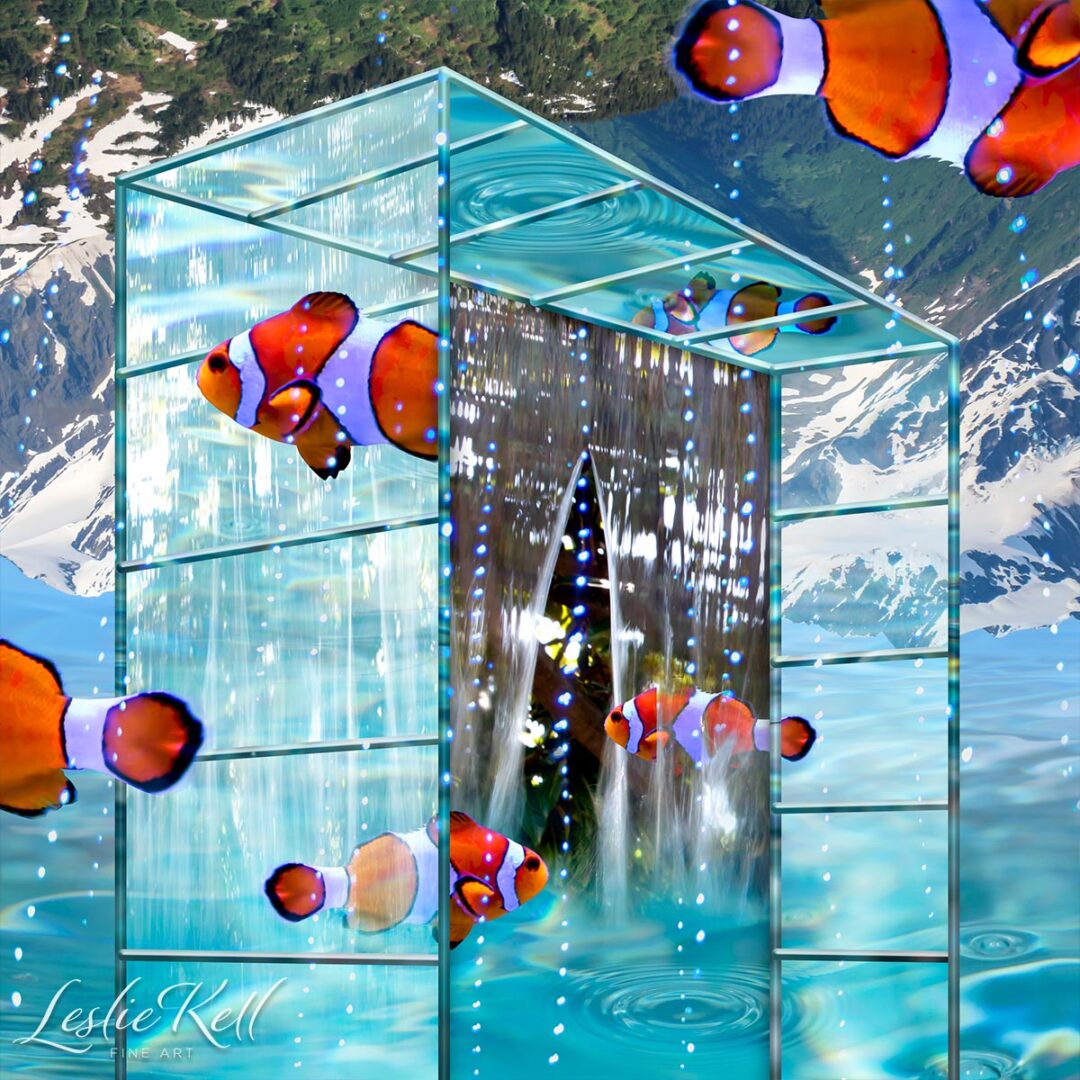
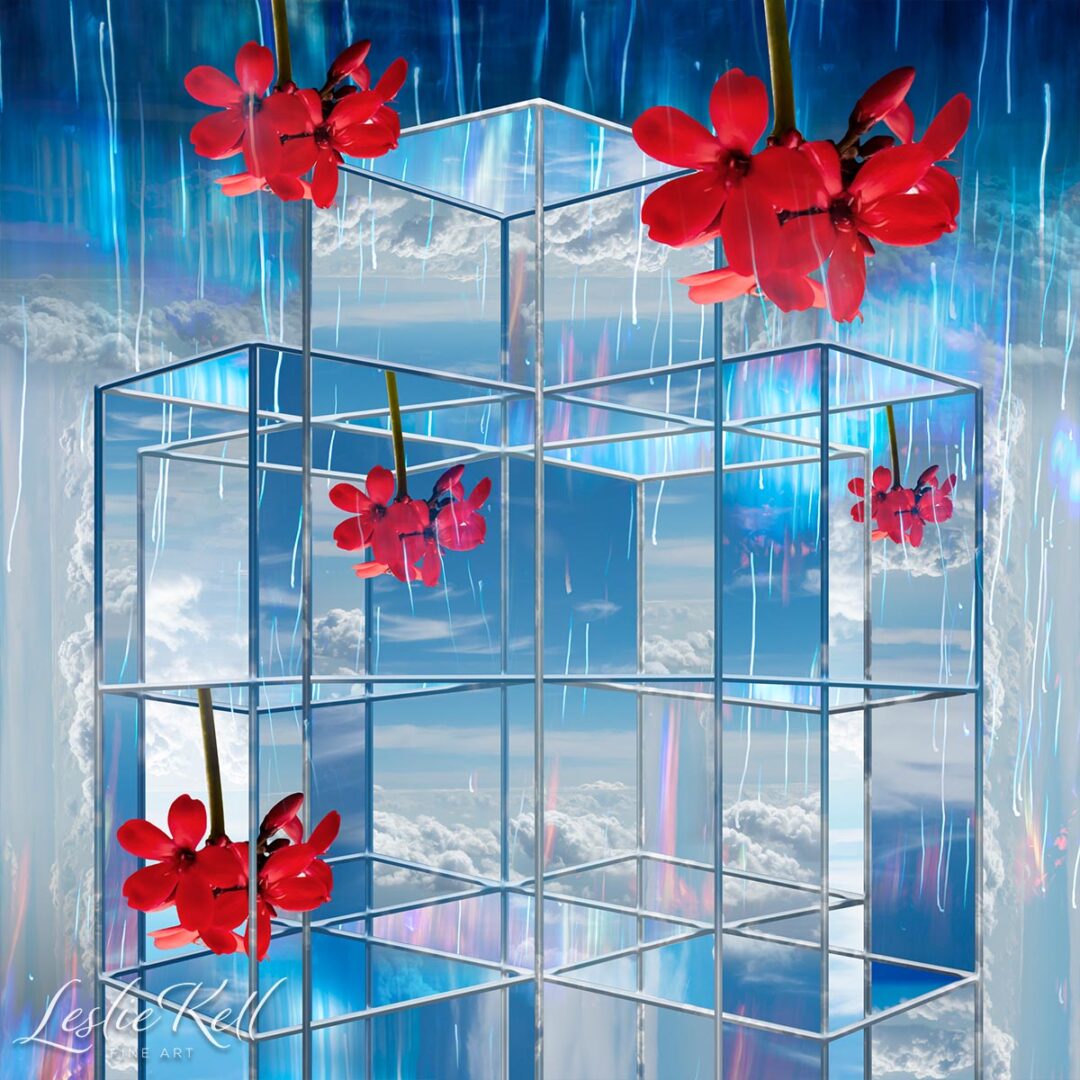
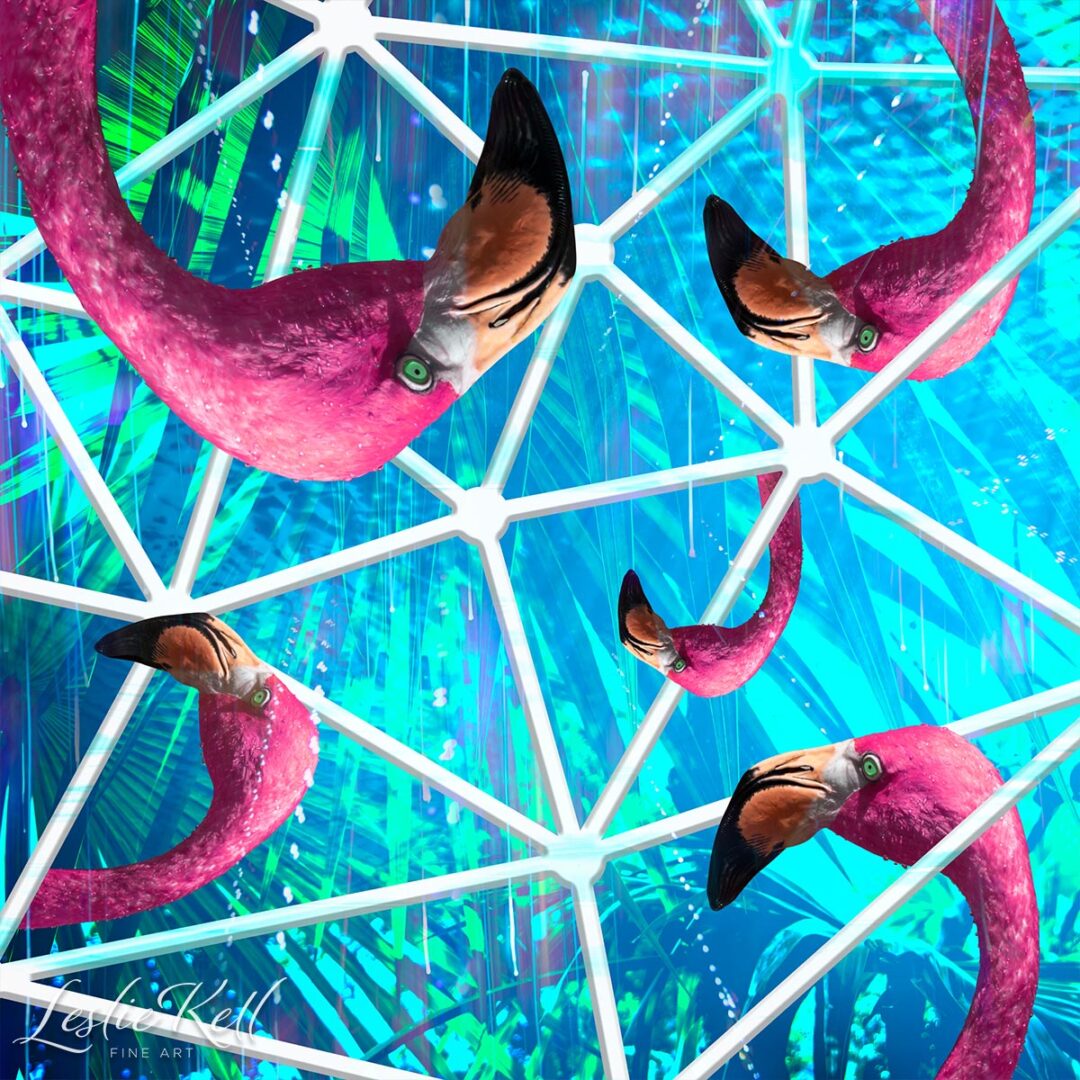
My most recent collection, Endless (featured in this article), marks a return to my surrealist roots while embracing a heightened intensity of color. My work has always been dense and vibrant, this series enters a level of luminosity I hadn’t fully realized before. The Endless collection can be explored online, with options to shop by collection or commission custom prints at LeslieKell.com/endless.
Looking back, what do you think were the three qualities, skills, or areas of knowledge that were most impactful in your journey? What advice do you have for folks who are early in their journey in terms of how they can best develop or improve on these?
Looking back, three qualities and skill sets have had the greatest impact on my journey.
First is determination paired with a strong work ethic. Creative work requires showing up consistently, even when motivation is low or the path feels unclear. For those early in their journey, build habits that support your practice and learn how to be your own advocate.
Second is technical skill. I spent decades working as a designer, developing fluency with tools and software and genuinely enjoying the technical side of the process. Not everyone loves this part, but mastery creates freedom. The more comfortable you are with your tools, the more fully you can focus on expression and experimentation.
Third is my background as a painter and illustrator. Traditional training shaped how I see composition, color, and form, and it continues to inform my digital work. Whatever your medium, grounding yourself in foundational skills will deepen your work and make it more resilient as technologies evolve.
Everyone’s journey is different. Our creative “soup” is varied, and our artistic DNA is unique. Understanding and honoring that is an essential building block. I once heard the advice, “Don’t stand in line with everyone else.” In other words, stop comparing yourself—it’s not helping. Looking at other artists’ work should be an exercise in inspiration and interpretation, not a way to measure your progress against theirs.
And to circle back to imposter syndrome: if you don’t see a seat for yourself, make your own table—and take your place at it.
Alright, so before we go we want to ask you to take a moment to reflect and share what you think you would do if you somehow knew you only had a decade of life left?
I’m 61 years old. It’s possible I only have a decade left—and that clarity is motivating rather than frightening. I want to make as much art as I can. I have more ideas, more questions, and more to say than ever before.
I want to travel to beautiful places and continue elevating my skills as a photographer and videographer. I want to spend meaningful time with my tribe, deepen my understanding of our shared existence, and create more work that invites the same pause, curiosity, and emotional connection I strive for in all of my imagery.
To make this possible, I will simplify. I’ll reduce commitments and distractions that don’t serve these goals, apply for artist residencies, and actively create opportunities—especially by doing the things that scare me. I’ll read more, learn more, and continue refining both my technical and expressive skills.
I don’t do resolutions. Instead, I choose a single word as a guiding theme for the year. My word for 2026 is “accountability”. For me, that means holding myself to the promises I make—to my work, my growth, and my creative voice. We all set goals and make lists, and then quietly let them slide. By putting mine into writing and sharing them here, I’m inviting you, dear readers, to help hold me accountable—so I can fully step into the work I still feel called to make.
Contact Info:
- Website: https://lesliekell.com/
- Instagram: https://www.instagram.com/lesliekell/
- Facebook: https://www.facebook.com/leslie.kell/
- Youtube: https://www.youtube.com/KellCreative
so if you or someone you know deserves recognition please let us know here.