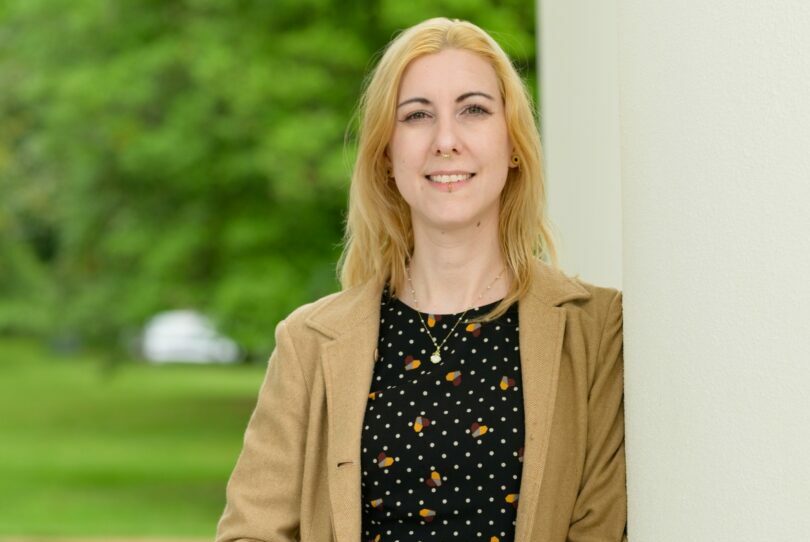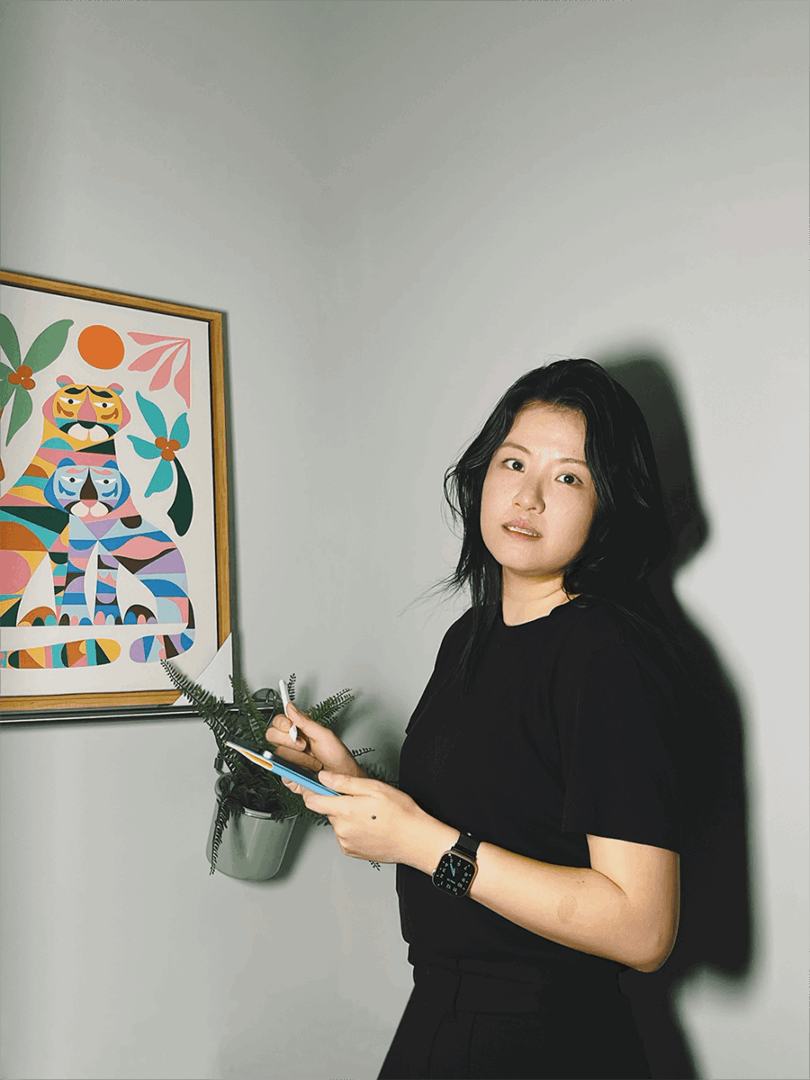
We were lucky to catch up with Lida Xu recently and have shared our conversation below.
Hi Lida, thanks for joining us today. Let’s jump right into something we’re very focused on here – improving our ability to make decisions. Everyday, we’re faced with decisions that can impact the future of our careers, businesses, relationships and more and so one of the most impactful areas for personal development, in our view, is decision-making. Can you talk to us about how you developed or improved your decision-making skills?
My decision-making skills developed largely through building things in the real world and letting outcomes correct me.
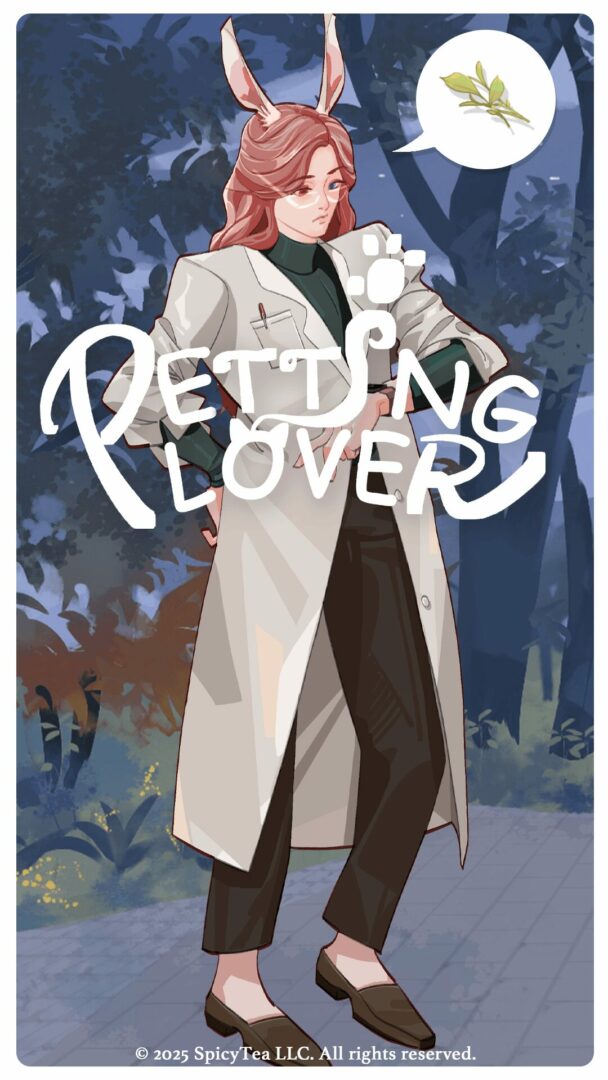
Early on, I tended to overthink decisions, especially creative ones. But once I started working on my indie game Petting Lover, I realized that most decisions only become meaningful after you see their consequences. Prototyping, testing, and releasing work forced me to choose, act, and then observe what actually worked instead of what I assumed would.
Over time, I shifted from seeking “perfect” answers to asking better questions: What’s the downside if this fails? What information will this decision give me even if it doesn’t succeed? That mindset helped me move faster and with more confidence.
I now treat decisions as part of an ongoing feedback loop rather than final judgments. Each choice becomes data for the next one. This approach not only reduced hesitation, but also made me more comfortable taking responsibility for outcomes—good or bad—and adjusting accordingly.
Thanks, so before we move on maybe you can share a bit more about yourself?
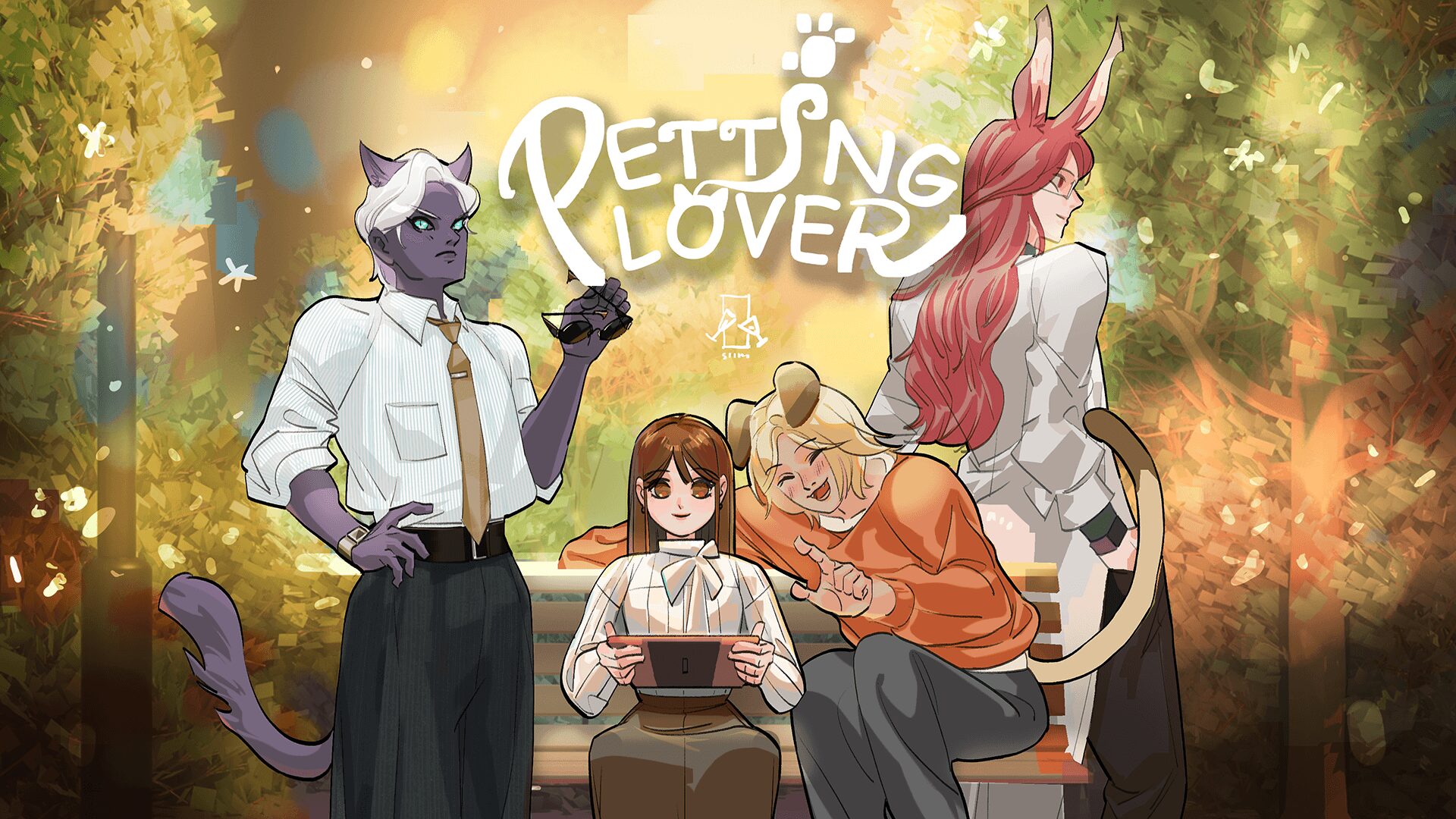
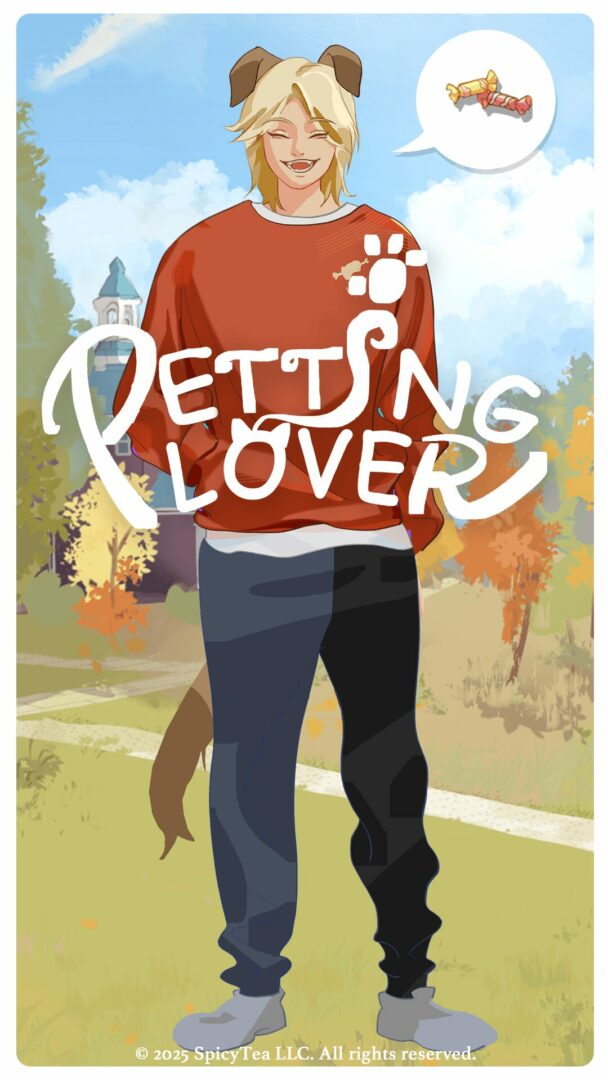
I’m a visual storyteller and indie game developer currently working on Petting Lover, a narrative-driven visual novel that blends character-focused storytelling with interactive choice and emotional pacing. My background is in visual arts and animation, so I approach games less as technical products and more as living stories, where visuals, timing, and player agency all work together to shape how emotions unfold.
What excites me most about this work is the ability to tell intimate, psychologically grounded stories in a format that invites participation. Unlike linear media, games allow players to make decisions, hesitate, and reflect — and I’m deeply interested in how those moments of choice mirror real-life decision-making and emotional complexity.
Right now, I’m polishing the final demo for Petting Lover and preparing for an upcoming Kickstarter launch. This stage has been especially meaningful, as it’s where ideas turn into something tangible and shareable, and where feedback from players begins to shape the work in unexpected but rewarding ways.
If you had to pick three qualities that are most important to develop, which three would you say matter most?
Looking back, three things have been especially important in my journey: the ability to think in systems, the willingness to experiment and adjust quickly, and long-term persistence.
First, system thinking helped me move beyond just making things I liked, to building projects that could actually grow. Whether it’s visual storytelling or game development, understanding how different parts connect – art, narrative, technology, and audience – has been essential.
Second, learning to experiment without over-attaching to any single decision made a huge difference. I often treat choices as small tests rather than final answers. This mindset reduced fear, increased speed, and helped me improve through feedback instead of perfectionism.
Finally, persistence matters more than motivation. Progress rarely comes from one big breakthrough, but from showing up consistently and continuing even when results are slow or unclear.
For anyone early in their journey, I’d suggest focusing less on doing everything “right” and more on building repeatable habits, testing ideas in small ways, and giving yourself enough time to grow into the work.
What has been your biggest area of growth or improvement in the past 12 months?
Over the past year, my biggest area of growth has been learning how to move from exploration to execution.
I’ve always been comfortable generating ideas and experimenting, but this year I focused on turning unfinished concepts into tangible milestones — playable demos, structured workflows, and clear next steps. That meant learning when to stop optimizing, when to make a decision with imperfect information, and when to commit.
I also became much more intentional about how I spend my time and energy. Instead of working only when inspiration strikes, I now rely on smaller, repeatable actions and feedback loops to maintain momentum. That shift has helped me stay grounded, finish more work, and feel more confident about long-term projects.
Contact Info:
- Website: https://www.lidaxu.com/
- Other: https://xlllida.itch.io/petting-lover
https://www.kickstarter.com/projects/1436151449/petting-lover


Image Credits
Lida Xu
so if you or someone you know deserves recognition please let us know here.