
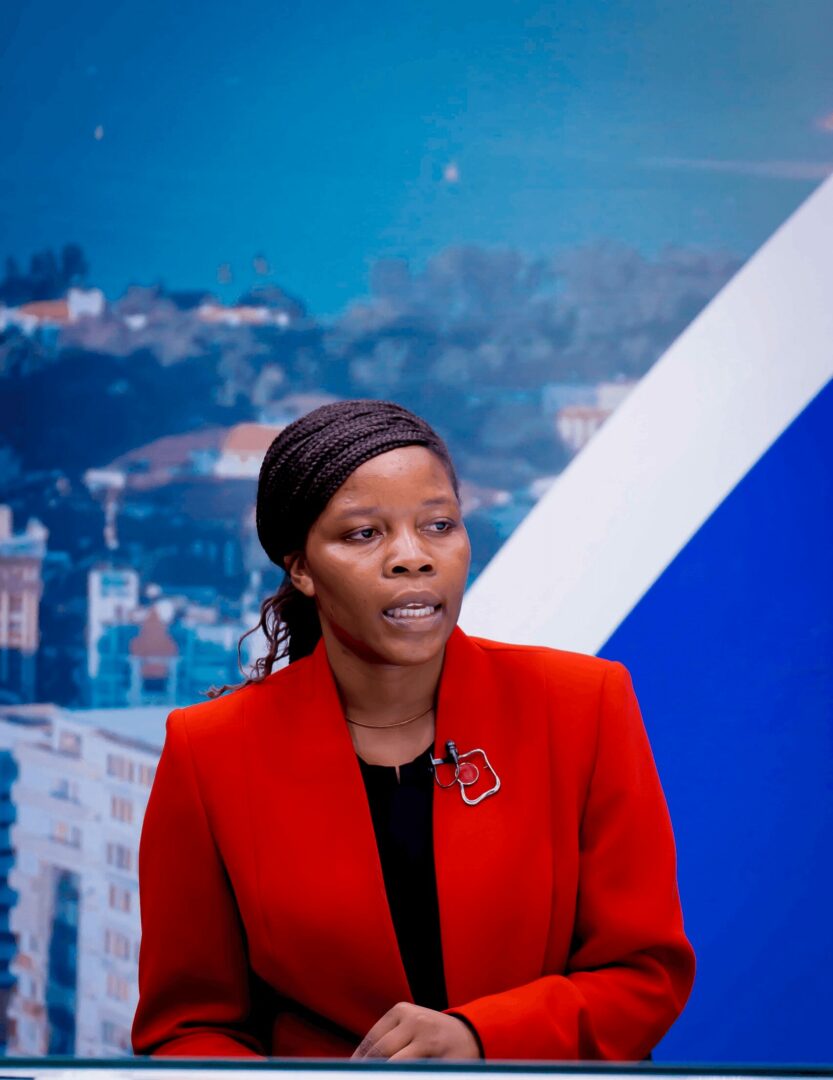
We recently connected with LIDIA BIMBIGA and have shared our conversation below.
LIDIA, thank you so much for joining us today. Let’s jump right into something we’re really interested in hearing about from you – being the only one in the room. So many of us find ourselves as the only woman in the room, the only immigrant or the only artist in the room, etc. Can you talk to us about how you have learned to be effective and successful in situations where you are the only one in the room like you?
I remember walking into a leadership meeting where I was the youngest and the only one who looked like me. When it was time to introduce myself, the room paused. A few surprised faces, a couple of quick glances exchanged. For a second, I felt like I had to prove I belonged there before I even spoke.
But instead of explaining myself, I kept it simple. I said my name, my role, and what I was focused on achieving. Then I moved on. That small choice changed everything it shifted attention away from how I looked and toward the value I brought.
Early on, I tried hard to “fit the room.” I adjusted how I spoke, how I presented, even how I held back ideas. But I realized that blending in made me less effective, not more. What actually worked was clarity and preparation. Before every meeting, I made sure I knew exactly what point I wanted to land and what decision I was pushing for.
When I finally spoke, I didn’t overtalk. I led with my conclusion, supported it with a couple of solid points, and stopped. At first, it felt too direct but that clarity earned attention. People began to listen, not because I fit their expectations, but because I was consistent and focused.
There were still moments of doubt, of course. Being the only one can feel heavy. But I learned not to carry every reaction or read too much into silence or surprise. Instead, I grounded myself in my work and results.
Over time, the room adjusted. The surprise faded, and respect took its place. I realized I didn’t need to look like everyone else to succeed, I just needed to show up prepared, speak with purpose and stay consistent.
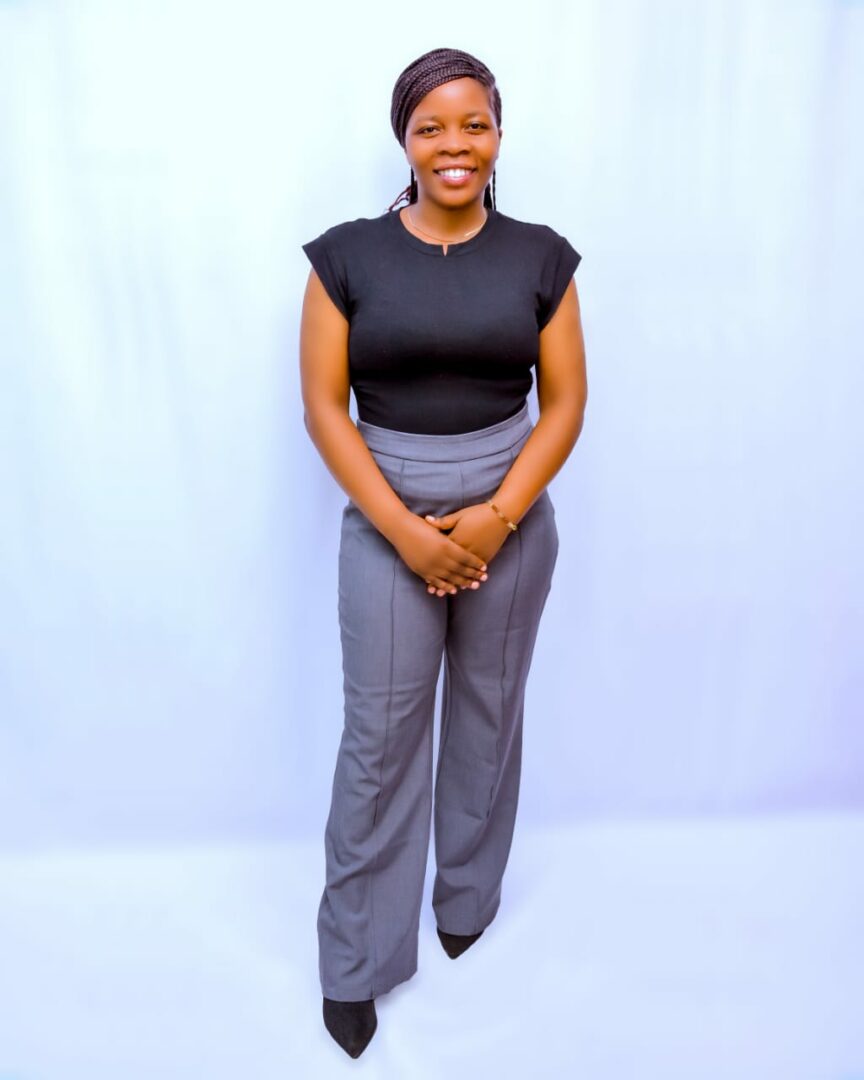
Appreciate the insights and wisdom. Before we dig deeper and ask you about the skills that matter and more, maybe you can tell our readers about yourself?
My name is Lidia Stahili Bimbiga, a Pharmaceutical Technician turned youth development practitioner, based in Dar es Salaam, Tanzania.
My journey has never been linear—it has been purpose-driven. I began my professional path in pharmacy, believing that healthcare was confined to hospitals and clinics. However, through consistent community engagement—especially with young people, women, and vulnerable groups—I discovered that true healing and transformation often begin far beyond medical spaces.
What started as volunteering during my free time quickly evolved into a calling. I found myself deeply connected to issues around Sexual and Reproductive Health and Rights (SRHR), gender-based violence (GBV), mental health, and youth empowerment. Today, I proudly serve as an Managing Director, SRHR Champion, GBV Advocate, mentor and grant writing consultant, while currently pursuing a Commonwealth Diploma in Youth Development Work.
I am also the founder of the Muwezeshe Campaign, an initiative focused on community empowerment, health education, and mentorship. Through this platform, I have impacted over 300 individuals and mentored more than 20 young people helping them build confidence, access knowledge, and pursue better opportunities.
What excites me most about my work is the transformation I witness when someone shifts from doubt to confidence, from silence to voice. That is where real impact lives.
Currently, I am expanding my work through more structured programs, partnerships, and capacity-building initiatives, while also offering grant writing consultation to support impactful projects.
My brand is built on one belief: success is not measured by titles, but by the lives you transform.
If you had to pick three qualities that are most important to develop, which three would you say matter most?
Looking back, three qualities have shaped my journey the most: curiosity, consistency, and courage.
Curiosity was where everything began. From a young age, I asked questions, explored deeply, and refused to accept things at surface level. That mindset helped me understand people, communities, and the real challenges they face. It also allowed me to see gaps especially in youth empowerment, SRHR, and gender-based violence that many people overlook. My advice to anyone starting out is simple: never stop asking why. Curiosity opens doors that qualifications alone cannot.
Consistency is what turned small actions into meaningful impact. I didn’t start with a big platform or resources I started by showing up. Weekend after weekend, I volunteered, engaged communities, and kept learning. Over time, those small, consistent efforts built trust, experience, and credibility. For early-stage professionals, don’t underestimate the power of showing up repeatedly. Growth is not always loud it is often built quietly over time.
Courage was the turning point. Choosing to shift from pharmacy into youth development and community work was not easy. It meant stepping away from a traditional path into something uncertain. But I learned that purpose often requires uncomfortable decisions. Courage is not the absence of fear it is acting despite it.
If there is one thing I would tell anyone starting their journey, it is this: you don’t need to have everything figured out. Start where you are, stay consistent, and be brave enough to follow what truly matters to you
To close, maybe we can chat about your parents and what they did that was particularly impactful for you?
That’s a beautiful question—and in my case, the impact wasn’t just in what my parents said, but in what they allowed me to become.
The most impactful thing my parents did for me was giving me the freedom to be curious, even when it was not always easy for them. As a child, I asked endless questions. I wanted to understand everything—why things worked the way they did, why people behaved the way they did. Sometimes it was overwhelming, even frustrating for them, but they didn’t shut that part of me down. They allowed me to explore, to think, and to express myself.
That freedom shaped my confidence very early in life.
They also trusted me before the world did. I remember starting school earlier than expected—small, young, and not what people would assume as “ready.” But instead of holding me back, they supported that step. That trust sent a powerful message: you are capable.
Looking back, I realize they didn’t just raise me—they created an environment where I could grow into myself. They didn’t try to control every path I took; they allowed me to discover it.
My advice to anyone early in their journey is this: if you have people who believe in you, don’t take it lightly. And if you don’t, learn to build that belief within yourself. Confidence often starts with permission—either given by others or created by you.
For me, my parents gave me that permission very early. And that made all the difference.
Contact Info:
- Instagram: https://www.instagram.com/lydia.bimbiga/
- Facebook: https://www.facebook.com/lydia.bimbiga
- Linkedin: https://www.linkedin.com/in/lidia-bimbiga-7373492a8/
Image Credits
Image Credit: Lidia Stahili Bimbiga
so if you or someone you know deserves recognition please let us know here.


