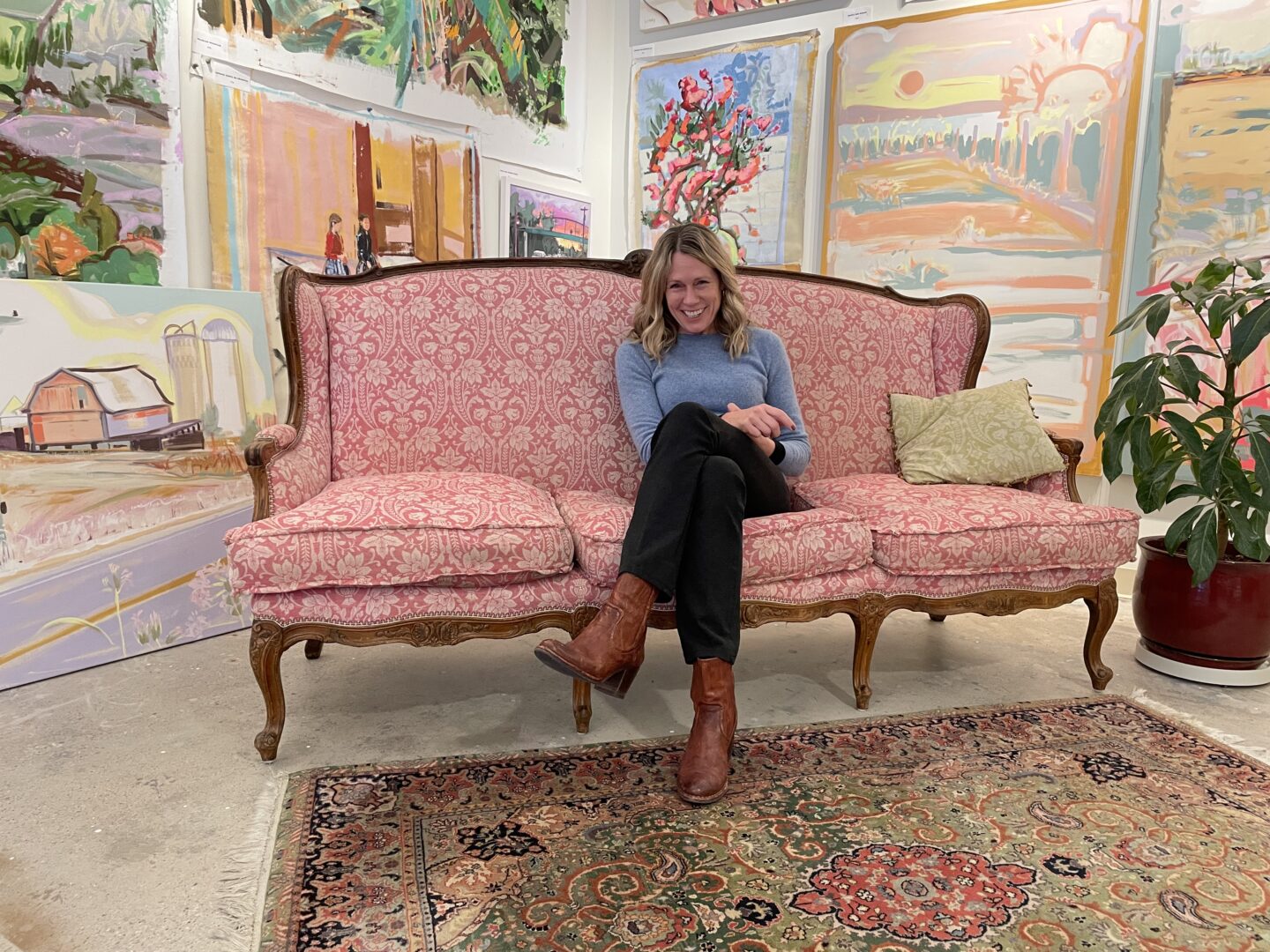
We caught up with the brilliant and insightful Lindy Bishop a few weeks ago and have shared our conversation below.
Alright, so we’re so thrilled to have Lindy with us today – welcome and maybe we can jump right into it with a question about one of your qualities that we most admire. How did you develop your work ethic? Where do you think you get it from?
Work was an essential part of growing up in a family of six kids. Everyone was expected to pitch in with daily chores and seasonal responsibilities to take care of meals, the house and yard. My Father on a teacher’s income and Mother’s work unpaid (ski patroller and stay-at-home mom) meant the sooner you could work outside of the home and buy your own clothes and things the better. Plus, working meant you could afford little pleasures in teenage discretionary spending such as make up, snacks/ice cream (we didn’t have coffee shops), a ten speed bike, ski goggles, concert tickets, and art supplies! Making things was also a part of work and time spent. We didn’t have a TV so creative projects were an essential part of how we spent our time. I started babysitting at 10. My first job was at 14 cleaning rooms for a small hotel with my best friend. I saved all summer and bought a 10 speed Record Raleigh. Luckily, living in a tourist area, summer jobs were easy to find and I quickly learned that waiting tables paid the best so most of my summer jobs were in restaurants. I played sports in high school. It taught me that getting good at something required working on it— and, teamwork was some of the most satisfying work of all. Going to college was only available if I was willing to pay for it myself, so I worked throughout four years of college and during the summers between. The satisfaction of having my own income and the idea I was taking pressure off my parents was positive reinforcement for a strong work ethic throughout my younger years. Later in life, working hard allowed me to provide for my three kids as a single mom and see growth, development and sustainability in my art.
Thanks, so before we move on maybe you can share a bit more about yourself?
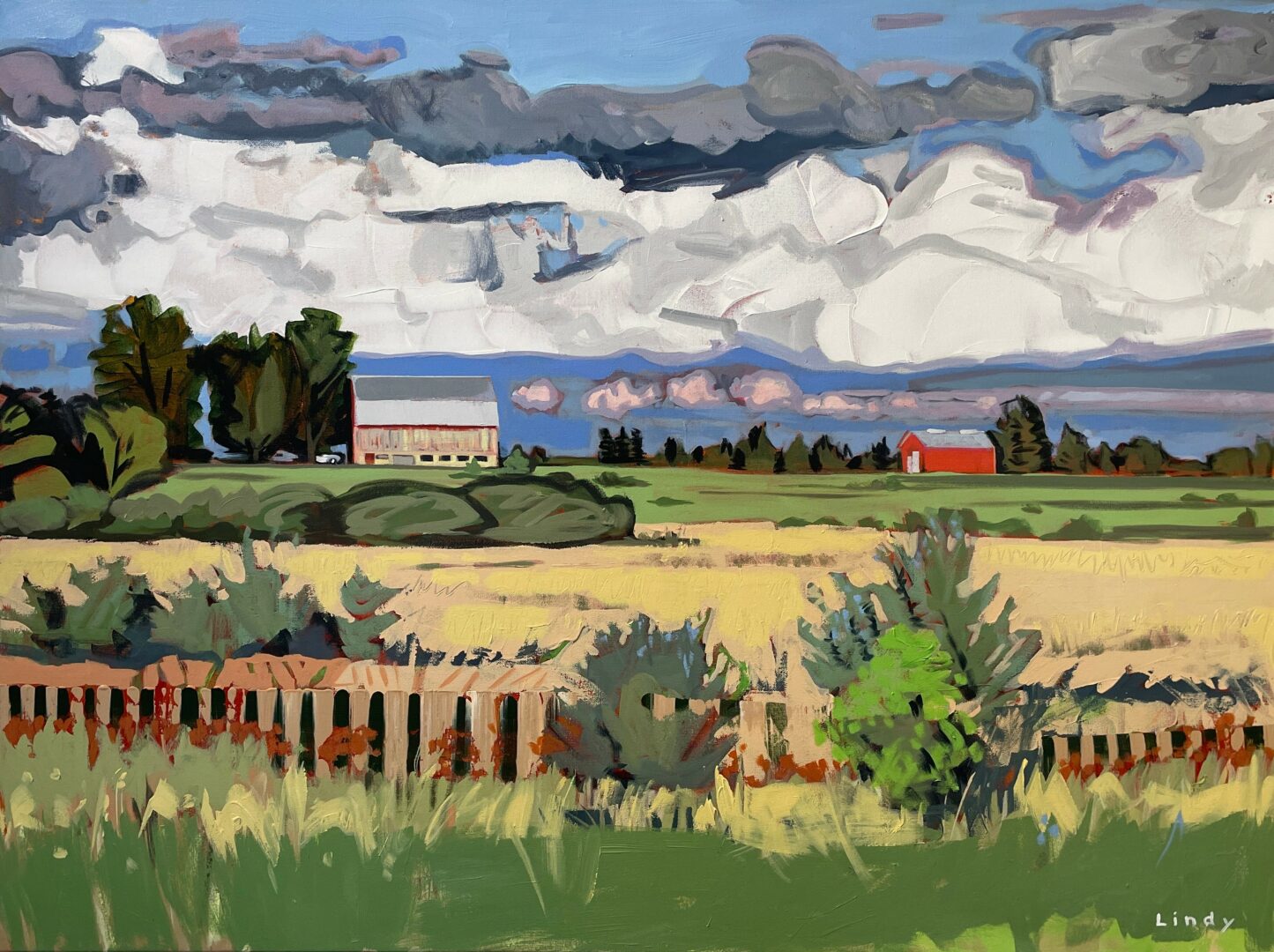
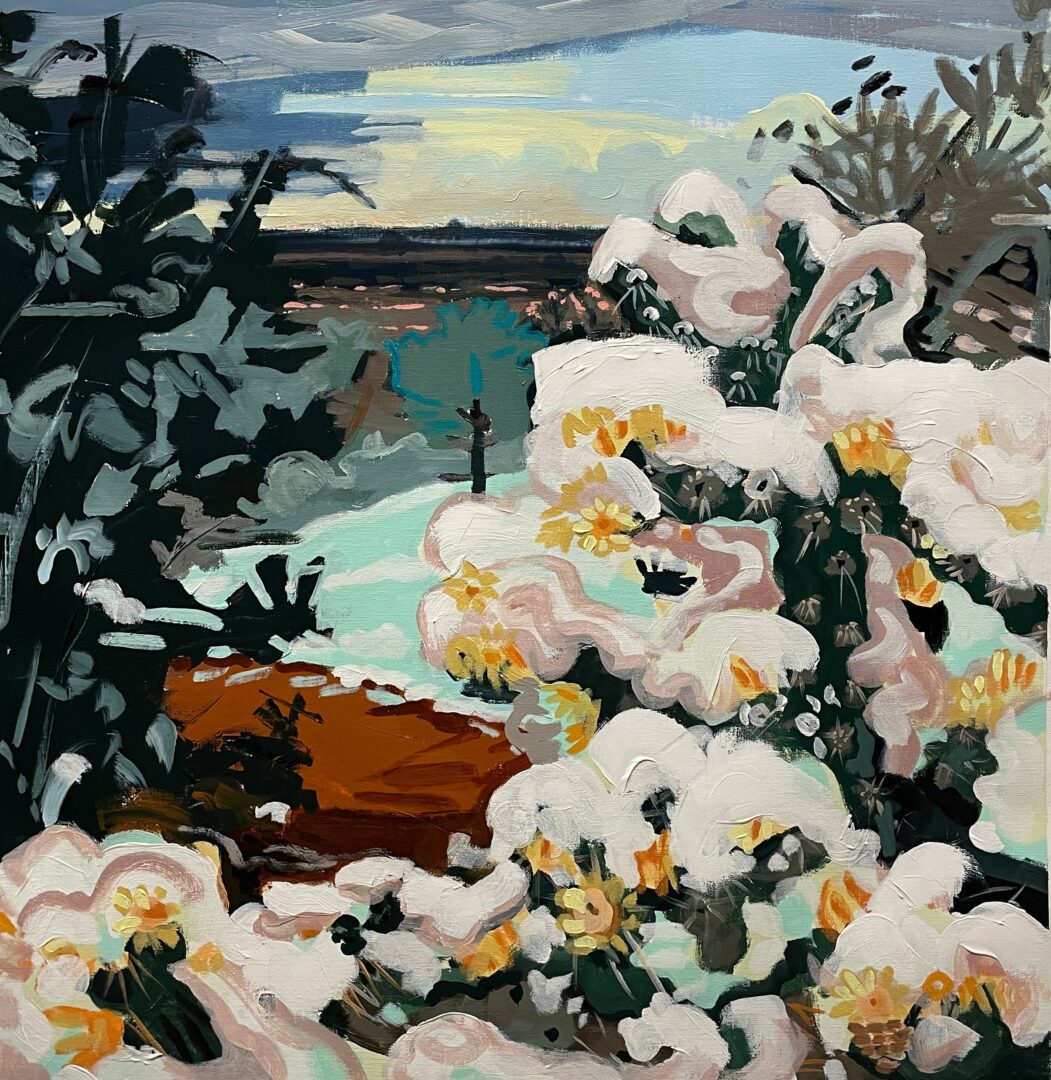
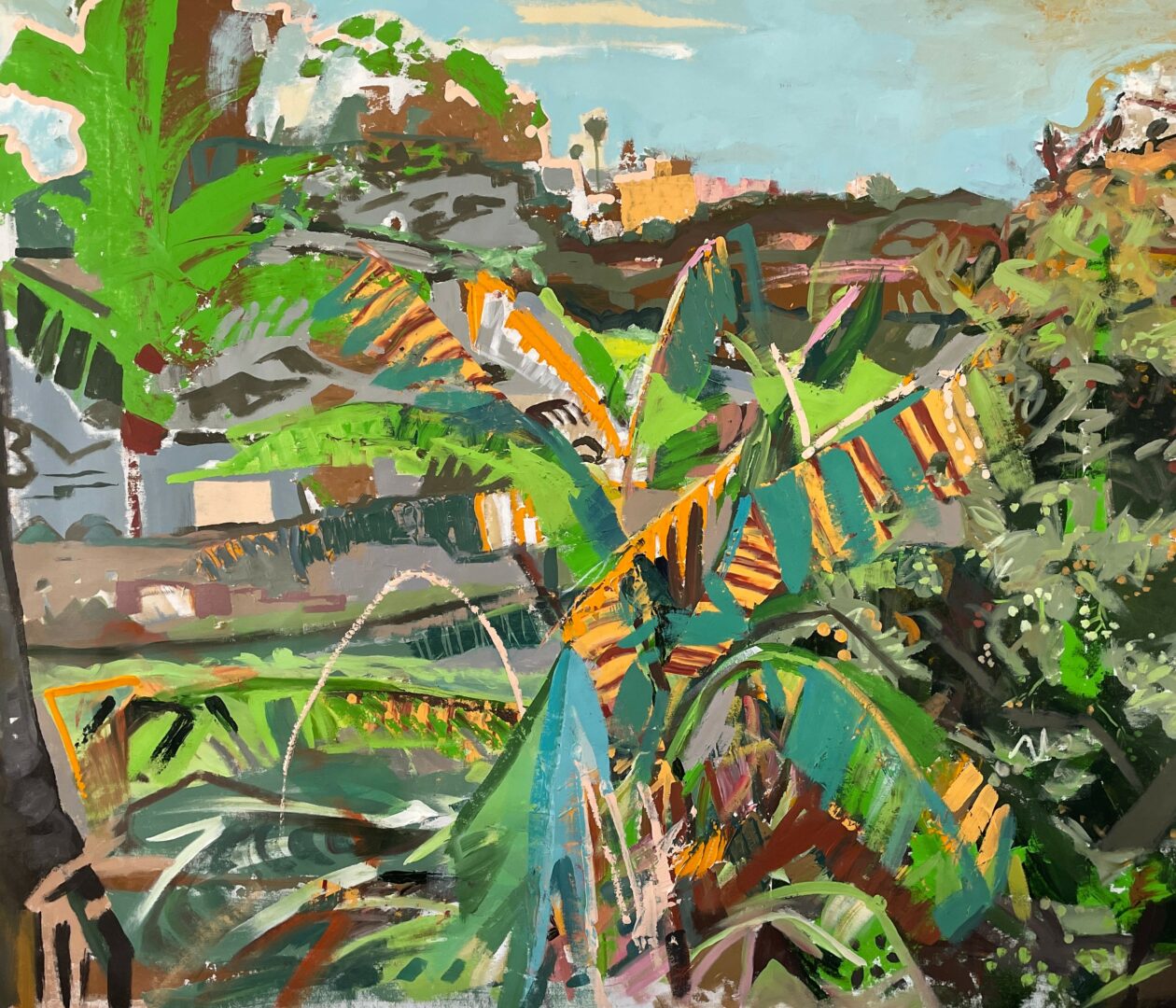
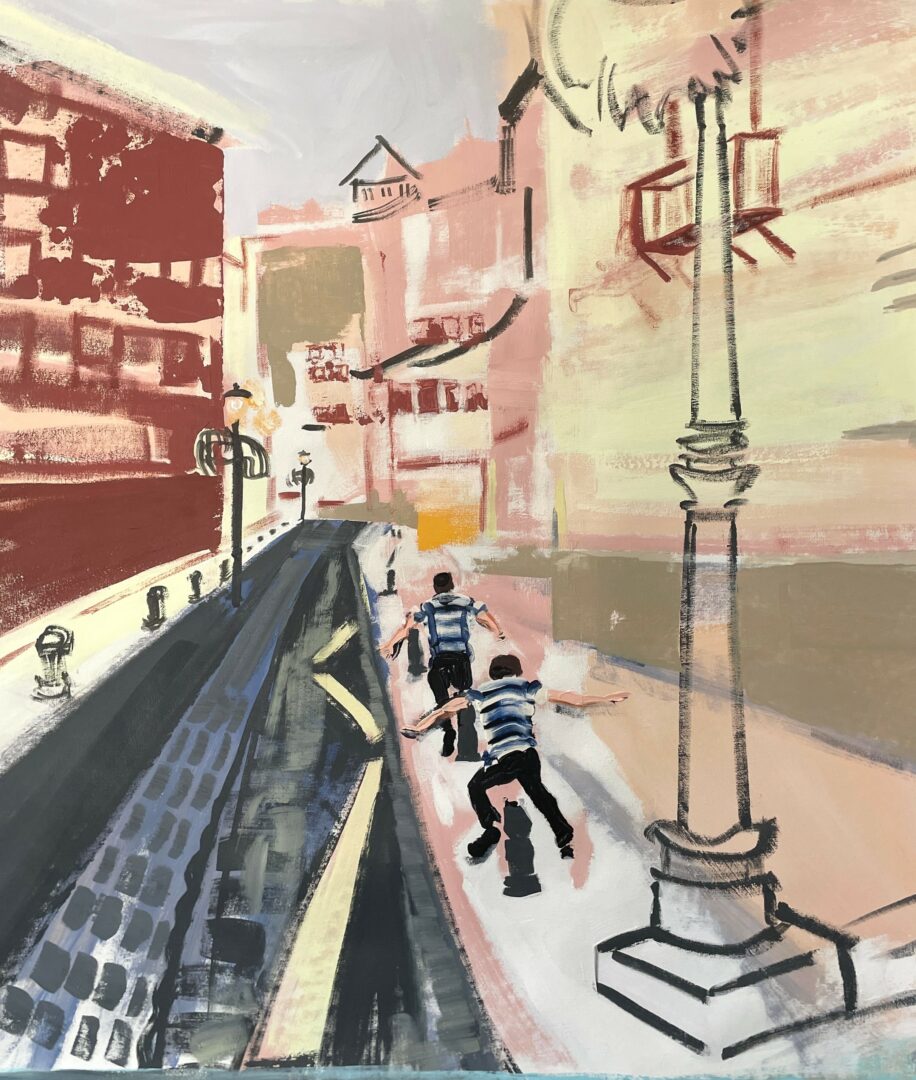
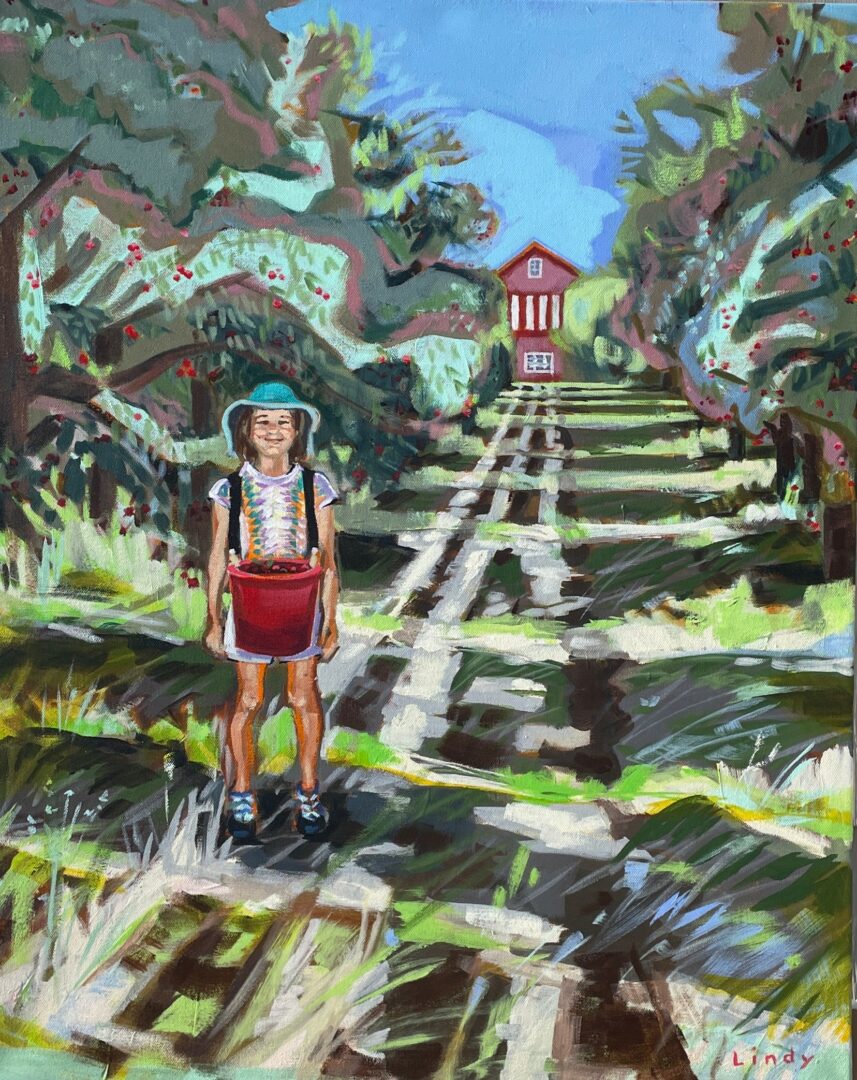
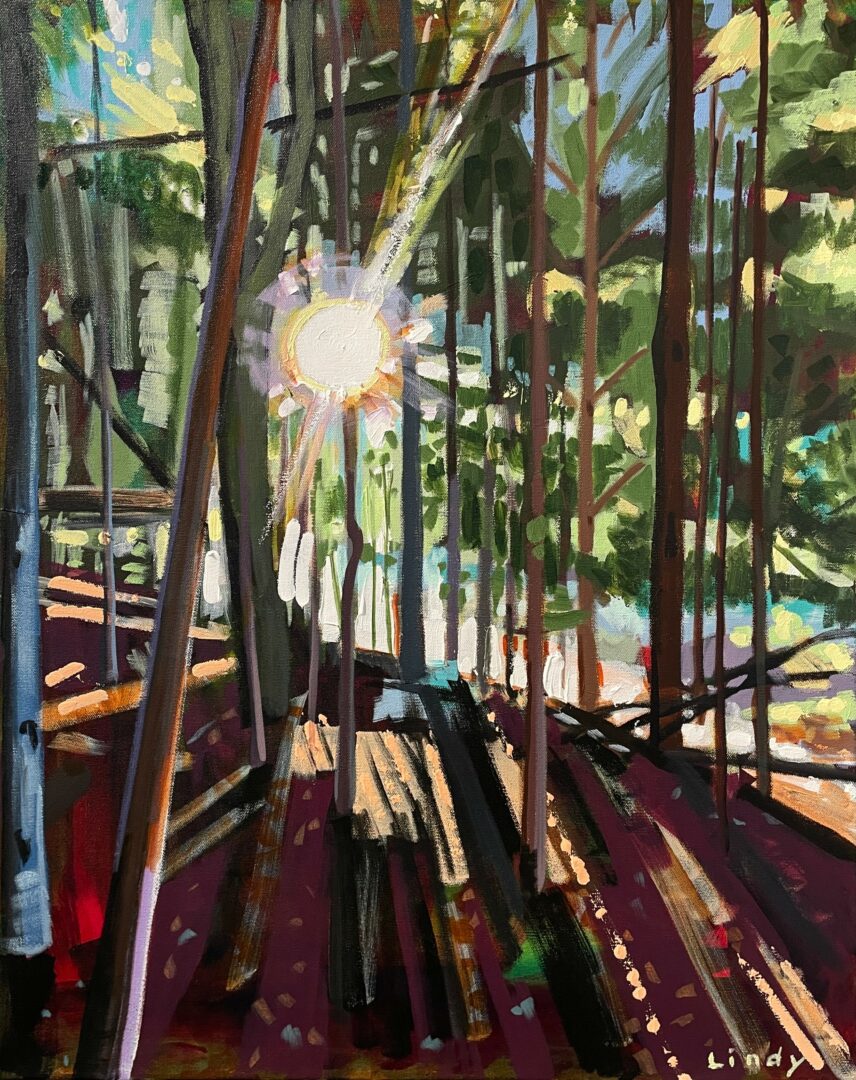
I came into my own as an artist at first moonlighting while providing for my family with a variety of fun and interesting jobs (I had a previous career in advertising account management)— from economic development director, executive director of a non-profit, marketing research for a venture capital firm to marketing director of the National Writers Series. As sales and capabilities with my art grew, as well as my kids, I was able to gradually flip my art career to full-time over the past six years. I’m at a place where I would like to grow my work through artist residencies. My paintings are about celebrating the land, what it grows and how it feeds us. I believe my role as an artist in rural America is to cross-pollinate with other cultures, communities, art and artists, youth and technology. With that, I’d like to bring hope and healing. Having worked in Uganda, South Africa, Costa Rica and Spain, I see a movement percolating, similar to American Regionalism which grew out of the Great Depression— but more expressive and more global. That’s what I want to be a part of. My aim is to inject a distinctive, engaging energy in my work. I’m inspired by artists Wayne Thiebaud, David Hockney and the Canadian Seven who anchor me. I don’t think art has to be happy to be good, but I want mine to be both. My next art residency is in Kathmandu, Nepal at Gallery Mcube for the month of April this year. I will also be working with kids at the early childhood development center while there.
If you had to pick three qualities that are most important to develop, which three would you say matter most?
1. Lead an interesting life.
2. Nurture sincere relationships
3. Show up and do the work
Early stage artists need capital and a place to do their work to gradually transition towards a serious practice. There is not a clear recipe on how those two things come together. Life brings different skills, people, opportunities to us. But having a clear vision towards having those two things somehow makes it all the more possible.
Alright so to wrap up, who deserves credit for helping you overcome challenges or build some of the essential skills you’ve needed?
I have been zoom calling once a week for the past four years (started in Covid) with two artists: Rachael VanDyke and Jodi Ferrier, whom I have also travelled with on two art residencies. We share everything on our calls and time together from life as artists to topics of interest in art and experiences. Their support, sharing, encouragement and inspiring lives/work have been a saving grace in overcoming doubts, lulls and discouragements. They compel me to keep working, keep trying— to show up and do unique and good work.
Contact Info:
- Website: https://www.lindybishop.com
- Instagram: https://www.instagram.com/lindybishopart/
- Facebook: https://www.facebook.com/LindyBishopArt/
- Linkedin: https://www.linkedin.com/in/lindybishop/
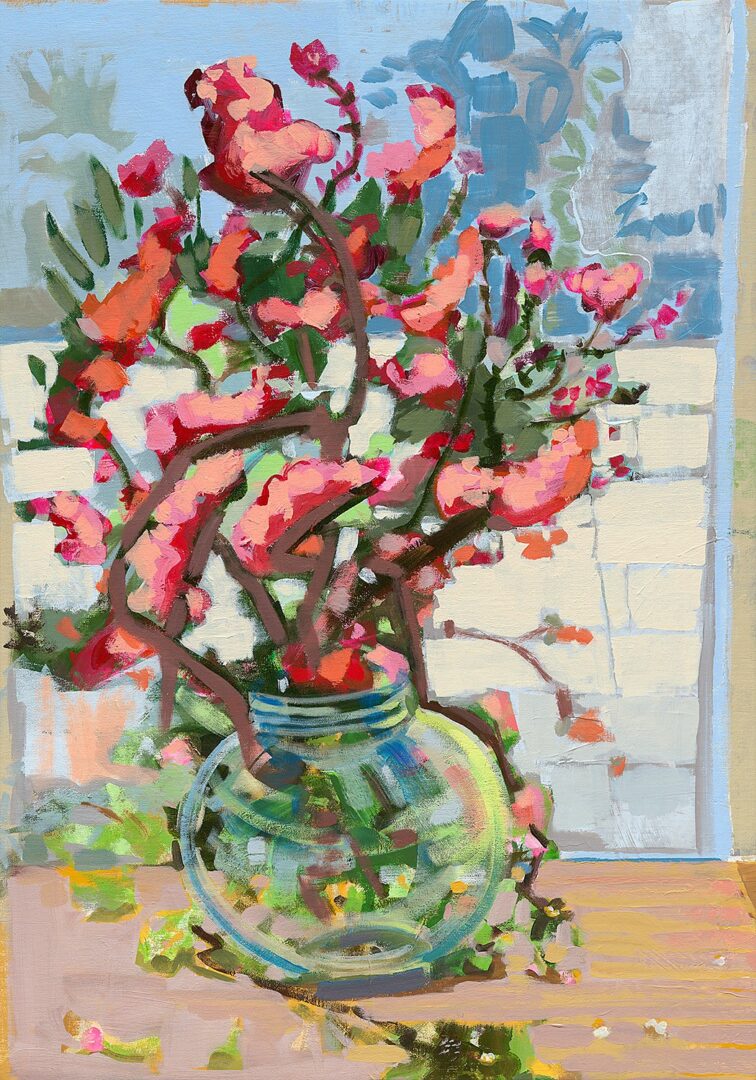
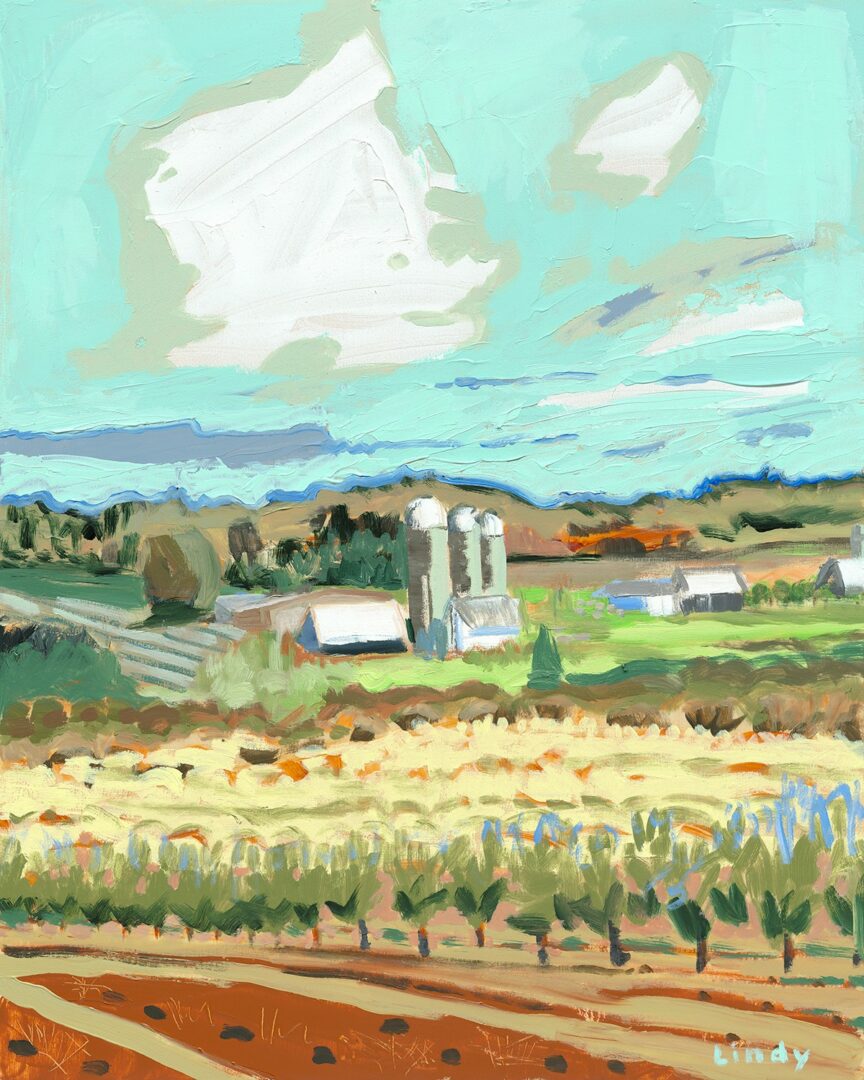
Image Credits
Main photo is taken by David Weidner @dzwphoto
so if you or someone you know deserves recognition please let us know here.