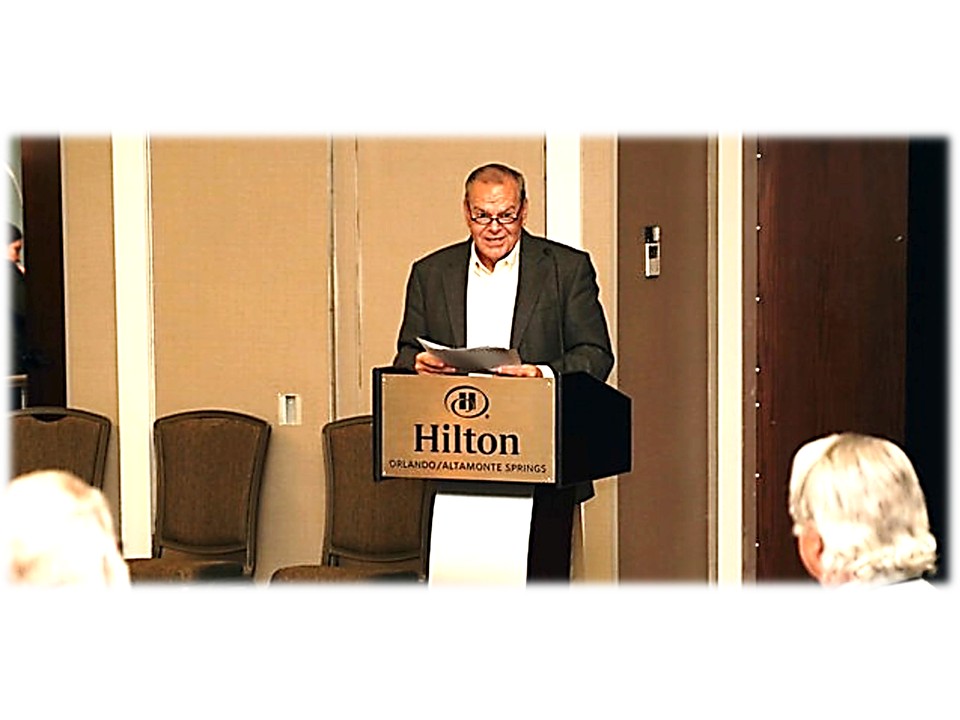
We were lucky to catch up with Lou Pugliese recently and have shared our conversation below.
Hi Lou, thanks for sitting with us today to chat about topics that are relevant to so many. One of those topics is communication skills, because we live in an age where our ability to communicate effectively can be like a superpower. Can you share how you developed your ability to communicate well?
My Mother impressed upon me at an early age that written and verbal communication skills would be the most important things I could learn to do well if I was going to have any success in life. I can’t say I understood her urgency at the time but, I never lost sight of her message. I found no shortage of opportunities to develop those abilities in education, performance, and practice over the years. I enjoyed reading and she continued to feed my curiosity with a variety of genres to expand my experience. She also wanted me to write, and she wanted to write with me. Her background as an English Major and an Editor prompted me and polished my work through my primary schooling days. She was also very supportive of my interest in theater and public speaking which carried through my undergraduate studies. Unfortunately, she died at a relatively young age, so we never got to write the great American novel together, but her voice and message is ever present in my work today.
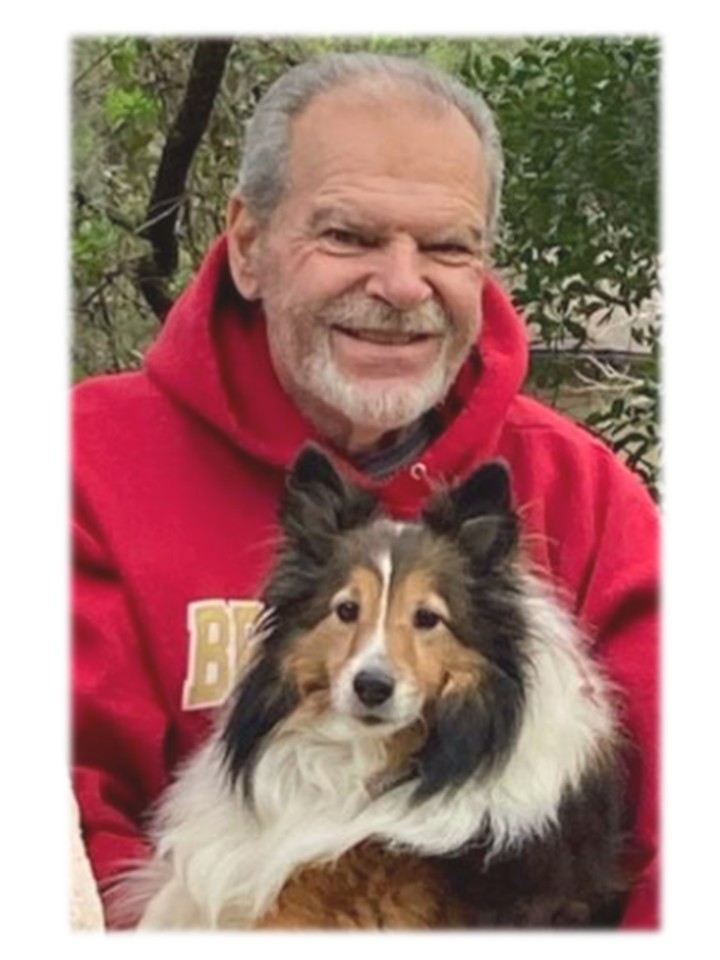
Let’s take a small detour – maybe you can share a bit about yourself before we dive back into some of the other questions we had for you?
I’m retired from two careers and now settling into my third and presumably last one. The first was 37 years in the automotive business. The last 22 years of that journey was with Toyota Motors Corporate where I retired from a senior management position. That gave me the opportunity to travel all 50 states and five continents overseeing national and international projects. It also gave me the chance to complete my education, picking up my MBA and Doctorate to transition to career number two, something I had felt a calling to for years.
Career number two was in academia. I moved into a role as a business professor at a small liberal arts college in Virginia’s beautiful Shenandoah Valley. My wife and I never had children, so I now found my biggest reward of teaching in having an office and classrooms filled with young folks that were the same age my missing kids would have been. I also found my way back to writing, publishing my dissertation on the roots of prejudice, and contributing to creative fiction and poetry channels that I had abandoned through the corporate years. When it was time to retire from teaching, my wife settled us in Florida, and I embarked on career number three.
Career number three is full time fiction writing. The years of travel and the very different work experiences, along with a passion for obscure research, were great fodder for a now unencumbered creative mind to start spilling out the mysteries that Mom and I were supposed to write together. After my first questionable novel I found I had to go back to an elementary learning stage in my new pursuit. This was quite different from any corporate or academic world, and it took several years of guidance from successful authors to learn the beginning basics of the craft through joining and participating in the associations and the affiliated conventions.
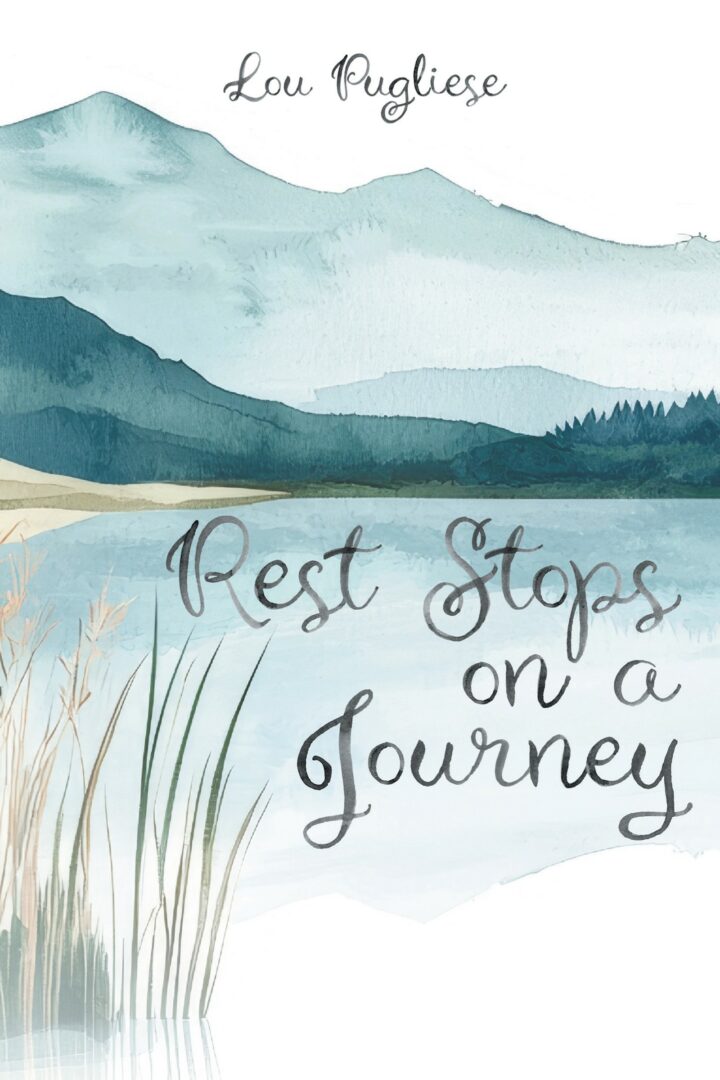
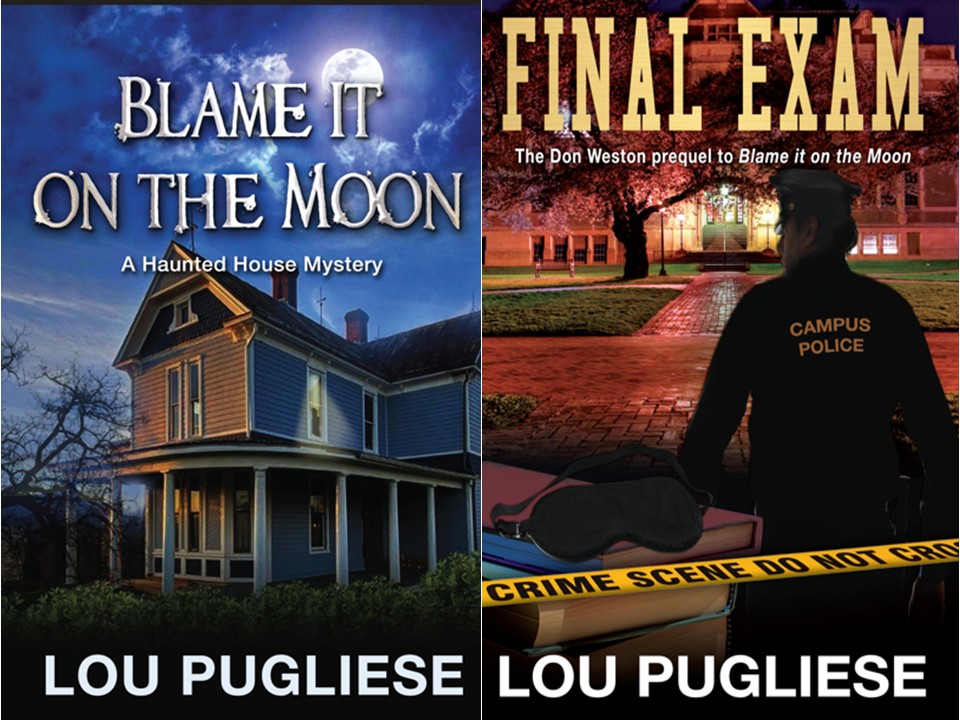
Today I have four published works available through a variety of outlets, Amazon, Ingram Spark, bookstores and libraries. One is the dissertation, two is a semi-autobiographical poetry collection, three and four are the first two books in a series. Those are ‘Blame it on the Moon,’ a Haunted House mystery grounded in an 1800’s home that had been a field hospital during the Civil War. The prequel to that is ‘Final Exam,’ a crime thriller that is the story of Don Weston, a former Philadelphia police captain who is now the chief of police for a small central Pennsylvania liberal arts college. Readers met Don in ‘Blame it on the Moon.’ He joined that ensemble cast as an amateur Civil War historian helping to dig up the mysteries of the past. When Don was asked what it was like to go from a life of intense urban police work to a sleepy college campus, he mentioned that the campus had just gone through some real crime work in the previous year. ‘Final Exam’ is that story.
Book number three in the series will come out in early 2026. ‘The Portal’ brings back all of the ‘Blame it on the Moon’ characters. Vicki Roadcap, a crowd favorite from ‘Moon,” is a partner in a New Age store and Art Gallery. She dies in the first line of ‘The Portal’ but is revived to spend days in a coma. During that period, she finds herself wandering in The Portal, the place that all souls pass through in coming and going.
A long, strange trip it’s been.
Looking back, what do you think were the three qualities, skills, or areas of knowledge that were most impactful in your journey? What advice do you have for folks who are early in their journey in terms of how they can best develop or improve on these?
Mom was right. Written and verbal communication skills are probably the top two things that have served me the best through all of life. The challenge is to also keep an open mind in your communications. I already know what I know, and I should make sure I never block out the knowledge of others. I learned that more deeply in the years of my doctoral studies which heightened the importance of research skills and mindfulness.
I studied the roots of prejudice. My ‘shiny thing’ that I chased in my research was something called entitativity. It can be measured in the degrees of how strongly we hold to pre-existing beliefs. Stereotyping is normal and natural to developing ones understanding of ‘others.’ A person with low degrees of entitativity is always finding and adding new information to the ‘other’ definition, constantly developing a richer understanding. A person exhibiting high degrees of entitativity decides quickly that they know all they need to know about an ‘other’ and rejects novel information that is not in agreement with their position. That is the definition of prejudice. Prejudice is not restricted to ‘protected classes.’ We form ‘others’ in all areas from labor/management to administration/faculty to expected behaviors of sharks, other drivers, and even book clubs.
Prejudice is also how seemingly intelligent, rational people can arrive at total impasses of conversation, ignoring any and all available facts, abdicating common ground and embracing mistrust. My advice to someone early in their journey is to embrace a sense of lifelong learning, accepting that there is always more to know. Do your research to continually explore the truth but do it with an open mind.
How would you spend the next decade if you somehow knew that it was your last?
I’m pretty sure I don’t have much more than a decade of life left so this is easy. Professionally I expect to release a new book every year until I can’t.
Personally, I plan to love my wife for every moment we have left. I also have school and work friends I stay in touch and travel with and look forward to continuing that as long as we can. I’ll continue working on myself, knowing I’ll never reach the ultimate challenge of being the person my dog thinks I am.
Lastly, never forget this line from Tom Robbins ‘Still Life with Woodpecker:”
“It’s never too late to have a happy childhood.”
Contact Info:
- Website: https://loupuglieseauthor.com/
- Instagram: https://www.instagram.com/lpuglies/
- Facebook: https://www.facebook.com/profile.php?id=61556456145344
- Linkedin: https://www.linkedin.com/in/lou-pugliese-0b10372b/
- Youtube: https://www.youtube.com/channel/UCK58Cmfbfe1i3n6E4dj_4Xw/videos
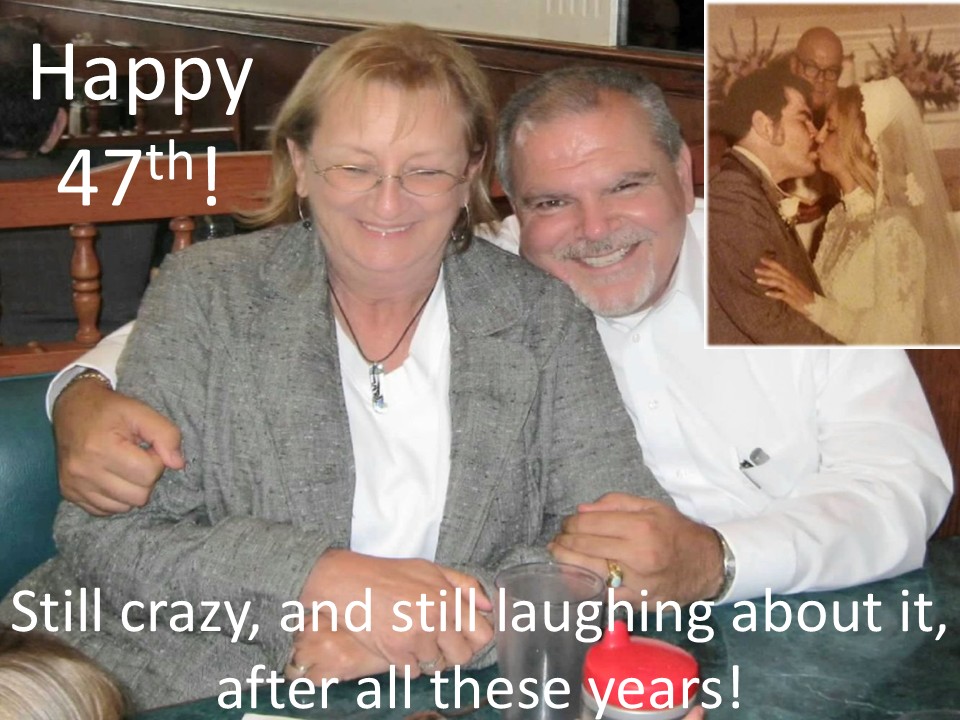
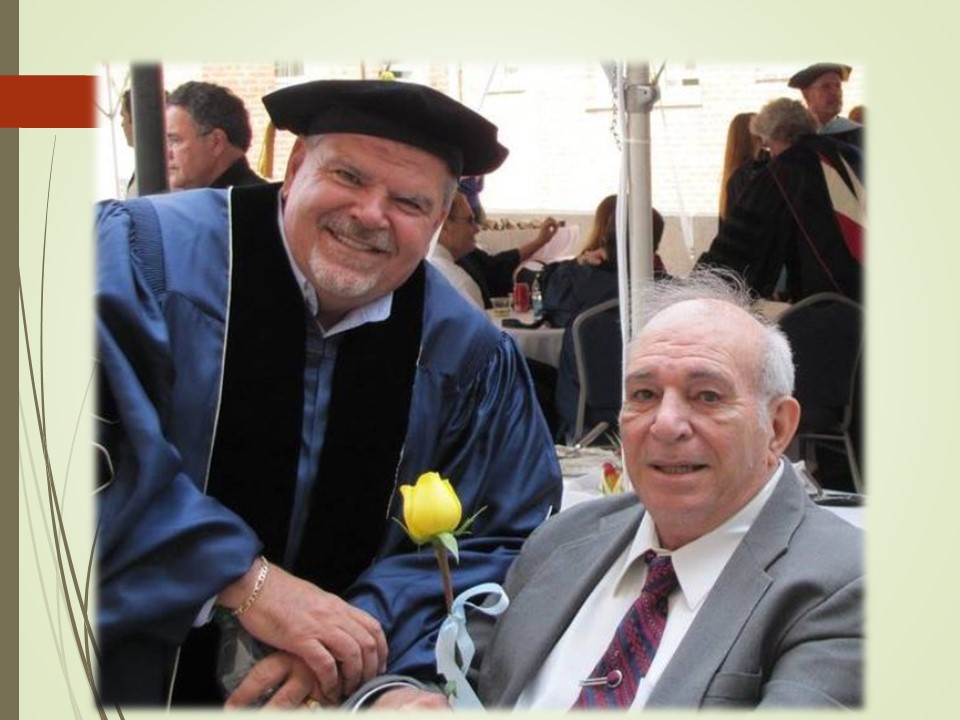
Image Credits
Lou Pugliese
so if you or someone you know deserves recognition please let us know here.