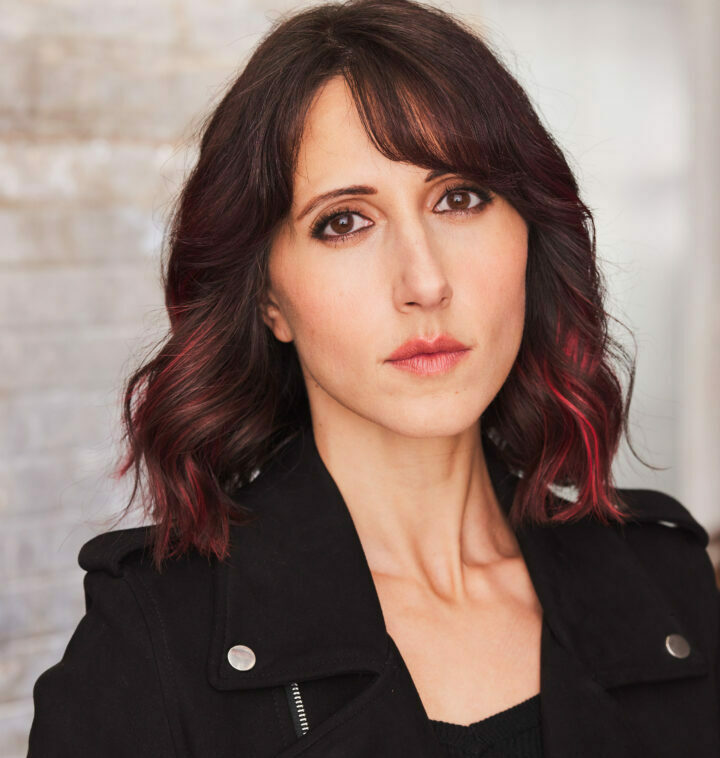
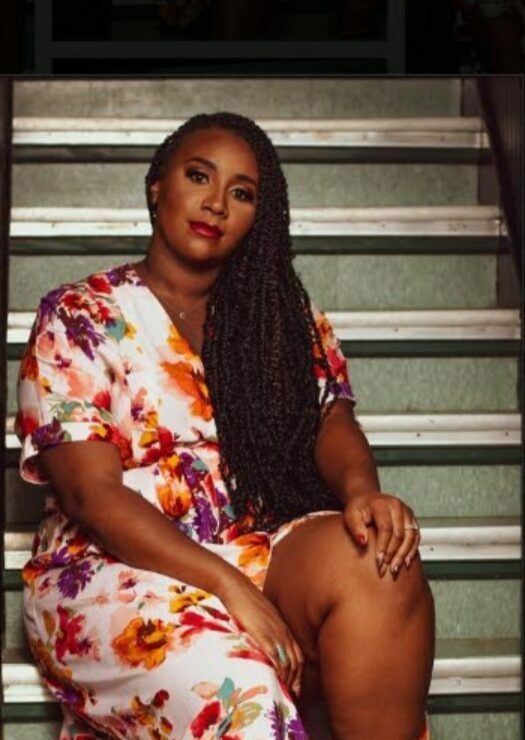
We recently connected with Lucie Schwartz and have shared our conversation below.
Hi Lucie, so excited to talk about all sorts of important topics with you today. The first one we want to jump into is about being the only one in the room – for some that’s being the only person of color or the only non-native English speaker or the only non-MBA, etc Can you talk to us about how you have managed to be successful even when you were the only one in the room that looked like you?
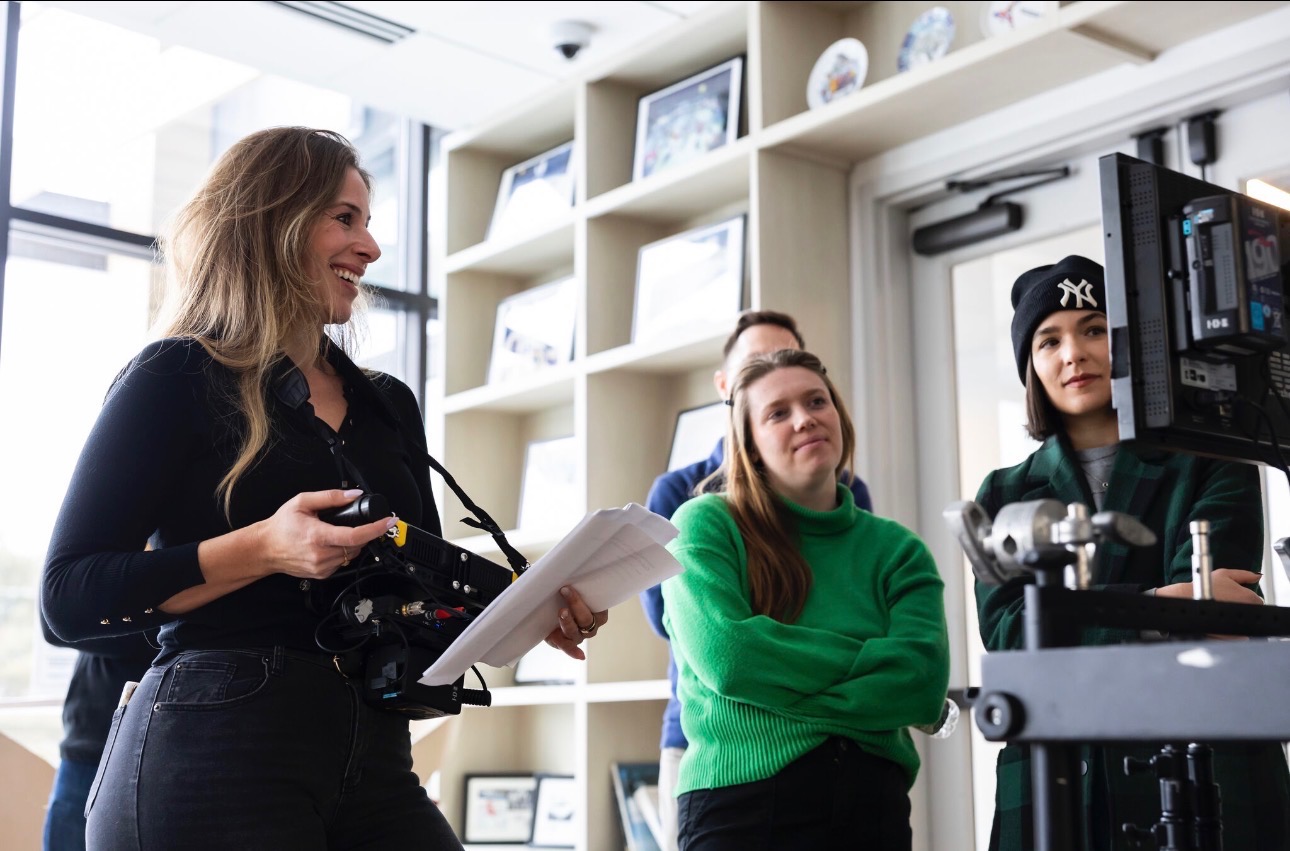
Working in production, I’ve often found myself in environments where I am the only woman on set. Early in my career, I felt pressure to either overprove myself or shrink to fit the tone of the room. Over time, I’ve learned that neither is effective.
I focus on being deeply prepared so that my value is undeniable. When you know the material, understand the logistics, and anticipate challenges, you don’t have to fight for authority because it becomes evident. I’ve also learned that leadership does not require mirroring the dominant energy in the room. I do not need to be the loudest voice to be effective. Calm decisiveness, clear communication, and consistency build trust quickly on set.
At the same time, I am very aware that while I may be the only woman in certain spaces, I am also a white woman and benefit from privilege in ways others do not. That awareness is important to me. It means I try to be intentional about creating space for others, advocating for inclusive crews, and supporting diverse voices whenever I have influence over hiring or decision-making. Being in the minority can be isolating, and I do not want anyone else to feel that way if I can help it.
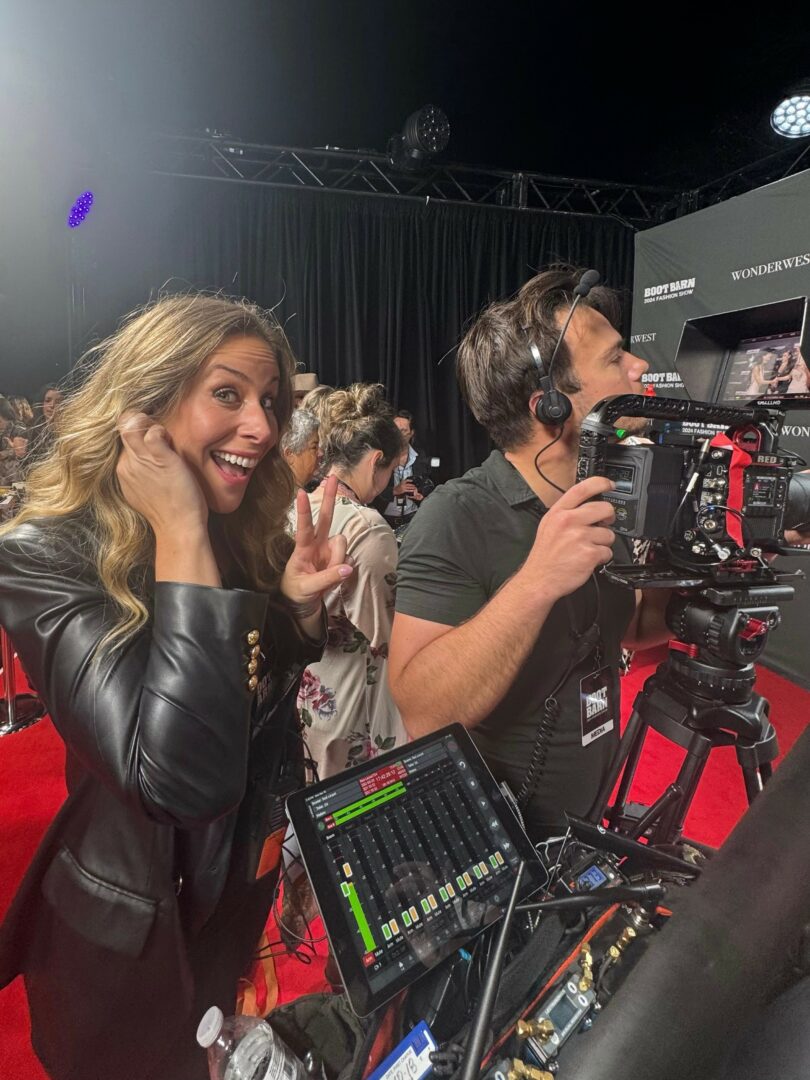
Thanks for sharing that. So, before we get any further into our conversation, can you tell our readers a bit about yourself and what you’re working on?
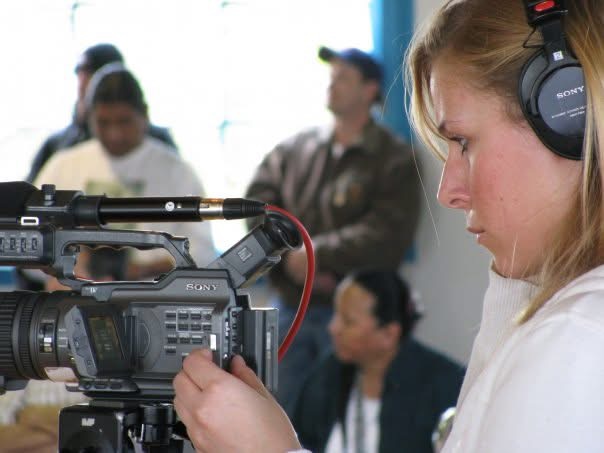
I’m a producer working at the intersection of storytelling, strategy, and execution. My background spans documentary, branded content, and live production, and I currently work in an agency environment where I lead creative productions from concept through delivery. At the core of what I do is translating ideas into tangible, cinematic experiences that connect with real audiences.
What excites me most about my work is the balance between creativity and problem-solving. Production is both art and logistics. On any given project, I’m shaping narrative, managing talent, collaborating with directors and clients, overseeing budgets, and ensuring that every moving piece aligns with the larger vision. I love being the connective tissue between creative ambition and practical execution. When it works, it feels seamless. But behind that seamlessness is thoughtful planning, trust, and collaboration.
I’m especially drawn to projects that blend authenticity with impact. Whether that’s a brand story, a documentary-style piece, or a campaign tied to a meaningful mission, I’m motivated by work that feels human. My background as a lifelong figure skater has also shaped how I approach production. Skating instilled discipline, resilience, and comfort performing under pressure, all of which translate directly to leading a set. It also gave me a deep appreciation for craft, which I carry into every shoot.
What feels most special about this chapter of my career is the range. I’m producing across industries, scales, and formats, which keeps me constantly learning. I’m focused on continuing to build ambitious, story-driven work while expanding the types of projects I lead, particularly larger-scale branded films and documentary-driven campaigns.
At the heart of my “brand,” if you will, is thoughtful leadership. I care deeply about the culture on set and the experience of the teams I work with. I believe you can deliver high-level creative while also creating an environment that is collaborative, respectful, and energizing. That balance matters to me.
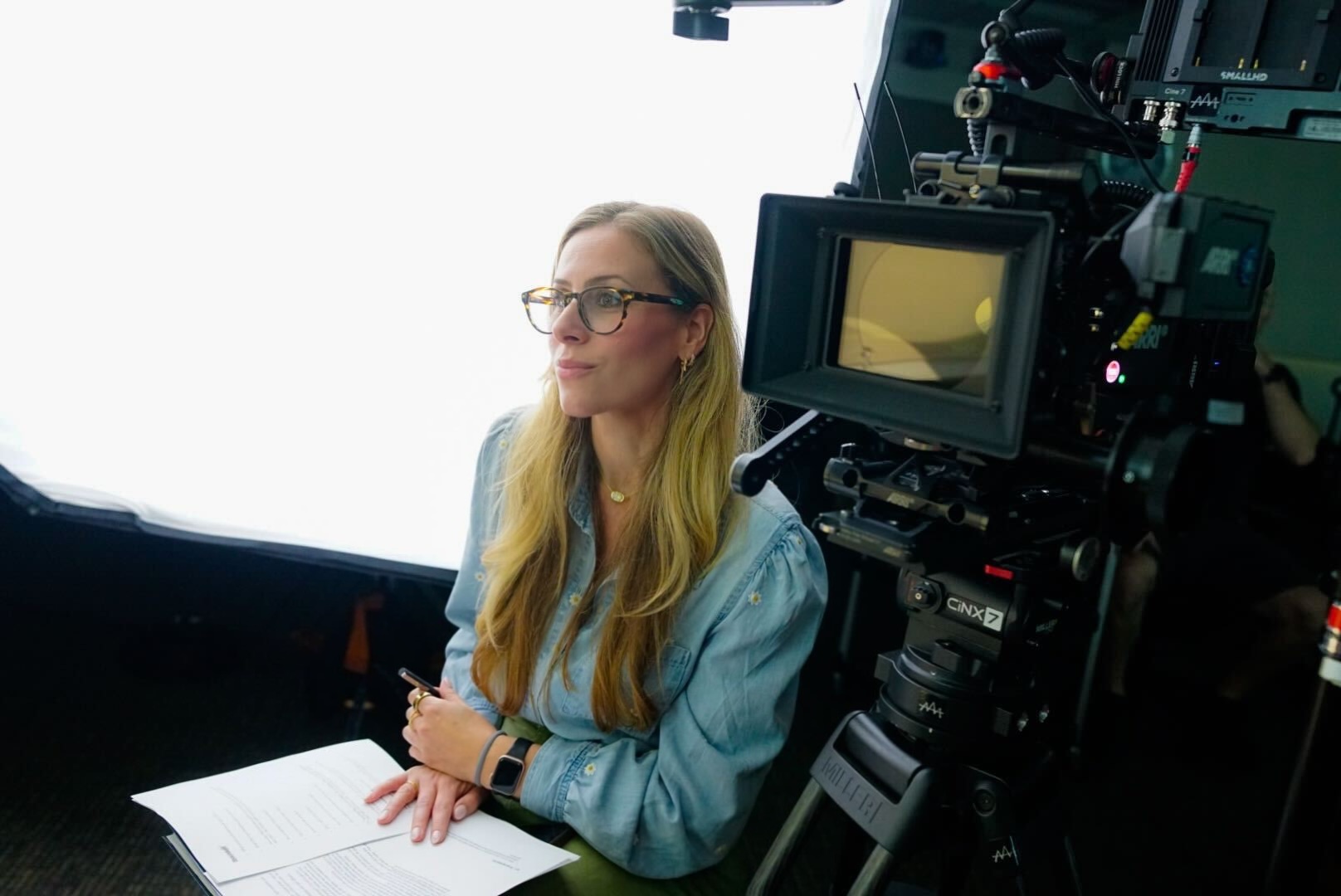
If you had to pick three qualities that are most important to develop, which three would you say matter most?
Three things have been especially impactful in my journey: preparation, emotional intelligence, and resilience. Production moves quickly, and credibility is built in real time. Being deeply prepared has consistently been my greatest advantage. That means knowing the creative inside and out, understanding the logistics, anticipating challenges before they arise, and walking onto set with clarity. Preparation builds confidence, and confidence builds trust. For those early in their careers, my advice is to over-prepare. Read everything, ask thoughtful questions, and understand not just your role but how your role fits into the bigger picture. The more you understand the full ecosystem of a project, the more valuable you become.
Equally important has been emotional intelligence. So much of producing is people management. You are navigating clients, directors, crew, talent, and internal teams, all with different pressures and priorities. The ability to read a room, listen actively, and communicate clearly is just as important as technical knowledge. I learned that leadership is not about being the loudest voice. It is about steadiness and clarity. For those starting out, pay attention to how strong leaders make people feel. Observe team dynamics and practice direct, thoughtful communication. Emotional intelligence deepens over time and becomes one of your most powerful tools.
Resilience has also been critical. Production is inherently unpredictable. Budgets shift, weather changes, timelines compress, and creative evolves. There will be long days and moments when things do not go as planned. Resilience allows you to stay solutions-oriented rather than reactive. For anyone early in their journey, understand that mistakes and challenges are not signs that you are not cut out for the work. They are part of the process. What shapes your trajectory is how you respond.
If I could offer one overarching piece of advice, it would be to invest in both competence and character. Technical skills may open doors, but integrity, consistency, and the way you treat people are what sustain a career. The industry is smaller than it seems, and your reputation is built every single day.
To close, maybe we can chat about your parents and what they did that was particularly impactful for you?
The most impactful thing my parents did for me was give me a truly bicultural upbringing. I grew up in France with an American Jewish father and a French Catholic mother, and from an early age I was immersed in two languages, two traditions, and two ways of seeing the world. Our home was a blend of perspectives, holidays, histories, and values. That experience shaped not just how I communicate, but how I listen.
Being bilingual taught me more than vocabulary. It taught me nuance. Language carries culture, humor, context, and emotion. Switching between English and French meant constantly adjusting to different social cues and frameworks, which made me adaptable and curious. Growing up around both Judaism and Catholicism also instilled a deep respect for faith, tradition, and difference. There was never a single narrative presented as the only one. Instead, I was encouraged to understand, to ask questions, and to appreciate where people come from.
I was also incredibly fortunate to travel often and to be exposed to different countries, communities, and ways of life. That exposure made the world feel both expansive and interconnected. It gave me a lasting appreciation for culture and a belief that tolerance is not passive. It is active. It requires engagement, empathy, and openness.
Looking back, that foundation has influenced every part of my life and career. It shaped how I navigate diverse environments, how I build relationships, and how I approach storytelling. My parents gave me more than language or travel. They gave me perspective, and that has been one of the greatest advantages of my life.
Contact Info:
- Website: https://lucieschwartz.com/
- Linkedin: https://www.linkedin.com/in/lucieschwartz/
so if you or someone you know deserves recognition please let us know here.