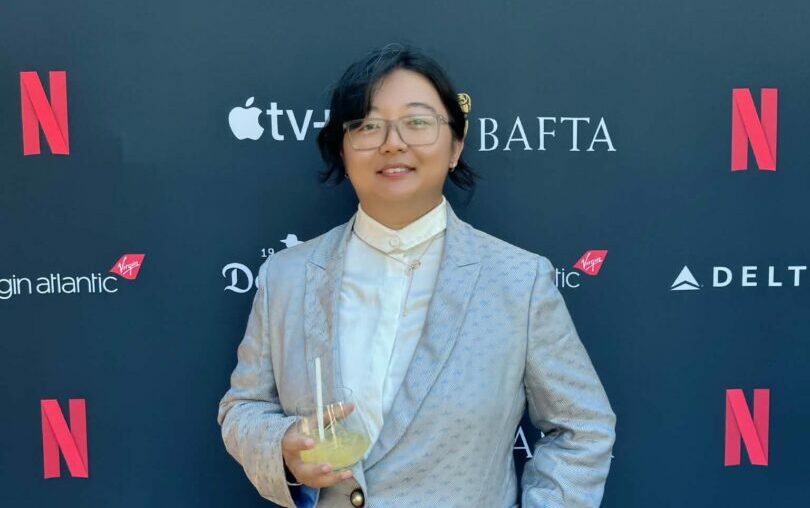
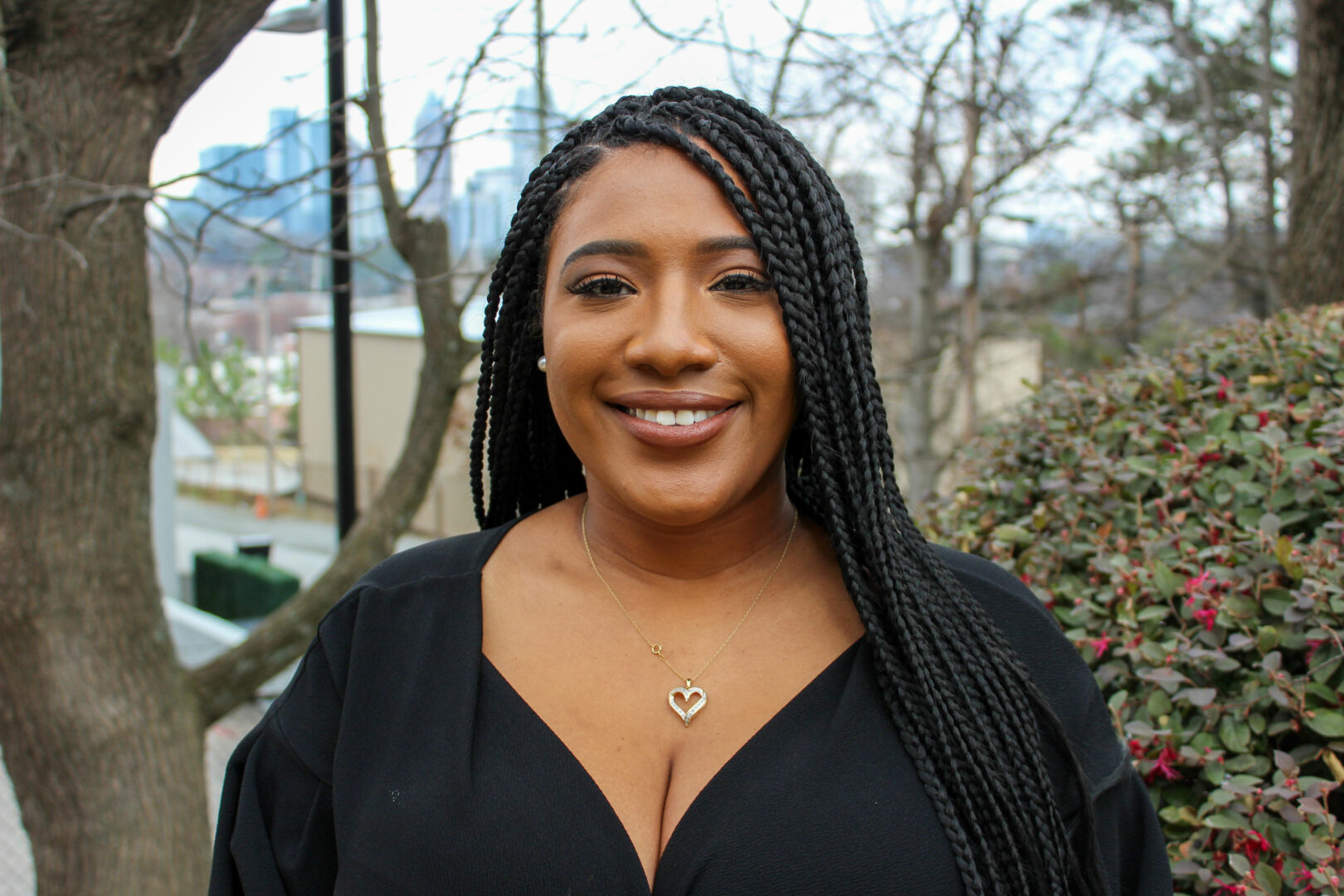
Alright – so today we’ve got the honor of introducing you to Mackenzie Boone. We think you’ll enjoy our conversation, we’ve shared it below.
MacKenzie, sincerely appreciate your selflessness in agreeing to discuss your mental health journey and how you overcame and persisted despite the challenges. Please share with our readers how you overcame. For readers, please note this is not medical advice, we are not doctors, you should always consult professionals for advice and that this is merely one person sharing their story and experience.
The short answer would be, to do it anyway. Do it scared, alone, while you’re not feeling good, when you don’t want to get out of bed- do it. Motivation doesn’t come naturally for me with a lot of things anymore. Now it’s more about self-discipline. I’m living with a lot of what I used to pray for, so I’ve got to continue to find gratitude in the midst of my chaos.
I’m not sure that i will ever completely overcome my mental health, but I do know there are evidence based practices that have yielded positive outcomes.
I was like 6 years old when everything started, for no apparent reason. If it’s one thing, anxiety morphs. It began with emetaphobia, and morphed into rituals and compulsions where I gave into everyday. My number was 7, do it 7 times and if I lost count, do it again. Don’t walk around the house this way, go this other way instead. Don’t go over these railroad tracks, use these instead. And do it again. Oh, if you do these things? Something really bad is going to happen, and not just to you, but to your family. Do it again.
To someone who has never experienced this, it sounds so incredibly illogical. But no matter what I did, I couldn’t out-logic it, my mind always came back with something bigger and better. Sometimes, it became so miserable that I wasn’t sure if I would ever make it to 21 years old. Today, I am 28.
I take anxiety and OCD medication daily- did you know only around 2% of the world has the OCD disorder and diagnosis? It’s debilitating when you lose control, yet learning that you don’t always have to be in control is an essential part of it. OCD has probably been the most difficult part of my anxiety and living through it is torture. I started therapy and this was difficult as well, there was a lot of reality testing and a lot of acceptance. This meant backing down and allowing the feelings to be there and not fight them off. Do it 4 times, and learn how to be comfortable being uncomfortable. My therapist told me to welcome the feelings like a friend, and while I’m not sure I’ll ever be their friends, we have become quite the acquaintances. It’s because of him that I was inspired to get my masters in clinical mental health.
I get anxious all the time; but I don’t push it away. I do the things I need to do, the things I want to do, and the things I am so fortunate to be able to do- anxious. I just do it anxious. I do it scared. I do it sad, I do it alone, whatever it may be, I do it. While I may not always have the choice to feel a certain way, I always have a choice on how to react and adjust my sails to ride the waves.

Thanks, so before we move on maybe you can share a bit more about yourself?
I have my M.S. in clinical mental health and am an admissions coordinator. I have worked mainly with kids, and I love it.
I also model throughout Memphis which is something I have always been passionate about as well. When I’m in the moment, I’m not worried about the future. And every photo I have, I can tell you the story behind it.

Looking back, what do you think were the three qualities, skills, or areas of knowledge that were most impactful in your journey? What advice do you have for folks who are early in their journey in terms of how they can best develop or improve on these?
1. Acceptance. You cannot change what you cannot change. Don’t force it.
2. Comprehension. Everyone talks about good communication but it doesn’t matter how well you communicate if the other person isn’t comprehending it, or you aren’t comprehending what they’re saying.
3. Failure. Sometimes I’m still so scared to mess up, but I know that it is inevitable and the one way for me to learn how to do something right, is to do it wrong. That’s okay.
Like playing tennis or soccer, practice makes perfect. You have to practice your values and your cognitions and behaviors to get to where you want to be. You have to practice. You have to keep trying until you get that small victory that you cling to.

Thanks so much for sharing all these insights with us today. Before we go, is there a book that’s played in important role in your development?
So, in 2020 my father passed of a brain disease called Multiple System Atrophy. Whilst he was accepting his terminal diagnosis, I got him a book called Make Your Bed by Admiral William H. McRaven. My dad was not a reader, but he read that. I don’t want to spoil the book for any potential readers, as it is an easy but powerful read. However, McRaven talks about a lot of his experiences and how painful both physically and mentally they were; and he talks about the little things he did to help, like making his bed. No matter how beat up he was at the end of the day, he had at least done one productive thing. He made his bed. I have since given the book to my husband, who has written key points down and leaves them on his work desk- that book is basically on speed dial for me. Anytime I need inspiration and encouragement, it’s there.
Contact Info:
- Instagram: Mackenzieboone


Image Credits
Michael Butler, Aleks Antonío
so if you or someone you know deserves recognition please let us know here.